Design of backdoor
CAR BACK DOOR ASSEMBLY DESIGN
Details about the CAR_BACK_DOOR:-
The back door is a hinged door/tailgate at the vehicle's rear. It may be used for loading and unloading cargo, or to get passengers in and out, in case there are seats present at the rear. The back door comprises specific components which form the back door assembly together.
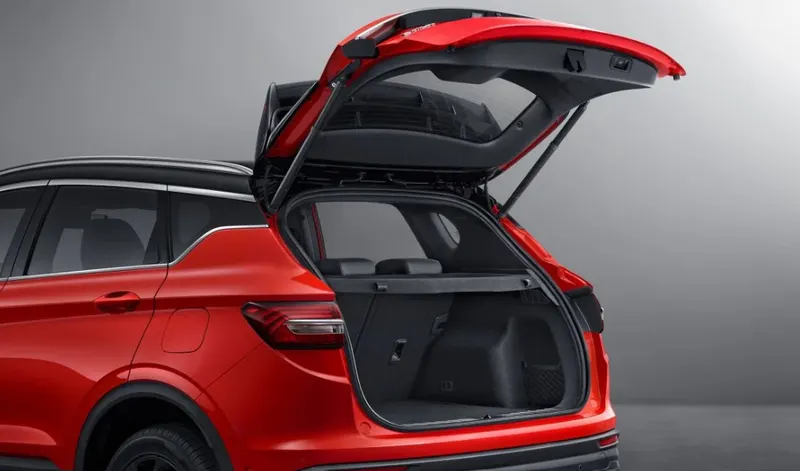
The trunk or luggage compartment is most often at the rear of the vehicle. Early designs had an exterior rack on the rear of the vehicle to attach the luggage trunk. Later designs integrated the storage area into the vehicle's body and eventually became more streamlined. The main storage compartment is normally provided at the end of the vehicle opposite to which the engine is located.
Some mid-engined or electric cars have luggage compartments both in the front and in the rear. Examples include the Porsche 914 and Boxster as well as Toyota MR2. The mid-engined Fiat X1/9 also has two storage compartments, although the rear one is small, easily accessible, and practically cuboid in shape.
Rear-engined cars like Volkswagen Beetle or Porsche 911 have the trunk in front of the passenger compartment. The Volkswagen Type featured a rear engine design that allowed for a shallow conventional trunk in the rear as well as space in the front for luggage,
Sometimes during the design life of the vehicle, the lid may be restyled to increase the size or improve the practicality and usefulness of the trunk's shape. Examples of this include the Beetle redesign to the 1970s 'Super Beetle' and the pre-war and 1950s post-war Citroën Traction Avant.
Openings
The door or opening of a cargo area may be hinged at the top, side, or bottom.
If the door is hinged at the bottom it is called a tailgate, particularly in the United States. They are used on station wagons, pickup trucks, and some sport utility vehicles (SUVs). Traditional drop-down station wagons and pickup tailgates can also serve as a mount for a workbench,
Traditional U.S. station wagons included a roll-down window retracting into the tailgate to load small items or to allow the tailgate to be opened down on its bottom-mounted hinges. Because of the potential for carbon-monoxide fumes, the tailgate window on station wagons should be closed whenever the engine is running.
Two-way station wagon tailgates may be hinged at the side and the bottom so they can be opened sideways like a regular door, or drop downwards as load platform extenders. They are designed with special handle(s) for opening in the selected direction on special hinges after the window is lowered.
A three-way design that was also used by Ford allows for the tailgate to be opened like a door with the window up.
General Motors developed a clamshell style "disappearing" design where the rear window rolls up into the roof and the tailgate slides down and beneath the load floor.
If the door is hinged at the top it is termed a hatch and is used on a hatchback. A bottom-opening door is now common on SUVs.
Types of Back Door are described based on the opening of the Door
The opening of the backdoor depends upon the type of vehicle the different types of rear door openings are as follows:-
Side-mounted, Top-mounted, Bottom mounted.
Side-mounted,
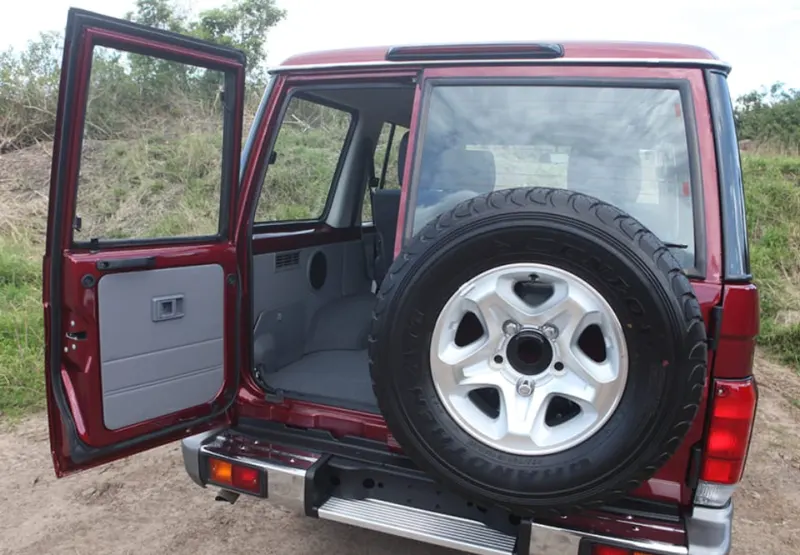
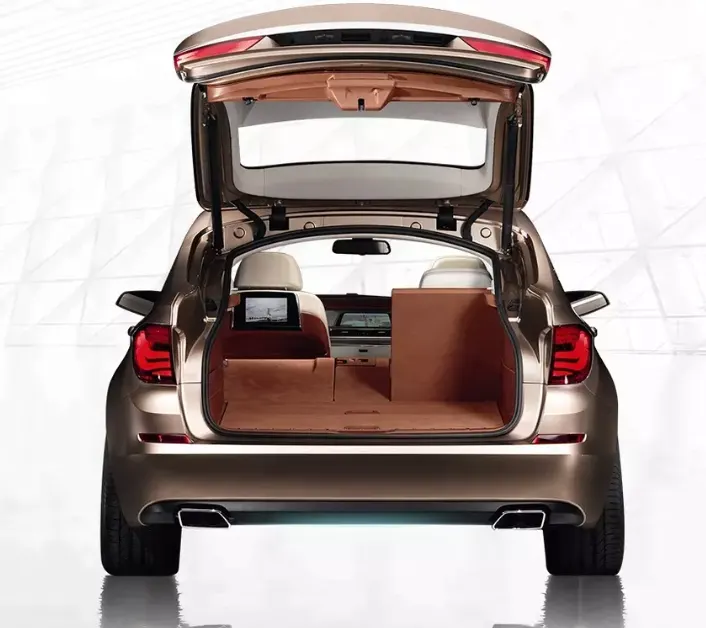
Top-mounted
Bottom mounted.
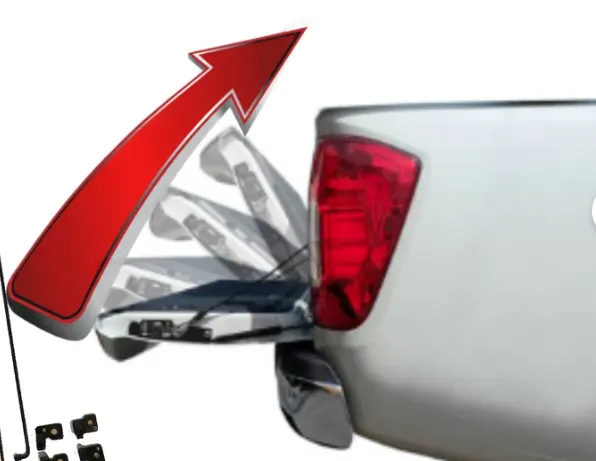
If the door is hinged at the bottom it is called a "Tailgate", particularly in the United States. They are used on station wagons, pickup trucks, and some sport utility vehicles (SUVs). Traditional drop-down station wagons and pickup tailgates can also serve as a mount for a workbench
Back Door Assembly Components:-
1. Back Door Outer Upper Panel.
2. Back Door Outer Lower Panel.
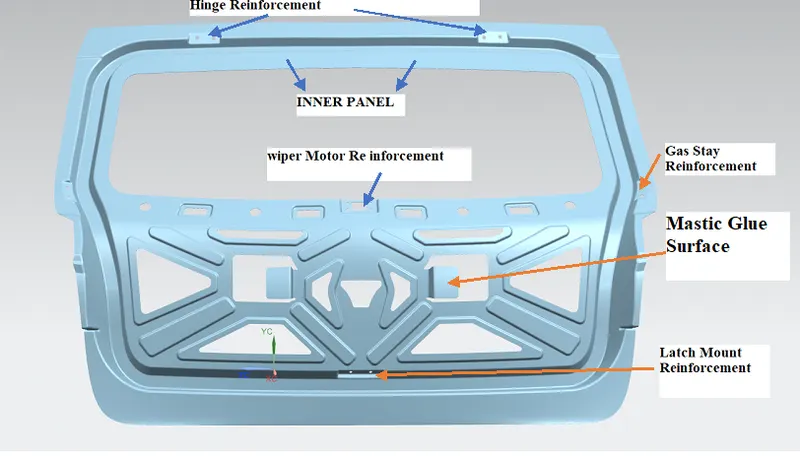
3. Back Door Inner Panel.
4. Gas Stay Reinforcement LH and RH
5. Hinge Reinforcement LH and RH.
6. Latch Reinforcement.
7. Wiper Motor Reinforcement.
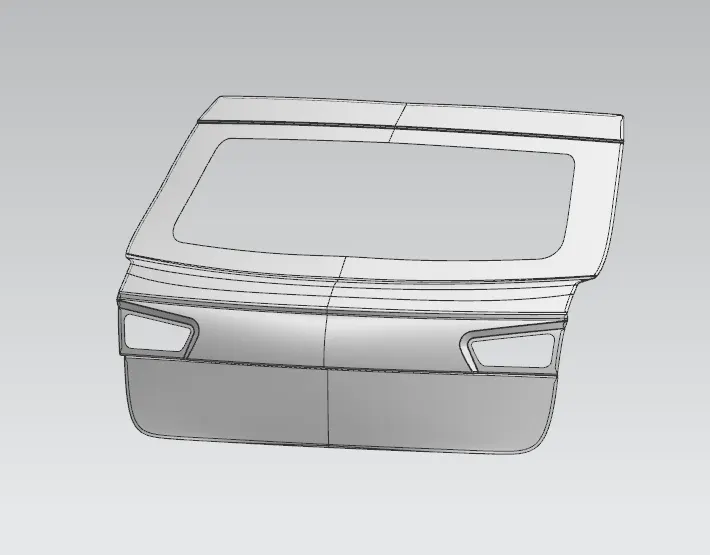
OUTER PANEL
Mostly we have to deeply analysis of the Skin's surface if there are any clashed surfaces. repair the surface and go for smooth surfaces
gently create the hemming surface and hemming corner cut. thicken this surface is =0.75mm.
INNER PANEL
The inner part of the Back door. is where the Windshield & most of the reinforcements and components are mounted. It is manufactured Materials either by casting (aluminum) or sheet metal stamping (steel). The thickness of the inner panel is 0.75 mm.
REINFORCEMENTS
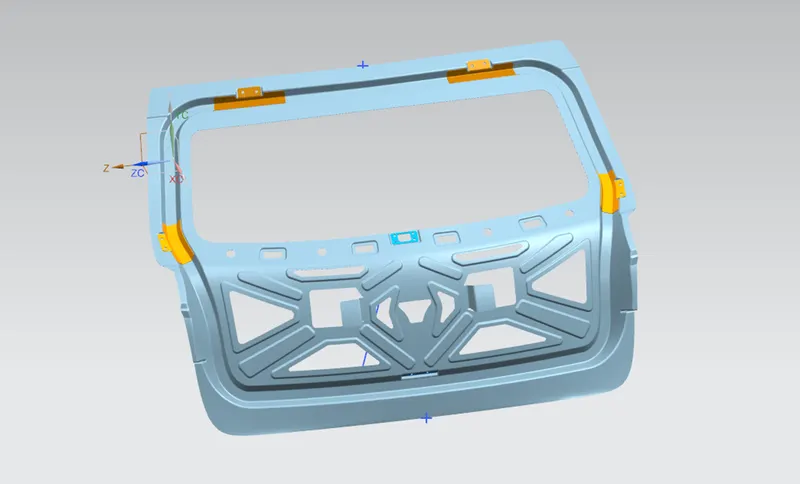
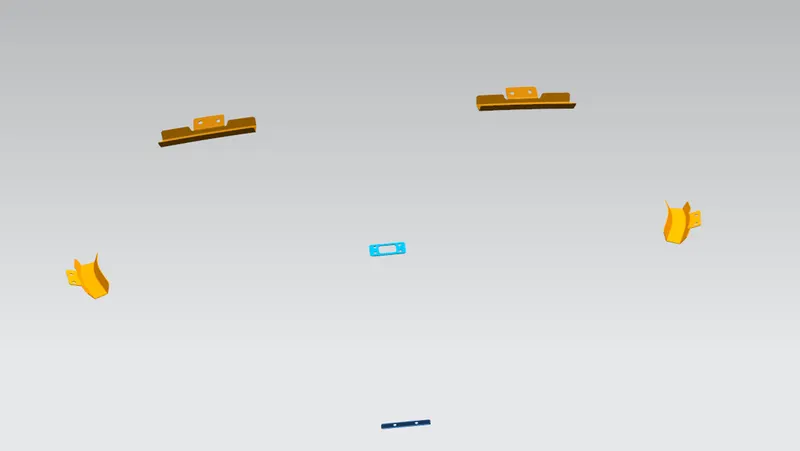
Reinforcements are provided to provide support and add additional material to increase its strength near component installation regions and minimize the impact of collisions. We have considered the following reinforcements during our design. The reinforcements may be manufactured by stamping. The thickness of all reinforcements is considered 1.5 mm.
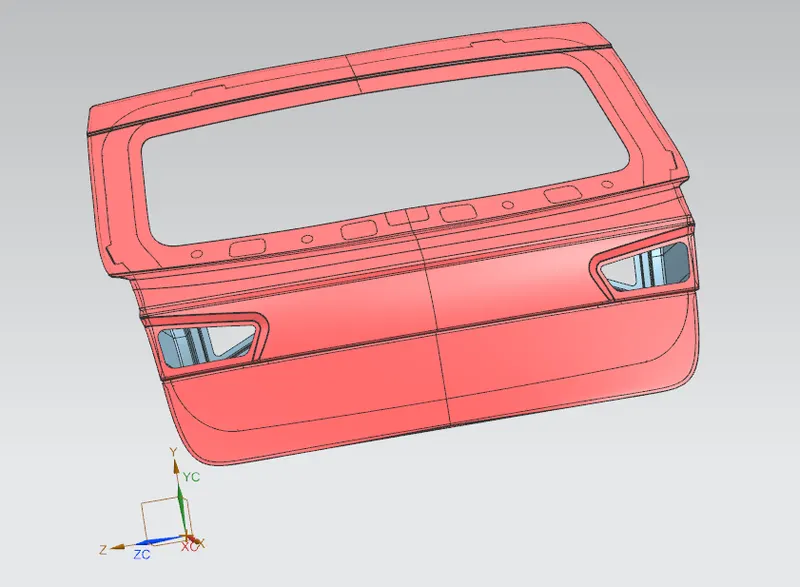
DESIGN CONSIDERATIONS FOR THE BACK DOOR:
Functional Requirement: Hinge and gas stay are Functional Requirements
Stricker Position:
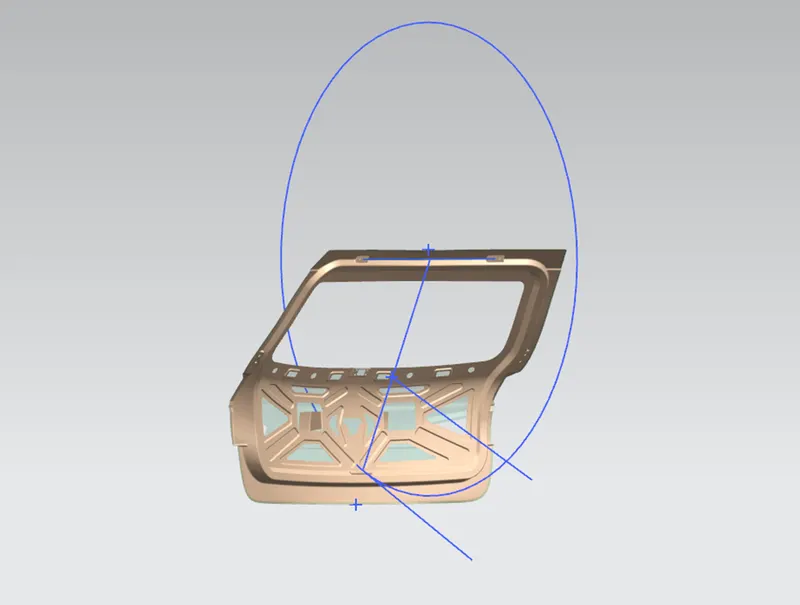
The position of the hinge should be perpendicular to the latch when the latch and striker meet. for that, a circle is drawn from the center of the hinge axis to find the direction of the striker. and positioned it perpendicular to the path circle.
REAR VISIBILITY CRITERIA
Federal motor vehicle safety standard, “Rear Visibility,” currently requires that vehicles be equipped with rearview mirrors to provide drivers with a view of objects that are to their side or their side and rear.
REAR CRASH REGULATIONS
Requirement of sealing and its function:
To prevent water from entering the cabin we are introducing a sealing area where the sealing flange is provided on the inner panel and a rubber mounting area is provided on the body side.
JOINING TECHNIQUES
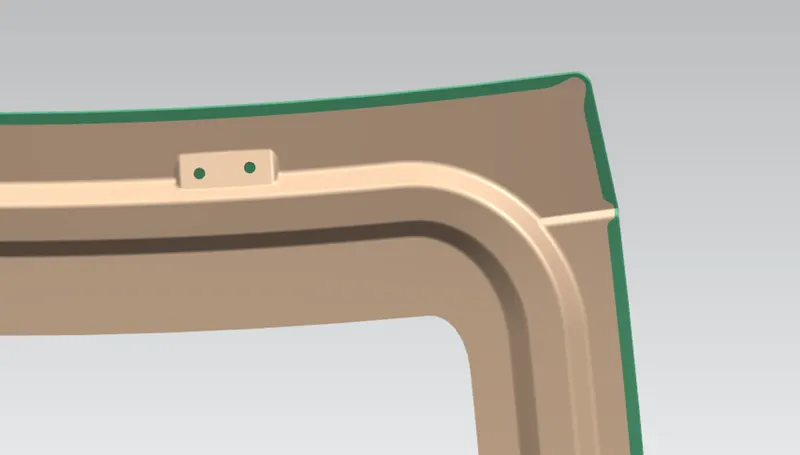
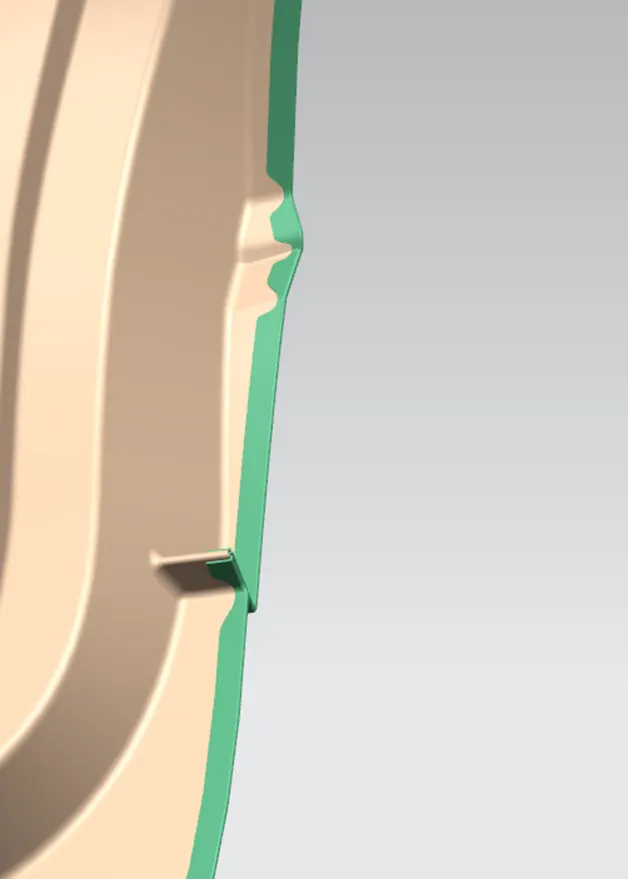
To join inner and outer panels the Hemming process is used and to join outer upper and lower panels laser brazing welding is used.
HEMMING
Hemming is a forming operation in which the edges of the sheet are folded or folded over another part to achieve a tight fit. Normally hemming operations are used to connect parts, improve the appearance of a part, and reinforce part edges.
BRAZING OPERATIONS
The brazing solder is melted with the help of an industrial laser and has been used mainly in the mass production of vehicle bodies. There, laser beam brazing is mostly used for joining galvanized metal sheets or lightweight components made of aluminum, but also for other brazing materials. Laser automobile brazing is usually realized with a brazing optic that is integrated with a robot. The laser beam is guided along the joint where it melts the brazing solder
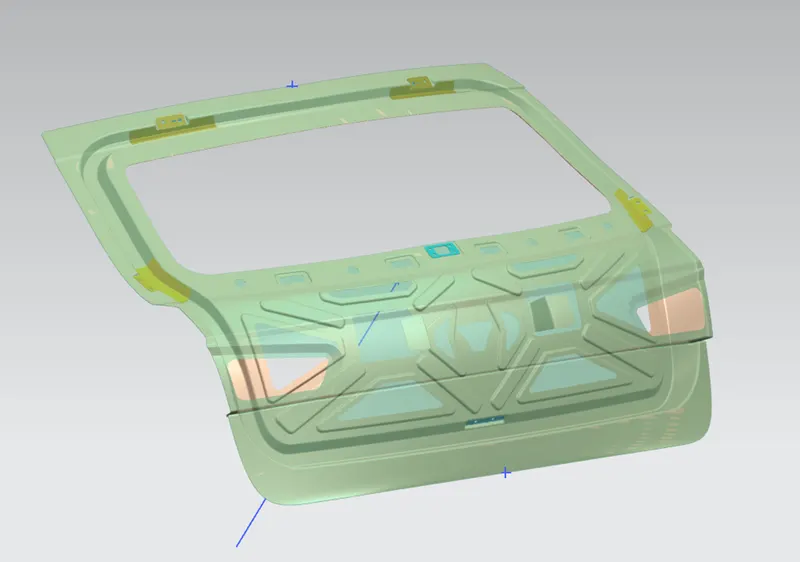
GAP AND FLUSHNESS REQUIREMENTS
Mastic Seals: Mastic Seals are placed in between Inner and outer panels to make them stronger and reduce vibration noises, and harshness. Every Mastic will have an effect of 80mm Dia. The inner and outer panel gap is 4 to 5mm. Also, a 0.2mm gap is required for the Hemming and that gap will be filled with hemming glue.
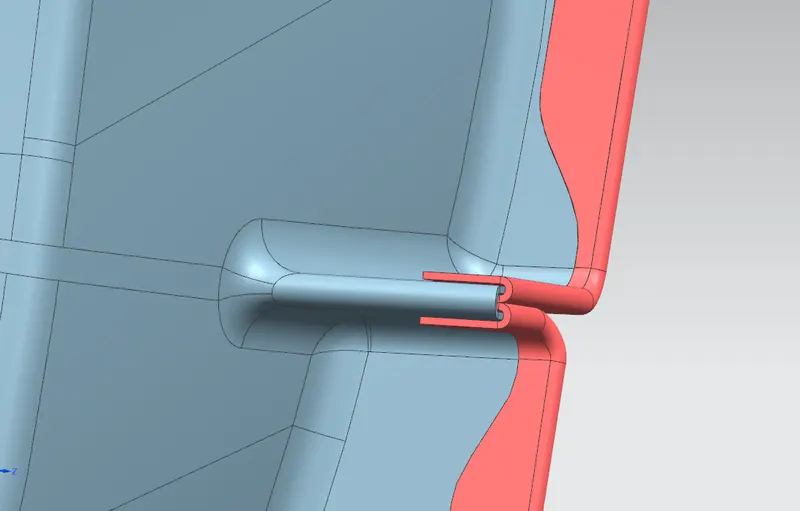
reinforcements are added and all the weight is added. On the inner panel, we have Hinges and a striker, which are attached to the inner panel so due to this attachment the strength of the inner panel is going weak. Strengthening the inner panel reinforcements will play a very important role. A stiffener pad is a sponge-like material placed b/w Inner and outer panels to reduce vibrations.
Different Sheetmetal operational processes used for manufacturing the Back Door components
DEEP DRAWING
The metal deep-drawing process is an effective method of manufacturing cups, cans, and other similar deep-drawing products. The deep drawings have two main categories.
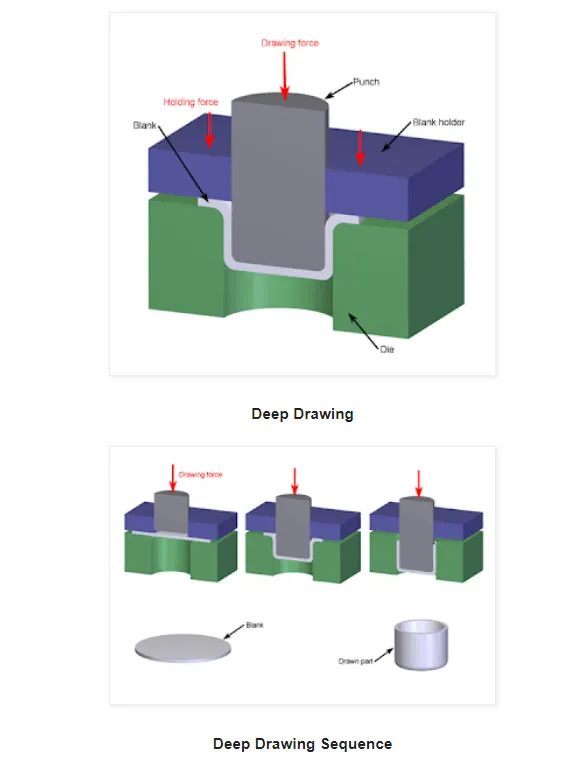
INITIAL STAGE DEEP DRAWING
The blank shape of metal is placed on the die and in contact with the punch. When the metal specimen is a flat piece of sheet metal used in forming and finishing the product. Initially, the punch moves in a downward direction. The outer rim of the blank is subjected to pure radial drawing (drawing toward vertical axes) between the die and blank metal. The metal becomes bent and slides over the die and also stretched between the die and punch. The metal in the vicinity of the punch head and contact with it bends and slides over radii and stretches over the punch head.
REDRAWING
The components are drawn from the first stage again it is redrawn and converted into more depth to form a cup shape in the die and punch. The second stage of drawing is called redrawing.
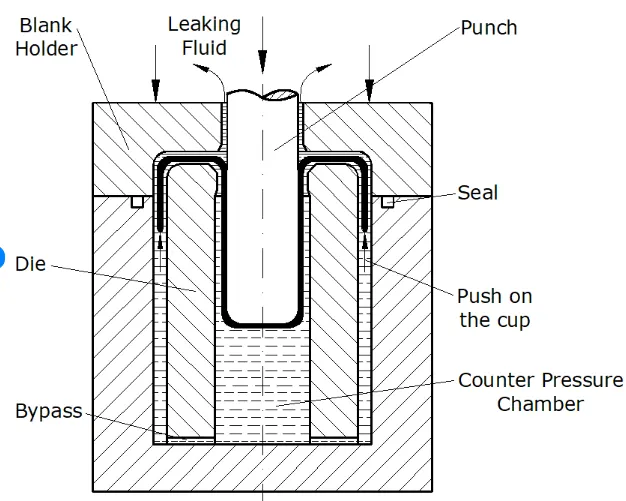
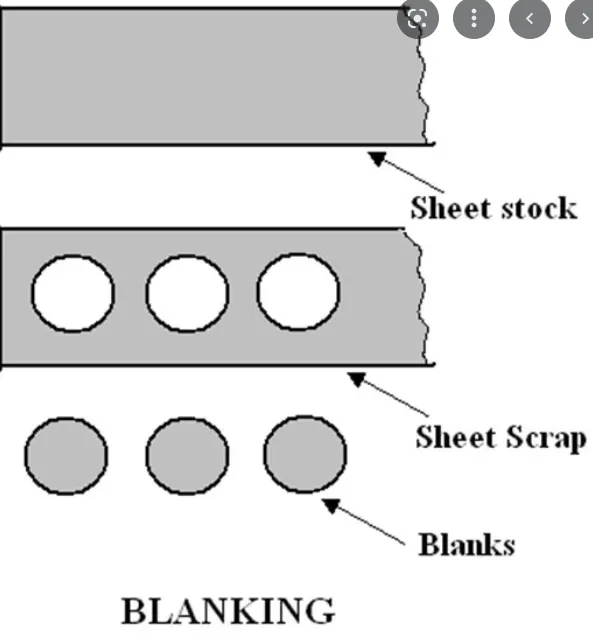
Blanking
Blanking is a metal production process, during which a metal workpiece is removed from the primary metal strip or sheet when it is punched. The material that is removed is the new metal workpiece or blank.
Emboss definition
Sheet metal embossing is a stamping process for producing raised or sunken designs or reliefs in sheet metal. This process can be made using matched male and female roller dies, or by passing a sheet or a strip of metal between rolls of the desired pattern
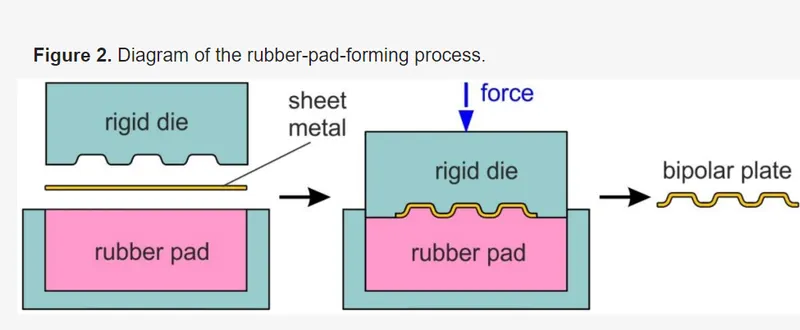
Embosses are provided in the inner panel of the Backdoor assembly. This helps in the weight reduction of the Backdoor and also dissipates the force during the collision.
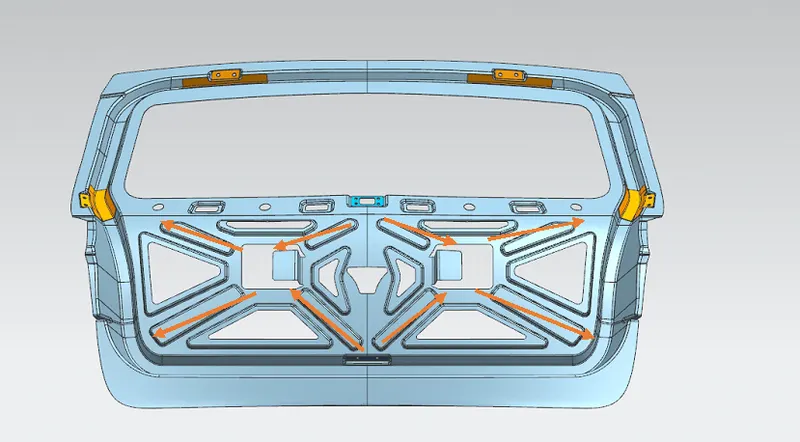
TOOLING DIRECTION
The Tooling Direction for the inner panel is derived using bisection lines of the part from two sides.
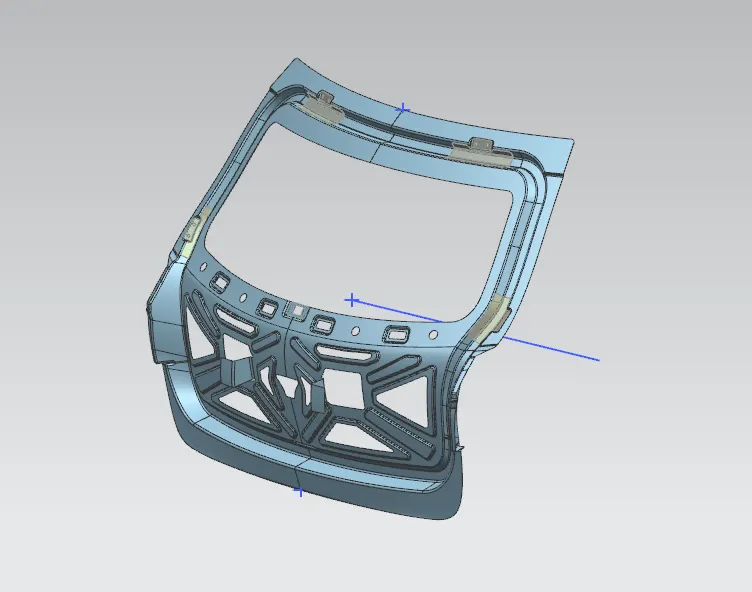
DRAFT ANALYSIS
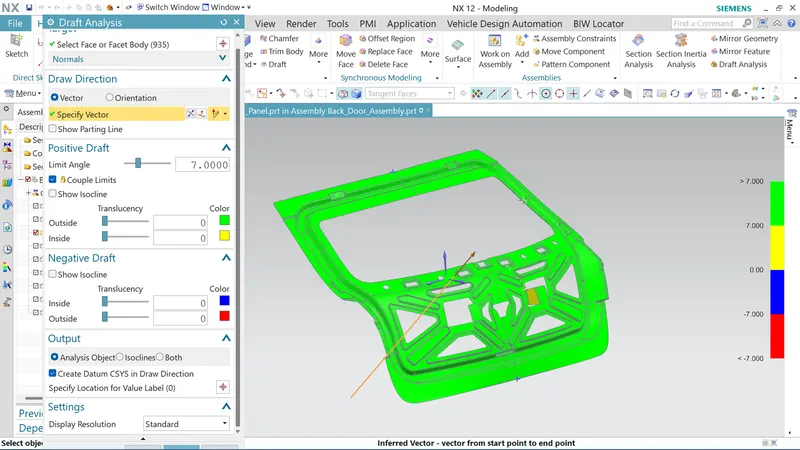
Make sure the design of the inner panel body is drawable, so we do a draft analysis. We have to define the design direction of the tool direction and select the inner panel body. to take the draft angle as 7 degrees. The result of the draft analysis is as follows, Portions that require different manufacturing methods, or are not in the direction of drawing may not be considered in draft analysis results.
CONCLUSION The carr back door has been designed using the given styling surface, and design regulations.
Note:
Please Find the attached file of the NX backdoor design Assembly file.
Regards
sathish