Underbody Coating
UNDERBODY COATING
Car Underbody coating:
No matter the climate, the underbelly of every vehicle needs proper care and protection. Undercoating helps protect your vehicle against rust and corrosion.
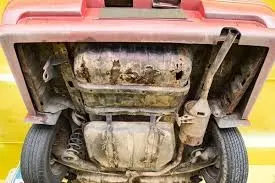
Seals on the underbelly parts have gotten a lot tighter and more effective at keeping out dust and moisture, but there are other factors to consider. Poor roads, rocks getting thrown from the tires and denting the metal, and corrosion from road salt in the winter all play a huge part in the damage or decay of a vehicle's underbelly. Used vehicles especially will need a little underbelly protection -- while it's already been exposed to contaminants and rust, applying undercoating will prevent further damage.
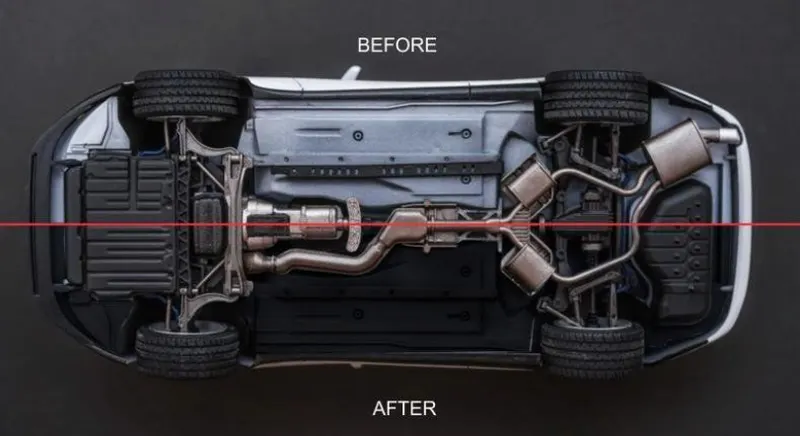
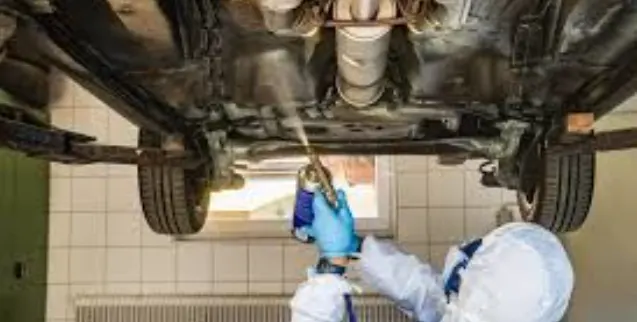
The Difference Between Rust Protection and Undercoating:
Undercoating and rust protection often go hand-in-hand, but they are actually two different things. Rust protection generally goes inside your vehicle, while undercoating is used for protection outside of the vehicle, and there are a variety of coatings available. Depending on the level of damage and how much protection you want for your vehicle will determine which type of automotive undercoating you choose.
How to Undercoat Your Car:
You have a few options to select from while considering an undercoating for your vehicle. Obviously, if you are getting it done through an authorized dealer, then you would have no choice as they have their own preferences.
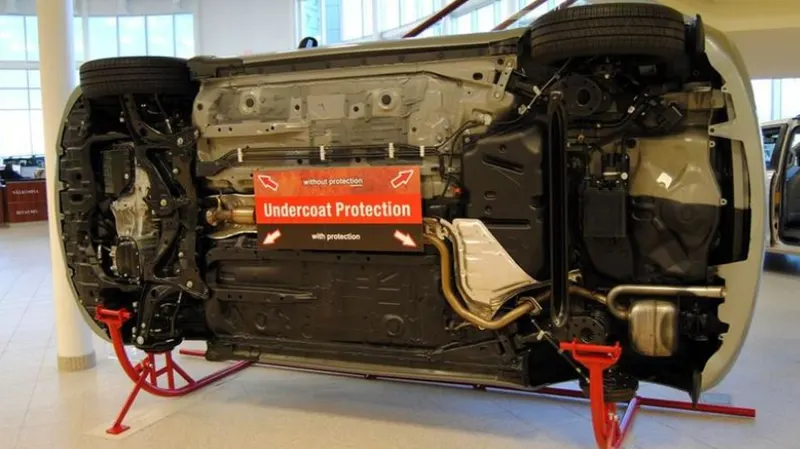
Some of the factors that make Underbody Anti-Rust Coating essential before stepping into the monsoon season. They are listed below:-
-
Protects Against Rust & Corrosion
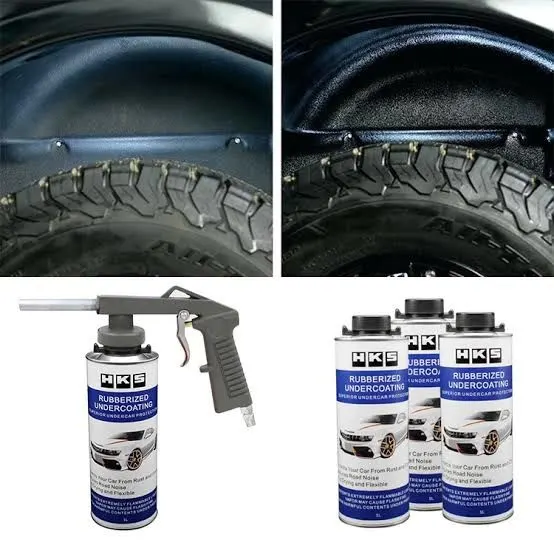
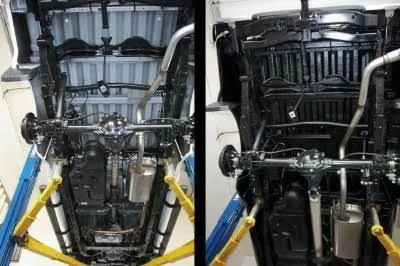
The primary objective of getting underbody coating done is to prevent metal components that are exposed on the bottom side of the car to damage by corrosion. You can shut out the Adverse effects of corrosion on your car by simply applying a rubberized anti-rust coating all over the belly of your car.
-
Reduces NVH (Noise Vibrations Harshness) Levels
Our country is filled with roads having uneven patches and potholes and while we maneuver our cars through such sections, the unpaved crumbs, and pebbles hit the car from underneath or get stuck in the wheel wells. The underbody coating’s consistency is so thick that the layer it creates absorbs all the unpleasant noises and vibrations and marginally improves the driving experience.
-
Prevents Paint Chipping
Running on the highway or while pacing through a city road, you will often encounter sharp gravel or any other unattended object hitting the belly of your car with high momentum. This scrapes and chips off the metal from down below. A thick layer of Underbody Coating definitely comes to aid and minimizes the effects of such contacts on the body.
-
Protects Vital Components
Underneath a car is somewhere a lot of indispensable parts of a car are left exposed like the Engine, silencer, etc. One simply can’t afford to let these parts go bad due to rusting and hence in order to save yourself from a hefty repair bill, a considerably less expensive Anti-Rust Coating is a must.
WHY YOUR CAR NEEDS AN UNDERCOATING:-
-
A must-have if you live in coastal areas
Vehicles in the coastal areas are much more prone to corrosion than in any other region. The content of salt in the water floating around during the monsoon season is way too high. Adding to this is the humidity in such areas and these elements further speed up the process of corrosion. Hence getting your car done right with a nice underbody coat job is of utmost importance for people living that beach life.
-
Or if you live near un-paved/muddy roads
If you live in areas having large sections of unpaved roads, then the monsoon is just going to make things worse. The sand is going to mix with the water and all that muck will get stuck to your car’s belly while you tread over such a course. This makes your car’s underbody more vulnerable to damage and a nice and thick coating will surely help.
-
It also affects your car resale value
All that damage due to corrosion, if left unattended could lead to some permanent damage, which will cost you in terms of rapid depreciation in your car’s resale value. This will make it almost impossible for your car to pass a strict inspection when you put it up for sale. Hence, regular checks of your car’s underbody condition are the key to maintaining its value.