Design of backdoor
Assembly of Back Door and/ Tailgates
Aim:
To use the provided styling surface to come up with a back door design, use appropriate design methodologies, and provide the necessary reinforcements and embosses.
Modelling Software: Siemens NX
Manufacturing process of Backdoor
As we know that backdoor is a BIW component that is basically manufactured using a metal forming process. There are different types of metal forming processes that are used for manufacturing automotive parts they are bending, forming, stamping, forging, extruding, etc
Materials used for the manufacturing of backdoor panel
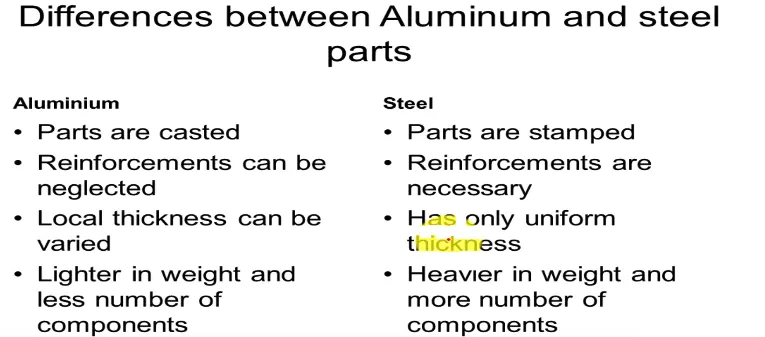
The functional requirement of a backdoor panel is it should be light in weight but in contrast, it should have sufficient strength at the same time to fulfill these requirements the two types of material are used
1) Aluminum
2) Steel
 .
.
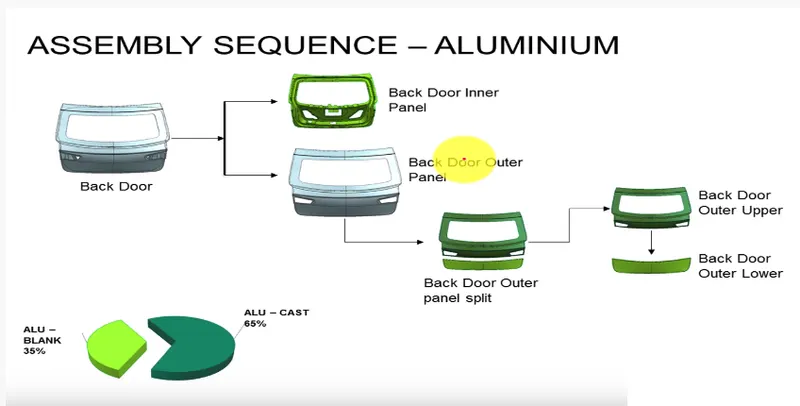
so by using of aluminium we can reduce the number of parts and assembly involvement. and it is castly material.
Backdoor Introduction:
Back door of the car is also known as Tailgate. This is a critical part for back impacts occur on the accidents, which should be ensure that crash wouldn’t injured the passengers. Back door consists of one inner panel and two outer panel. Most of the time the back doors are made from steel or aluminum based on the budget of the car the material is selected. In case of the aluminum the strength of the back door would be stronger therefore reinforcement are not required indeed which will reduce overall weight of the part. But aluminum a bit expensive than steel.
DESIGN CONSIDERATIONS FOR BACKDOOR
Before starting with designing we should take into account the design protocols which are to be followed while designing. In the case of the backdoor following are the design parameters.
- Rear visibility criteria
- Rear Crash regulations
- Functions of sealing
- Joining techniques used like heming, spot welding
1.Rear visibility criteria
The backdoor should be designed in such a fashion that the driver should be able to see the rear objects clearly i.e the scope of rear visibility should be maximum it should not get hiden by the backdoor body.While designing this criterion should be followed and the maximum area should be covered by rear windshield glass for better visibility of the driver and his safety.
2.Rear Crash regulations
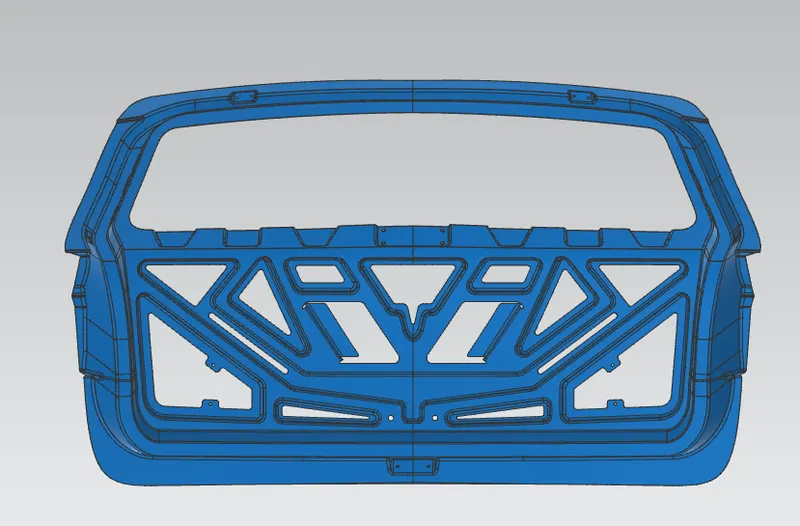
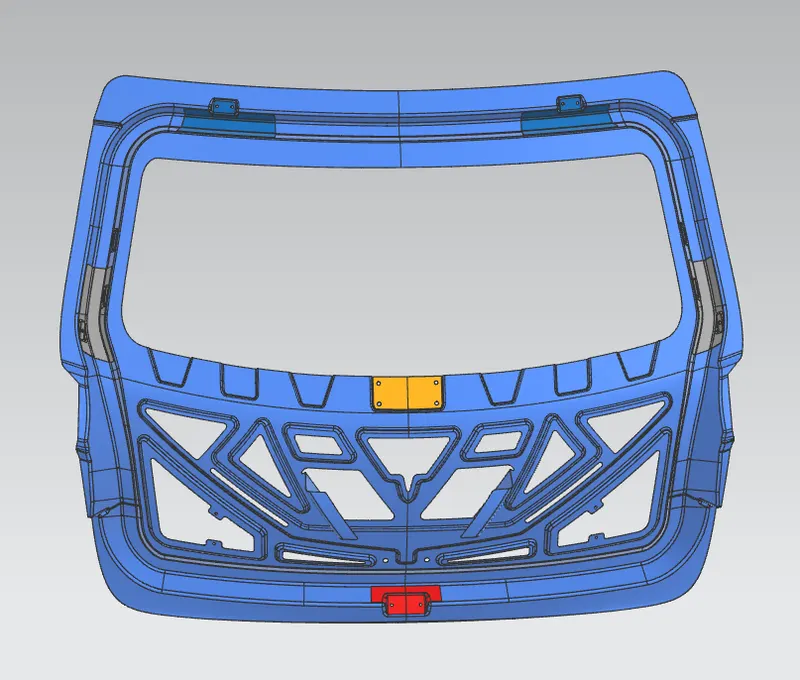
The designer should also take a look at this parameter the outer panel should have sufficient strength For that purpose, a design engineer can use an inner panel to strengthen the structure of the back door. Embossed sections are created on the inner panel is generally V & Y shape to deviate the forces in an outward direction.
3.Functions of sealing
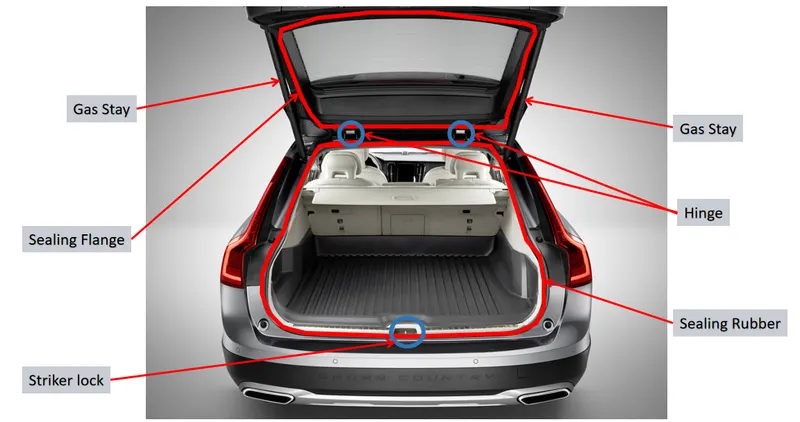
Proper rubber sealing is to be provided on the car body, and a sealing flange is provided on the inner panel of the backdoor which gets in contact with the rubber sealing and forms bound when the door is closed , Because of that sealing prevents Any foreign material to get inside the storage space such as water, dirt and dust to avoid rust and dameges .
4.Joining techniques used like heming, spot welding
- Heming process
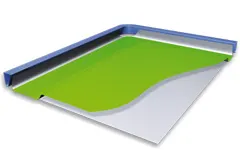
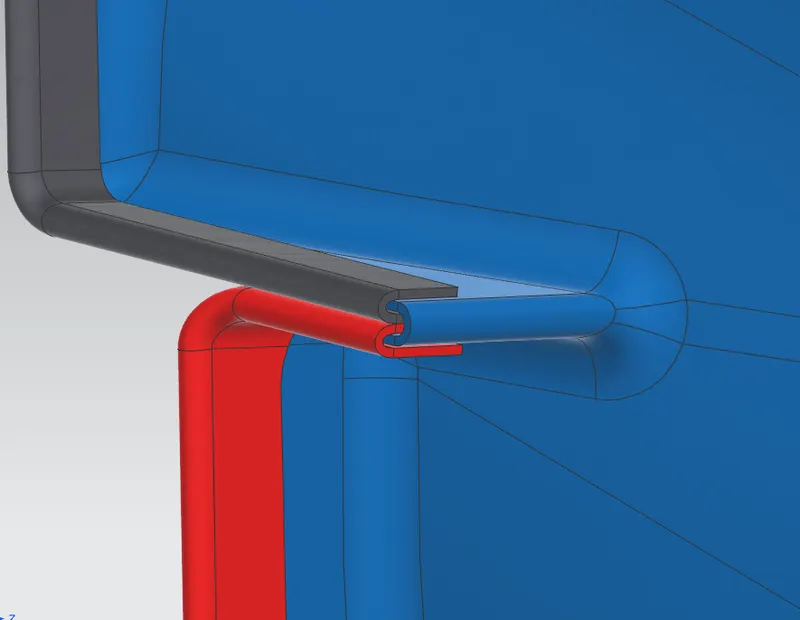
Hemming is a forming operation in which the edges of the sheet are folded or folded over another part in order to achieve a tight fit. Normally hemming operations are used to connect parts together, to improve the appearance of a part and to reinforce part edges.
In car part production, hemming is used in assembly as a secondary operation after deep drawing, trimming and flanging operations to join two sheet metal parts (outer and inner) together. Typical parts for this type of assembly are hoods, doors, trunk lids and fenders.
There are various types of hemming operations:
- Roll hemming
Roll hemming is carried out incrementally with a hemming roller. An industrial robot guides the hemming roller and forms the flange. Roll hemming operation can also be divided into several pre-hemming and final hemming process steps. Roll hemming is very flexible to use and tool costs are significantly lower as compared to those of conventional die hemming. However, the cycle times are much higher since the hemming is realized using a hemming roller which follows a defined path.
B.Conventional die hemming
Conventional die hemming is suitable for mass production. In die hemming, the flange is folded over the entire length with a hemming tool. Normally the actual hemming is a result of a forming operation in which the flange is formed with a hemming tool after the drawing and trimming operations have been completed. The formed flange is then hemmed in several process steps. These steps include, for example, the pre-hemming and final hemming depending on the respective opening angle of the flange. Production plants for conventional die hemming are very expensive, but the cycle times are very low.
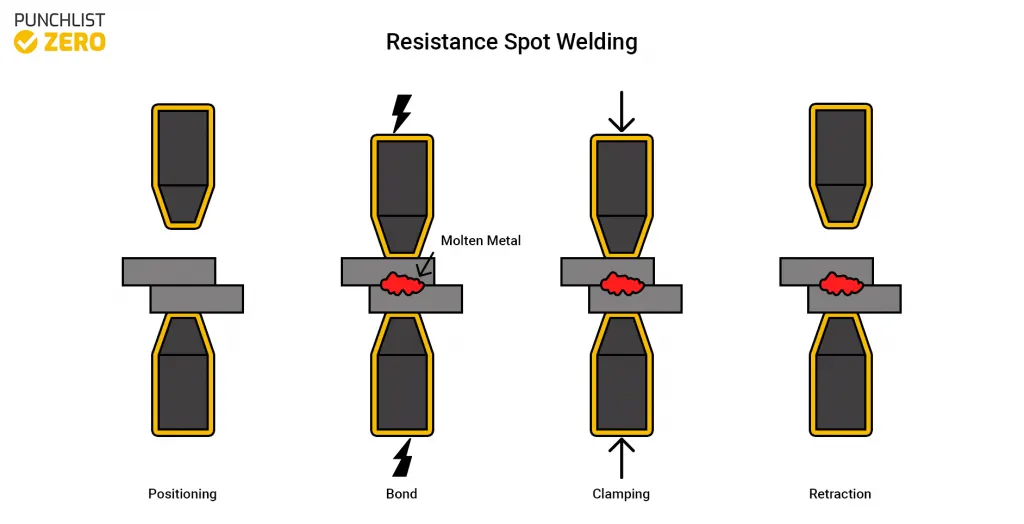
2.Spot welding
Spot welding (also known as resistance spot welding) is a resistance welding process. This welding process is used primarily for welding two or more metal sheets together by applying pressure and heat from an electric current to the weld area.
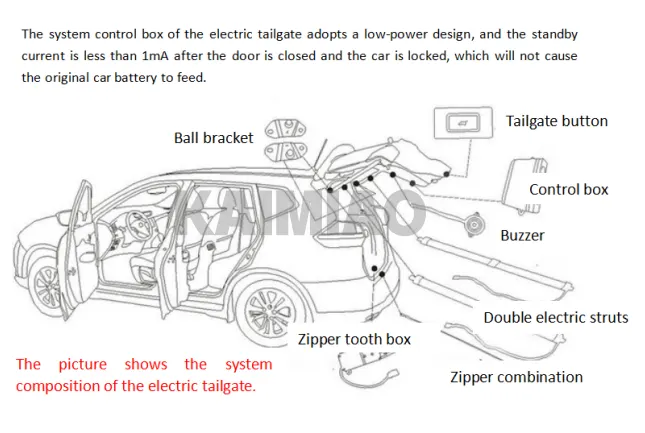
The back door is operated by two types of comodities
1.electrically operated
2.gas stay powered
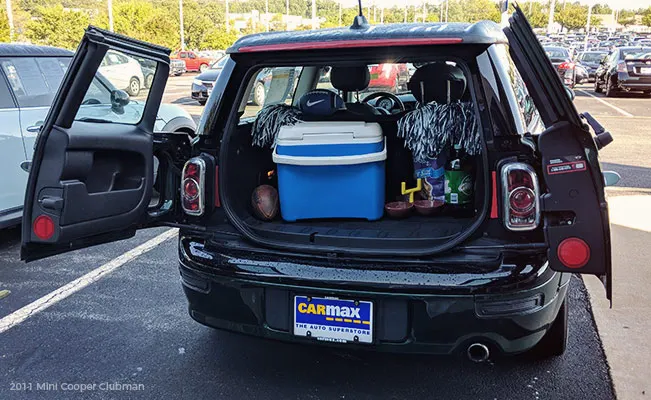
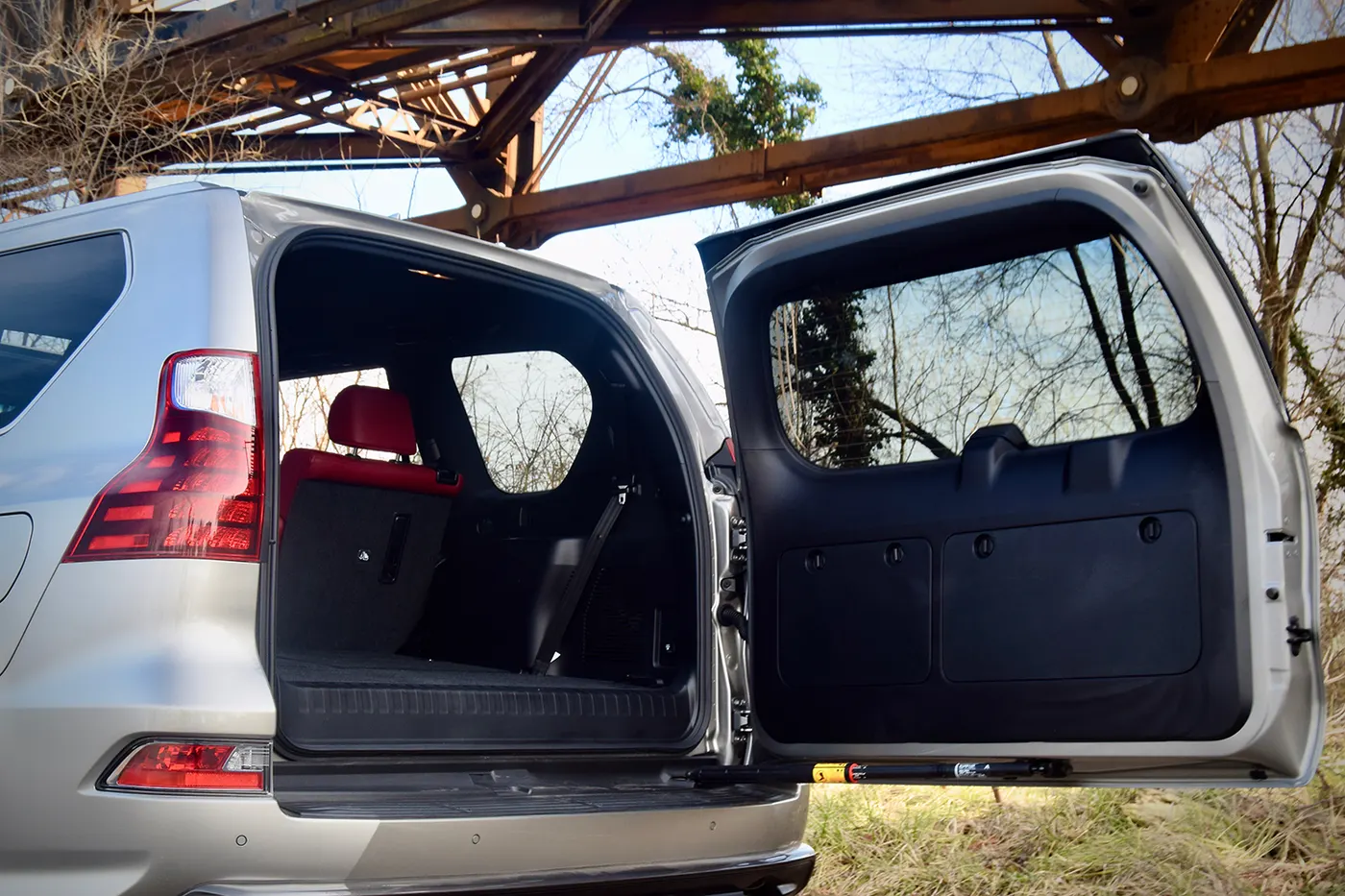
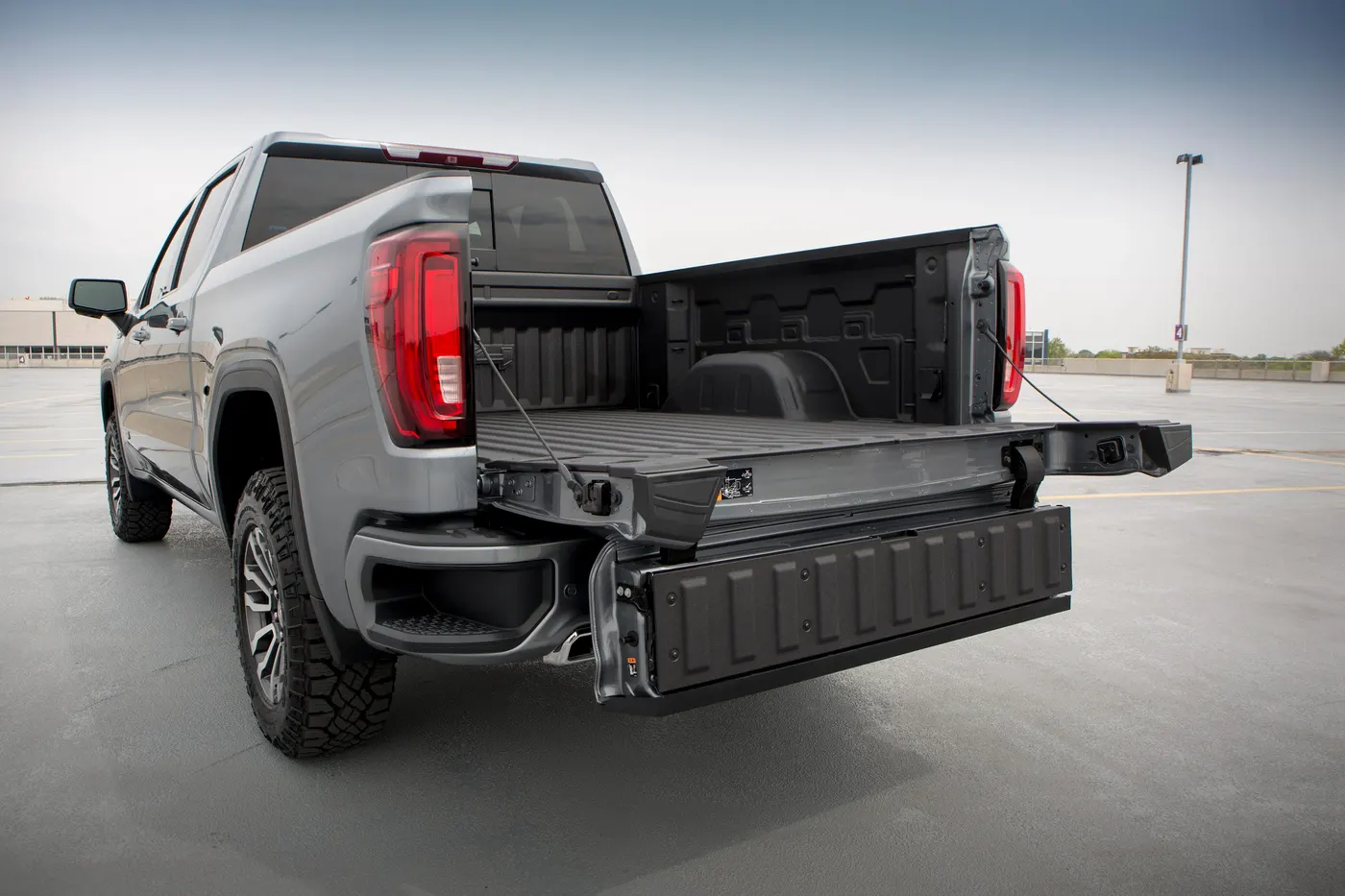
Types of doors based on working position,
- Top Mounted Door
- Side mounted Door
- Bottom Door
- Barn Door
Top Mounted
Barn Door
Side Mounted
Bottom Mounted Tailgats :
Assembly of Backdoor
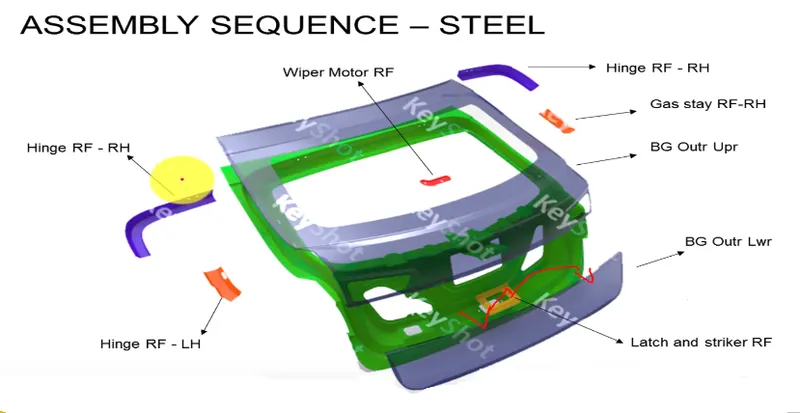
Different panels of backdoor
- Outer panel upper
- Inner panel
- Outer panel lower
- Hinge reinforcement
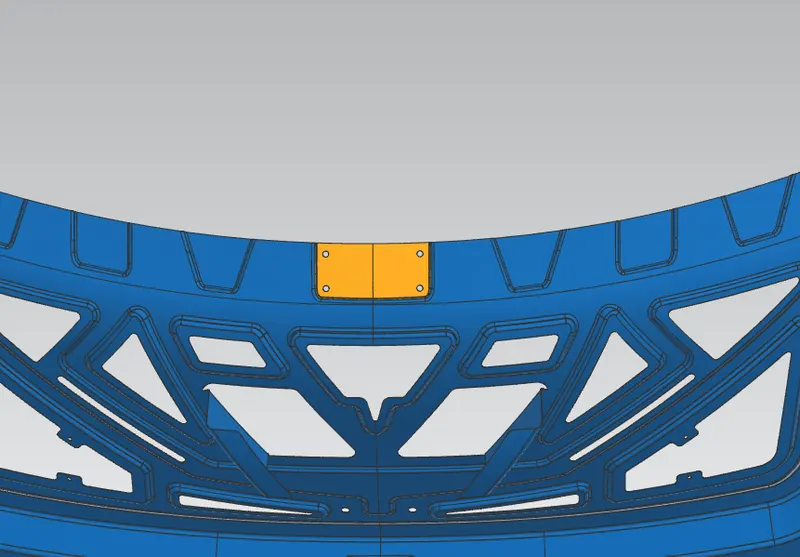
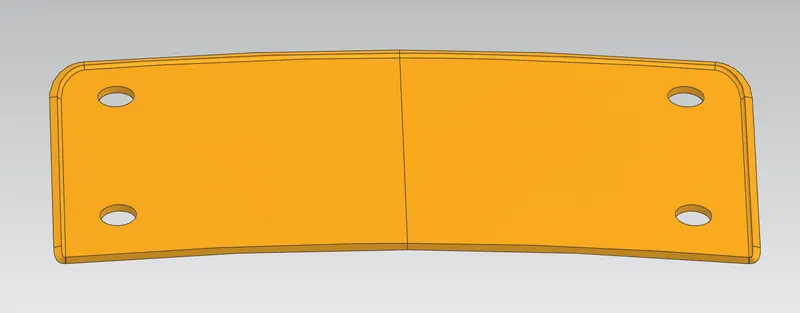
- Wiper motor reinforcement
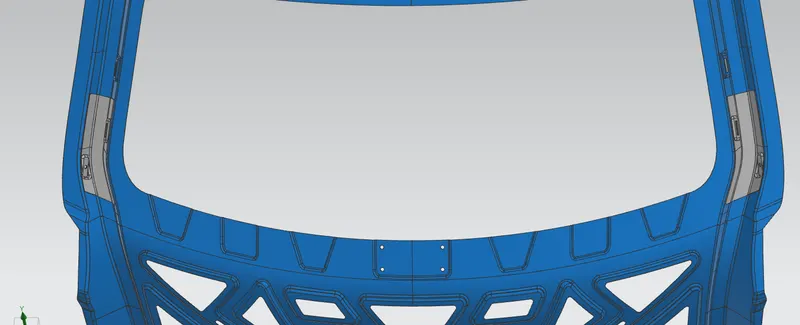
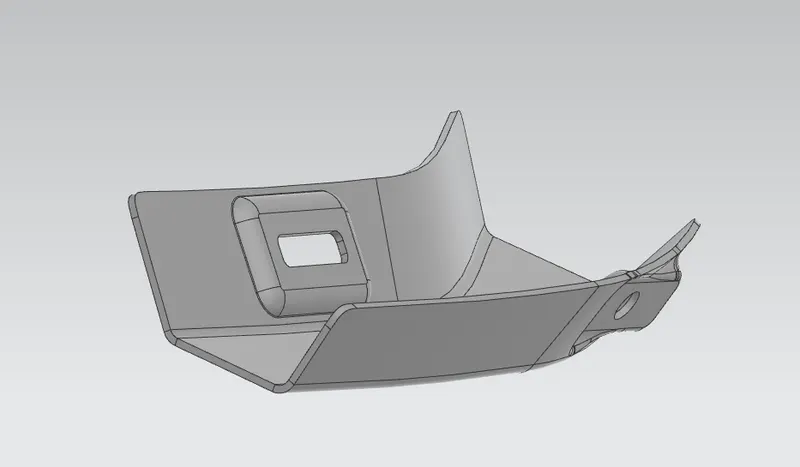
- Gas stay mounting reinforcement
- Latch & striker reinforcement
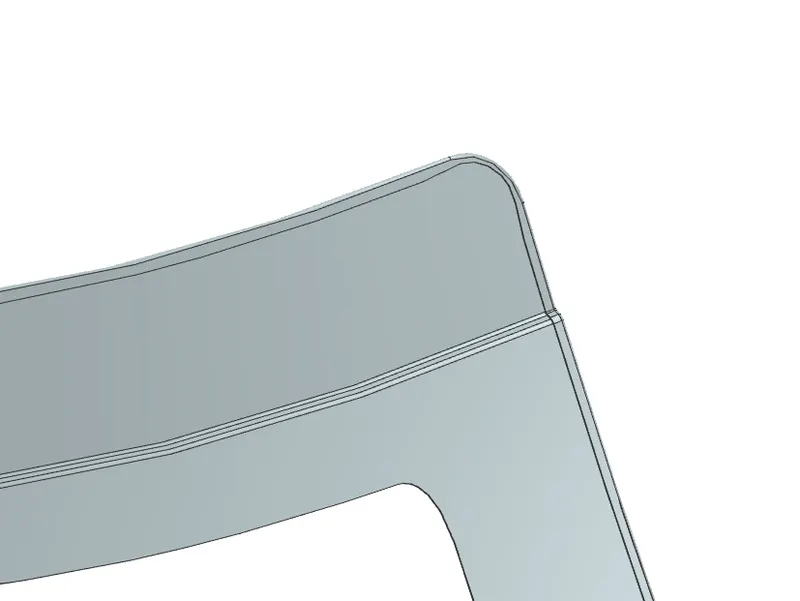
- Outer Panel
Forms the outer covering of the Backdoor with other elements enclosed beneath it, It provides sufficient strength to the car by covering it from the rear side it also increases the aesthetic look of the car. It consists of cutouts for the fitment of rear tail lamps, fog lamps, etc.
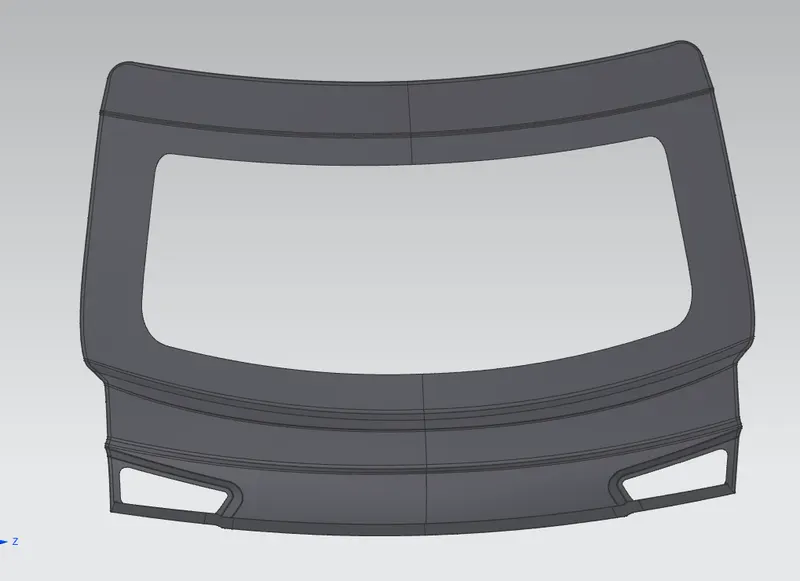
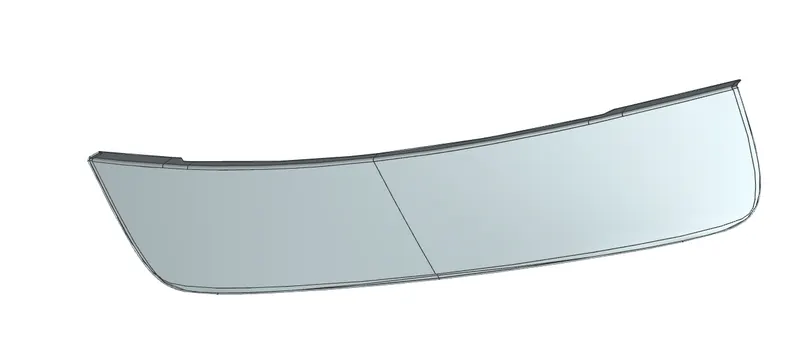
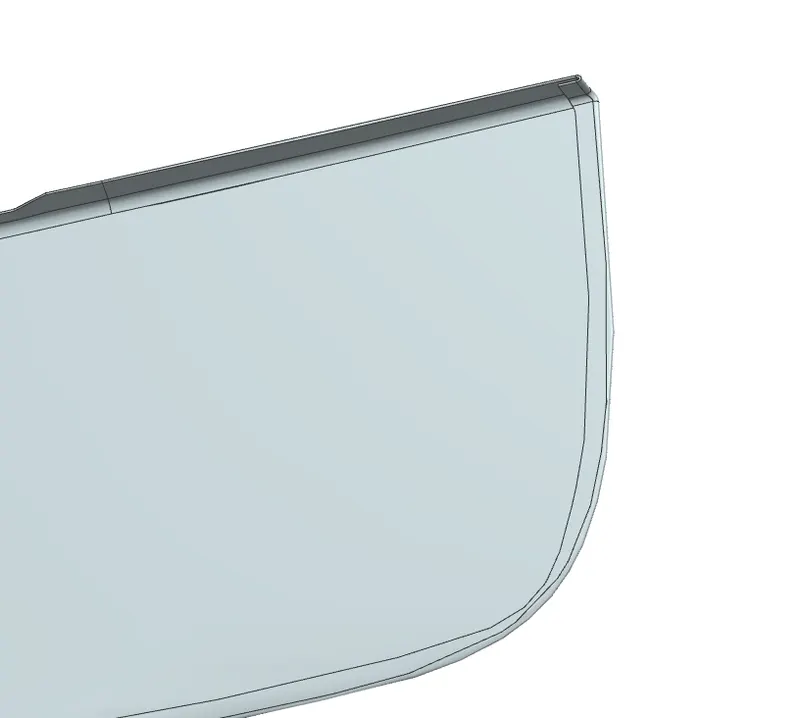
2.Outer panel Lower
It is located just below of upper outer panel it is manufactured separately and afterward joined with the outer panel by using joining methods like spot welding as explained earlier. Heming operation is also carried out on the edges of the outer panel so that it gets fit with the inner panel sheet. Mostly Car number plate is located on the outer lower panel.
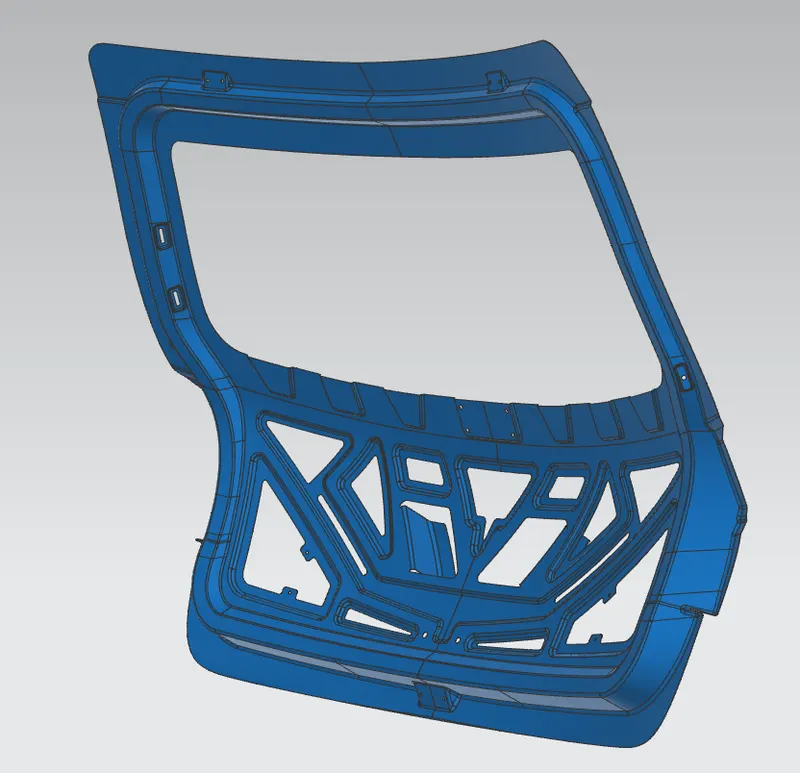
3.Inner panel
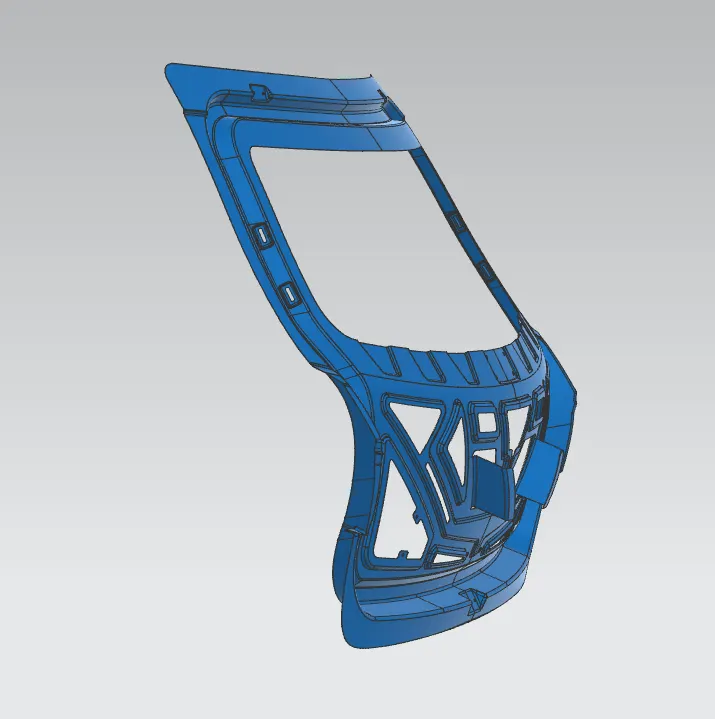
It is located on the inner side of the outer panel the main purpose is to provide further strength and all the components such as wiper mounting, hinges, gas stay, latch, and striker reinforcements are all fixed on the inner panel that's why it is very important that the inner panel should be sufficiently strong enough to carry all the load of this components and also strengthen the structure to safeguard the backdoor from the rear crash conditions.
4.Hinge Reinforcements
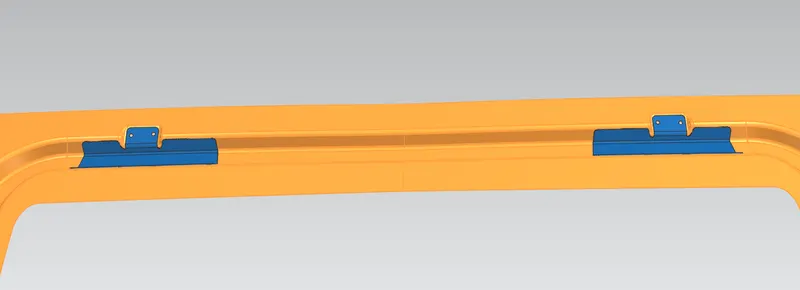
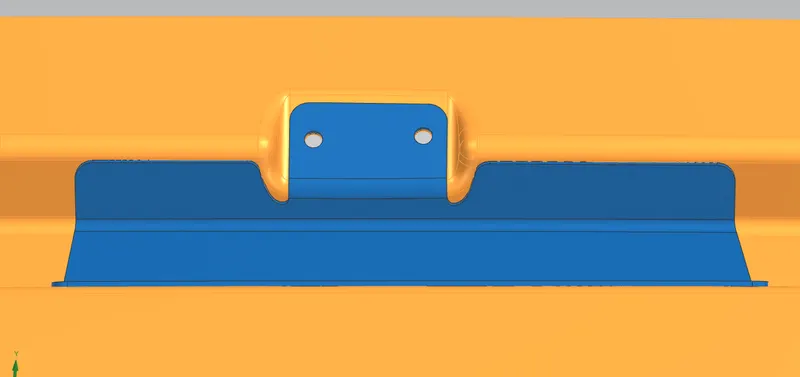
This is provided on the inner panel to provide strength to the inner panel and to carry the hinges which are to be mounted.
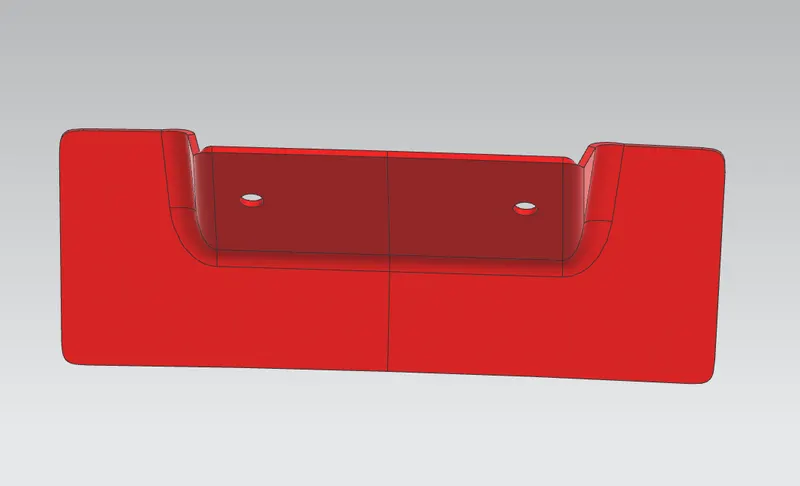
5.Latch and Stricker Reinforcement
6.Wiper Motor Reinforcement
7.Gas Stay Reinforcement
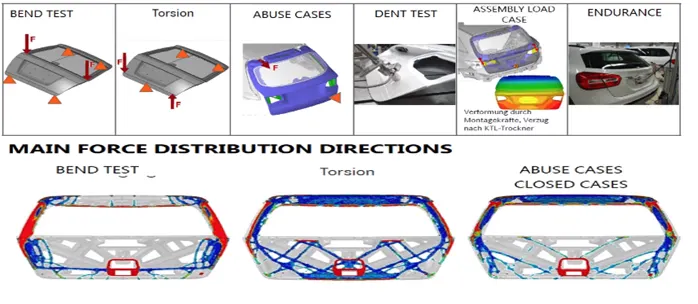
Types of test perform for Checking build Quality And Force Distribution to pass the
Load Analysis of Backdoor
- Bend Test
- Torsion
- Abuse cases
- Dent test
- Assembly load Case
- Endurance Test
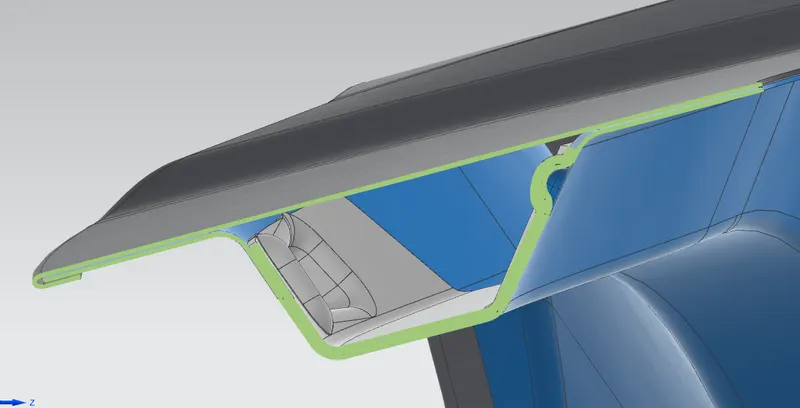
Hemming process is done for enclosed with inner panel
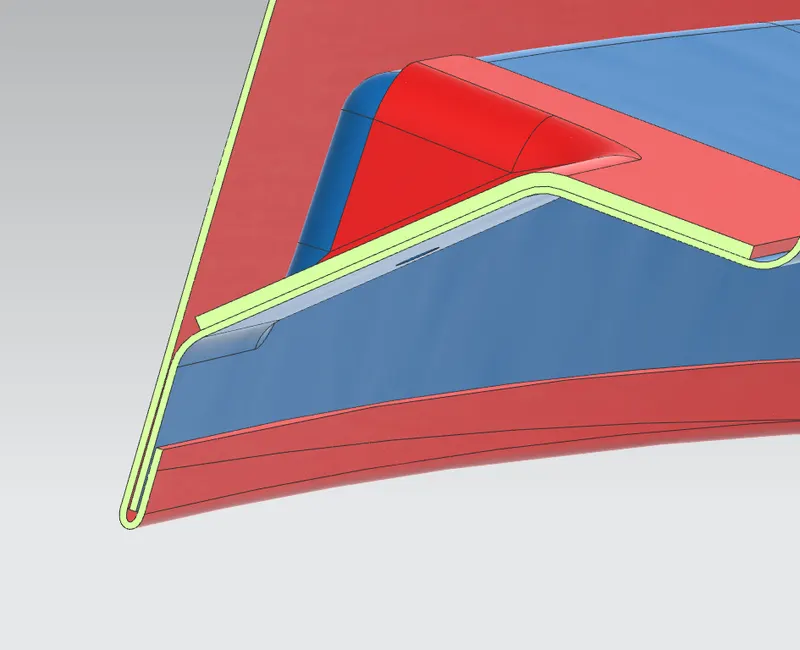
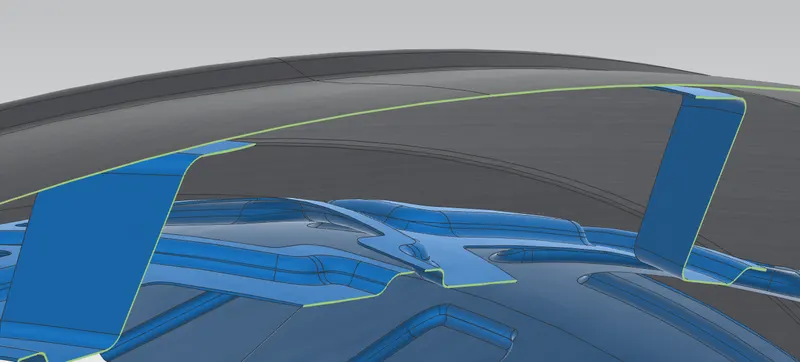
Mastic Clearance
Position of Hinges, Latch & Striker
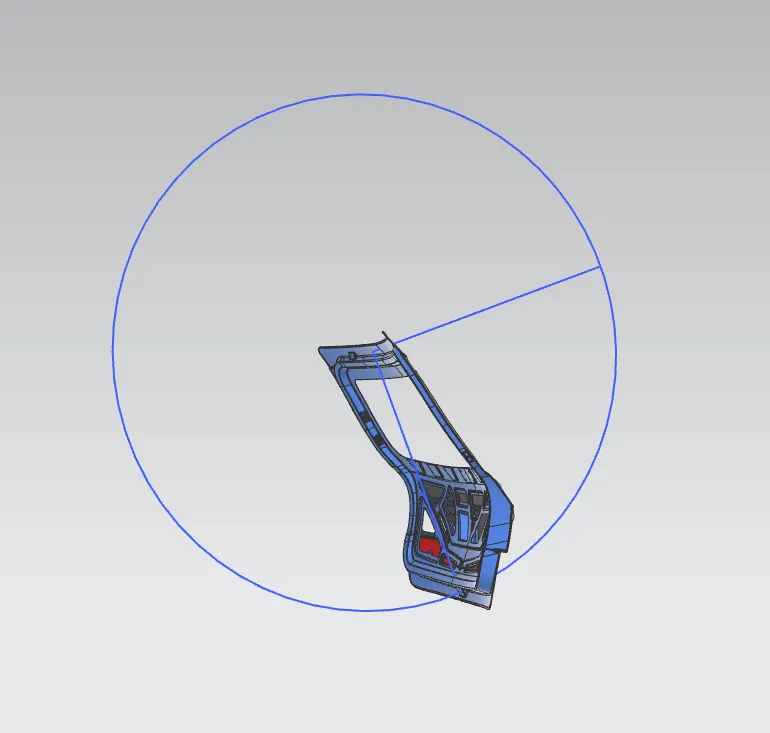
This position is decided by taking the center point of hinges and drawing an axis joining this point of hinges then drawing a circle by taking the midpoint of the axis as the center of circle and endpoint as a point of latch & striker. This gives us a trajectory on which the back door will open and closed.
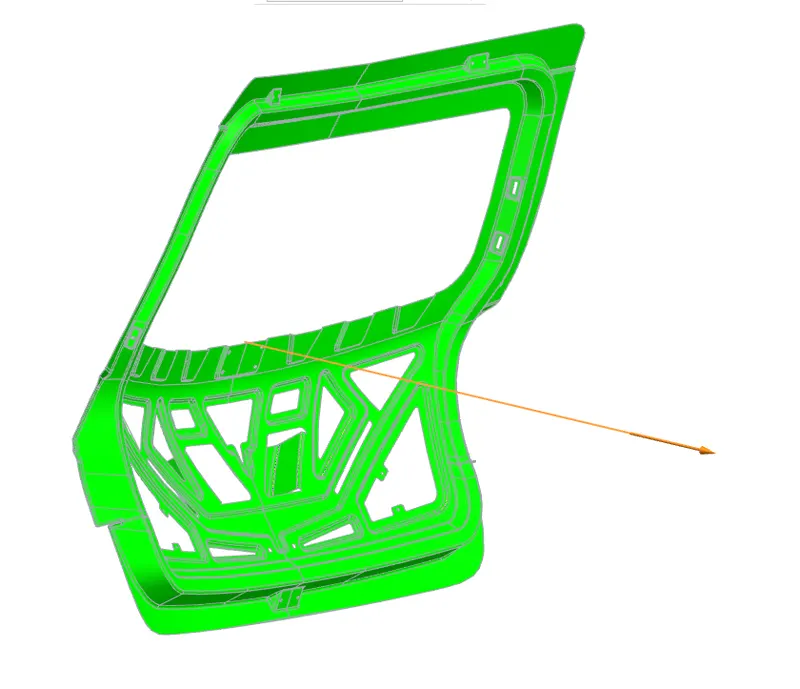
Draft Analysis
The inner panel of Backdoor
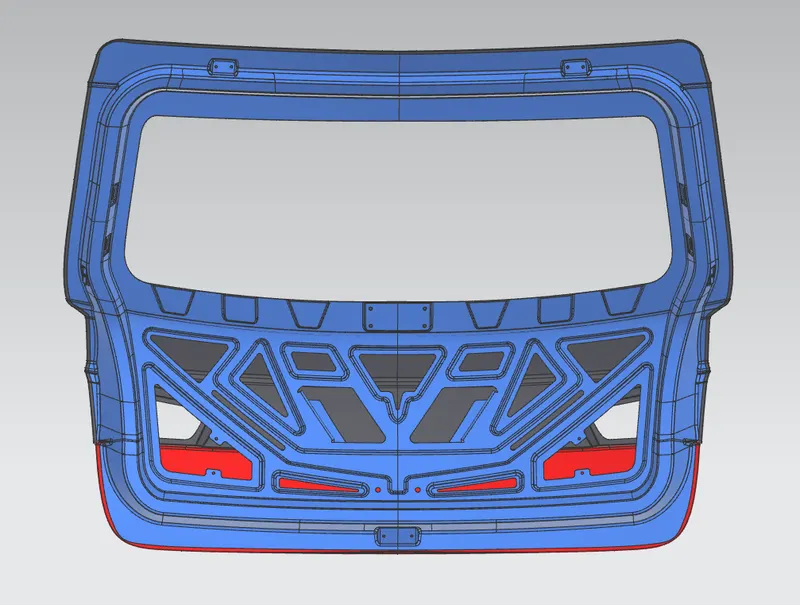
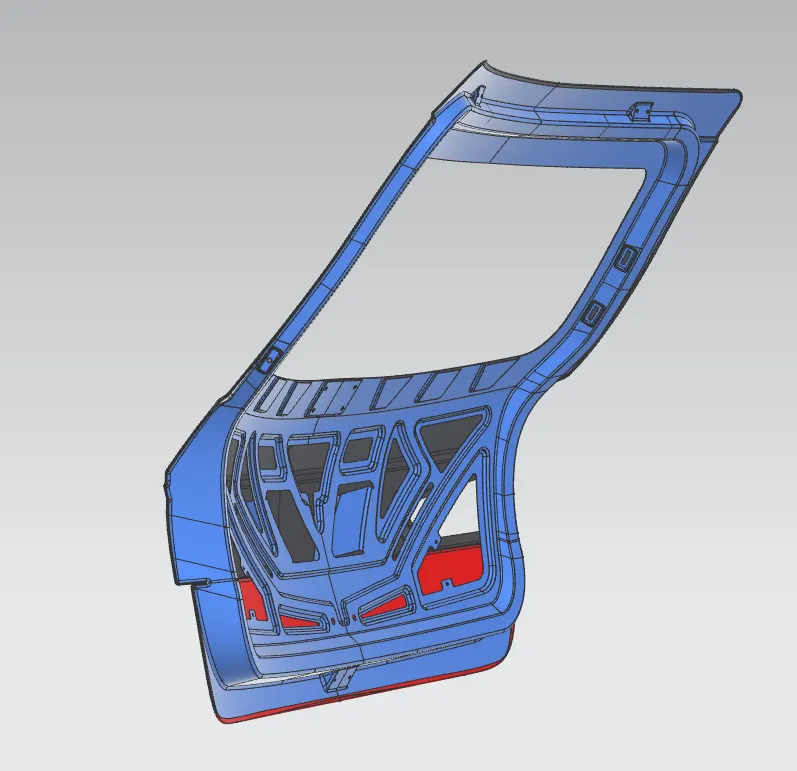
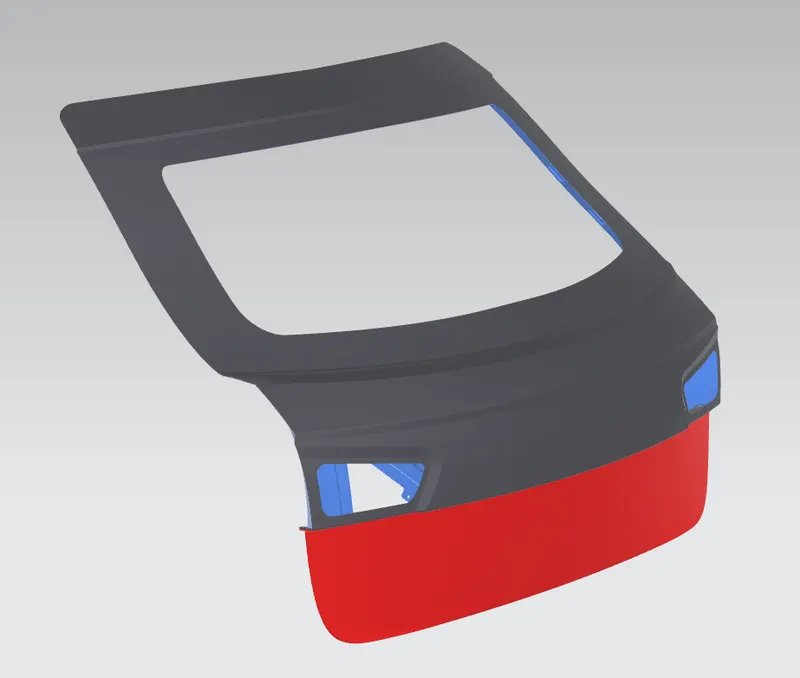
Final Assembly
CONCLUSION:
- Successfully completed the design and assembly of the backdoor with its functional components.
- Learned the importance of backdoor and its manufacturing processes.
- Carried out Draft analysis to determine whether the part is manufacturable or not.
- Learned about Design considerations taken into account while designing.