Design of backdoor
AIM: - To develop the car backdoor by using the given styling surface.
Introduction
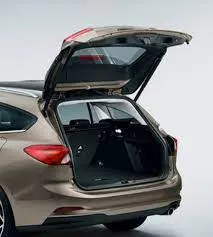
Design of back door is also called as the tail gate. A car back door which is consist of inner panel, Outer Panel. Basically, the car parts are made of steel or aluminum based on the budget of the car.
Back door also contains a wind shield to view the rear side of the car. The back door contains numerous parts like wiper motors, speaker, rear light indicator connections and latch and striker system.
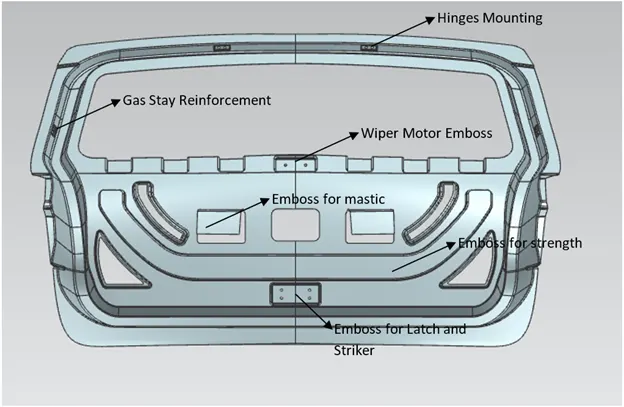
The back door also needs to sustain the impact of the crash and keep the passengers safe so the back door is hemmed with an inner panel with many embosses and stress distribution cuts in the inner panel.
Material Selection
As of now we are using steel but aluminum parts are now days is been used because of the advantage it has over the steel parts.
Difference Between aluminum and steel parts.
Aluminum
Parts are casted
Reinforcement can be neglected
Local thickness can be varied
Lighter in weight and less number or components
Steel
Parts are stamped
Reinforcement is necessary
Has only uniform thickness
Heavier in weight and more number of components.
Deep Drawing Process
The deep drawing process is a forming process which occurs under a combination of tensile and compressive conditions. A flat sheet metal blank is formed into a hollow body open on one side or a hollow body is formed into a hollow body with a smaller cross-section.
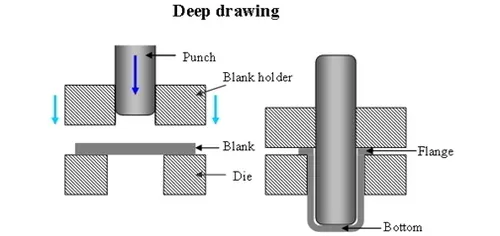
The figure illustrates the deep drawing process. The rigid tools consist of a punch, die and binder. In deep drawing, the plate holder closes after the metal sheet blank has been inserted.
Next the sheet is clamped between the die and the binder. This process slows down the flow of the sheet while it is being drawn and thereby prevents wrinkles from forming under the binder. The punch stretches the sheet over the die radius and forms it in the die. The amount of punch force necessary for forming is thereby continually increased up to the lower dead center of the punch.
Design Consideration and parameters
Tooling Direction
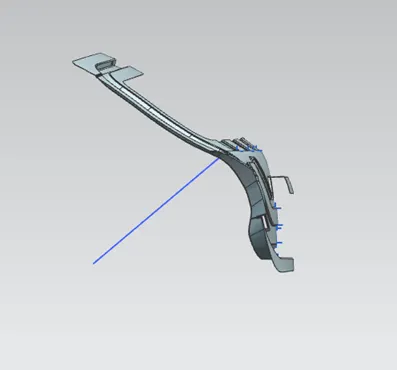
So we are going to deep draw our part in this given direction by setting some positive draft in this we have given 7 degree of positive draft. Now we are going to see the other mounting and reinforcement that we are going to give on it.
Inner panel
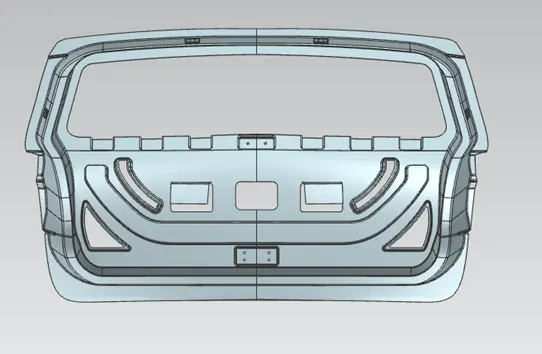
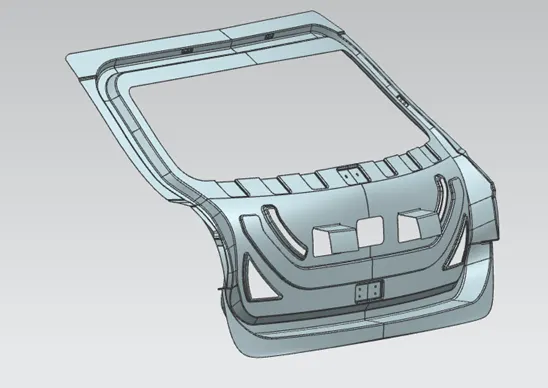
Hinges Mounting and Reinforcement
Hinges will help to rotate or to give a swing motion to the back door for that we are going to use hinges obviously there will limitation on how much the swing angle will be.
Hinge mounting is basically nothing but the mount on which we are going to mount our hinge so placing the hinge also have some consideration which is depends on whether your back door is a gas stay mounted or power spindle mounted on the factor of that we have to place our hinges according to that if it is a gas stay then the hinges will be placed inside the back door and if it is a power spindle one then the hinges will be placed outside the backdoor which will be visible but will be having a plastic cover on it. And as we are going to use a gas stay so our hinge placement will be on inside the back door of it. After giving the hinge mounting that area of the part will be weaken so for compensating that we are going to add reinforcement which will strengthen the part on that particular area.
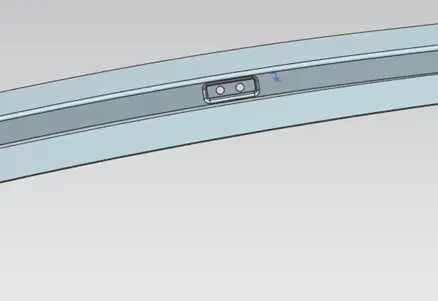
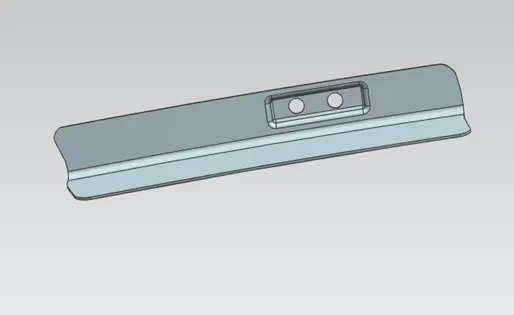
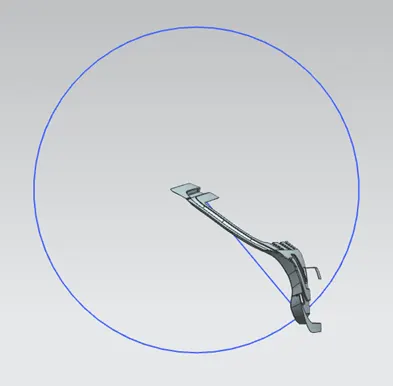
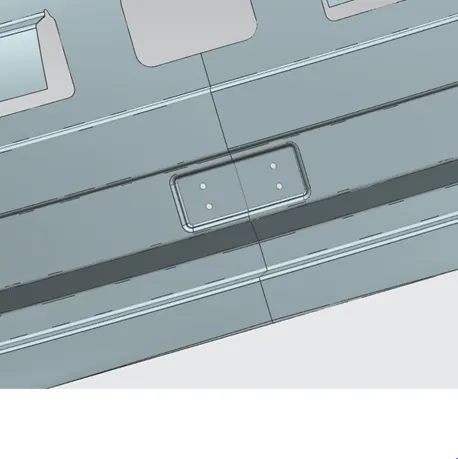
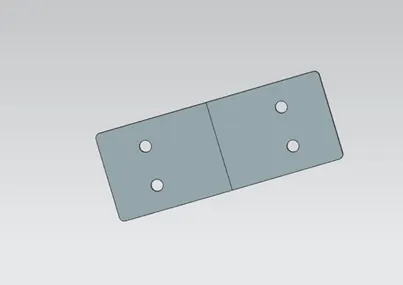
Latch and striker mounting
Latch Axis
Latch Emboss
Latch Reinforcement
Gas-stay mounting and reinforcement
Camloc gas struts work by forcing, under pressure, an inert gas (Nitrogen) into a cylinder. The internal pressure then greatly exceeds atmospheric pressure. When the rod is compressed into the cylinder, the internal pressure and the output force increase according to the volume displaced by the rod.
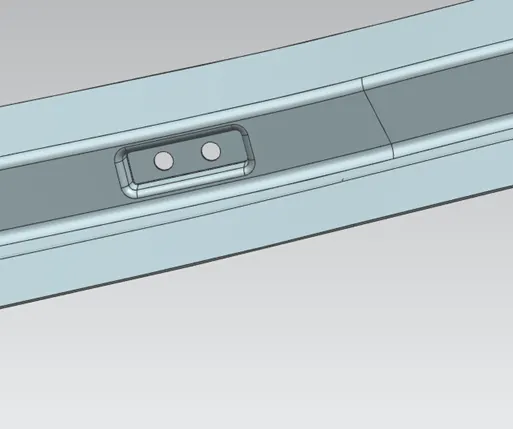
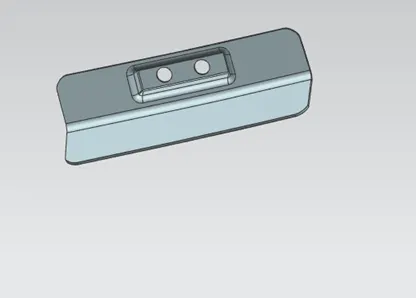
The gas stay one point will be mounted on the inner panel and the other point will be mounted on the body of the car. Also we have to consider the length and the angle between the gas stay and the hinge shouldn’t be more than 60- 90 mm in length and the angle also should be in between 80-90 degree this value was considering several trial and errors and tests and according to that we have found this values.
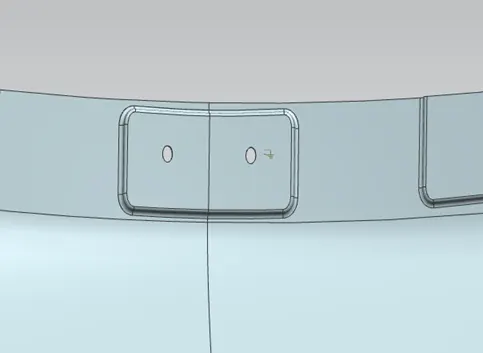
Wiper motor mounting and reinforcement
Test Method
Bend test
Torsion test
Abuse test
Dent test
Assembly load case
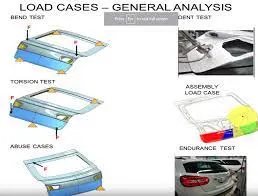
In bend test we are going to bend the part by fixing the four corner points of the back door and applying load at the middle of it after applying the load the part should regain its original position.
In torsion test we apply a couple force by fixing the other ends of the part its basically twisting of the part you can say.
In abuse case it is normally when someone is hanging on the backdoor while in open condition of the back door so the person will apply force on that point where he/she is leaning on.
Dent test in which the load is applied on the panels to see how much force they can withstand.
Assembly load case is in which the load which is getting applied while the part gets assembled so that is also, we have to test whether the assembled part can withstand itself or not.
Endurance test is where the back door is opened and closed number of times and after that the results are been observed.
Draft Analysis
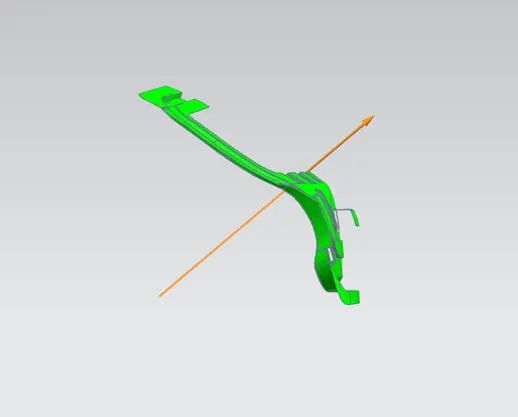
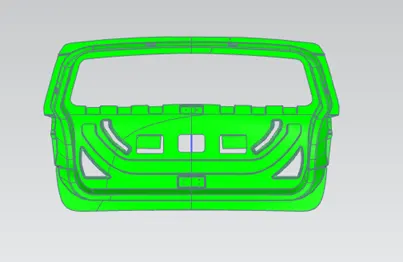
We are going to do draft analysis on the inner panel as it is going to be made by deep drawing process so we will do the draft analysis by giving 7 degree of positive angle to it. It basically show whether your part is going to be produce without creating any hindrance to the punch that is going to return after punching it. And we are going to do the draft analysis by using the tooling direction which is basically our direction on which our part is going to be deep drawn or pressed.
Hemming
Hemming is the process where you join two parts by bending on part on the other one. We have used a open hemming in this the bend angle should be 180 degree and we have given the necessary mastic points which should be 5 mm in between the outer and inner panel and we are going to attach the outer surface by using hemming.
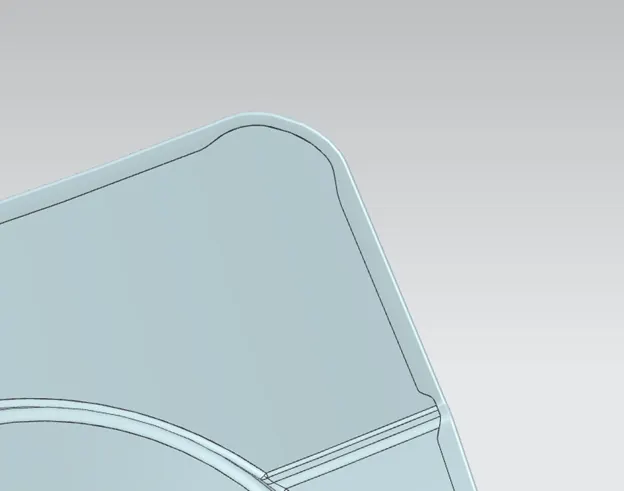
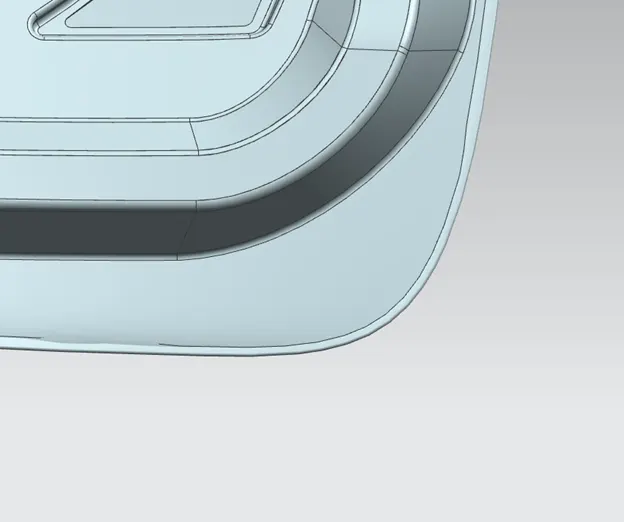
And we also provided relief on the corner edges as it tends to fail means it can get wrinkles or spilt which is ultimately bad and also it relieves the stress on the corners.
Conclusion
We are successfully able to design the back door and learn the manufacturing process and design requirement as per the industry standards.