Design of backdoor
DESIGNING OF BACK DOOR OF CAR USING NX-CAD
Objective:
To Design Back door of car using the NX Cad software.
Introduction:
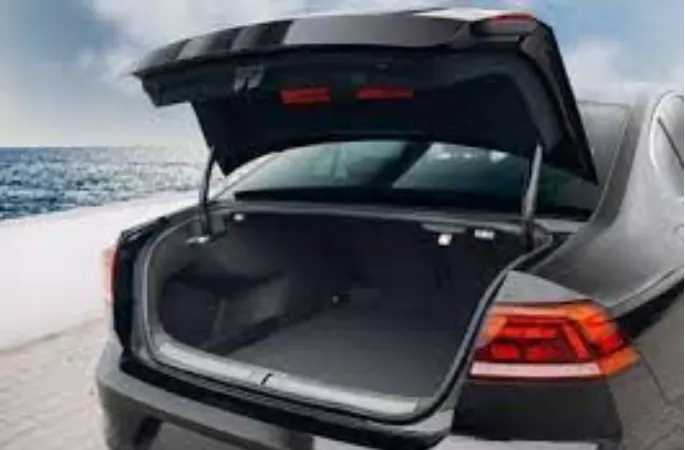
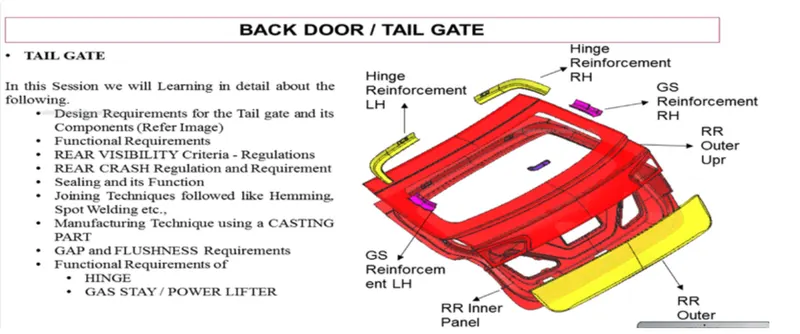
The backdoor or Tailgate is the rearmost part of the automobile which opens upwards, downwards, and sidewards to give access to the luggage space or seating. In most automobiles, the backdoor opens upwards. It is hinged to the roof and a gas stay support fixed at the body side outer for keeping the backdoor in the open position.
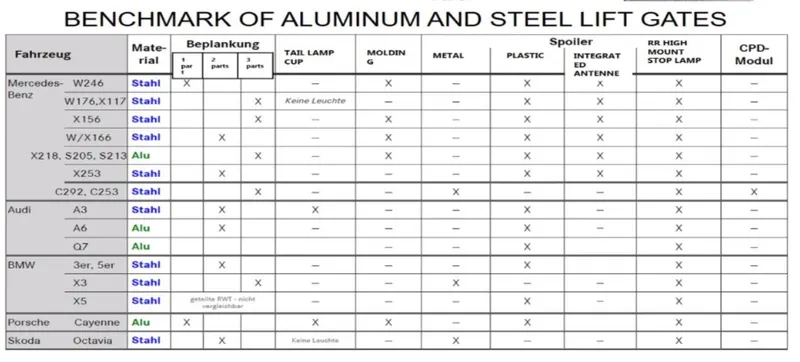
The material used in making the backdoor of the car is mainly steel but now a days Aluminiumj is also used in making the panels.
The main advantages of Aluminium is that the density of Aluminium is very less as compared to steel so it reduces the overall weight of the car. But Aluminium is more costly as compared to steel.
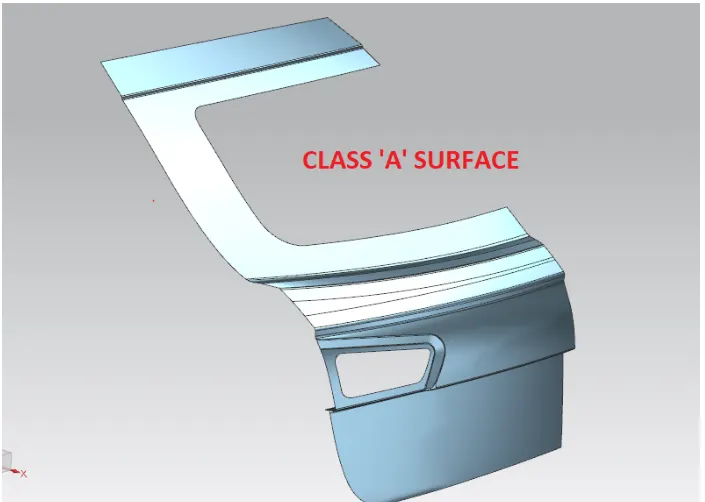
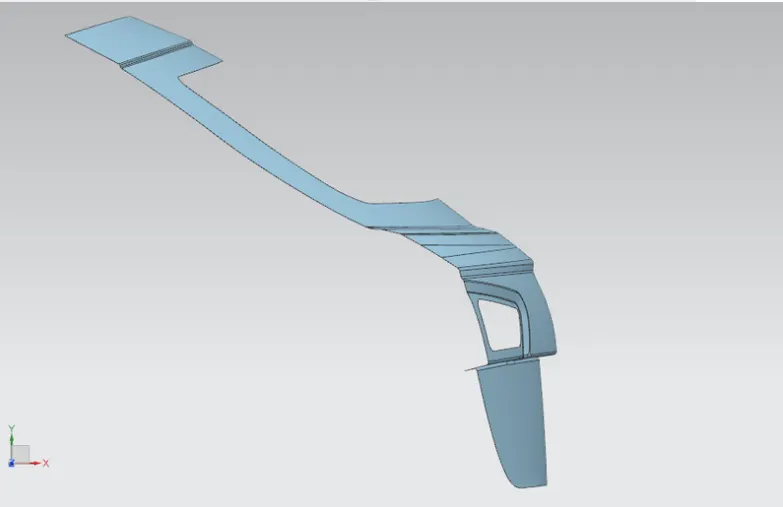
TYPES OF DOOR OPENING:
1. Top-mounted door
2. Side-mounted door
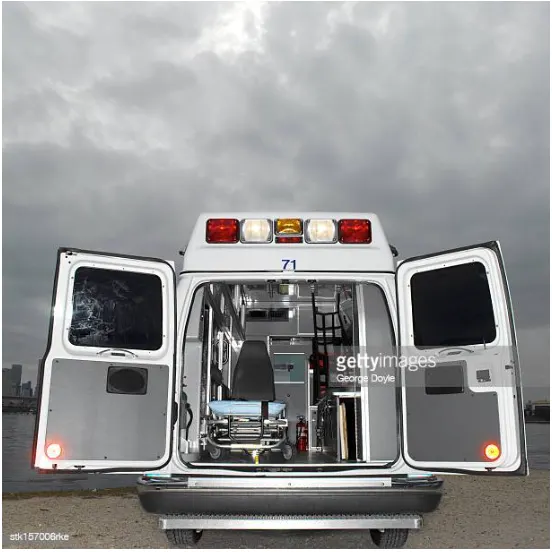
3. Bottom door
Consideration:
- The wind screen should give good visibilty.
- The door should be strong to sustain the impact during closing.
- The door should be thin to maximize the boot/lagguage area.
- Door should be light weigth if manually opened.
Design of the Back Door:
Back Door inner panel:
Tools and command used:
- Sketch
- Project curve
- Emboss
- Trim
- Bridge curve
- Offset in face
- Throuth curve
- Studio surface
- Law extension
- Trim
- Curve length
- Sew
- Thicken
- Mirror Geometry
- Wave linker geometry.
About Inner panel:
- The inner panel is made of aluminium.
- The inner panel has the thickness of 0.75mm.
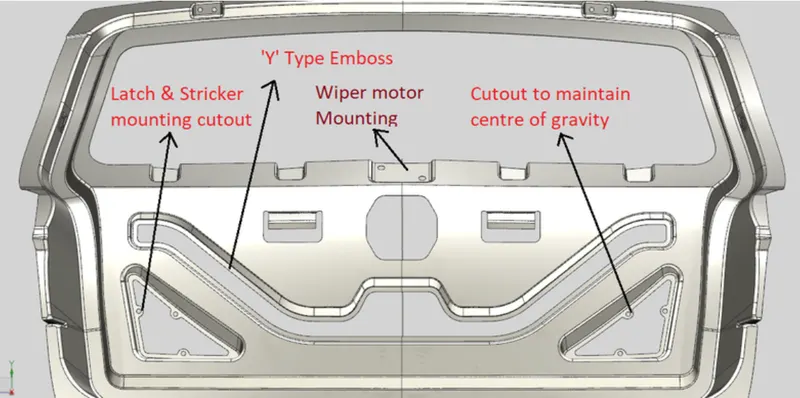
- The inner panel has a V-shaped emboss. The v-shaped emboss is used for providing the strength to the inner panel during impact.
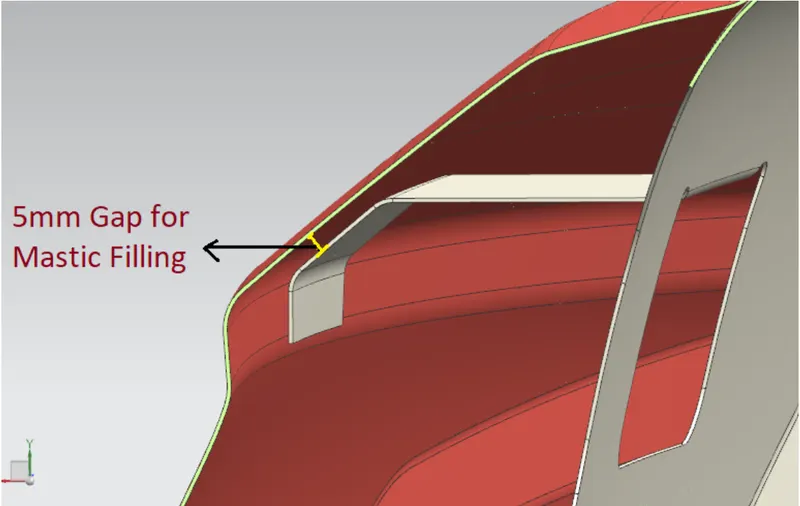
- The inner panel also consists of mastic support region which is used to put mastic between outer and inner panel to prevent vibration.
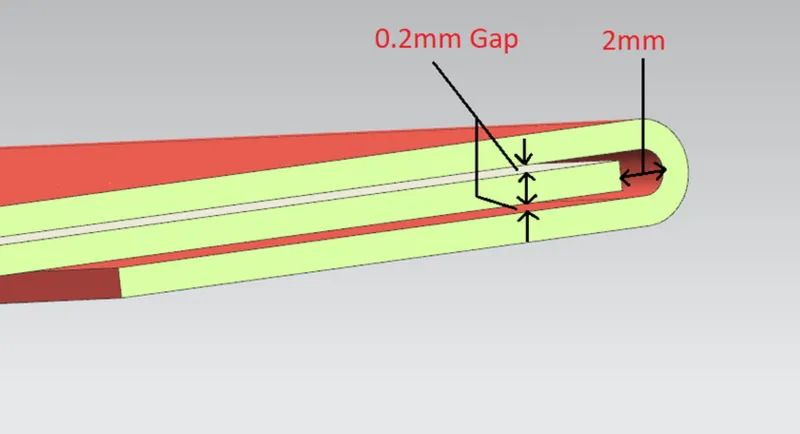
- The outer panel is hemmed on the inner panel.
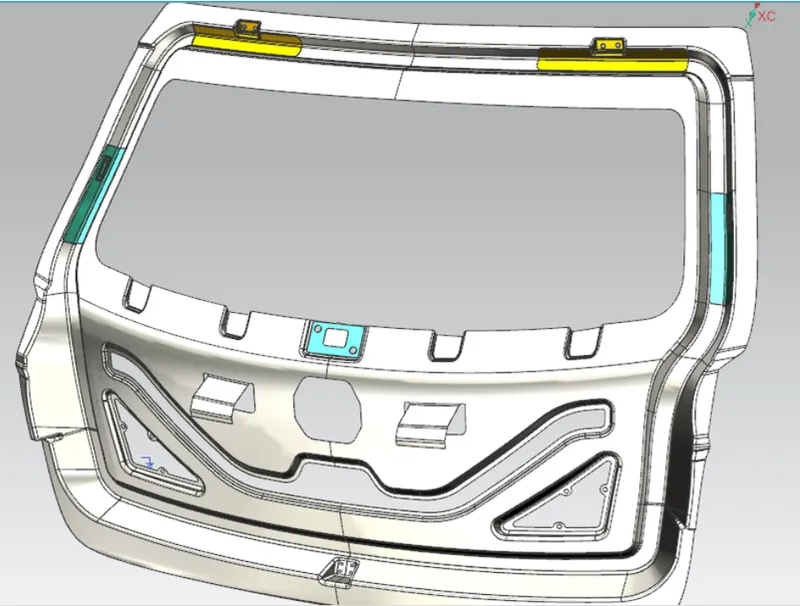
- The inner panel has hinge mounting area, gas stay mounting area, latch mounting area and wiper motor mounting area.
- Re-enforcement are provided on mounting area.
- The inner panel have holes for the tail lights.
- The inner panel is designed to provide enough boot space.
- The inner panel has a sealing flange which seals the boot with help of a rubber seal.
Design Methodology:
- The given body is offset to 25mm by using offset command and a sealing flange is made.
- Then the windscreen area is created and the lower portion of the inner panel is created.
- V-embosses are made using sketch, project curve and emboss command.
- The panel is sewed using the sew command.
- The panel is then mirrored on z-axis and sewed.
OUTER PANEL:
Tools and command used:
- Offset
- Spline
- Sketch
- Project curve
- Trim
- Law extension
- Extend sheet
- Sew
- Thicken
- Swept
- Through curve mesh
- Intersection curve
- Datum
- Wave liner geometry
About Outer panel:
- The outer panel is a styling panel.
- This panel is 0.75mm thick.
- This panel is hemmed on the inner panel.
Design Methodology:
- The outer panel is first offset.
- The offset surface is trimmed to required surface to make hem .
- Bride curve is made at the start
- Swept is used to make the bend surface between the two surfaces.
- The finished panel is sewed.
- The panel is mirrored along z-axis.
- The panel is sewes and thickened to 0.75mm.
Re-enforcement:
Tools and command used:
- Wave linker geometry
- Offset surface
- Offset curve in face
- Trim curve
- Bridge curve
- Through curves
- Thicken
- Mirror geometry
- Sew
About Re-enforcements:
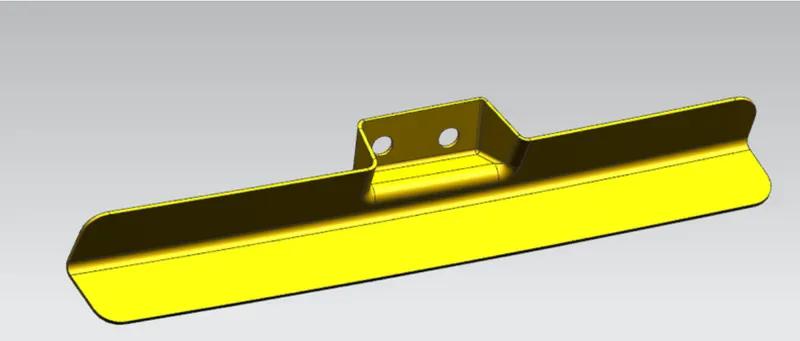
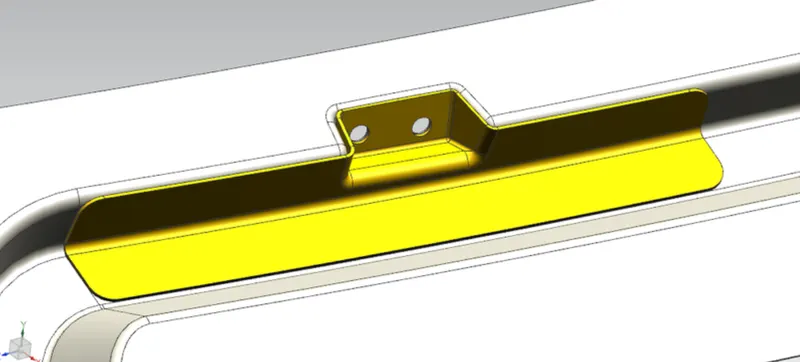
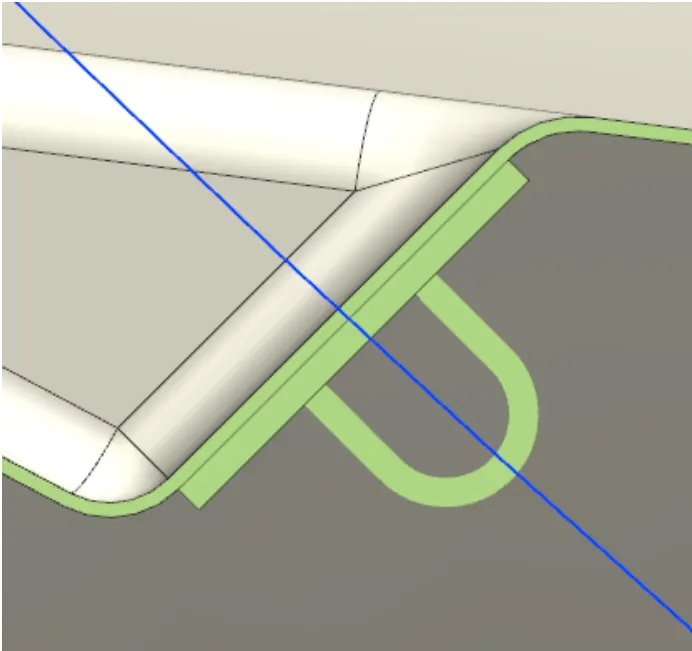
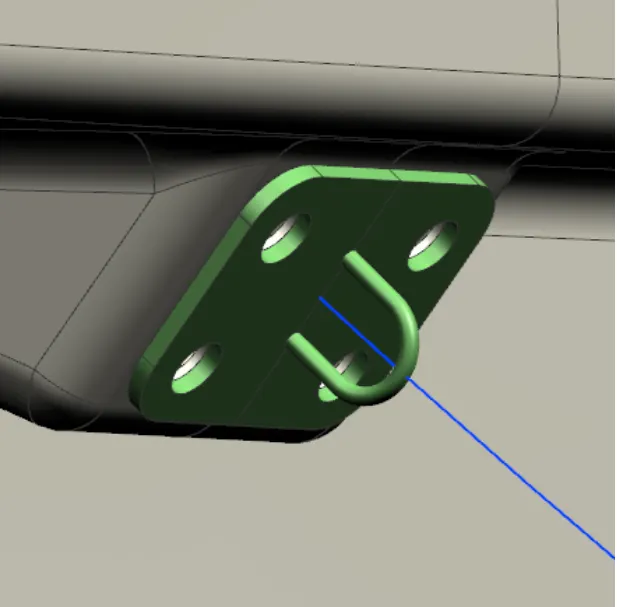
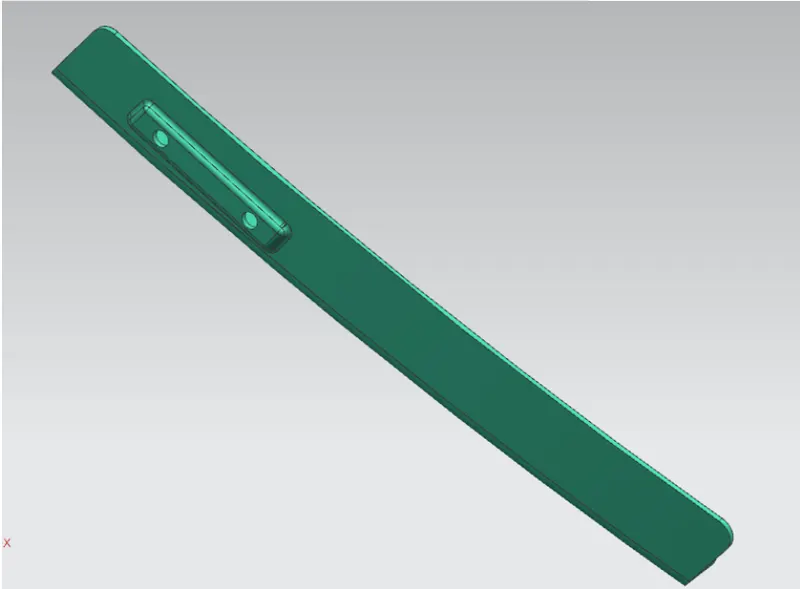
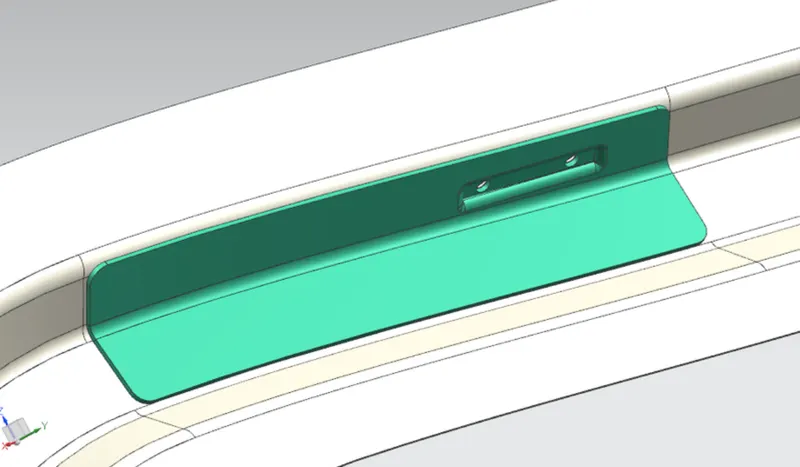
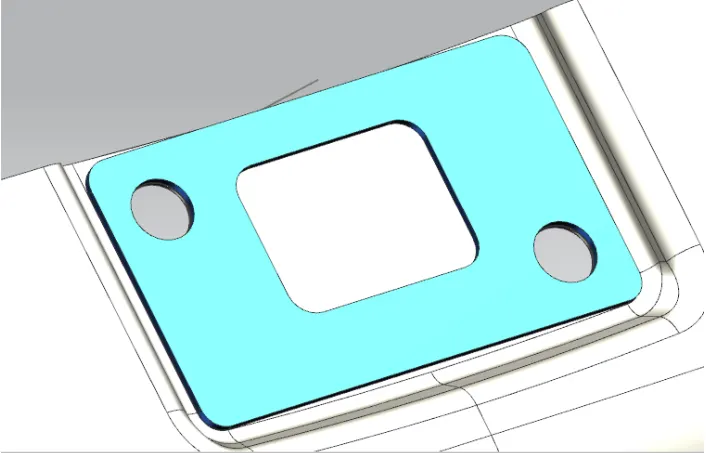
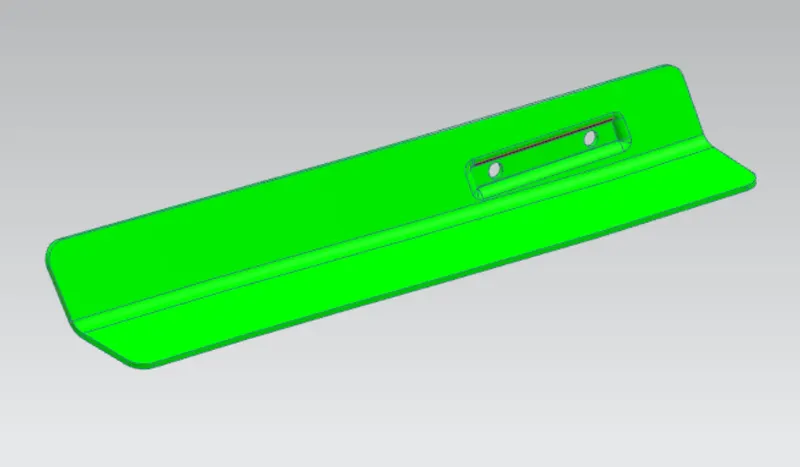
- The re-enforcement are provided to strenthen the weaker areas after drilling holes.
- The thickness of the re-enforcements is 1.5mm.
Design Methodology:
All re-enforcements are designed by extracting the surface by using wave linker geometry and offseting them to a required positions.
Types of Re-enforcements:
1. Hinge re-enforcement
2. Gas stay re-enforcement
3. Latch re-enforcement
4. Wiper motor re-enforcement
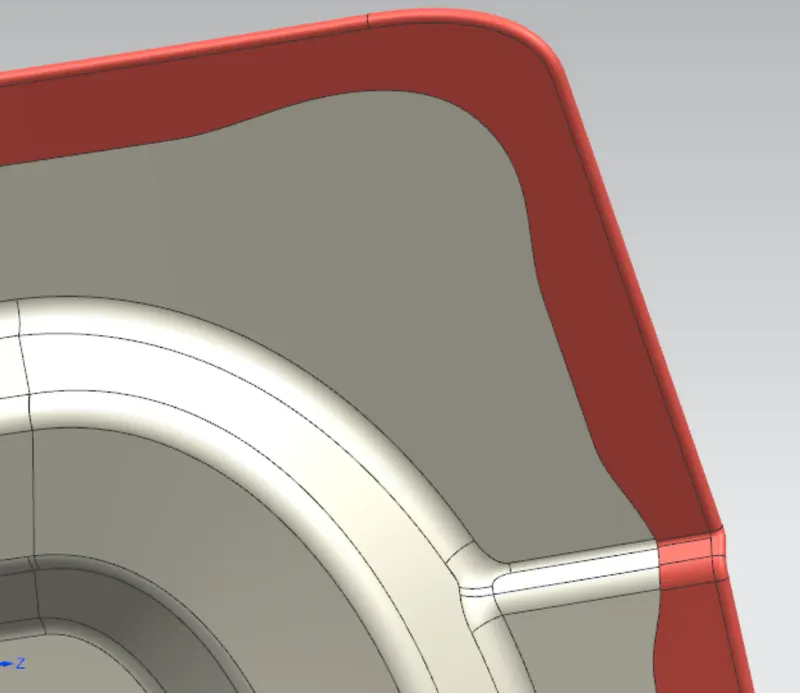
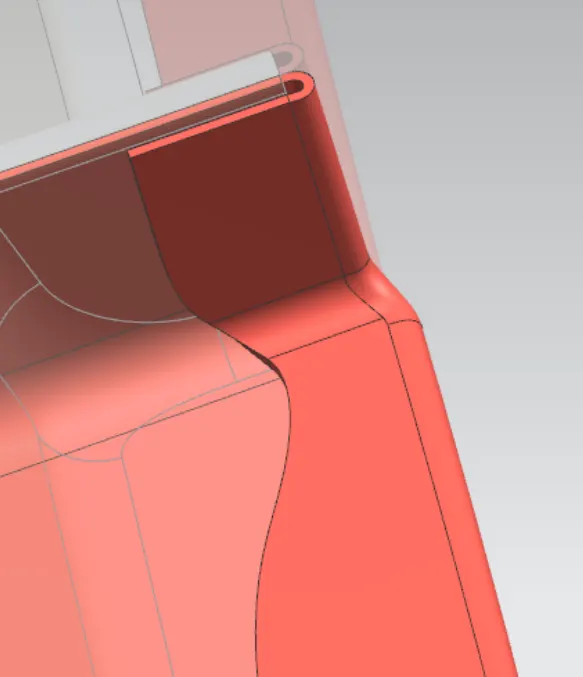
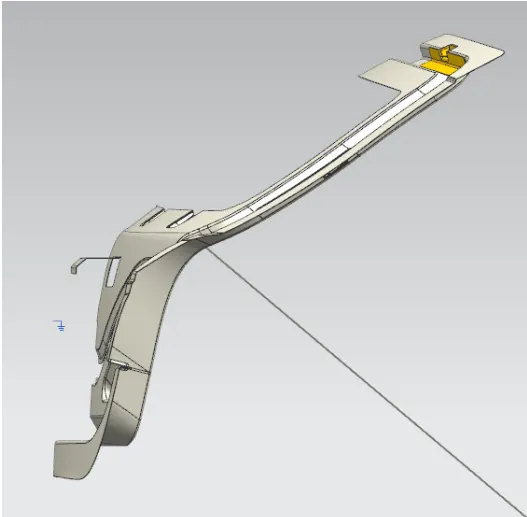
Hemming and Hem Relifs:
ASSEMBLY:
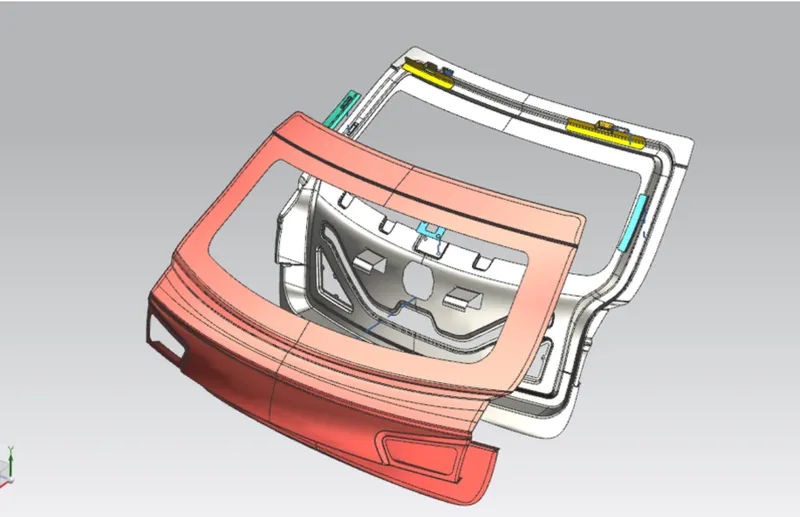
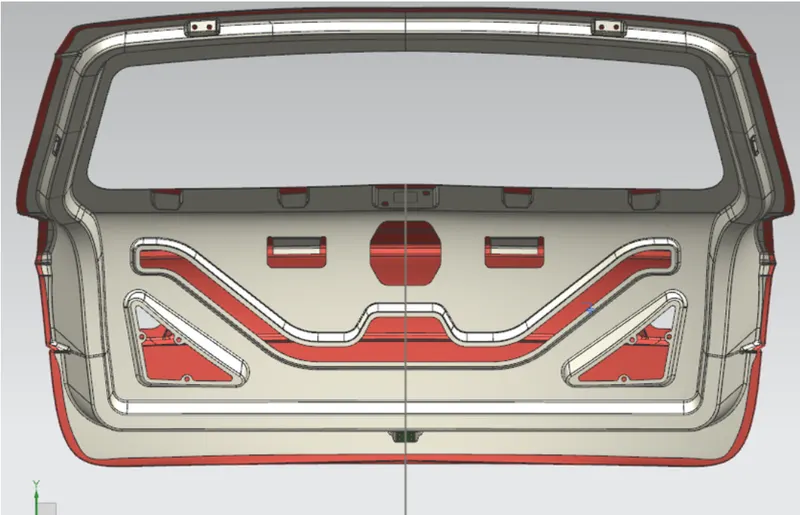
- Top to down approch is followed in the assembly. The parts area created with in the assembly and designed.
- Inner panel and two outer panel are hemmed together. Both inner panel and outer panel are of same thickness which is 0.70mm.
Draft Analysis:
Conclusion:
Here is the back door is designed as per the requirement and maintaining the passenger safety and security while designing. All the parts are geomerically alligned well.
Google Link:https://drive.google.com/file/d/12IjaRFFVGXfK9nAiHAwD1kZMOXsVOtZs/view?usp=sharing