Design of backdoor
OBJECTIVE:
To Develop the Car Back Door by Using given Surface Method by Automotive sheet metal design using NX CAD
INTRODUCTION:
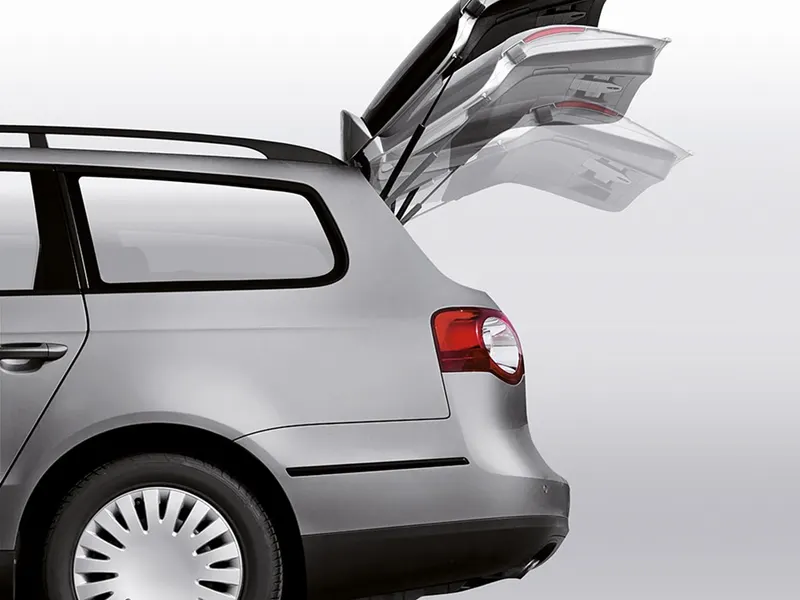
- The back door is hinged at the rear side of the car. It consists of small compartment which can be used for loading luggage. It is also called as the Tail gate.
- Basically, the back door of the car consists of inner panel, outer panel and the reinforcements. Parts are made of Steel or Aluminium based on the budget of the car.
- The density of the aluminium is lesser compared to the steel. So, it might be advantageous using aluminium as it reduces weight of the car.
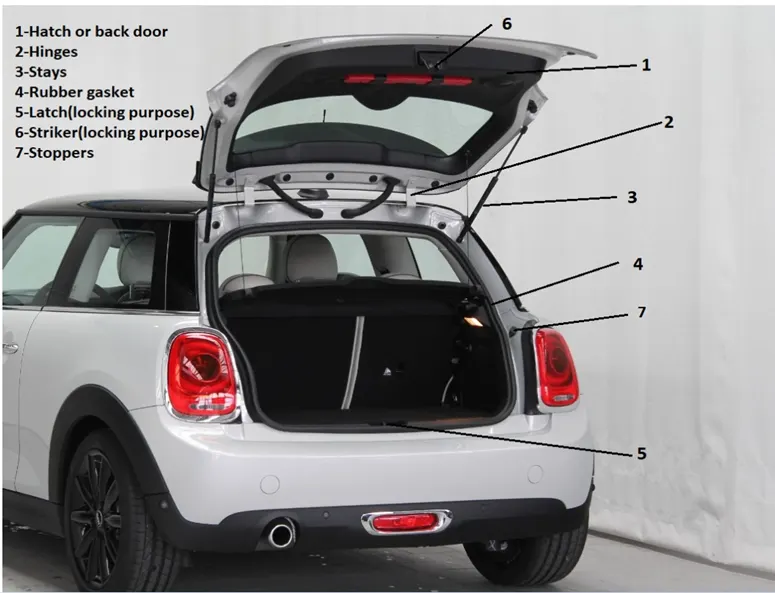
TYPES OF BACKDOOR
Top mounted 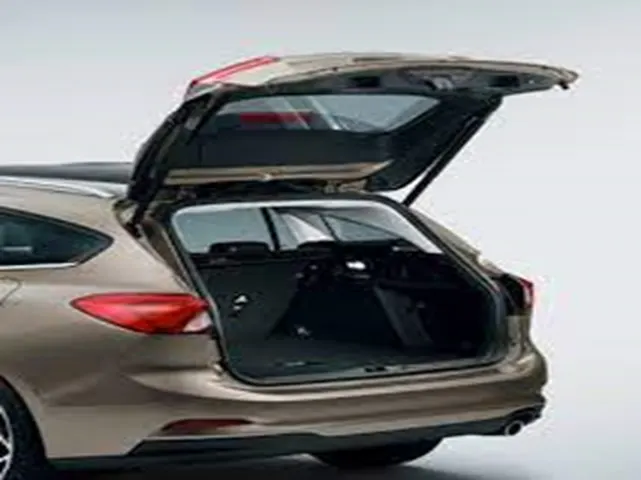
Side mounted 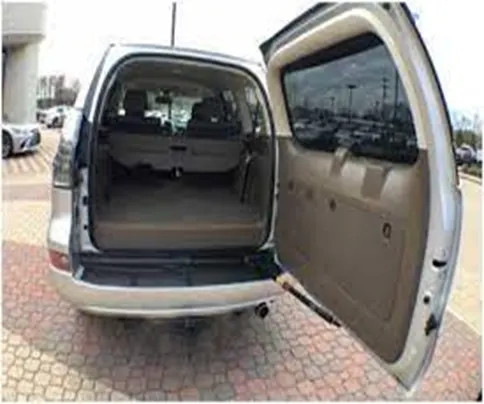
Bottom mounted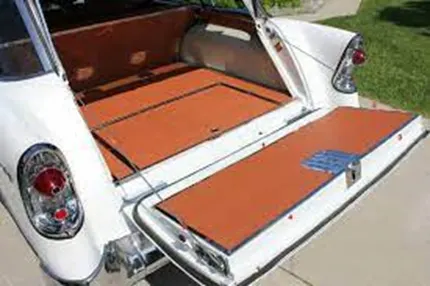
REPAIR
First we need to repair the given skin for any irregularities using blend option and then separating the outer panel into upper and lower panels.
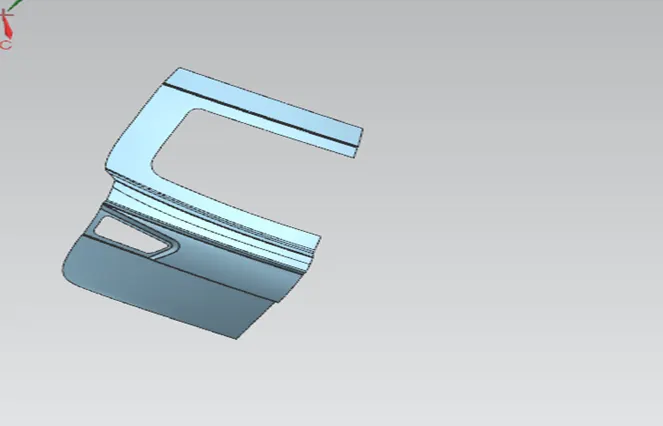 Class A surface
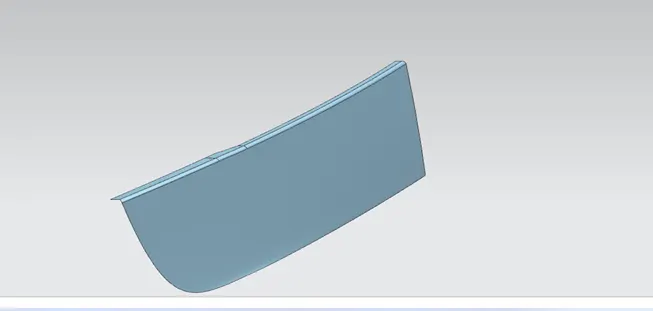 Outer lower panel
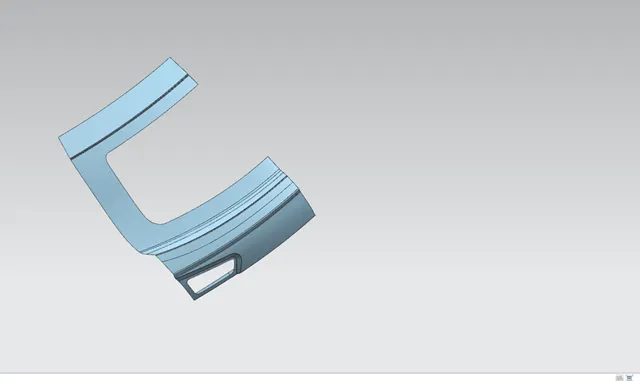 Outer upper panel.
BACK DOOR MECHANISM
1.Gas stay
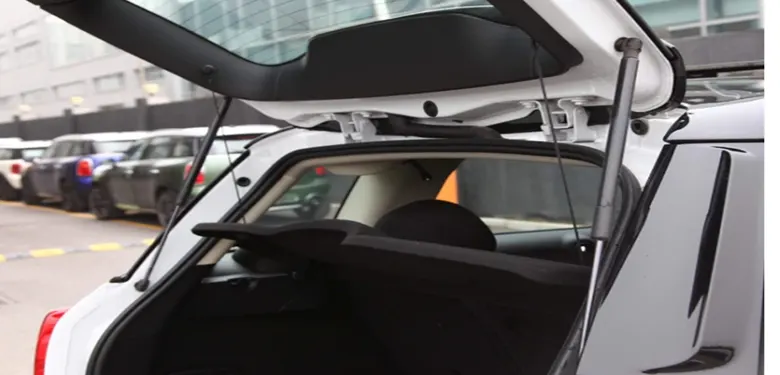
- Power life
INNER PANEL
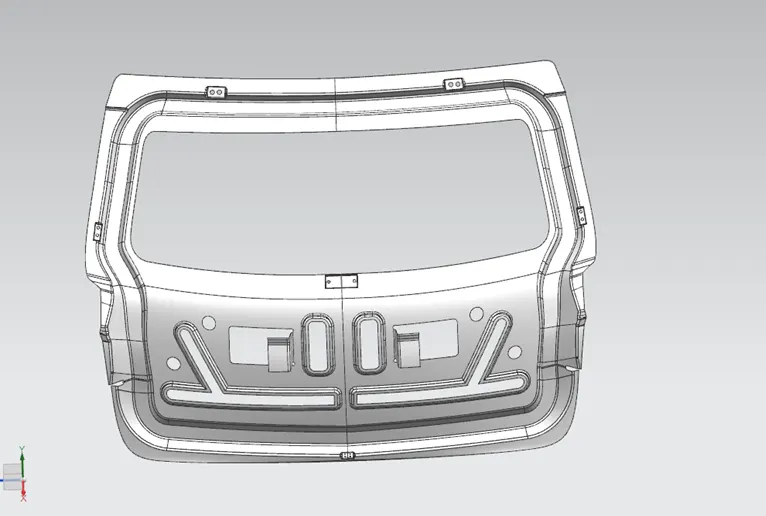
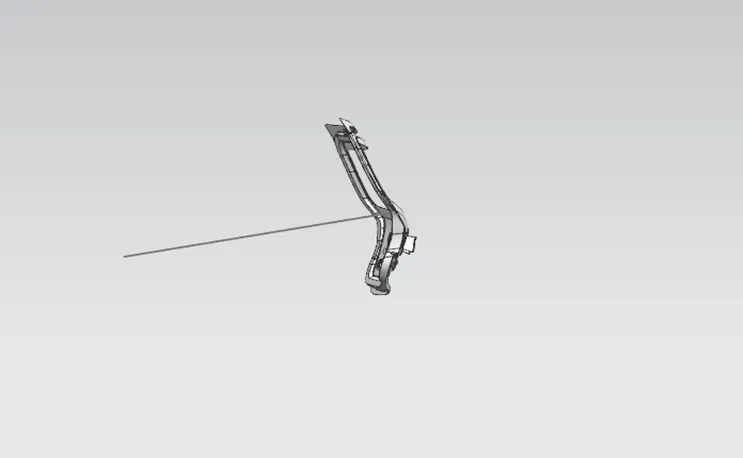
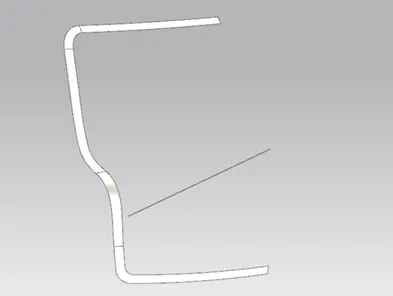
Considering the class A surface as reference we have to create the inner panel of the backdoor. The most important part of the inner panel is the sealing flange which decides how the backdoor will be mounted at the rear side of the car. It also seals the rear side of the car and prevents the entry of dust and water from entering inside the car. The width of the sealing flange should be at least 25mm.
Tooling direction
All the operation including embossing is done using this vector direction.
 Sealing flange
Embosses
The embosses are provided in the inner panel for strengthening the part and also to dissipate the forces in case of rear collision to the outside of the car.. The cut outs are basically access holes for the fitment of wiper motor and latch striker motor.
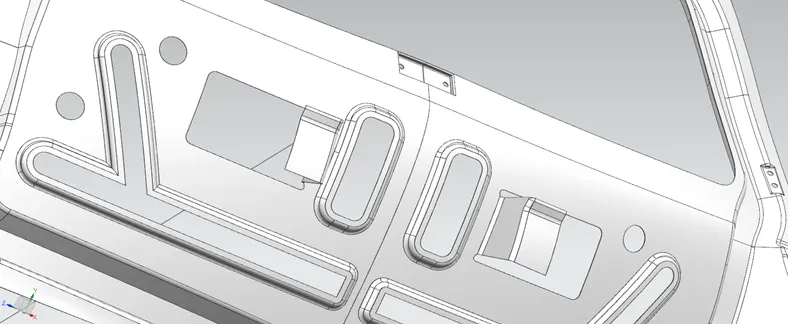
Mastic sealants
The inner panel is mainly fixed to the outer panel by the process of hemming but still there will be rattling noise. So to avoid the extensions are created in the inner panel which is fixed to the outer panel by applying mastic seal.
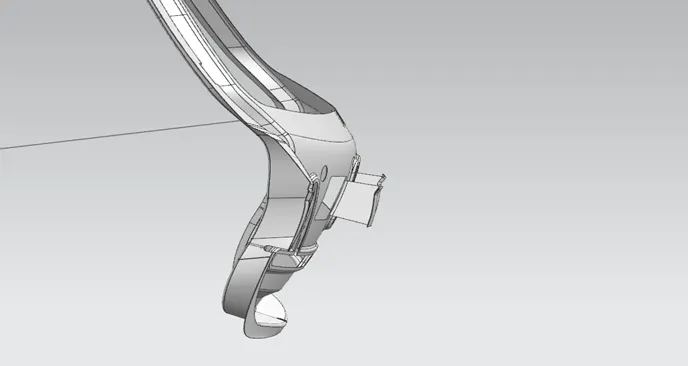
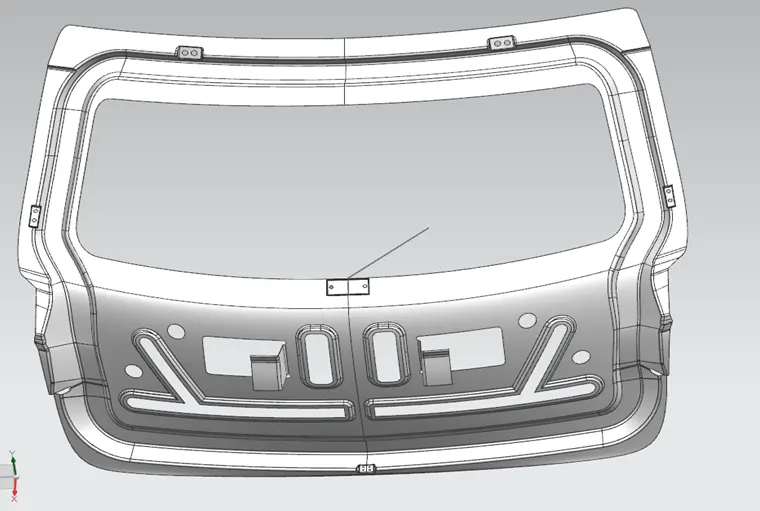
Embosses are created on the inner panel so as to place the reinforcements.
OUTER PANEL
It is the outer part of the rear door and is mostly responsible for aesthetics of the vehicle. Outer and inner panels are connected by mastic sealants in center and by hemming process at edges. The outer door handle and in some cases, the number plate may also be installed on the outer panel of the back door. We have considered a 2-part outer panel for our design, outer upper panel and outer lower panel prospectively. Outer panel is manufacture by stamping sheet metal. Thickness for outer panel is 0.75 mm.
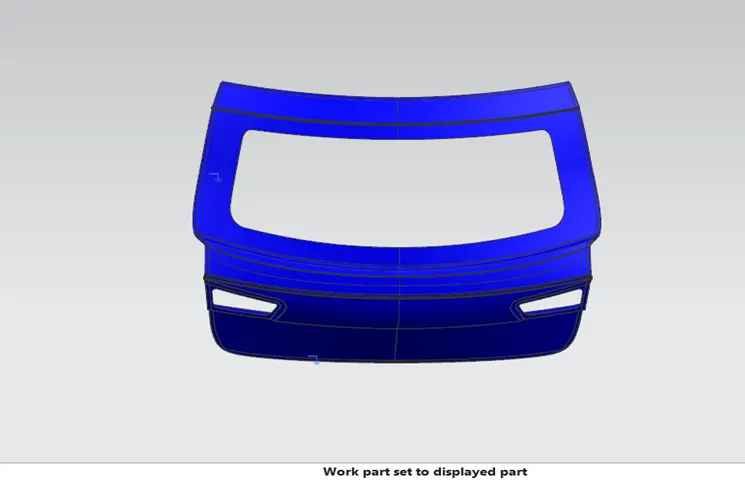
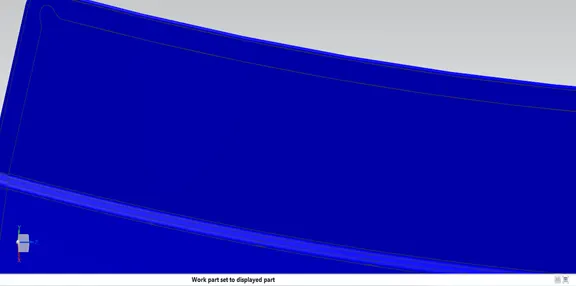
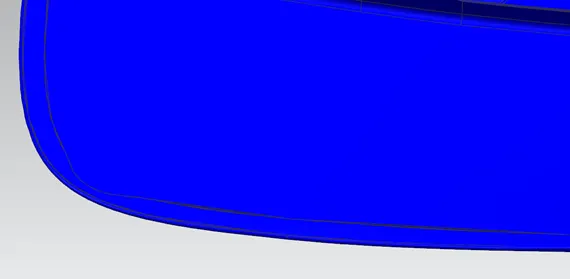
Corner reliefs are given to prevent the unbend deformation during operations.
Hemming
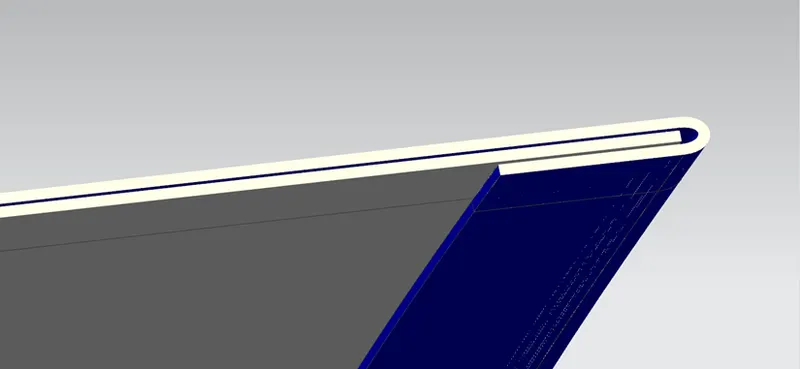
Hemming is the process in which the edge is rolled flush to itself, while a seam joins the edges of two materials. Normally hemming operations are used to connect parts together, to improve the appearance of a part and to reinforce part edges. Relief is provided onto the part or component in order to remove any stresses developed in a particular area i.e sharp corners that takes place during the hemming process is carried out. Thus corners are rounded or chamfered.
Inner panel is placed inside the outer panel by hemming process.
REINFORCEMENTS.
Reinforcements are given in order to provide additional strength.
Instead of making the inner panel thicker, it could be easier to create reinforcements which in turn reduces the weight as by increasing the strength.
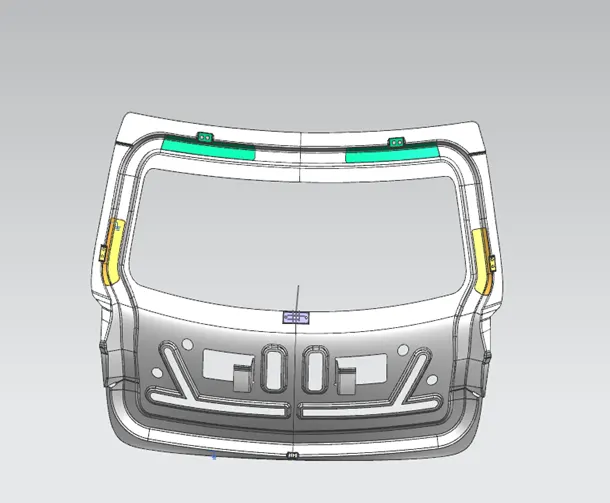
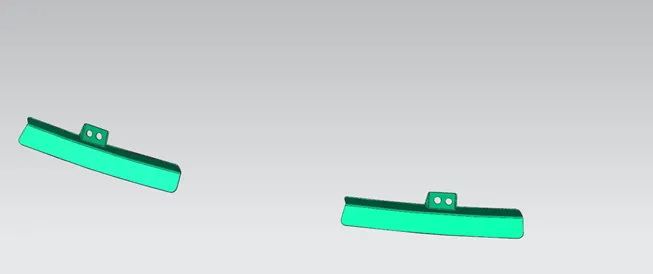 Hinge reinforcement
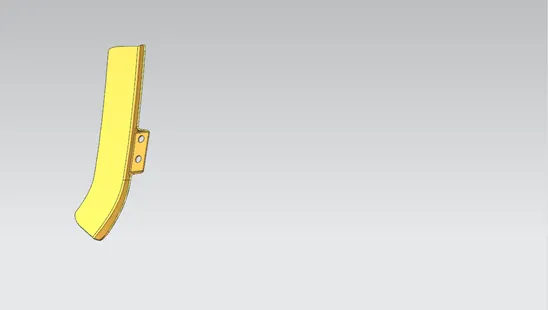 Gas stay reinforcement
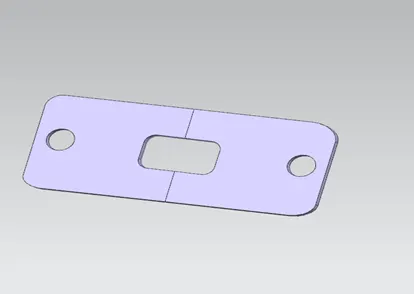 Wiper motor reinforcement
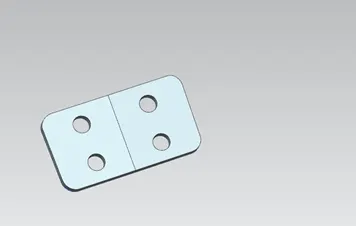 Latch and striker reinforcement
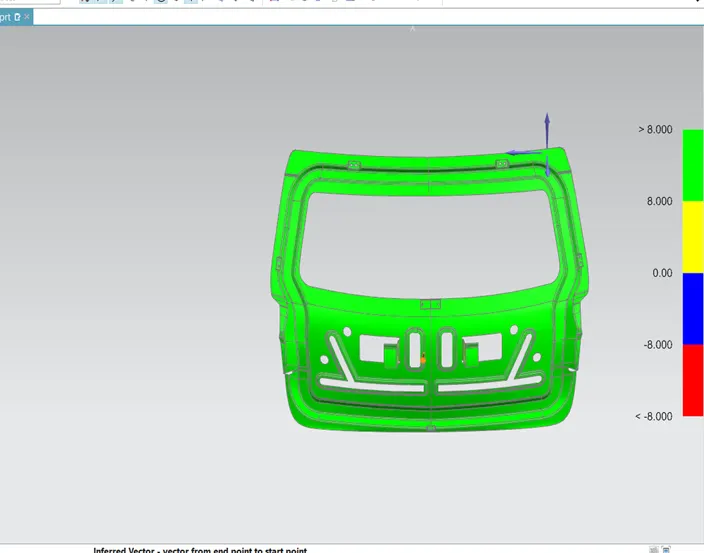
Draft analysis
CONCLUSION
Thus the back door of the car is designed using NX CAD