Design of backdoor
BACK DOOR DESIGN
INTRODUCTION
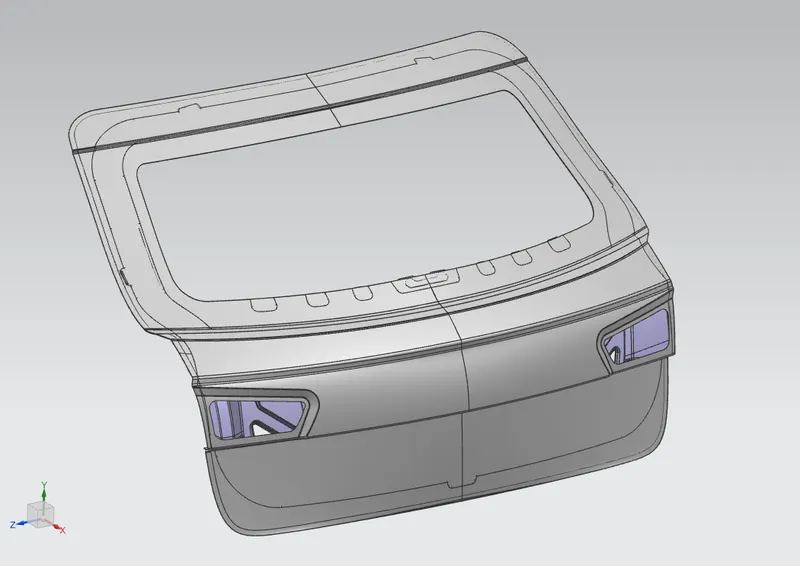
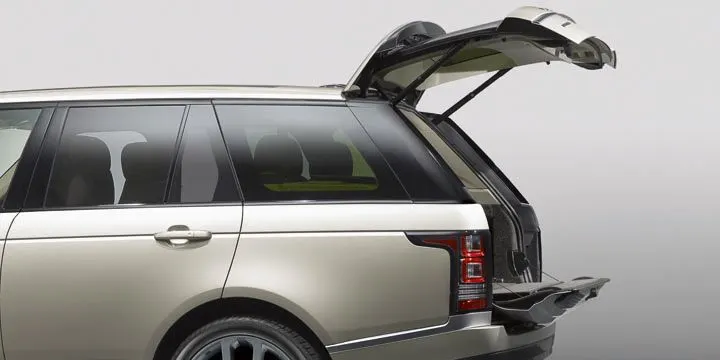
Back doors design vary between the types of cars. There are mostly flat and angular back doors used in most of hachbacks. MPV, SUV and sedan vehicles. They are used to access the rear storage space. They can be made using Steel by the process of forming and Aluminium by the process of casting. They are design in a manner that while in the situvation of rear collision the back door will absorb the impact and will protect the rear passengers.
Design Requirements
- Rear visibility
- Boot space
- Type of back door opening
- Placement of hinges
- Position of gas stays
- Gap and flushness
- Collison force absorbing design embosses.
Types of Back Door
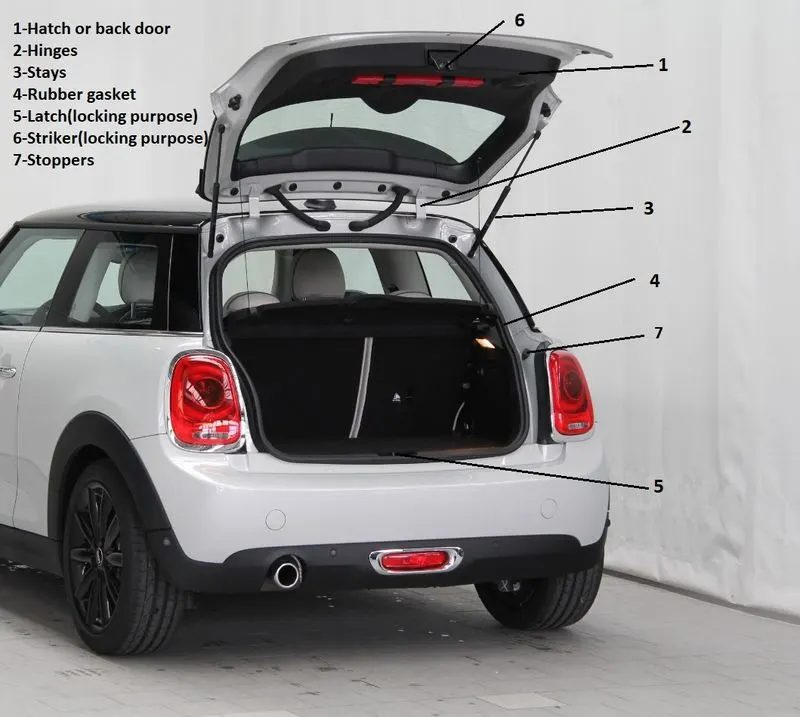
- Hatch Back (Top Hinged)
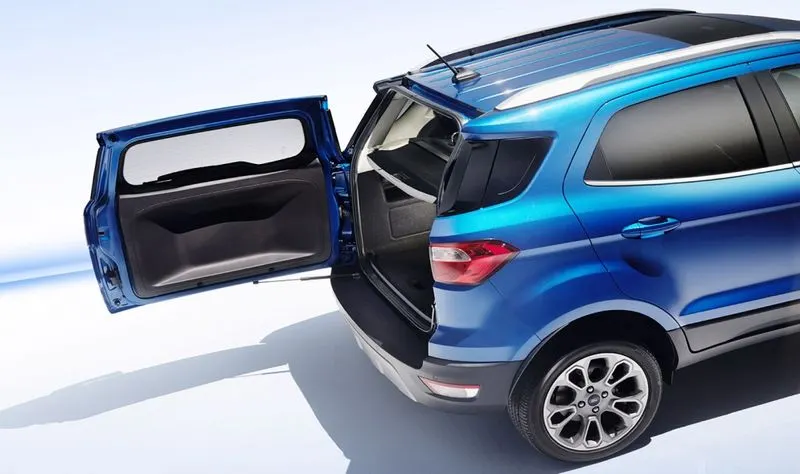
- Side Hinged
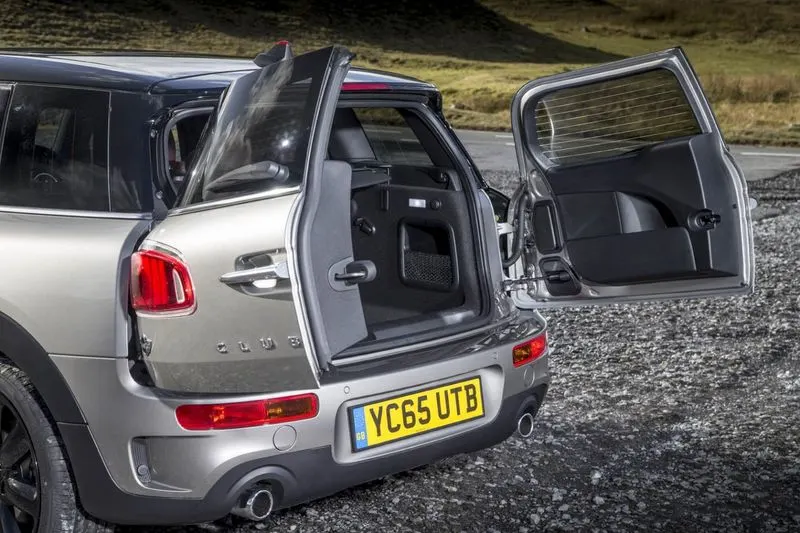
- Split Back Doors (Side Hinged)
MANUFACTURING PROCESSES
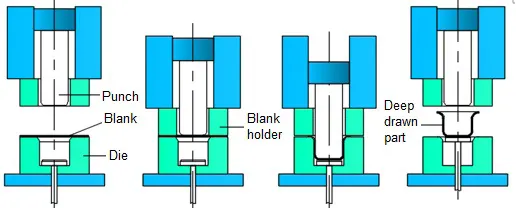
- Deep Drawing
Deep drawing is a sheet metal forming process in which a sheet metal blank is radially drawn into a forming die by the mechanical action of a punch. It is thus a shape transformation process with material retention. The process is considered "deep" drawing when the depth of the drawn part exceeds its diameter. This is achieved by redrawing the part through a series of dies. The flange region (sheet metal in the die shoulder area) experiences a radial drawing stress and a tangential compressive stress due to the material retention property. These compressive stresses (hoop stress) result in flange wrinkles (wrinkles of the first order). Wrinkles can be prevented by using a blank holder, the function of which is to facilitate controlled material flow into the die radius.
- Punching
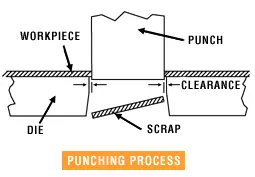
Punching is a forming process that uses a punch press to force a tool, called a punch, through the workpiece to create a hole via shearing. The punch often passes through the work into a die. A scrap slug from the hole is deposited into the die in the process. Depending on the material being punched this slug may be recycled and reused or discarded.
- Embossing
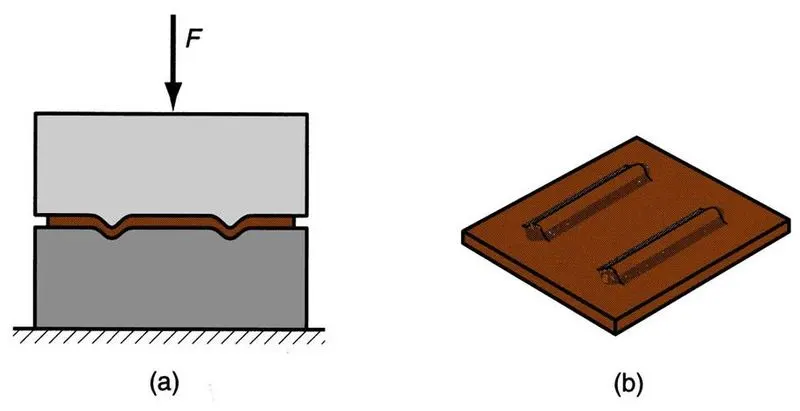
Sheet metal embossing is a stamoing process for producing raised or sunken designs or relief in sheet metals. This process can be made by means of matched male and female roller dies, or by passing sheet or a strip of metal between rolls of the desired pattern.
The metal sheet embossing operation is commonly accomplished with a combination of heat and pressure on the sheet metal, depending on what type of embossing is required. Theoretically, with any of these procedures, the metal thickness is changed in its composition.
Metal sheet is drawn through the male and female roller dies, producing a pattern or design on the metal sheet. Depending on the roller dies used, different patterns can be produced on the metal sheet. The pressure and a combination of heat actually "irons" while raising the level of the image higher than the substrate to make it smooth. The term "impressing" refers to an image lowered into the surface of a material, in distinction to an image raised out of the surface of a material.
In most of the pressure embossing operation machines, the upper roll blocks are stationary, while the bottom roll blocks are movable. The pressure with which the bottom roll is raised is referred to as the tonnage capacity.
Embossing machines are generally sized to give 2 inches (5 cm) of strip clearance on each side of an engraved embossing roll. Many embossing machines are custom-manufactured, so there are no industry-standard widths. It is not uncommon to find embossing machines in operation producing patterns less than 6 inches (15 cm) wide all the way up to machines producing patterns 70 inches (180 cm) wide or more.
- Hemming
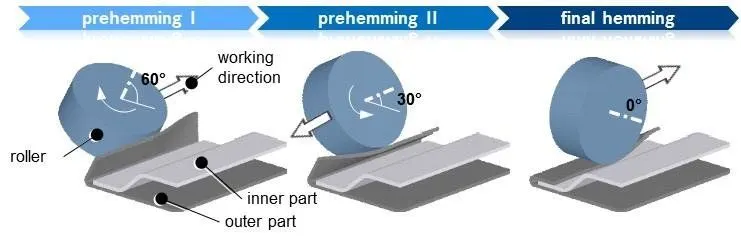
Hemming is a metalworking process that involves rolling the edge of sheet metal over and onto itself, essentially creating an area of two layers. During this process, the edge of sheet metal is folded over. The two newly formed layers then lie flush with each other.
- Lancing
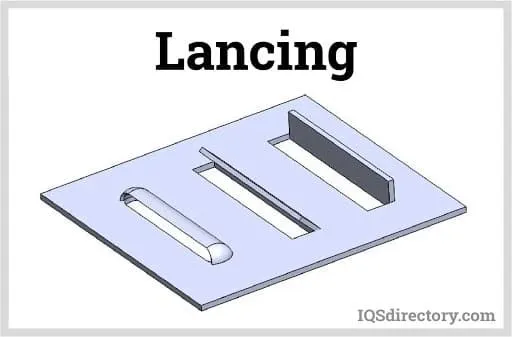
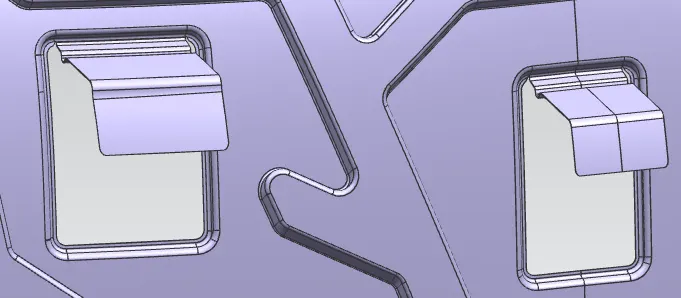
Lancing is a press operation in which a single line cut or slit is made on part way across the strip stock, without removing any metal. Lancing is a piercing operation in which the workpiece is sheared and bent with one strike of the die. A key part of this process is that there is not reduction of material, only a modification in its geometry. This operation is used to make tabs, vents, and louvers.
The cut made in lancing is not a closed cut, like in perforation even though a similar machine is used, but a side is left connected to be bent sharply or in more of a rounded manner. Normally lancing is done on a mechanical press, lancing requires the use of punches and dies to be used. The different punches and dies determine the shape and angle (or curvature) of the newly made section of the material. The dies and punches are needed to be made of tool steel to withstand the repetitious nature of the procedure.
BACK DOOR TESTING METHODS
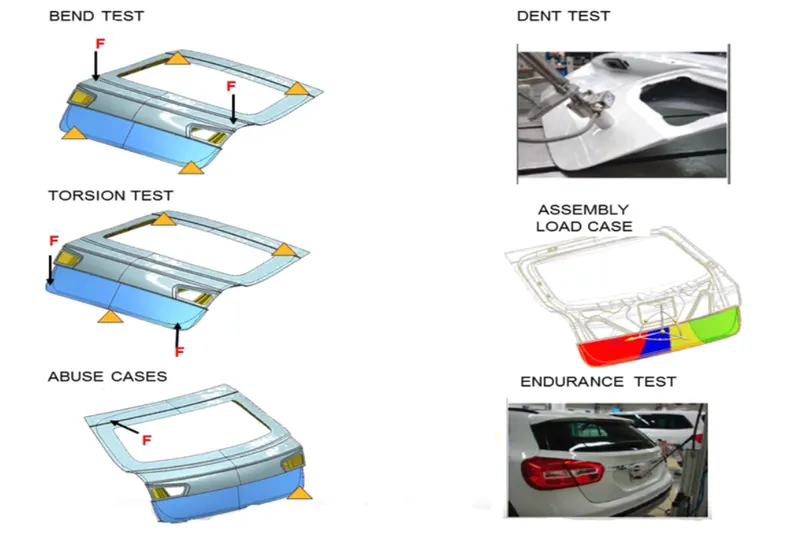
- Bend test is done by giving a unidirectional force at two ends at the outer surface of the back door.
- Torsion test is done by giving bidirectional force at the two ends at the outer surface of the back door which results in a torsional load.
- Abuse test is performed because the outer surface would be abused by people by resting on it and giving other loads.
- Dent test is done to check weather the dest will self heal or will be permanent.
- Assembly load cas is done to understand the loads that would be experienced by components after the assembly.
- Endurance test is to check the opening and closing cycle of the back door, weather it can handle certain no of operation in the vehicles lifetime.
COMPONENTS FOR THE BACK DOOR ASSEMBLY
- Class A Surface
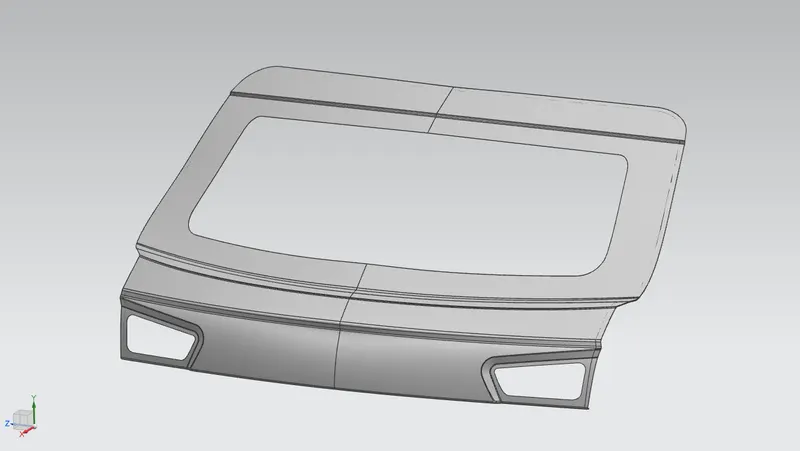
Outer Panel Upper
This is the styling surface from which the inner panel is designed
Outer Panel Lower
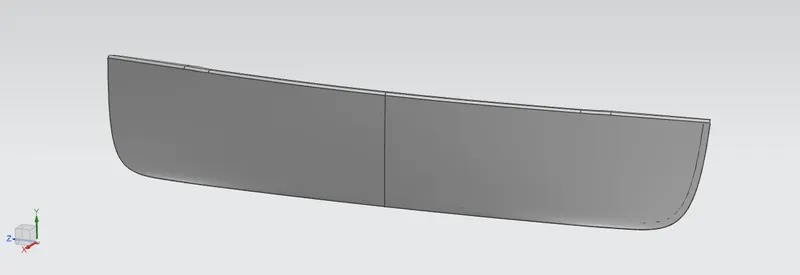
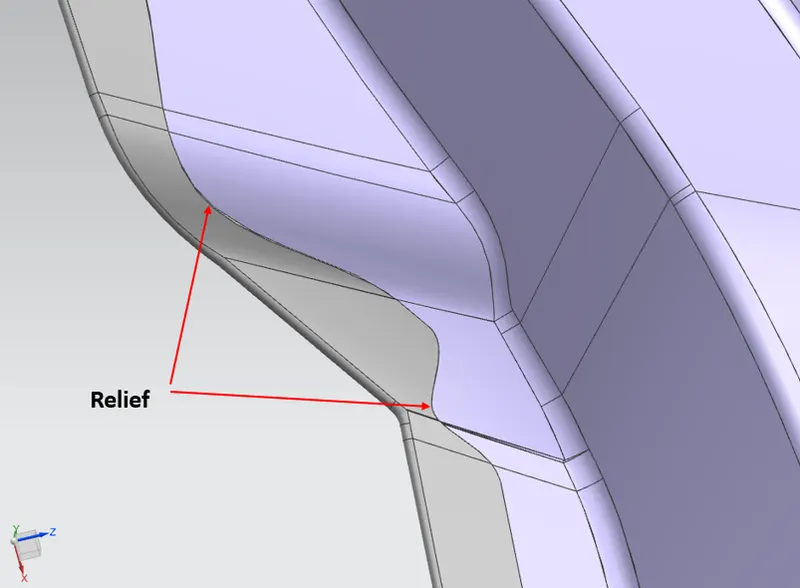
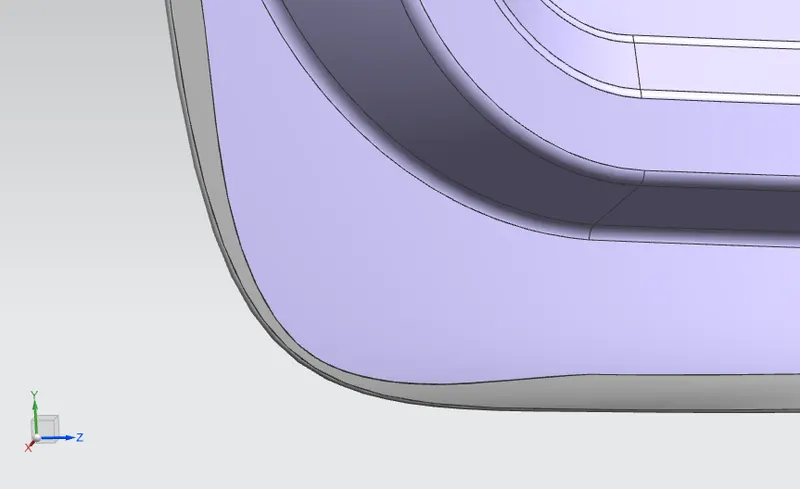
Hemming is done on both panels for it to be fixed with the inner panel
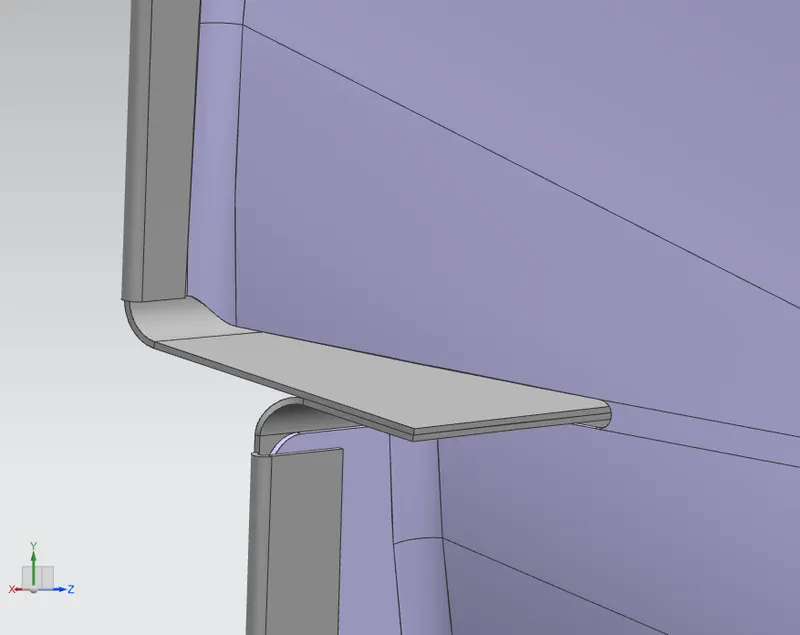
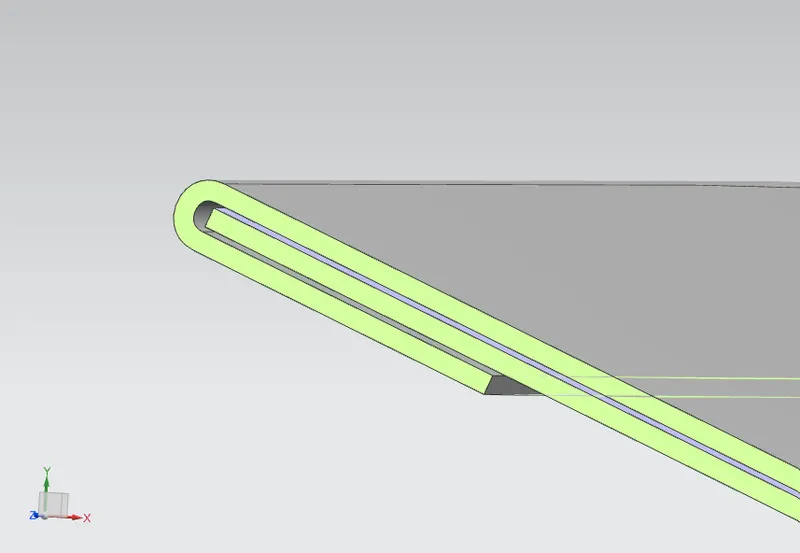
A thickness of 0.75 mm is given to the panels and the hem gap at both sides is 0.2 mm.
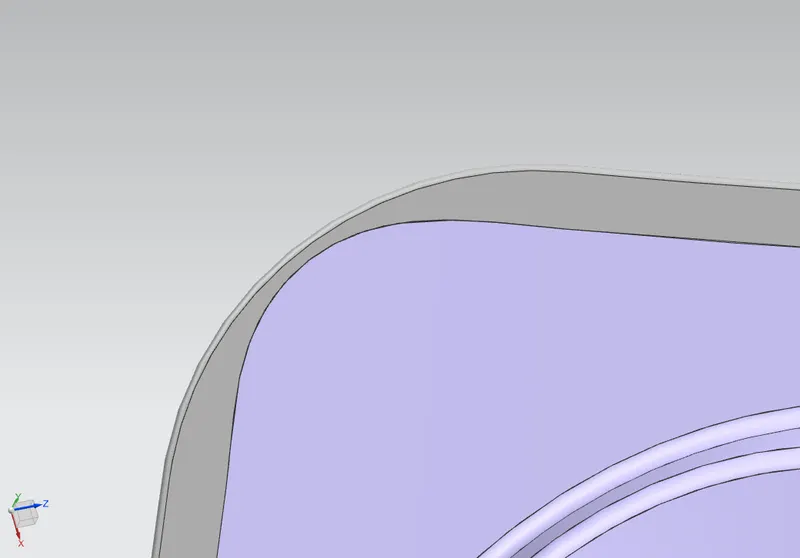
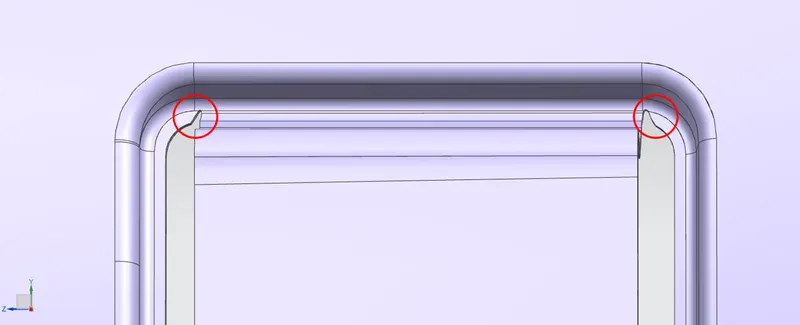
Reliefs are given to the hem for producing a good hem.
- Inner Panel
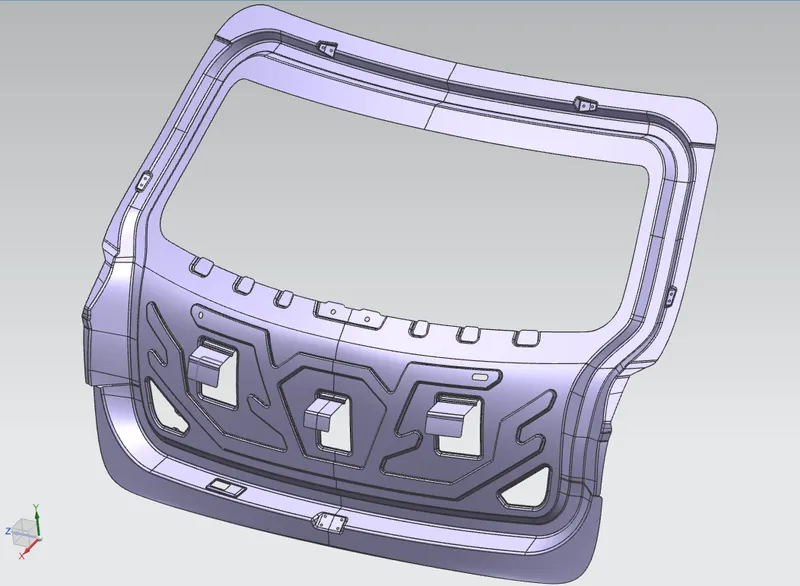
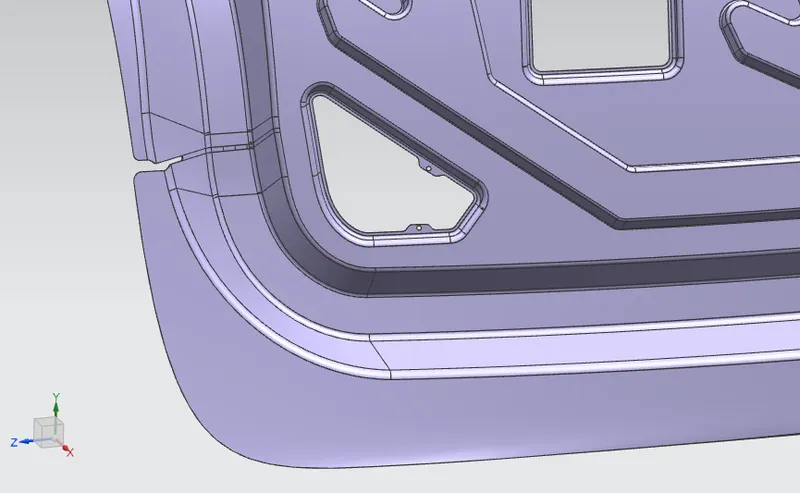
It is main structural component of the back door. It has been made with embossings, lancing, piercing etc. I can be made out of Steel or Aluminium by the process of casting.
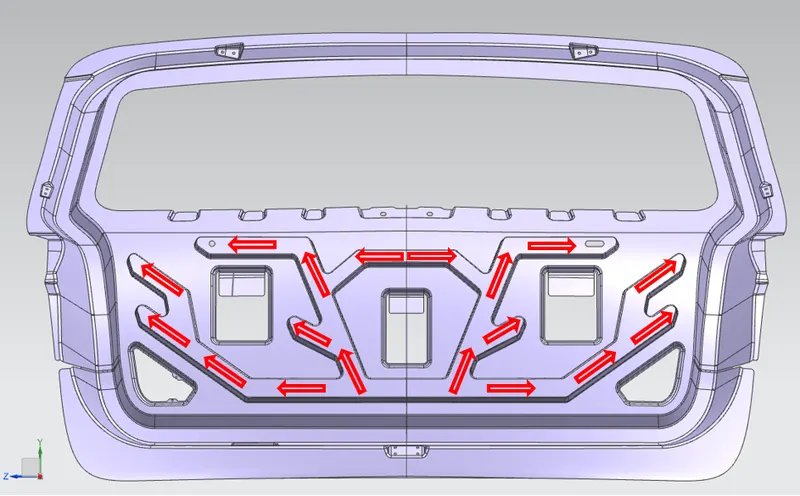
Y & V Embosses
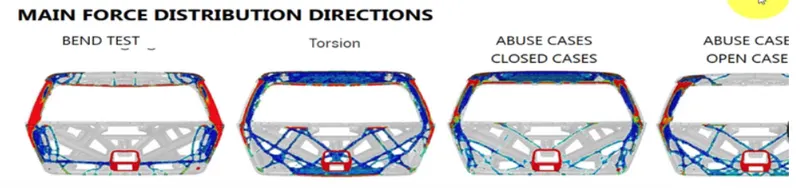
From the above several analysis we understand for an effective disipatation of collision forces are achieved through Y & V embosses, because these shapes direct the forces away from the passengers and towards the outer edge of the inner panel. Thats why in my design the embosses are in a V & Y shaped. It also branches so that unform distribution of forces is occuring.
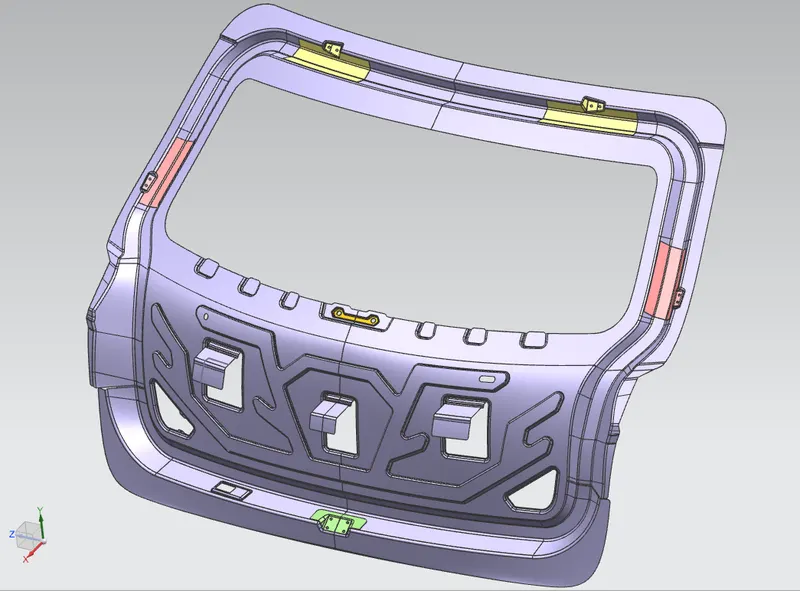
Below picture shows the inner panel with all the reinforcements.
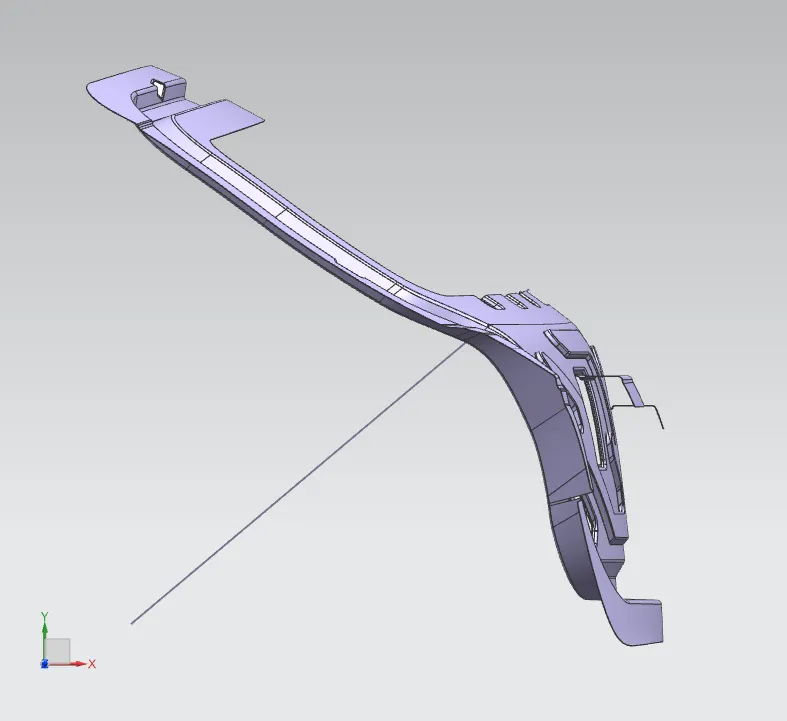
The tooling direction which is created by using two lines and the bisecting tool. The line which bisects the two lines is the tooling direction. Using this as our vector direction we can perform the embosses, law extension etc.
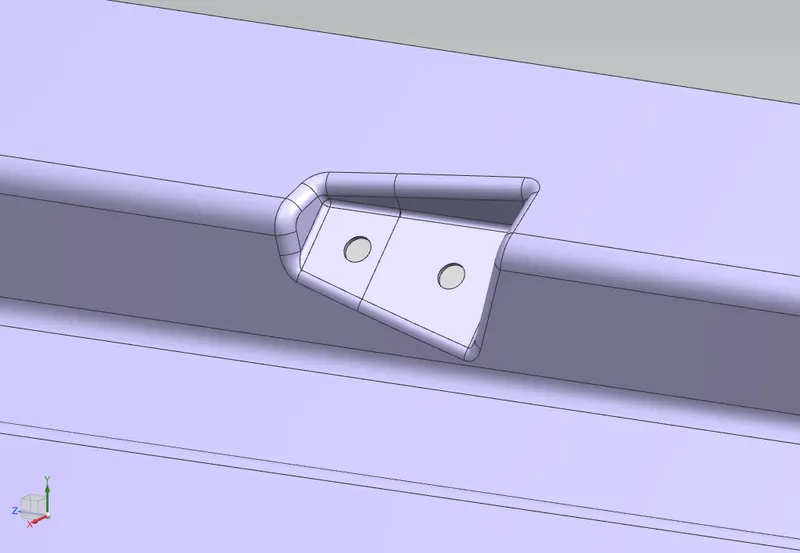
Hinge Emboss (its is created using law extension & trim and extend tool)
Gas Stay Emboss (its is created using law extension & trim and extend tool)
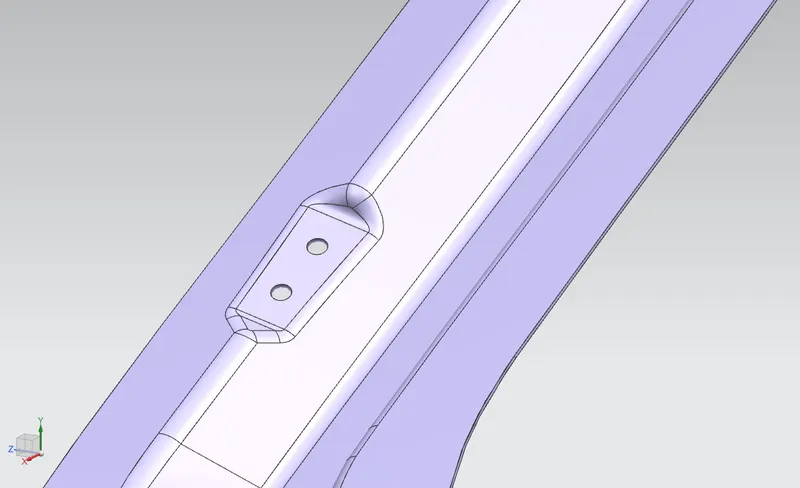
Wiper Emboss (it is created using emboss tool)
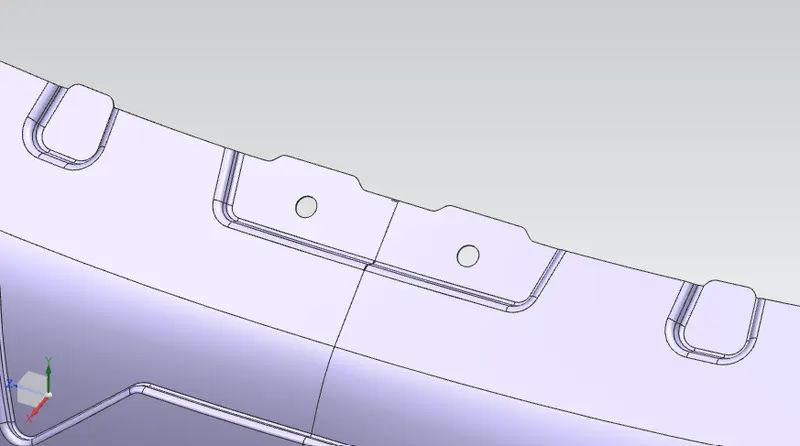
Striker Emboss (its is created using law extension & trim and extend tool)
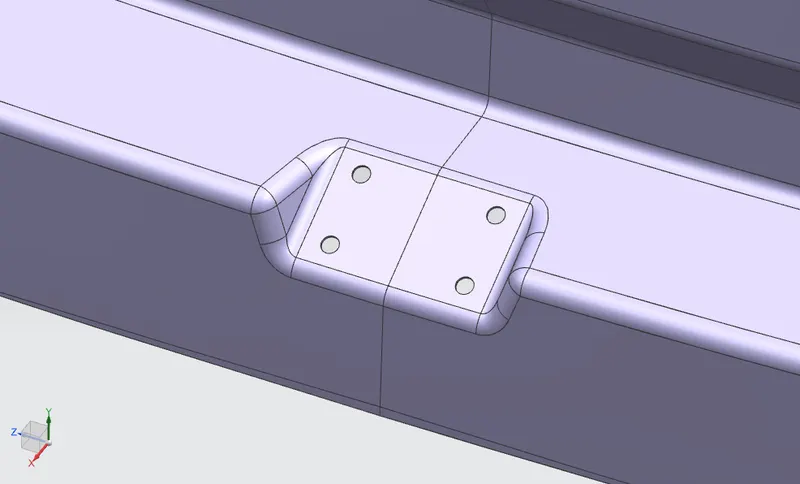
Handle Emboss (it is created using emboss tool)
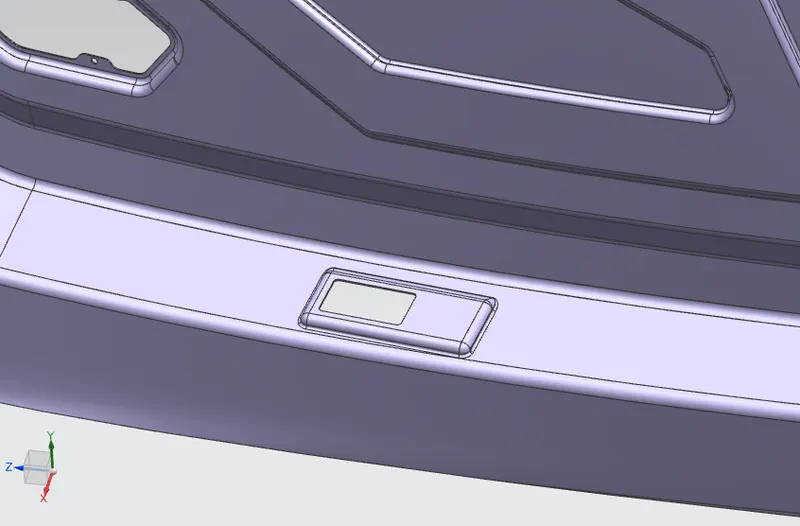
Wiper motor mounting region
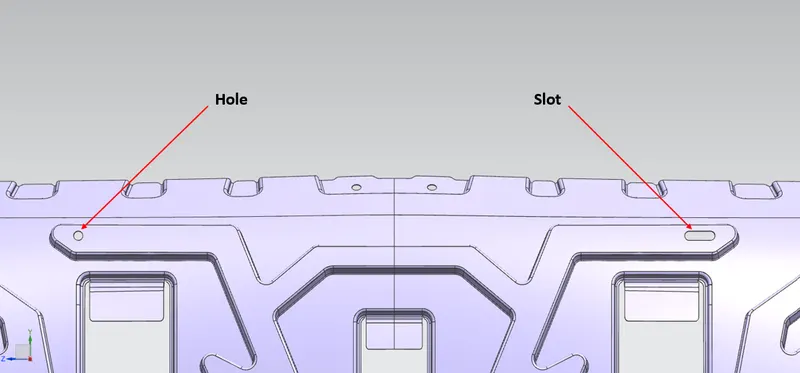
Hole and slot for tool fixtures to be attached
Lancing
Lancing Reliefs
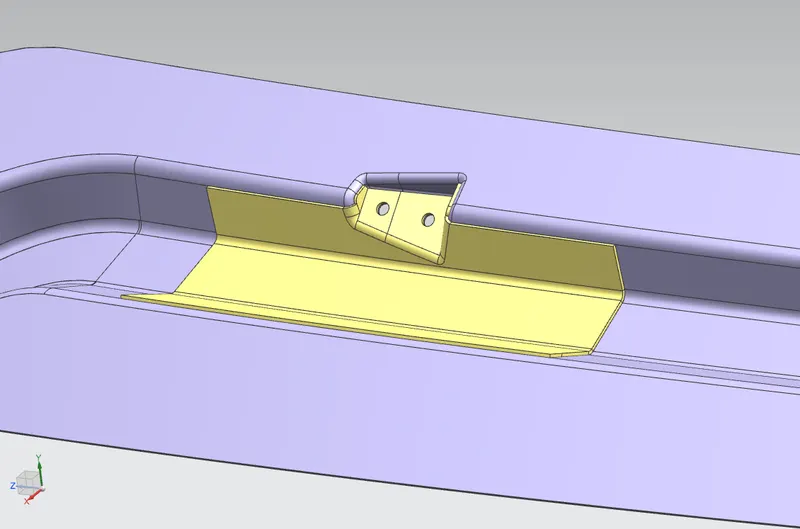
- Hinge Reinforcement
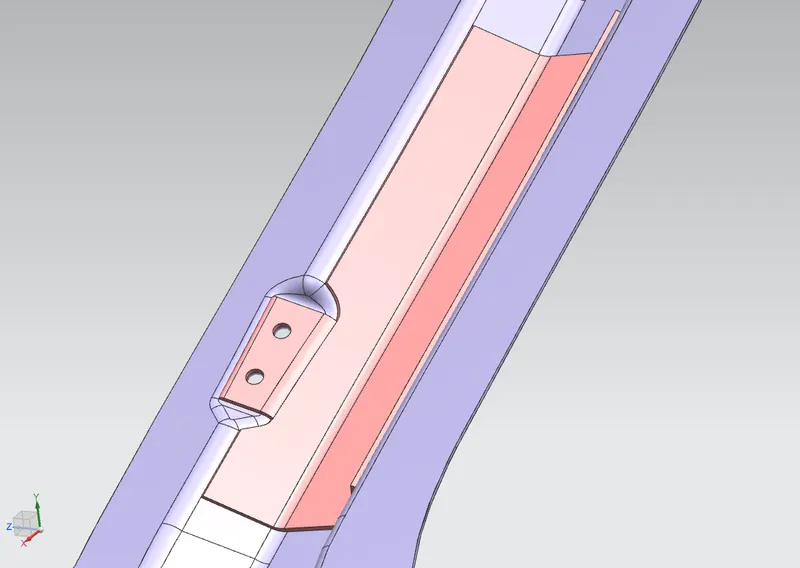
- Gas Stay Reinforcement
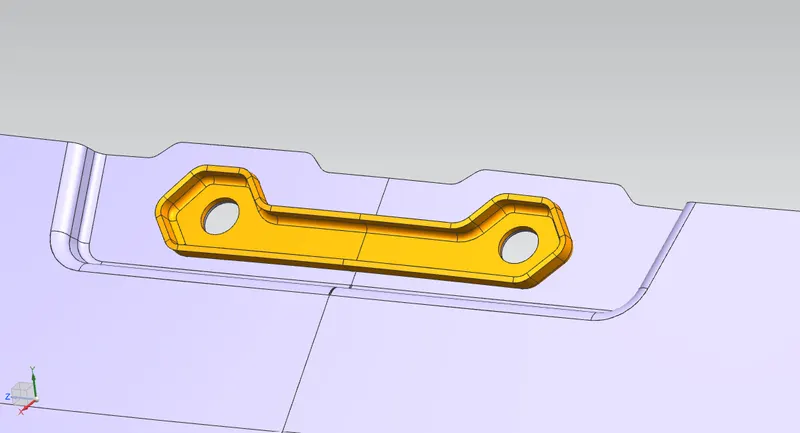
- Wiper Region Reinforcement
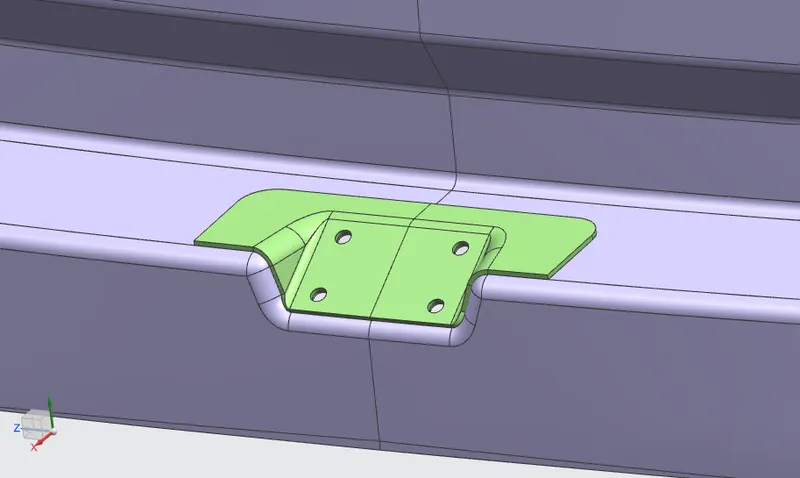
- Striker Reinforcement
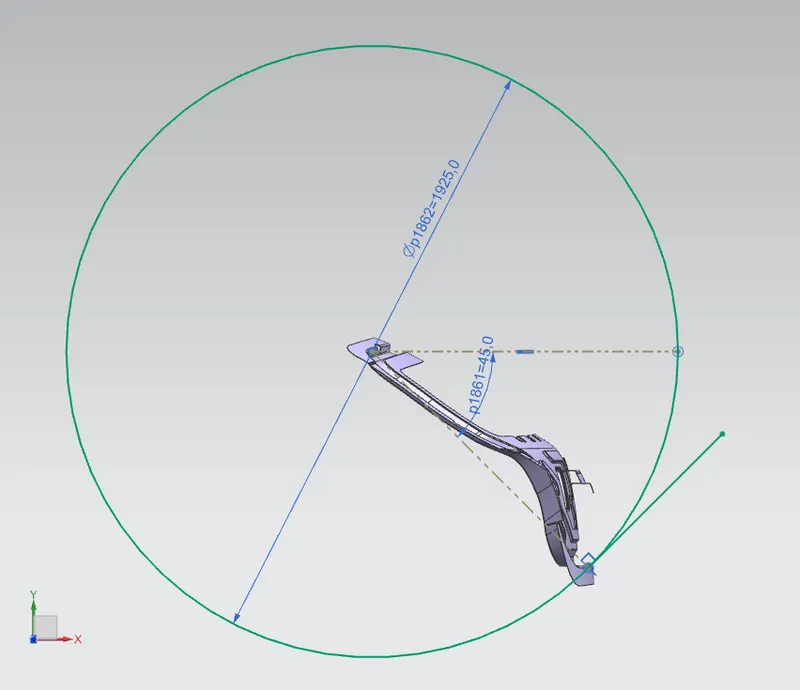
LATCH & STRIKER TRAJECTORY
The circle determines the path at which the striker will follow to engage with the latch. This sketch will also help us to position the striker emboss at a tangential angle with the circular path with help of a perpendicular line on the striker part.
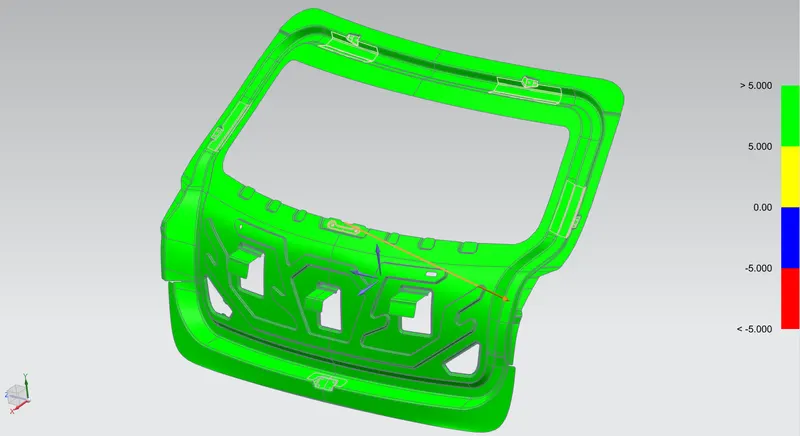
DRAFT ANALYSIS
The draft came out to be ok after giving the positive draft angle of 5 degrees.
ASSEMBLY VIEWS
- Front View
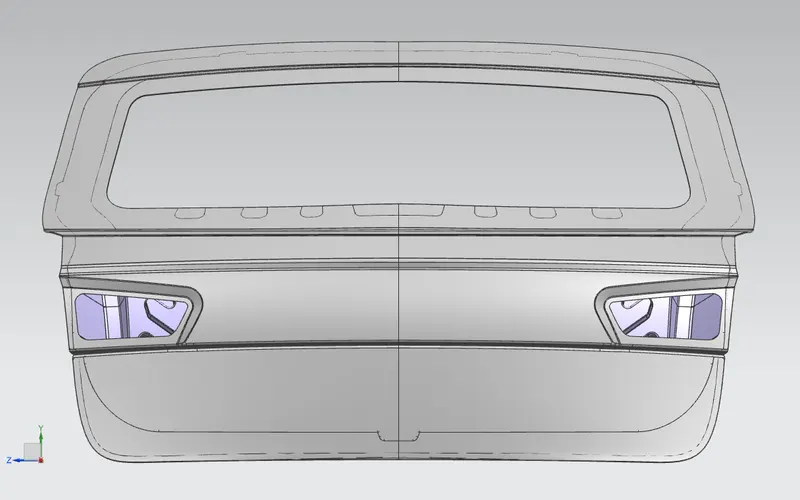
- Back View
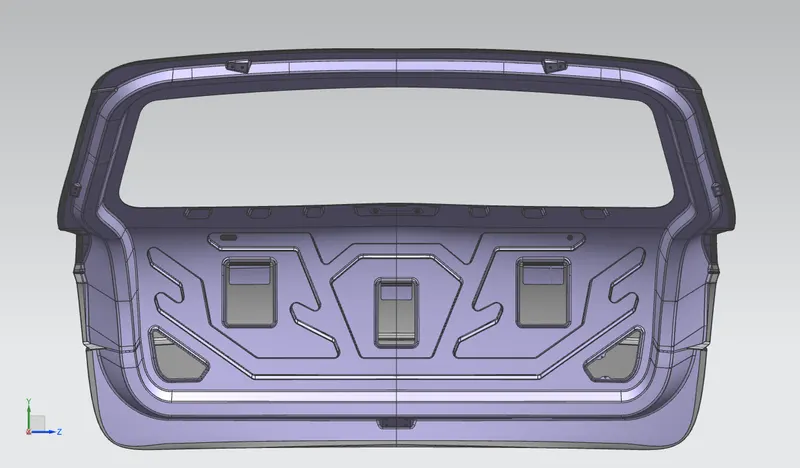
- Top View
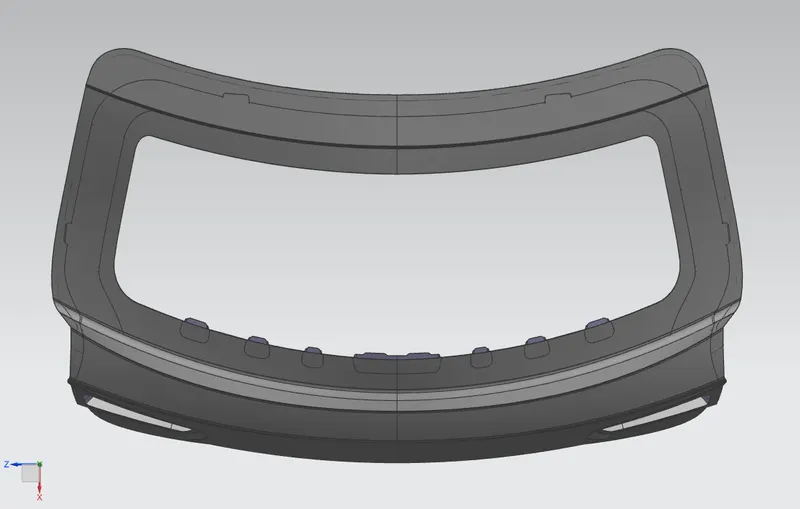
- Side View
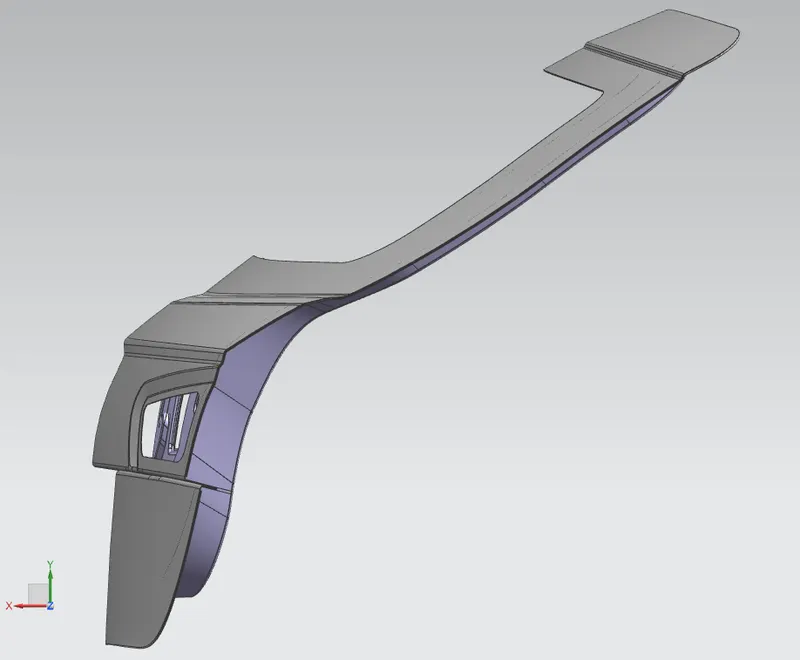
- Isometric View
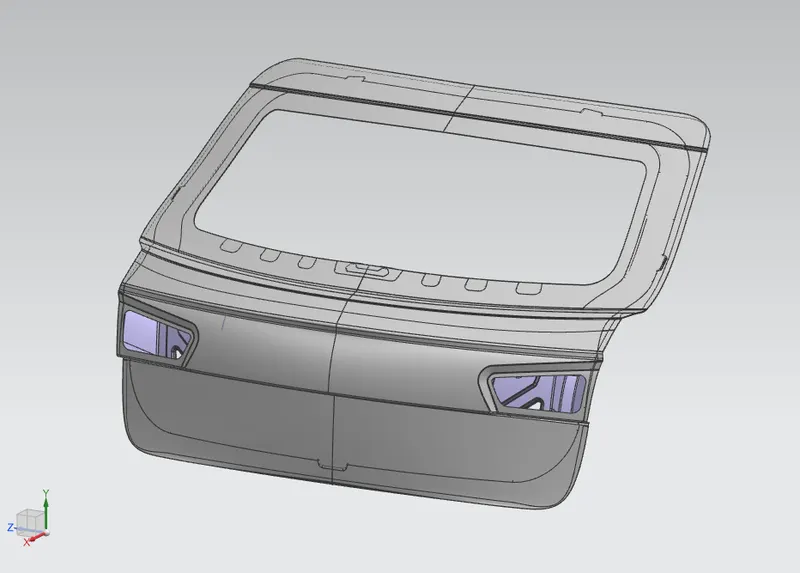
CONCLUSION
The backdoor inner panel and reinforcements was design using the styling surfaces after considering the design requirements and features for an effective design in the Siemens NX 12 software.