Design of backdoor
Title: Back Door Design
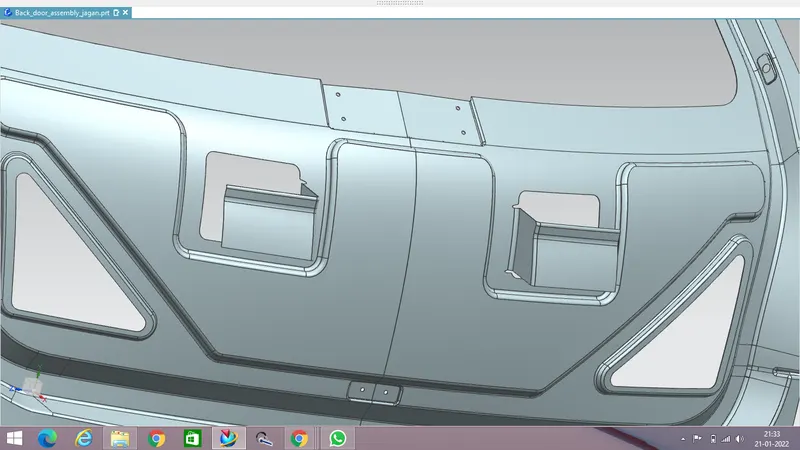
Objective: To design Back door inner, outer upper, outer lower and gas stay, hinge, striker reinforcments from given skin data in NX cad.
Back door:
Back door is all so called as tail gate of the car. Which is located at the rear end of the car. Car back door gives acces to the boot space to load and unload the luggage, tool kit and spare wheel etc.
The tail gate is operated manually is low end cars and electrical powered in high end cars.
Types of back doors based on car models:
- Top mounted back door
- side mounted back door
- bottom mounted back door
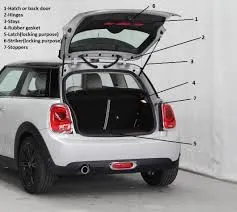
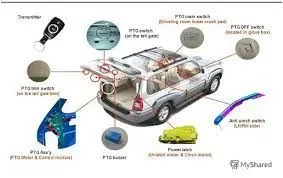
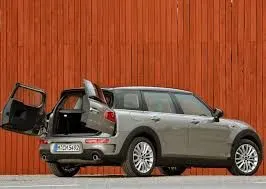
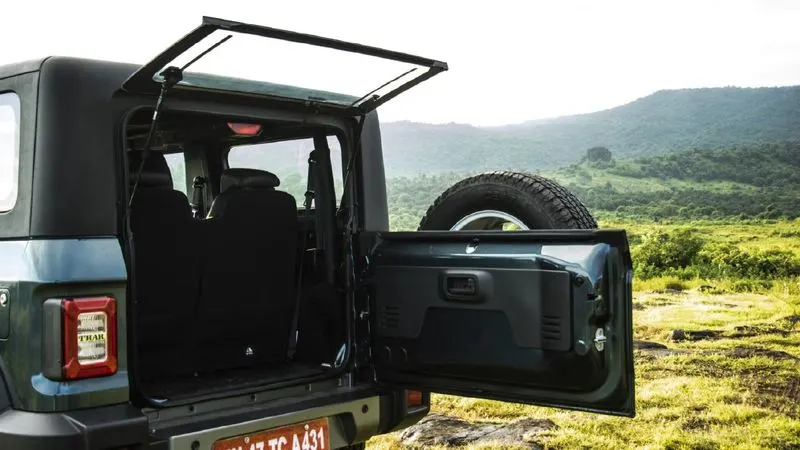
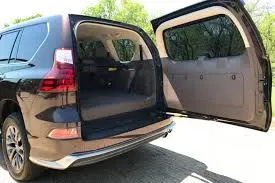
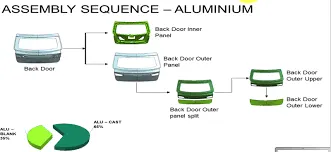
Back door assembly:
- outer lower
- outer upper
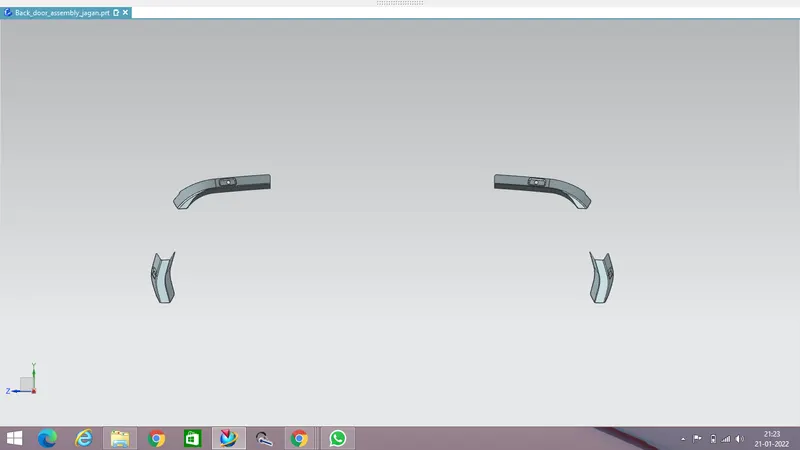
- hinge reinforcment
- gasstay reinforcment
- wiper motor reinforcment
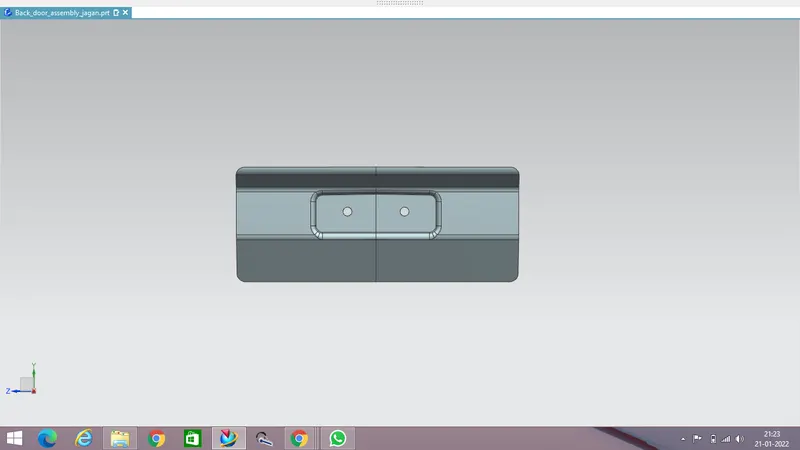
- lach and strickr reinforcment
Back door visibility:
vehicle safety standard on rearview mirrors to improve the ability of a driver to detect pedestrians in the area immediatelybehind his or her vehicle and thereby minimize the likelihood of a vehicle’s striking a pedestrian
while its driver is backing the vehicle. , NHTSA is proposing to expand the required field of view for all passenger cars, trucks, multipurpose passenger vehicles, buses, and low-speed vehicles rated at 10,000 pounds or less, gross vehicle weight. Specifically, NHTSA is proposing to specify an area immediately behind each vehicle that the driver must be able to see when the vehicle’s transmission is in reverse.
It appears that, in the near term, the only technology available with the ability to comply with this proposal would be a rear visibility system that includes a rear-mounted video camera and an in-vehicle visual display.
Adoption of this proposal would significantly reduce fatalities and injuries caused by backover crashes
involving children, persons with disabilities, the elderly, and other pedestrians.
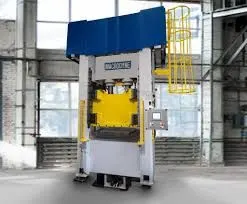
Different sheetmetal processing used to manufacture the back door :
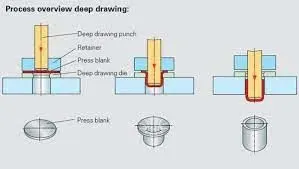
Deep drawing:
The metal deep drawing process is an effective method of manufacturing of cups, cans and other similar deep drawing products. the deep drawing having two main categories.
1). First stage drawing:
The blank shape of metal is placed on the die and contact with the punch. When the metal specimen is flat piece of sheet metal used in forming and finish the product. Initially the punch moves in downword direction. The outer rim of the blank is subjected to pure radial drawing between die and blank metal. The metal becomes a bend and sliding over die and also stretched between die and punch.
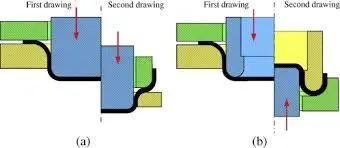
2). Redrawing:
the components drawn from first stage again it is redrawn convert into more depth to form a cup shape in the die and punch. The second stage of drawing is called as redrawing.
Embossing:
The metal forming process for producing raised or shunked design or relif in sheet materials by means of matched male and female roller dies, theoreticaly with no change in the meterial thickness or by passing sheet or a strip of metal between rolls of the desired pattern. Metal sheet is drawn through the male and female roller dies producing a pattern or design on the metal sheet. depending on the roller dies used, different patterns can be produced on the metal sheet.
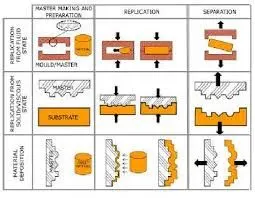
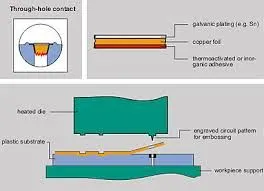
Metirals used in the metal embossing process include:
- Aluminum alloys
- steel alloys
- zinc
- copper
- galvanised steel
- brass
- cold rolled steel
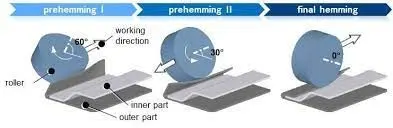
Hemming:
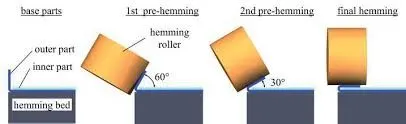
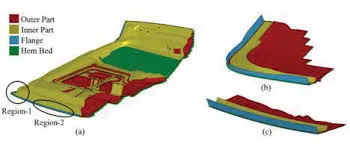
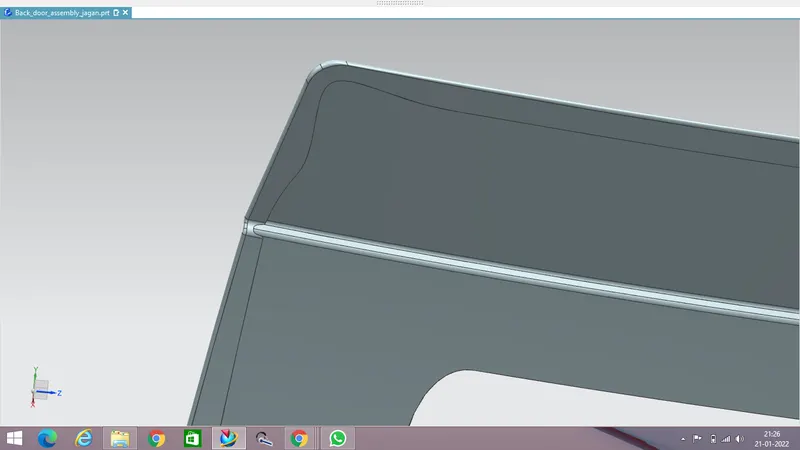
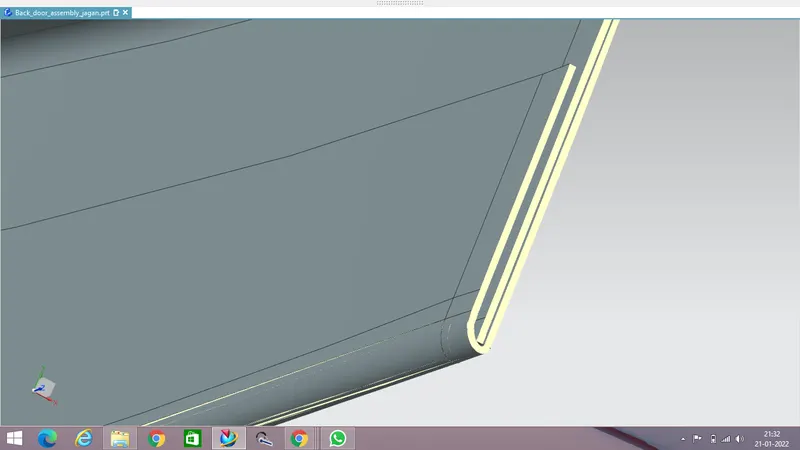
Hemming is a forming operation in which the edges of the steel are folded or folded over other part in order to achive a tight fit. Normally hemming operations are used to connect parts togather to improve the apperence of the part and to reinforce part edges.
In the part production, hemming is used in assembly as a secondary operation after deep drawin, trimming and flanging operation to join two sheet metal parts togather. typical parts for this types of assembly are hoods, doors, trunk lids and fenders.
There are various types of hemming operations:
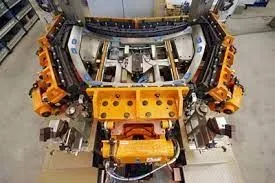
1. Conventional die hemming: In conventional die hemming. the flange is folded over the entire length with a hemming tool.
2. roll hemming: In roll hemming, the hemming roller is guided by an industerial robot to form the flange.
Design of Back door in NX CAD:
Door parts thickness is given below
- outer pannel- 0.75MM
- Inner pannel- 0.75MM
- Reinforcments-0.75MM
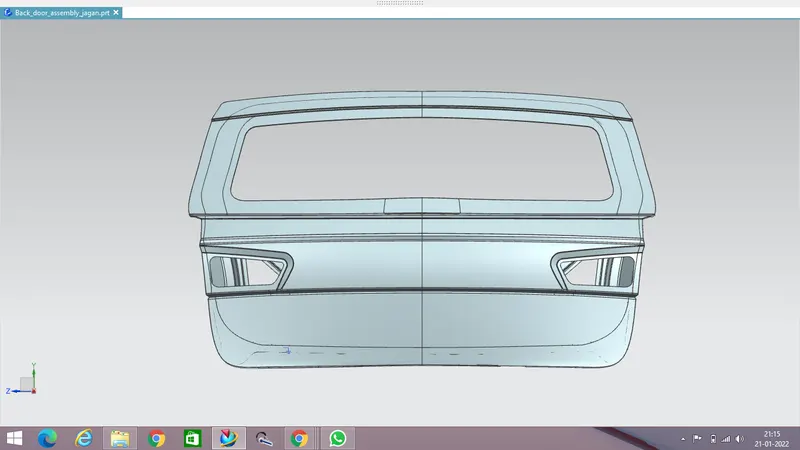
Images of Back Door:
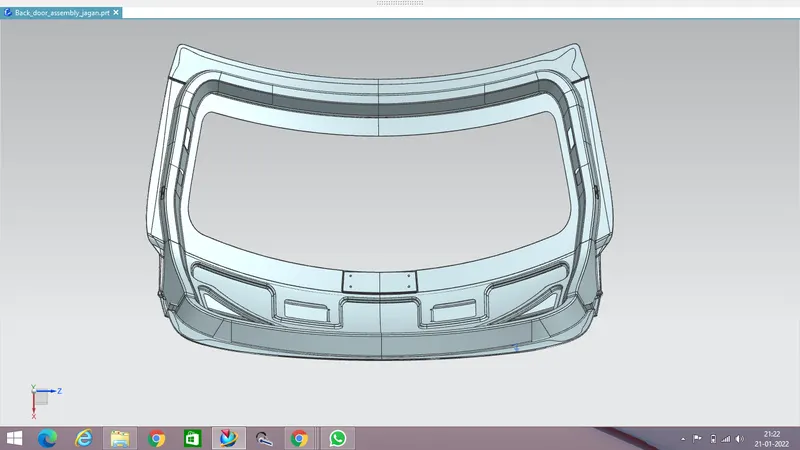
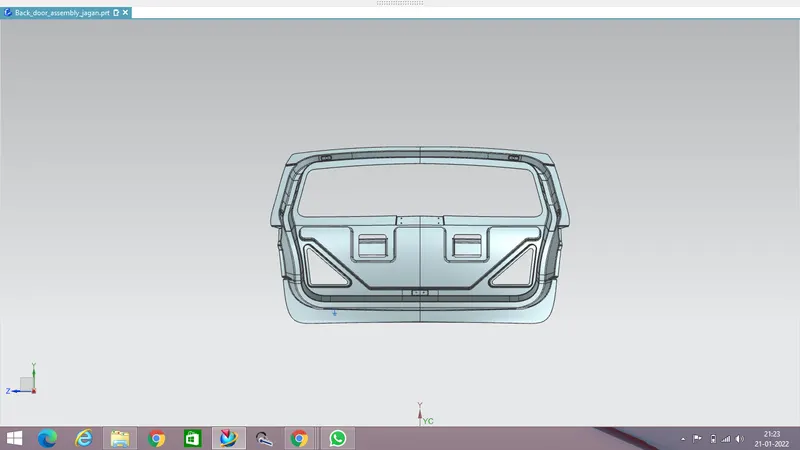
Back door assembly:
Inner pannel:
Lower outer pannel:
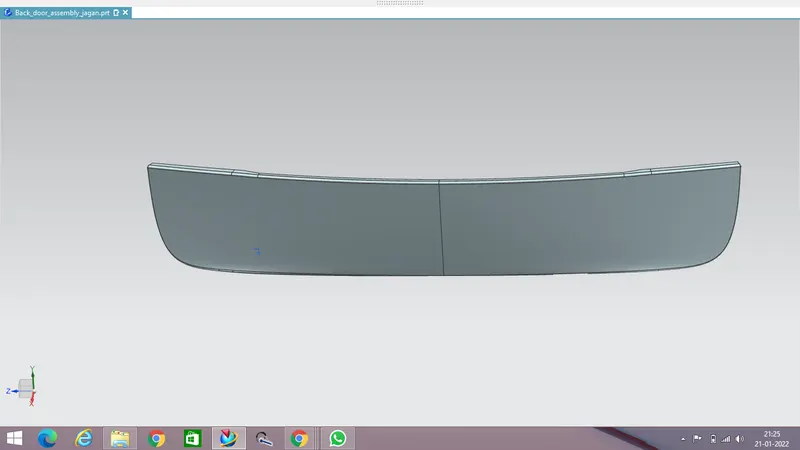
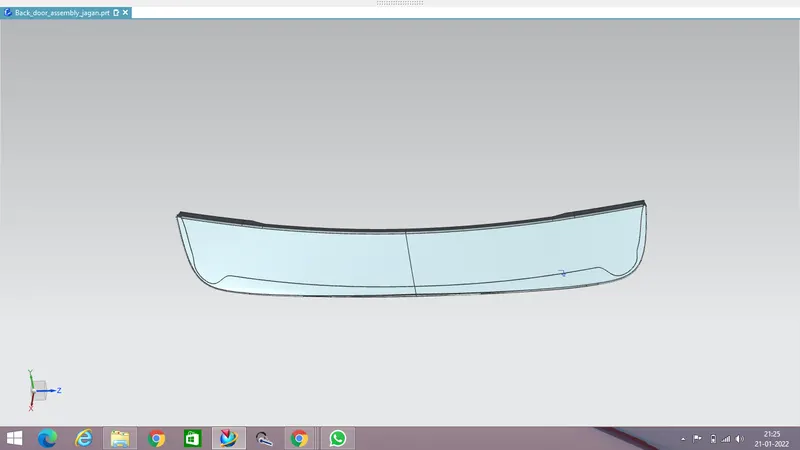
Upper outer pannel:
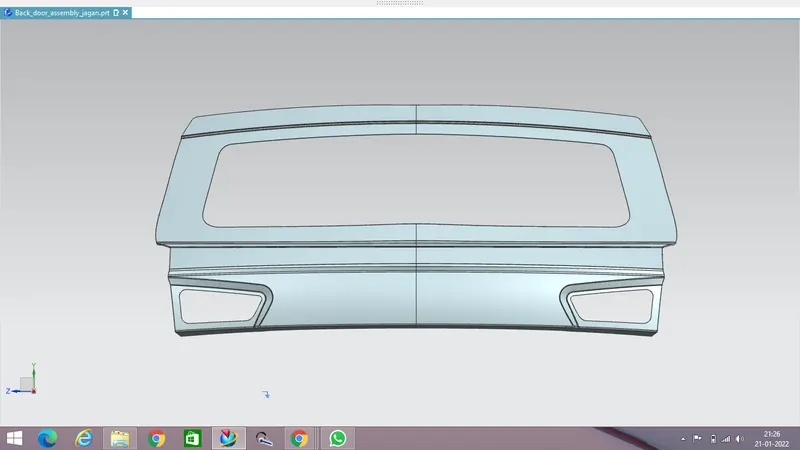
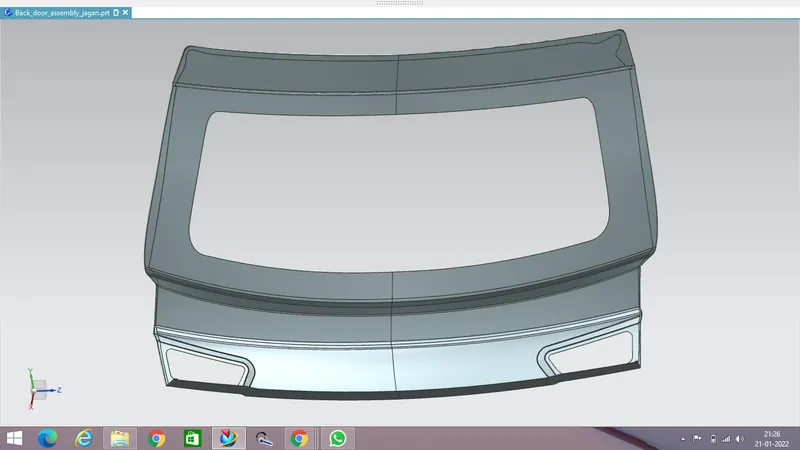
Gasstay and hinge reinforcment:
Latch and stricker reinforcment:
Wiper motor reinforcment:
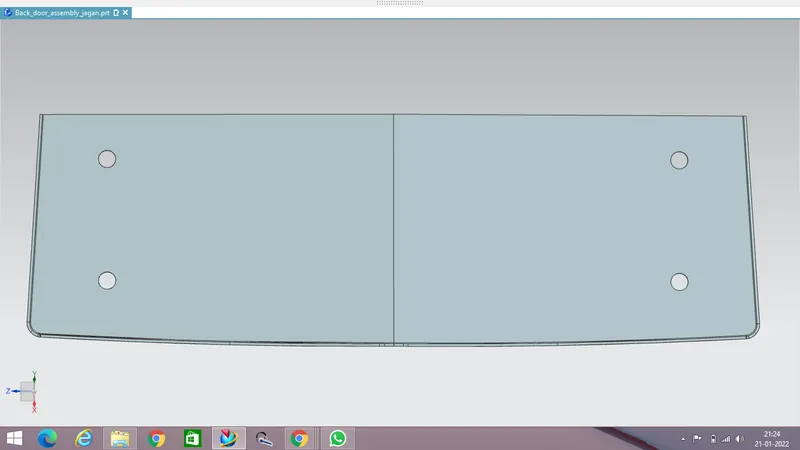
Hemming flange:
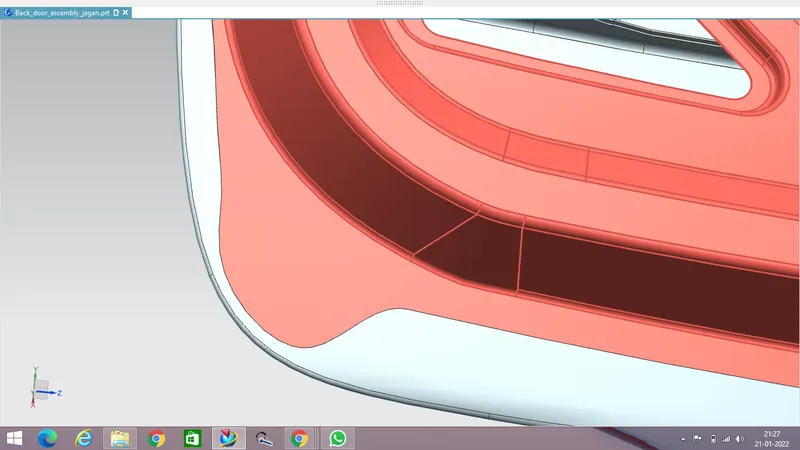
Mastic points:
Conclusion:
In this project inner pannel, outer pannels, and reinforcments are created as per the guidlines by using given skin data using NX CAD software.