Design of backdoor
BACK DOOR REPORT
AIM
To design a back door using the given Class A surface and to create the necessary reinforcements hemming surface for the back door using NX CAD.
INTRODUCTION
A backdoor is located at the rear end of the car that gives access to the luggage, spare wheel, rear seat in some vehicles etc. Most of the modern luxury back doors are operated electrically without human intervention, but most commercial vehicles are operated manually.
The back door is also known as boot, trunk lid, Back door. Advanced cars have many features mounted in the back door such as cameras, parking sensors, automated wipers, sensor for automatic rear door opening etc. These factors are all taken into consideration for the design of the back door.
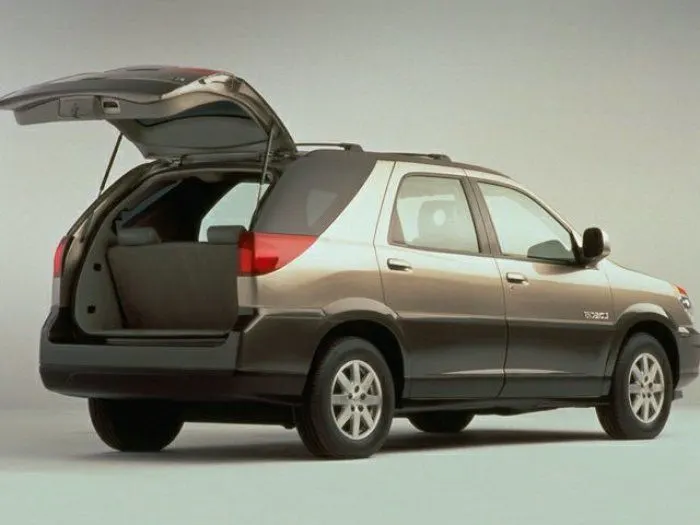
TYPES OF BACK DOOR
- Top Mounted
- Side Mounted
- Bottom Door
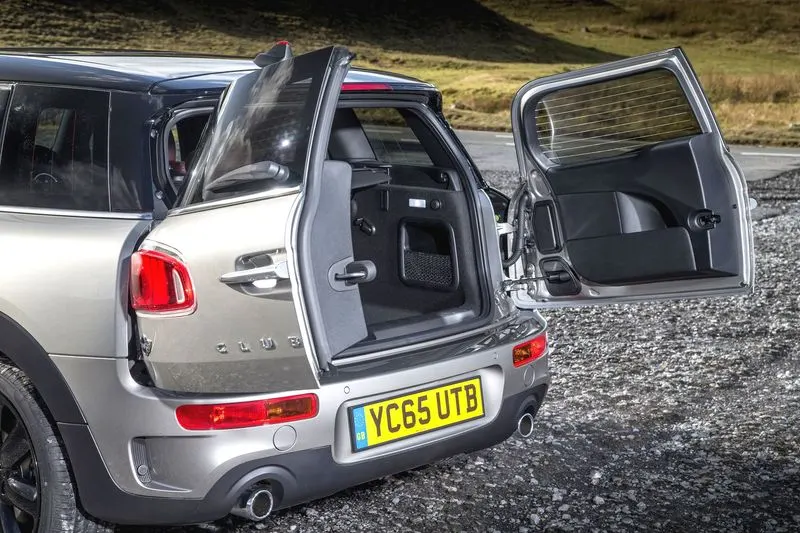
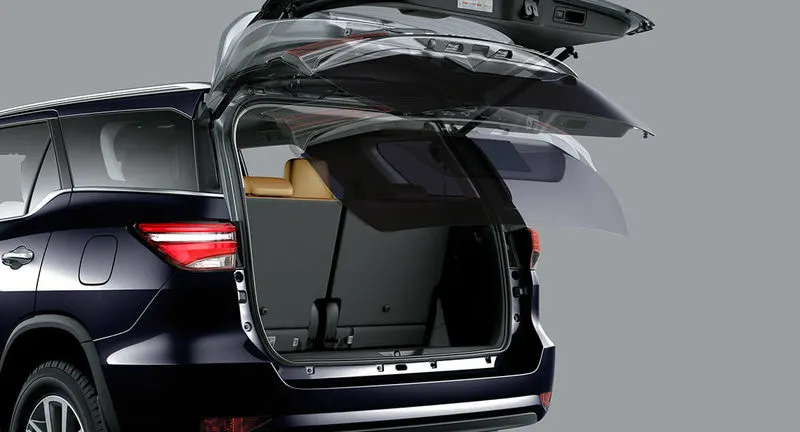
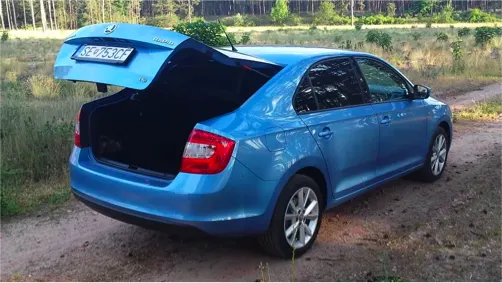
PARTS OF REAR DOOR
- Back door outer panel upper
- Back door outer panel lower
- Back door inner panel
- Gas stay reinforcements
- Latch and Striker reinforcements
- Wiper motor reinforcements
- Hinge reinforcements
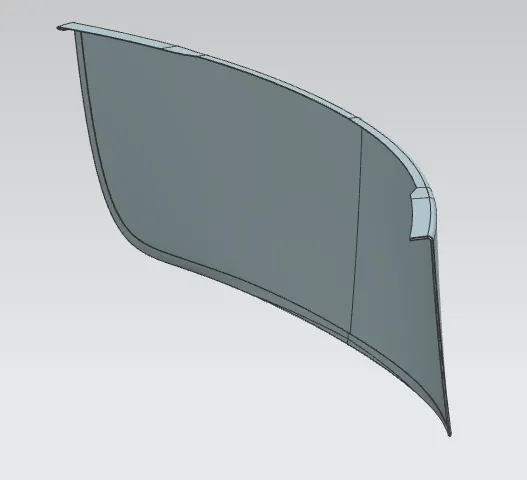
REAR DOOR OUTER PANEL UPPER
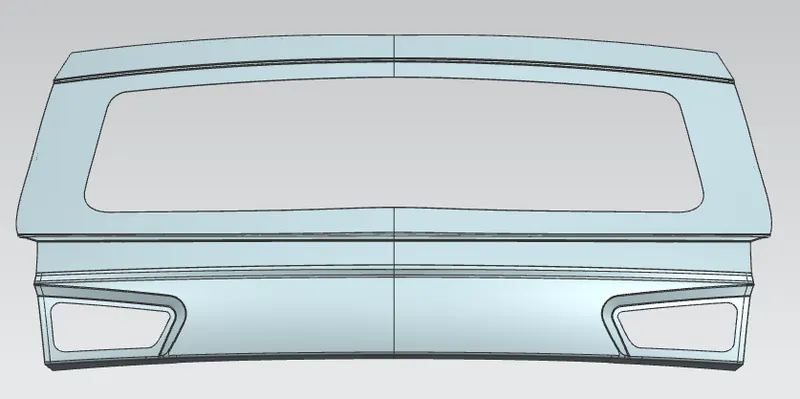
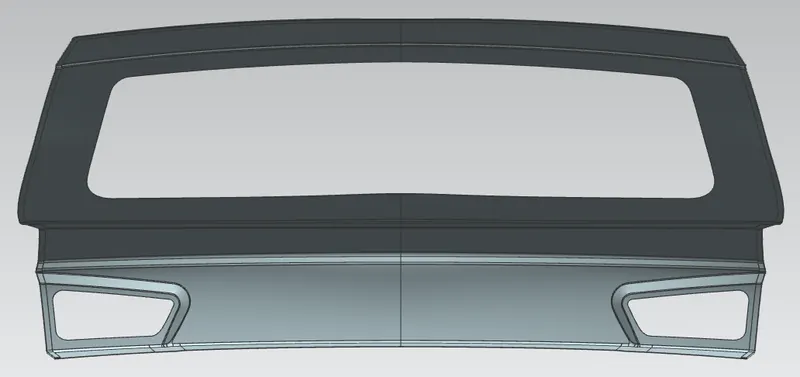
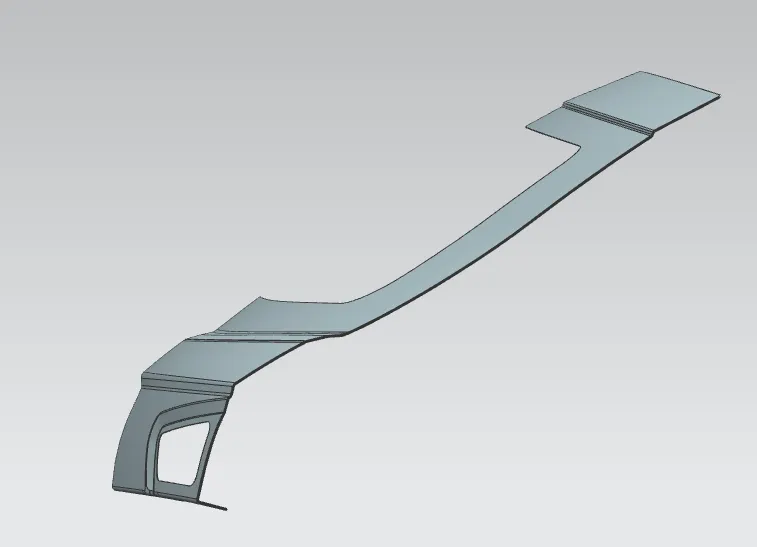
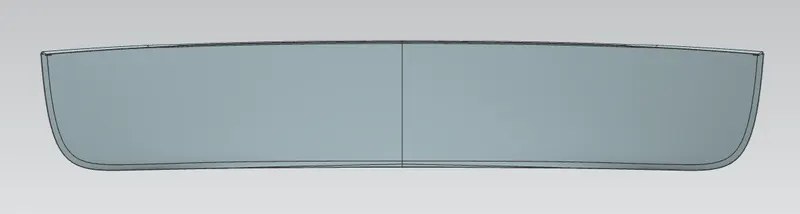
REAR DOOR OUTER PANEL LOWER
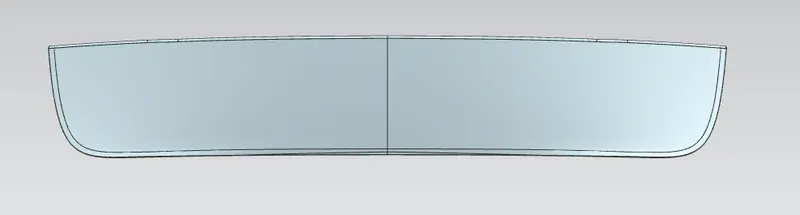
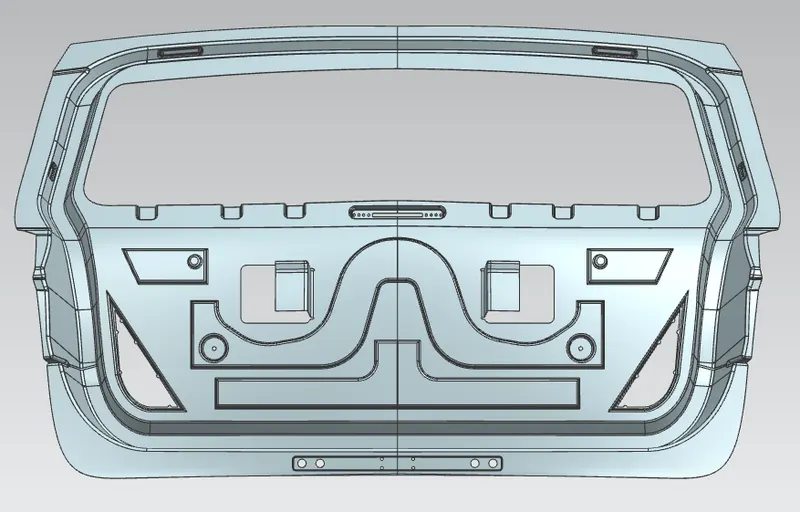
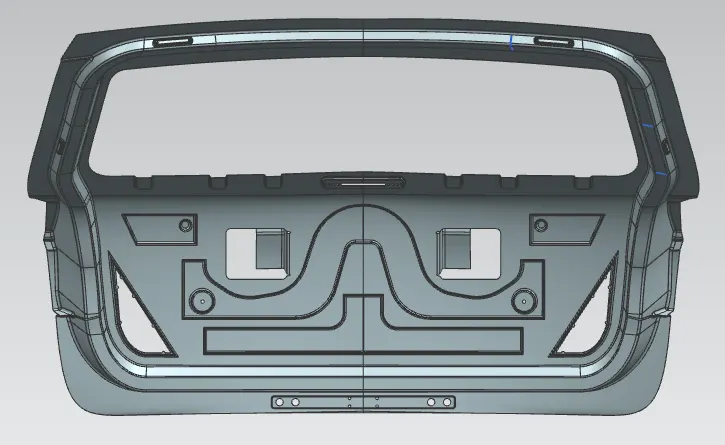
REAR DOOR INNER PANEL
GAS STAY HINGE PLACEMENT
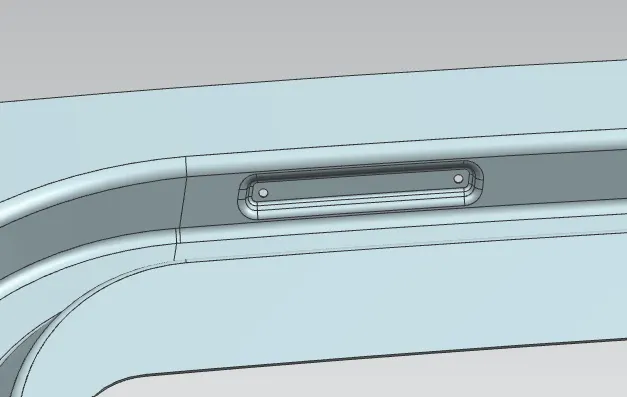
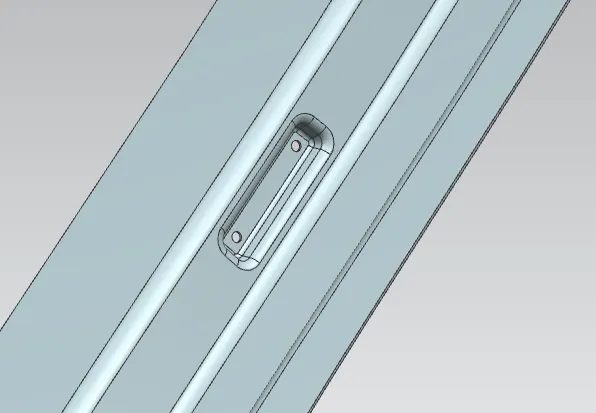
WIPER MOTOR PLACEMENT

LATCH AND STRIKER HINGE PLACEMENT
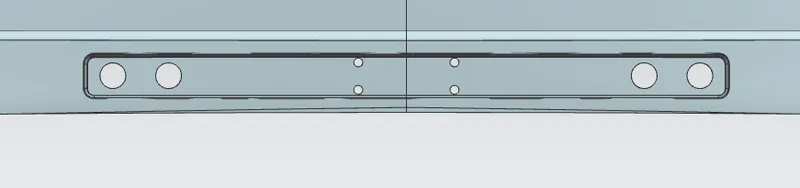

REINFORCEMENTS
Reinforcements are used to provide additional support to places where there is point of contact between once surface and another. The reinforcements are usually made of thicker material to withstand the pressure and force excerted in that particular area.
The reinforcements used in back door are:
- Gas stay reinforcements
- Wiper motor reinforcements
- Latch and striker reinforcements
- Hinge reinforcements
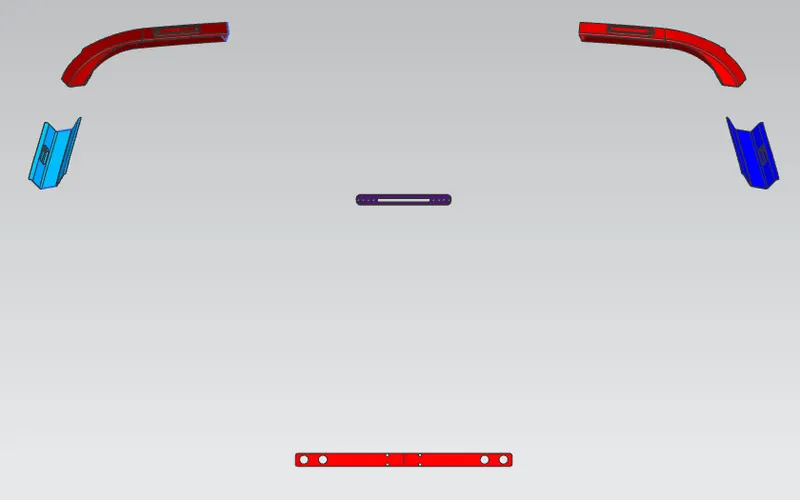
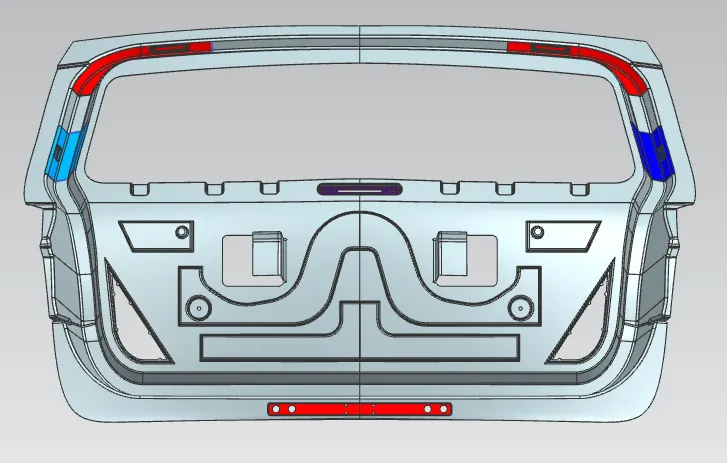
panel with all reinforcements
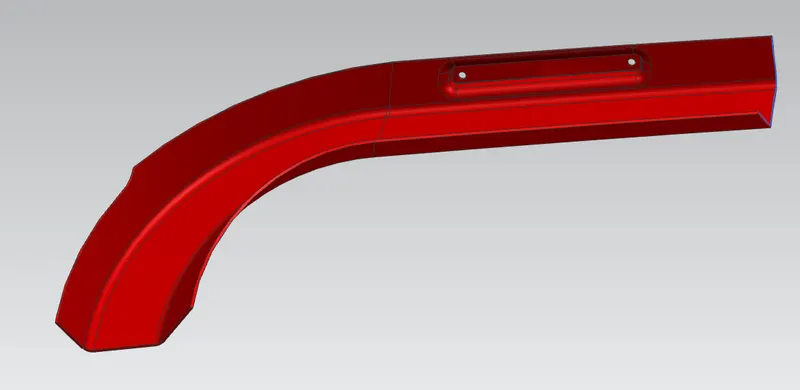
GAS STAY HINGE REINFORCEMENTS
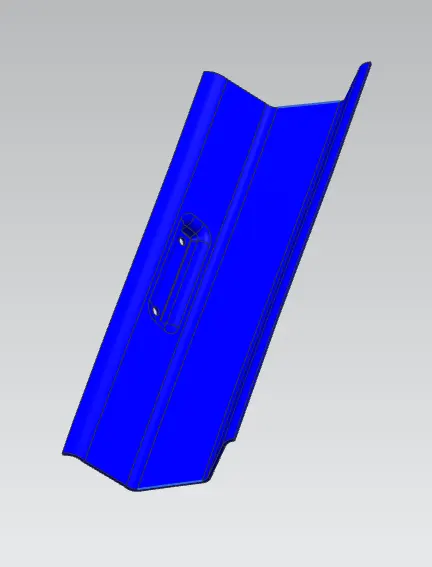
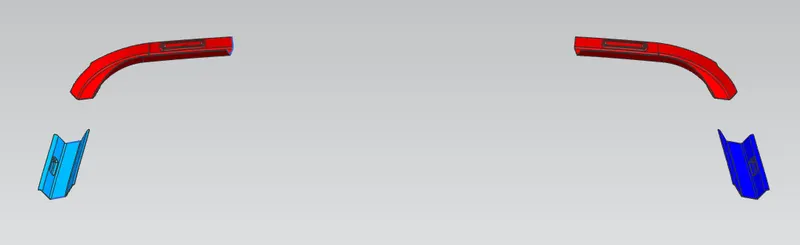
WIPER MOTOR HINGE REINFORCEMENTS
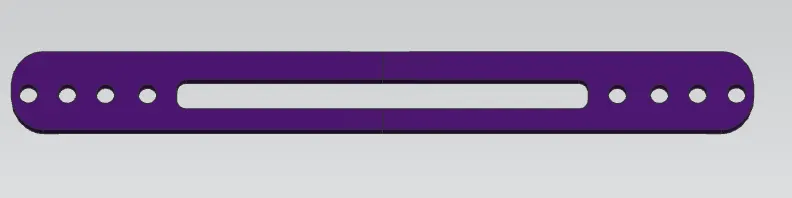
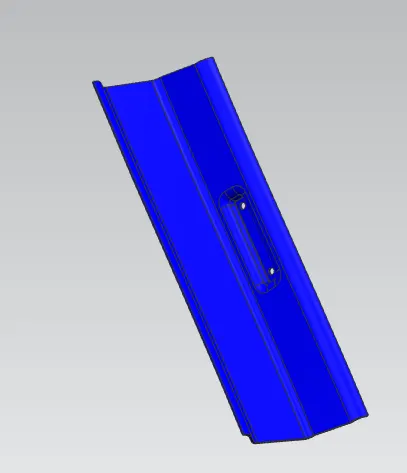
LATCH AND STRIKER HINGE REINFORCEMENTS

HEMMING
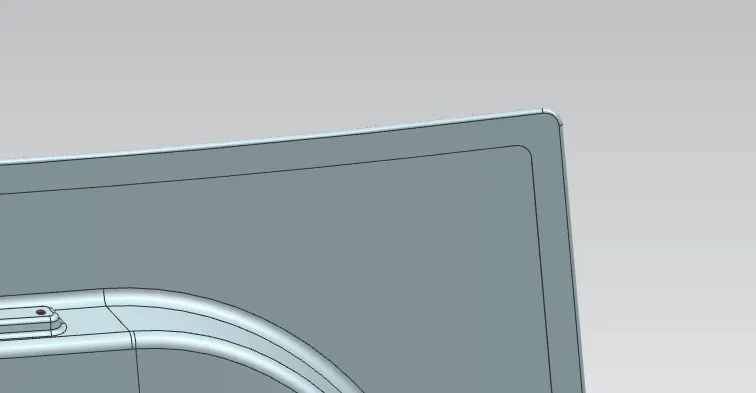
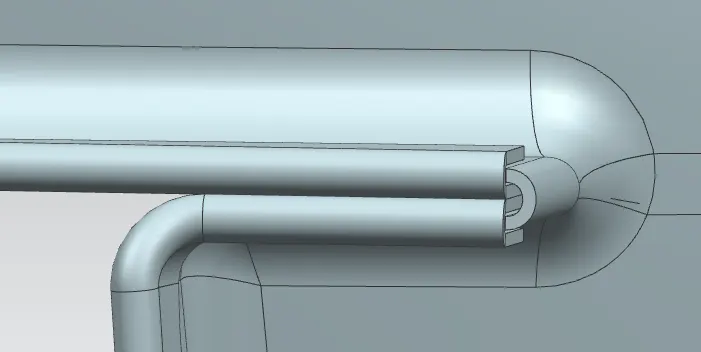
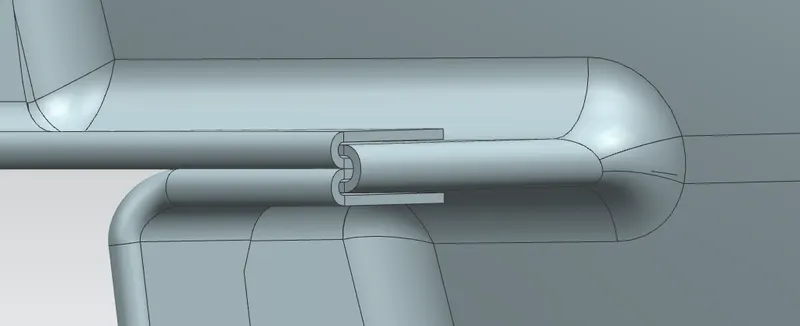
Hemming is a forming operation in which the edges of the sheet are folded or folded over another part in order to achieve a tight fit. Normally hemming operations are used to connect parts together, to improve the appearance of a part and to reinforce part edges.
In car part production, hemming is used in assembly as a secondary operation after deep drawing, trimming and flanging operations to join two sheet metal parts (outer and inner) together. Typical parts for this type of assembly are hoods, doors, trunk lids and fenders.
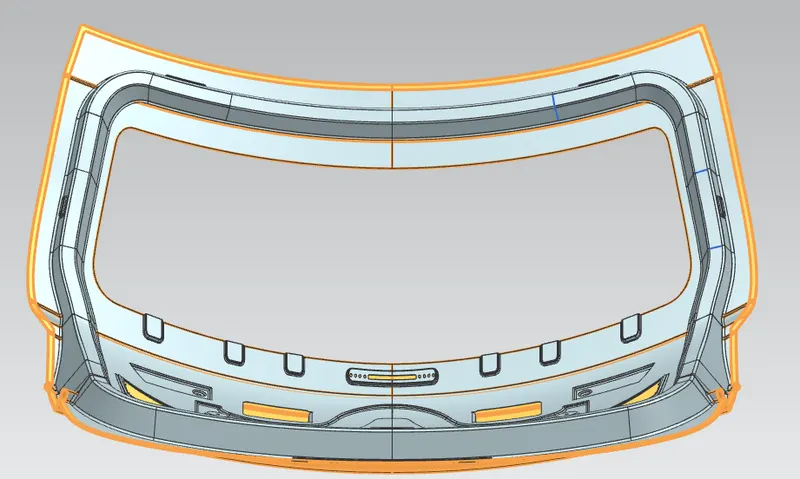
The highlighted portion is the hemming region of the back door
CONCLUSION
Thus, the back door was designed using the appropriate tools using NX CAD designing software.