Design of backdoor
BACK DOOR DESIGN & ASSEMBLY
Back Door (also known as Tail Gate) is an important component of any car. This completes the car. Not only from a aesthetic perspective but also from a Technical perspective it plays a major role in the Product Development process. The primary reason from a Technical perspective as to why we need a Back door is - To take the Impact forces created by a collision from the rear-end of the Automobile. Because, after bumper the next most prominent thing that comes in contact with the colliding object is the Back Door. This makes it a critical component. There are a few other not so critical reasons such as -
1. This makes the car a complete unit.
2. It prevents the luggage from falling out of the boot.
3. In SUVs and Jeeps, makes for an entrance point into the Car.
And of course, it also is an aesthetic component for an Automobile. Also, in certain performance cars, it also houses the dynamic spoiler which helps with Downforce and Aerodynamic Drag thus increasing the overall performance of the car.
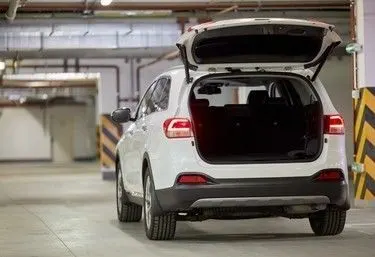
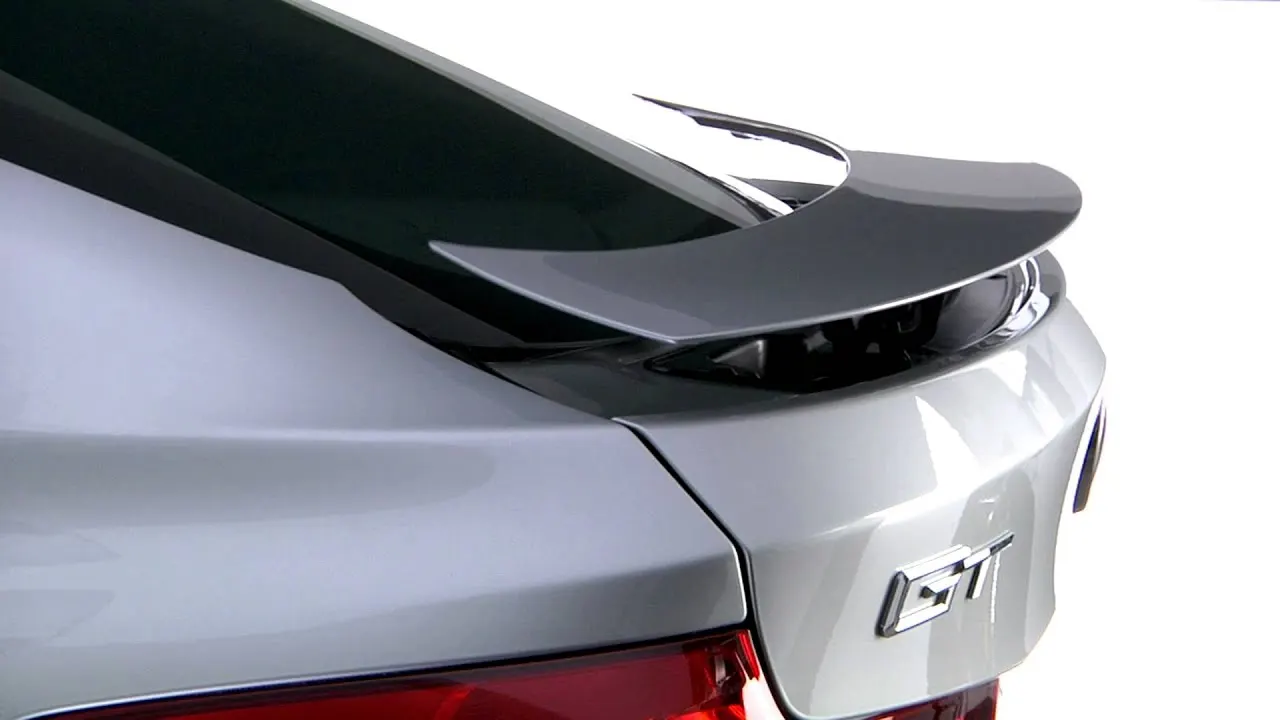
Now these design change for different types of cars. For SUVs and MUVs, we might need a door that is rather straight. For sedans we need a door that makes an L-shape. This design completely depends on the segment of the car and the overall shape of the Car.
Components
The major components of the Back Door Assembly are -
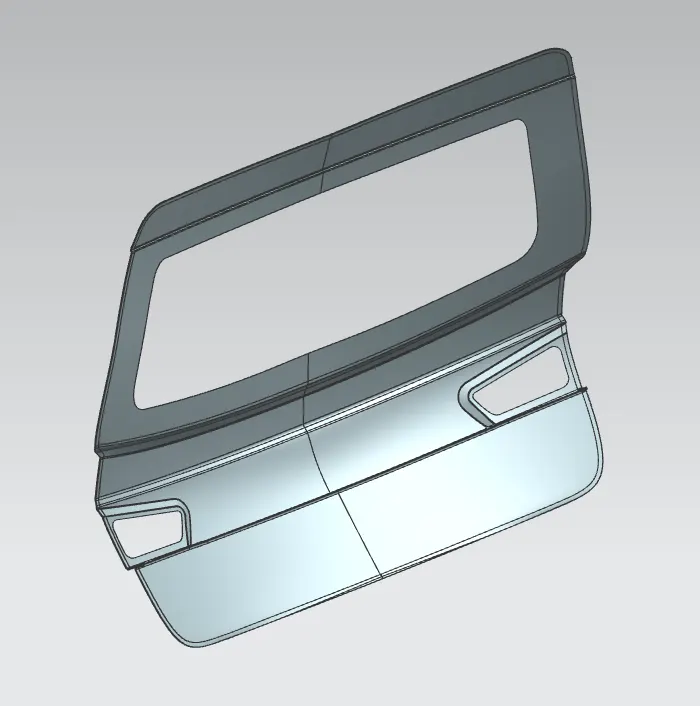
1. Outer Panel - As is the case with Hood Design, the joining of this assembly is also done through Hemming. And that naturally means we have two panels - Outer and Inner. Outer Panel makes for the Aesthetic need of the car. But this also is provided with important holes such as Tailgate Holes, Unlock Hatch etc.,
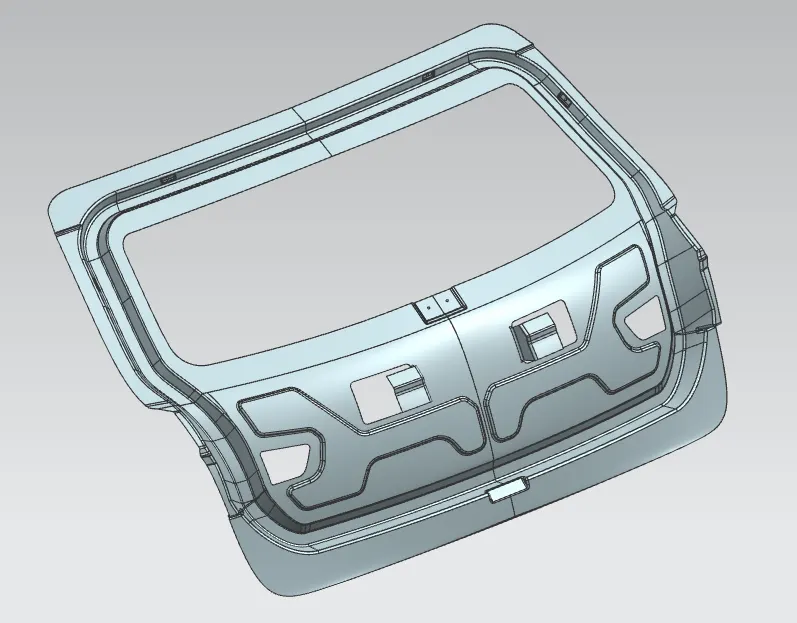
2. Inner Panel - This makes the other main half of the Back Door of the Car. This though is a critical component of the Back Door Assembly. This takes care of the Impact Force Distribution, Holes for Hinges, Latches etc.,
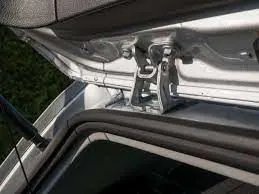
3. Hinges & Hinge Reinforcements - As seen in the case of the Hood Design, Hinge has a very important role to play interms of closing and opening of the Door.
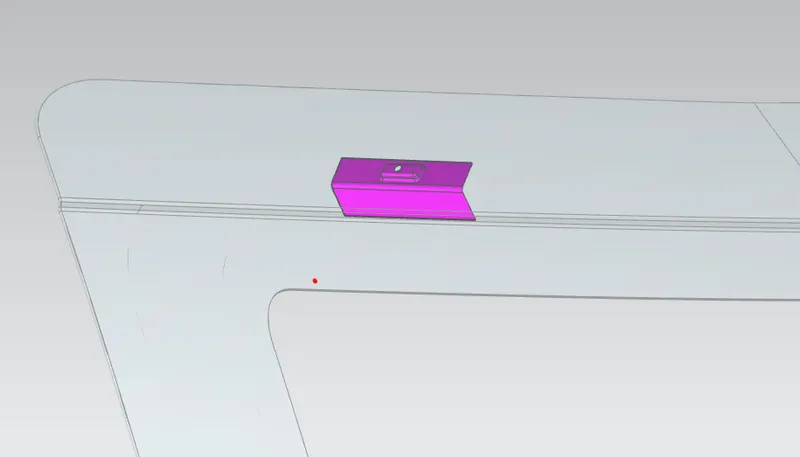
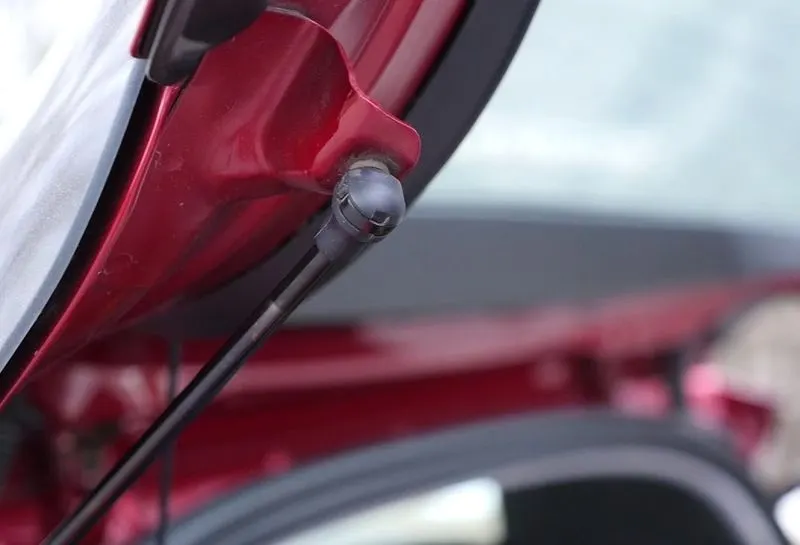
4. Gas Stay & Gas Stay Reinforcements - Gas Stay is an important component seen in Back Doors. This is a stock feature that comes with every Car. This can sometimes be found in the Hoods of some Premium Cars, but it's a rarity. The purpose of this component is to hold the Back Door in place when it's in open condition. This is because the back doors are heavier and the Hook mechanisms result in bending of the Hooks.
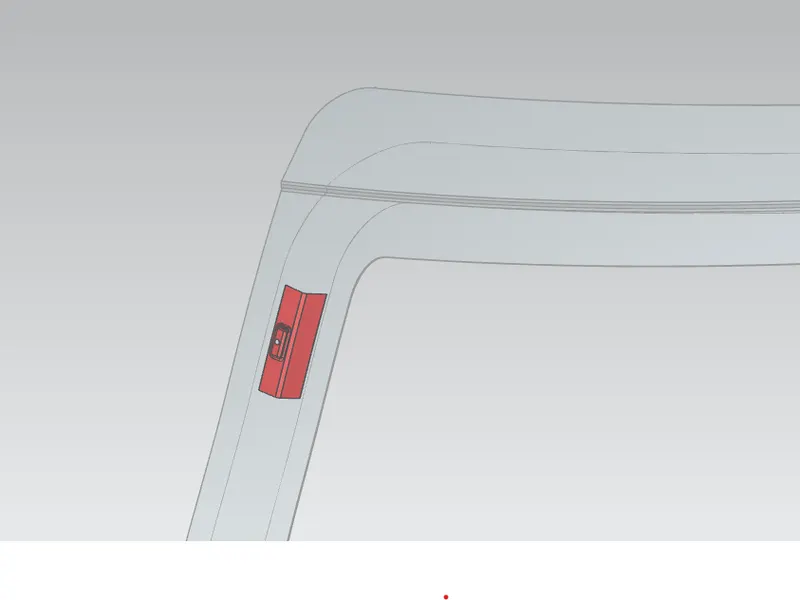
5. Latch Reinforcements - Latch and Striker mechanism is another main component that helps in Closure of the Back Door. This is pretty much exactly the same as for Hood Design. Only thing that needs to be worked out is the Placement of it.
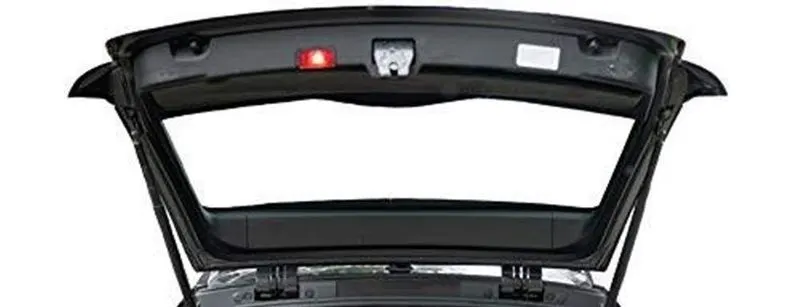
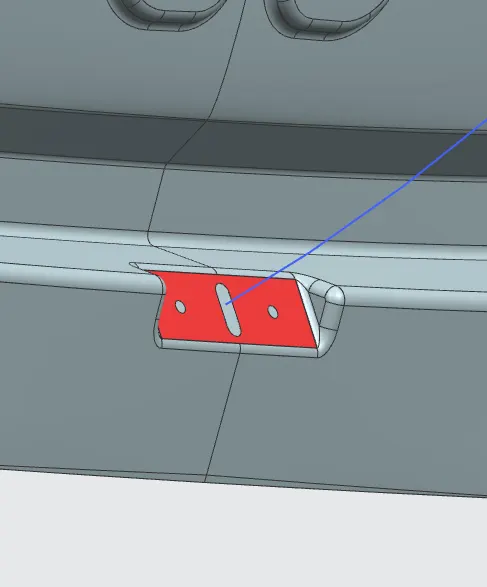
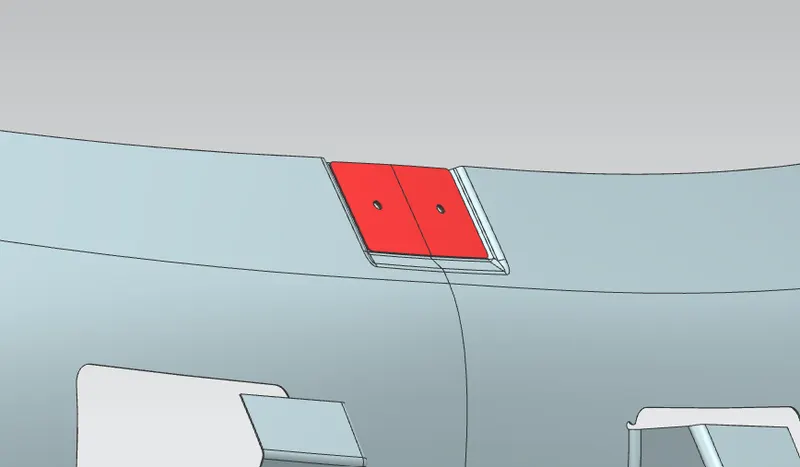
6. Wiper Motor & Reinforcement - This concept isn't very popular in India. But most countries have Wipers on the back of their Cars. So, we need to make the accomodation for this component as well.
Design Considerations for Back Door Assembly
- Rear Visibility Criterion - The rear Visibilty becomes an important concern of the Back Door Design. To be able to provide the driver with the most possible area of the rear windshield is the main target of this consideration.
- Rear Crash Worthiness - This is potentially the most important consideration during Back Door Design. As mentioned earlier, the Back door is the frontline responder in case of a crash from the back and so should be able to take as much of the Impact force as possible and disperse the most of the remaining force away from the interior cabin. So, this makes for the primary consideration for the Design process.
- Luggage Accomodation - Luggage accomodation or Boot Space is a thing that the customers take into consideration when buying a car. So, this becomes an important consideration for us as Design Engineers.
Pictures of different components of the Back Door Assembly
Back Door Outer Panels
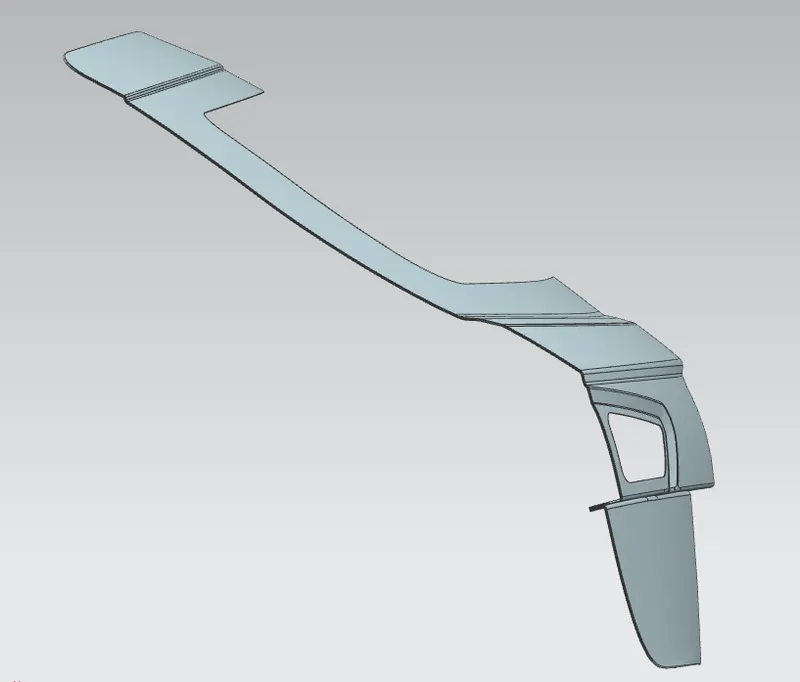
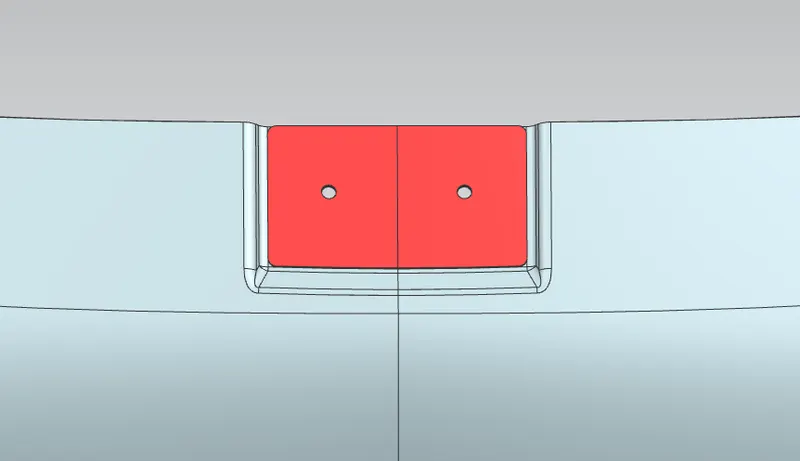
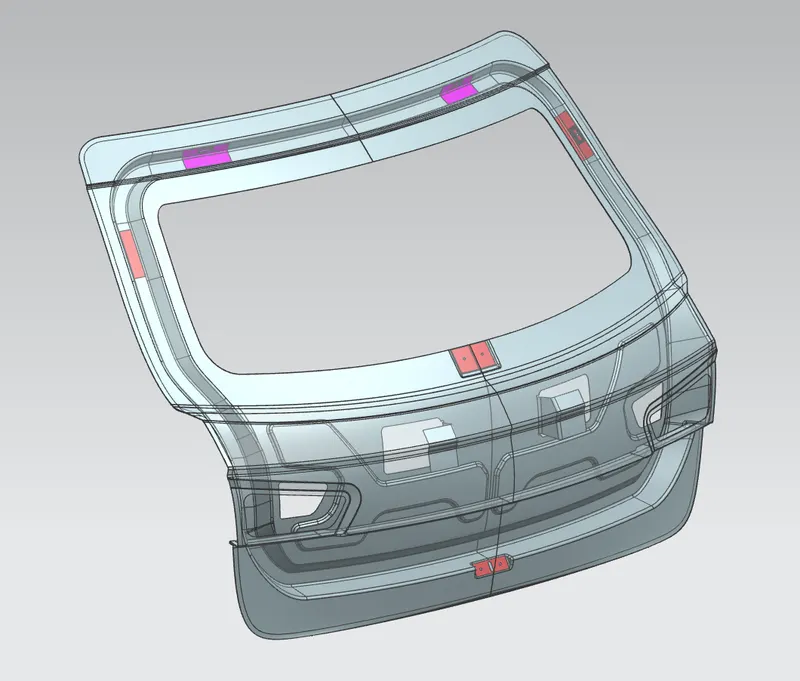
The panel has been divided into two component for the ease of Manufacturing. These two are joined together by Spot Welding. This is the reason we see an extended slab of common area in the above picture. Spot Welding needs around 12-14 mm of Common Slab for satisfactory weld.
Inner Panel
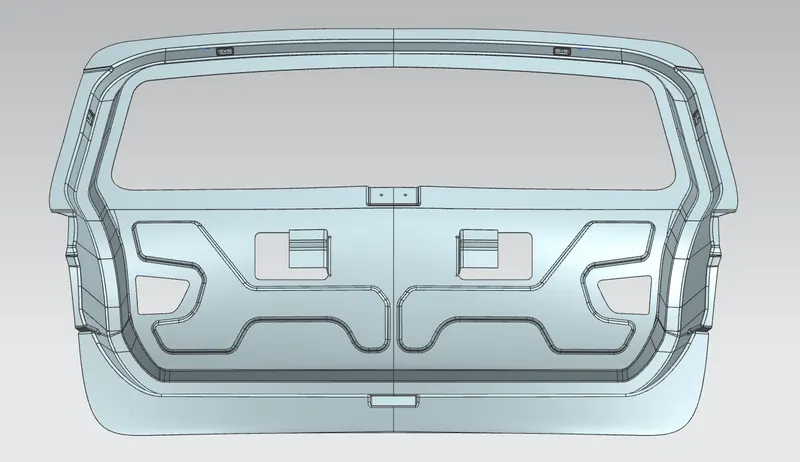
There are few things we need to observe here.
1. Firstly, the embosses have been created so as to create a Force Distribution pattern for dispersing of the Impact forces in the event of a Rear Collision. We follow a design slightly similar to Hood Design in the sense that we try to divert the forces away from the inner cabin to the sides of the car body.
2. Secondly, the holes in the center as for the joining of the Outer panel to this panel. This is done using Mastics and this also helps in improving the NVH of the car. The reason being that it reduces the wiggling of the huge inner panel and in turn reducing the Rattling noises caused when the outer and inner panels come in contact.
3. Thridly, the holes on the sides are for accomodating the Tail light assemblies and also to balance the Center of Gravity Shift caused due to the joining holes in the center of the panel.
Hinge Reinforcements -
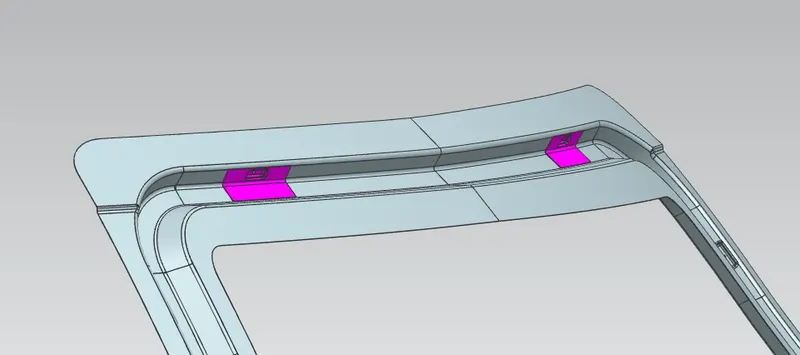
The only thing we need to care of here are the Emboss positions for the Joining process.
Gas Stay Reinforcements -
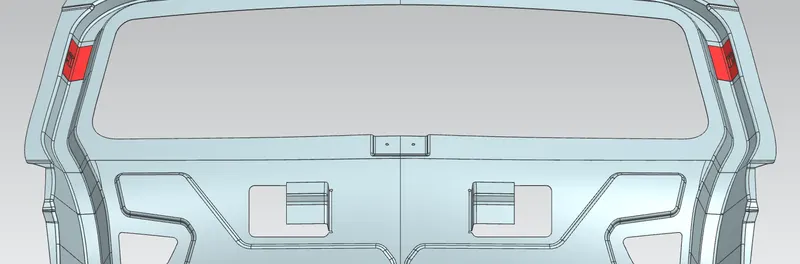
Latch Reinforcement -
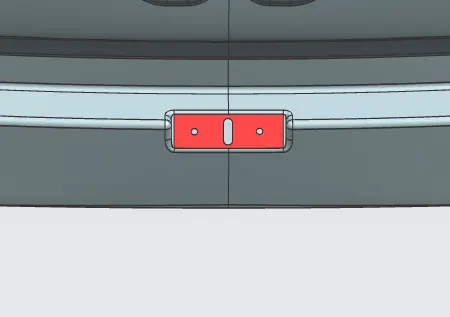
Wiper Motor Reinforcement -
FINAL ASSEMBLY DESIGN
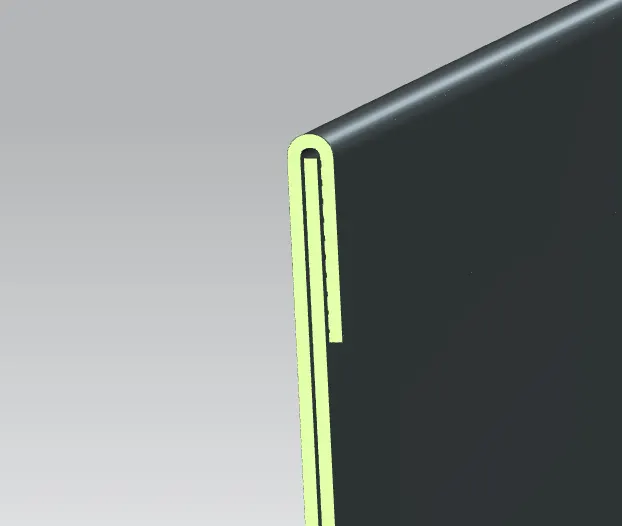
Hemming was done to join the two Panels together. It can be seen below -
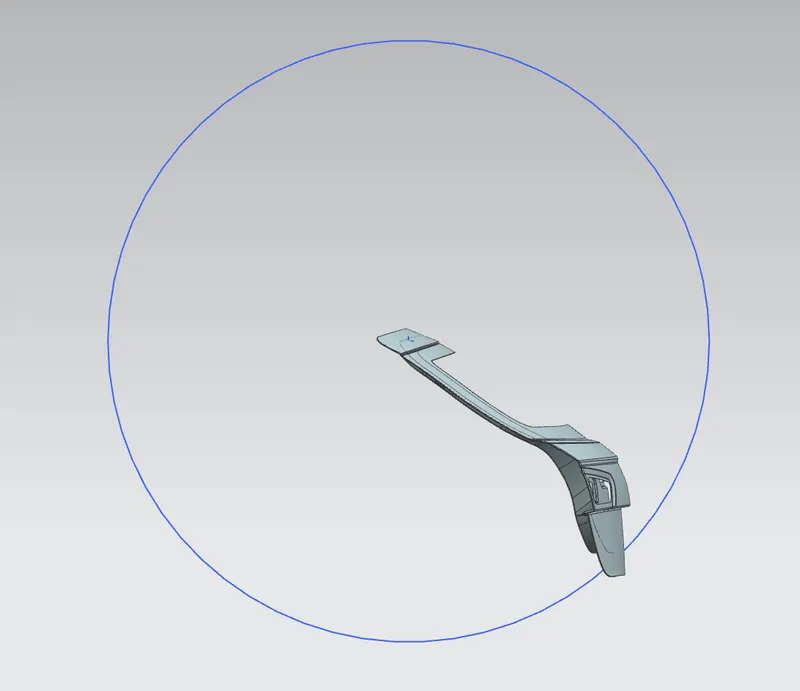
Latch Closure Path -
Draft Analysis -
Draft Analysis was performed to check for the Manufacturability of the Inner Panel. Draft Angle was considered to be 5 degrees. The results can be seen below -
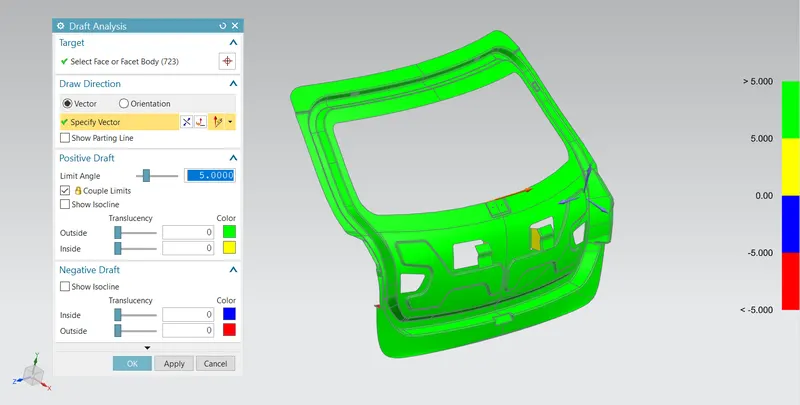
It can be seen that the part satisfactorily clears the Tool. The Yellow region seen at the center is of no concern. This is because we don't create those holes using the Tool. We create them seperately once the production of the Panel is done. We then cut the shape out and then bend it according to the shape needed.