Design of backdoor
Aim: To design a backdoor of the car on sheet metal using the appropriate design and provided skin data by considering design parameters.
Backdoor
The back door of a car is a component which hinges at the back of the car to cover the boot space or luggage area, but there are more functions that come with it which must be considered while making a design of the same as rear visibility criteria and boost space.
This part is usually designed to keep the master section of the rear roof rail because of the sealant flange and various other considerations, as it is also in contact with the side body of the car.
It has back lights / tail lamps and braking lights which is termed as “Third brake light” mounts on it, rear windshield fixes between inner and outer panel, in some back door spare wheel can be mounted on it, sometimes car registration number plate mounts on it and it gives a complete closed design to the car.
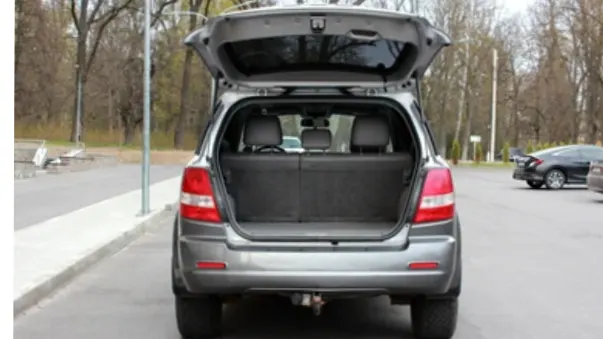
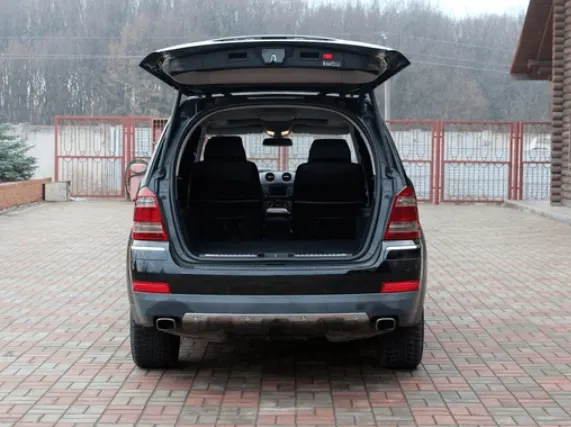

Types of doors based on working position,
1. Top Mounted Door
2. Side mounted Door
3. Bottom Door
1. Top Mounted back door: Pickup trucks, station wagons and sports utility vehicles use this type of back door. These are both gas stay supported, and motor powered. The advantage of this type of back door is it provides greater rear visibility compared to others.
2. Side mounted backdoor: Side mounted doors are mounted on the side of the car. Vans, SUVs, MPVs, Trucks use this type of back door. Accidental head impacts can be avoided with this type. It is easier to load and unload items using this door.
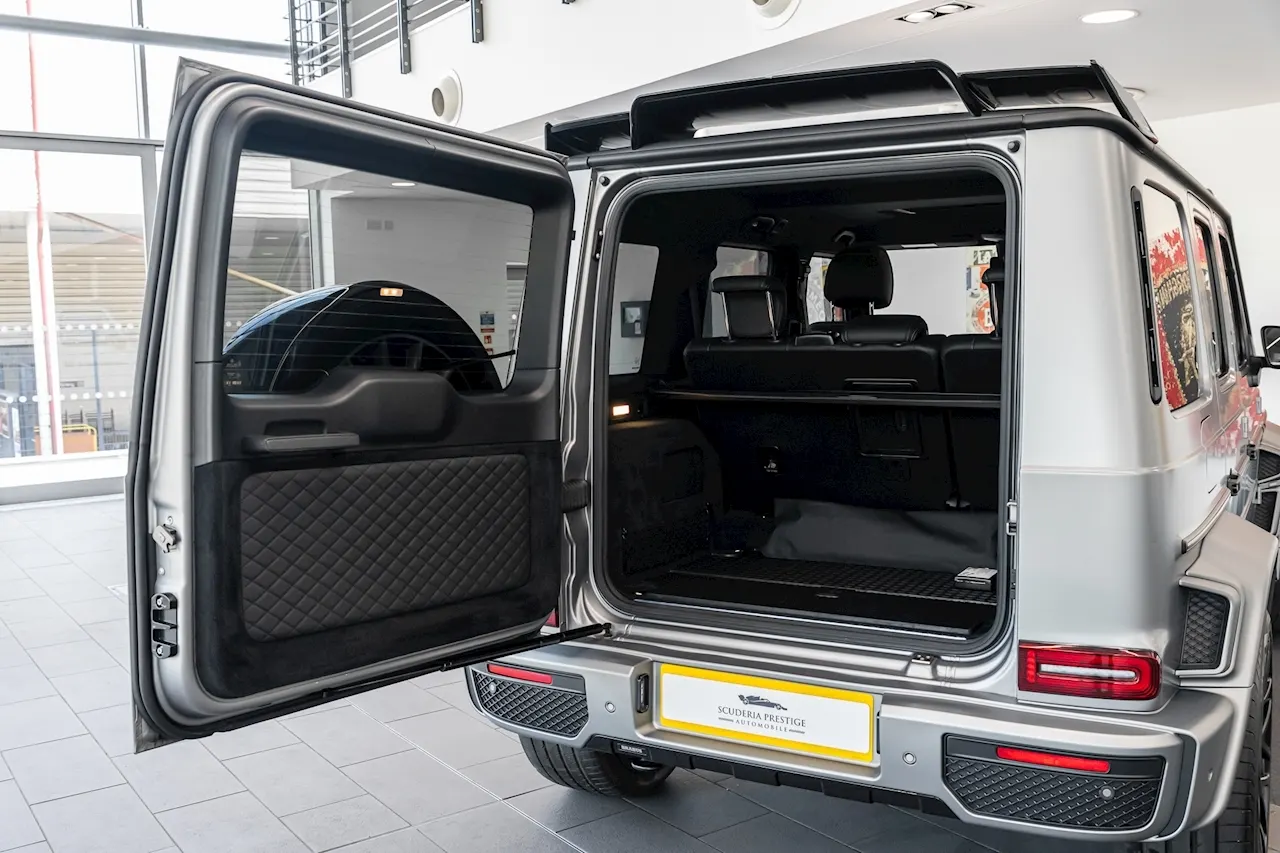
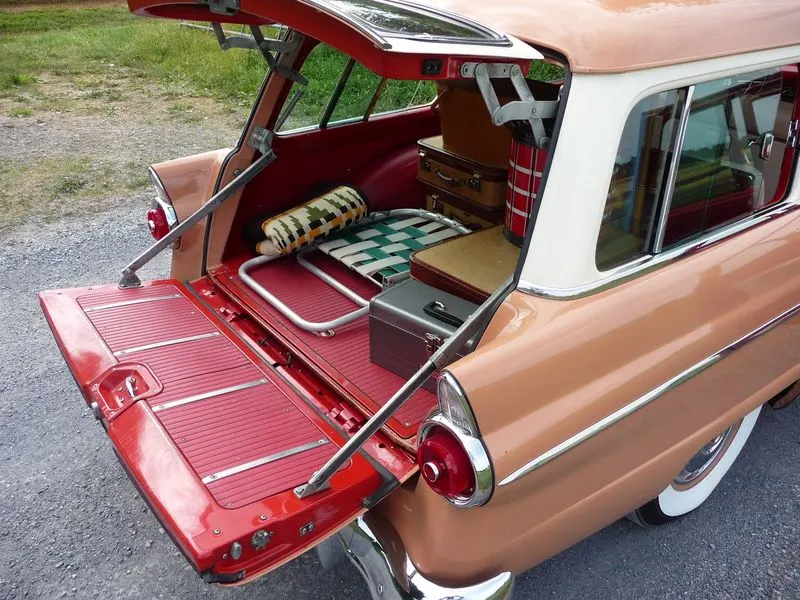
3. Bottom back door: Bottom mount doors are used in estate type cars, pickup trucks and some luxury SUVs. This is the most comfortable type of back door; it can be also used as a supporting table or for holding long items.
Based on Working mechanism
-
Gas stay type: Gas stay type is the most common type used in cars for operating the back door. Components of the back door are gas stay, hinge, wiper mechanism, rear light and rubber beadings for sealing of door.
-
Powered lift type: Powered lift type is also known as electric motor actuated type. It is mostly used in luxury cars. As it is the sophisticated type of operating the back door. A switch is pressed to open or close the door. This consists of a power latch, anti-pinch switch, PTF assembly.
Manufacturing Process
Tail gate undergoes numerous manufacturing process, like bending, stamping, punching, deep drawing, hemming, embossing, spot welding and even more. But the main motto is to reduce the lead time, cost and increase productivity.
Recently, there have been two approaches to reducing automobile weight. One is by using material lighter than steel and the other is by redesigning the steel structure. Although the former seems very effective, it is very expensive so that it may only be used for an expensive automobile. Therefore, the automobile industry is trying to use steel, which is not costly and recyclable. Lightweight steel can be achieved by improving the performance of the structure or adopting new manufacturing techniques. One of the efforts is the ULSAB (ultra-light steel auto body) concept.
Deep Drawing
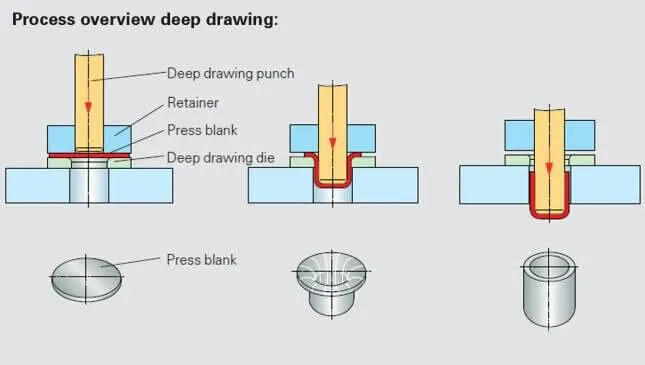
Next after the bending process drawing operation is done here Complex curvature can be produced. The die and the Mould create the desired shape which we predefined for the blank. The pressure is applied hydraulically or mechanically that forces the punch to die and forms the shape in the sheet metal. Negative draft angle is avoided because it cannot be manufactured.
One of the drawing processes is Deep drawing deep drawing is a forming operation the is a combination of tensile and compression. The metal deep drawing process is an effective method of manufacturing cups, cans and other similar deep drawing products. The deep drawings have two main categories.
1. First- stage drawing: The blank shape of metal is placed on the die and contact with the punch. When the metal specimen is flat piece of sheet metal used in forming and finishing the product. Initially the punch moves in a downward direction. The outer rim of blank is subjected to pure radial drawing (drawing toward in vertical axes) between die and blank metal. The metal becomes a bend and slides over die and stretched between die and punch. The metal in vicinity of punch head and contact with it bend and slide over radii and stretch over punch head.
2. Redrawing: The components drawn from first stage again it is redrawn convert into more depth to form a cup shape in the die and punch. The second stage of drawing is called redrawing.
Bending
In bending the sheet metal is bent to a defined curvature. Here simple curve surfaces are produced, and this becomes the base surface of the component. A Die and Press arrangement applies pressure on the sheet metal which changes the curvature of the blank permanently. And applying pressure must be careful that the metal should not spring back to its original shape.
Stamping Process
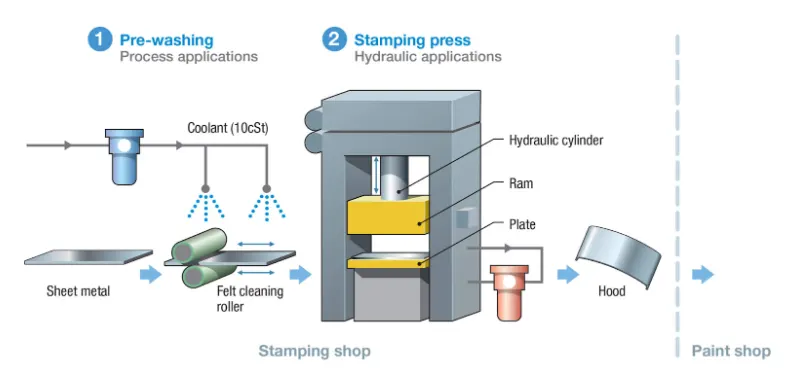
Stamping processes to be used for a panel depend on its design. However, normally the processes used extensively are blanking, drawing, piercing, forming, notching, trimming, hemming, etc. Blanking prepares the initial approximate form of the part in flat sheet. Drawing is generally the first operation to attain depth related form. Piercing, notching, hemming, are product design related operations. Trimming generally removes the extra material on the periphery of the panel provided for blank holding during draw operation. Decision on trime line is very important and becomes the deciding factor to obtain good draw.
Stamping is done with the help of Stamping press machines share a series of dies or a single die with various cuts or formed on the metal
Embossing:
Embossing is a metal forming process for producing raised or sunken designs or relief in sheet materials by means of matched male and female roller dies, theoretically with no change in metal thickness or by-passing sheet or a strip of metal between rolls of the desired pattern. Metal sheet is drawn through the male and female roller dies producing a pattern or design on the metal sheet. Depending on the roller dies used, different patterns can be produced on the metal sheet.
Lancing:
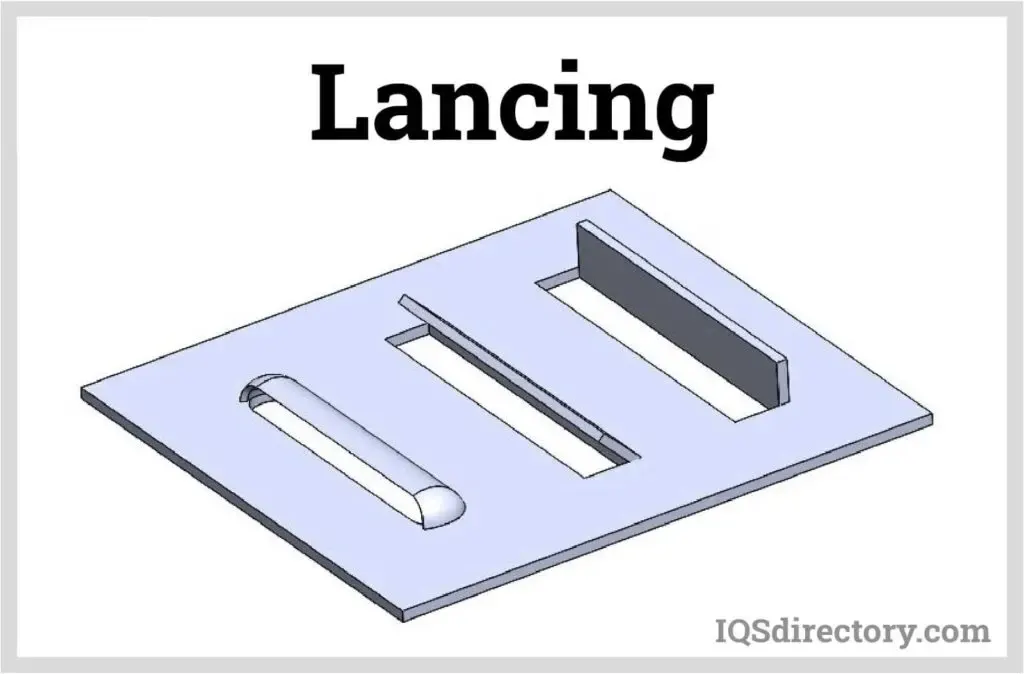
Lancing is a piercing operation in which the work piece is sheared and bent with one strike of the die. A key part of this process is that there is no reduction of material, only a modification in its geometry. This operation is used to make tabs, vents etc.
Lancing is a process in sheet metal where the metal is cut to a sheet of metal through part of its length and then bending the cut portion. No material is removed in the lancing process. It is used to make tabs, vents, louvers in sheet metal workpieces. Here in the back door inner panel, we use this operation.
Hemming:
Hemming is a type of forming operation in manufacturing components. Here the edges of the Sheetmetal are folded on the other part achieving tight fit. This joins both parts without affecting the appearance and hence it is used in hoods, doors, fenders, tailgates etc. In tailgate it is used to join the inner and Outer panel of the tail gate.
Types of hemming
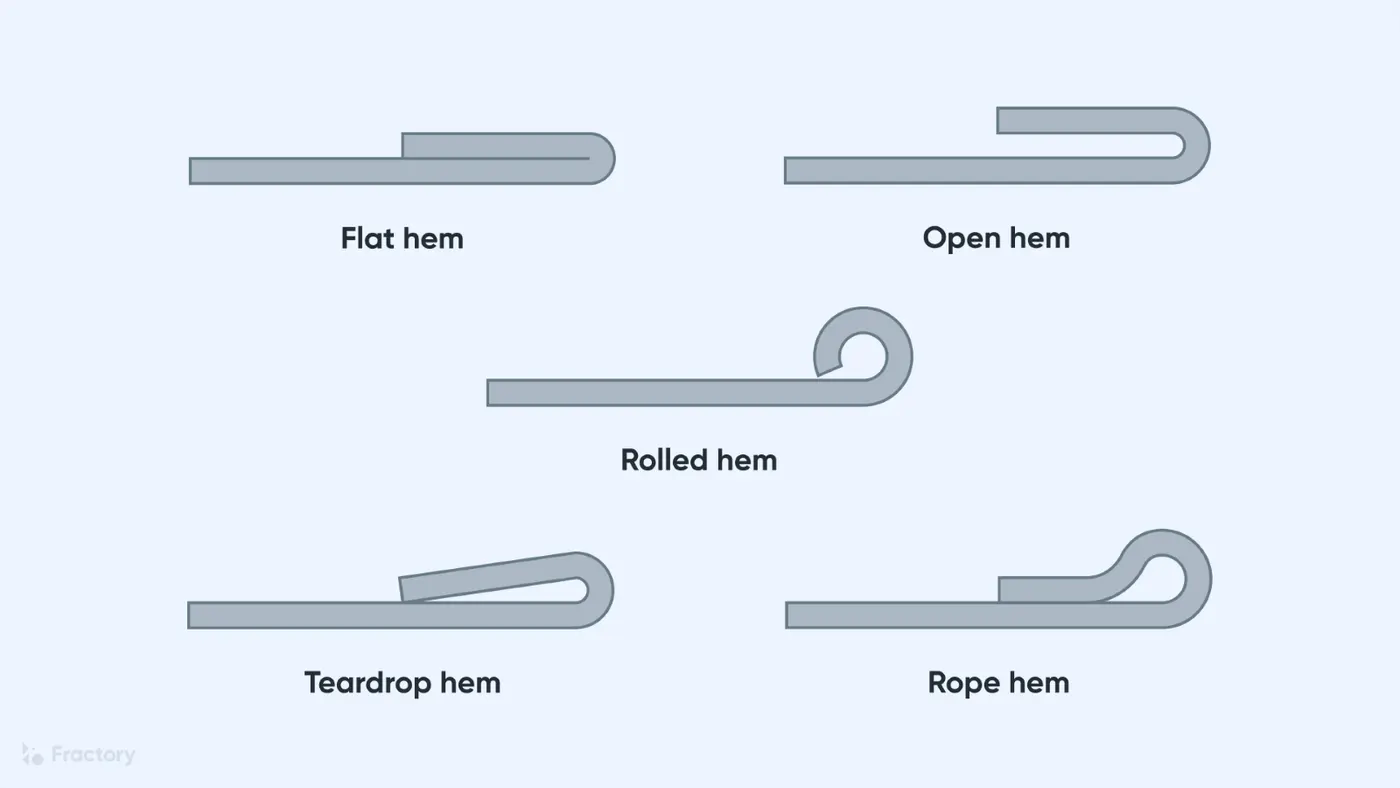
The different sheet metal hems based on the hem shape are as follows:
1. Flat or closed hemming
2. Open hemming
3. Teardrop hemming
4. Rope hemming
5. Rolled hemming
1. Flat or closed hemming:
In a flat or closed hem, the part of the edge that bends sits completely flush over the rest of the metal sheet. The angle between the returning flange and the sheet metal is 180 degrees. The inside radius is zero and thus, there is no gap between the returning flange and the metal sheet.
Closed hems require a lot more power and tonnage from the presses than open or teardrop hems and it is also not advised for metal sheets that are over 2-3mm (about 0.12 in) in thickness since the sheets are likely to fracture.
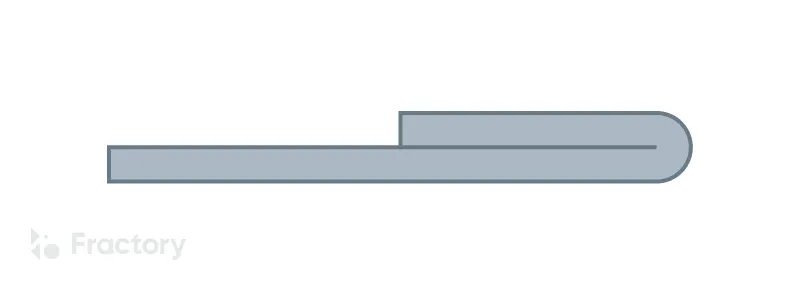
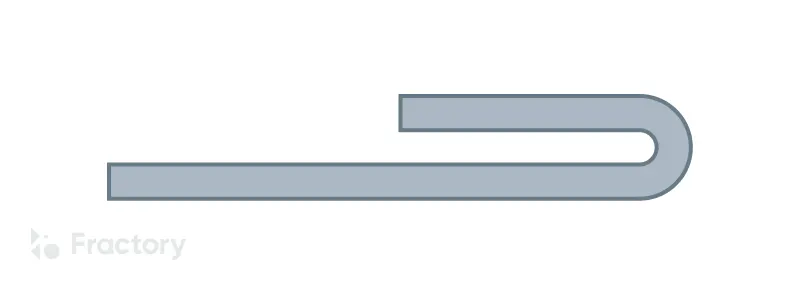
2. Open hemming: In an open hem, the returning flange is folded over the sheet metal but there remains an air pocket between the two. The bend angle in this hem type is also 180 degrees.
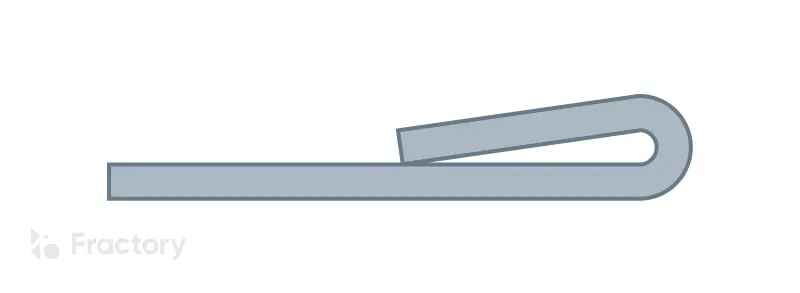
3. Teardrop hemming: In a teardrop hem, the returning flange is bent beyond 180 degrees. The resulting shape resembles a teardrop. It is perfect for materials that do not have the required ductility to provide closed hems. Teardrop hems are used for fragile materials such as aluminium.
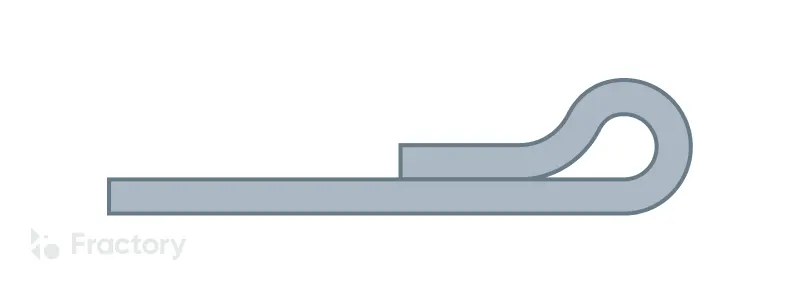
4. Rope hemming: A rope hem has a returning flange at a bent of more than 180 degrees. Once the hem achieves the shape of an open hem, the returning flange is pressed onto the part surface through a flattening die.
The edge is bent in shape like an open hem and then the second piece to be connected is inserted into the gap between the metal sheet and the returning flange. Further pressing takes place making the second part sit flush between the metal sheet and the returning flange and create a joint.
5. Rolled hemming: In a rolled hem, the bent portion of the sheet metal is tucked back into itself. This creates smooth round edges all around for holding the part from the hemmed edges. This process is also commonly referred to as curling.
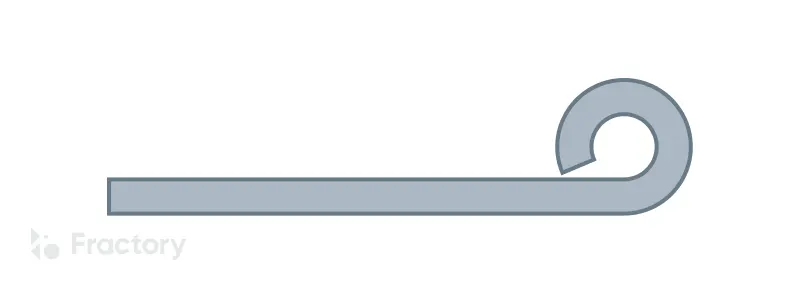
The hemming process can be carried out in one of the following two ways:
1. Die hemming process
2. Roller hemming process
1. Die hemming: Die hemming is the conventional hemming operation that uses a die and press to carry out hemming. In this process, bending occurs along the full length at predefined angles in multiple steps. These steps are known as pre-hemming and final hemming.
For instance, when forming a closed hem, the edge will be bent to 45 degrees in the first step by passing it through a press brake. The next bent occurs by means of the same press brake but a different part of the tool that completes the closed hem.
The die hemming process is not very flexible and is generally restricted to the production of flat, uncomplicated panels. The investment in the equipment is high but the cycle times can be brought down to be quite low.
2. Roller hemming: The Roller hemming process was invented to increase the flexibility of the hemming operation. It generally uses robots to control rollers that bend the edges but there are simpler manual roller hemming machines available that can handle only simpler tasks with less accuracy. The rollers travel along the edges and bend the part edge to the desired angle in multiple steps.
The orientation of the sheet may be changed multiple times during the hemming process to reduce the travel of the roller and increase the cycle time. Apart from the robot itself, this method is considered economical both for low and high-volume tasks. Robot roller hemming allows for jumping back on forth between producing different parts through quick program changes.
Back Door Assembly Components:
1. Inner Panel
2. Outer Panel
3. Hinge Reinforcement.
4. Gas Stay Reinforcement.
5. Wiper Motor Reinforcement
6. Striker Reinforcement.
Inner panel
The inner panel is a component which is used for strengthening the door assembly and it is one of the most important components on which all accessories are mounted like hinges, glass guide channel, molded trim, latch etc. the possible method is the integration method. In the integration method, the part is stamped out of a single blank. This reduces the number of tools needed, the assembly cost and eliminates any fit ability problem.
The back door inner panel has the mountings for hinges, gas stay, wiper motor, mastic area, striker and so on. The block is stamped as a single part. This reduces the cost and number of tools needed to manufacture. This is the strengthening element of the back door. Inner panel is hemmed with outer panel finally. Aluminium or steel will be used for manufacturing the tail gate inner panel. reinforcements are added wherever needed. Thickness is given 0.75mm (about 0.03 in) in the above model towards the outer panel. Flages like Connecting flange, sealing flange and inner panel flange will be present in the inner panel.
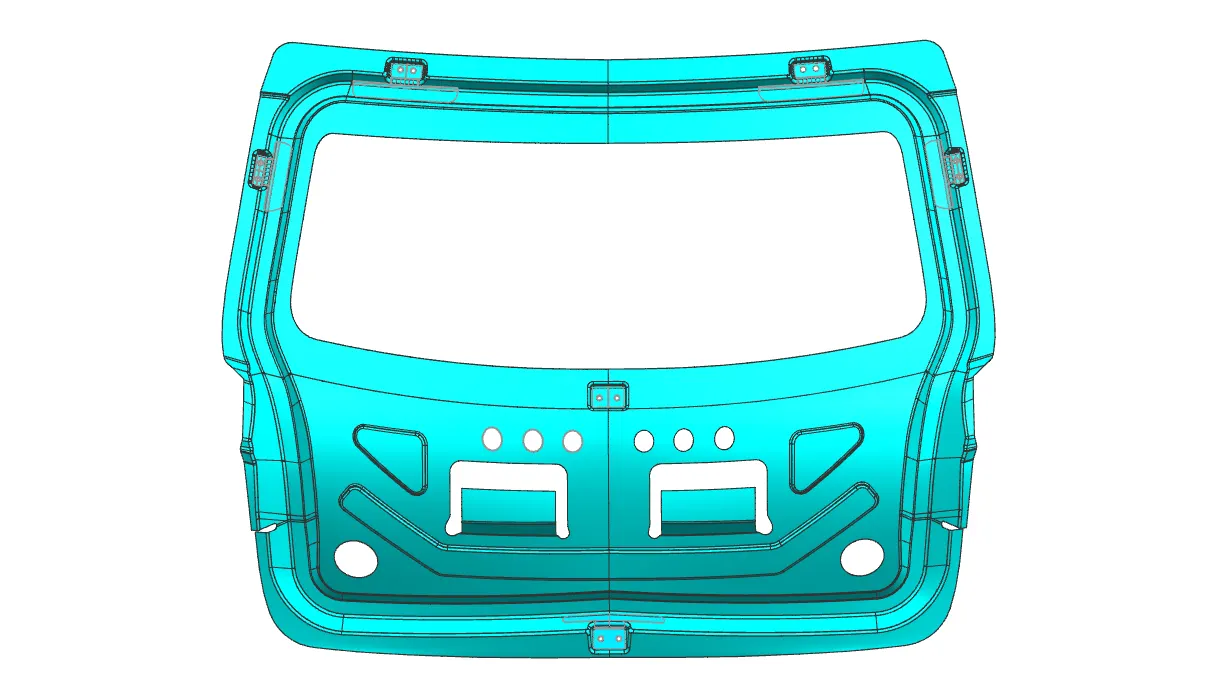
Outer panel
Back door Inner panel designed based on hinge, gas stay, wiper motor position and reinforcement as well as visibility criteria. Suitable tooling direction is created for trouble free manufacturing process. In this design stamping operations are created based on this tooling direction. Embosses are provided in this design for force dissipation. In this design appropriate clearance is given in mastic areas. The inner panel thickness is 0.75 mm (about 0.03 in)
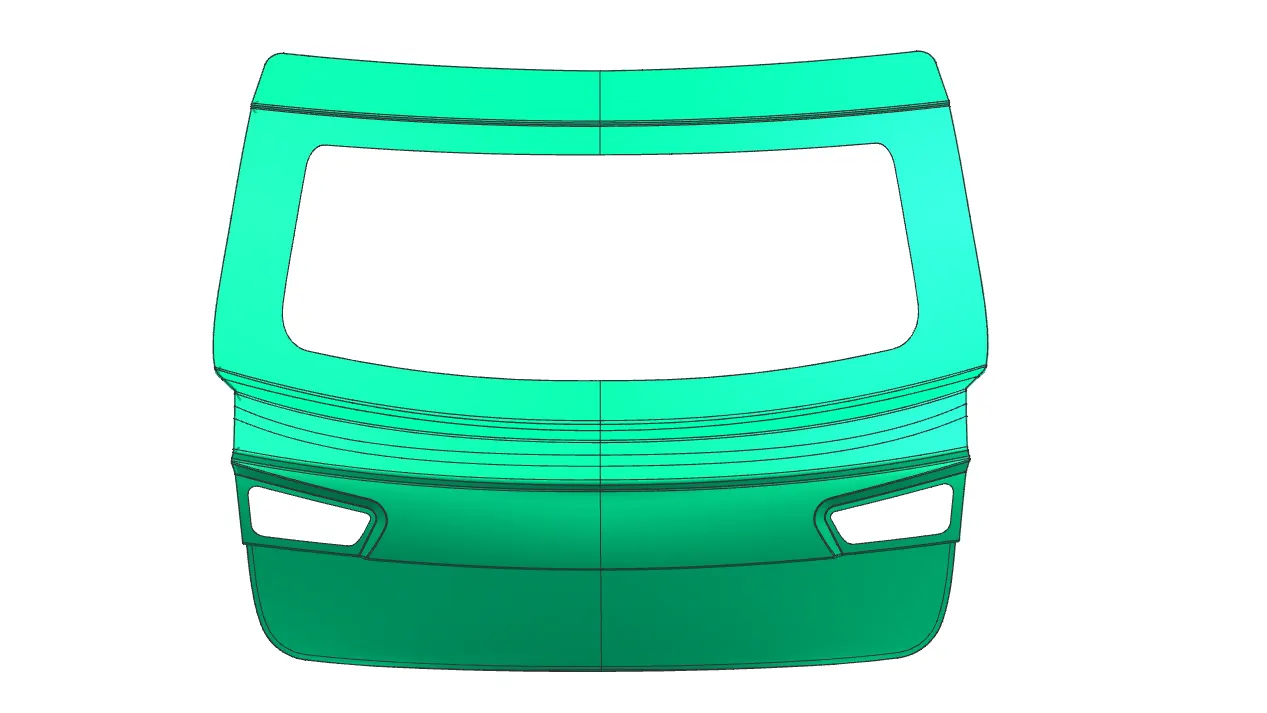
Hinge Reinforcement
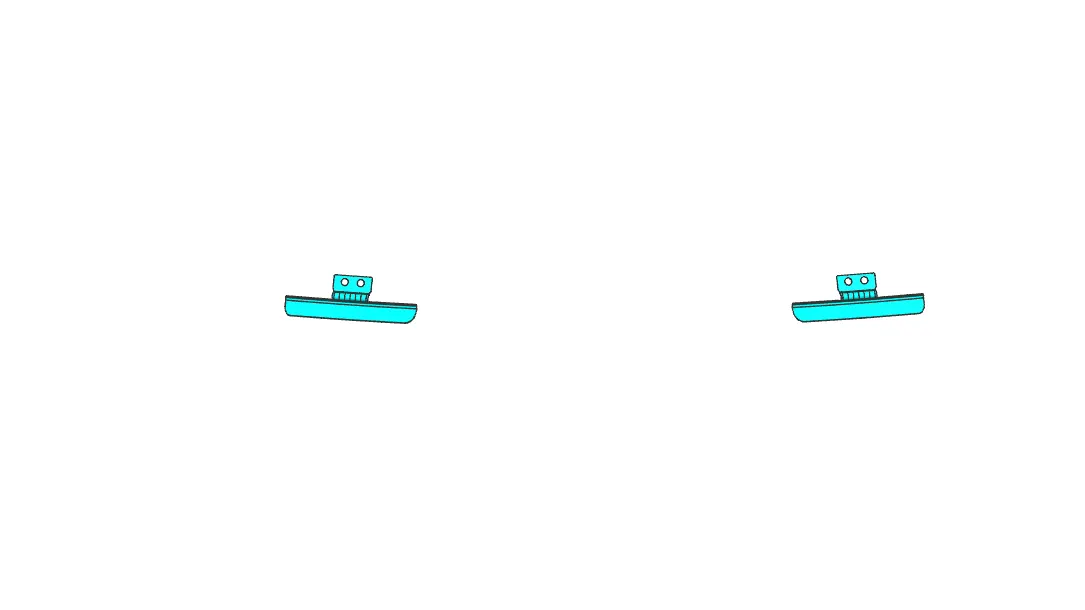
Hinges are used to open and close the back door. Hinges that support the weight of the whole backdoor. Hence reinforcement must be provided there too. The emboss is designed in such a way that the hinge should operate freely. The hinge is connected to the rear roof of the car.
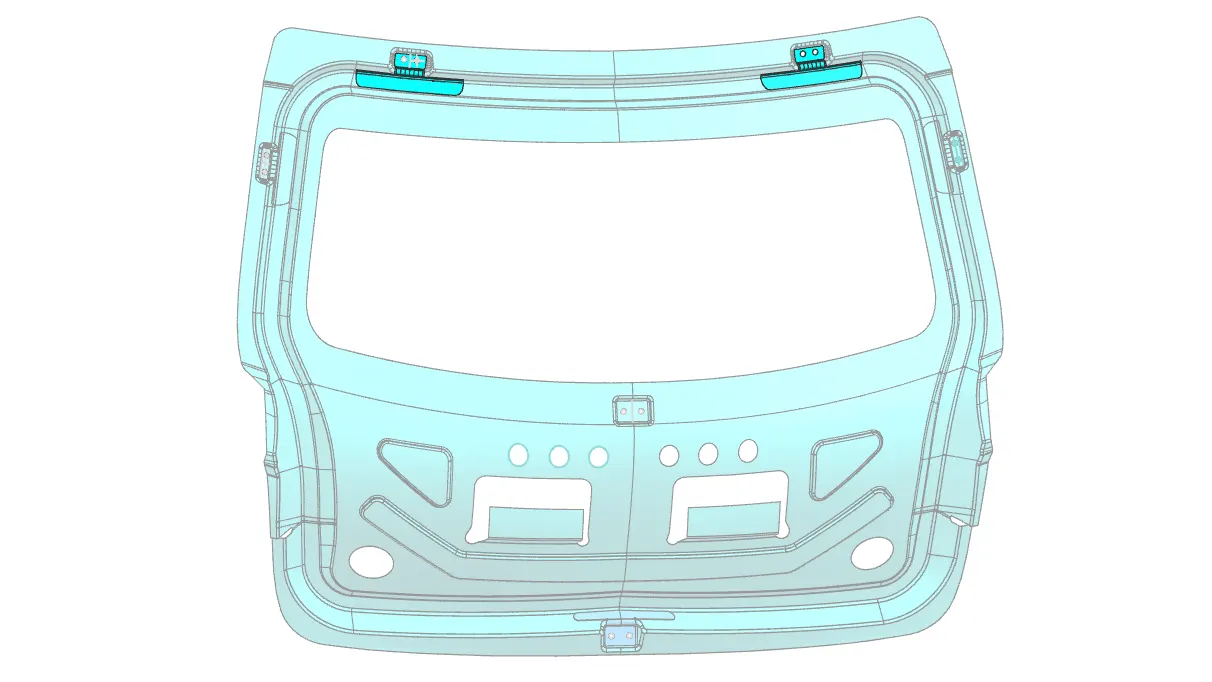
Gas Stay Reinforcement
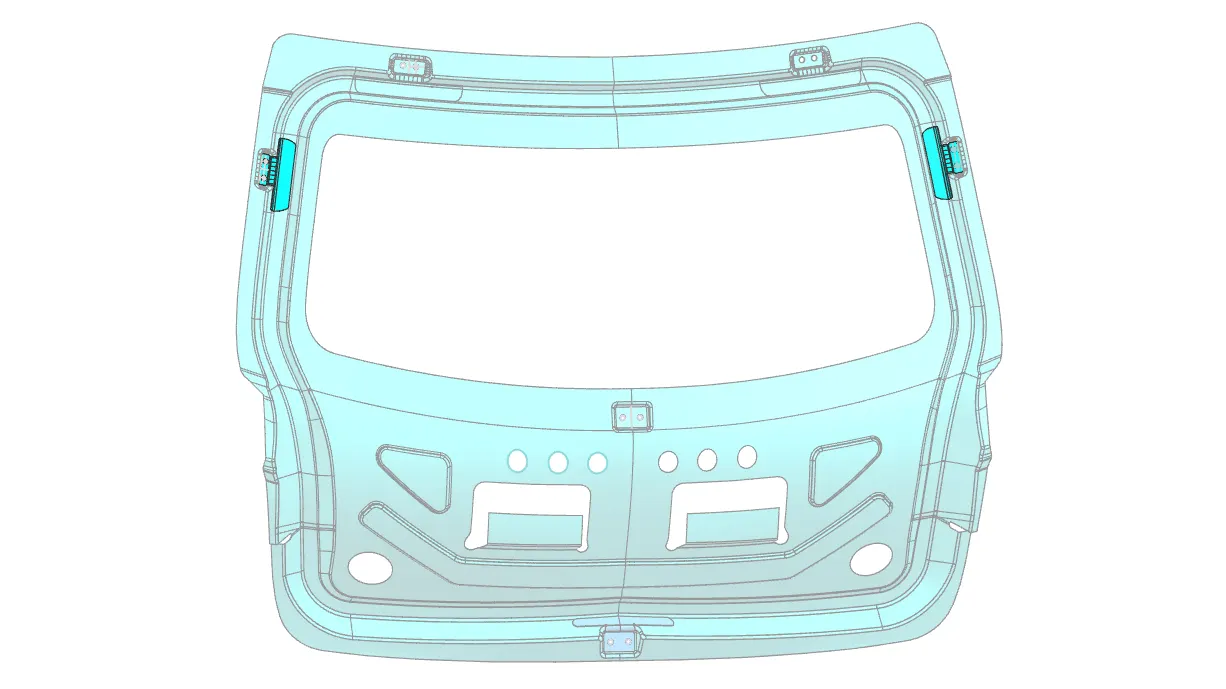
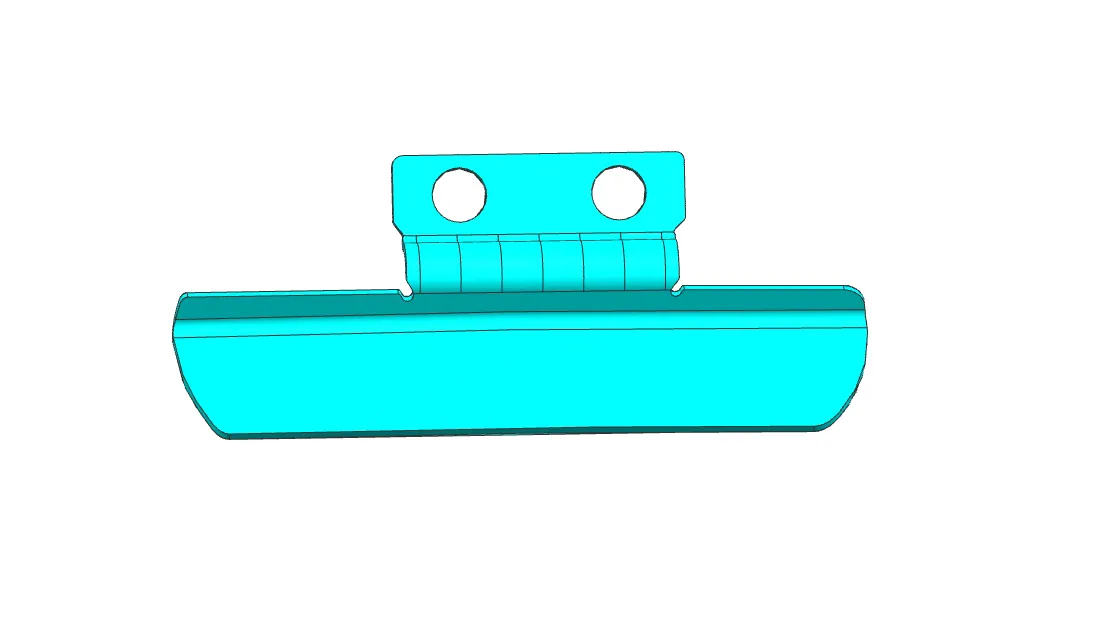
Gas stay reinforcement is used to lift the backdoor automatically. There are two types of gas stay one is semi-automated type the back door needs little force to lift after that it lift the backdoor automatically. In fully automated, it has power spindle which lift the back door automatically.
Wiper Motor Reinforcement
A wiper is used to wipe out the rainwater that falls on the backdoor window. It's actuated by the motor which is mounted on the inner panel. Due to the vibration and heat created by the motor. The inner panel where the motor is mounted gets deformed and parts attached to the motor starts to vibrate which leads to poor NVH. So, we must provide reinforcement to where the wiper motor is placed.
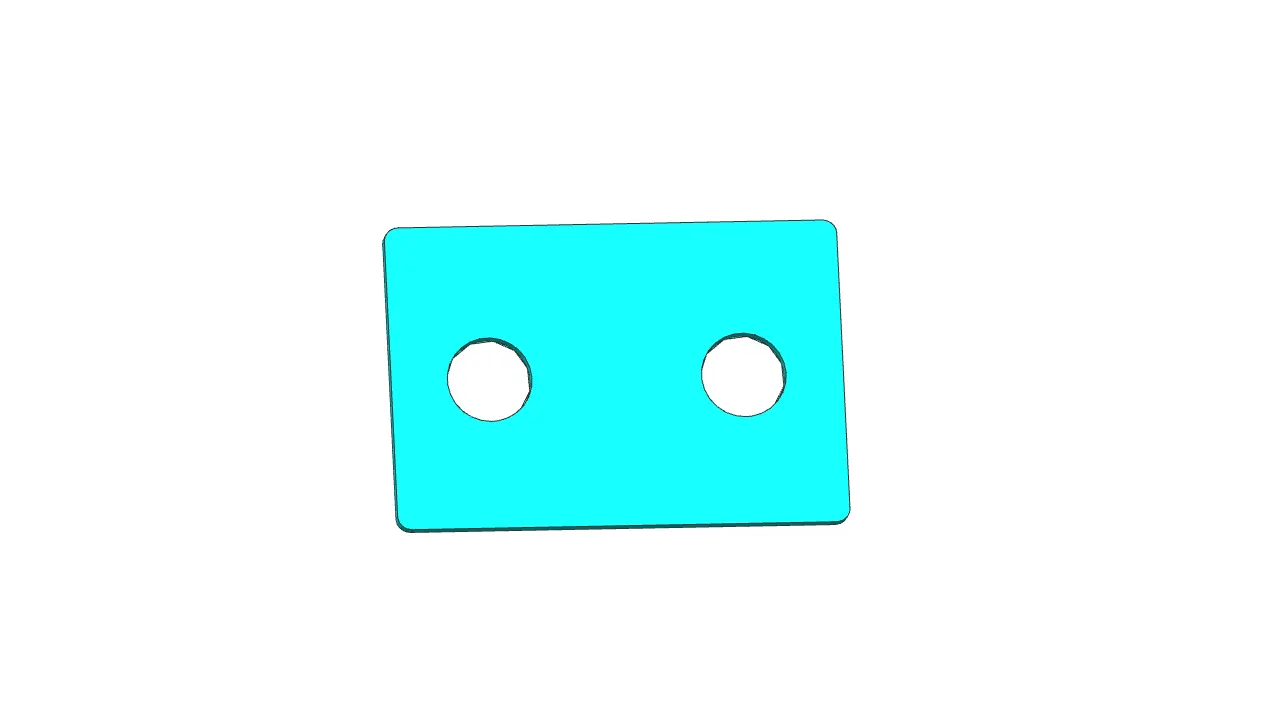
Striker Reinforcement
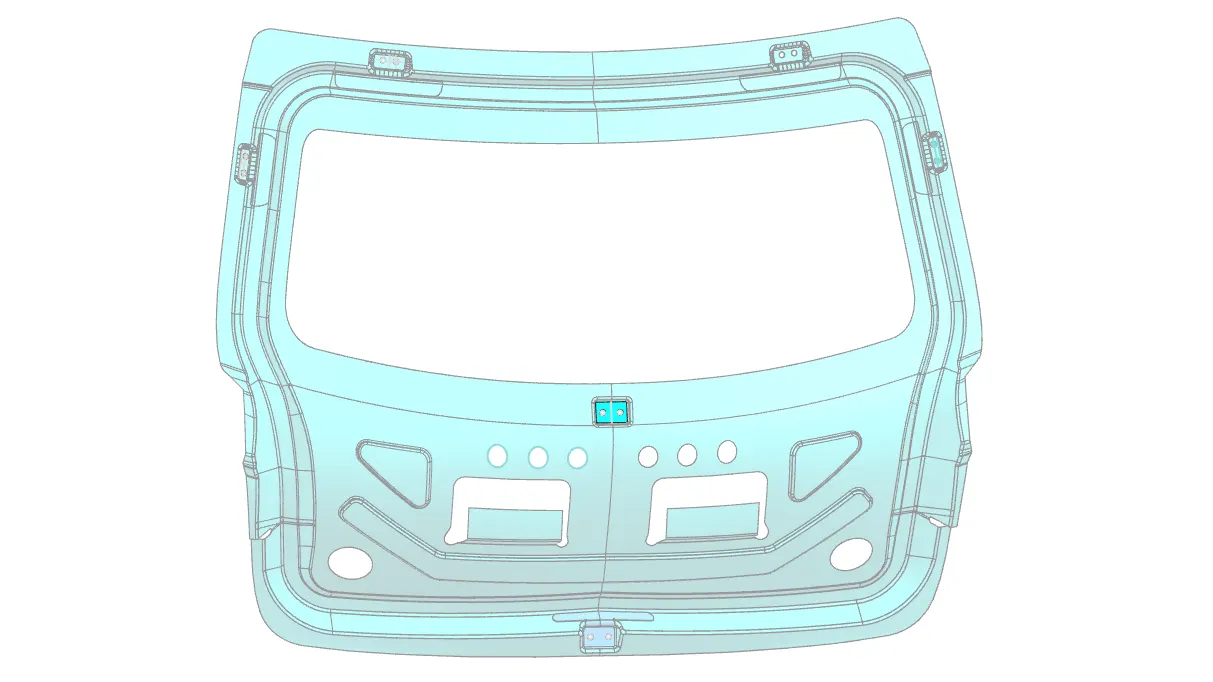
The striker is designed to create a tight fit between the door and the seal on the cab. The door opens and shuts several times a day. So, more force is acting in this area. The reinforcement given in the latch and striker mounting area to increase the strength.it is spot welded on the inner panel
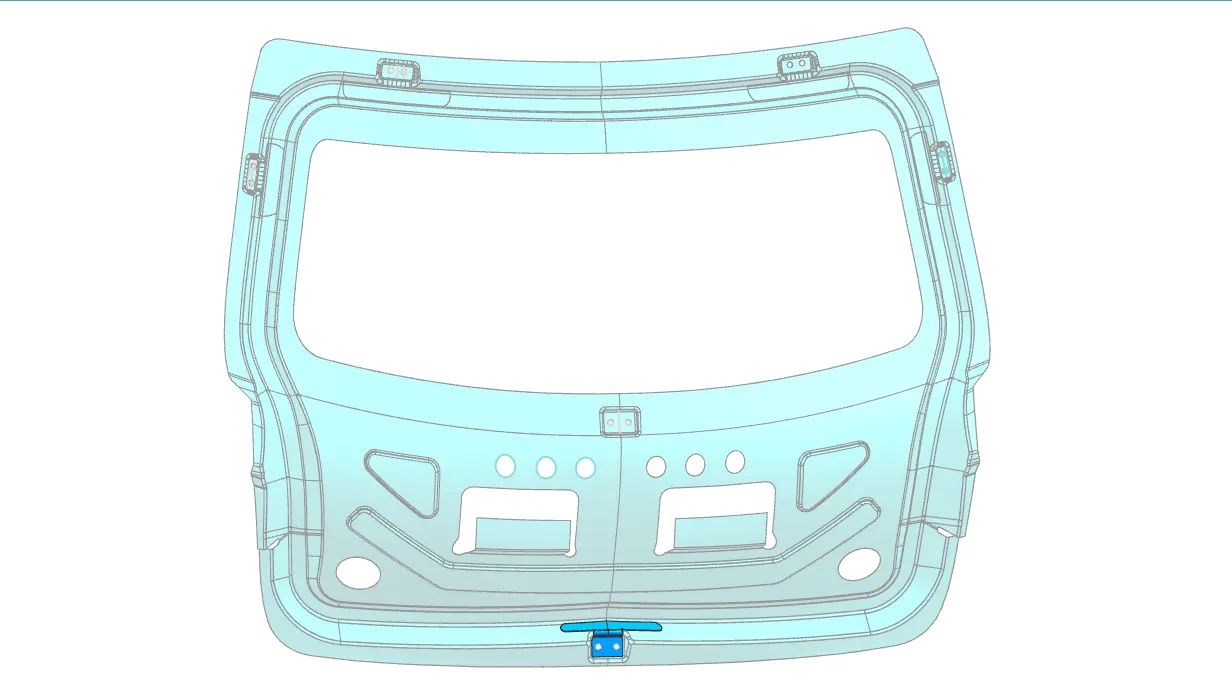
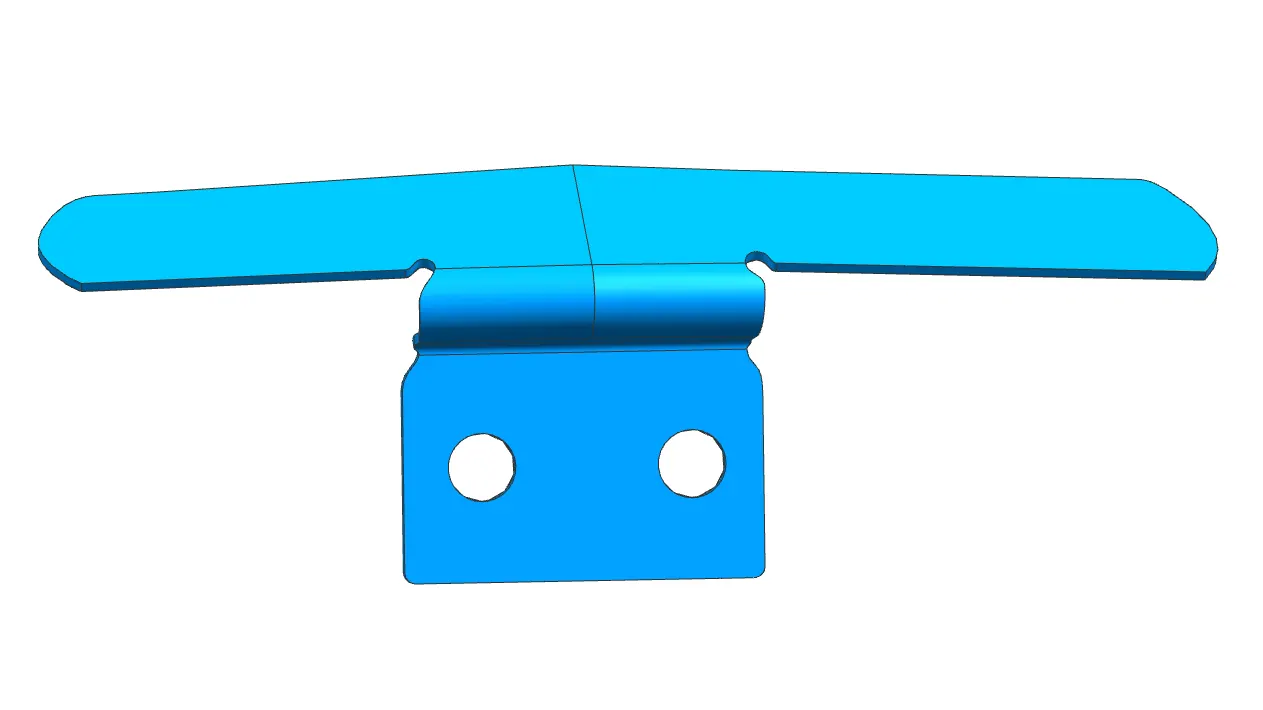
Draft Analysis:
Here are the parts that are made as per the master section and clearing the draft analysis. Draft analysis is done in NX software. We can change the draft angle and analyze if it is clearing the required criteria. It is shown in different color zones. So, identifying it will be easier. It will let us know if the part can be removed easily during manufacturing or not. Minimum draft angle of 7 Degree is considered for analysis. green color infers on the parts that all face along the tooling direction has positive draft angle greater than 7 degree and passed in analysis.
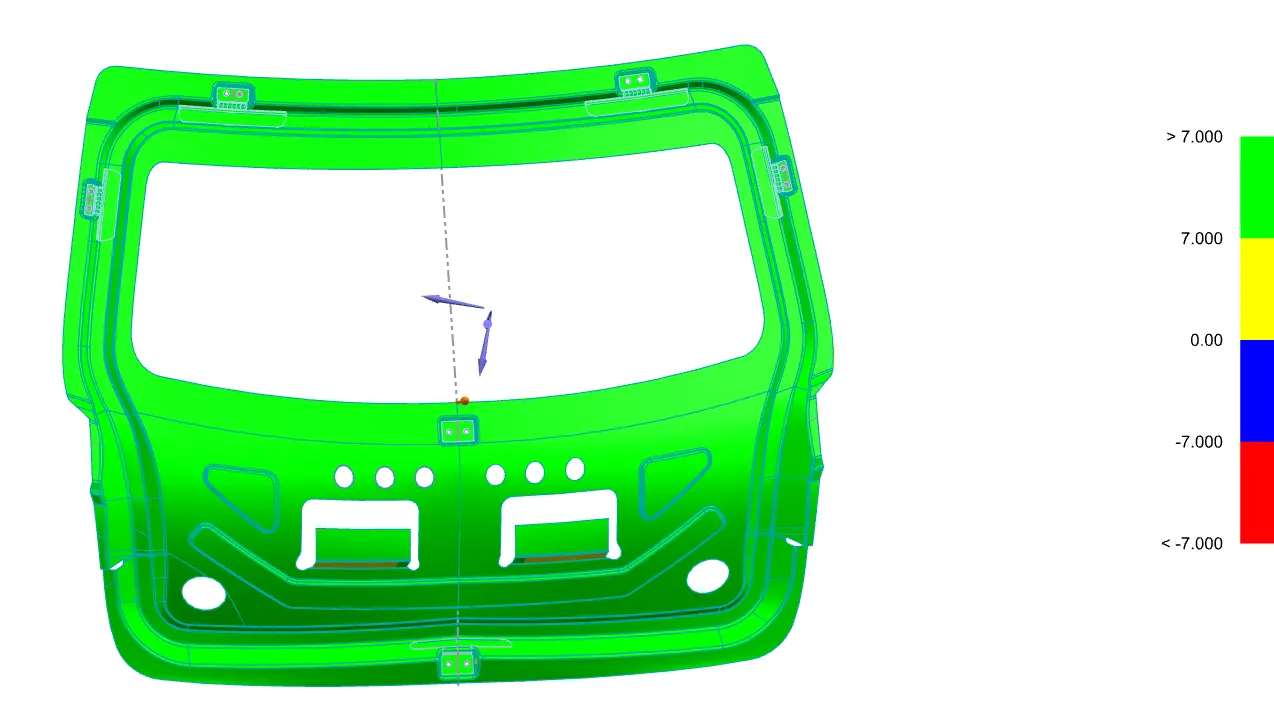
Hemming:
Hemming is a forming operation in which the edges of the sheet are folded over another part to achieve a tight fit. Usually hemming operations are used to connect parts together, to improve the appearance of a part and to reinforce part edges. Here we have used it to join the inner and outer panel of the back door.
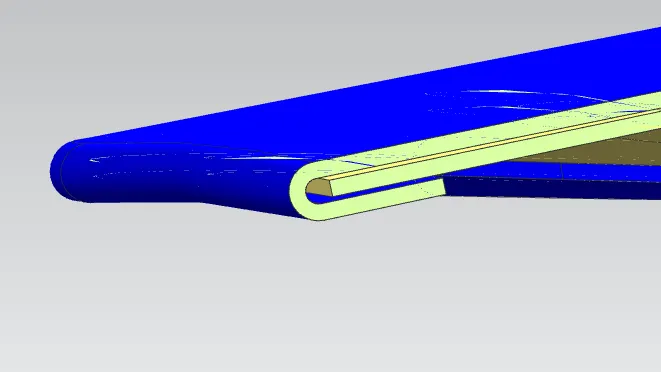
Hemming relief:
While we do hemming, we give corner relief at the turns of the part. because during manufacturing rolls cannot travel at the corner and it may create wrinkles while hemming at the corner. So, we give a curvature for avoiding those problems.
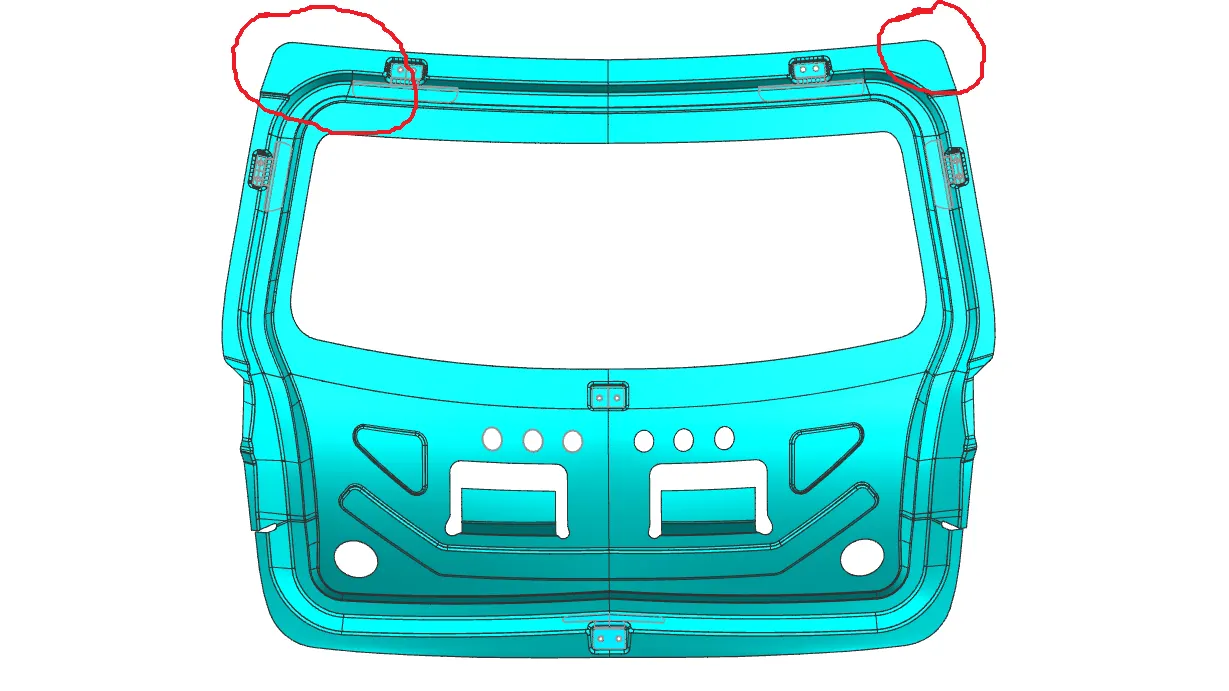
Lancing:
Here we use the inner panel of the door. It is done to join the outer and inner panel with the help of mastic sealants.
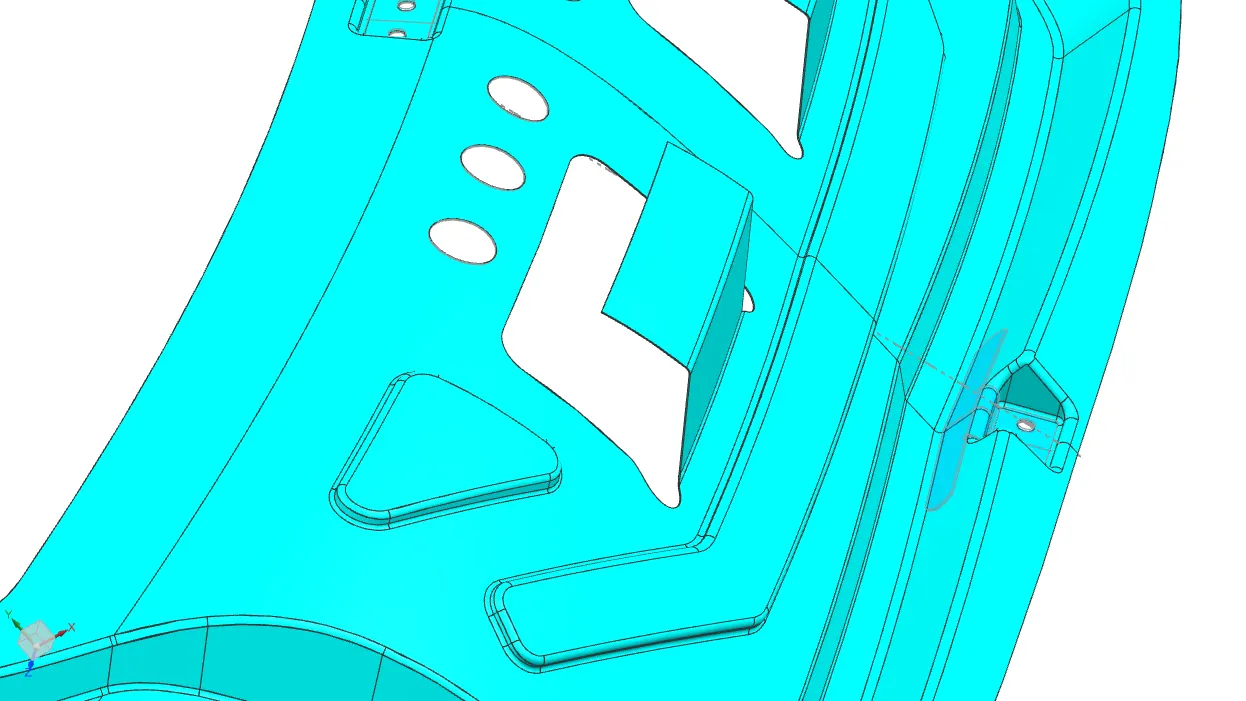
Positioning latch:
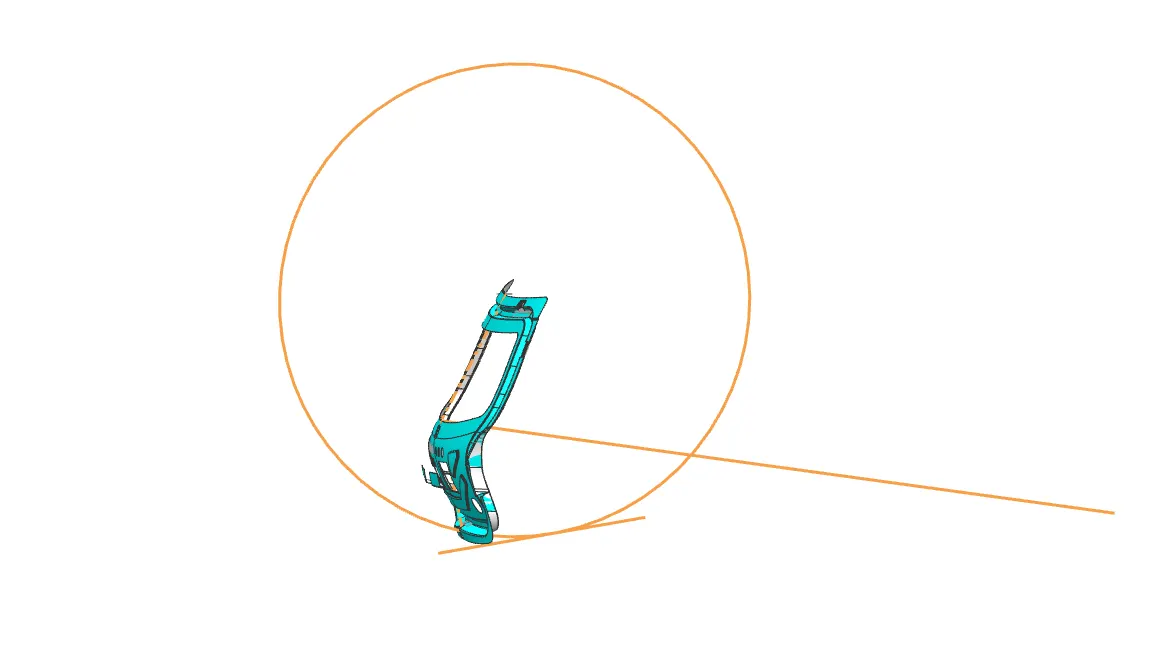
Latch and striker should be perpendicular to the hinge so only it will open and close properly. So, I have made this trajectory to position the striker emboss.
Design considerations
1. Rear visibility
2. Boot space & accessibility
3. Sealing Flange
4. Support structures like hinges and gas stays.
5. Mounts for wiper motor, tail lamps and other wiring loops
6. Rear crash regulations
7. Joining techniques such as hemming, spot welding etc.
Conclusion:
The back door outer and inner panel were designed with the help of the styling surface along the tooling direction. Draft analysis was performed on the inner panel and all the reinforcements were designed and placed at appropriate positions.
https://drive.google.com/file/d/1DSskm8T3cNnAFgM4vGPBOxRlaVN6UxU0/view?usp=sharing