Design of backdoor
OBJECTIVE:
To design a BIW of Back Door from the given Class A Surfacing. Inner Panel is designed and assembled with Hinge Reinforcements, Gas Stay Reinforcements , Wiper Motor Reinforcements and Latch Reinforcements.
Introduction
The design of a back door for a residential or commercial building is a critical aspect of overall security, accessibility, and aesthetics. This report will provide an in-depth analysis of the design methodologies and the components developed for an effective and secure back door.
The Back Door of a car is the rearmost part of the vehicle which gives access to the trunk space of the vehicle. The rear door also supports the reinforcements and added weights of the Wiper Motor, Gas Stay, Tail Lamp, and Latch and Striker
The Backdoor/tailgate is one of the closure commodities in BIW sheet metal design. The backdoor has a lot of components inside and is designed to incorporate them easily. It affects the rear visibility and luggage area.
The material used for door manufacturing depends on the budget and performance of the vehicle. Mostly Aluminium and Steel will be used whereas low-budget vehicles use Steel which makes the manufacturing process easy and cost-efficient since it follows the Stamping of Moulds.
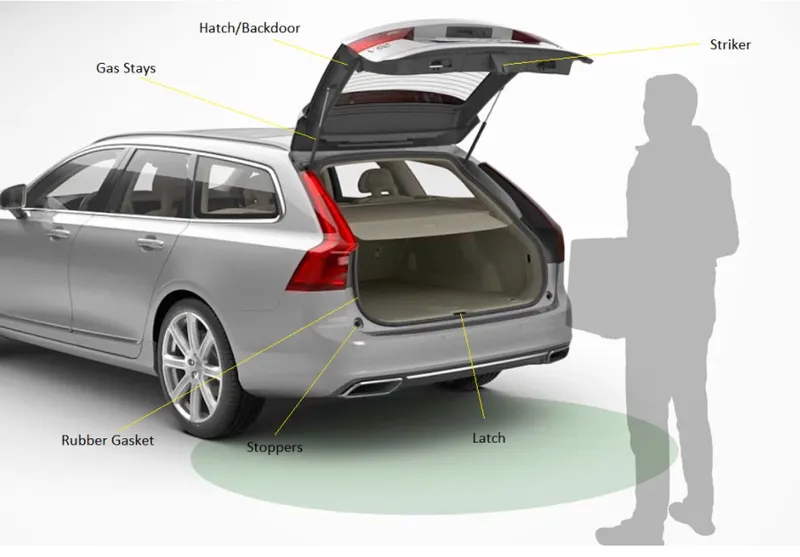
Material used for back doors:
1.Steel:
Advantages: Exceptionally durable and secure, resistant to rot, pests, and harsh weather, provides excellent security.
Considerations: Prone to rust if not adequately protected or maintained, can be heavy.
2.Fiberglass:
Advantages: Combines the look of wood with the durability of steel, low maintenance, resistant to rot and pests, good insulation properties.
Considerations: May not have the same level of security as steel.
3.Aluminum:
Advantages: Lightweight, resistant to rust and corrosion, low maintenance, can be powder-coated for various finishes.
Considerations: May not be as secure as steel, may dent or scratch more easily.
4.Vinyl:
Advantages: Low maintenance, good insulation properties, resistant to rot and pests, affordable.
Considerations: Limited color options, may not be as secure as steel or solid wood.
5.Glass Inserts:
Advantages: Add aesthetics and natural light to the door, can be decorative or clear for visibility.
Considerations: May reduce security if not properly reinforced, can be vulnerable to breakage.
6.Composite Materials:
Advantages: Engineered to provide the best of both wood and synthetic materials, durable, low maintenance, good insulation properties.
Considerations: Cost may be higher than some other materials.
7.Fire-Rated Materials:
Advantages: Designed to meet fire safety regulations, providing a specific level of fire resistance.
Considerations: Typically used in commercial or high-risk areas, may be less common in residential applications.
8.Smart Materials:
Advantages: Integrates technology, such as built-in sensors, cameras, or smart locks for added security and convenience.
Considerations: Higher cost and potential maintenance related to electronic components.
Major Parts and Reinforcements:
The backdoor consists of the following basic components:
1.Backdoor Outer Panel (Upper)
2.Backdoor Outer Panel (Lower)
3.Backdoor Inner Panel
4.Hinge Reinforcements (LH & RH)
5.Gas-Stay Reinforcements (LH & RH)
6.Latch and Striker Reinforcement
7.Wiper motor Reinforcement
Backdoor Outer Panel (Upper)
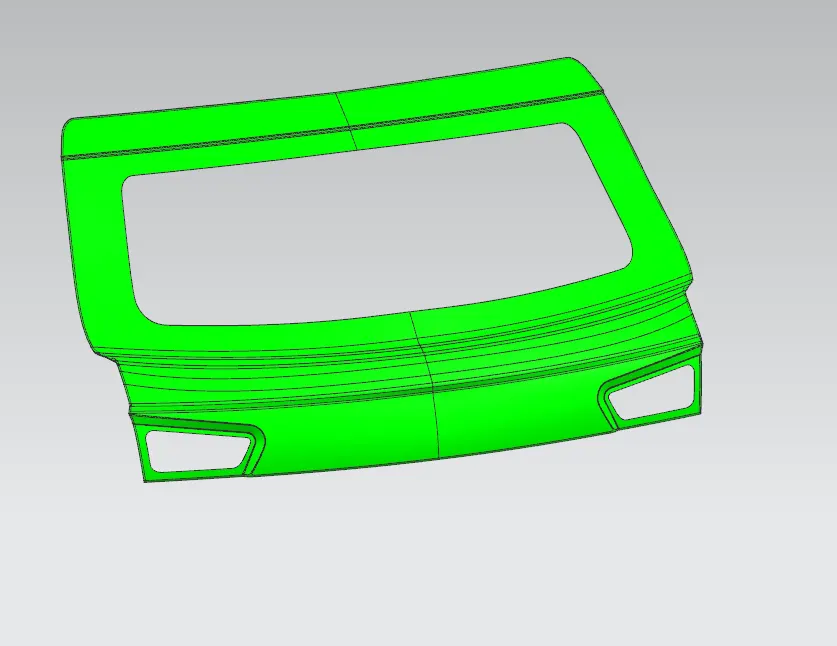
The Outer Upper Panel Extracted from a styling surface.
The panel is altered for the required design with the surface tools of NX CAD
The thickness provided for the outer panel is 0.75 mm
Hemming is provided with the corner relief.
Backdoor Outer Panel (Lower)
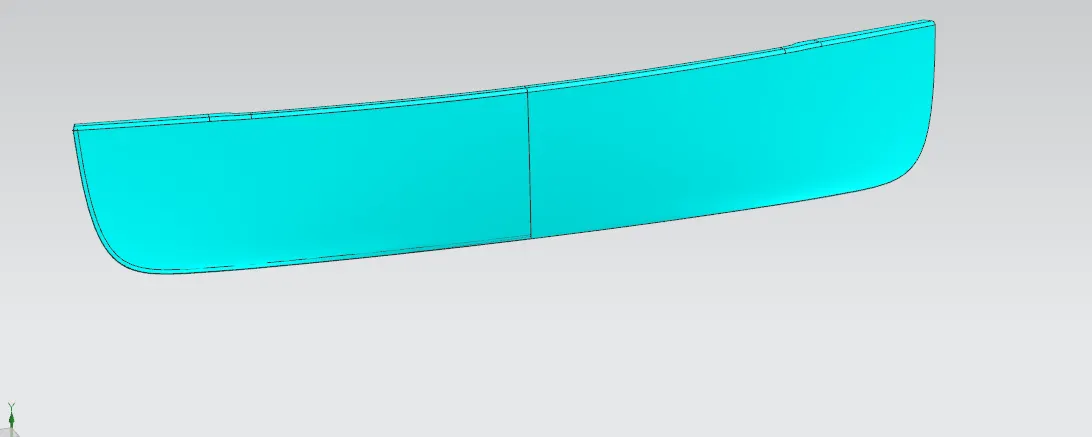
The Outer Upper Panel Extracted from a styling surface.
The panel is altered for the required design with the surface tools of NX CAD
The thickness provided for the outer panel is 0.75 mm
Hemming is provided with the corner relief.
Backdoor Inner Panel:
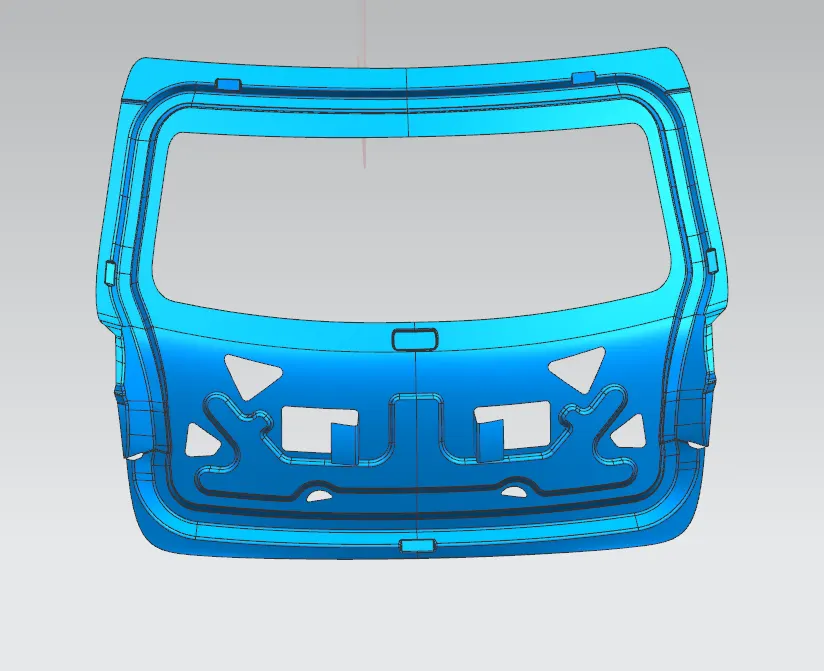
The inner Panel is a component which is used for strengthening the door. It's thickness is in the range of 0.65-0.75 millimetres. It is one of the most important components on which all accessories are mounted like Hinges, Gas Stay, Wiper Moter , Latch and Striker etc.
The possible method is the integration method. In the integration method, the part is stamped out of a single blank. This reduces the number of tools needed the assembly cost and eliminates any fit ability problem.
There are many cases where the Inner panel is subjected to stress due to frequent opening and slamming. These stress and depression factors are compensated by features like embosses and reinforcements.
Hinge Reinforcements (LH & RH):
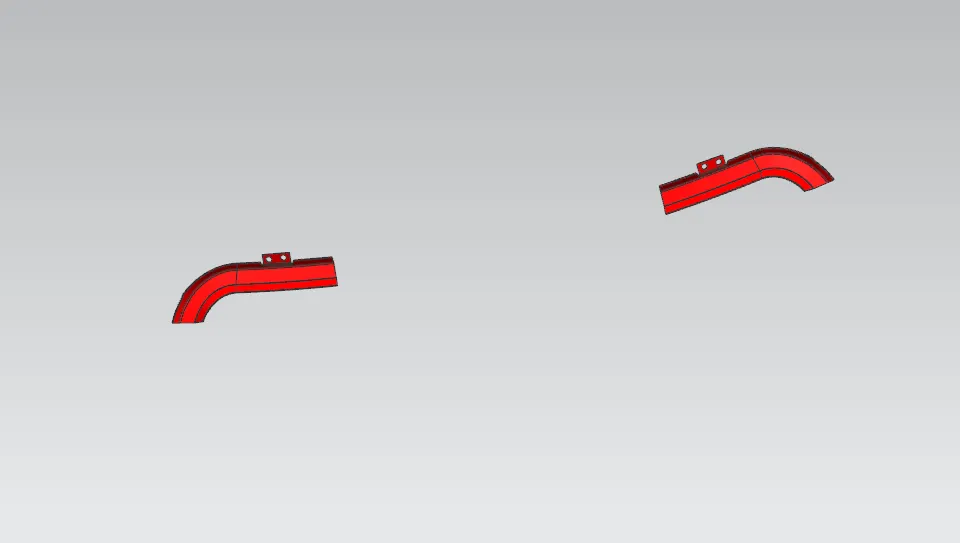
Hinges enable the opening and closing of the back door. One end of hinge is fixed on the backdoor and the other end on the Roof, on both sides. Hinges can be placed outside or inside the backdoor. Hinge reinforcements are added in this region to compensate for the weak zone developed due to the load acting while opening and closing the backdoor. Embossing is provided at the Hinge mounting area to compensate for the functional holes punched.
Gas-Stay Reinforcements (LH & RH):
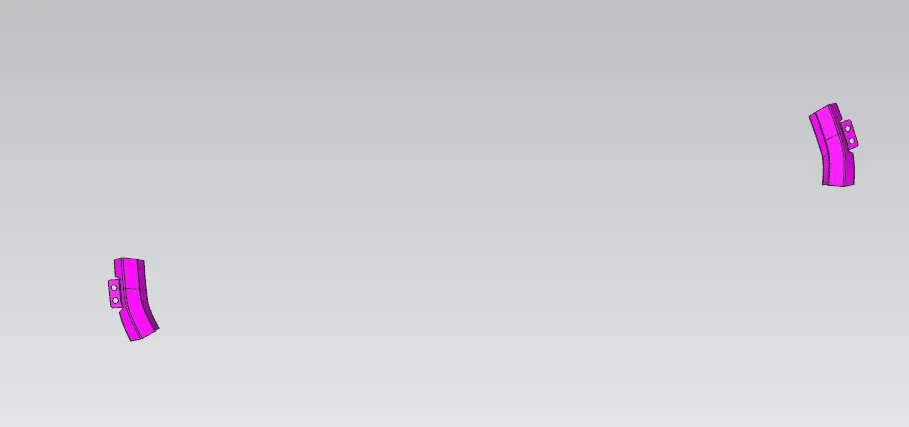
Gas Stay is a device used for supporting the back door in its open position. Gas stay requires no man power and is engaged into support position automatically as the back door opens. One end of the Gas Stay is fixed on the backdoor and the other end on the Body Side or on the Back door stationary area. Embossing is provided at the Gas Stay mounting area to compensate for the functional holes punched.
Latch and Striker Reinforcement:
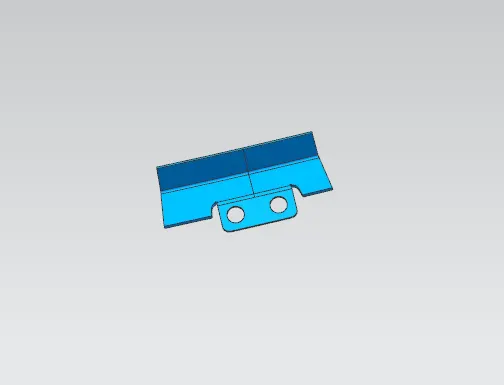
The Latch and Striker emboss were designed by creating a trajectory that follows the opening and closing of the back door with respect to the hinge axis.
The position of the hinge should be perpendicular to the latch when the latch and striker meets. The circle is drawn from the center of the hinge axis to find the path of the striker and positioned perpendicular to the path.
Wiper motor Reinforcement:
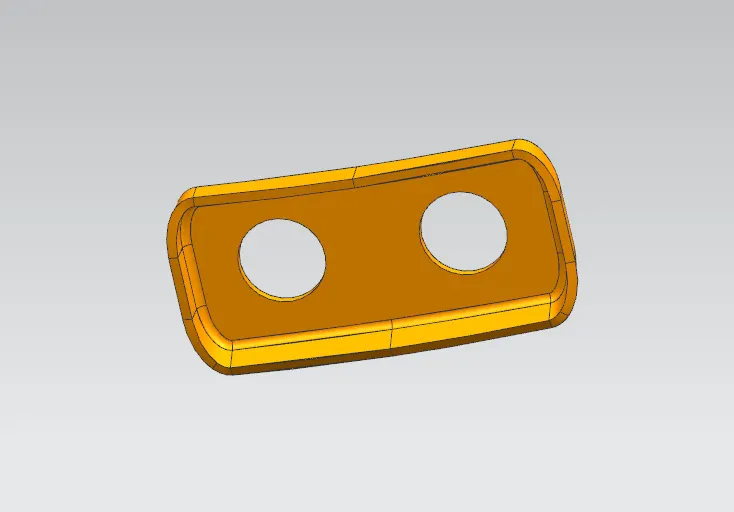
wiper motor reinforcement is created to mount the wiper motor assembly
Hemming process:
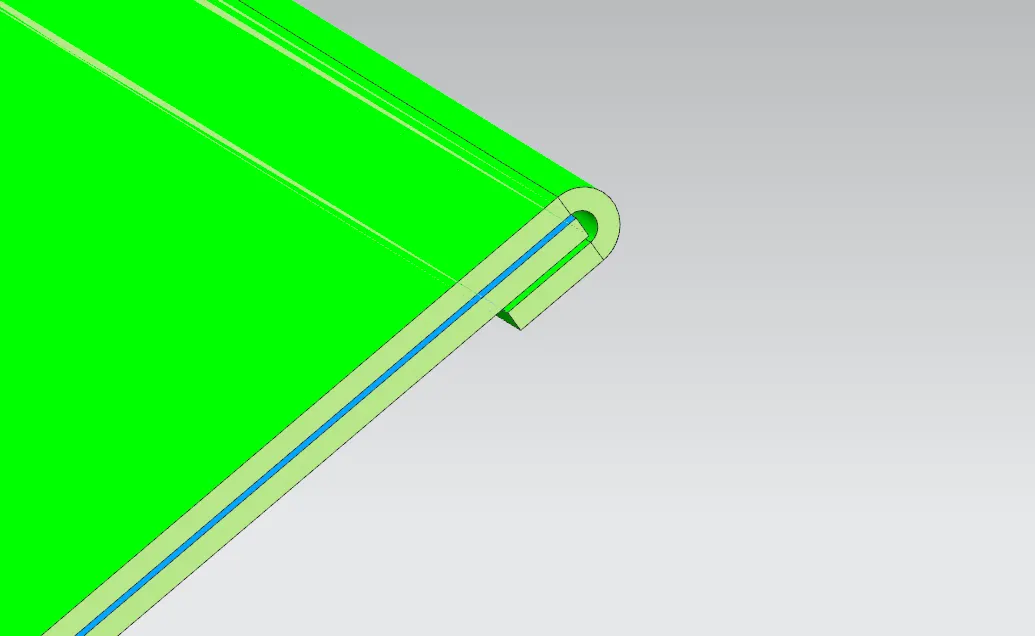
Hemming is the process of wrapping the flange of the outer panel to the flange of the inner panel so that they are fitting rigidly. After hemming process, the sealants were applied along the edge of the flange of outer panel so that water tightness is achieved. The below image shows the cross-section of the inner and outer panel joined by hemming process.
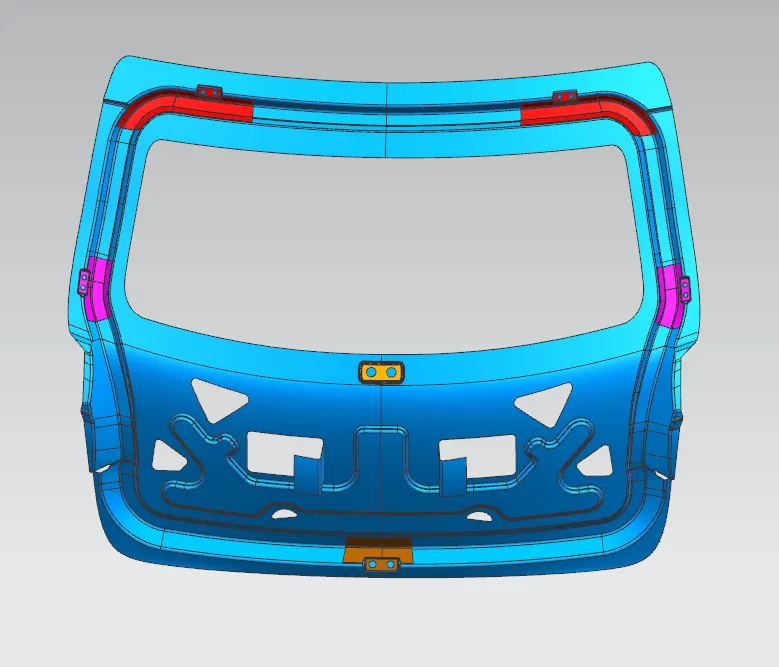
INNER PANEL REINFORCEMENT ASSEMBLY:
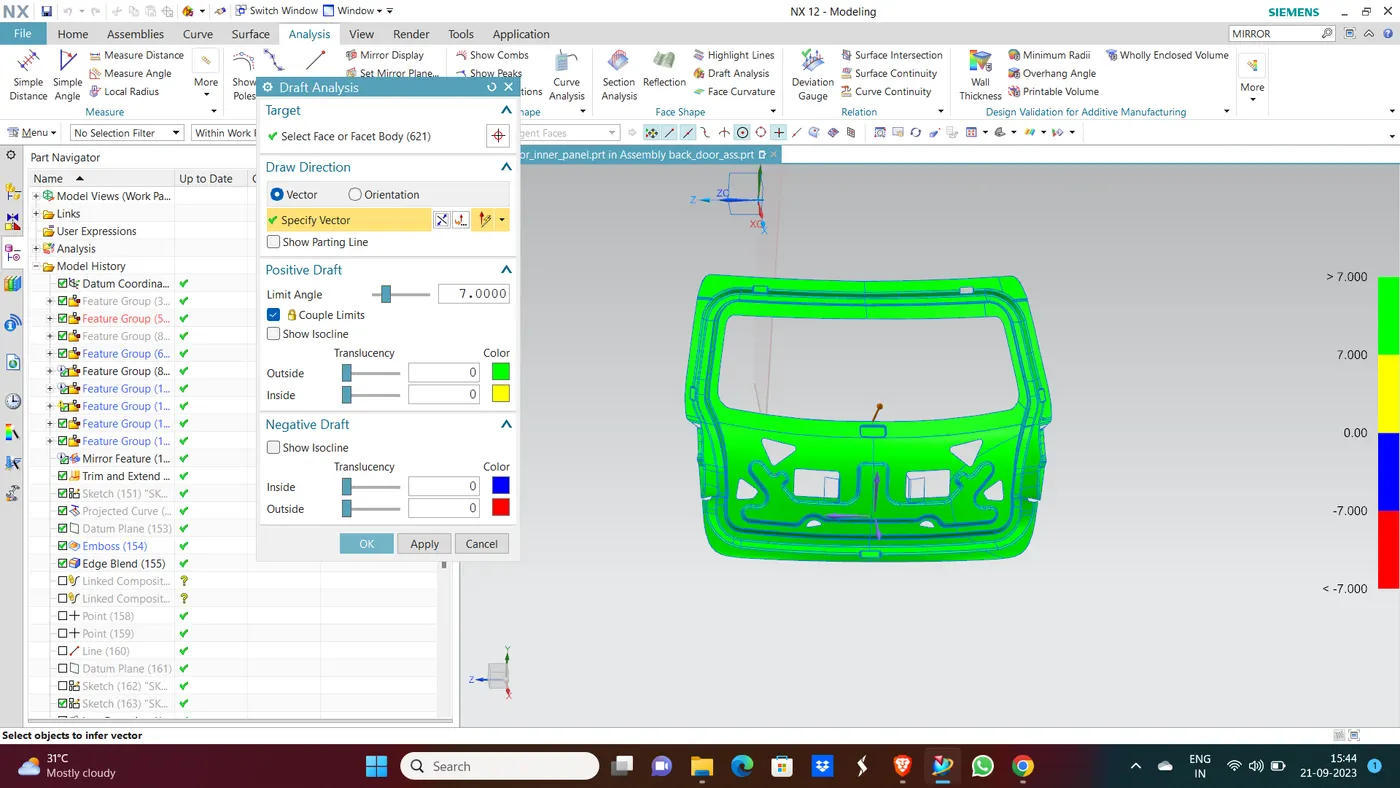
DRAFT ANALYSIS:
Draft analusis will be performed for the tooling direction cerated at first checked that the model is suitable for manufacturing.
Then to get a colplete green portion the necessary changes to the draft angle of the embosses were carried out by optimising the model.
The draft analysis command enables us to detect that the part drafted will be easly removed or not.
This type of analysis is performed based on color ranges indentifying zones on the analyzed elements where the deviation from the draft direction at any point, corresponding to specified values. Conclusion:
- Conclusion:
- Thus the body in White Back Door of a car was designed following the engineering standards and also the deep drawing requirement were satisfied.
https://drive.google.com/file/d/1gv0iKsRDLFZyjfBLi6UweDt3ls0Hv-ED/view?usp=sharing
Here by I attached my back door design model as google drive link, since the file size is more then 20mb I couldn’t attach my file in file area, so that I attach my file as google drive link, here by I attached the step file also.