Design of backdoor
Design of Backdoor
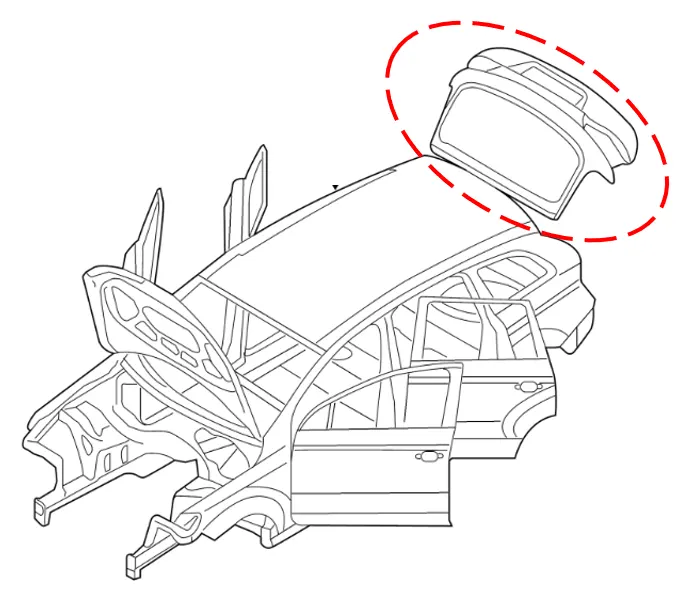
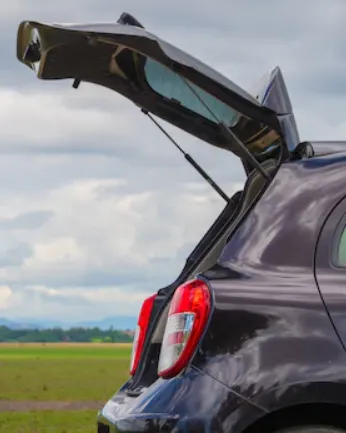
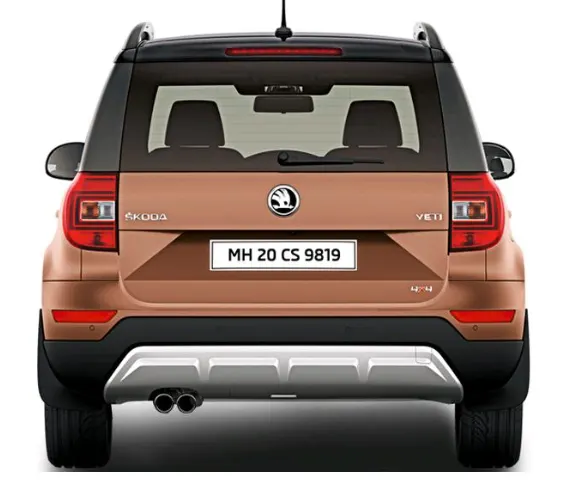
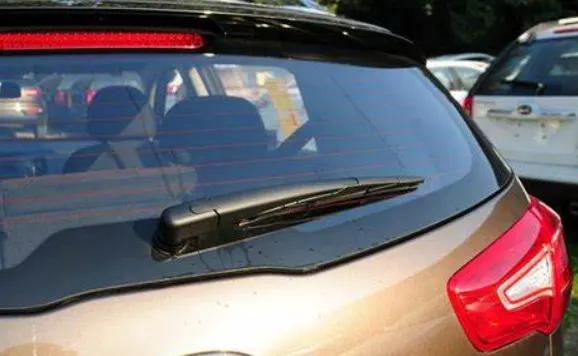
The back door of a vehicle is a hinged door at the rear end. It is also known as tailgate. It matches with rear bumper at bottom rear fender at sides and roof at top. The rear wind shield glass fixed on the backdoor provides rearward visibility to the driver. Backdoor is used for loading and unloading luggage to the boot as well as the entrance for passengers in vehicles which has a face-to-face back row seats. Cut out for rear lamp will be provided on the rear door and registration plate may also fastened on the provision of back door. Rear glass may also have a wiper and necessary mechanisms which are concealed inside the backdoor panels.
Based on the hinge fitment, back door can be of different types as shown below.
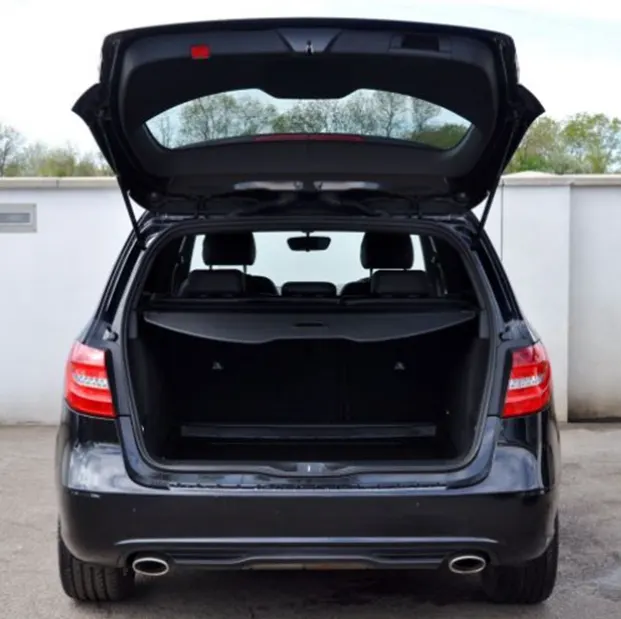
Roof Mounted
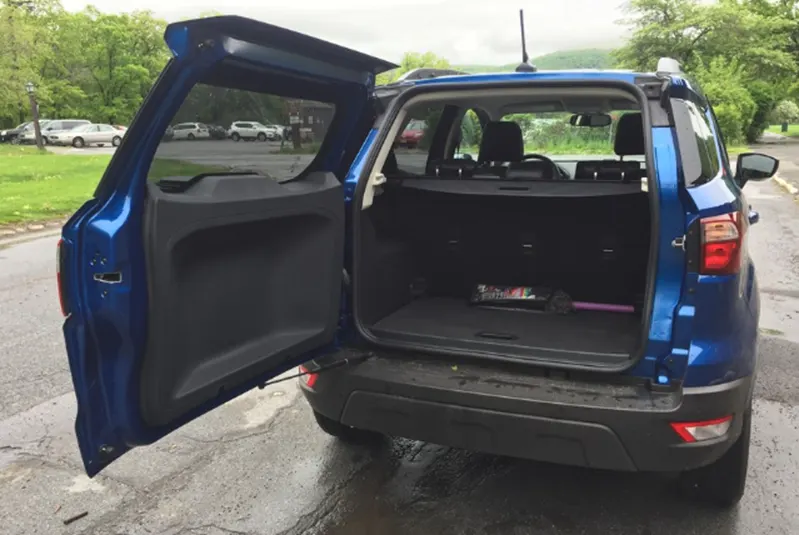
Side mounted
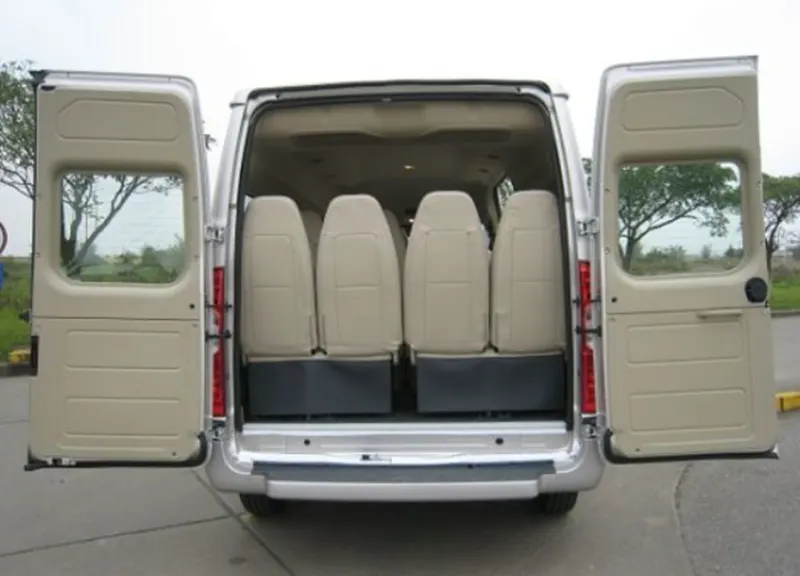
Split type
The back door comprises of following parts which form the back door assembly together.
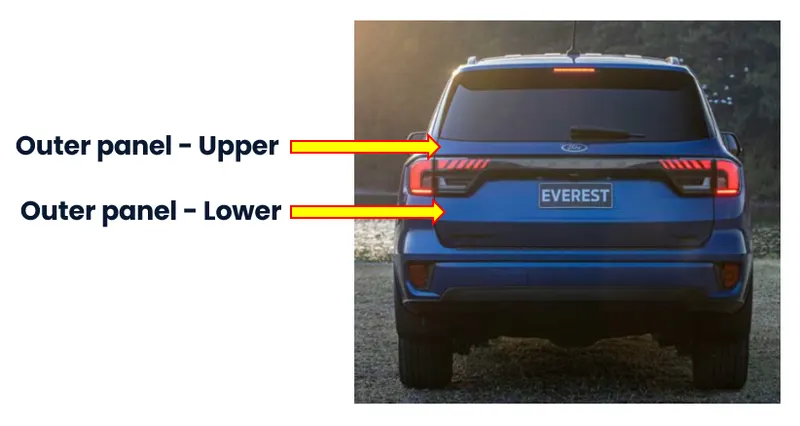
- Back door outer panel (Upper)
- Back door outer panel (Lower)
- Back door inner panel
- Hinge reinforcements
- Gas stay reinforcements
- Latch and striker reinforcement
- Wiper motor reinforcement
Outer panels
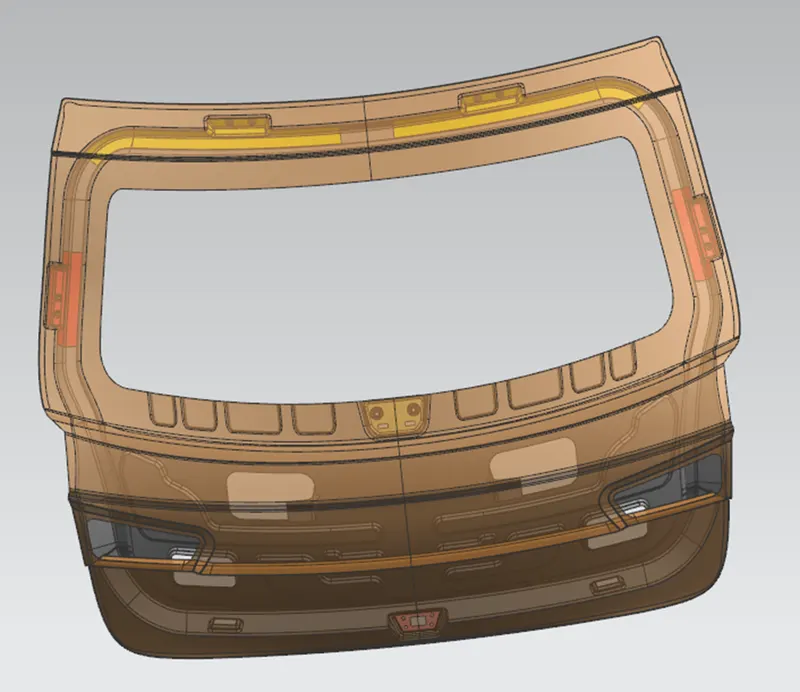
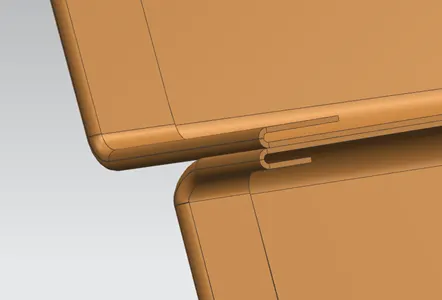
It is the outermost visible part of a back door assembly which has an upper and a lower panel joined together. The upper panel match with roof at the top and the lower panel match with the rear bumper at bottom. The outer panel has more about aesthetic functionality than the inner panel. It has the provisions for tail lamp, registration plate and rear wiper. The outer panel is provided with hemming to join it with the inner panel at the ends. Outer panels are mostly made of steel and manufacturing process used is deep drawing. Upper and lower outer panels are joined together by brazing.
Inner panel
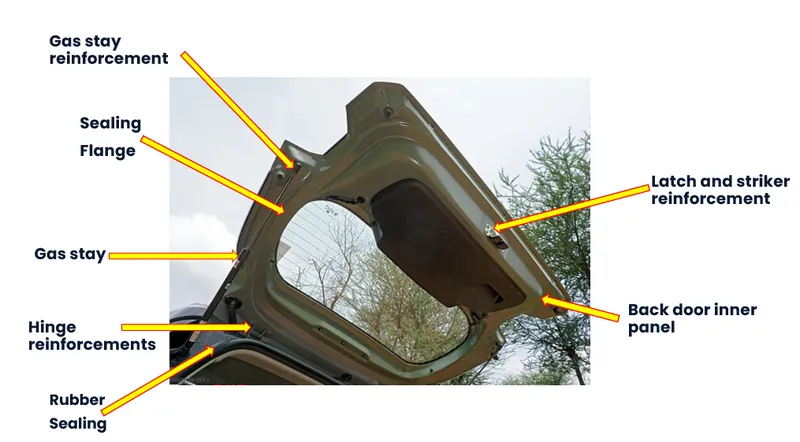
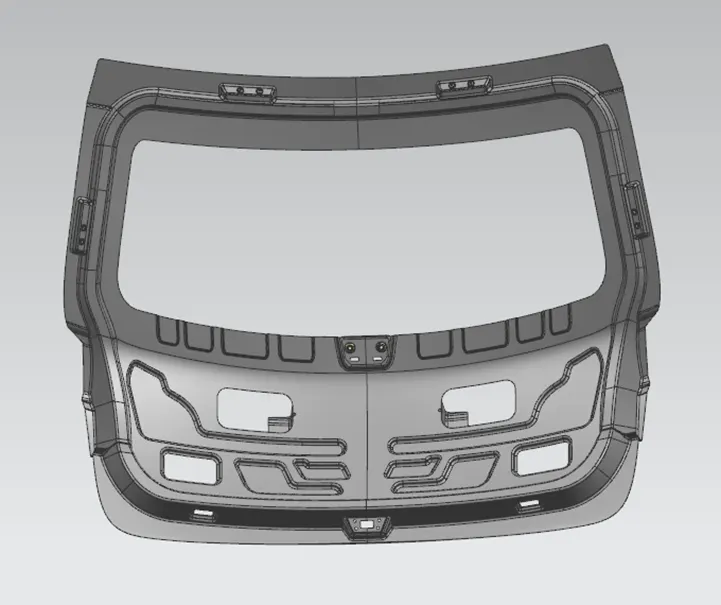
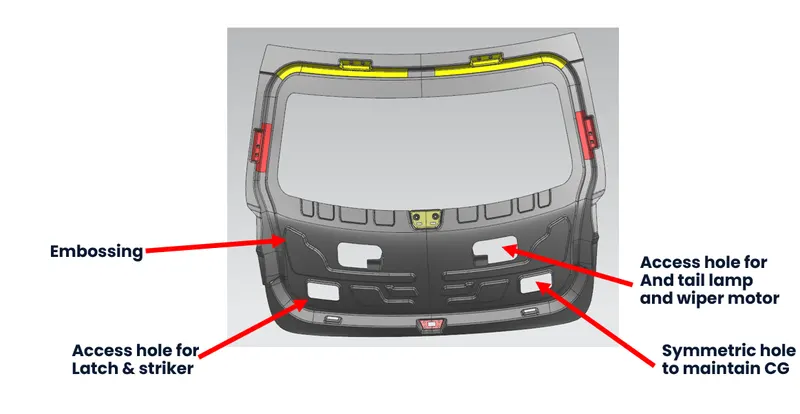
The inner panel of the back door is used for strengthening the door assembly and it is one of the most important part on which all accessories are mounted and it features hinges, glass guide channel, trim mountings, latch etc. Inner panel may be made of either steel or aluminum based on the budget since aluminum has many advantages such as space and weight saving but it has higher cost than steel. Based on the material used inner panel will be either casted or made of deep drawing. The inner is designed by offsetting the given class A surface as per the given master section. Embosses are provided with shapes which will dissipating the energy outside and not inside the passenger cabin. Embosses are also provided at areas where strength must ensure such as hinge and gas tray mounting arears.
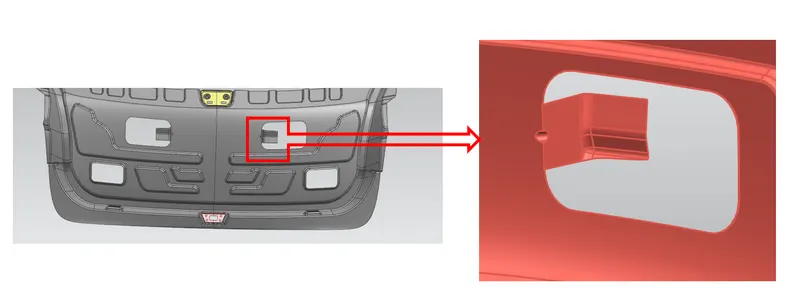
Additional mastic surface to avoid ratling between outer and inner panels as shown above. A mastic sealant which is a liquid sealant used to join the upper and inner panels.
Hinge reinforcements
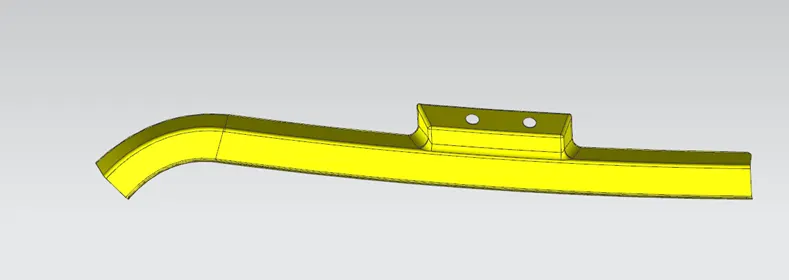
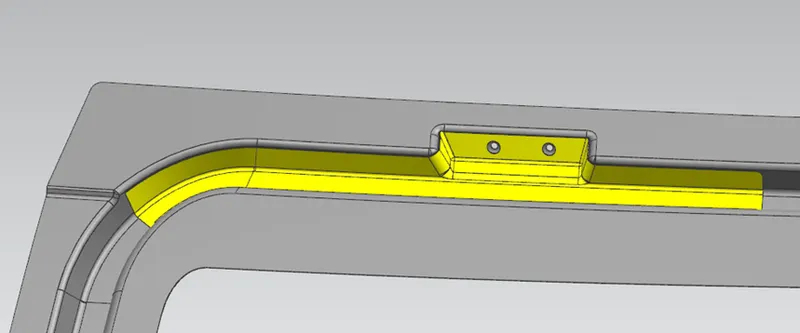
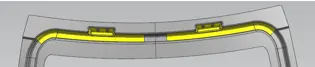
Since holes are provided, the hinge area becomes weak, in order to avoid product failure and to make the area stronger hinge reinforcement are provided as shown below.
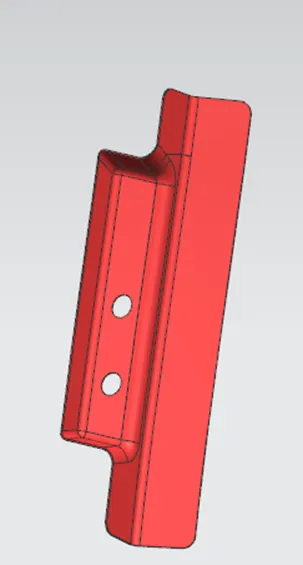
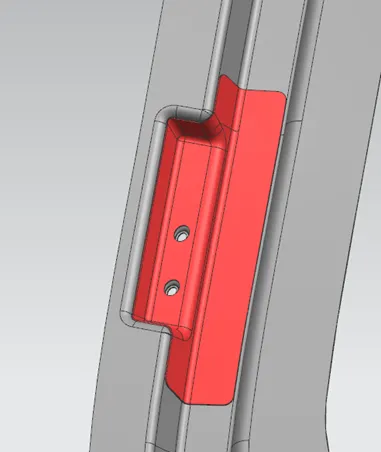
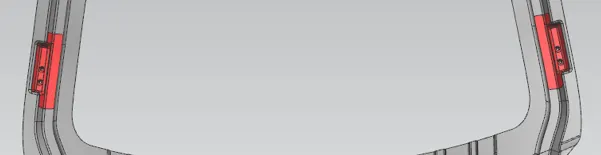
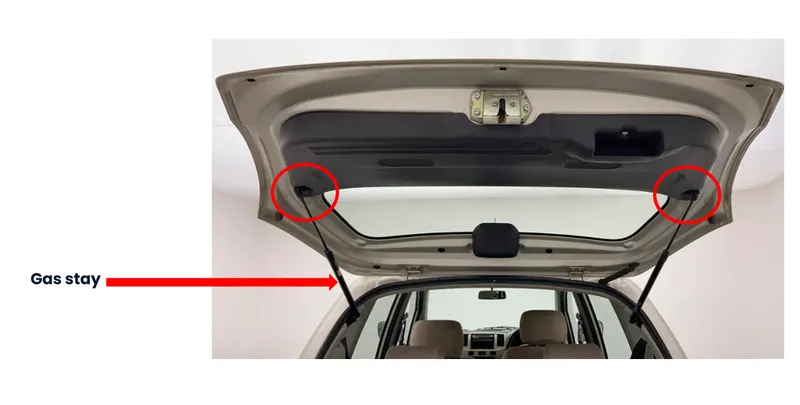
Gas stay reinforcements
Since holes are provided, the gas stay mounting are becomes weak, in order to avoid product failure and to make the area stronger hinge reinforcement are provided as shown below.
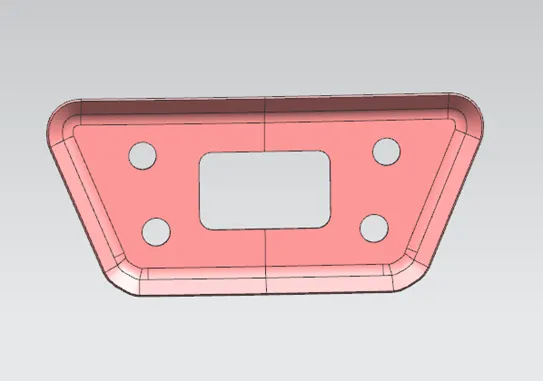
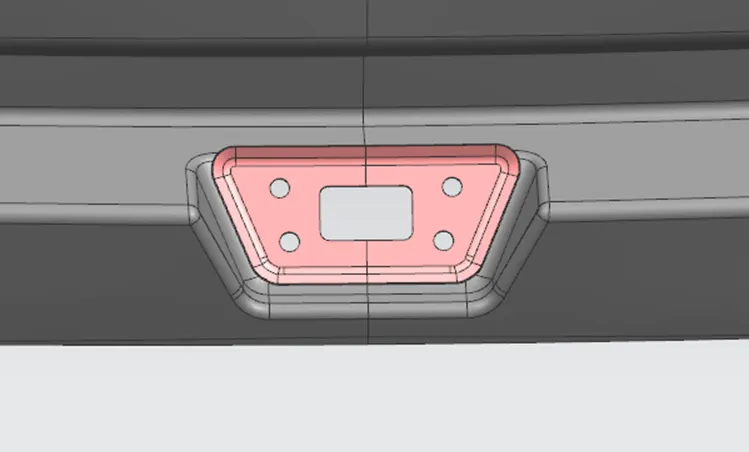
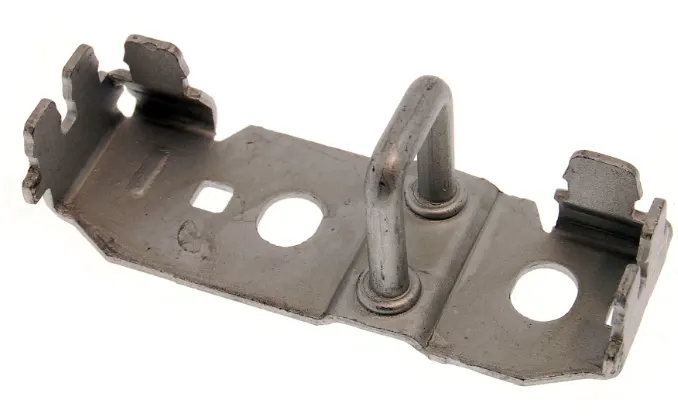
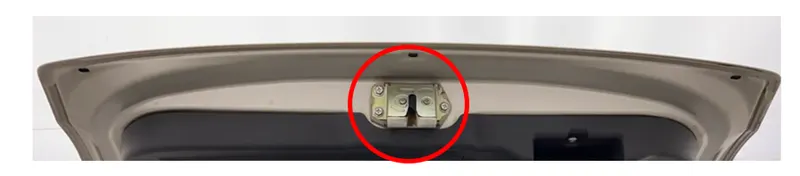
Latch and striker reinforcement
Latch and striker is attached to the back door lower area and while closing the door this latch will go and mate with the arrangement above rear bumper on the car body in order to completely close the door. Since fixing hole is provided at this area may be weak and also to withstand the impact while closing a reinforcement is provided as shown below.
Wiper motor reinforcement
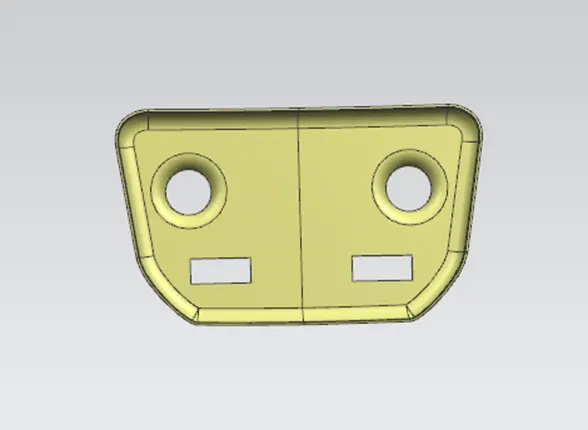
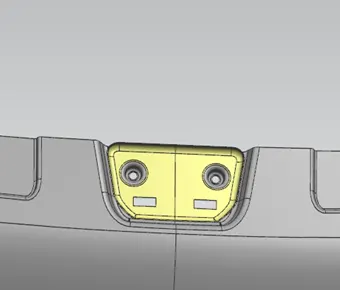
Rear glass wiper motor will be concealed between rear upper and inner panels. Since the hole will weaken this area, reinforcement is provided to strangthen wiper motor fixing are as shown below

Manufacturing Techniques
Car panels are manufactured by metal forming processes. The process begins with a sheet metal blank, a quantity of metal in some standard form that will undergo the change in shape. The blank becomes the workpiece -- the piece of metal to be reshaped -- in the process. For automotive metal forming, the blank can be stamped, cut or bent into a shape needed for an automobile's body. Alternatively, it can be a solid block of metal in a cubical or lens-like shape. Following are the widely used processes for roof panels and roof rails.
Stamping
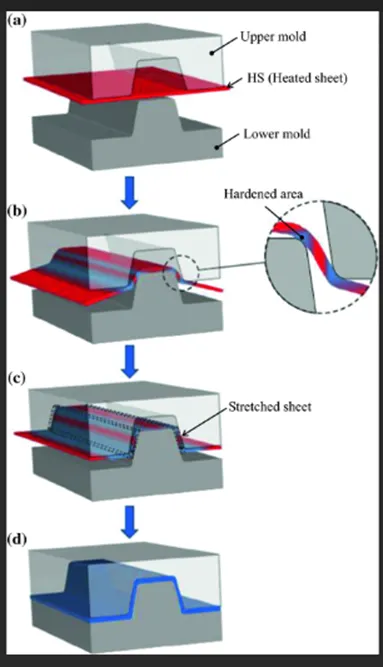
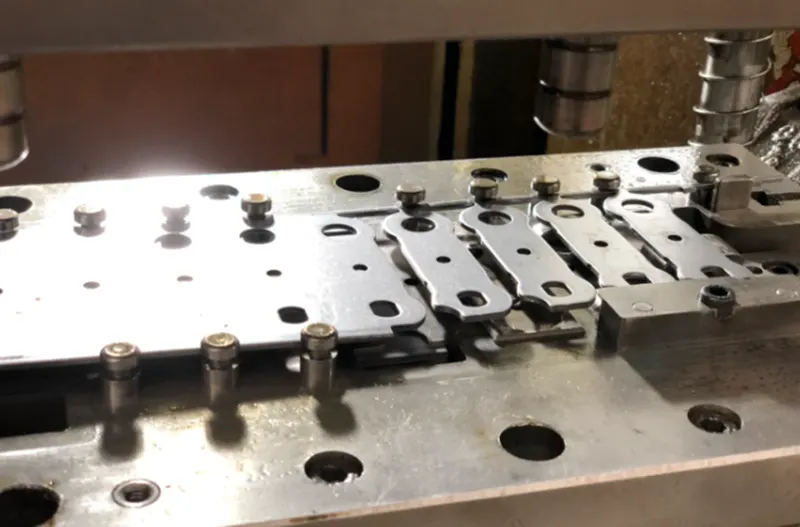
In stamping, a device called a stamping press is used with a series of dies to cut and form metal into various shapes.
Drawing
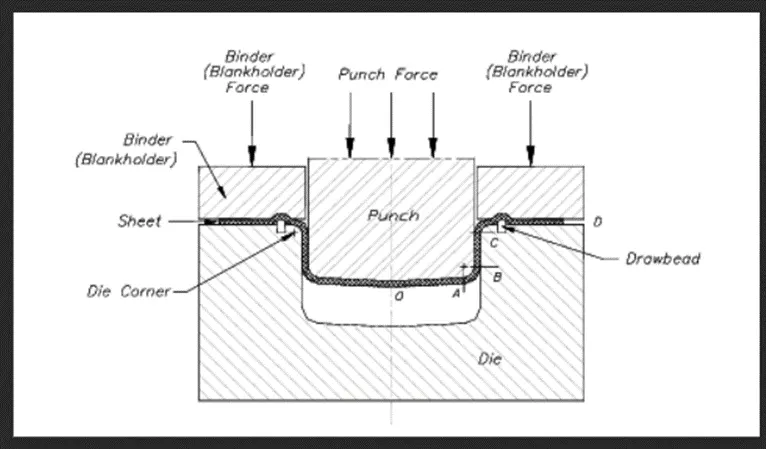
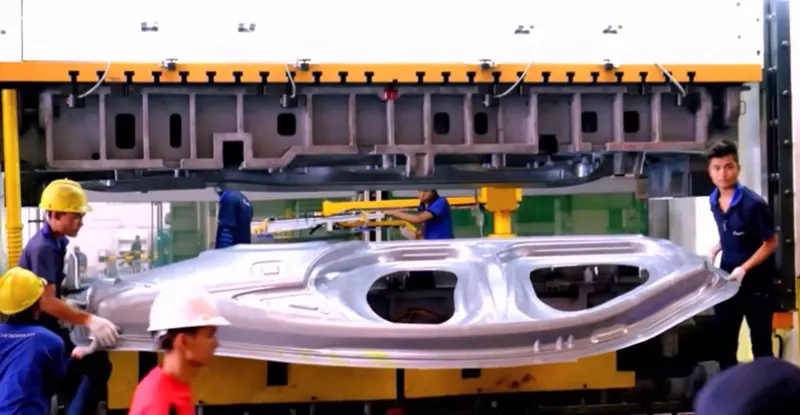
In drawing, the sheet metal is forced against a die that has been cut into the three-dimensional, often curved shape that the sheet metal is to take on. In effect, the die is used as a mold for the metal. This technique can produce relatively complex shapes. Once again, pressure is applied to the workpiece using a hydraulically or mechanically operated punch.
Hemming
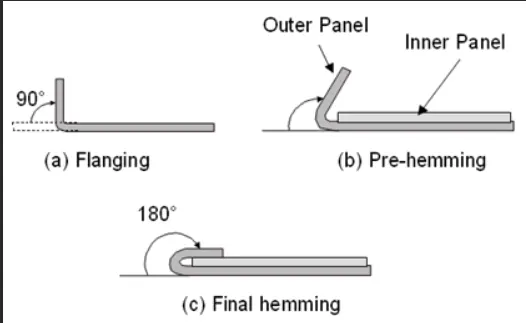
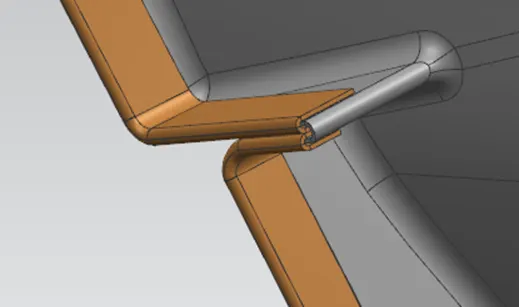
Hemming is a sheet metal operation where the edges of the part are wrapped around a surface using a roller tool. In this process working surfaces of outer and inner panels are joind by reducing the impact of the spot welds on the aesthetic surface.
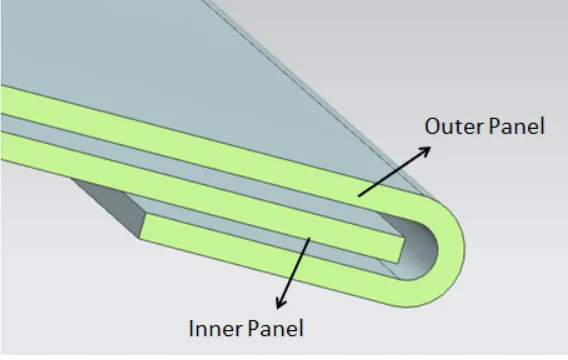
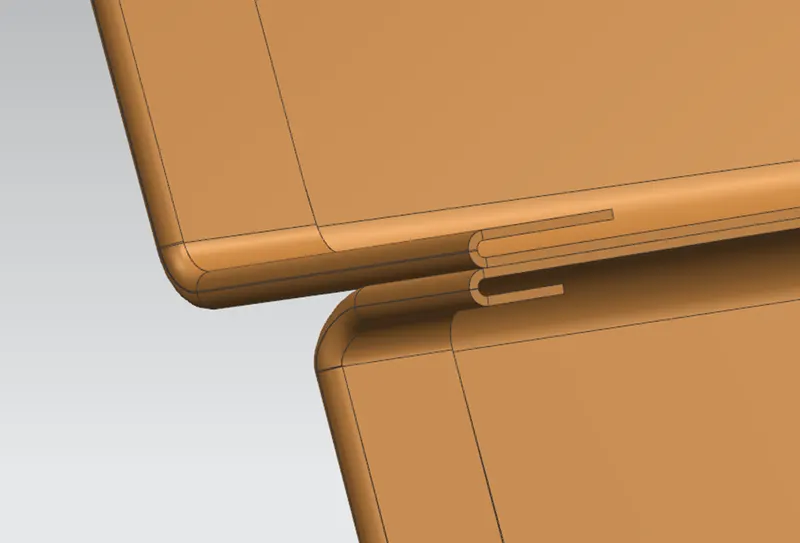
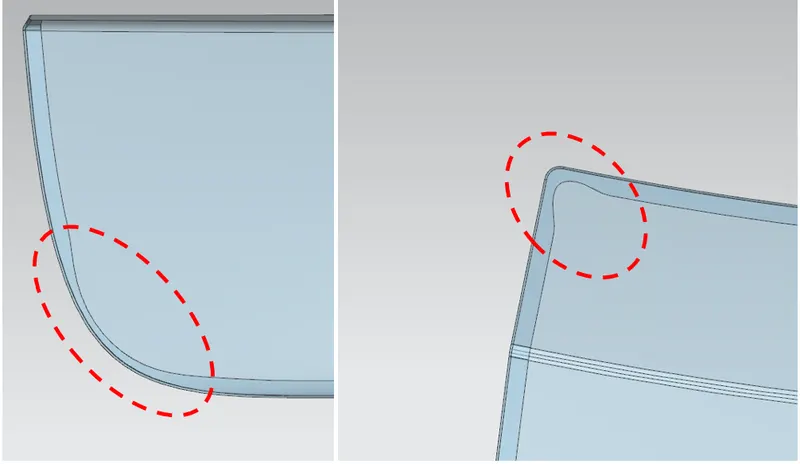
Corner reliefs are provided at the corner portions of the panel in order to have smooth rolling operation. Tearing of the sheet occures when the roller passes through certain portions can be avoided by these corner reliefs. It provides better surface finish and reduces the intolerances and complexities in the operation.
Draft Analysis
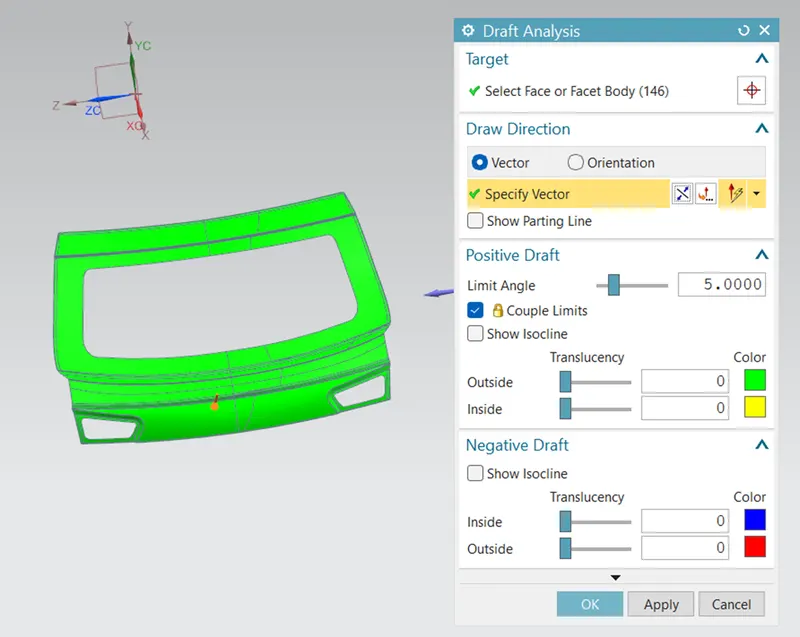
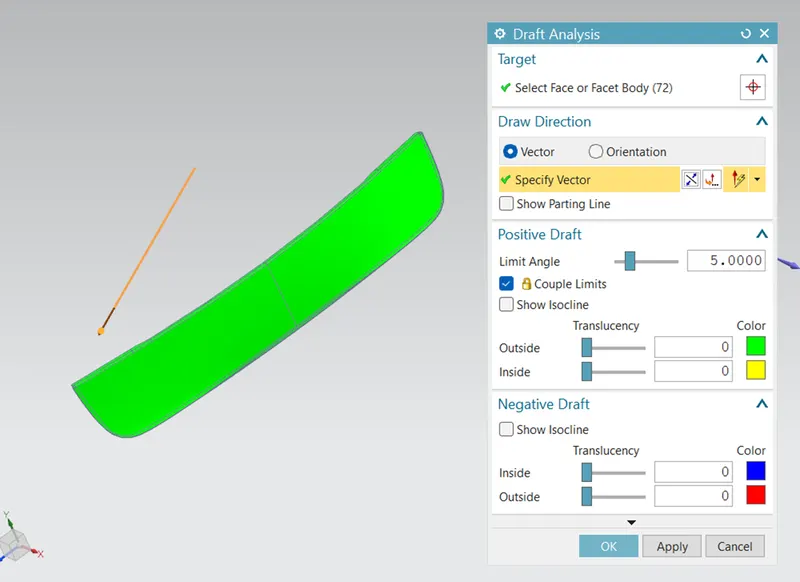
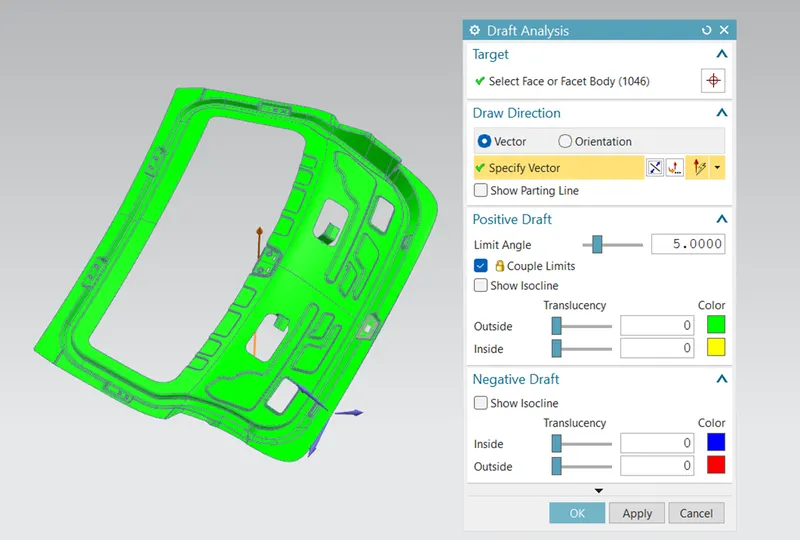
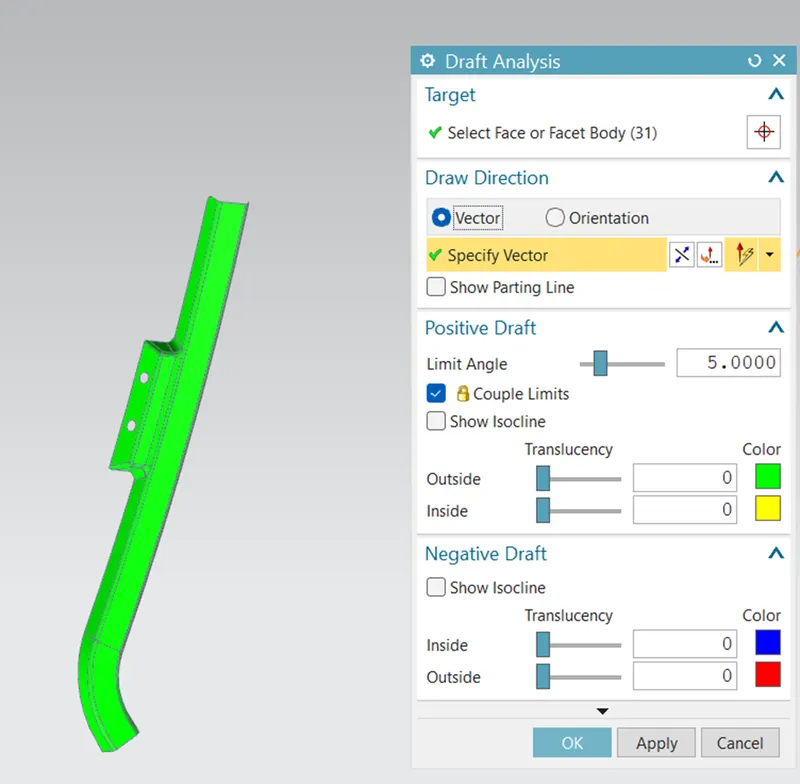
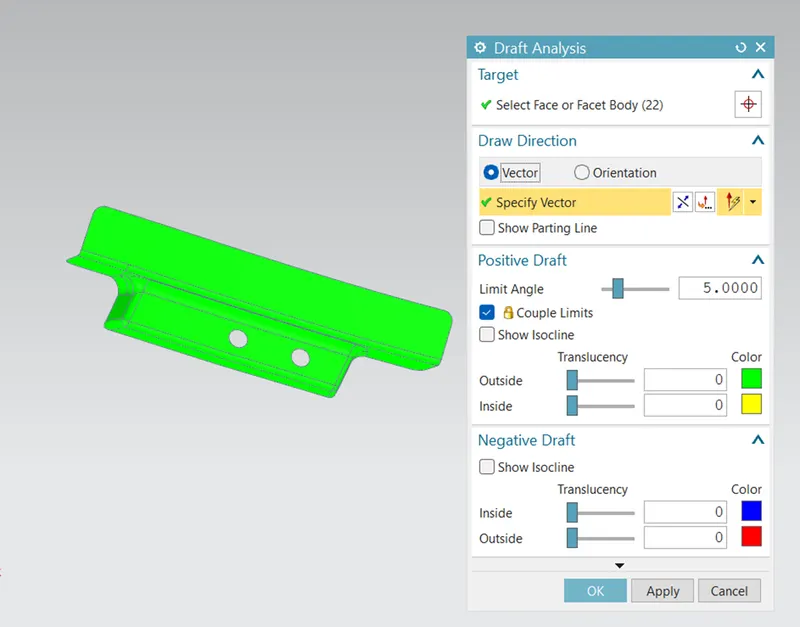
Draft analysis done for each part of the back door assembly.
Images are attached below.
Back door outer panel (Upper)
Back door outer panel (Lower)
Back door inner panel
Hinge reinforcements
Gas stay reinforcements
Latch and striker reinforcements
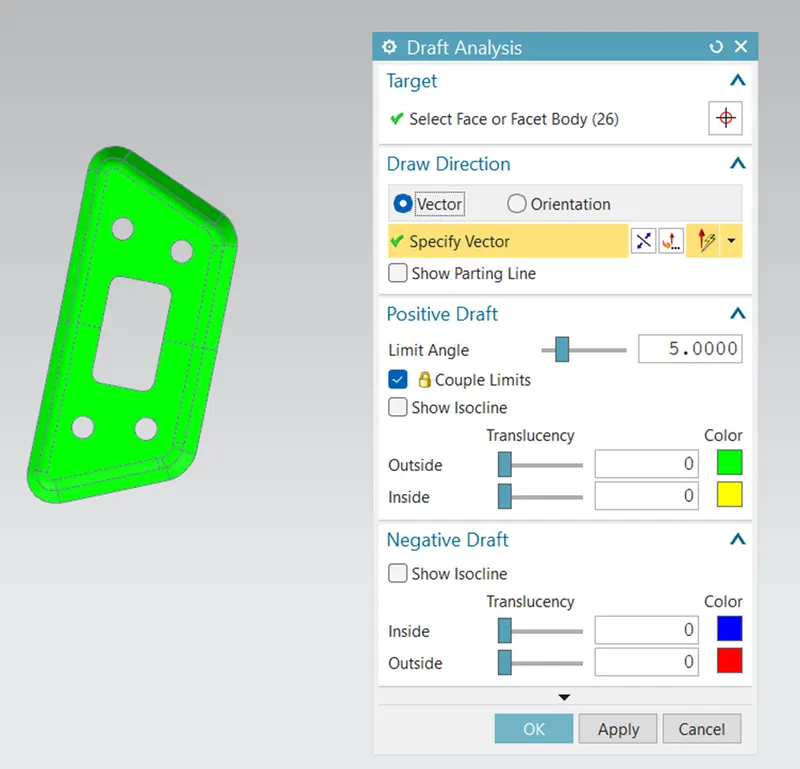
Wiper motor reinforcements
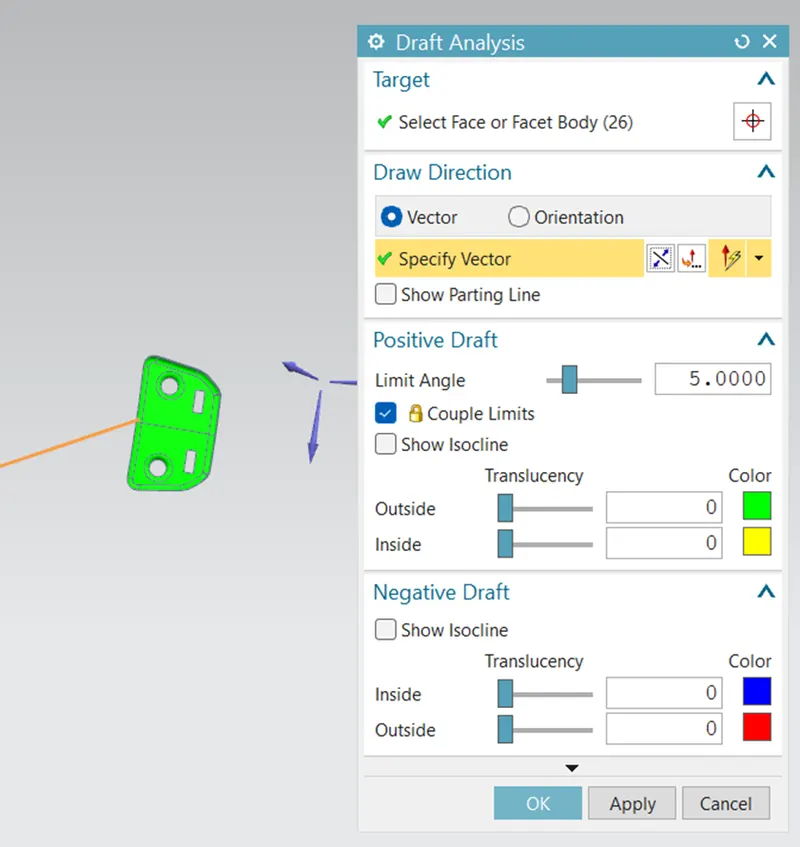
Assembly
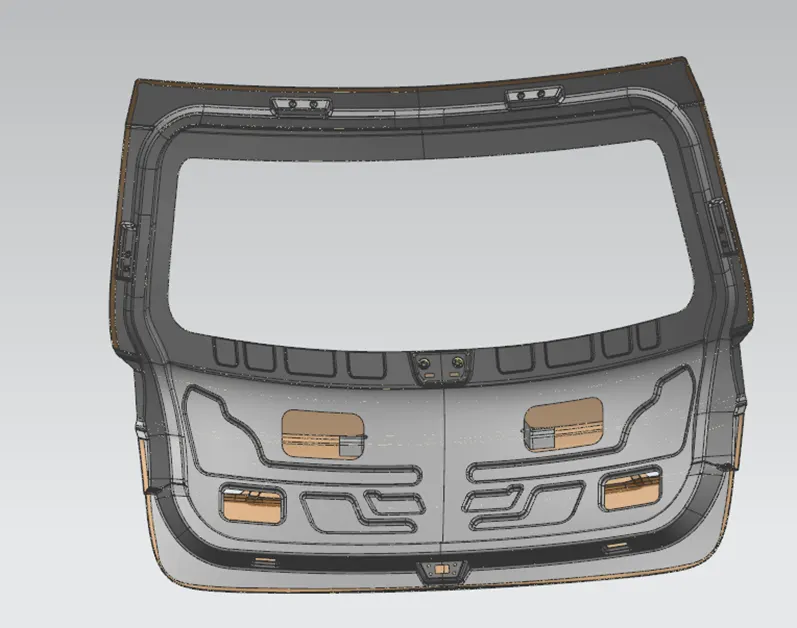
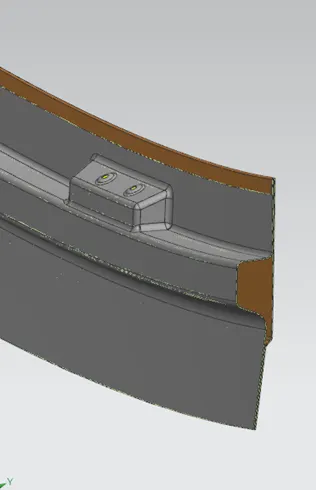
Inner panel designed based on the given outer panel. Reinforcements are provided for hinge area wiper motor latch & striker and gas stay fixing area on the inner panel. Embosings are provided on inner panel in such a way that forces will be disipitated towards in case of a collision and it will not tranfer to the passenger compartment. Masting points are provided for the bonding of each pannels. Hemming is provided between both inner and outer panels.
Sebin Baby