Fender Design
Car Front Fender
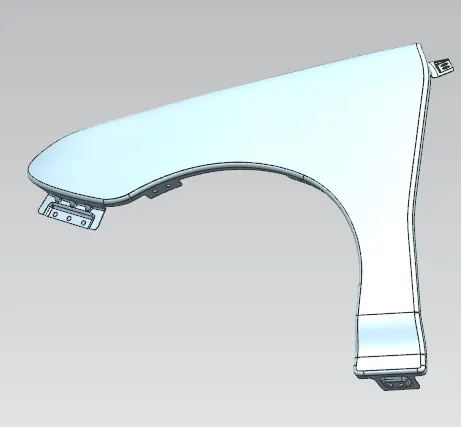
A fender is part of an automobile which is made of sheet metal plate that covers the wheels on the side. The main function of the fender is to enclose the Engine compartment from sides and prevent the exposure of engine to any foreign matter particles. Fenders protects the vehicle against the different types of debris that fly off from the road such as dirt, mud, and other debris off the tires and braking system. Front end of fender is connected to front bumper and rear end extends to the front door area in A piller. Outside panel of the fender is a part of car's aesthetic design and may also be the hosing for side turn indicators.

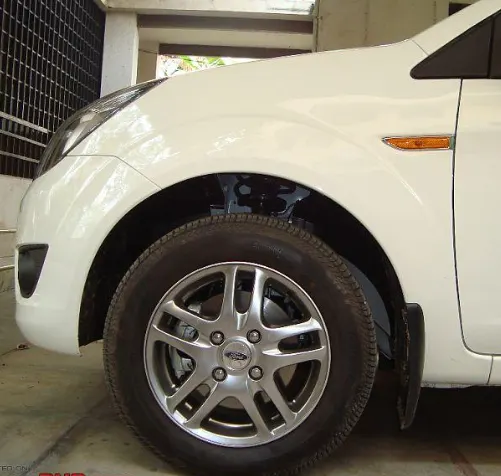
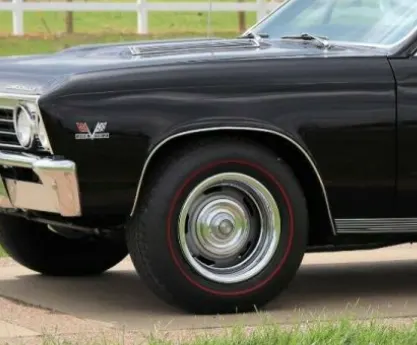
Based on the design front fenders can be of two type.
- Full bumper type
- Half bumper type
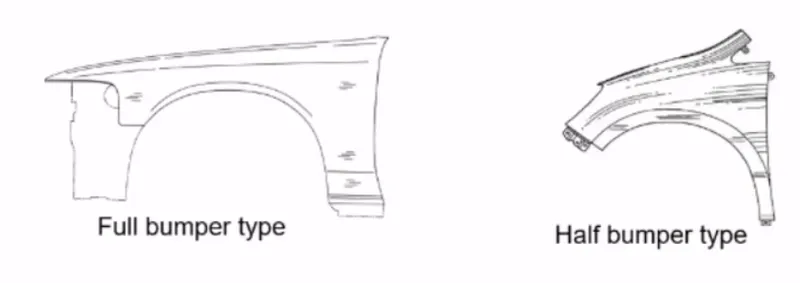
Full Bumper Type
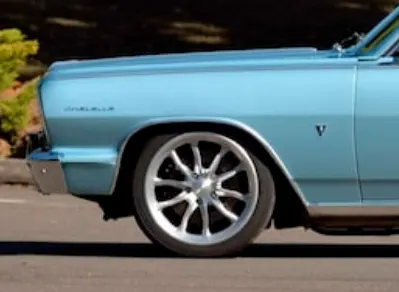
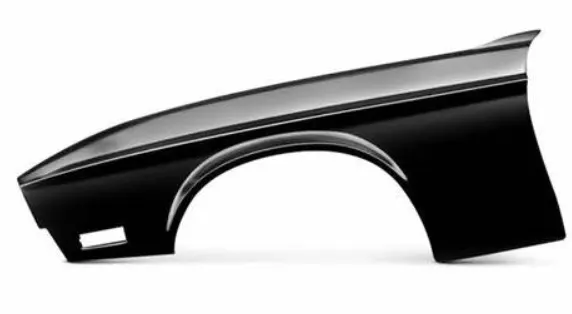
Older generation cars had these long fenders as shown in above sketch. Metal usage as well as cost will be higher for these type of fenders. On these type of fenders front bumper will not cover for the head lamp area. These type of design have small simpler front bumper.
Half Bumper Type

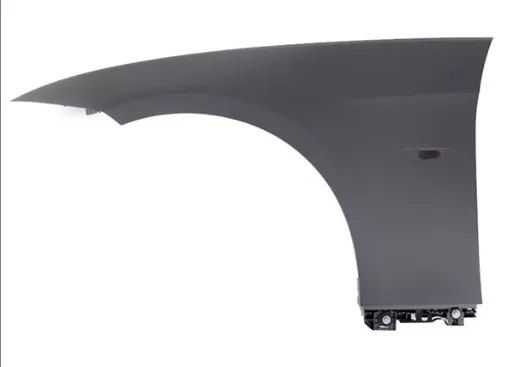
As shown in the above examples half bumper type is comparitevly smaller and shorter than the full bumper type. Allmost all new cars are having this type of fender. They have the main advantage of material saving since major portion are covered by front bumpers. Significant wastage of blank can be saved by using this type of fenders and large front bumpers.
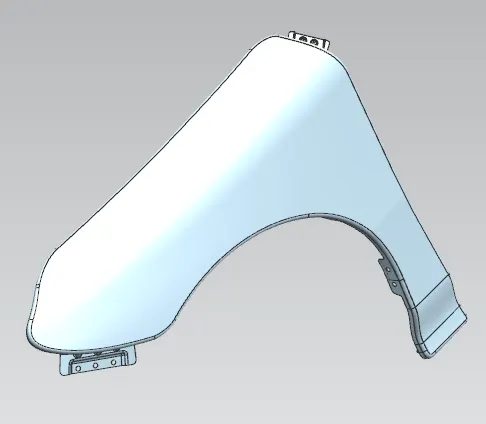
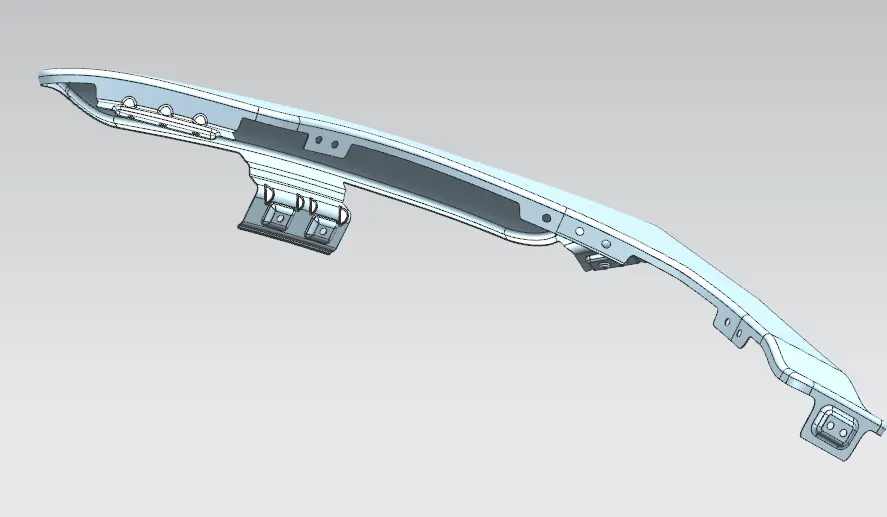
While designing a car front fender, mounting provisions are required at the below mentioned locations.
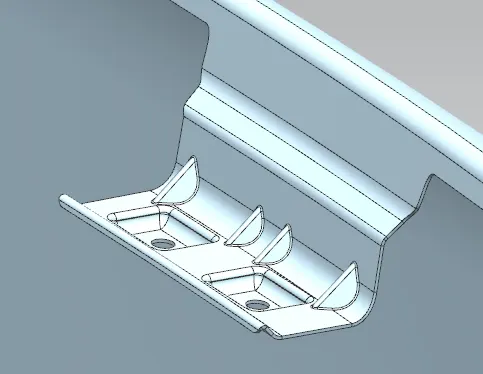
- Drip Area
This area is inside the engine compartment where the fender will be rigidly fixed with car body. Clearences from engine, head light area and wiper mechanism ares are all provided while designing this portion. Fillets have been given as reliefs as per the draft specification. Circular emboss is also provided in the design to prevent fillet overlapping owing to the small drip area. Special ribs are also provided at this area for reinforcement. The vertical height of al the flange of the drip area is maintained below 60m in order to avoid spring back effect and vibrations.
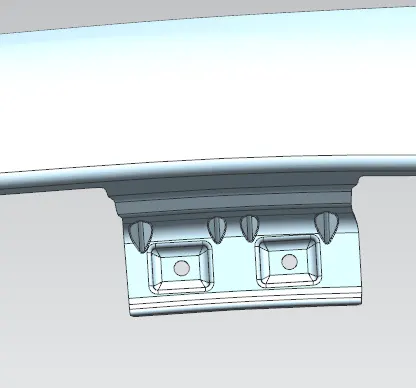
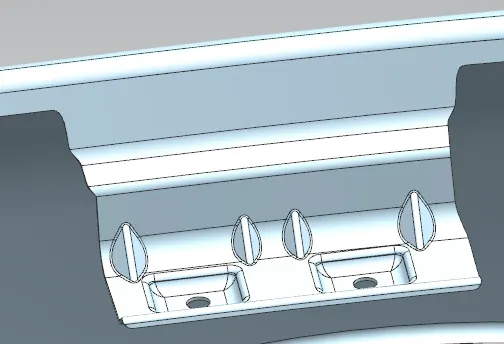
- A pillar Mount
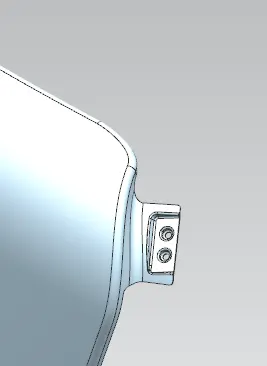
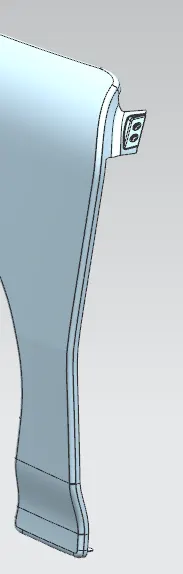
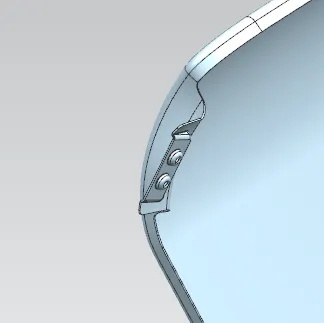
Fender will be rigidly fixed at the Apiller area with the help of bolts. Emboss is provided in the design to prevent fillet overlapping owing to the small mounting are. This area and mounting mechanism are designed by taking reference from a piller and front door locations of the vehicle.
- Sill Mounting
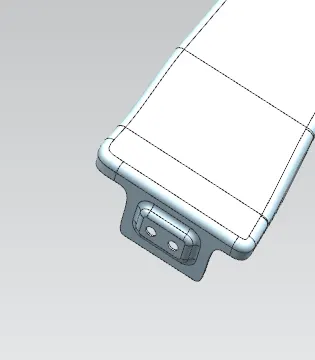
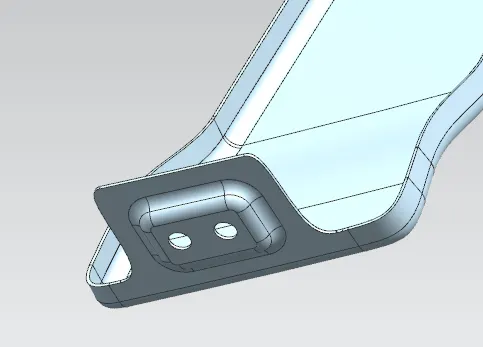
This mounting location is added to fender at the bottom of the fender and the fender will be rigidly fixed to the sill or lower body area of the vehicle body. Emboss is provided in the design to prevent fillet overlapping owing to the small mounting area and to withstand weight of the part.
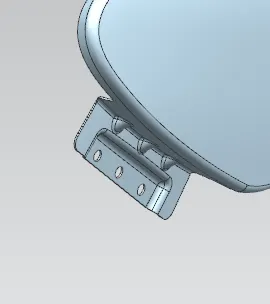
- Bumper Mounting
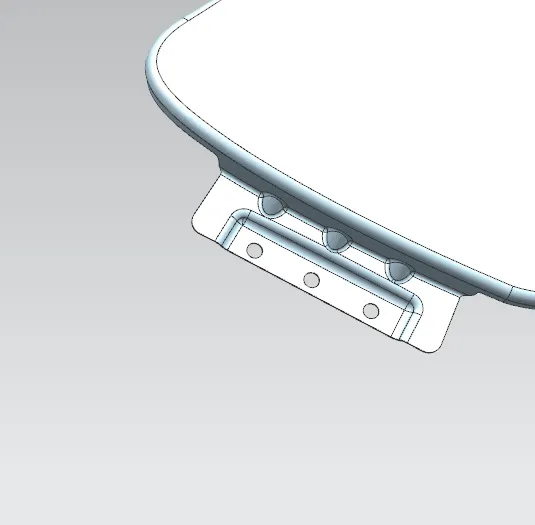
Front bumper of the vehicle will be fixed to the fender at these mountings. These mountings have to be designed with considering the bumper weight into consideration. Small ribs and emboses are provided for these muntings for better reinforcement of this area.
- Baffle Mounting
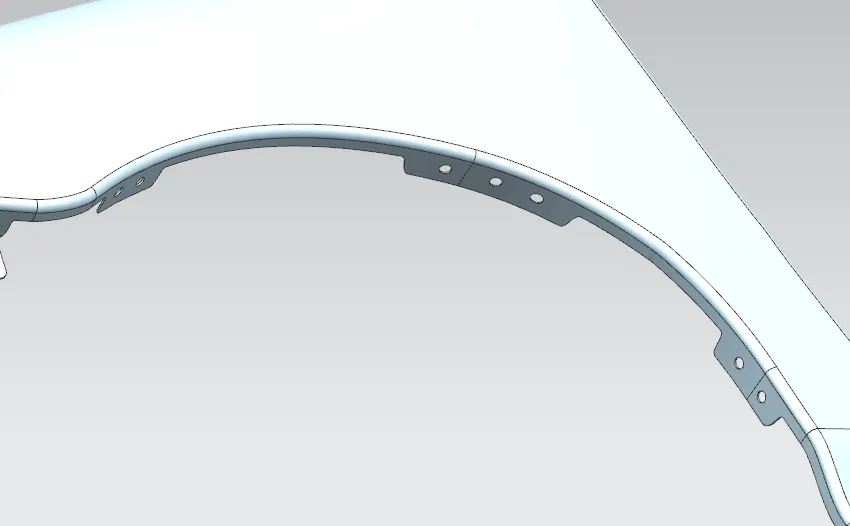
Multiple mounting points are provided at the wheel arch area to attach the plastic wheel arch panels. These panels will safe guard the vehicle against the different types of debris that fly off from the road such as dirt, mud, and other debris off the tires. Since light weight plastic parts are mounting at these locations they are the smallest mounting positions.
Sebin Baby
at these locations they are the smallest mounting positions.