Design of backdoor
DESIGN OF THE CAR BACK DOOR
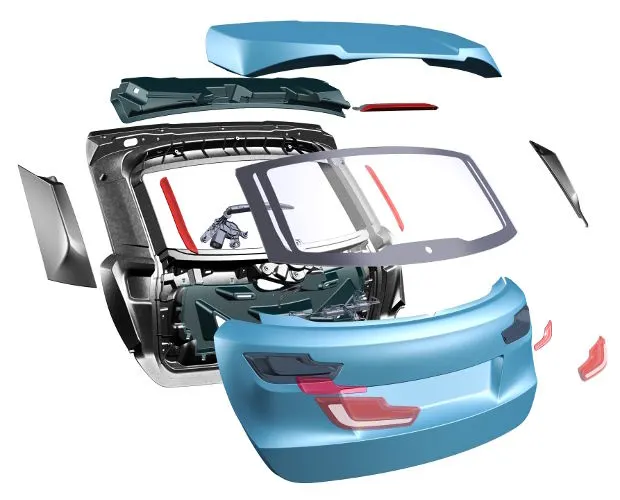
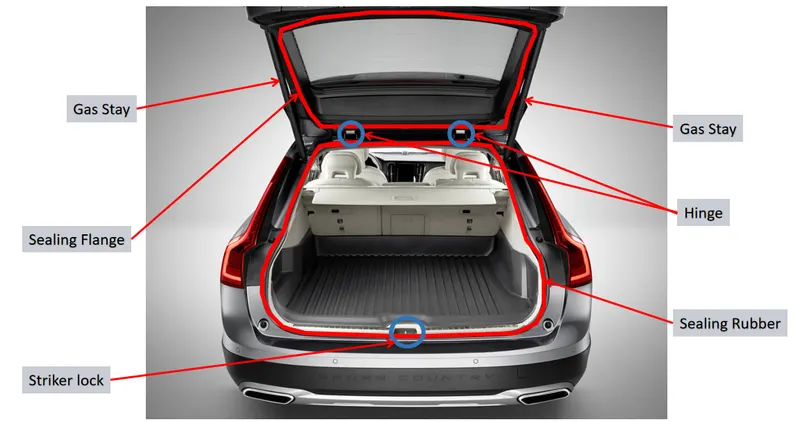
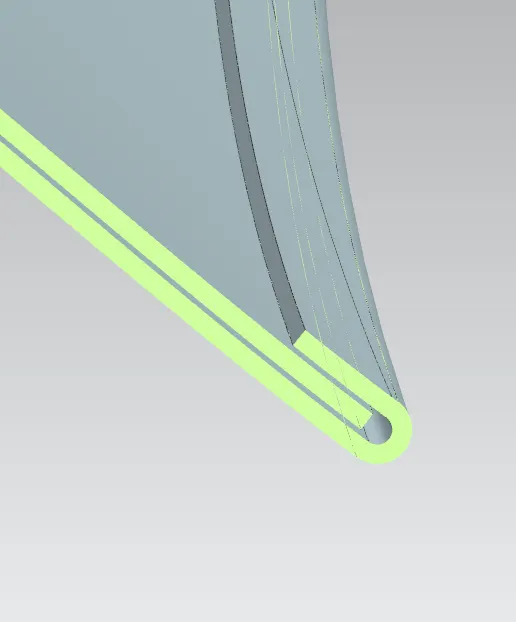
car rear door is used for assessing the boot space which can be used for cargo loading and unloading. In this challenge, I designed the back door's various parts like- the inner pannel, hinge & Gas strut mounting, and striker mounting, and also to give the mounting strength I designed reinforcement, later I did hemming for both the outer panel upper and lower. draft analysis is also done on the inner panel.
back door inner panel design
to design the inner panel give data is t=0.75mm
sealing flange- sealing flange as shown in the figure is a flat surface that is going to rest on the sealing rubber during the back door close condition. to provide leak-proof conditions during rain and also reduce noise 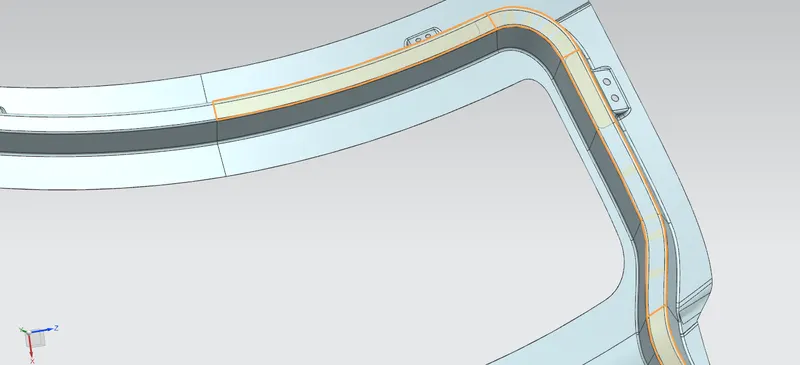
emboss - embossed panels have more strength than normal flat panels. to give strength to the panel we have to make some emboss.
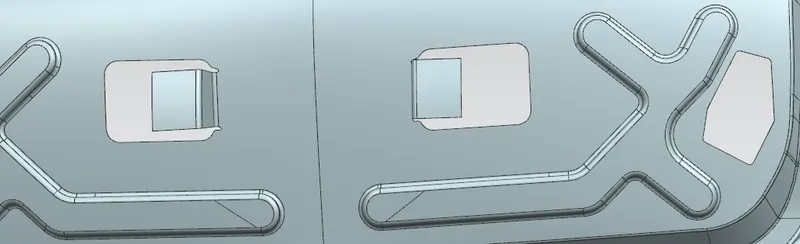
mistake area - door lower area the gap between outer panel and inner panel is too large because of it we have to provide the support later mistake is going to take place there.
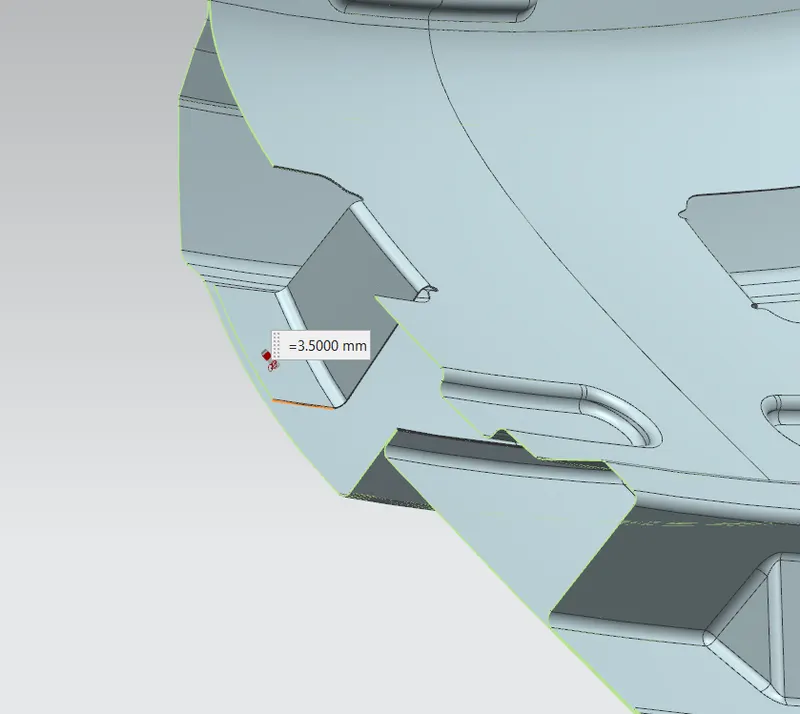
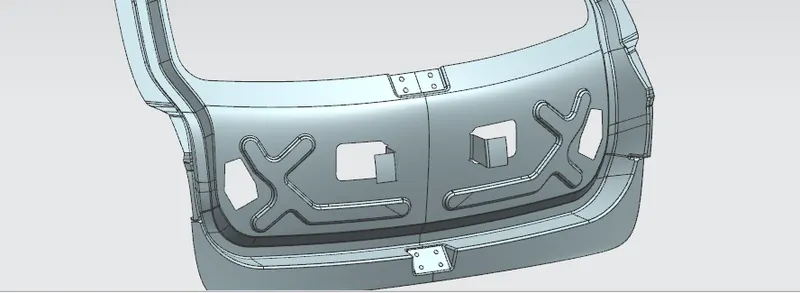
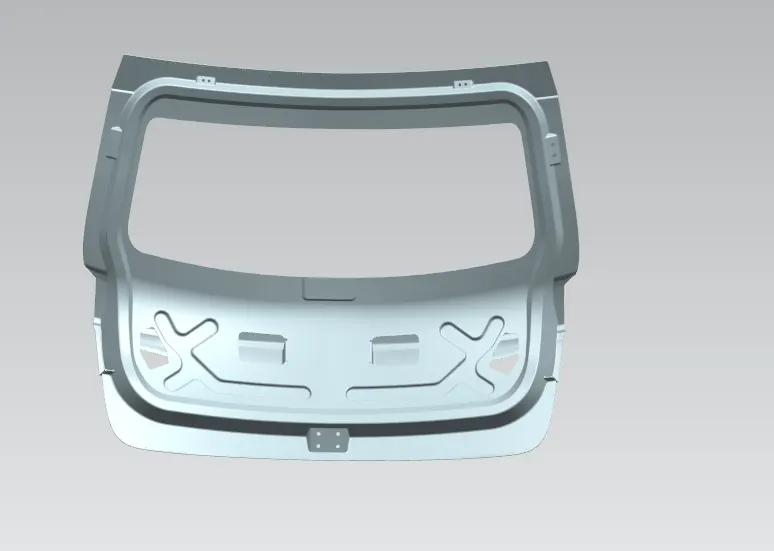
door inner panel
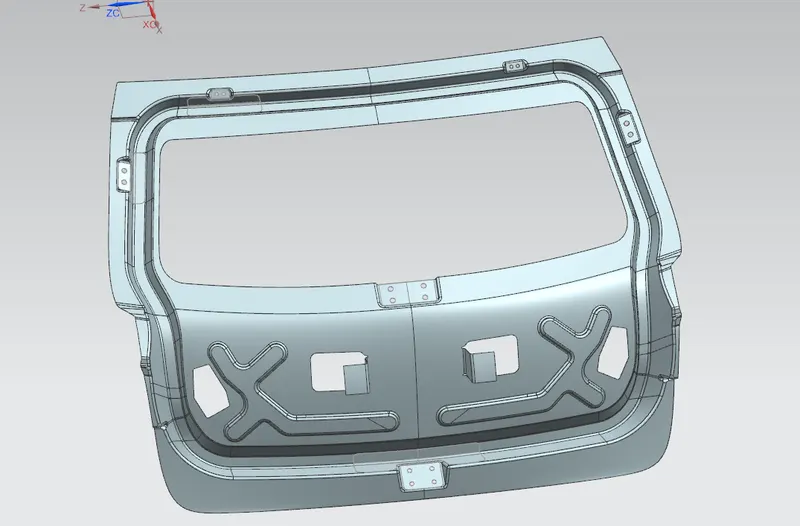
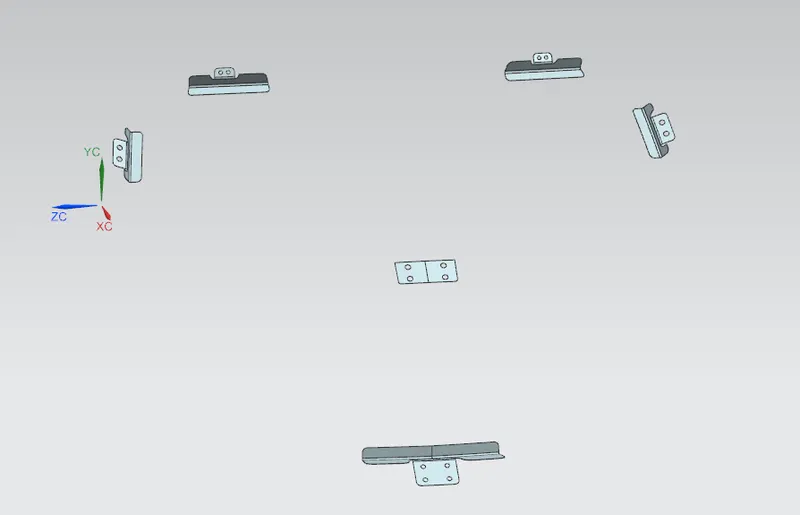
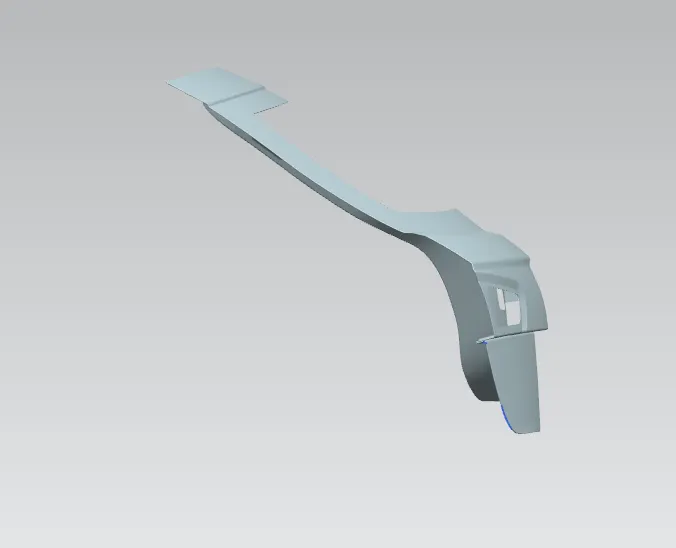
reinforcement of the mounting area
t=0.75mm
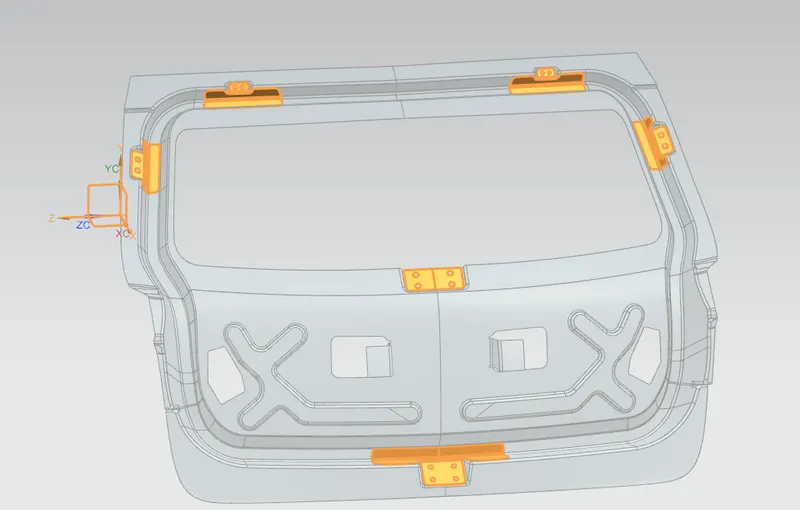
gas strut, hinge, wiper motor mounting, striker reinforcement
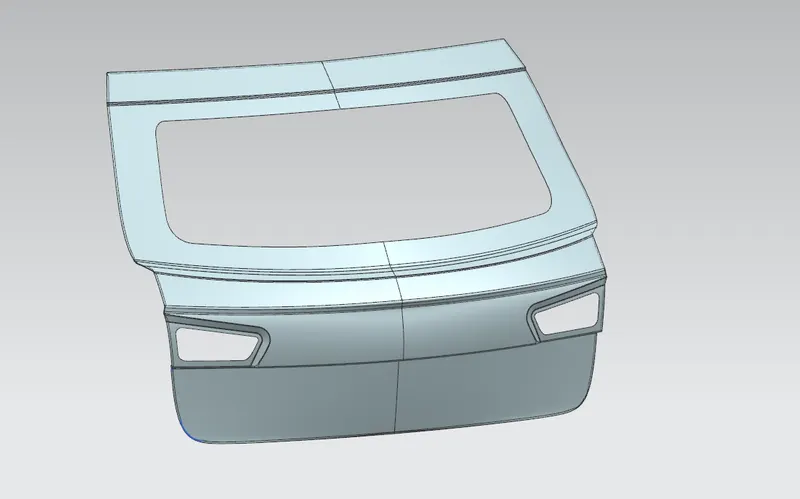
lower panel with hemming
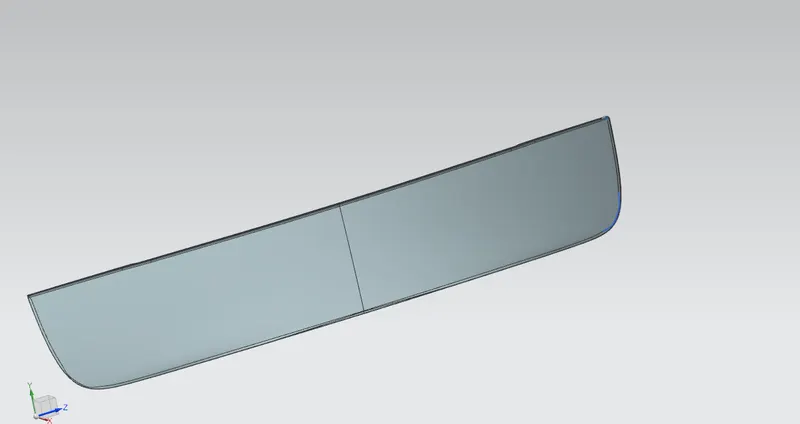
upper outer panel
hemming
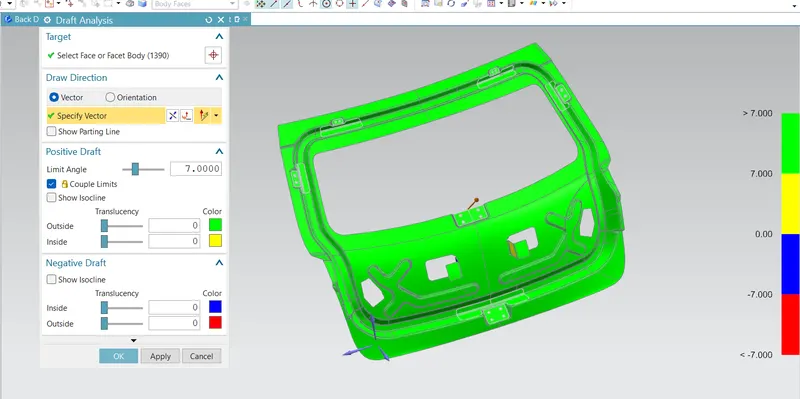
draft analysis for inner panel
mastak area flange is made separately so the is no need to clear the draft analysis.
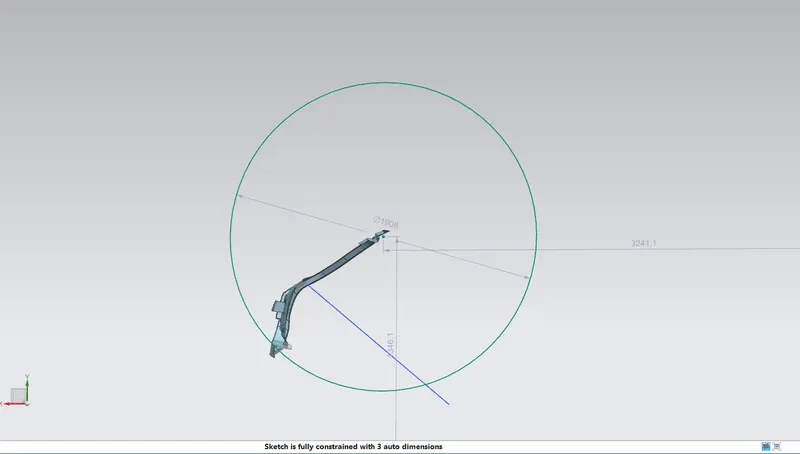
latch & striker tragectory
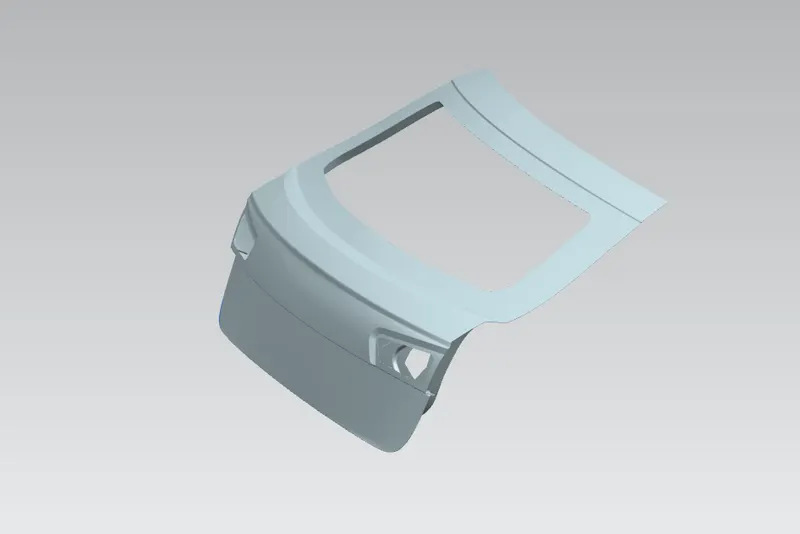
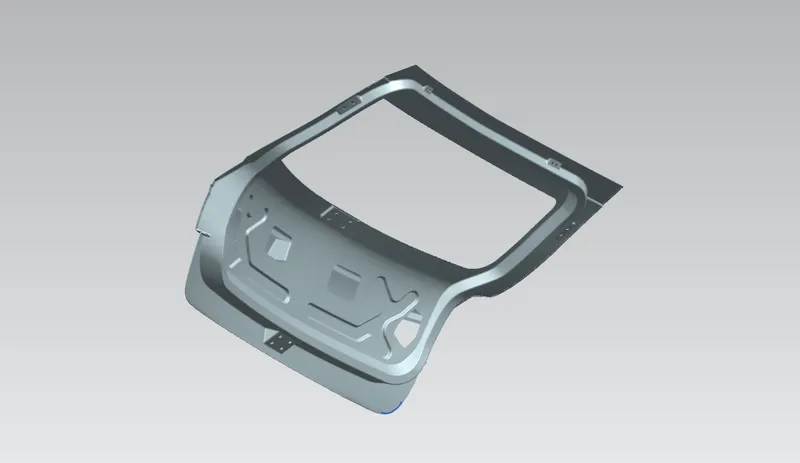
complete Back door panel
Materials Selection:
The selection of material plays a major role in determining the overall weight of the back door. The common materials used are Steel & Aluminum. The density of Steel is higher than Aluminum thus adding more weight to the door. The material used in the manufacturing of the backdoor depends upon the budget of the car, most low-cost vehicles use steel as it is cheaper compared to Aluminium. Another aspect to be noted is that, if casted Aluminum parts are used instead of deep-drawn steel parts there is no need for reinforcements, and the overall weight of the car is reduced by approximately 5-10kg thus increasing the performance of the vehicle. Also, the draft angle for casted parts is around 3 degrees while for deep drawn parts is around 7-10 degrees which helps in increasing the luggage/ cabin space.
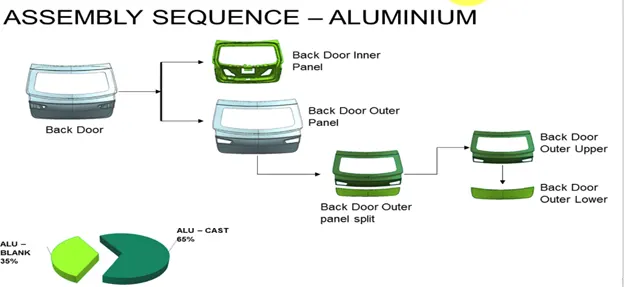
Fig. above shows the possible no. of parts in aluminum backdoor
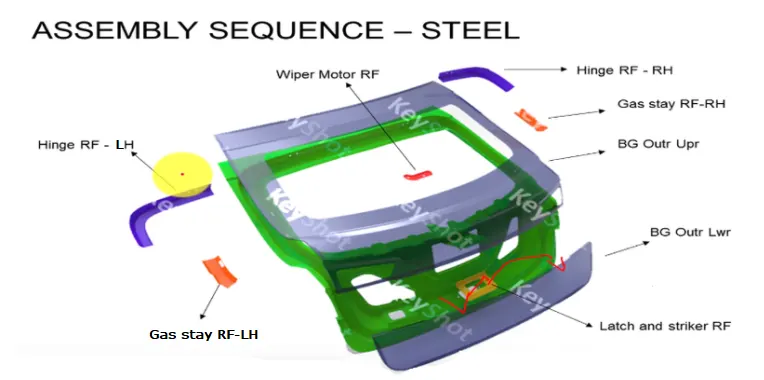
Fig. above shows the possible no. of parts in the Steel backdoor
The below table gives a piece of comparative information about Steel and Aluminium.
| Aluminium | Steel | |
| Parts | Parts are casted | Parts are stamped |
| Reinforcements | Reinforcements can be neglected | Reinforcements are necessary |
| Thickness | Thickness can be varied | Thickness should be uniform |
| Weight | Lighter in weight | heavier in weight |
| Cost | Costly as compared to Steel | Cheap as compared to Aluminium |
| No. Of components | Less No. of components | More No. of components |