Design of backdoor
Use the provided styling surface to come up with a back door design, use appropriate design methodologies, and provide the necessary reinforcements and embosses
Make sure that the assembly file and part files ( Outer panel, Inner panel, and Reinforcements) are in the same folder before zipping the folder and submitting it as an attachment. Also, attach the STEP (.stp) file of the assembly
Note:
- The videos provided in the help section are only for reference and not the accurate designs, the sole purpose is to give you an idea of how Backdoor CAD can be developed you need to decide the dimensions and other reinforcement and emboss definitions.
-
Attach the zip file. Don’t provide google drive links
-
Refer to the grading policy.
-
The report is to be made available in the provided Answer Box.
- Challenge help videos are available in the video number 28 - Help section
Solution:
Aim :
To develop the car Backdoor(Tail gate) with the reference of given skin data as per engineering standared by using NX12
Back Door :
The Back door is typically hinged, but sometimes attached by other mechanisms such as tracks, in front of an opening which is used for entering and exiting a vehicle.
A vehicle door can be opened to provide access to the opening, or closed to secure it. These doors can be opened manually, or powered electronically. Powered doors are usually found on minivans, high end cars, or modified cars.
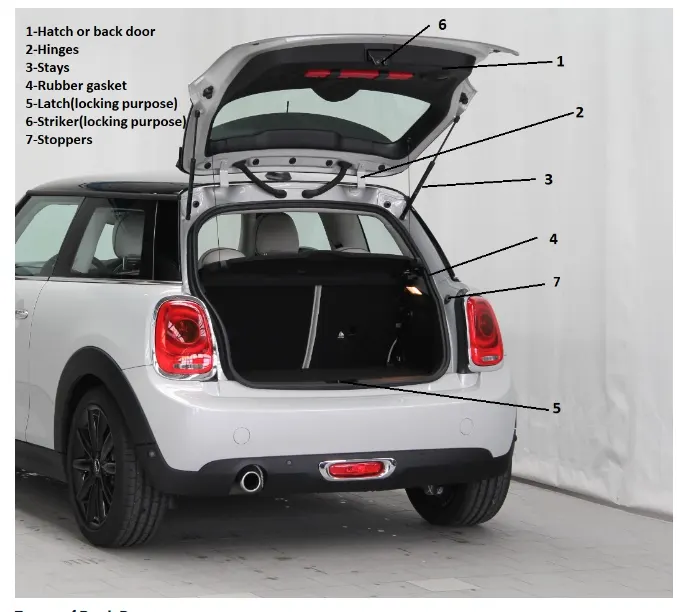
Types of Back Door :
- Top Mounted
- Side Mounted
- Bootom Mounted
Top Mounted Back Doors :
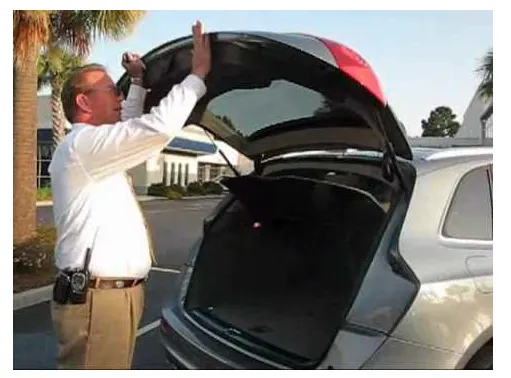
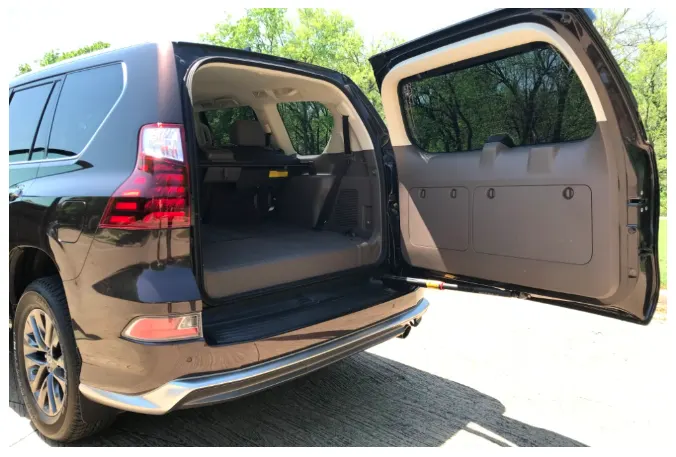
Side Mounted Back Door :
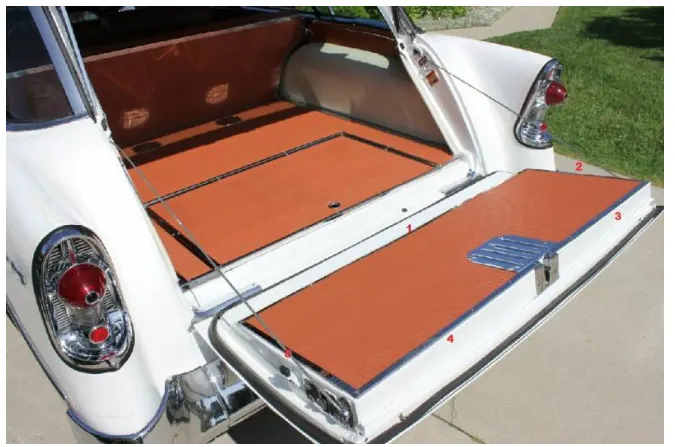
Bottom Mounted Back Door :
Design Consideration :
- Visibility Criteria
- Latch and Stricker Position
- Hing Position
- Gas Stay Position
- Space Avalibility
- Drain Holes
- Hemming and Relief area's
Components of Back Door :
The Components of Back Door as follows,
- Inner panel
- Outer panel
- Hinge and its reinforcement
- Wiper motor reinforcement
- Latch & stricker and its reinforcement
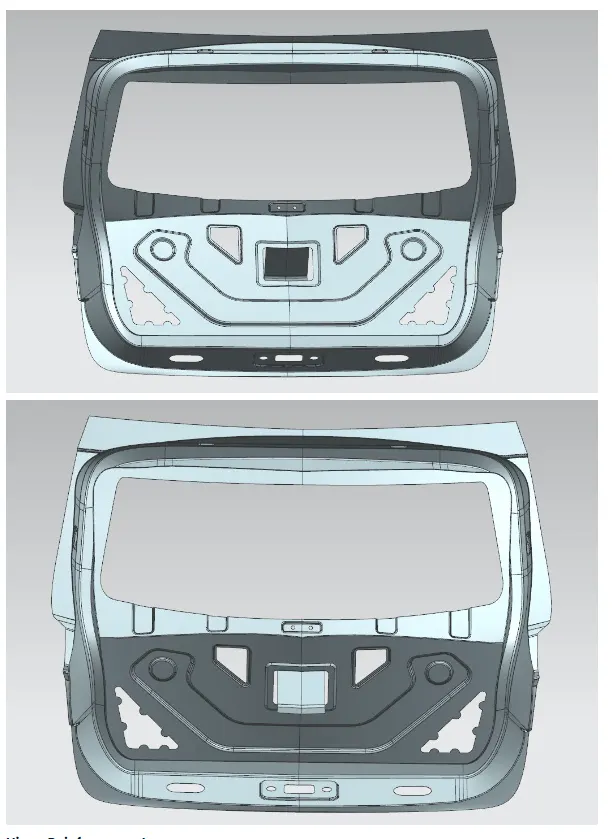
Inner Panel :
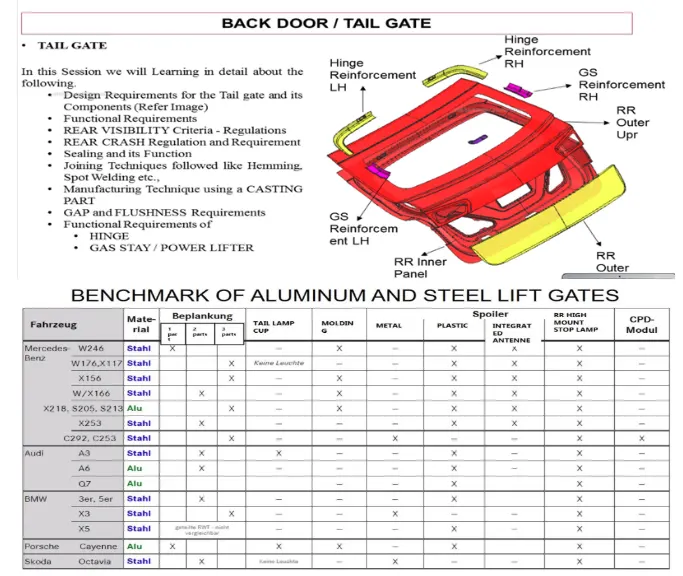
Inner Panel :
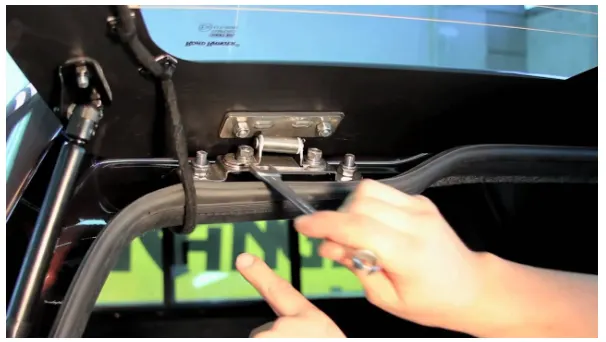
Hinge Reinforcement :
Hinges are the essential, that allows doors to pivot on one edge as they open and close. They are found on virtually all doors. It is a mechanical bearing that connects two solid objects, typically allowing only a limited angle of rotation between them.
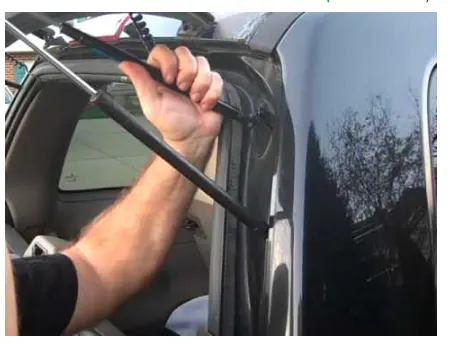
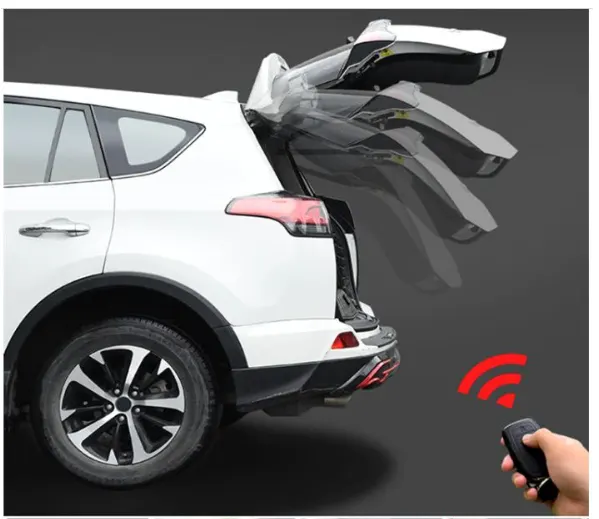
Gas stay Reinforcement :
It is used to lift up the Tail gate.
There are two types of Gas stay reinforcement is there. That they are
- Manual System
- Power Lift System
Manual System :
This mechanism is most used in Indian cars. It is operated man by his own.
Power Lift System :
It works on the basics of Sensor.
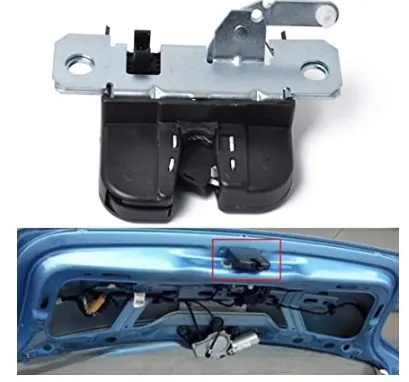
Latch Reinforcement :
A latch is not the same as the locking mechanism of a door or window, although often they are found together in the same product. Latches range in complexity from flexible one-piece flat springs of metal or plastic, such as are used to keep blow molded plastic power tool cases closed, to multi-point cammed latches used to keep large doors closed.
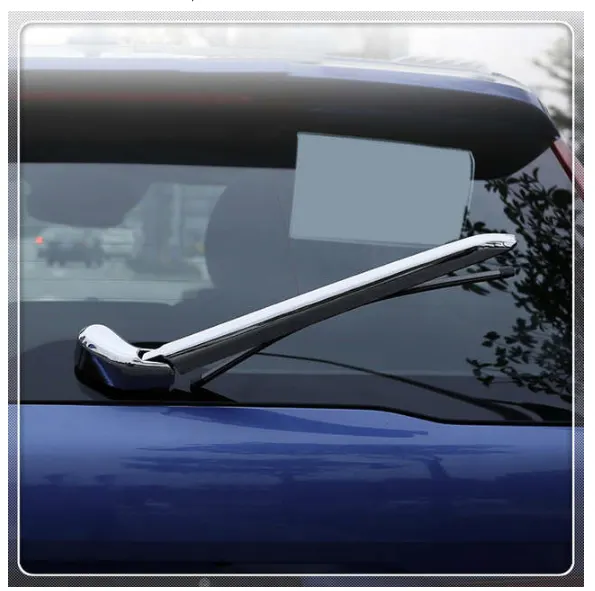
Wiber moter Reinforcement :
It is small electric motor which is mounted in the rear Tail gate. It used to clean the rear wind sheid for clear visiability.
Outer Panel :
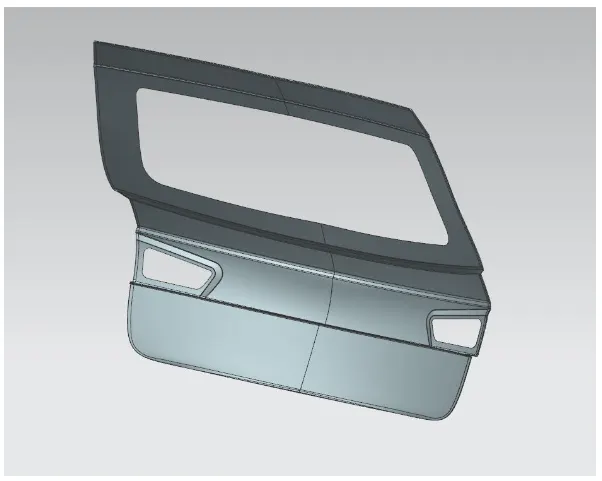
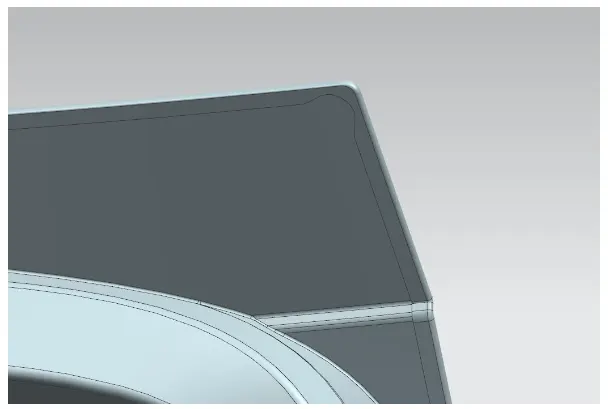
Corner Relief:
Relief helps to control sheet metal material behavior and to prevent unwanted deformation during unbend operations. So here i gave two cornor relief for Back door.
Hemming:
Hemming is a forming operation in which the edges of the sheet are folded or folded over another part in order to achieve a tight fit. Normally hemming operations are used to connect parts together, to improve the appearance of a part and to reinforce part edges.
In car part production, hemming is used in assembly as a secondary operation after deep drawing, trimming and flanging operations to join two sheet metal parts (outer and inner) together. Typical parts for this type of assembly are hoods, doors, trunk lids and fenders.
There are various types of hemming operations:
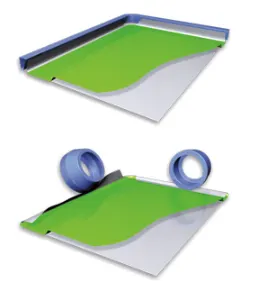
- Conventional die hemming: In conventional die hemming, the flange is folded over the entire length with a hemming tool.
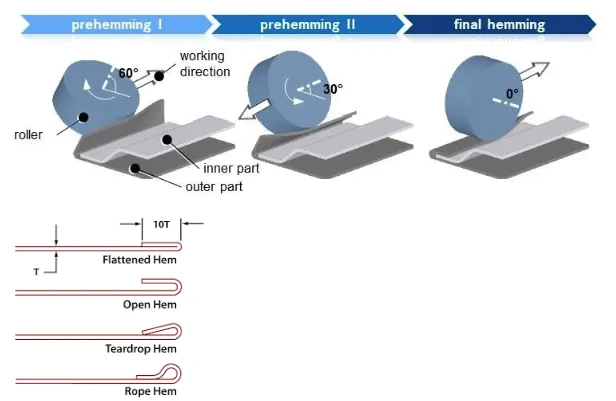
- Roll hemming: In roll hemming, the hemming roller is guided by an industrial robot to form the flange.
Open Hem: A Hem has a full round feature and a return flange. In open hem bend angle is equal to 180 degrees.
Tear drop Hem: In tear drop hem the bend angle is greater than 180 degrees.
Closed Hem: Hems without any inside radius are called as closed hem. Closed hems are not recommended if the hem geometry is to be painted or if the material used is SST or Aluminium.
Blanking:
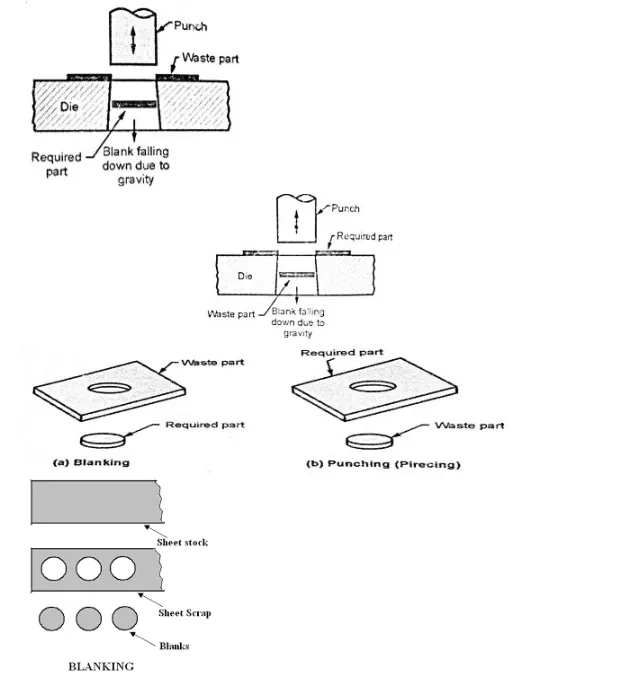
Blanking is a cutting operation of a flat metal sheet and the article punched out is known as blank. Blank is the required product of the operation and the metal left behind is considered as a waste.
Punching:
It is similar to blanking only the main difference is that, the hole is the required product and the material punched out from the hole is considered as a waste.
Design of Back door in NX CAD:
Door parts thickness is given below,
- Outer Panel - 0.75 mm
- Inner Panel - 0.75 mm
- Reinforcements - 1.5 mm
Given Data,
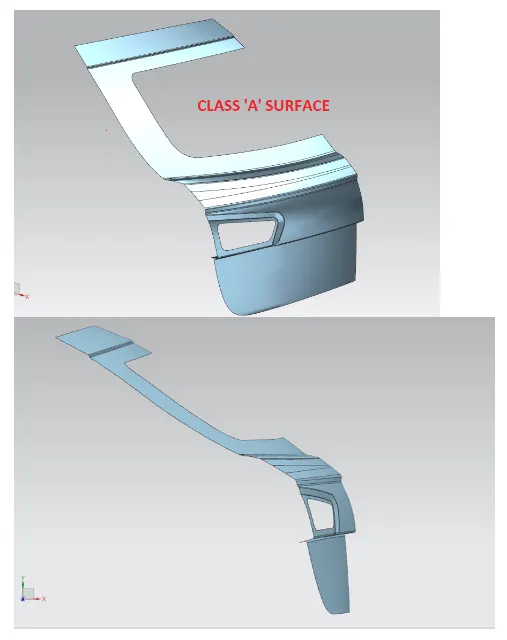
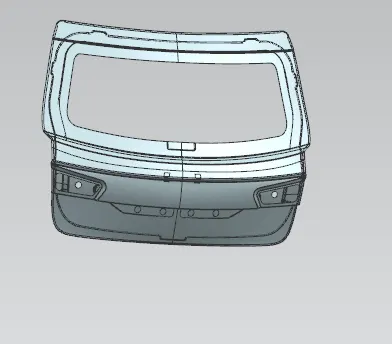
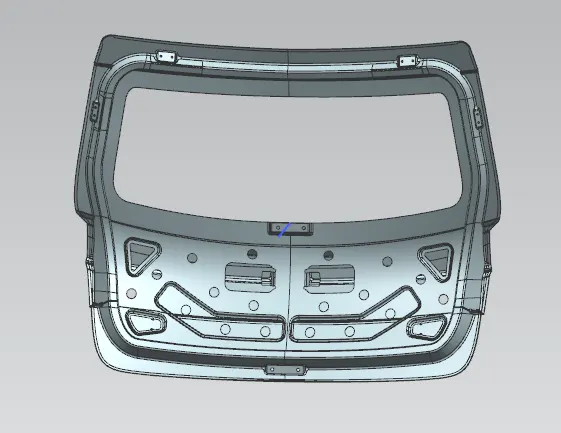
Given surfaces has to be repaired according to the smoothness. After repairing the surfaces, the door is divided into two parts as Door Outer Upper and Doo Lower Panel.
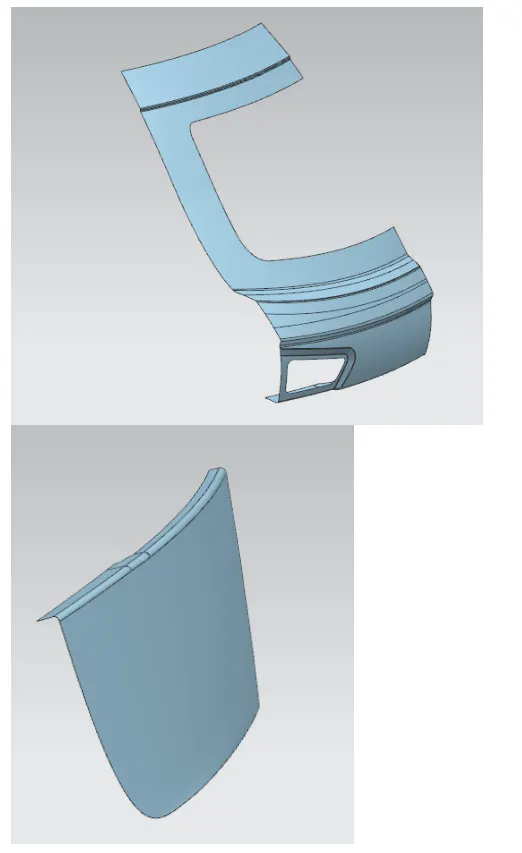
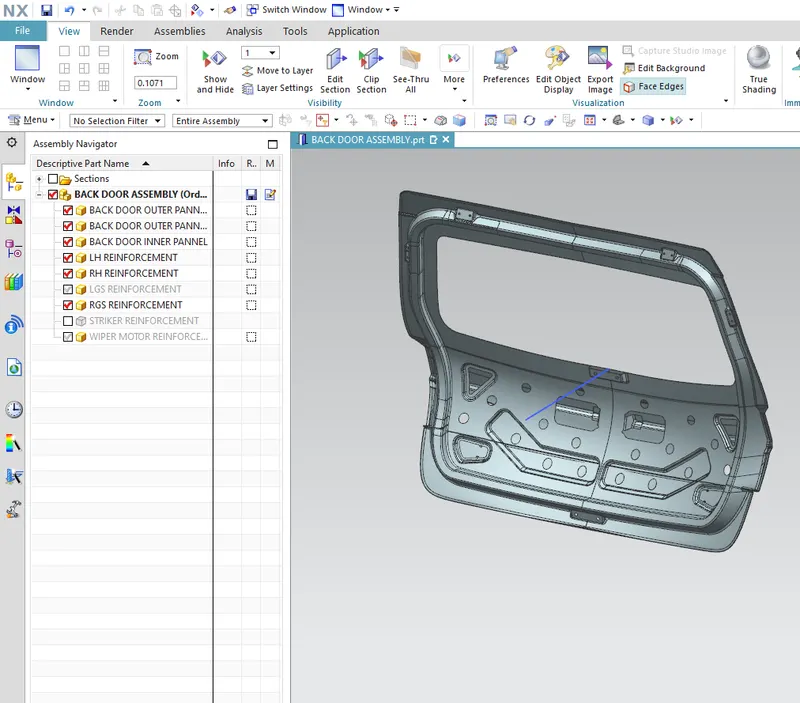
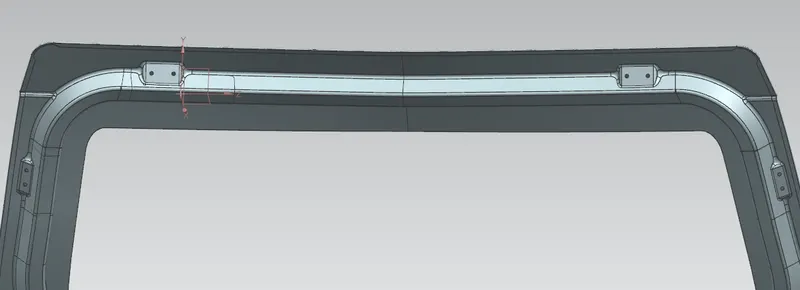
1. Wiper Motor Reinforcement
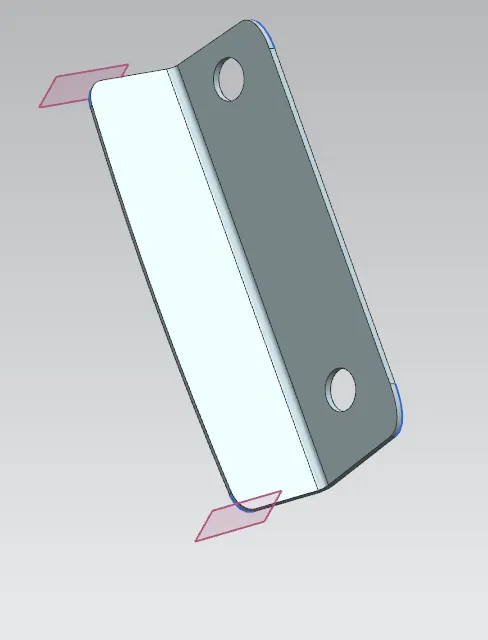
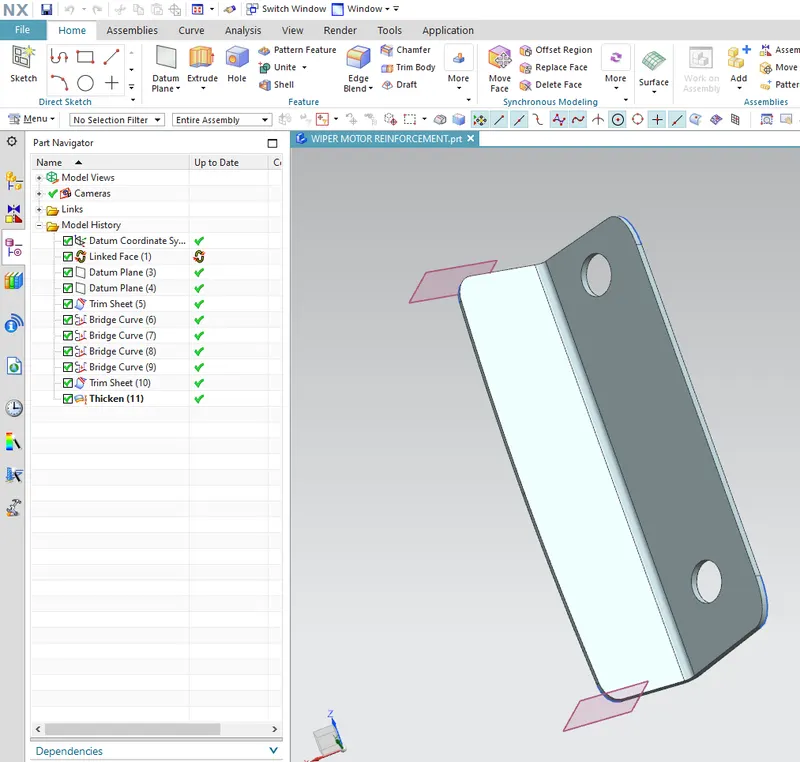
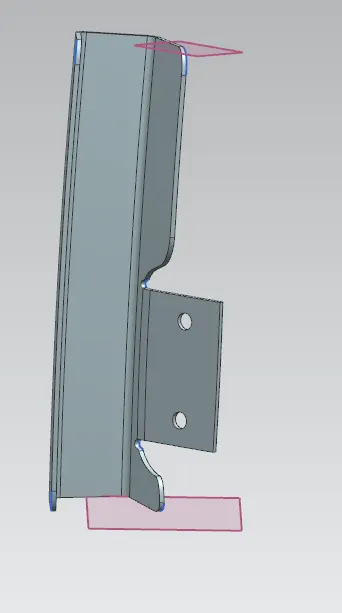
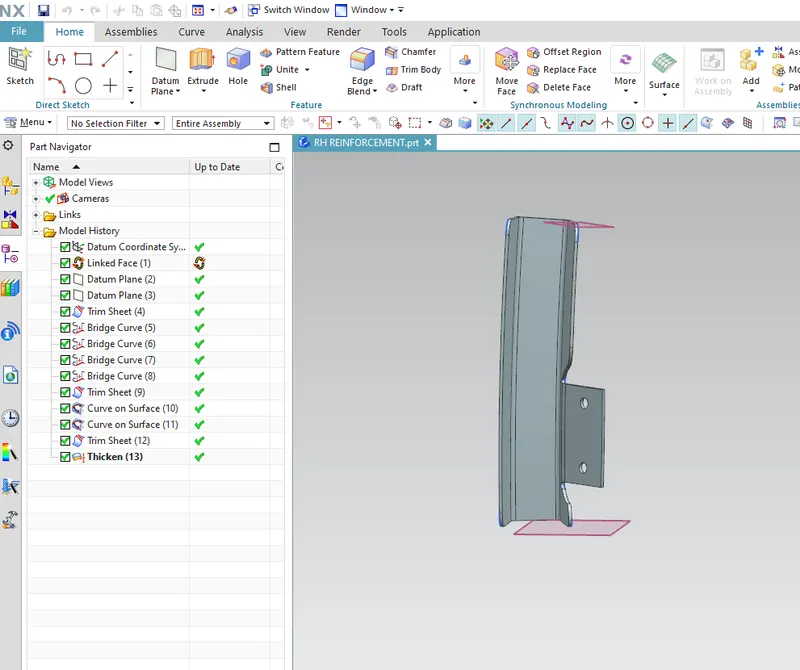
2. RH Reinforcement
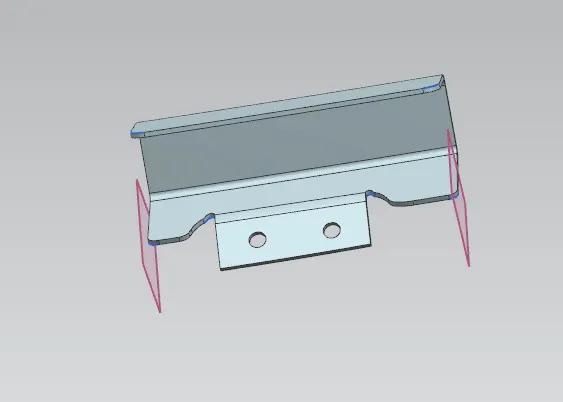
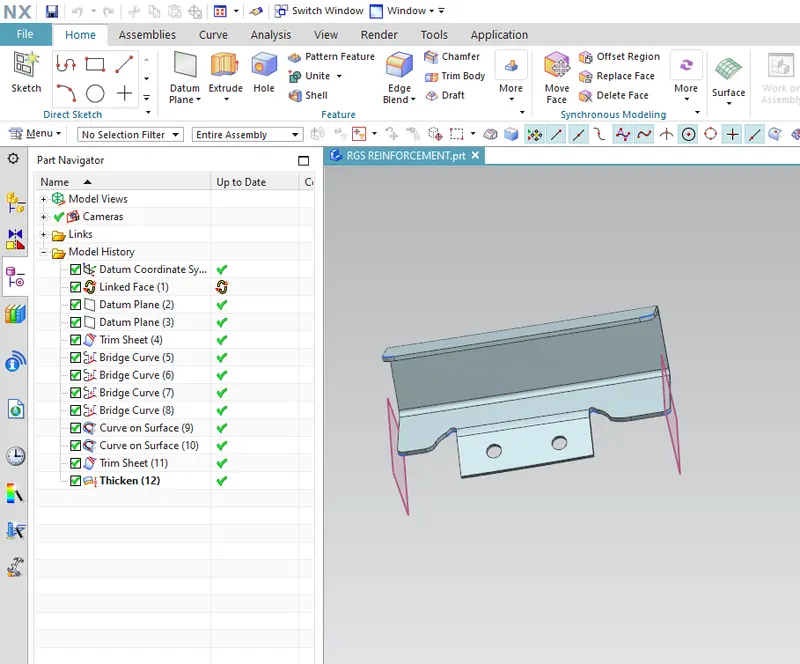
3. RSG Reinforcement
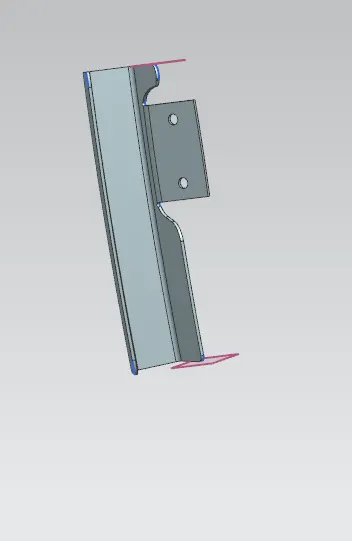
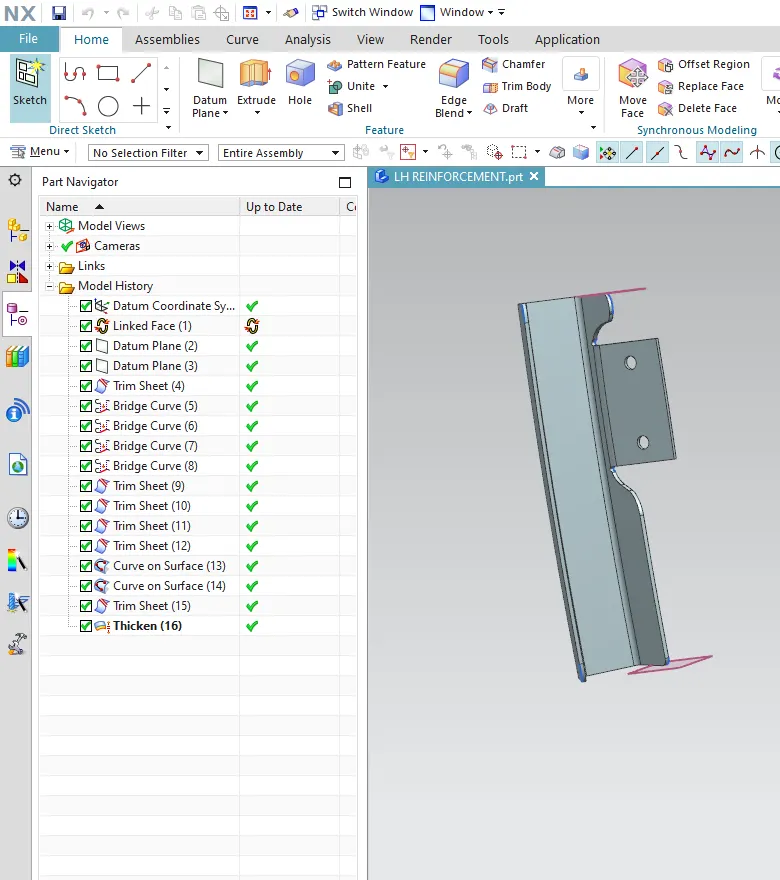
4. LH Reinforcement
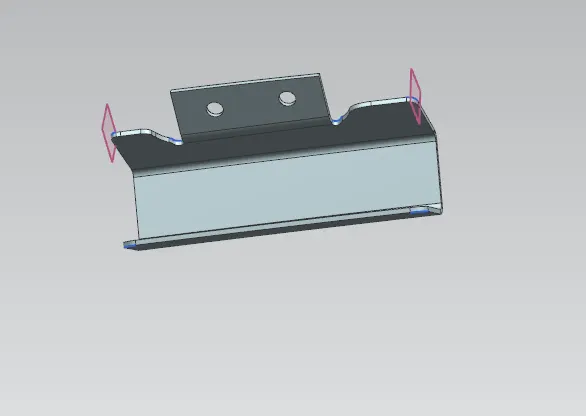
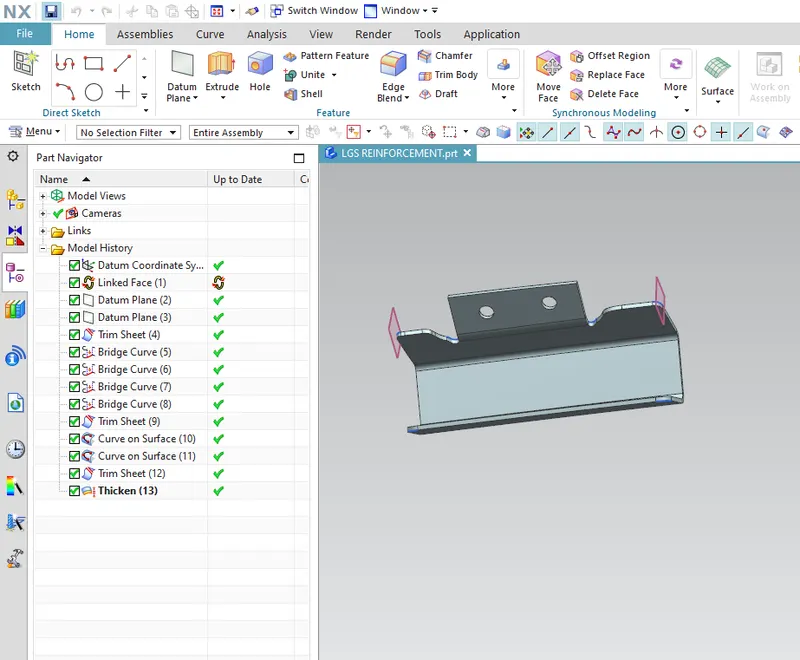
5. LSG Reinforcement
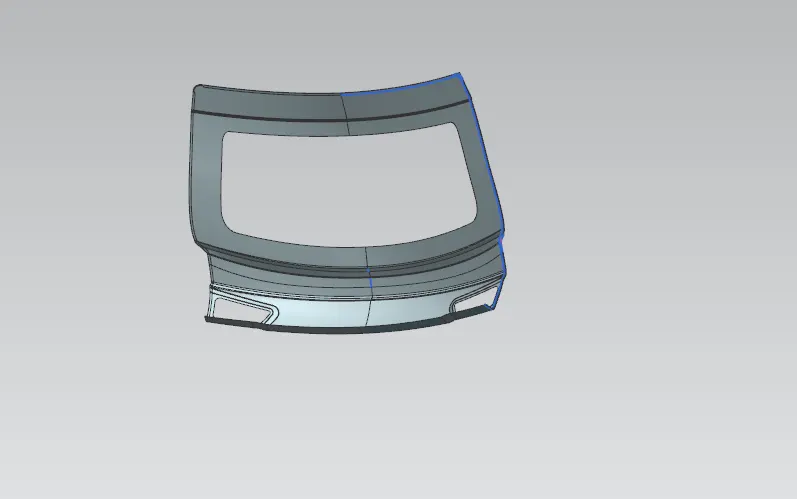
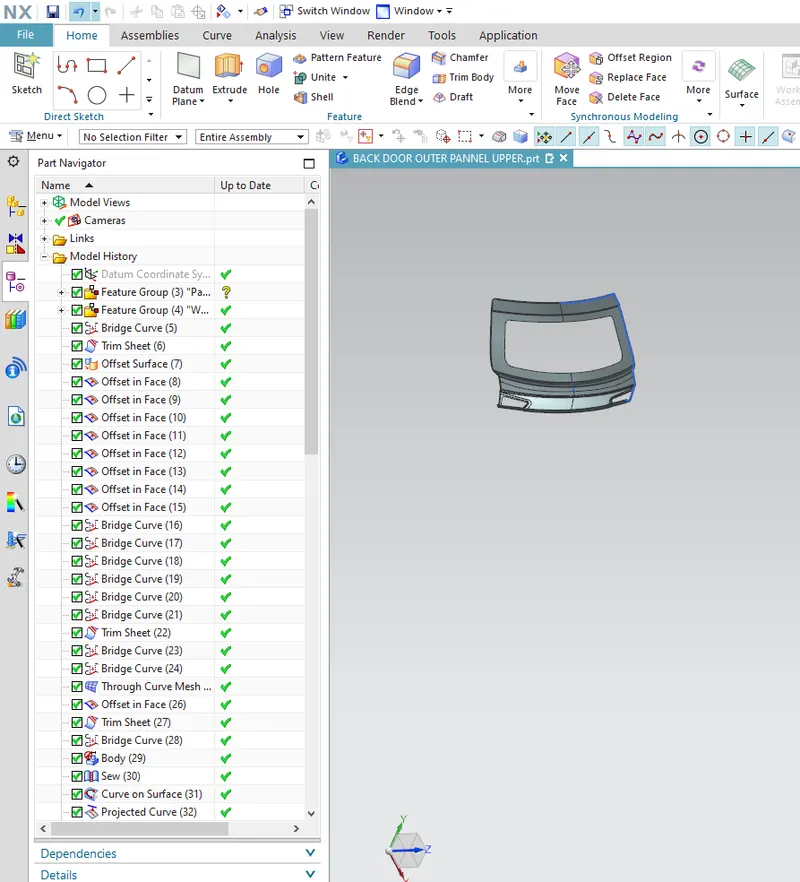
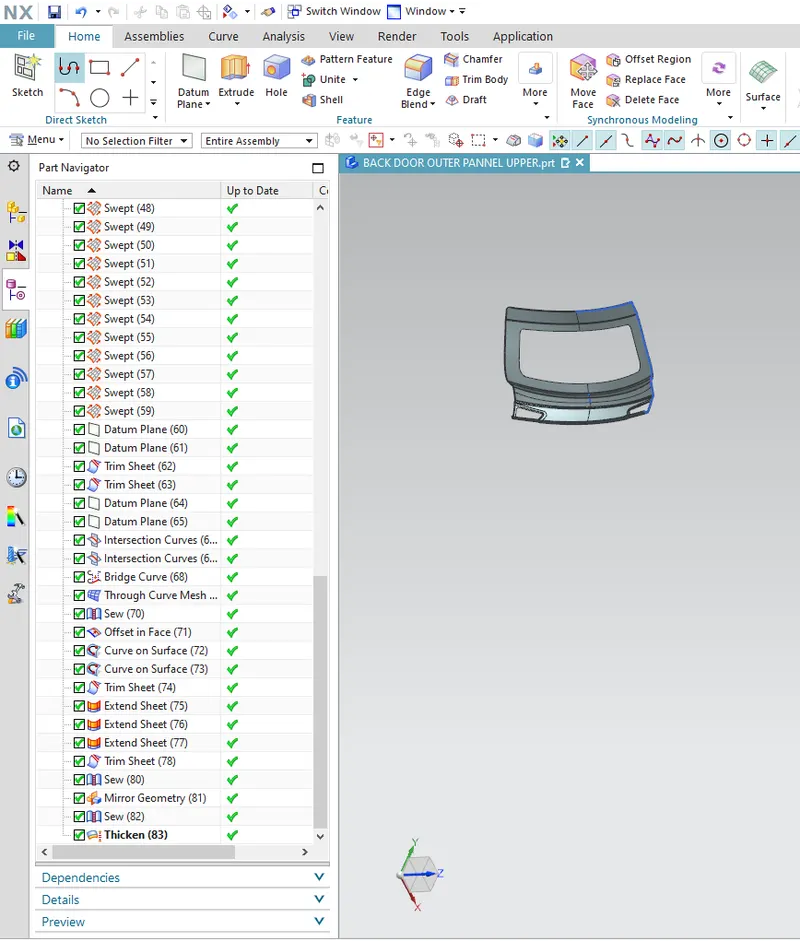
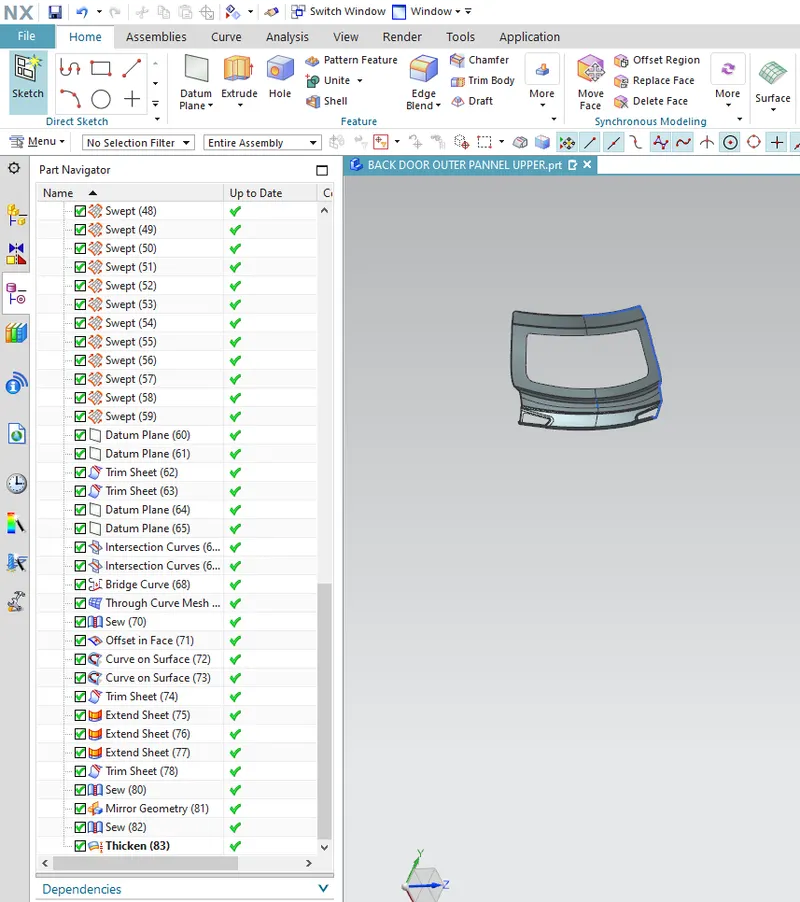
6. Back Door Outer Pannel Upper
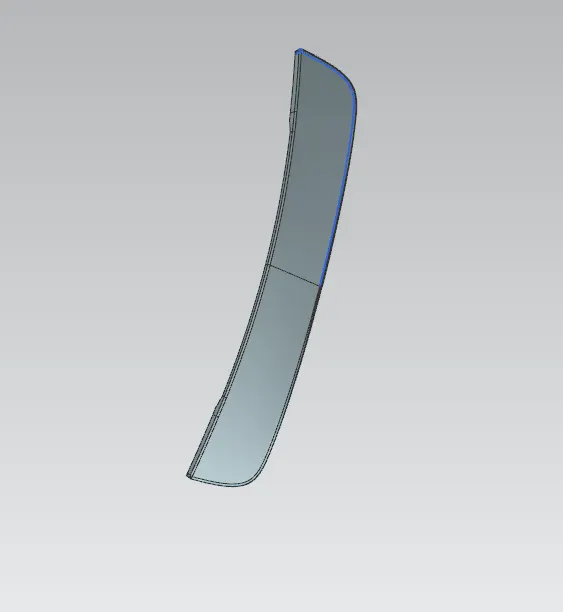
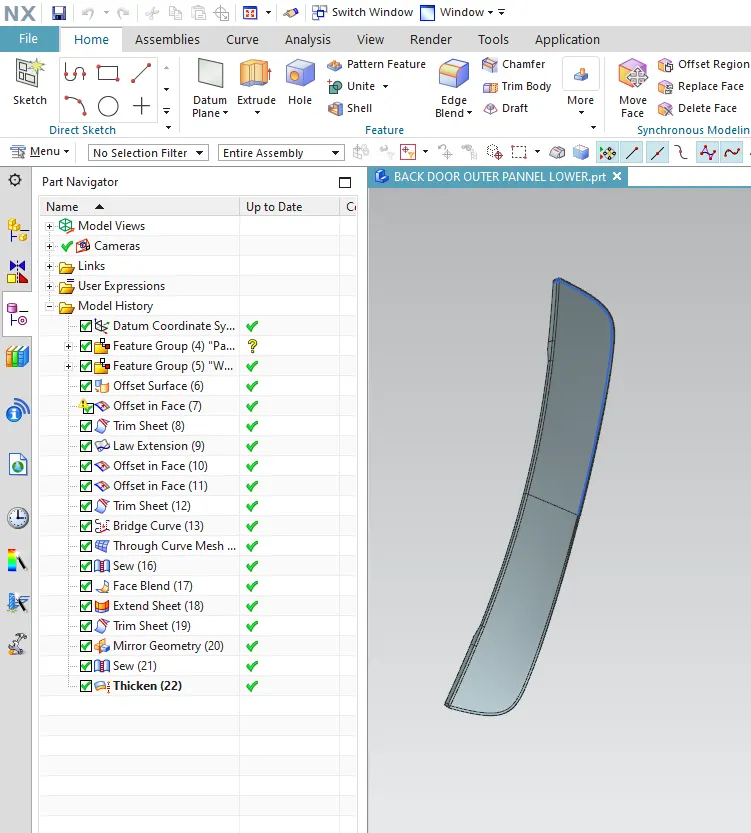
7. Back Door Outer Pannel Lower
8. Back Door Inner Pannel
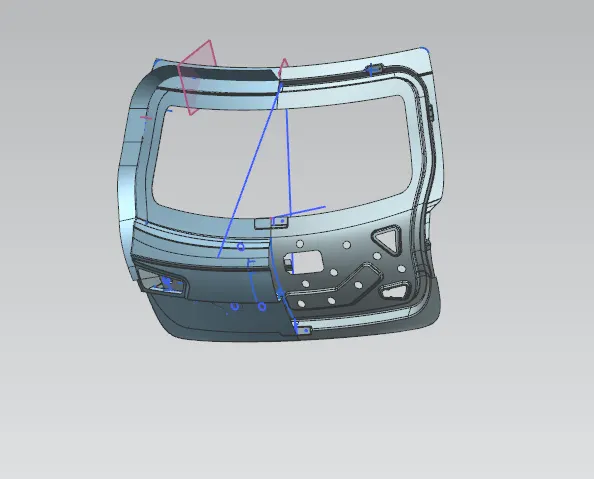
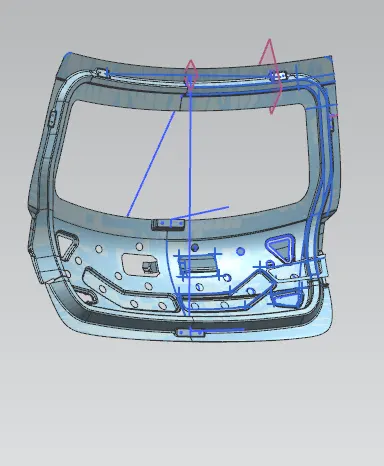
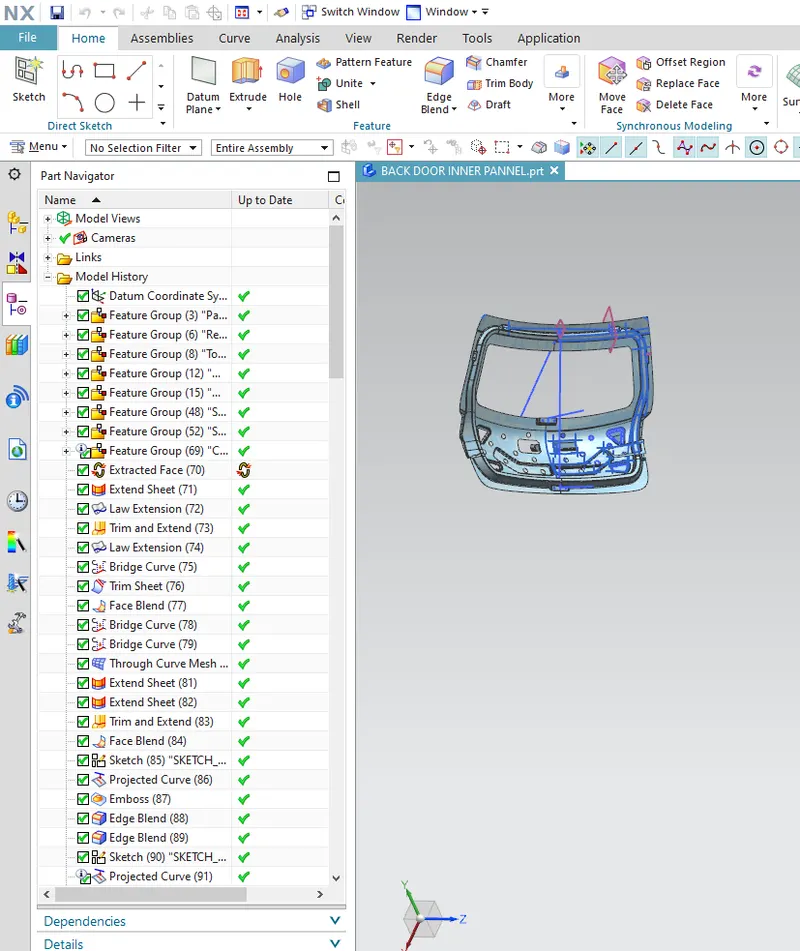
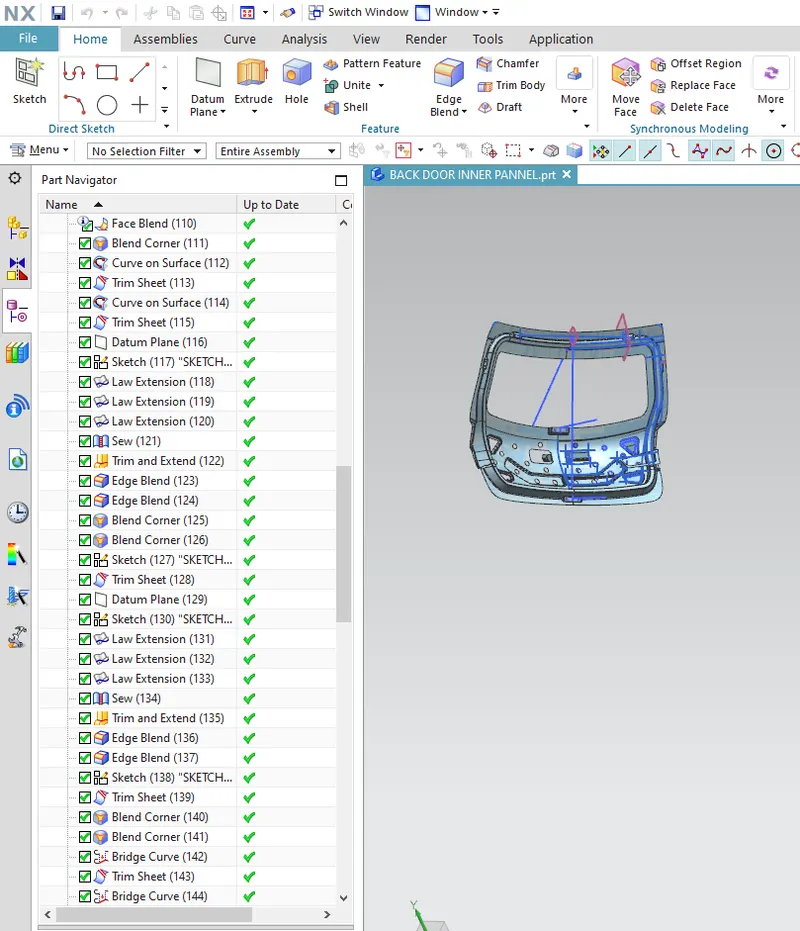
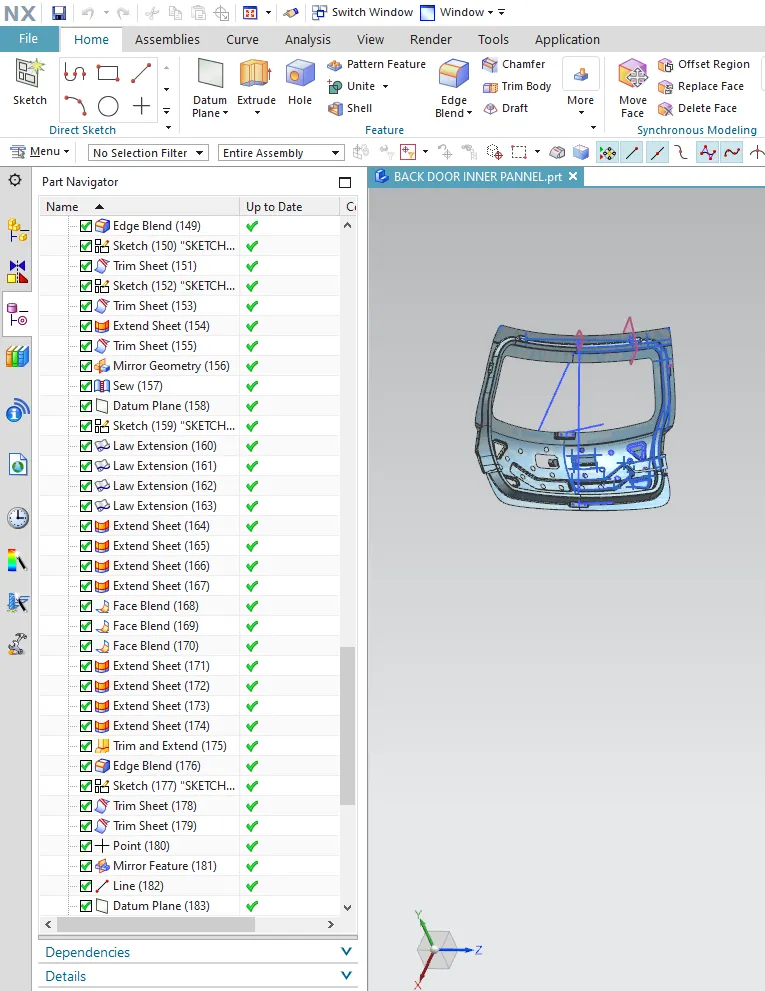
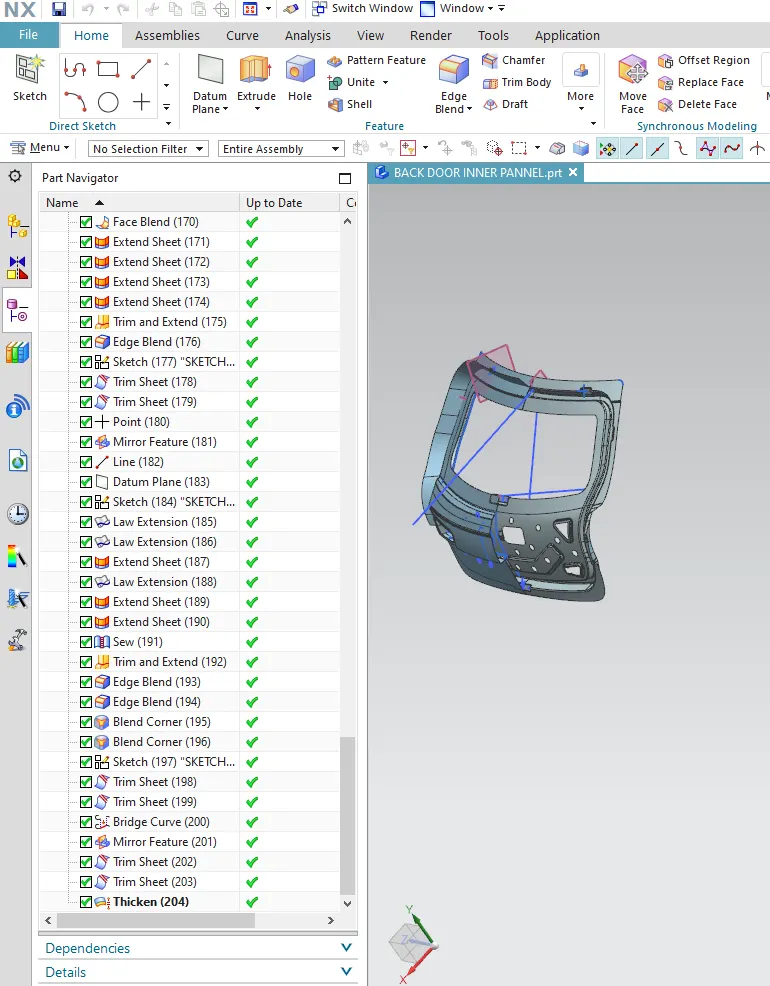
9. Back Door Assembly
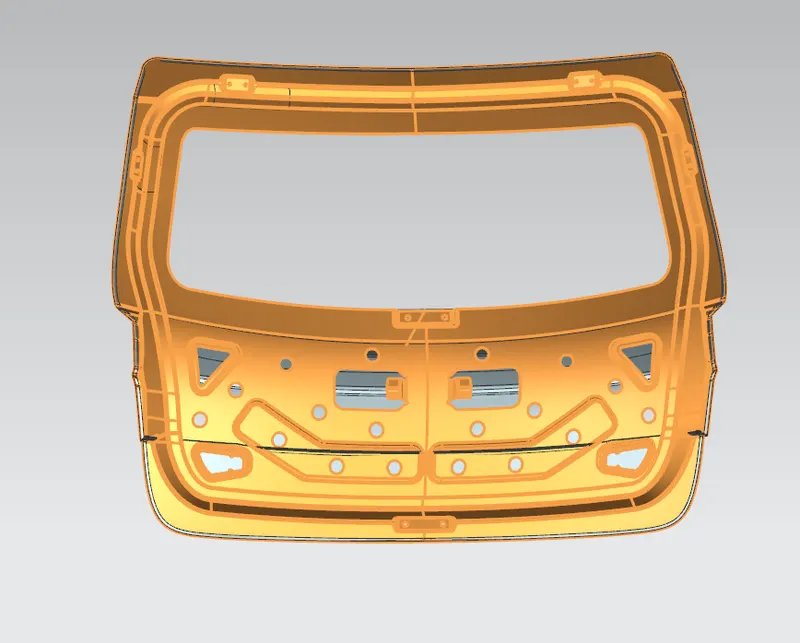
Conclusion:
Thus the design of BIW Fixtures of a Backdoor of a car has been designed using NX-CAD.
Please find attached files for your reference.