Design of backdoor
AIM -
Create a report for the design of back door with the explanation of design methodologies & about the componant developed the design.
Perform the draft analysis along the tooling direction include the snapshot include in the report.
INTRODUCTION -
A back door is the type of door in the vehicle which are located next to the passenger seat which provide access to the luggage compartment,in the most of the car these back door are operated with the help of gas stay which in turns reduces the effort required to lift the door.
OR
A back door/tailgate at the rear of the vehicle.
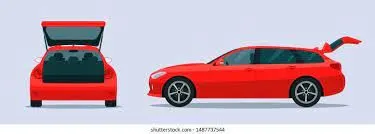
FUNCTION OF BACKDOOR -
- It lets us access the boot space or trunk.
- Some of the vehicle also have back door for passenger in and out, where seat is available for the passenger.
- It can be locked to secure the vehicle.
- The backdoors are also designed in such a way that, in the case of a rear end collision, the backdoor plays a role in diverting the impact energy away from the passenger cabin by providing various load paths to the rear pillars and other components in the vehicle structure.
- Back door is made aerodynamic in shape to reduce air effect.
- It is designed in such a way that it can reduce the NVH level.
- Parking sensor and rear view camera can also mounted on it in some of car.
MATERIAL SELECTION OF BACKDOOR -
TYPES OF BACKDOOR -
- Top mounted backdoor.
- One side mounted backdoor.
- Bottom type backdoor.
- Gas stay type backdoor.
- Both side mounted backdoor.
a).TOP MOUNTED BACKDOOR -
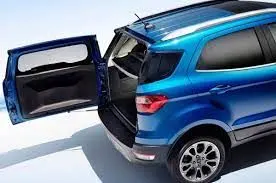
The opening of the cargo area may be hinged at the top known as top mounted backdoor.
b).ONE SIDE MOUNTED BACKDOOR -
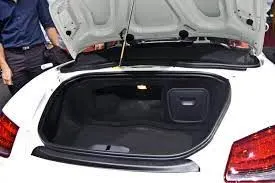
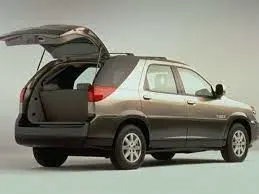
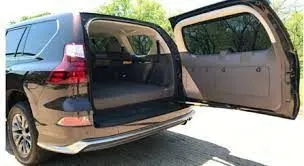
The opening of the cargo area may be hinged at the one side known as side mounted backdoor.
c).BOTTOM TYPE BACKDOOR -
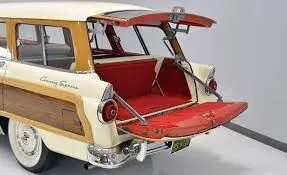
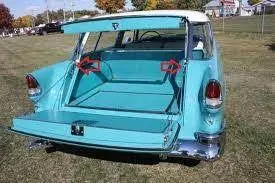
The opening of the cargo area may be hinged at the bottom or down side known as botton mounted backdoor.
d).GAS STAY TYPE BACKDOOR -
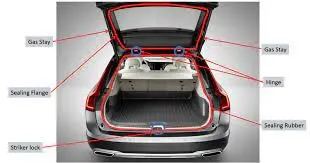
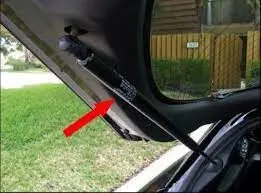
Gas stay type door is an ideal & most commonly used tailgate from the lower segment car to the luxury car segment.
e).BOTH SIDE MOUNTED BACKDOOR -
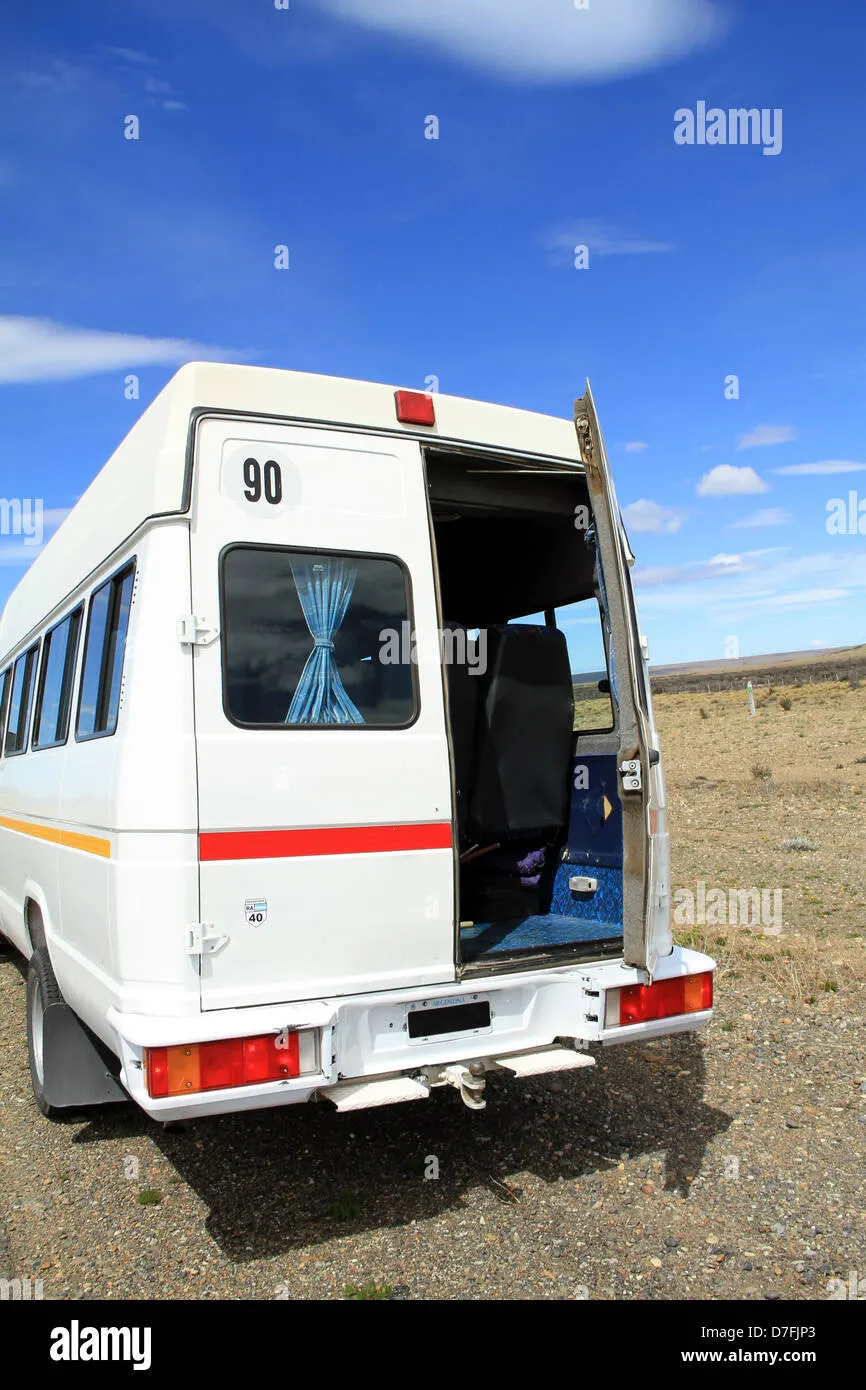
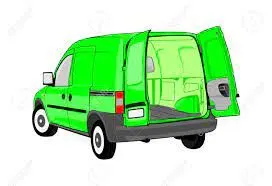
The opening of the cargo area may be hinged at the one side known as both side (left & right) mounted backdoor.
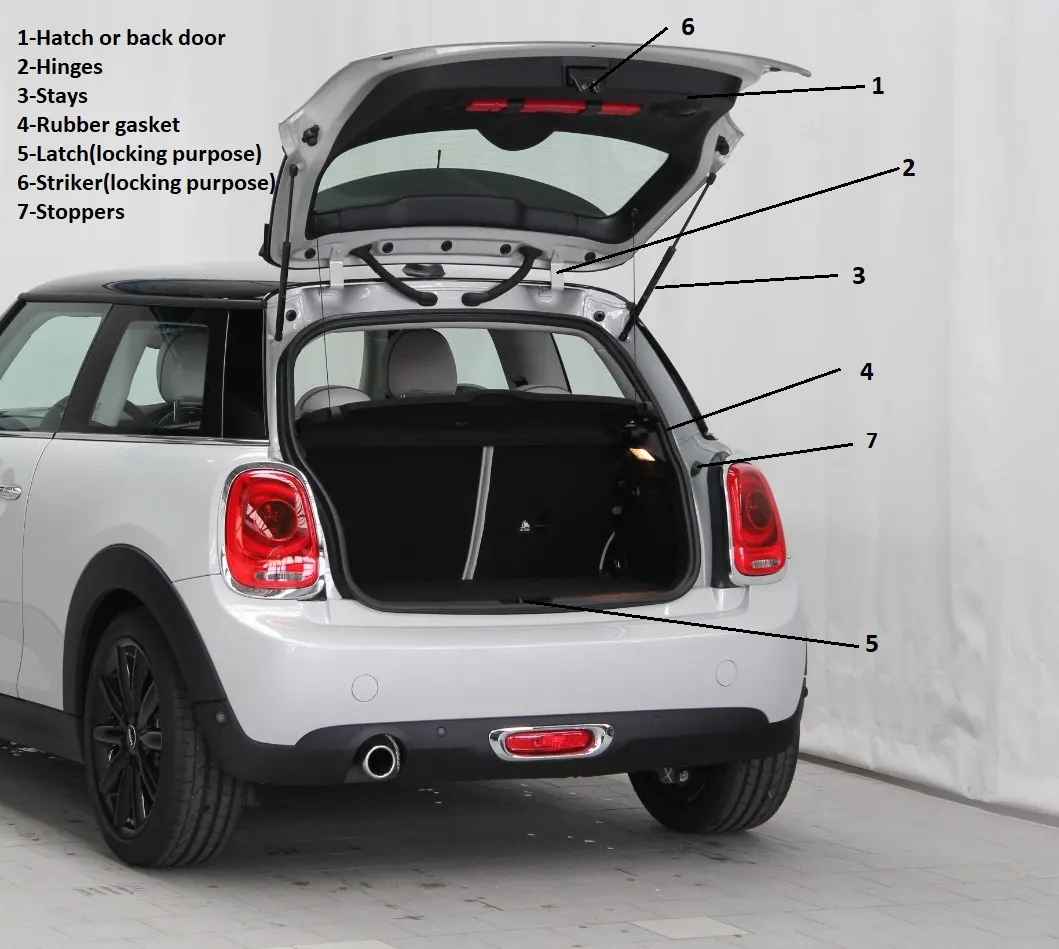
IDEAL COMPONENT OF TAILGATE/BACKDOOR -
- Outer panel.
- Inner panel.
- Hinges.
- Striker.
- Gas stay.
- Mastic glue.
- Rubber beading.
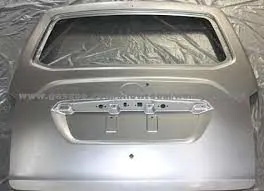
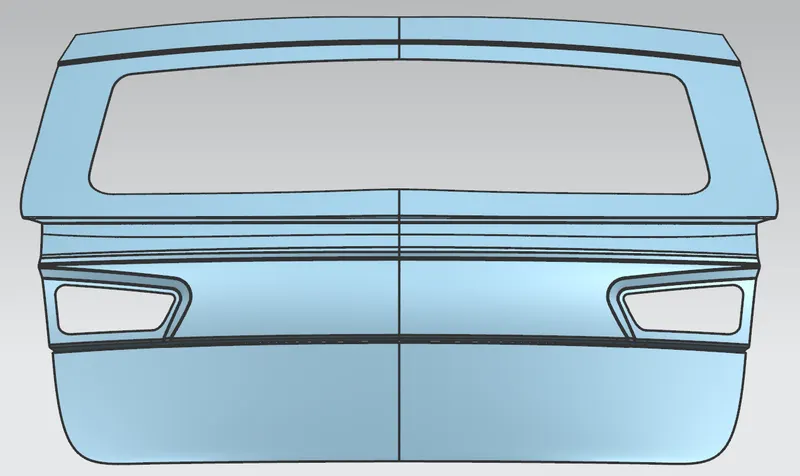
a).OUTER PANEL -
- A styles surface which equipped with a unique light housing & a number plate.
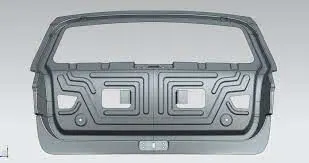
b).INNER PANEL -
One of the closure commodity in BIW sheet metal design.
c).HINGES -
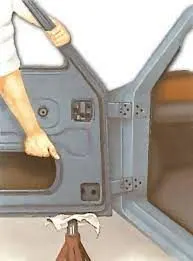
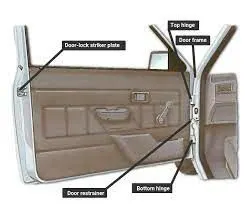
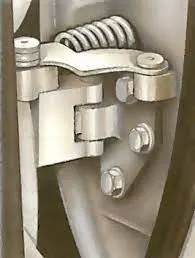
- Hinges are used to hold the door in a predefined axis during closing and opening operation.
- Apart from that, the door hinges are also important in automobiles as it holds the door in position during car accidents.
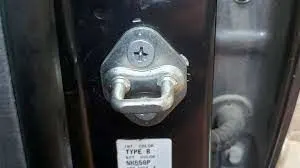
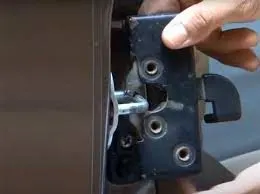
d).STRIKER -
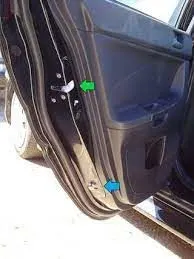
- Door striker plates are the U-shaped clips that serve as the anchor for the door latches.
- The door striker plates are installed in the door jambs, and precisely aligned with the door latches so that the latches catch onto the striker plate when the doors are closed.
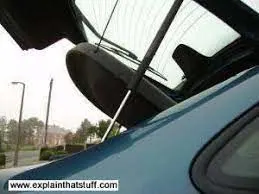
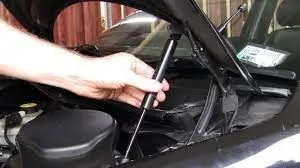
e).GAS STAY/POWER LIFTER -
- It is used to open or close the doors automatically without using the human effort or without using the manpower.
- it is costlier than the sput rod.
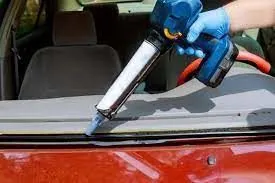
f). MASTIC GLUE -
- It is a type of adhesive or sealent which is used to join the outer panel & inner panel,having a high bonding strength,water resistant & a big advantage of the mastic glue is also reduces the NVH in the car.
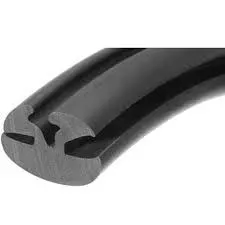
g).RUBBER BEADING -
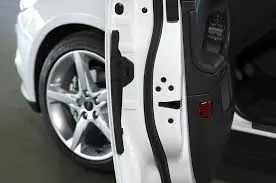
- The rubber beading generally is a strip of rubber used along the edges of glasses to provide them support such that the glasses could withstand the jerks and shocks. They are fastened to the windows of automobiles like cars, buses, trucks etc. They are also used as window seals, door seals in residence.
DESIGN PROCEDURE & METHODOLOGIES OF BACKDOOR -
- Collect information.
- Mastic sealent.
- Thickness of backdoor.
- Emboss & its process.
- Rear visibility criteria.
- Boot space.
- Hemming (types).
- Relief.
- Latch trajectory motion.
- Bend radius.
a).COLLECT INFORMATION -
- Collecting all the information for design of back door.
- Collect all the basic information about assembly of back door.
- Collect the dimension of roof as well as fender, because the back door is attached with both section.
b).MASTIC SEALENT -
- Mastic sealant is used to join the inner and outer panel.
- Provided a gap of 5mm for the mastic sealant.
- Mastic sealant provides strength at around 80 mm so we need to put these mastic points in such a way that it covers the most of the back door except reinforcement area.
- It is placed between the outer and inner panels. Initially is it in paste form, but after the hot furnace bath, it gets hardened thus joining the outer and inner panel.
c). THICKNESS OF BACKDOOR -
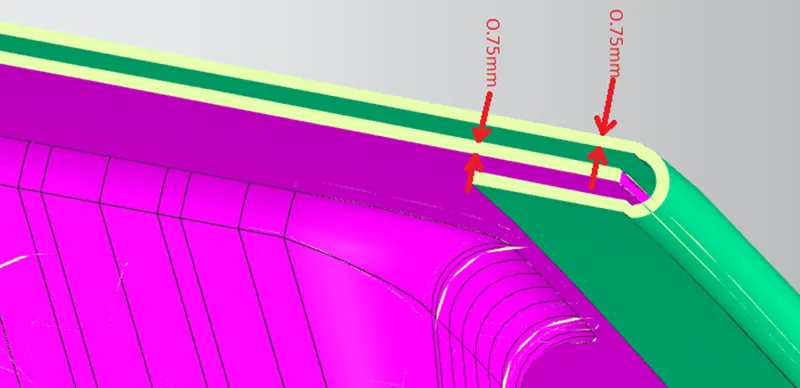
- After all consideration, thickness of the outer panel and inner panel is taken as 0.75mm.
- Thickness of all reinforcement is taken as 1.5mm.
- Provide the thickness by maintaining the gap for all other process.
d).EMBOSS -
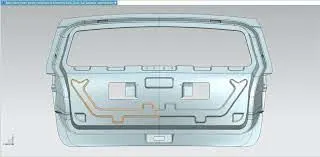
- The embosses on the panel are created in order to provide strength to the component and remove material from the panel.The shape of the emboss is decided by the load test cases results. The backdoor is subjected to various load cases such as bending, torsion, abuse cases (impact) etc.
- Emboss is created always in v-direction & y direction.
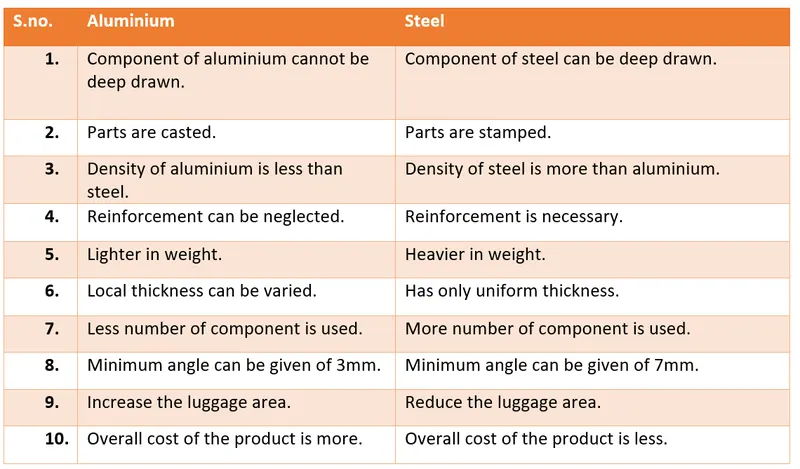
- In the aluminium panel the angle of inclination is 3degree is sufficient(minimum & average 7degree).
- This also help in weight reduction of inner panel.
- Emboss are designed in such a way that it divert the forces towards the hinge assembly. So that the force do not act on the passenger inside the car.
- Emboss is given so that during the crash the energy is dissipated outside / away from the vehicle occupants and along with the other cut outs to reduce the weight.
- Emboss is created in all area like for hinge reinforcement, latch and striker reinforcement, gas stay reinforcement, wiper motor reinforcement etc
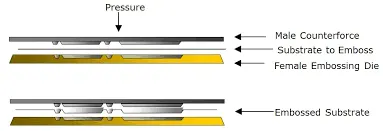
PROCESS OF EMBOSSING
- This process is done by matched male and female roller. This process is also done by passing sheet or a strip of metal between rolls of the desired pattern.
- An Embossing is created by pressing a female Die into a male Counterforce with the substrate to be embossed between the two.
- The metal sheet is drawn through the male and female roller dies, producing a pattern or design on the metal sheet. Depending on the roller dies used, different patterns can be produced on the metal sheet. The pressure and a combination of heat actually "irons" while raising the level of the image higher than the substrate to make it smooth.
- In most pressure embossing operation machines, the upper roll blocks are stationary, while the bottom roll blocks are movable. The pressure with which the bottom roll is raised is referred to as the tonnage capacity.
e).REAR VISIBILITY CRITERIA -
- Rear visibility criteria allow the visibility of the things.
- The driver should be able to see from his seat to the rear side of the car by mirror attached to the front windshield.
- To drive the car in proper way and with safety, rear visibility criteria is most important.
f).BOOT SPACE -
- Boot space is also consider for the designing of back door.
- The gap between inner panel and outer panel is provided in such a way that strength, stiffness and section modulus is maintained while giving enough boot space.
g).HEMMING -
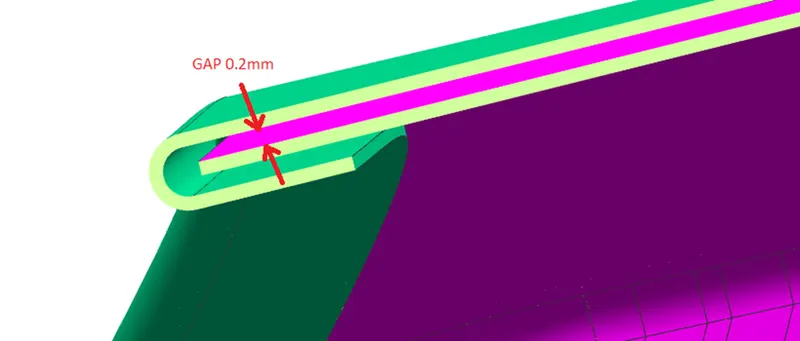
- Hemming is the process of joining of two surfaces using set of rollers and to bend the parent part over the sub part.
- Hemming is a forming operation in which the edges of the sheet are folded or folded over another part in order to achieve a tight fit.
- The accuracy of the hemming operation is very important since it affects the appearance of the surface and surface quality.
- They hide defects such as rough edges and burrs
- They make the edges safer to handle.
- Hemming should be done by providing gap of 0.2mm between inner panel and outer panel.
h).RELIEF -
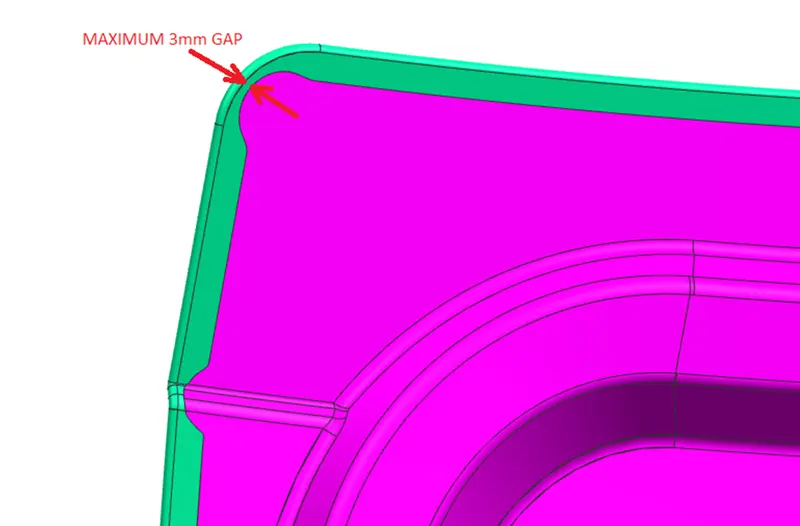
- After the hemming process is done, now we need to provide corner relief on the corners and wherever it required.
- The relief section is given maximum of 3mm.
- When each roller is crossing over the edges, the roller cannot go through all the region. And when similar roller passed over the sheet, there are some tendency when the sheet metal vibrate during the motion. If the forces come back to the panel to the initial position then we have to changing the design of part. If that force brings back to the sheet to the original condition. Then the force which is given is right then those zone considered as red zone. Here in corner it show a similar situation. And that is why to avoid the red situation we normally give relax over all the corner. So, that it completely rolled over here.
- Relief is given on the outer panel to decrease the stress concentration.
i).LATCH TRAJECTORY MOTION -
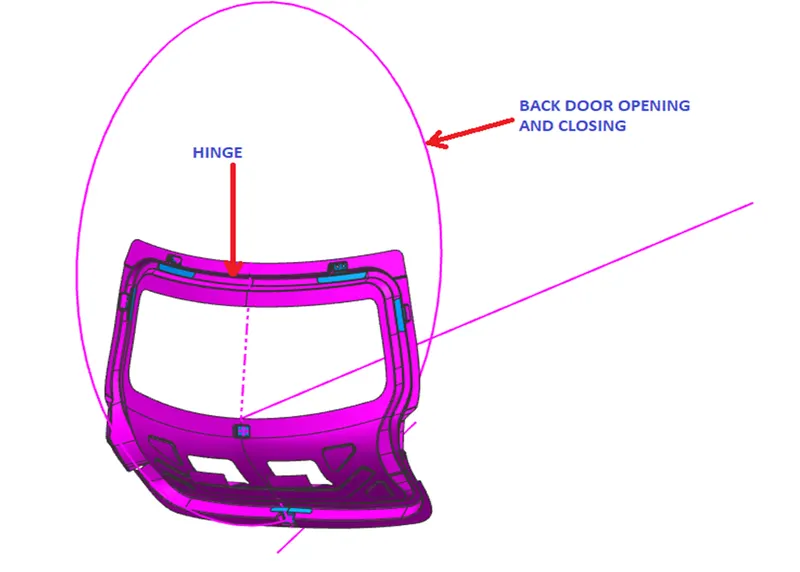
- To ensure proper closing and opening of the back door, the striker is placed in such a way that its trajectory is perpendicular to the hinge axis.(striker ⊥ hinge axis).
- Hinge axis is taken as center to draw a circle at the middle of the backdoor and latch is placed perpendicular to that circle.
- So here the positioning of latch totally depends upon hinge axis because when striker hits the latch system built in body compartment it must be tangentially perpendicular to the circle made from hinge axis or the moment it hits the latch system it inserted or get locked smoothly because slightest deviation may result in improper closing of back door.
- For the proper opening and closing of the back door, the striker should be positioned at a correct position. The striker should be perpendicular to the trajectory of the back door. The flanges are positioned at their respective positions. Then the line is drawn at a straight. Now the trajectory is derived from the hinge axis and the center distance from the striker.
J).BEND RADIUS -
- All the corner should be blend in corner to avoid the sharp edges.
- Minimum blend radius can be taken as ‘3T’. Where ‘T’ is taken as thickness of material.
TYPES OF REINFORCEMENT IN A BACK DOOR -
Back door not only consist of outer panel and inner panel, it also consist of multiple reinforcement that provide strength and support to back door. These reinforcement is attached in the emboss surface of inner panel of backdoor. Reinforcement is given to the inner panel to minimize the impact of collision. Thickness of these reinforcement is 1.5mm. The reinforcement which is attached in the inner panel are-:
- Hinge reinforcement
- Gas stay mounting reinforcement
- Wiper mounting reinforcement
- Latch and striker reinforcement
1. HINGE REINFORCEMENT -
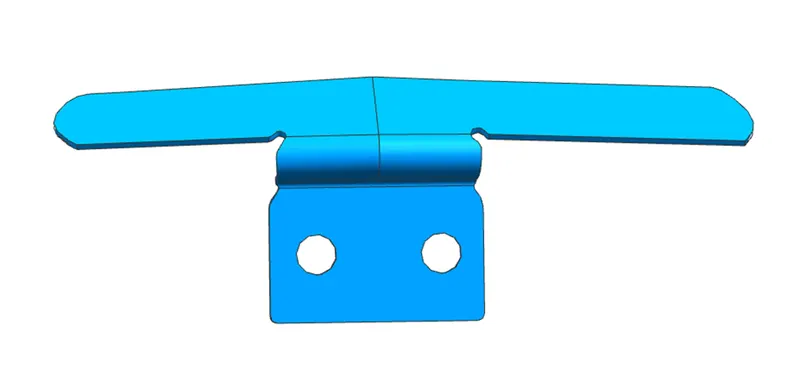
Hinge reinforcement is giving an important role for opening and closing the back door in rotary movement. Hinge reinforcement is attached in given emboss of inner panel. It is fastened in the inner panel. The part should be strong enough to take the load of the back door and the forces act upon the back door. Generally two hinge reinforcement is placed in back door. Some times hinge is also placed outside of the car and cover by plastic component.
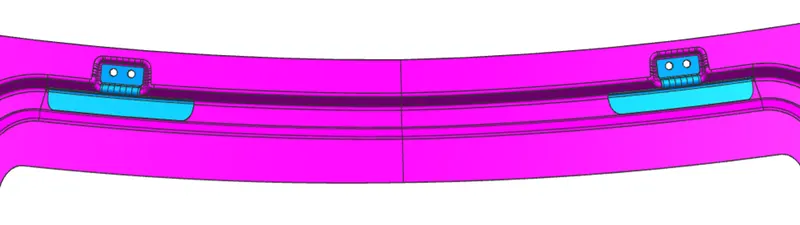
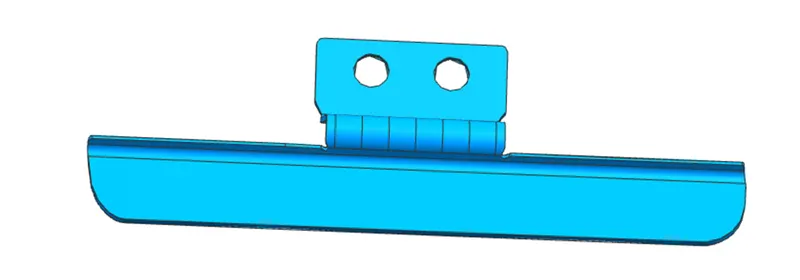
HINGE REINFORCEMENT MOUNTING HINGE REINFORCEMENT
2. GAS STAY MOUNTING REINFORCEMENT -
A gas stay is a type of spring that, unlike a typical mechanical spring that relies on elastic deformation, uses compressed gas contained within an enclosed cylinder sealed by a sliding piston to pneumatically store potential energy and withstand external force applied parallel to the direction of the piston shaft. It takes minimum efforts to lift.
So, to mount the gas stay in inner panel, gas stay mounting reinforcement is created. This gas stay mounting reinforcement is attached in emboss of inner panel with the help of gas stay socket.
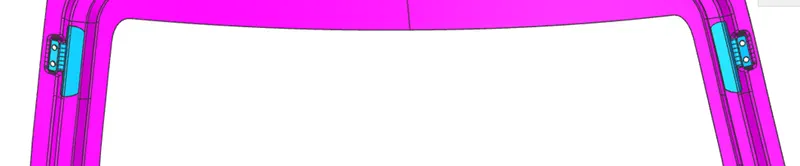
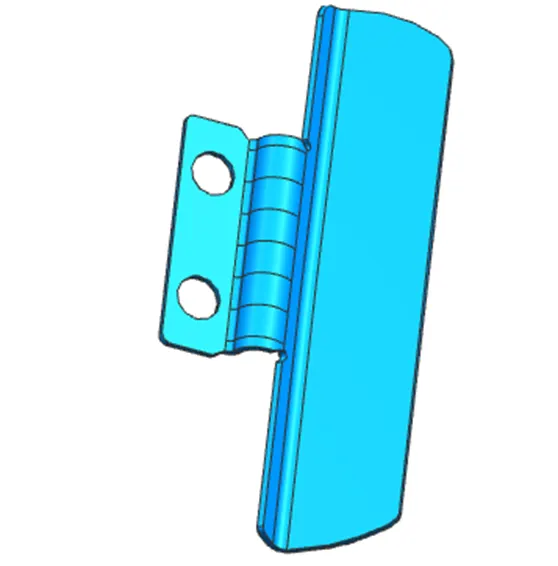
GAS STAY MOUNTING REINFORCEMENT GAS STAY REINFORCEMENT
3. WIPER MOUNTING REINFORCEMENT -
Wiper is use to wipe of the dust of sand, leaves etc. in back door’s glass. It is also use to wipe off the water which is stick on back door’s glass in rainy season or by any condition. Wiper mounting reinforcement give very important role for rear visibility area to the driver by cleaning the back door glass. It is placed in the middle of backdoor in inner panel given cavity and for other accessories. it is attached in inner panel by fastening.
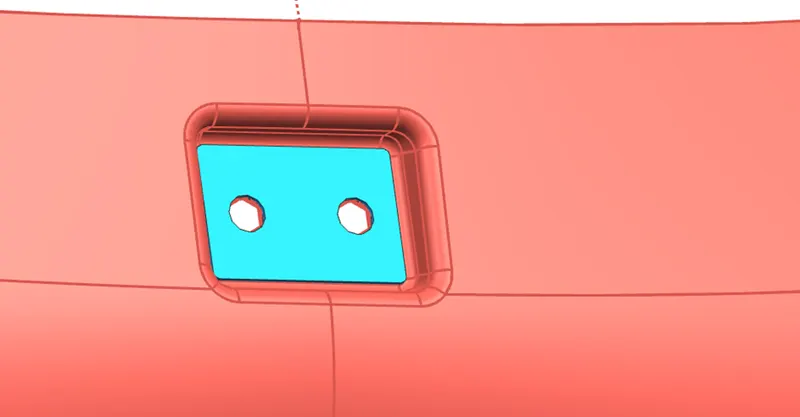
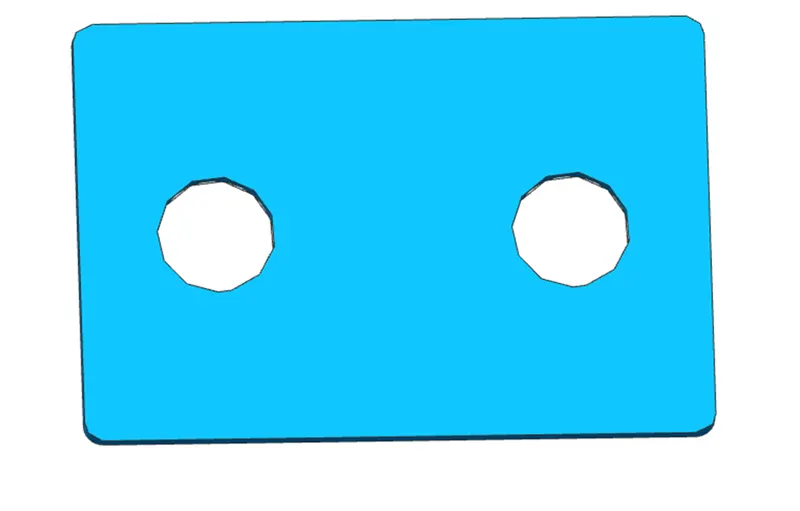
WIPER MOUNTING REINFORCEMENT WIPER REINFORCEMENT
4. LATCH AND STRIKER MOUNTING REINFORCEMENT -
Latch and striker is attached in inner panel of back door cavity by fastening. It is placed in bottom side of back door. It is located in latch striker point which is created by making circle using center as middle point of line of hinge axis. It provide locking of back door properly. In some cars, sensor is also attached in latch and striker reinforcement.
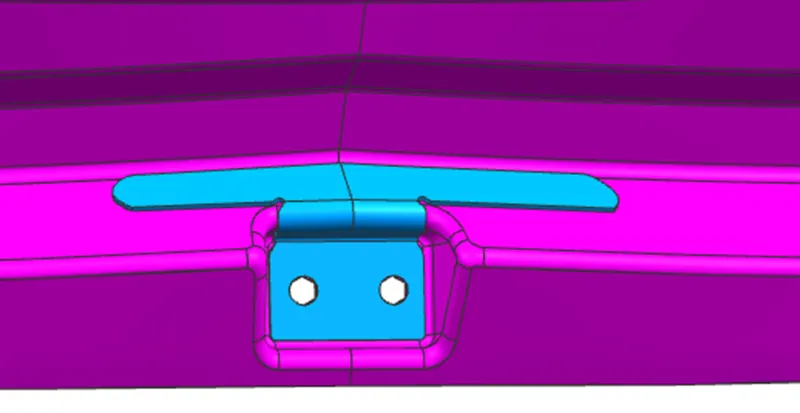
LATCH AND STRIKER MOUNTING REINFORCEMENT LATCH AND STRIKER REINFORCEMENT