Design of backdoor
Design of Backdoor
Objective: To design Back door of car using the given Back Door Design Skin and Check Draft Analysis
Introduction:
Back Door is also referred as 'Hatch' or 'Tailgate' or 'Trunk-lid' or 'Boot-door'. Its the rearmost part of the vehicle which gives access to the trunk and has mounts for tail lamps, hinges, wiper motor, gas stayetc
Functions of the Backdoor:
- It protects the occupants and luggage from getting damaged.
- It houses assembly of tail lamps, wiper motor and other components.
- It serves as entry and exit point for luggage/passengers.
- It houses windshield glass which helps in rear visibility.
- Parking sensors, rear view camera are mounted on it.
Materials Selection:
The selection of material plays a major role in determining the overall weight of the back door. The common materials used are Steel & Aluminium. The density of Steel is higher than Aluminium thus adding more weight to the door. The material used in the manufacturing of the backdoor depends upon the budget of the car, most low-cost vehicles use steel as it is cheaper compared to Aluminium. Another aspect to be noted is that, if casted Aluminium parts are used instead of deep drawn steel parts there is no need of reinforcements, and the overall weight of the car is reduced by approximately 5-10kg thus increasing the performance of the vehicle. Also the draft angle for casted parts is around 3 degrees while for deep drawn parts is around 7-10 degrees which helps in increasing the luggage/ cabin space.
The below table gives a comparative information about Steel and Aluminium.
|
Aluminium |
Steel |
|
|
Parts |
Parts are casted |
Parts are stamped |
|
Reinforcements |
Reinforcements can be neglected |
Reinforcements are necessary |
|
Thickness |
Thickness can be varied |
Thickness should be uniform |
|
Weight |
Lighter in weight |
heavier in weight |
|
Cost |
Costly as compared to Steel |
Cheap as compared to Aluminium |
|
No. Of components |
Less No. of components |
More No. of components |
Parts of Back Door to be designed:
1) Outer panel
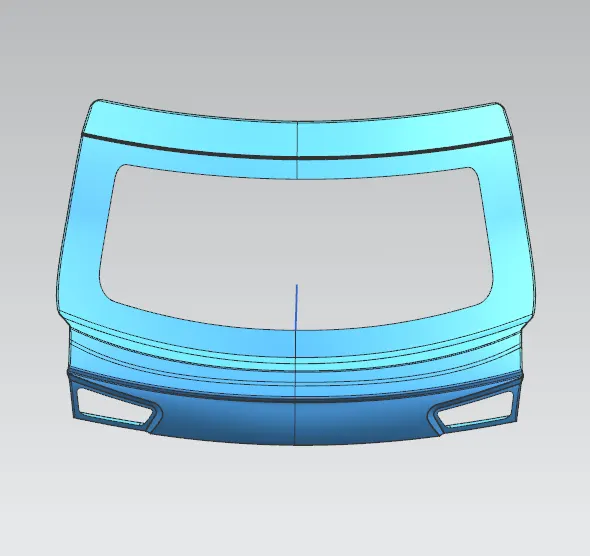
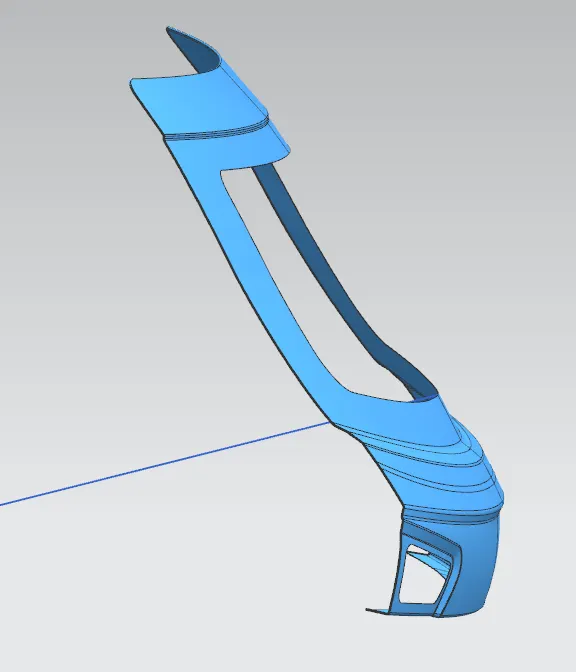
It is the outer styling skin surface of the back door. It is provided with multistage coatings which has property of scratch resistance, rust prevention etc. It is wrapped around the inner panel through hemming process.
Upper Outter Panel :
Lower Outter Panel :
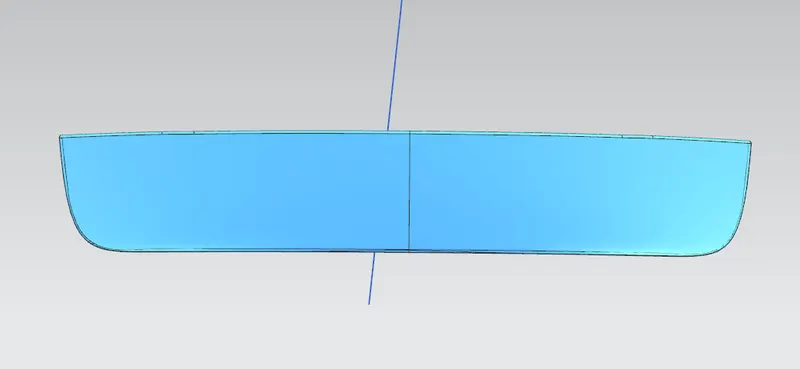
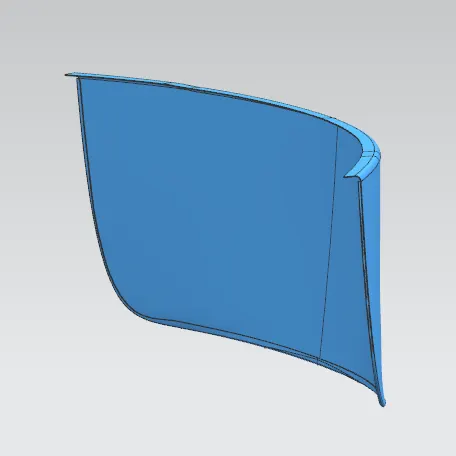
2) Inner Panel
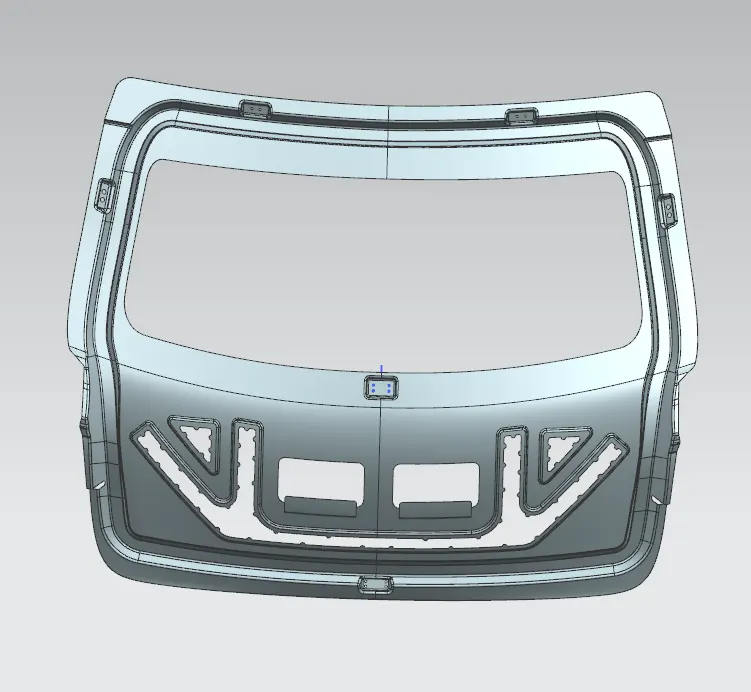
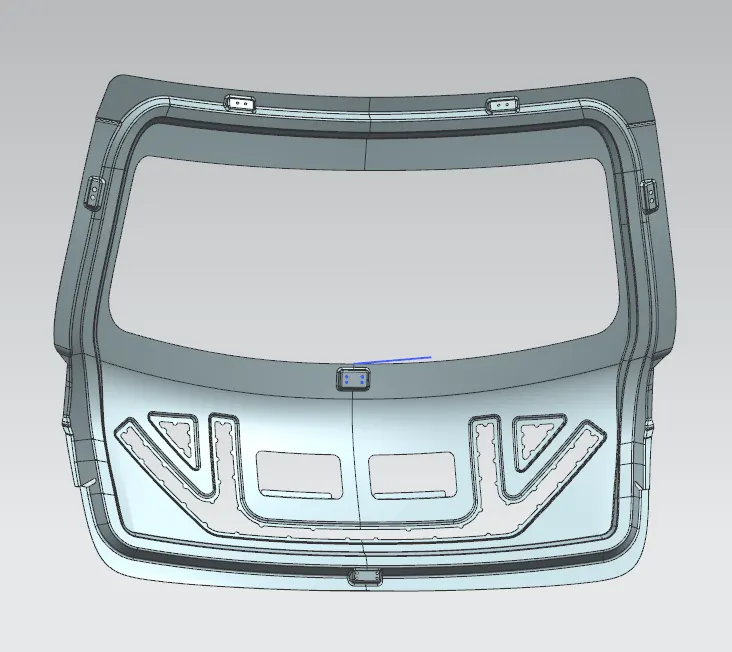
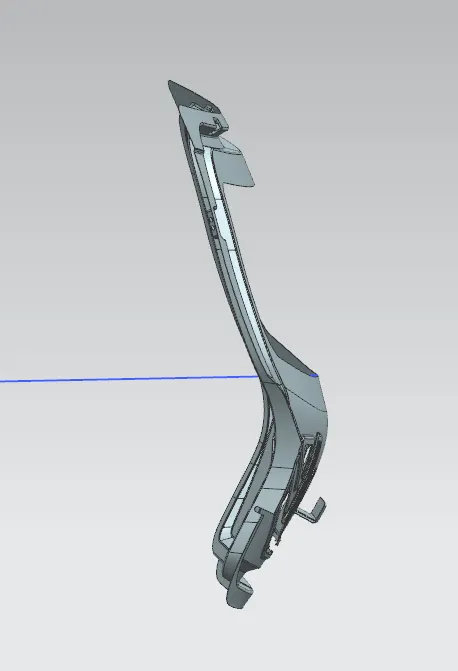
The inner panel is one of the most important components of backdoor assembly. It provides strength and helps in dissipation of forces outside the part with the help of embosses made on it. It helps in mounting of accessories like hinges, wiper motor, gas stay, latch & striker etc.
The inner panel is produced by either casting or through Deep drawing process.
Mostly aluminium part is casted, steel inner panel are manufactured by deep drawing process. If deep drawn, there must be a tooling direction through which that panel must be deep drawn.
Reinforcements
Reinforcements are generally placed to increase the strength of the panel in localized areas which is relatively small compared to sheet metal parts for absorbing loads imposed thereon and dissipating such loads throughout the panel assembly to help maintain rigidity of the panel assembly. The reinforcements are usually 1-1.5mm thick as opposed to 0.75mm thick panel used in this part.
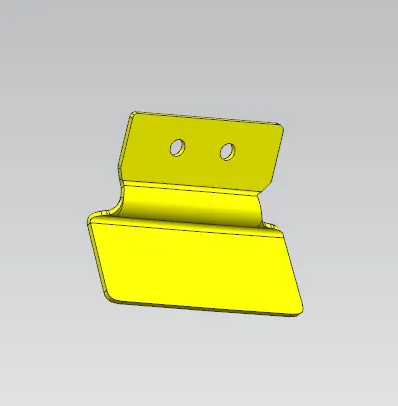
- Hinge reinforcements
Hinge is a pivot mechanism which supports the total weight of the backdoor. So reinforcements are added for strength and rigidity.
- Hinge reinforcements right :
- Hinge reinforcements left
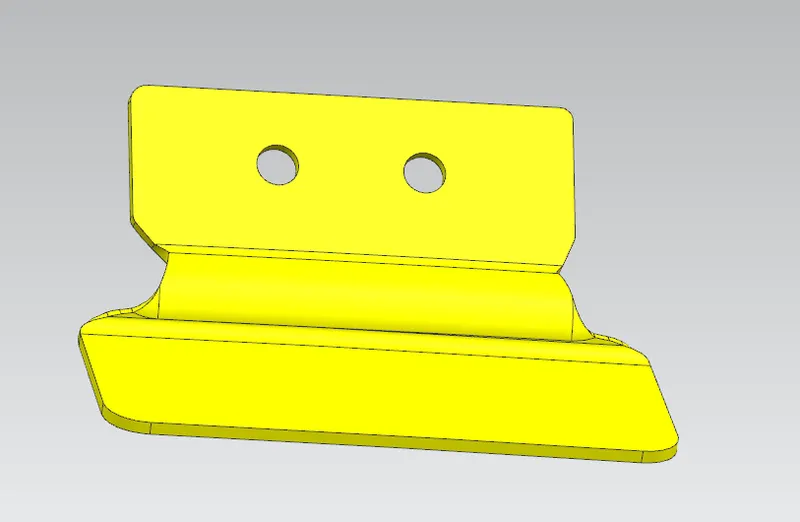
- Gas stay reinforcements
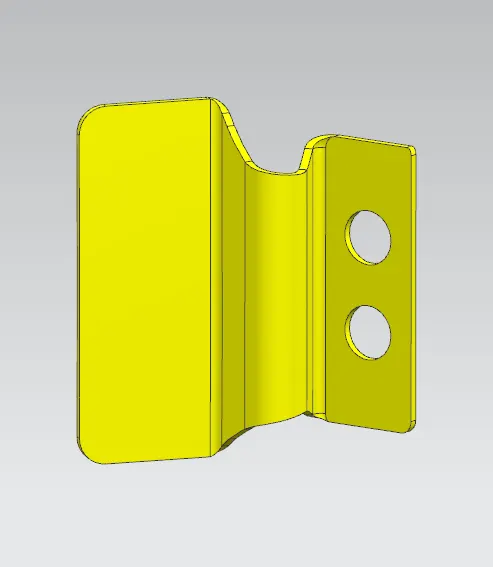
Gas stay is used to lift the backdoor automatically and is used to support the backdoor in its open position. It can be of Two types Semi-automated and fully automated.
- Gas stay reinforcements 1:
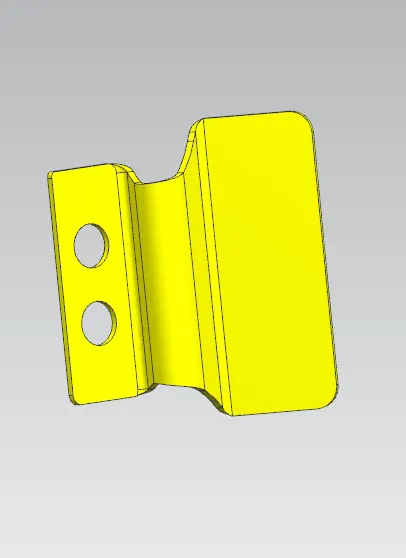
Gas stay reinforcements 2 :
- Wiper Motor reinforcement
Wiper is used to wipeout the dust particles/water on the windshield glass which affects the rear visibility. It is actuated by the motor which is mounted on the inner panel. Due to vibration and heat of the motor, inner panel gets deformed which results in loss of strength & rigidity of the panel thus leading to poor NVH. So reinforcement is provided to avoid these conditions.
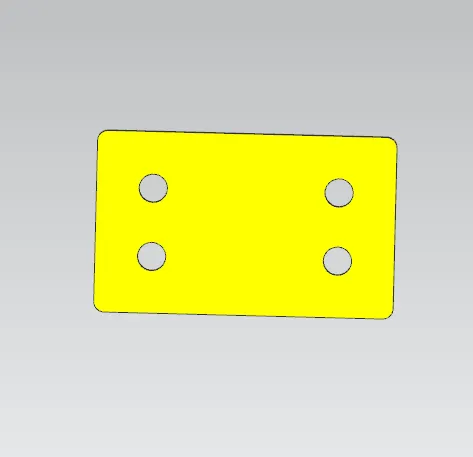
- Latch and Striker reinforcement
In the bottom part of the panel emboss is created for placemnet of latch and striker assembly. There is over slamming and abusing while opening and closing of the door, thus arising the need for reinforcement to be placed.
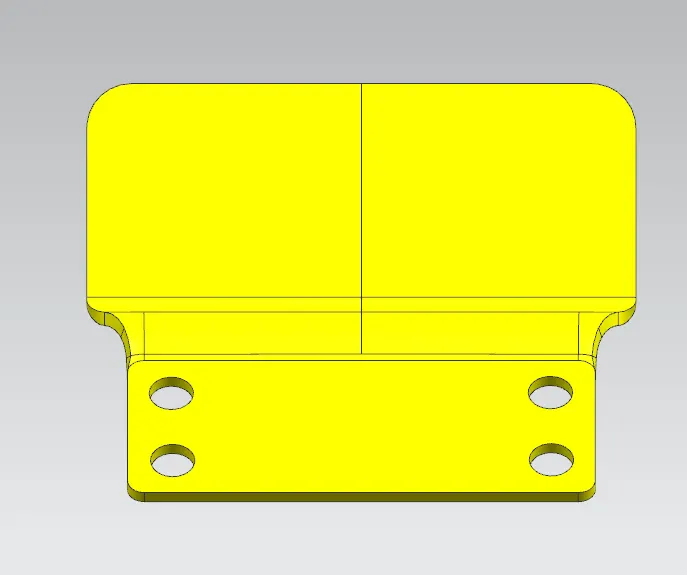
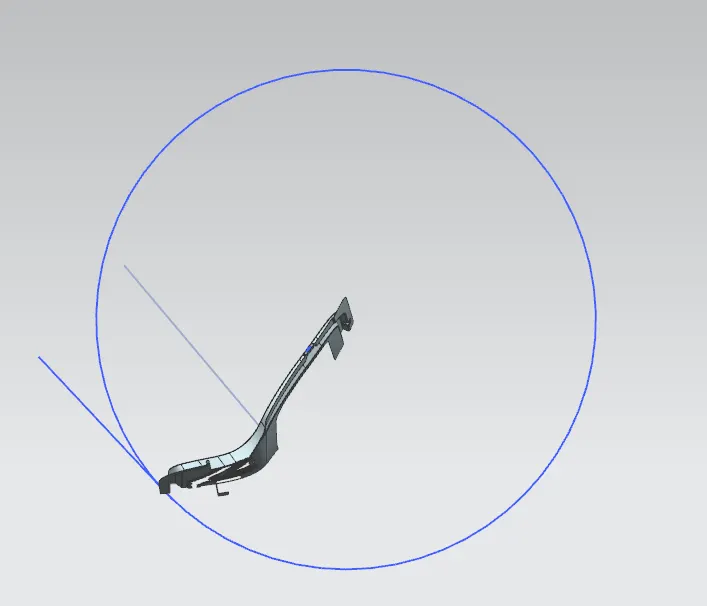
Positioning of Latch & striker/ Latch Trajectory:
Backdoor is the swinging part which rotates about hinge axis. The position and orientation of latch striker is important for proper opening and closing of the backdoor. The positioning is done by sketching a circle with center as the axis of the hinge which passes through the striker at appropriate position with respect to inner panel.
Design considerations
- Rear visibility
- Boot space & accessibility
- Sealing Flange
- Support structures like hinges and gas stays.
- Mounts for wiper motor, tail lamps and other wiring loops
- Rear crash regulations
- Joining techniques such as hemming, spot welding etc.
- Gap and flush requirements
Assembly:
In this assembly Top down approach was followed wherein from given styling surface the inner panel was created using various tools/commands in NX. After that others parts were modelled as per the requirements one by one.
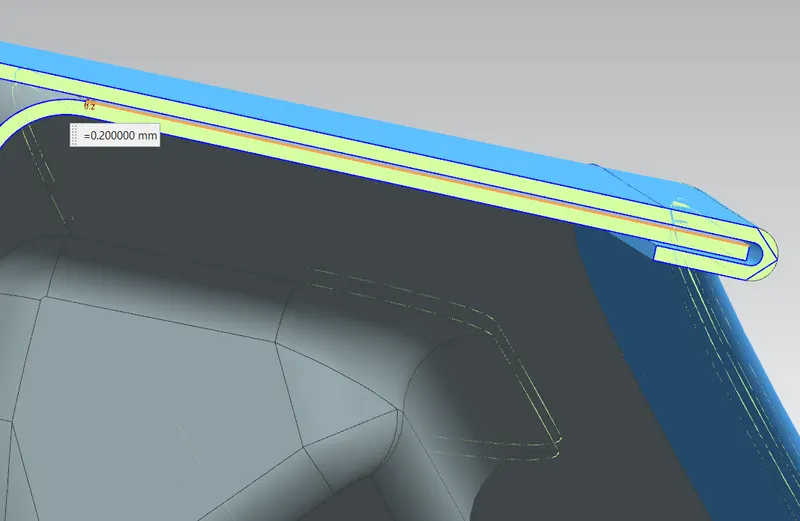
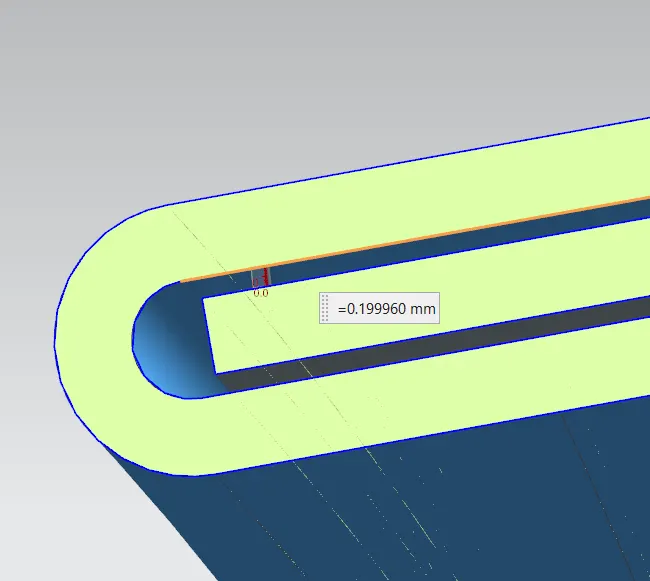
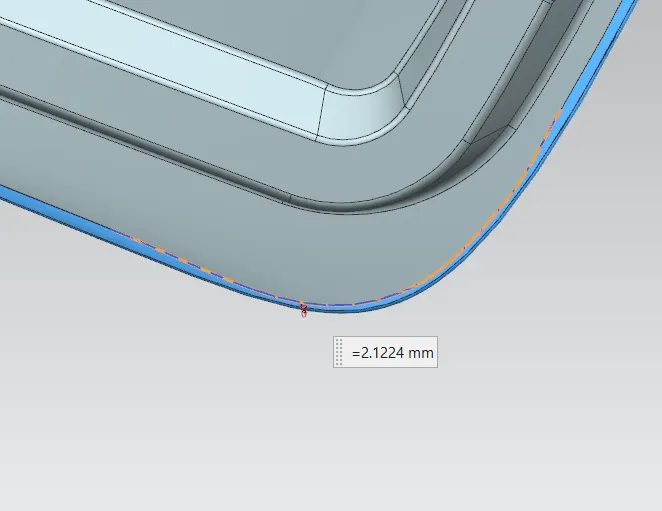
Upper Outter pannel and inner Panel are assembled with help of hemming process and relifes as shown below :
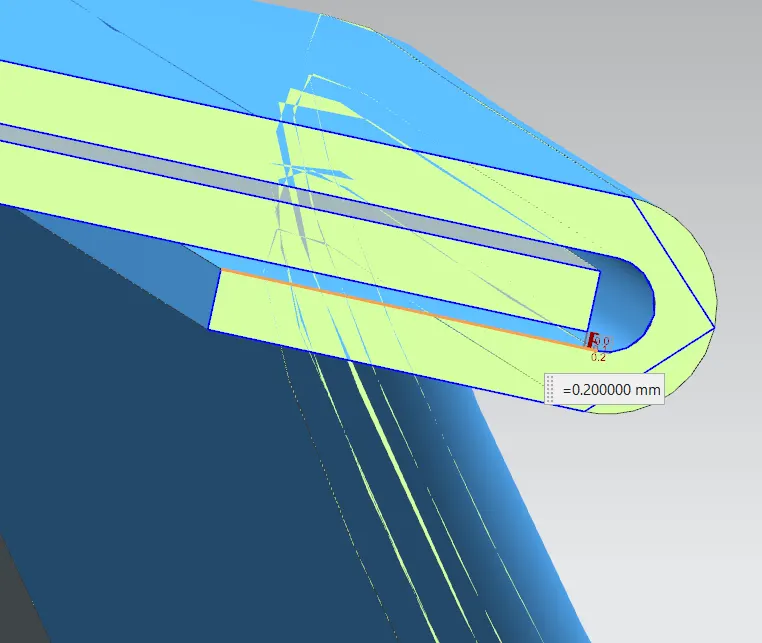
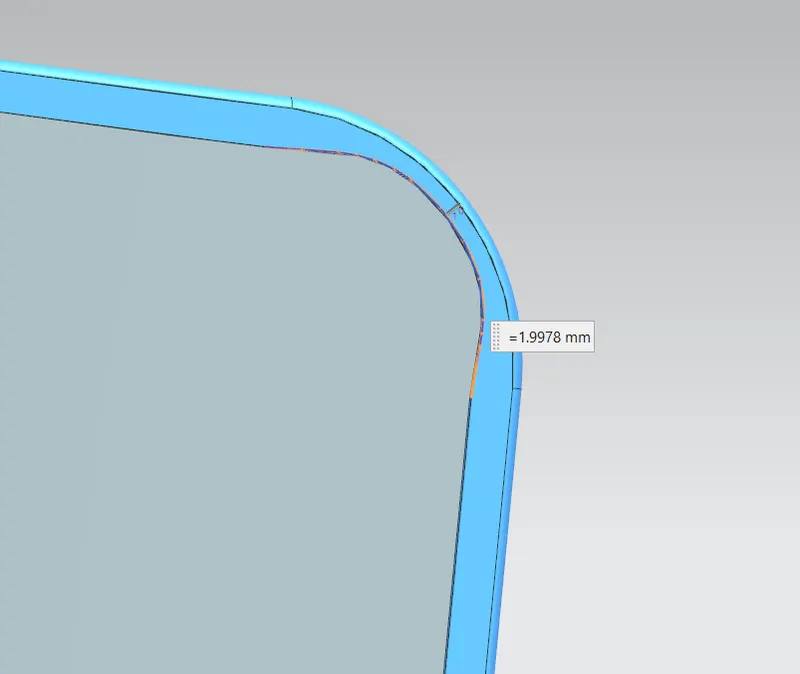
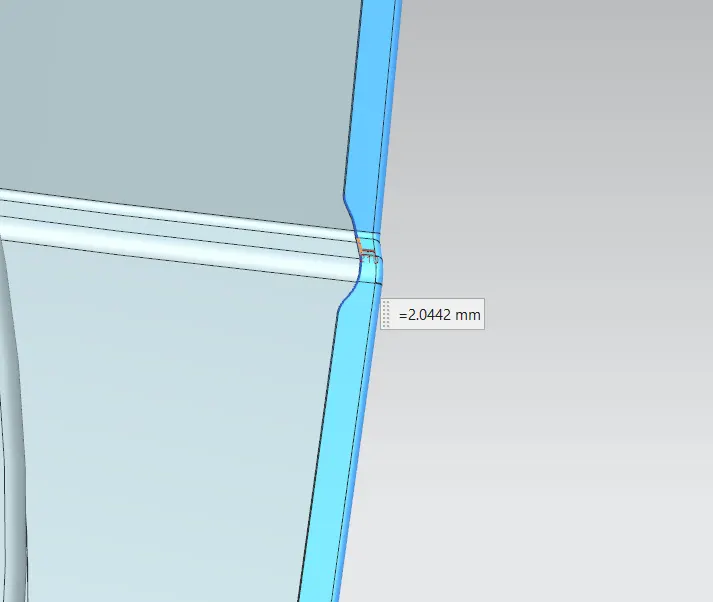
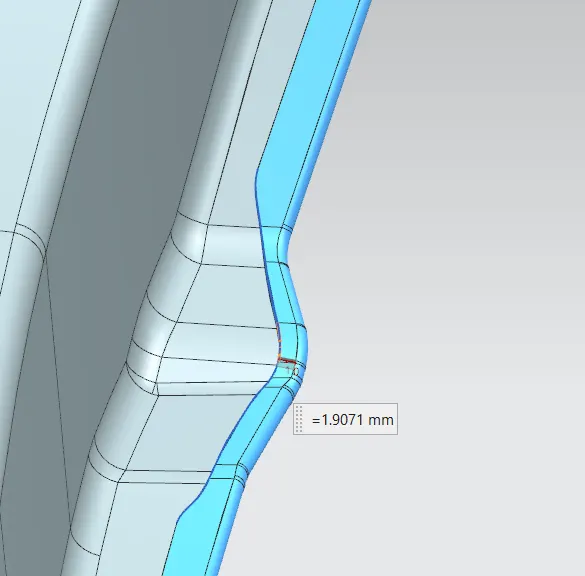
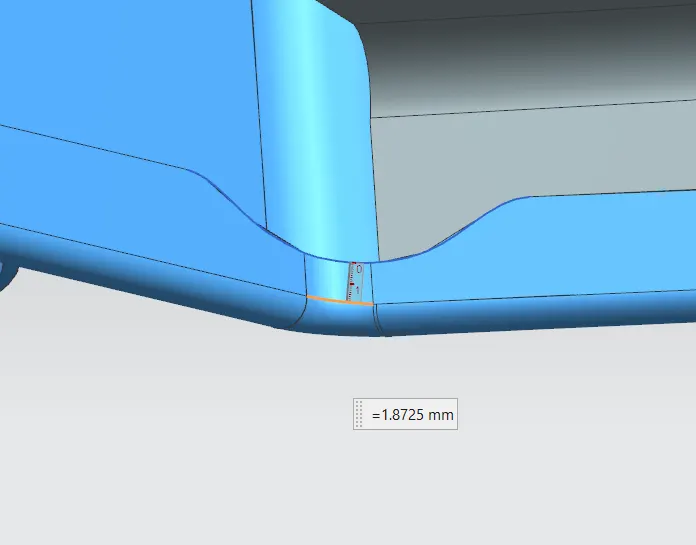
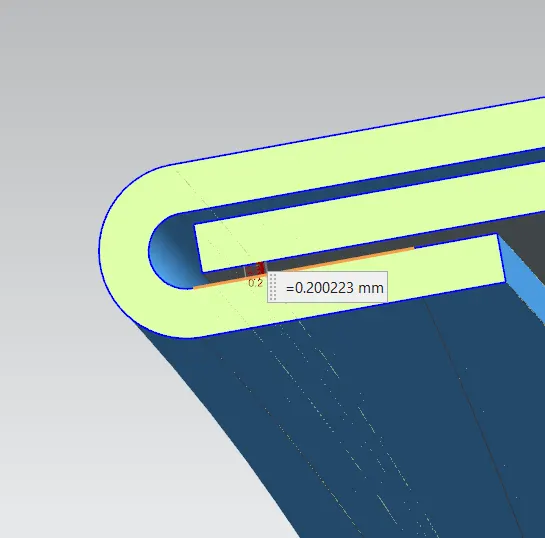
Lower Outter pannel and inner Panel are assembled with help of hemming process and relifes as shown below :
Draft analysis:
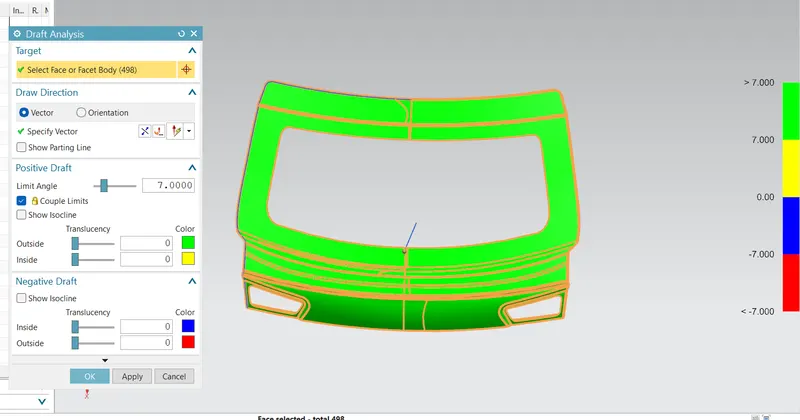
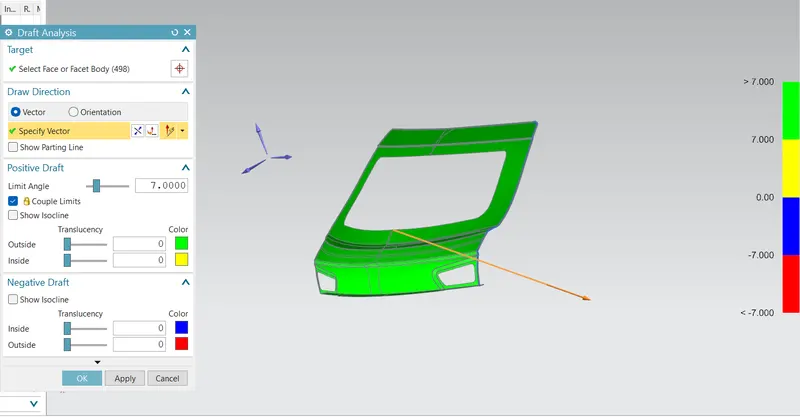
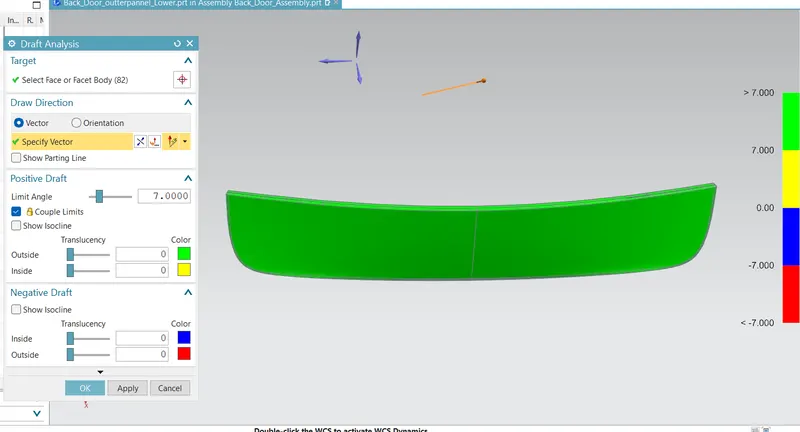
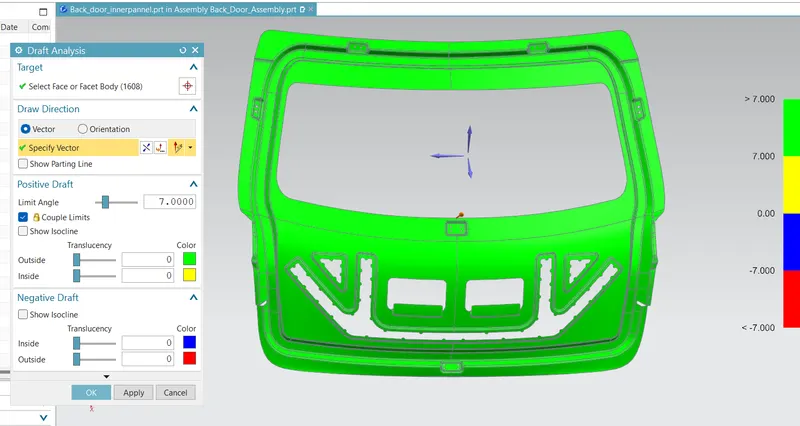
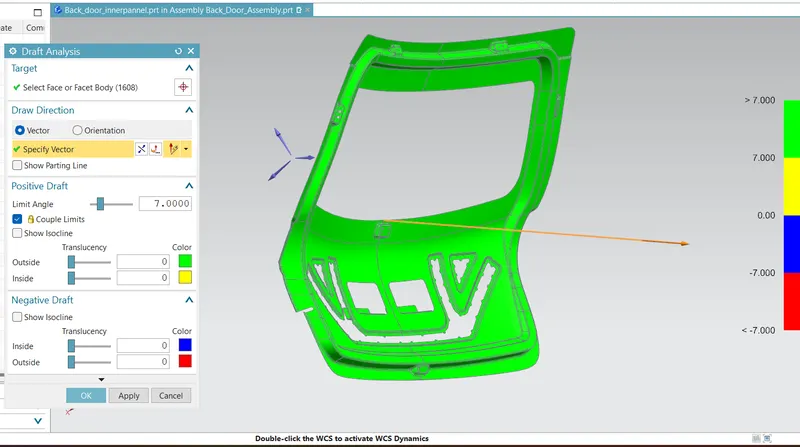
Every part which is manufactured from press tool or other forming tools require some positive draft on the faces which are parallel to the tooling direction. If we don’t give draft (Zero Draft) or give negative drafts on these faces it will stick to the mould surface and when the mould is in motion it will destroy surface thus reducing its surface finish. Thus Draft Analysis command enables us to detect if the part we have drafted can be easily ejected or not. It also give insights about the critical zones, so that appropriate changes in the design can be made if needed.
Upper Outter Pannel Draft Analysis::
Lower Outter Pannel Draft Analysis::
Inner Pannel Draft Analysis::
Result :
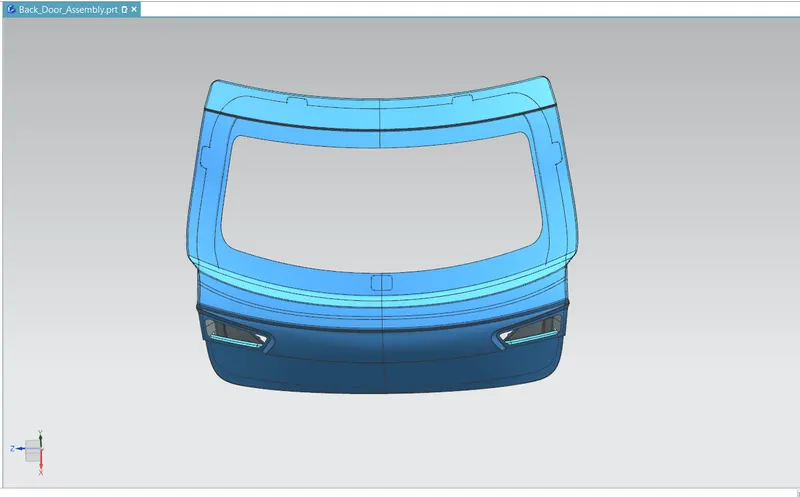
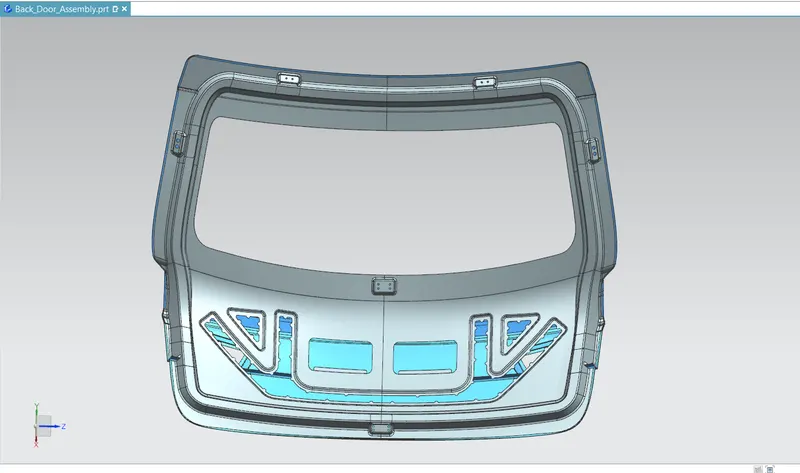
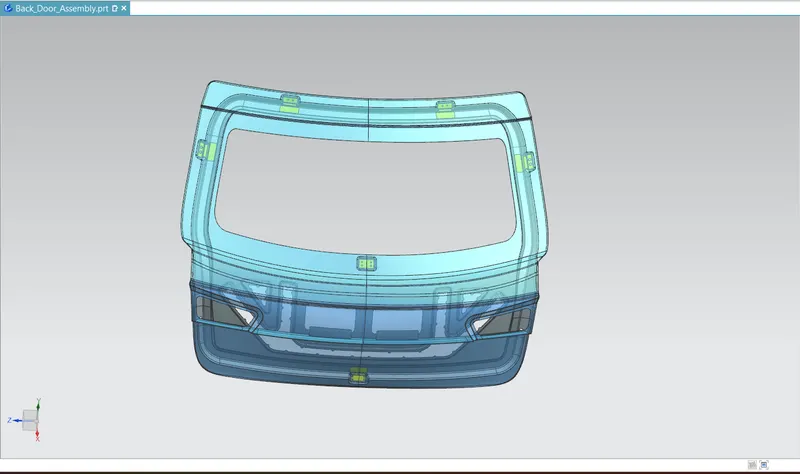
CONCLUSION:
Thus,For the provided Back Door Design Skin , I used appropriate design methodologies and provided the necessary reinforcements and embosses for the BackDoor design. Hence back door designed.