Design of backdoor
Aim : To Use the provided styling surface to come up with a back door design, use appropriate design methodologies, and provide the necessary reinforcements and embosses.
Introduction :
The distinguishing feature of a backdoor is a rear door that opens upwards and is hinged at roof level (as opposed to the boot/trunk lid of a saloon/sedan, which is hinged below the rear window). Most hatchbacks use a two-box design body style where the cargo area (trunk/boot) and passenger areas are a single volume. The rear seats can often be folded down to increase the available cargo area.Backdoor may have a removable rigid parcel shelf, or flexible roll-up tonneao covers to cover the cargo space behind the rear seats.
If the door is hinged at the bottom it is called a tailgate, particularly in the United States. They are used on station wagon and pickup truks, as well as on some sport utility vehicle (SUV). Traditional drop-down station wagon and pickup tailgates can also serve as a mount for a workbench.
Traditional U.S. station wagons included a roll-down window retracting into the tailgate to load small items or to allow the tailgate to be opened down on its bottom-mounted hinges. Because of the potential for carbon-monoxide fumes, the tailgate window on station wagons should be closed whenever the engine is running.
Two-way station wagon tailgates may be hinged at the side and the bottom so they can be opened sideways like a regular door, or drop downwards as load platform extenders.They are designed with special handle(s) for opening in the selected direction on special hinges after the window is lowered.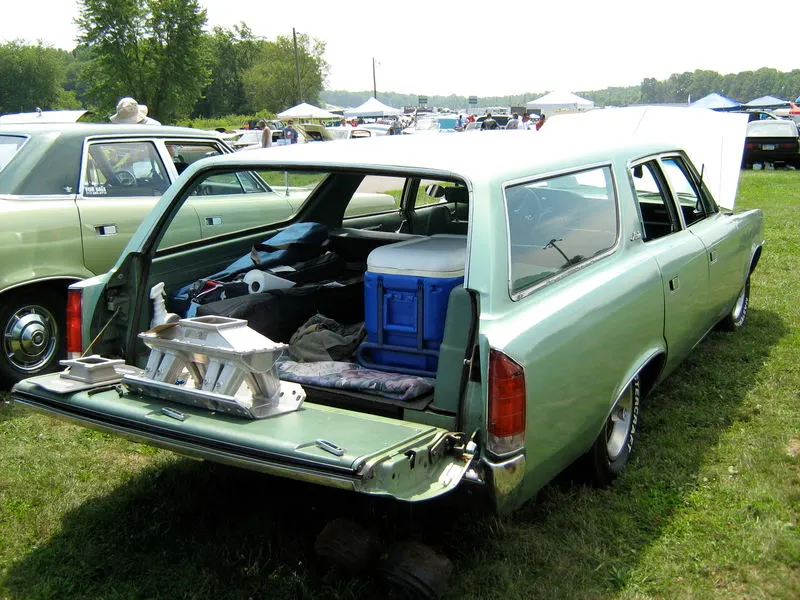
A three-way design that was also used by Ford allows for the tailgate to be opened like a door with the window up.
General Motors developed a clam shell style "disappearing" design where the rear window rolls up into the roof and the tailgate slides down and beneath the load floor.
If the door is hinged at the top it is termed a hatch, and is used on a hatchback. A bottom opening door is now common on suv
Types of Backdoors
There three types of backdoors based on the mounting location.
- Top type backdoor
- Side type backdoor
- Bottom type backdoor
- Double door type
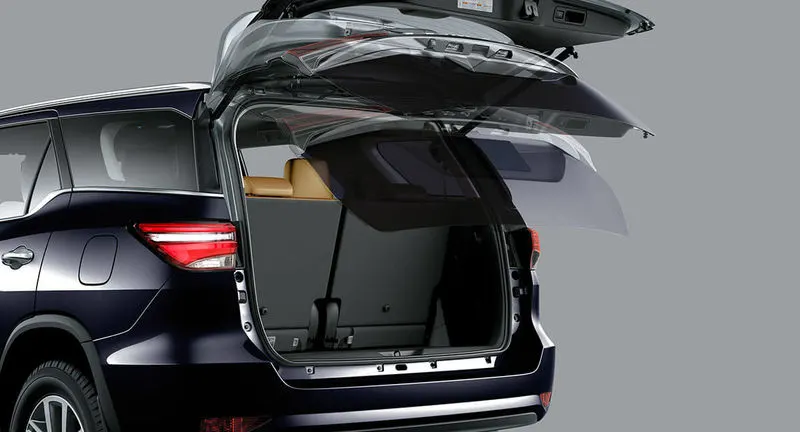
Top mounting backdoor : the backdoors mounted on the roof are called top mounting backdoors.
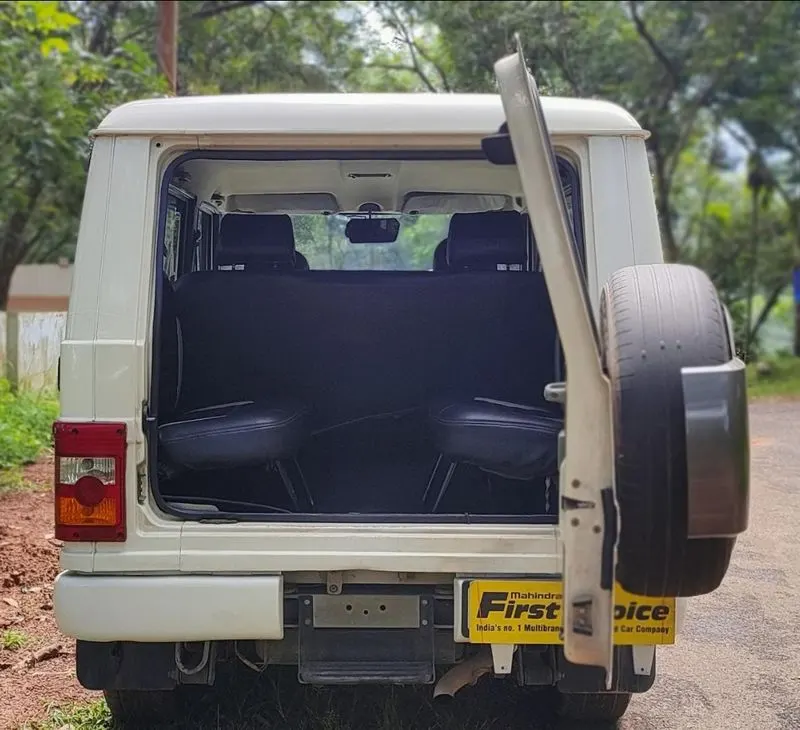
Side mounting backdoors: In this types the backdoor is mounted on the side of the boot space with the the help of hinges
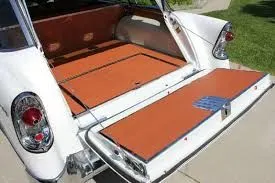
Bottom mounting type : This bottom type type backdoor system are used in the car type such as car, pickup truck and some luxuary SUVs. These are the most convenient type of back door in which the bottom split is used as a support or even as a table for the tour going people.
Double door type : This type of backdoor is generally used in larger vehicles such as containers , ambulances, vans , etc.
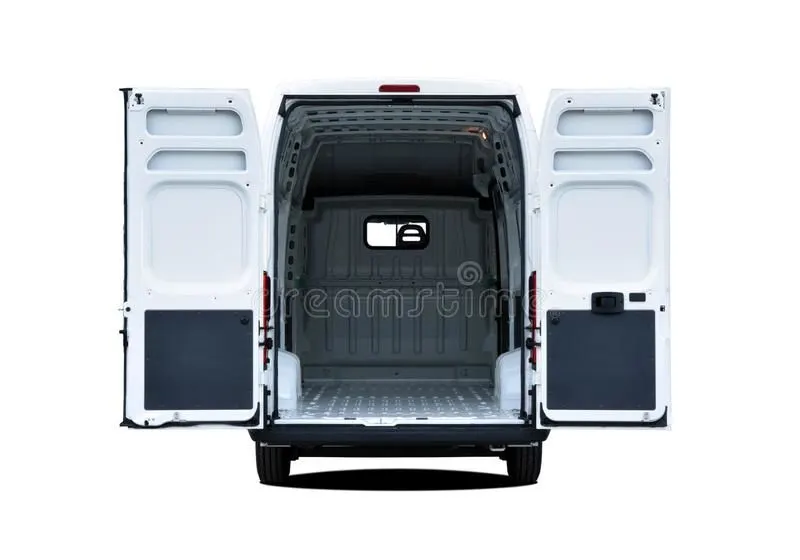
There is one more category based on the working mechanism of the vehicles .
1-Gas Stay type
2-Powered lift-system
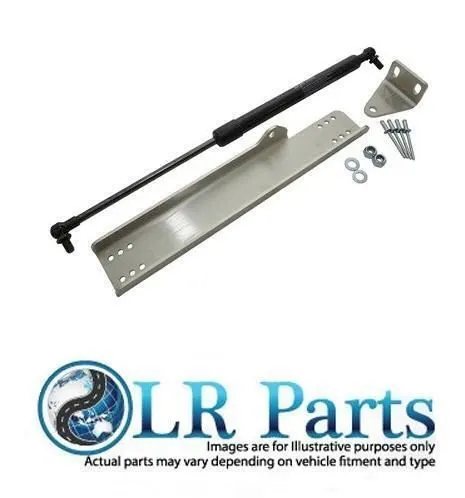
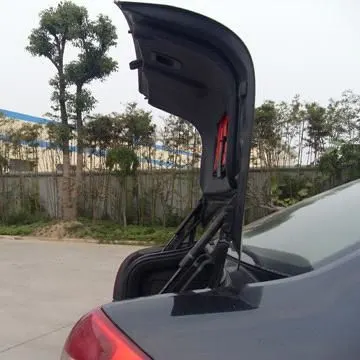
Gas Stay Type : Gas Stay type backdoor is an ideal and most commonly used tailgate mechanism from lower segment car to luxury car segment. The ideal components of tailgate consist of a hinge, door, gas stay and some rubber beadings for sealing of door.
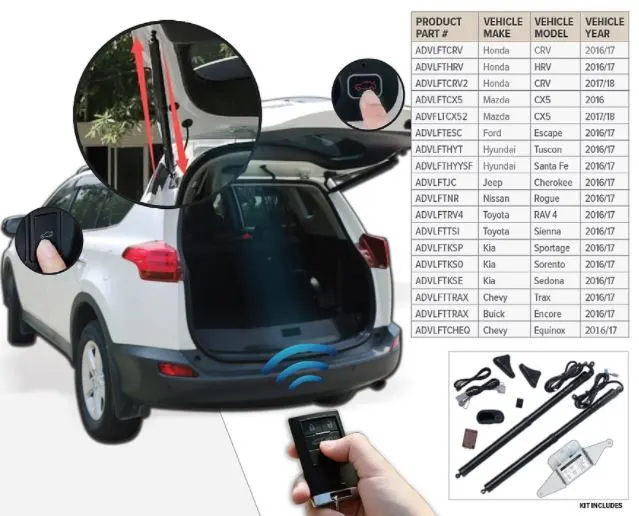
Powered lift system: Power trunk lift system is another sophisticated way of trunk or liftgate opening mechanism which is to automatically open and close of the trunk and release of the latch by the touch of a bottom. Powered trunk Lift system consists of a power latch, anti pinch switch, PTG assly, PTG main switch. When the switch is pressed in the compartment or outside the power latch releases the latch and the entire backdoor is opened. The anti pinch switch is located in order to avoid accidental hand insertion during the operation of the door.
Manufacturing Process of backdoor :
Their are two types of process
1- Casting
2- Stamping
3 - Hemming
1-Casting is generally done for aluminium components becacause its light weight and casting ability
for aluminium type backdoor only three components are required mostly i.e backdoor upper outer panel, backdoor inner panel and backdoor lower outer panel .
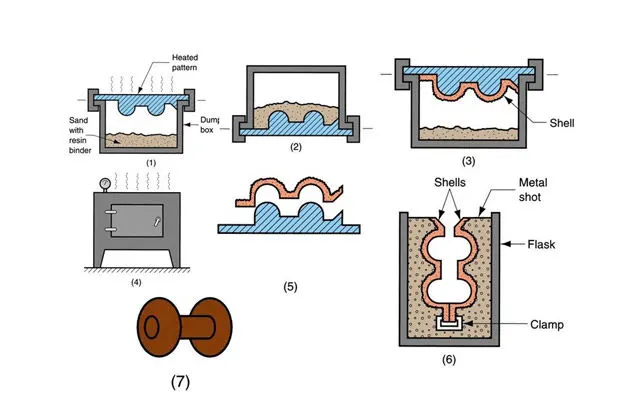
In casting why we use single inner panel - because in casting process we can give specific thickness to specific point that ability reduces the need of reinforcement.
2- Stamping process in this process the pannel has specific thickness throughout the pannel.Due to this we need to provide reiforcement to the local areas i.e hinges, Gas stay, wiper motor, latch and striker.
in this process we have to maintain large draft angle as of casting for effective manufacturing.
generally this process is done for steels casting process for steel is expansive as off aluminium.
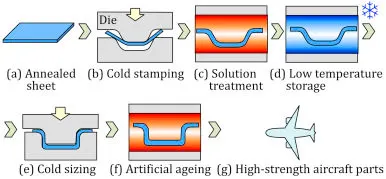
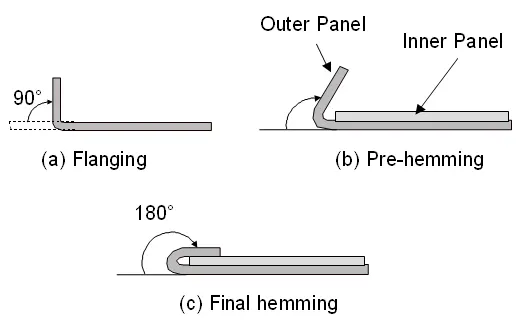
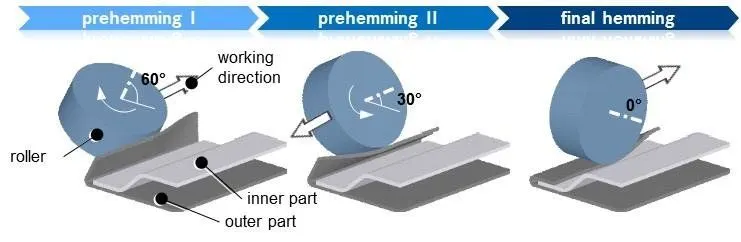
3- Hemming process : Hemming is a technology used by the automotive industry to join inner and outer closure panels together (hoods, doors, tailgates, etc.).
It is the process of bending/folding the flange of the outer panel over the inner one.
procedure :
- We get A-class surface from challenge
- Then we have to repair the class suface according to requiement.
- Now we model the outer panel upper using class surface
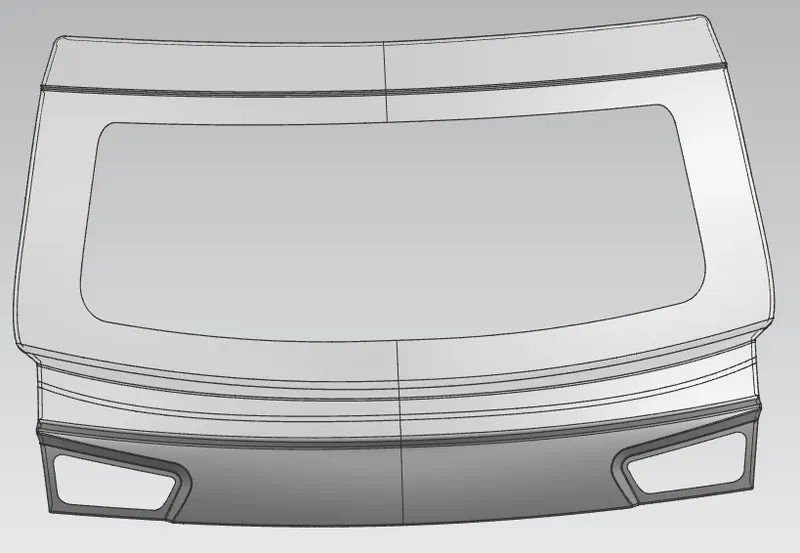
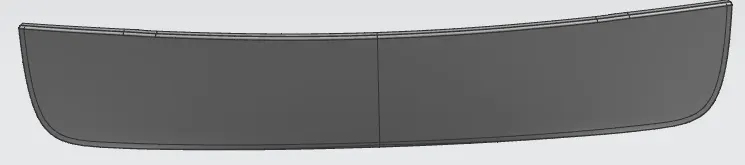
- after modeling backdoor upper outer we will model the outdoor lower panel
- now we create the backdoor inner panel using class surface.
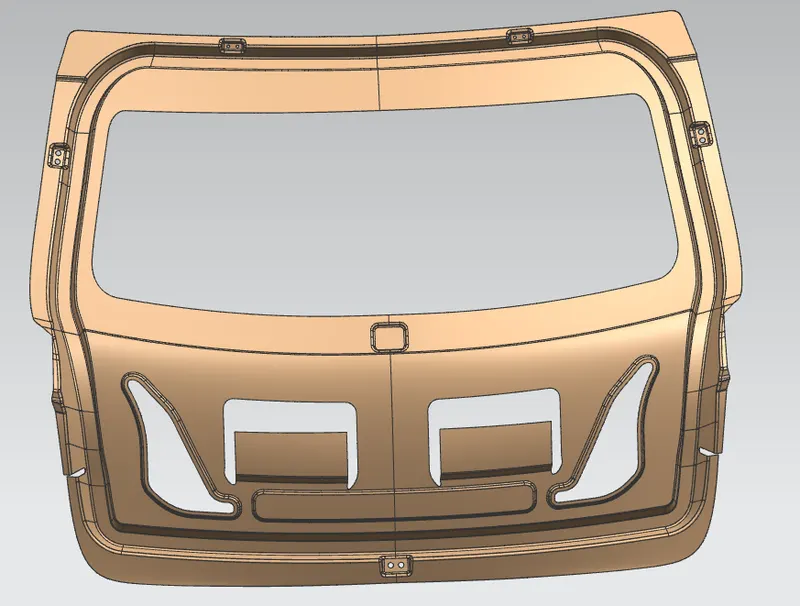
- After creating the inner panel we will provide the embosses to strengthen the part .
- now we make reinforcements for the local areas one-by-one i.e left hand hinge reinforement , right hand hinge reinforcement , left hand gas-stay reinforcement , right hand gas-stay reinforcement ,latch& striker reinforcement ,wiper motor reinforcement
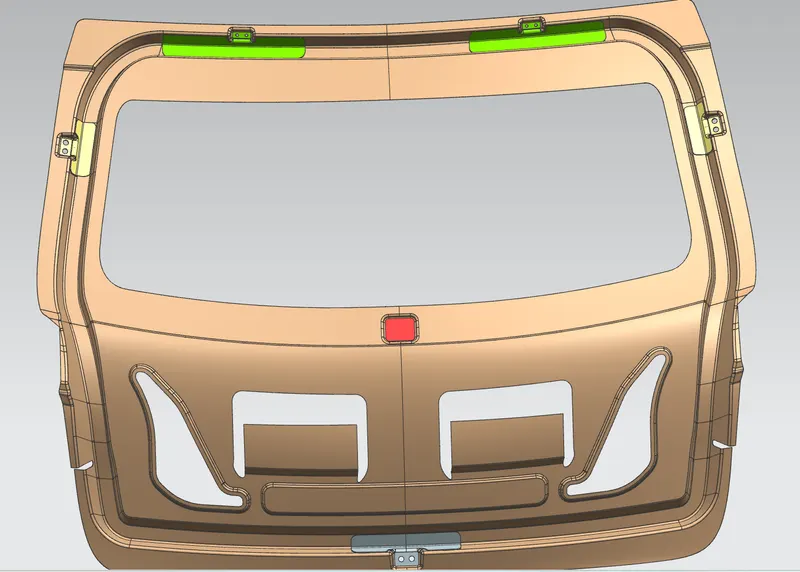
- now we have to check for the draft analysis wheather all the parts are satisfying the condition .
Draft analysis of inner pannel
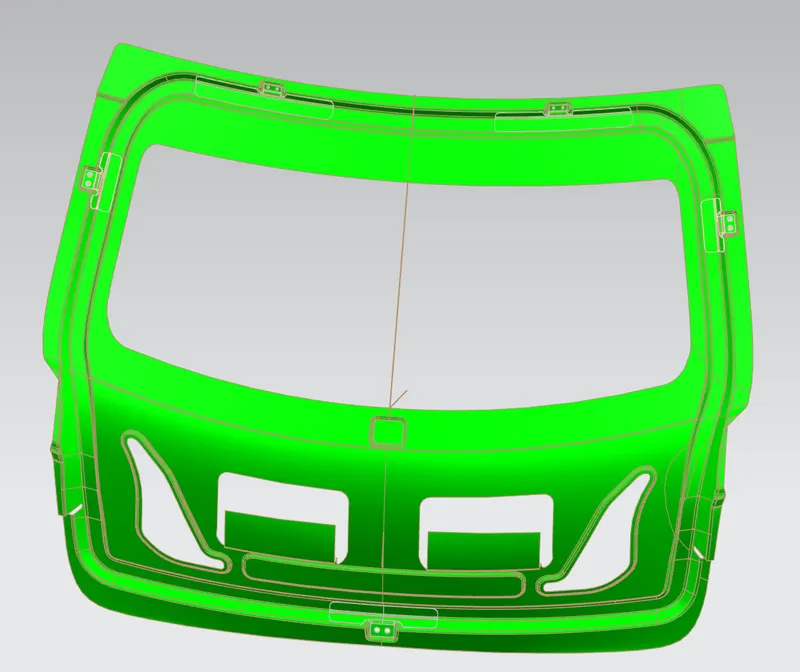
Draft Analysis of backdoor upper
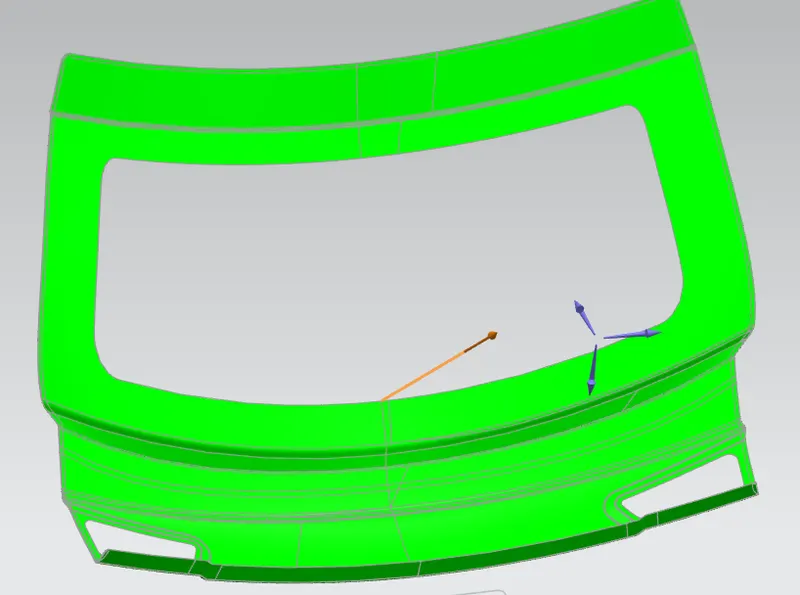
Draft Analysis of Backdoor Lower
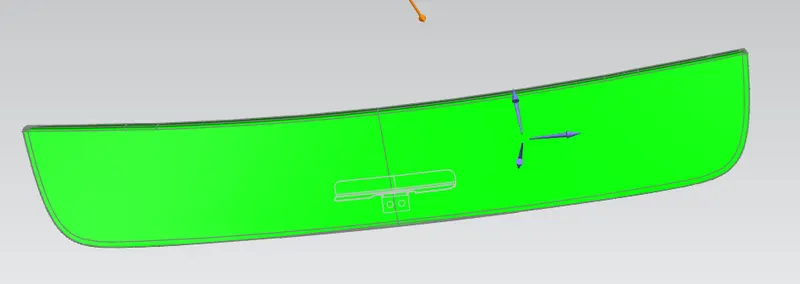
hence , all components clears the minimum draft angle value i.e 7 degrees
CONCLUSION : we created the backdoor using NX cadd while considering methodology and engineering aspects.