Design of backdoor
Aim: To design the Back door of the car using the appropriate design methodologies, providing the necessary Reinforcements and embosses in the inner panel for strength.
Design Considerations for a Back Door:
- Rear Visibility for Functionality and Safety.
- Boot Space and Accessibility.
- Type of Backdoor Opening (For individual vehicle requirement).
- Fixing and Support Structures like Hinges and Gas stays.
- Mounts for Wiper Motor, Back Lights/Tail Lamps
- Fit and Clearance (For Assembly and Aesthetically looks).
- Strength Of Backdoor (Require in collision).
Back Door: The Back door of a car is a component which hinges at the back of the car to cover the boot space or luggage area, it has back lights/ Tail lamps and Braking lights which is termed as "Third brake light" mounts on it, rear windshield fixes between inner and outer panel, in some back door spare wheel can be mounted on it, sometimes car registration number plate mounts on it and it gives a complete closed design to the car.
Functions of the Backdoor:
- It protects the occupants and luggage from getting damaged.
- It houses assembly of tail lamps, wiper motor and other components.
- It serves as entry and exit point for luggage/passengers.
- It houses windshield glass which helps in rear visibility.
- Parking sensors, rear view camera are mounted on it.
Types of Backdoor:
Top mounted:
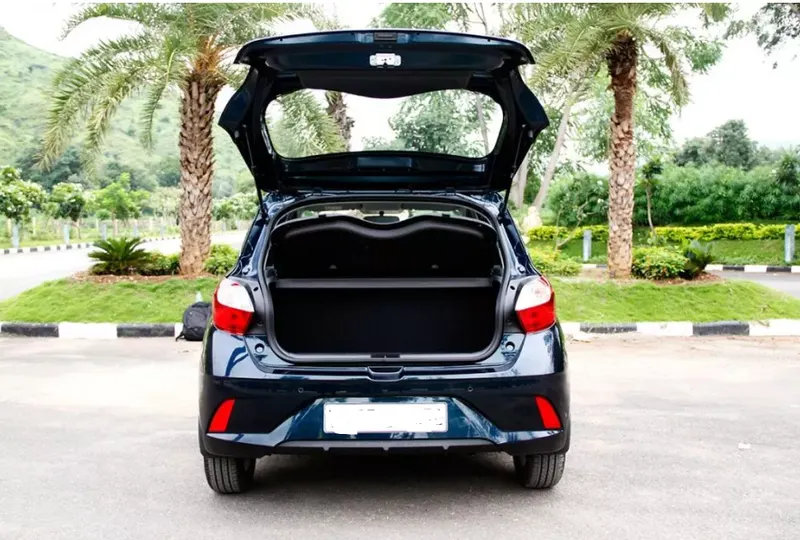
These type of back doors are used in a station wagon, pickup truck and some other sports utility vehicles. Today’s modern cars use top mounted tailgating systems which are both powered and also gas stay supported. These tailgates provide greater rear visibility compared to other types.
Side mounted:
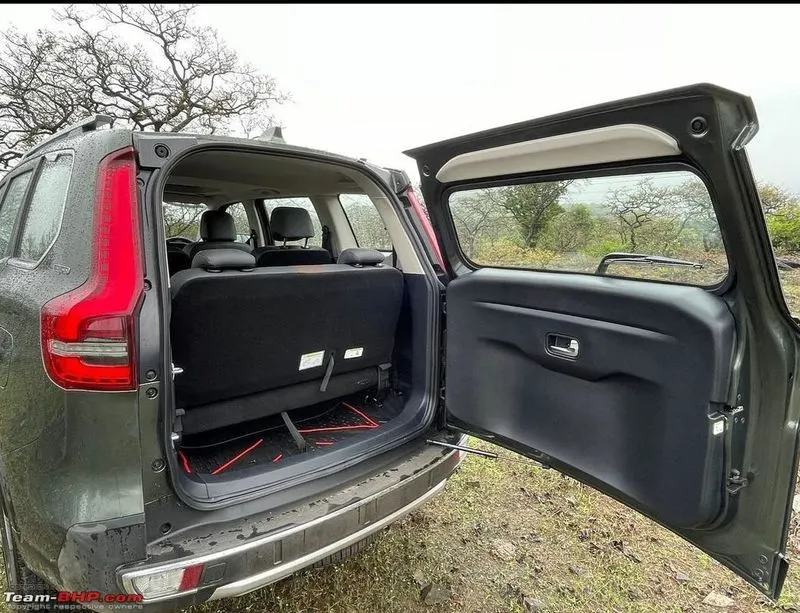
It is generally used in van type MPVs, SUVs, pickup truck vehicles. These side mounted door/barn doors are a lot easier compared to top mounted ones. These doors are generally small in size and can be easily accessed. These doors are more convenient for the goods handlers carrying lengthy objects, long pipes where one door is kept open. It also saves accidental head impacts. It is a lot easier to load /unload things in vehicles having side-mounted doors.
Bottom mounted:
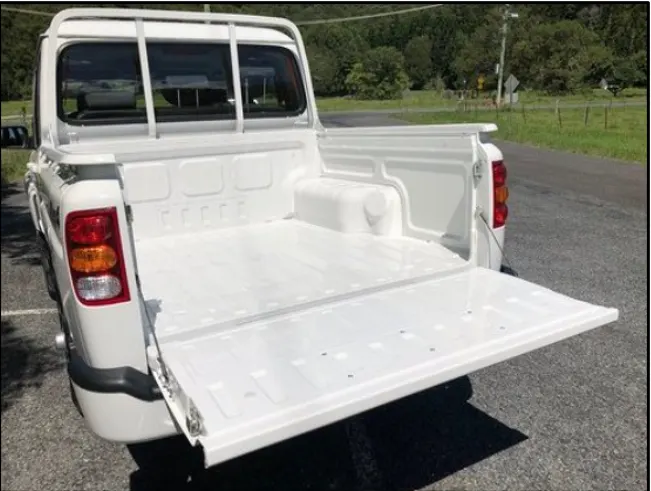
Bottom type or split type backdoor system is used in estate type cars, pickup trucks and some luxury SUVs. These are most convenient type of backdoor in which the bottom split is used as a support or even as a table for the touring people.
Manufacturing Processes used to make Backdoor:
Deep drawing:
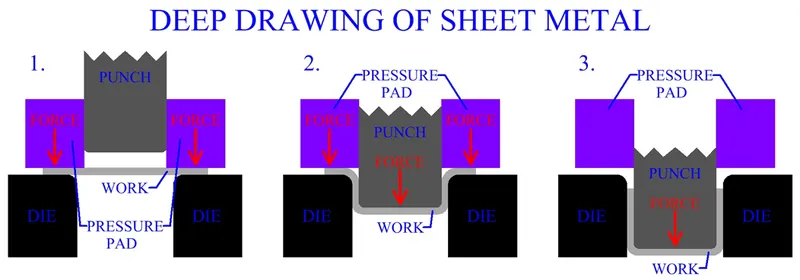
Deep drawing is a sheet metal forming process in which a sheet metal blank is radially drawn into a forming die by the mechanical action of a punch. It is thus a shape transformation process with material retention. The process is considered "deep" drawing when the depth of the drawn part exceeds its diameter. This is achieved by redrawing the part through a series of dies. The flange region (sheet metal in the die shoulder area) experiences a radial drawing stress and a tangential compressive stress due to the material retention property. These compressive stresses result in flange wrinkles (wrinkles of the first order). Wrinkles can be prevented by using a blank holder, the function of which is to facilitate controlled material flow into the die radius.
Punching:
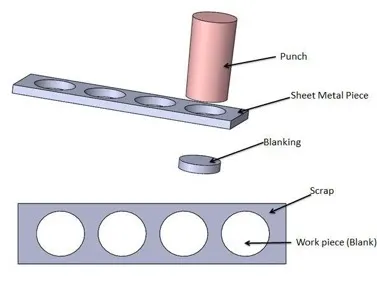
Sheet metal punching is a cutting process in which material is removed from a piece of sheet metal by applying a great enough shearing force. CNC Punching can be used to produce holes and cutouts of various shapes and sizes.
Embossing:
Embossing is a stamping process for producing raised or sunken designs or relief in sheet metal. This process can be made by means of matched male and female roller die, or by passing sheet or a strip of metal between rolls of the desired pattern, theoretically with no change in metal thickness, or by passing sheet or a strip of metal between rolls of the desired pattern.
- Metal sheet is drawn through the male and female roller dies producing a pattern or design on the metal sheet. Depending on the roller dies used, different patterns can be produced on the metal sheet.
- Emboss should be in 7 degree to 25 degree inclinte in angle and it should not be in 90 degree angle,why because when we do stamping in manufacturing the stamping tool fits the sheet metal hence it will not come out of that sheet metal,So this is the main reason why the emboss face is in angle.
Rolling Process:
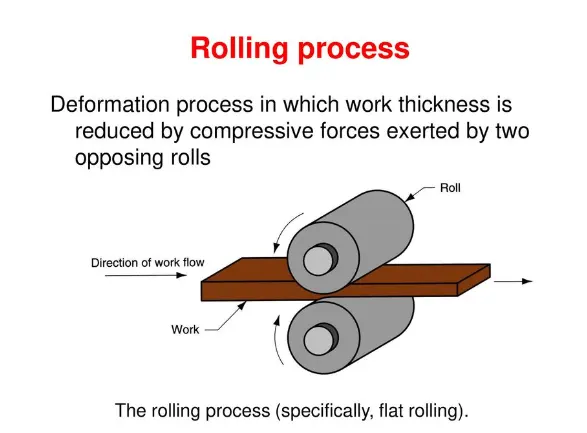
In sheet metal,rolling is a metal forming process in which metal stock is passed through one or more pairs of rolls to reduce the thickness, to make the thickness uniform, and/or to impart a desired mechanical property.
Lancing:
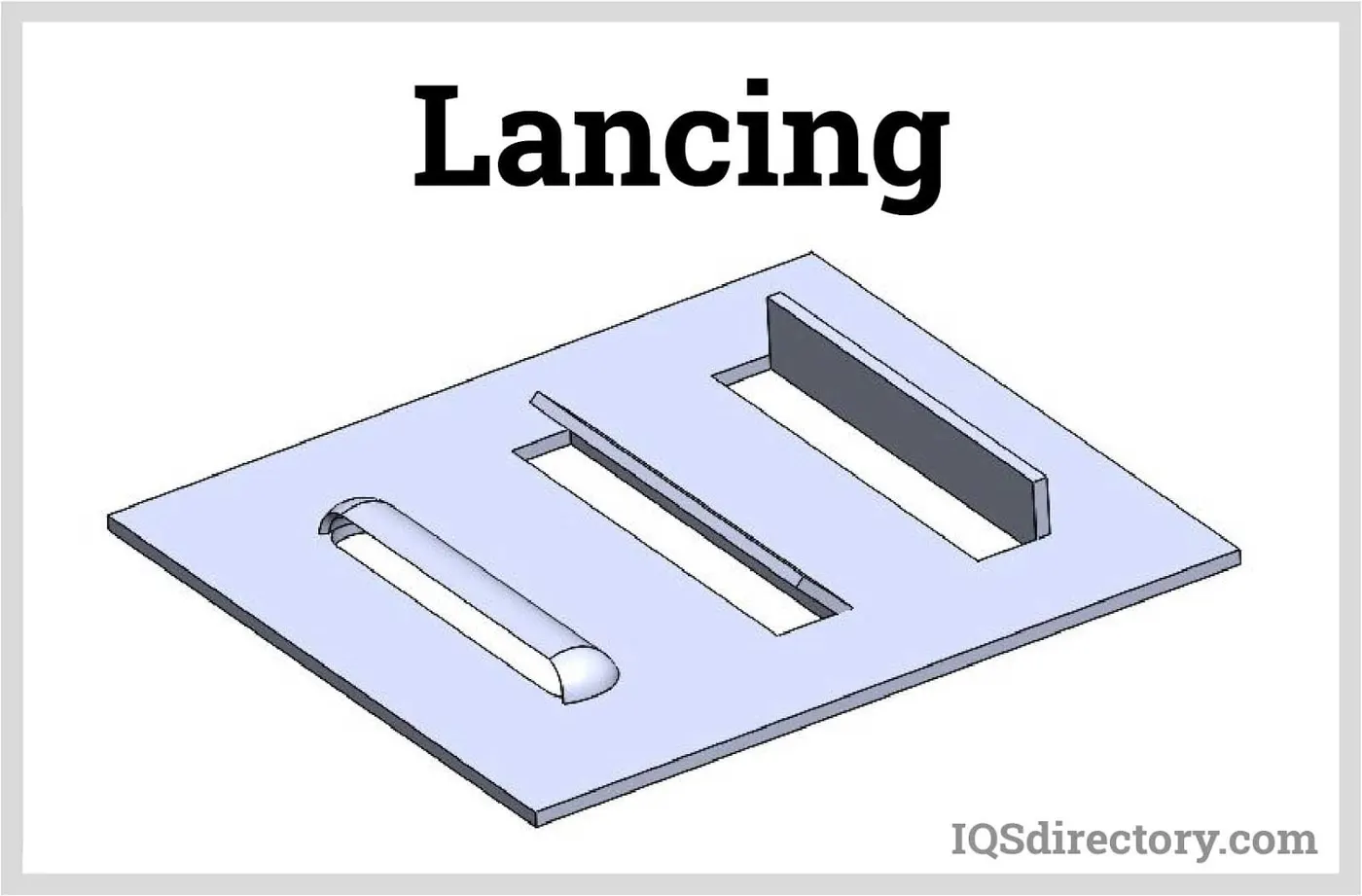
Lancing is a piercing operation in which the work piece is sheared and bent with one strike of the die. A key part of this process is that there is not reduction of material, only a modification in its geometry. This operation is used to make tabs, vents etc.
Hemming:
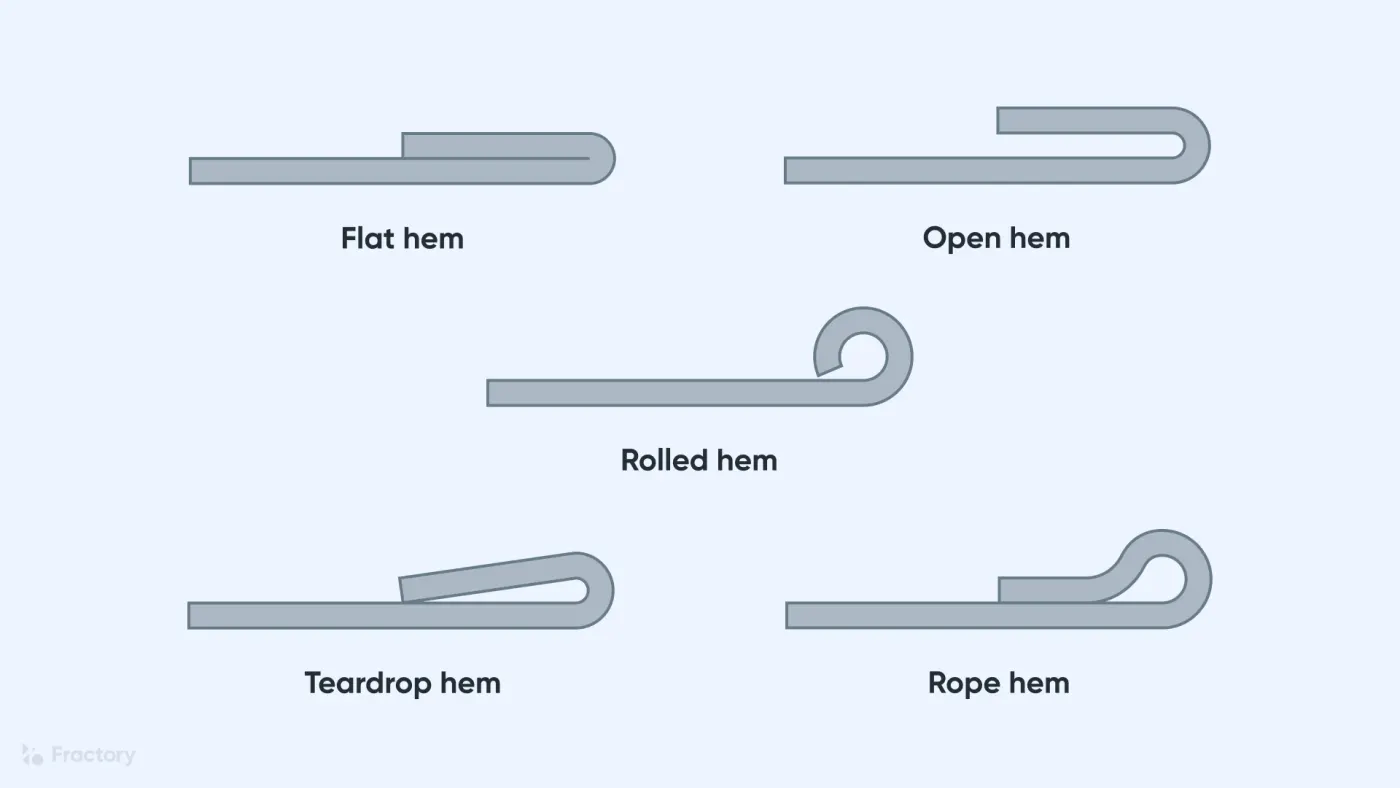
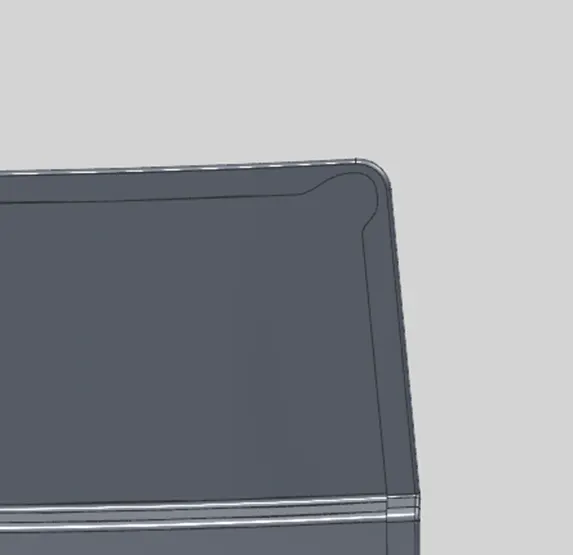
Hemming is a forming operation in which the edges of the sheet are folded or folded over another part in order to achieve a tight fit. Hemming is a technology used in the automotie industry to join inner and outer closure panelstogether (hoods, doors, tailgates, etc.). It is the process of bending/folding the flange of the outer panel over the inner one. The accuracy of the operation significantly affects the appearance of the car’s outer surfaces and is therefore a critical factor in the final quality of a finished vehicles.
Mastic Sealant:
A mastic sealant is a type of liquid sealant that cures in an elastic state, thus making it flexible while holding the bond of the surfaces that has attached together. It adheres to just about any material making an all-purpose type of sealant.
Some Tests that are performed on the Back door to check the strength, quality and durability:
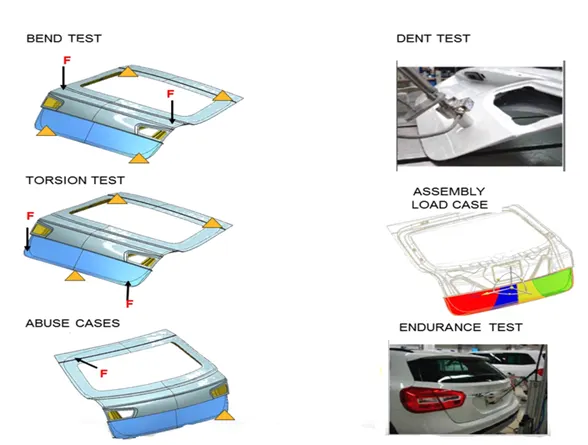
COMPONENTS OF BACKDOOR:-
- Inner panel
- Outer panel upper
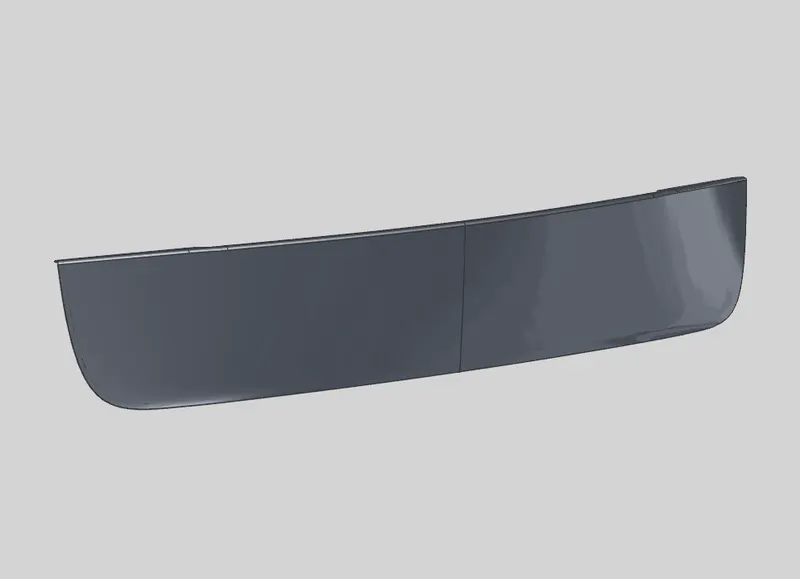
- Outer panel lower
- Hinge reinforcement LH
- Hinge reinforcement RH
- Gas stay reinforcement LH
- Gas stay reinforcement RH
- Wiper motor Reinforcement
- Latch reinforcement
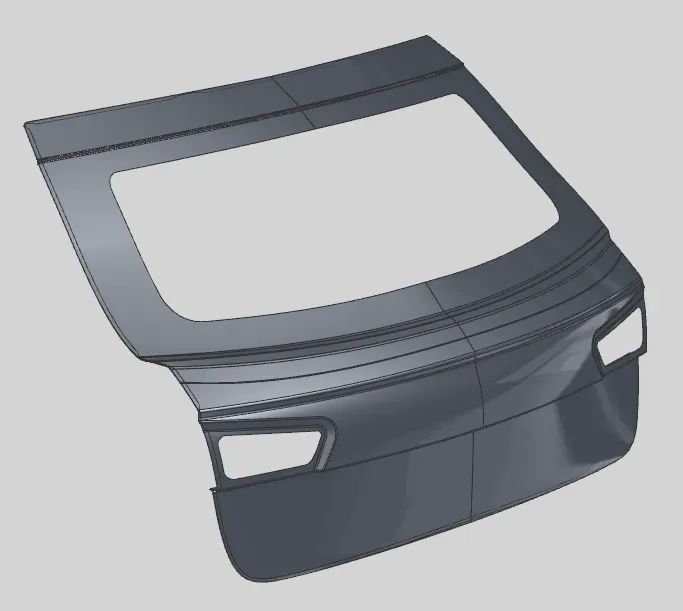
Outer panel upper:
It is the outer styling skin surface of the back door. It is provided with multistage coatings which has property of scratch resistance, rust prevention etc. It is wrapped around the inner panel through hemming process.
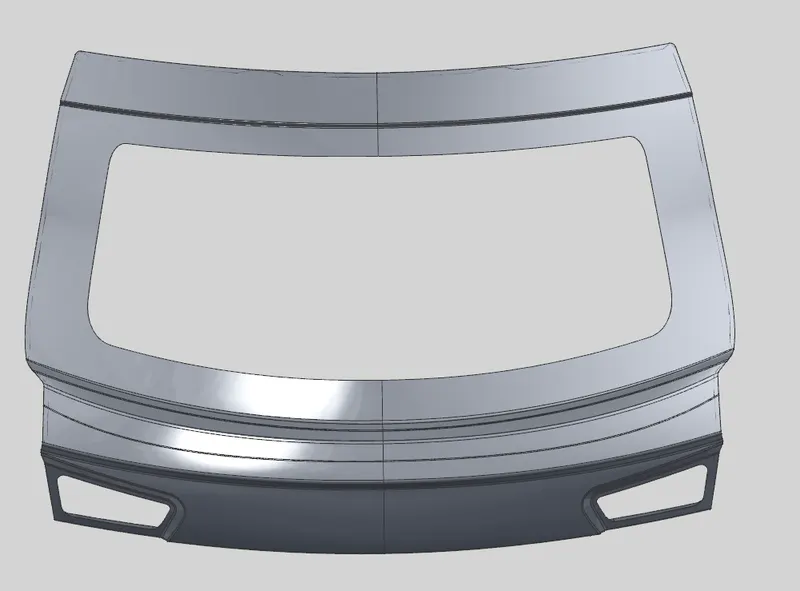
Outer panel lower:
Corner relief is done after hemming:
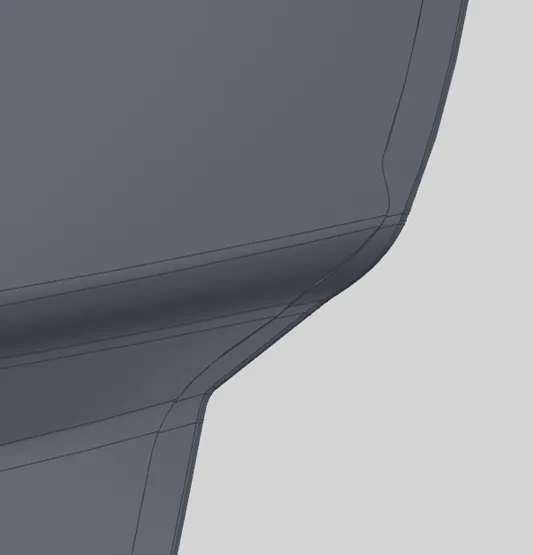
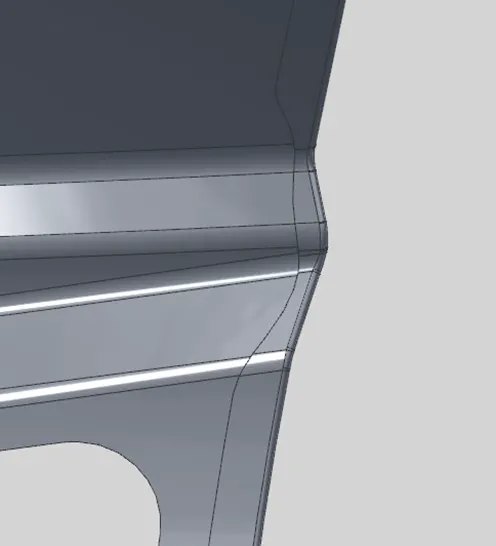
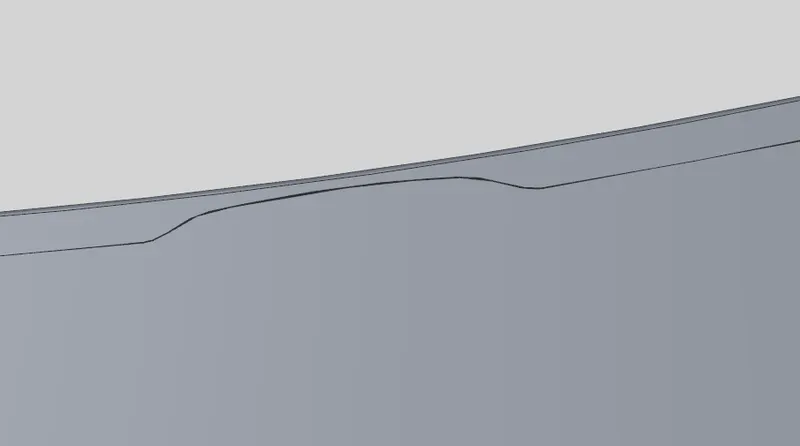
overall view of hemming regions:
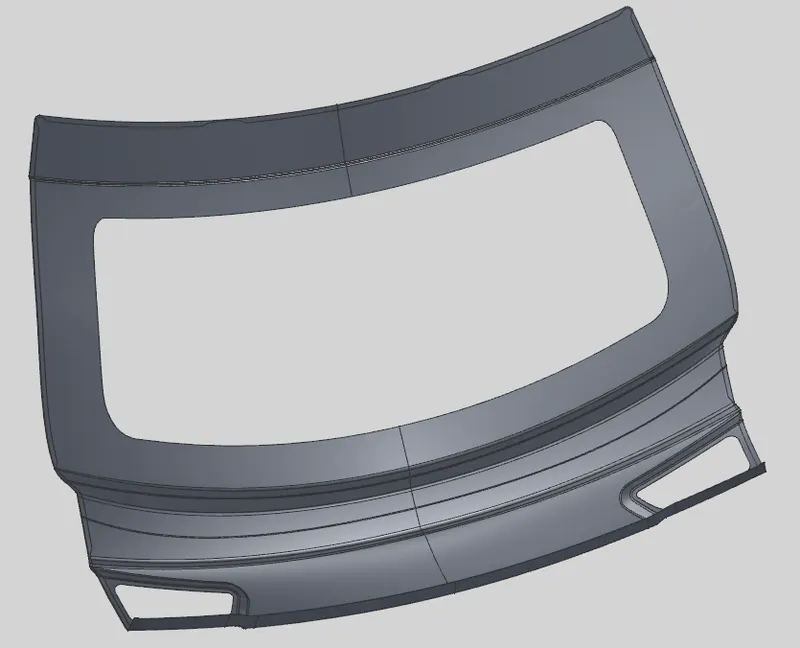
Outer Panel upper and lower :
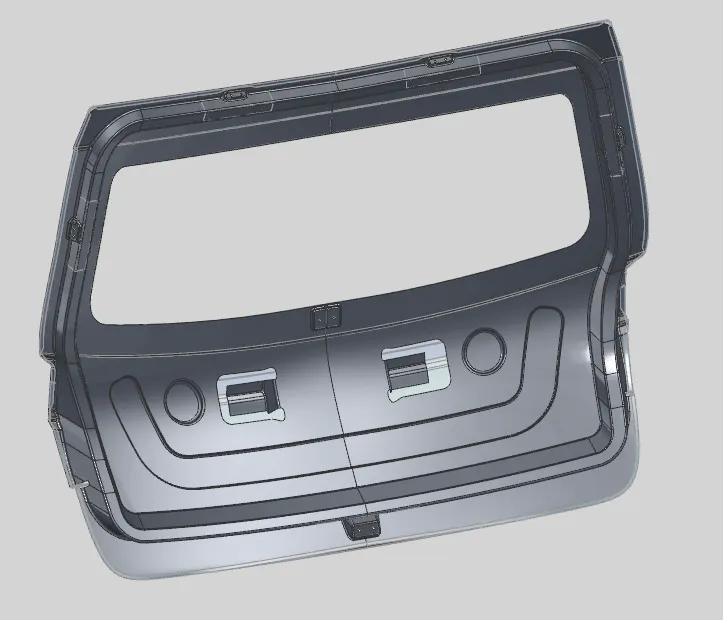
Inner panel:
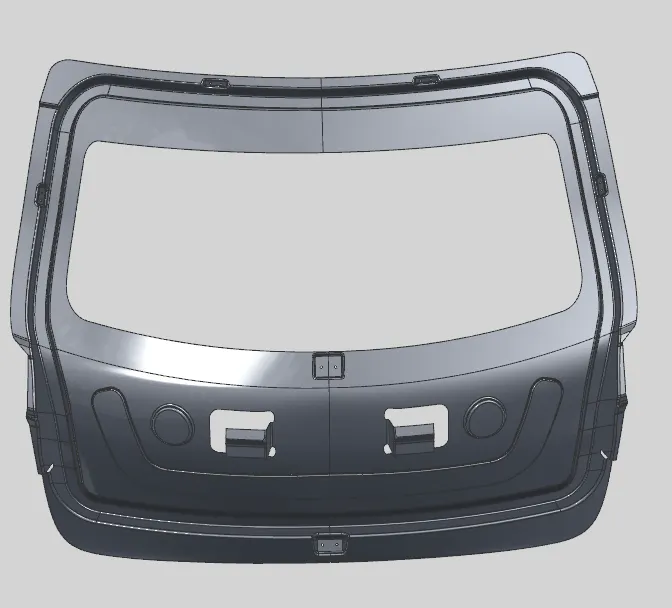
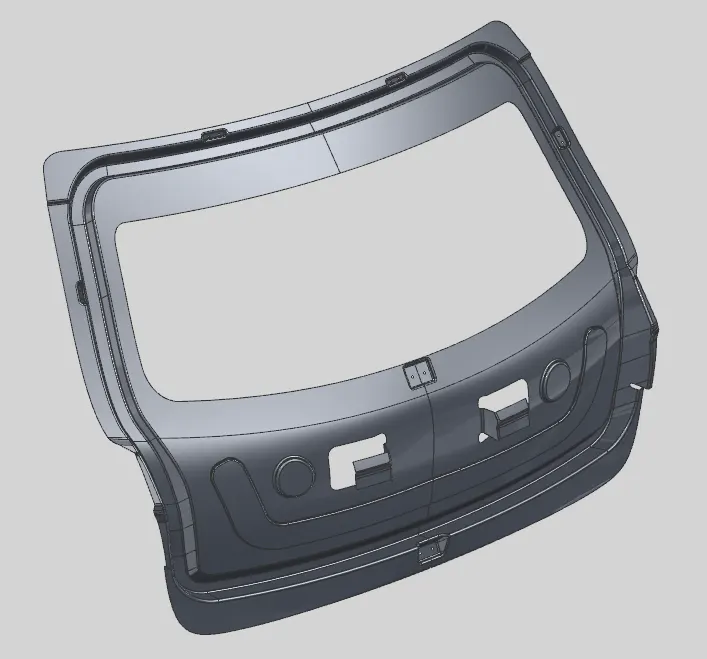
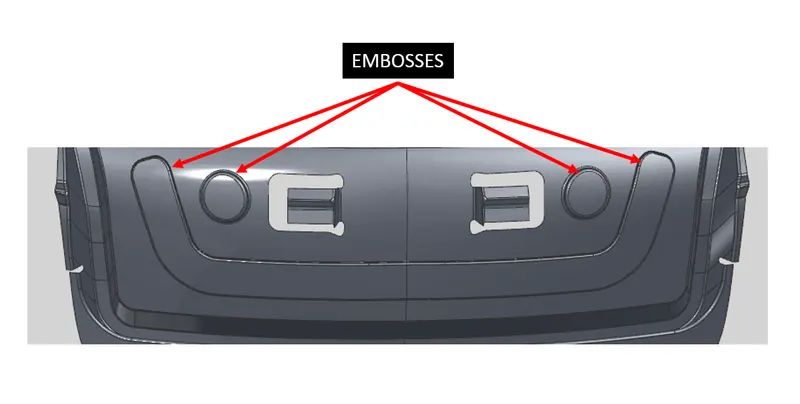
The inner panel is one of the most important components of backdoor assembly. It provides strength and helps in dissipation of forces outside the part with the help of embosses made on it. It helps in mounting of accessories like hinges, wiper motor, gas stay, latch & striker etc.
- Tooling Direction:
The back door is going to be manufactured by deep drawing process. In Deep Drawing process have a tool which is core and Die. The core part follows the single Straight path the inclination angle of the core is known as a tooling direction. The tooling direction/axis is created so, that the Manufacturing team take the reference of this tooling axis and manufacture the part accordingly.
- Embosses:
It is provided to give extra strength to sheet metal panel and to help dissipate forces/energy towards a specific direction. Here embosses are designed in such a way so as to direct them towards the outer end of the backdoor as shown in the image.
- Reinforcements:
Reinforcements are used to support and provide stiffness and strength to other components of BIW(Body In White).
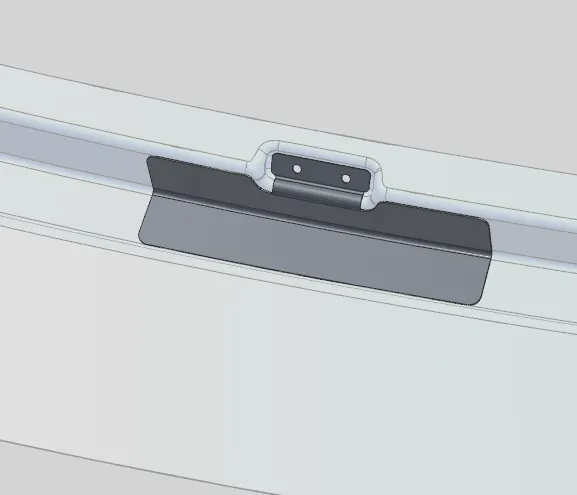
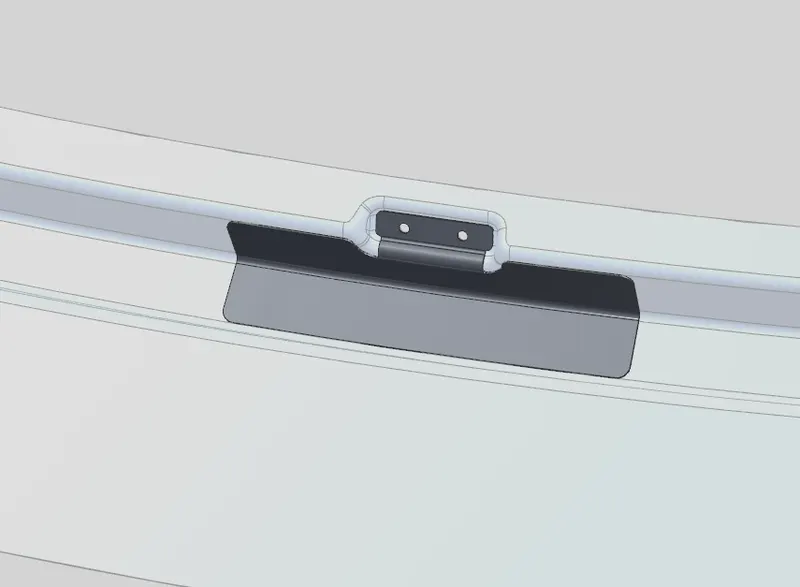
Hinge reinforcements: The hinge reinforcement is provided in order to give the strength of the inner panel. This is one of the part which carry the load and require strength.
Hinge reinforcement LH:
Hinge reinforcement RH:
Gas-Stay Reinforcements:
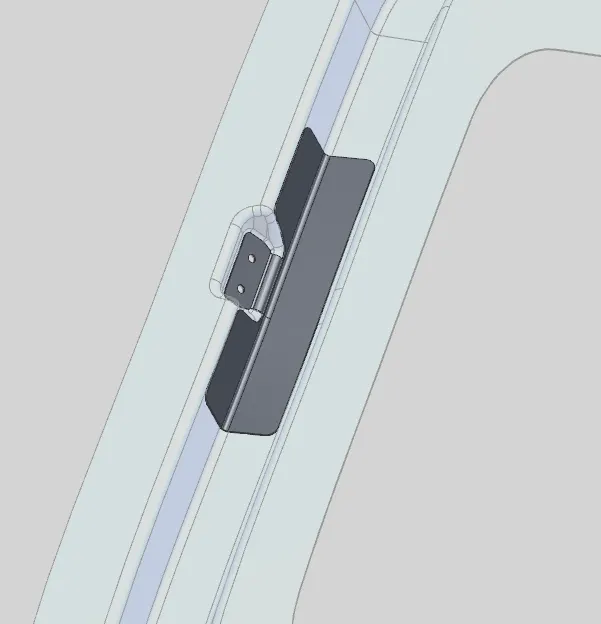
A gas-stay reinforcement is a required because the gas stay will carry the load of the backdoor in open position.
Gas stay reinforcement LH:
Gas stay reinforcement RH:
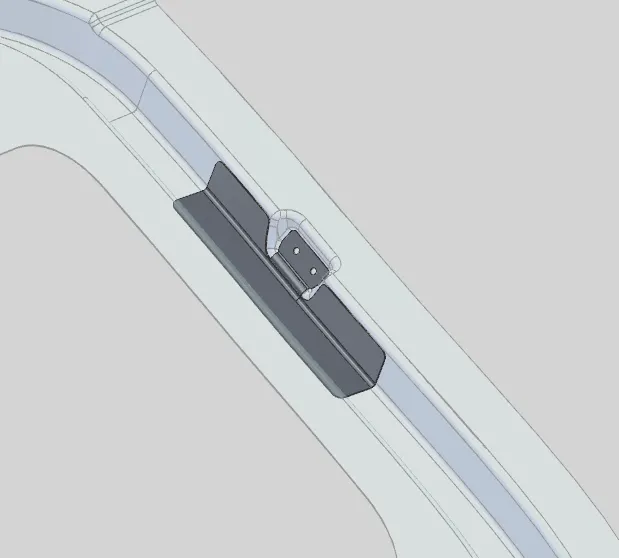
Wiper motor Reinforcement:
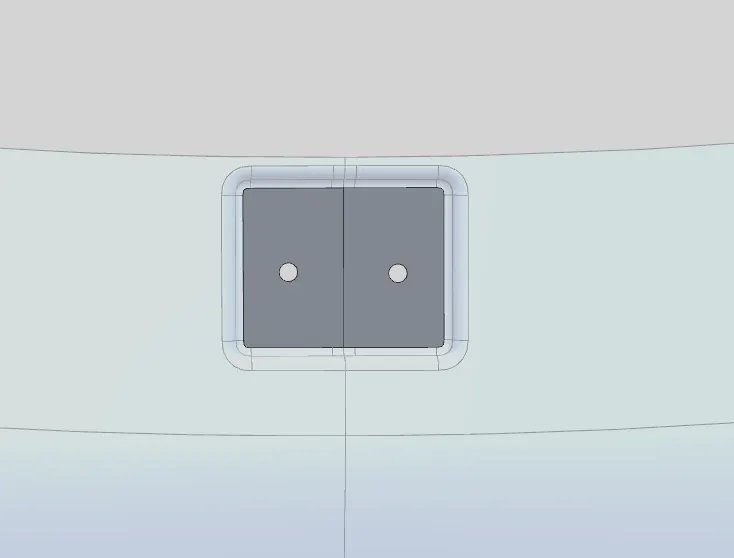
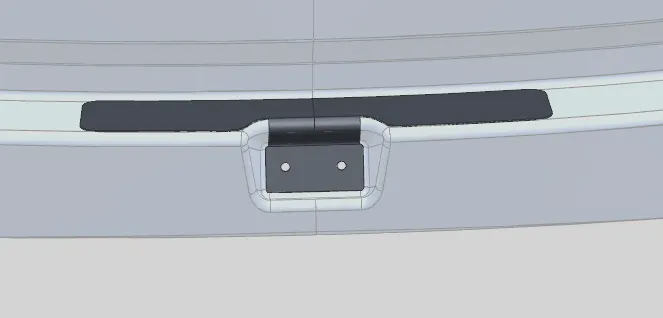
Latch reinforcement:
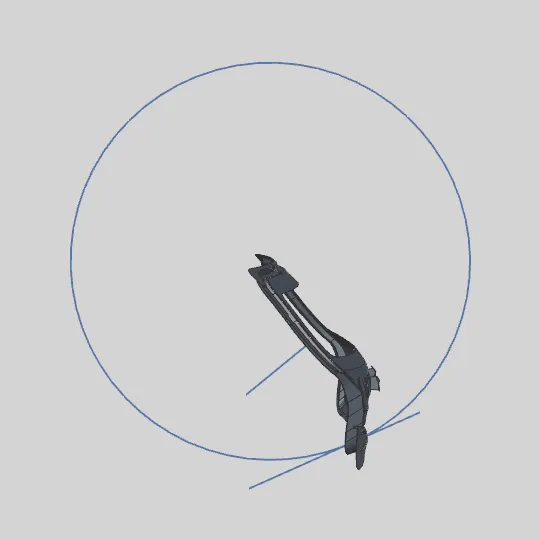
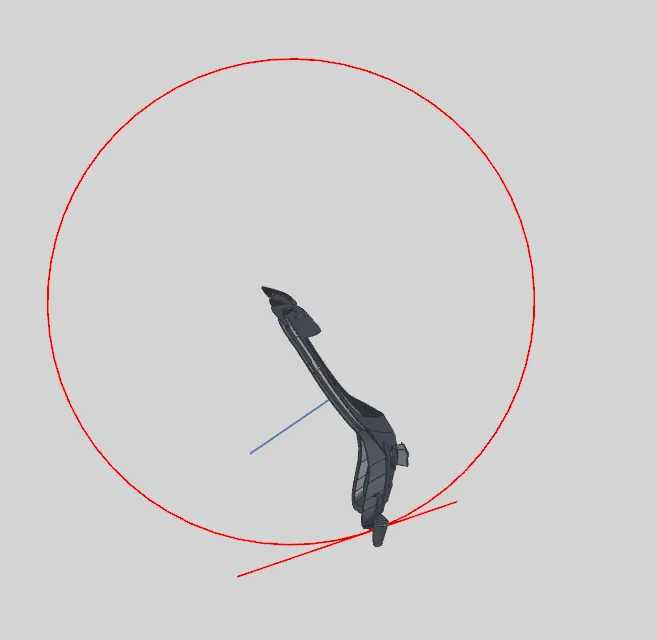
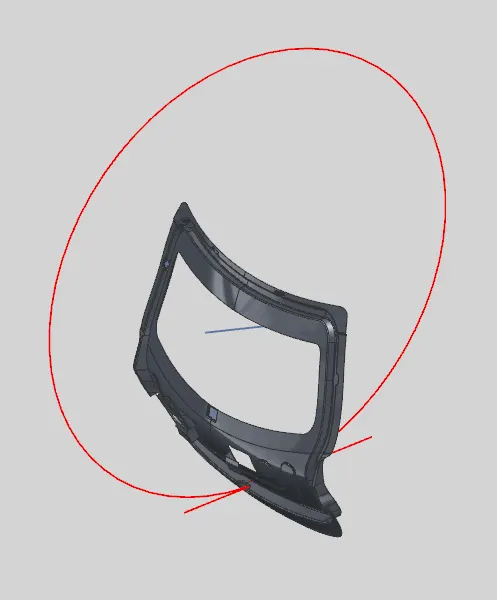
Positioning of Latch & striker/ Latch Trajectory:
Backdoor is the swinging part which rotates about hinge axis. The position and orientation of latch striker is important for proper opening and closing of the backdoor. The positioning is done by sketching a circle with center as the axis of the hinge which passes through the striker at appropriate position with respect to inner panel.
Assembly:
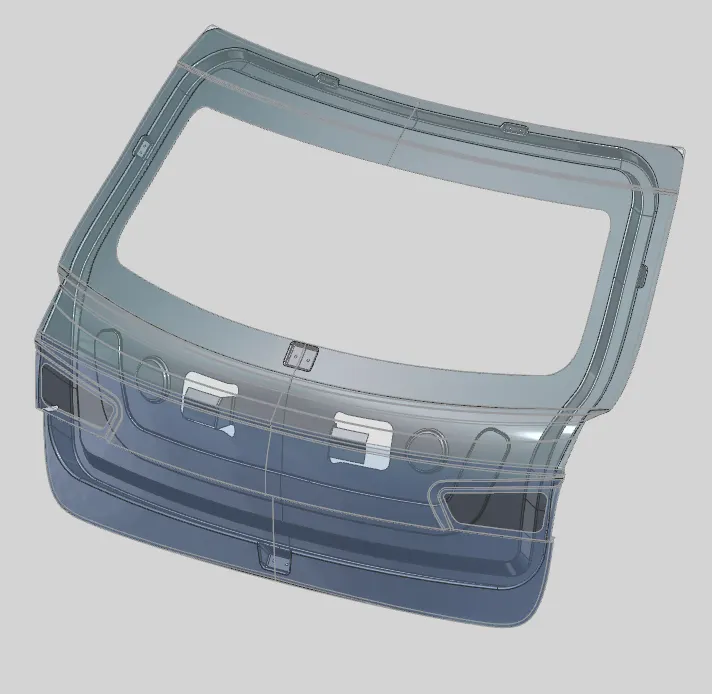
Cut section view of inner and outer panel after thickening:
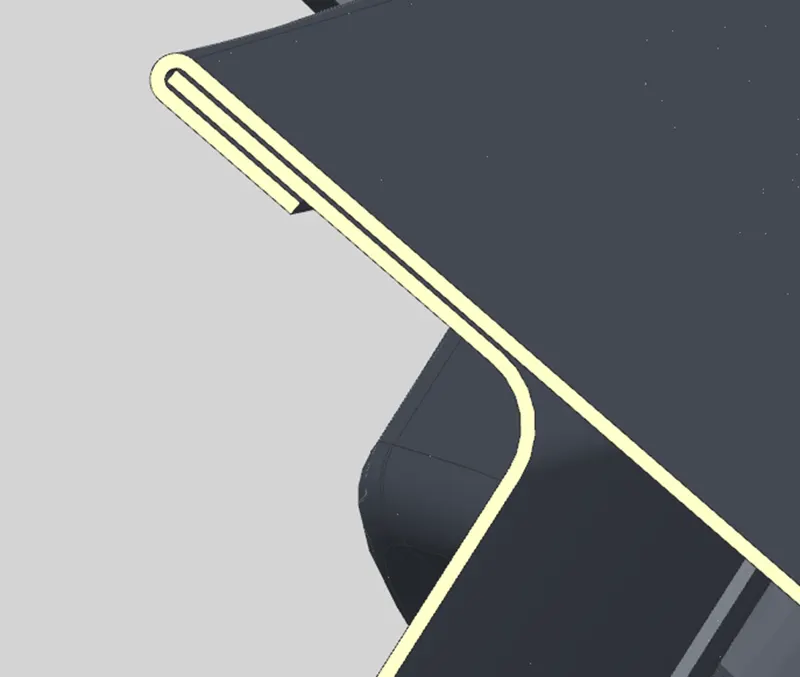
Here the thickness is maintained as 0.75mm respectively.
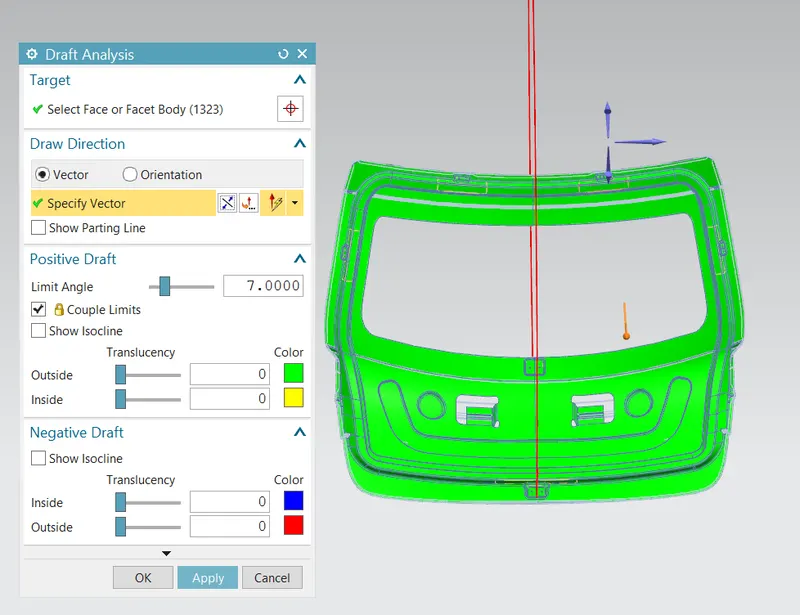
Draft Analysis:
Every part which is manufactured from press tool or other forming tools require some positive draft on the faces which are parallel to the tooling direction. If we don’t give draft (Zero Draft) or give negative drafts on these faces it will stick to the mould surface and when the mould is in motion it will destroy surface thus reducing its surface finish. Thus Draft Analysis command enables us to detect if the part we have drafted can be easily ejected or not. It also give insights about the critical zones, so that appropriate changes in the design can be made if needed.
Conclusion:
The Back door was designed with required design guidelines and safety aspects for design and manufacturing.