Design of backdoor
AIM:
To design the back door of the car and make the inner panel for the back door and also design the necessary
re-enforcements.
INTRODUCTION:
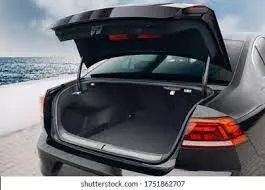
Types of doors based on working position
- Top Mounted Door
- Side mounted Door
- Bottom Door
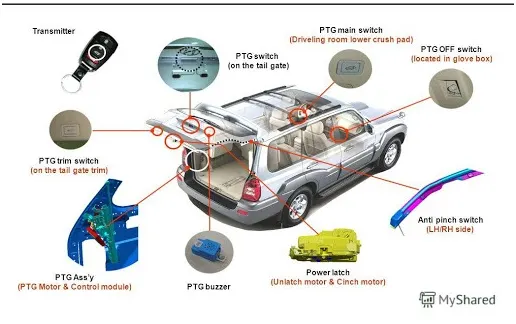
the back door is operated by two types of comodities
1.electrically operated
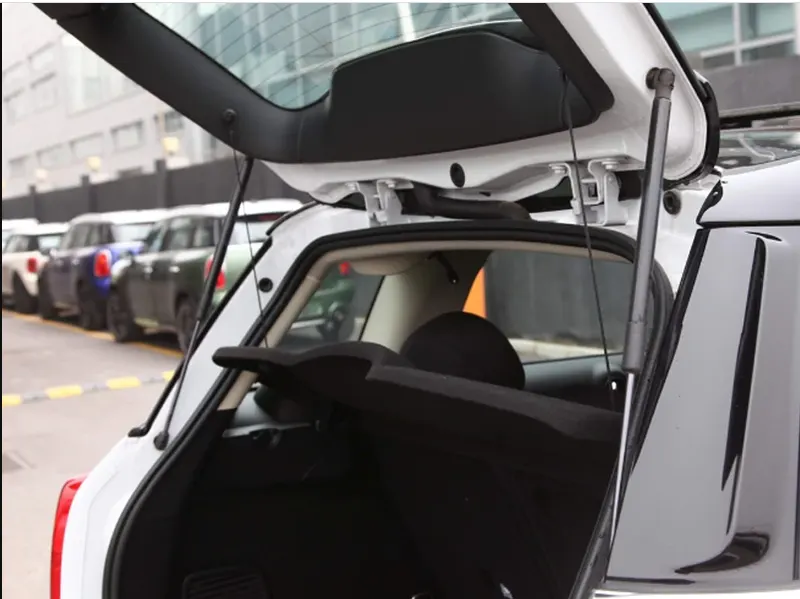
2.gas stay powered
the main purpose of these mechanisims is to open the back door without heavy efforts, because the backdoor have different parts and the weight of the back door is high, so we are not able to open the back door manually, so we introduced these two types comodities. and these also decides the premium of the car, mostly the electrically operated used in premium cars.
1.gas stay powered
2.electrically operated

Back Door Assembly:
- Inner panel
- outer panel
- hinge and its reinforcement
- wiper motor reinforcement
- latch & stricker and its reinforcement
- gas stay reinforcement
Procedure:
Firstly we have to check if there are any surface irregularities in the skin data, If irregularies are there, then repair if by using a curve and Through curve mesh and sew it.
Tooling Direction-
The back door is going to be manufactured by deep drawing process. In Deep Drawing process have a tool which is core and Die. The core part follows the single Straight path the inclination angle of the core is known as a tooling direction. The tooling direction/axis is created so, that the Manufacturing team take the reference of this tooling axis and manufacture the part accordingly.
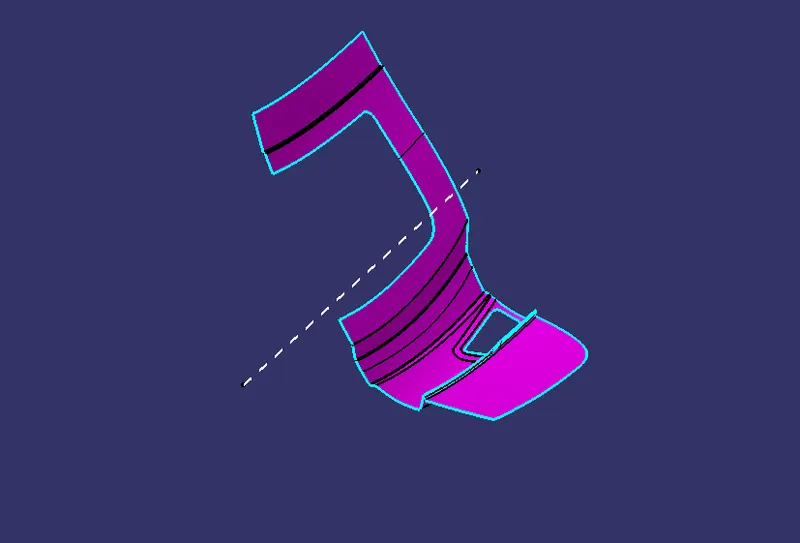
Then we create a sealing flange. Generally with the help of master sketch, we will design the panel with appropriate dimensions. But here there is no master sketch,we designed by assumption.
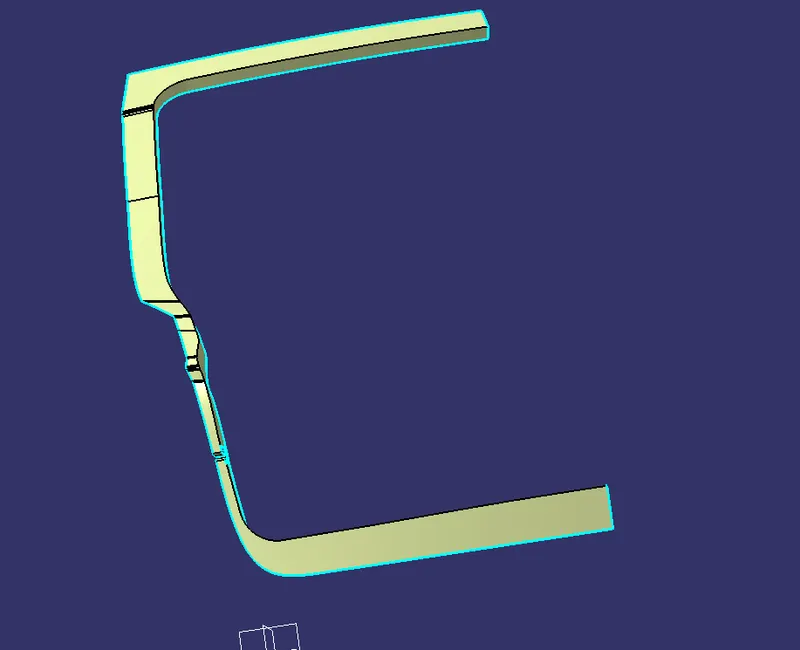
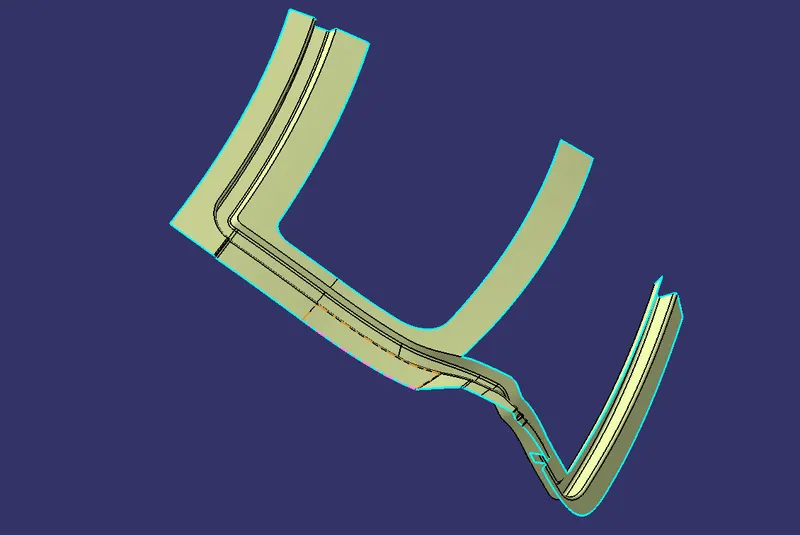
Here the sealing flange is created by maintaining a gap between inner panel to the sealing flange.
Mastic region:
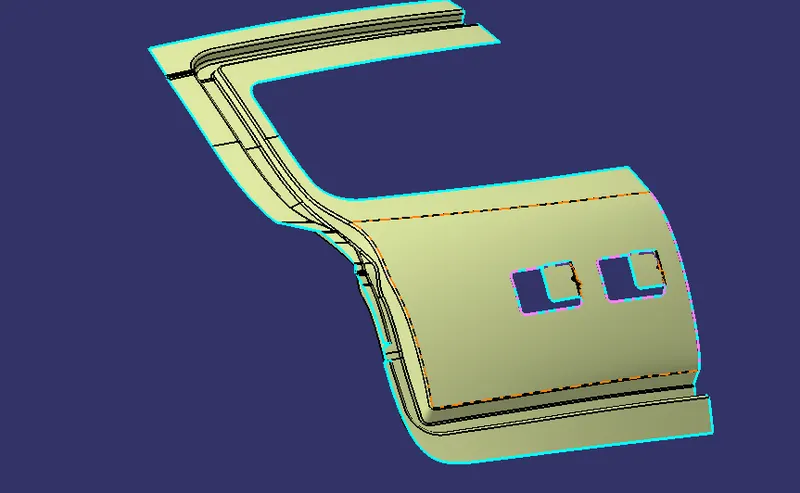
- The mastic points are defined on the backdoor inner panel where the backdoorcan easily deform. They help the backdoor outer panel to come back to its original shape after it gets deformed.Mastic sealants are elastic compound that behaves like the rubber.
- The gap between the inner panel and the outer panel over the embosses is filled with mastic sealents at certained specified places, this helps to reducing vibrations and overall NVH ( Noise, Vibration, Harshness).
- Then, the sheet will bend with the help of another die to make the flange in "L" shape.
- Thus, the flange will have somehow same design and the length will completely depend on the Cut-out, if we need more length of flange, then we need to cut more sheet.
Emboses:
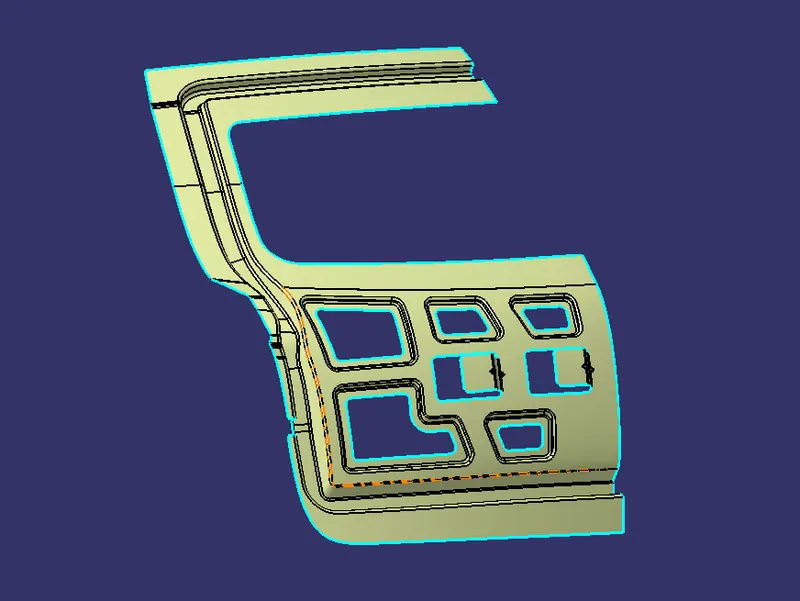
- With the distinctive cross-section, embosses are created. The embosses are used to increase the strength of the backdoor. While designing we should keep in mind that it should not be over strength. So we prefer to design big embosses rather than small embosses. These embosses are used to disipate the forces sideways.
Hinge
The backdoor is a swinging commodity, which swings with the help of hinges. This can be done by tentatively positioning the hinges and on the hinge axis, we take a center point. again we take another center point(approx) on the latch hole. Taking these two points as a reference we draw a circle. This circle is the striker trajectory and it has to be perpendicular. This can be achieved by moving the hinge axis back and forth or by rotating the latch area.
To create hinge mounting
- A plane was taken because mounting area should be flat or should not have any radius of curvature.
- A sketch was drawn on that plane.
- The emboss command was used to make the hinge emboss feature by using plane as an end cap of hinge emboss.
- And holes were created for the nut and bolts for assembly of hinge.
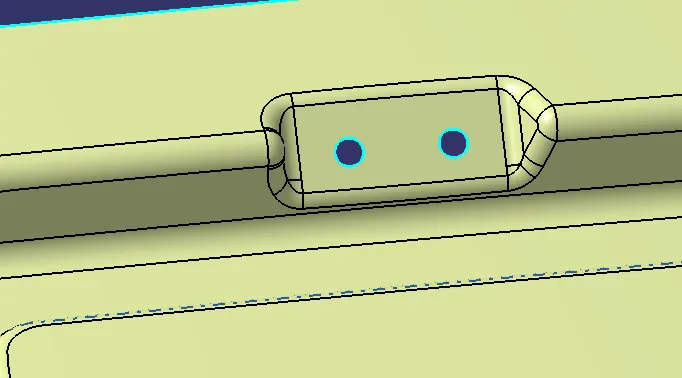
Gas Stay
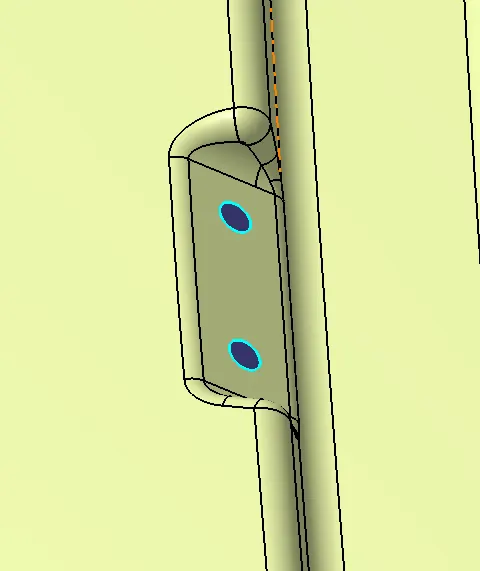
Wiper
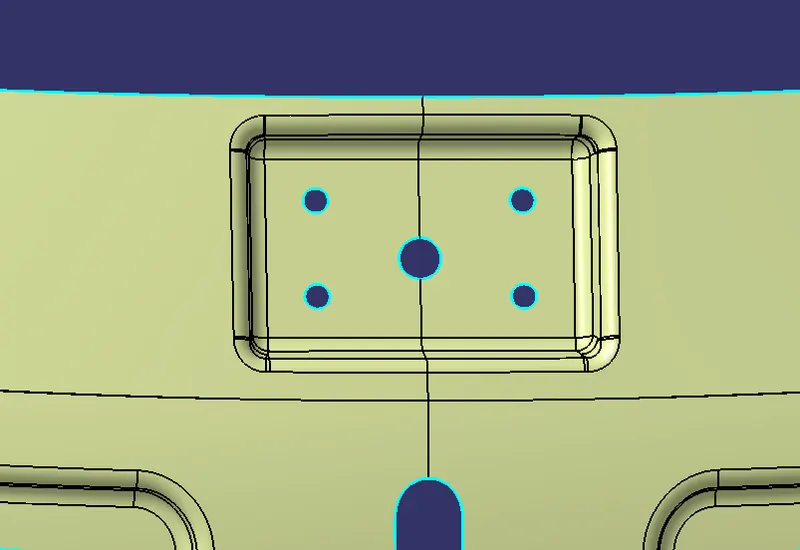
Latch and Striker
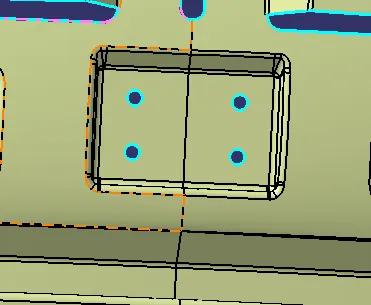
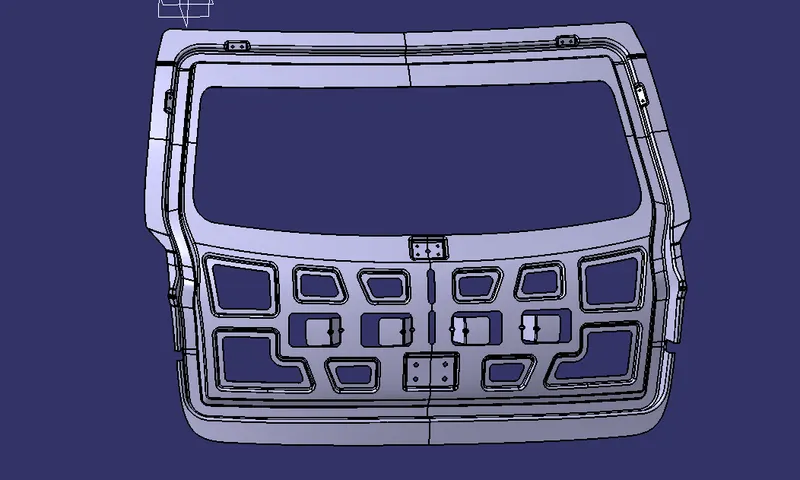
What is hem ?
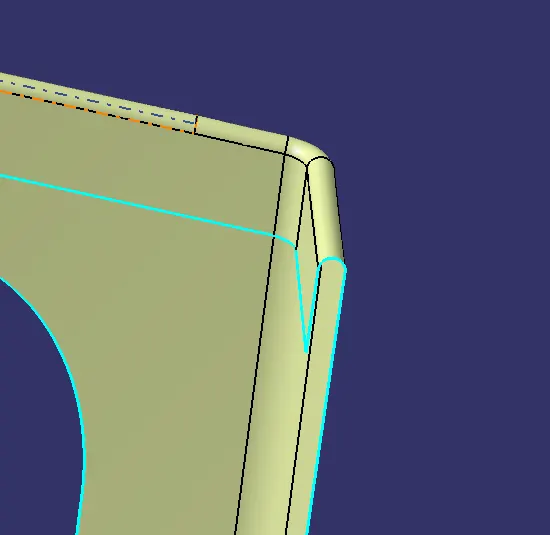
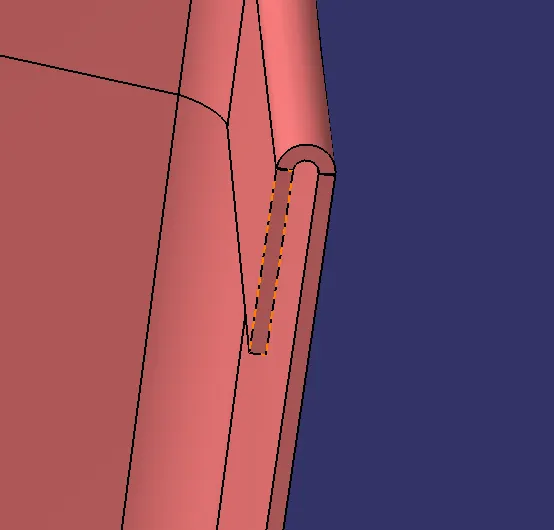
Hems are folds to the edge of a part to create a rounded, safe edge. Hems may be open, flat, or tear-dropped, and tolerances depend on the hem’s radius, material thickness, and features near the hem. The process of creating hems is called hemming.
Hems are created by bending a flange of your part back on itself. This increases the strength of the hemmed edge and also gets id of any sharp edges.
Reinforcements:
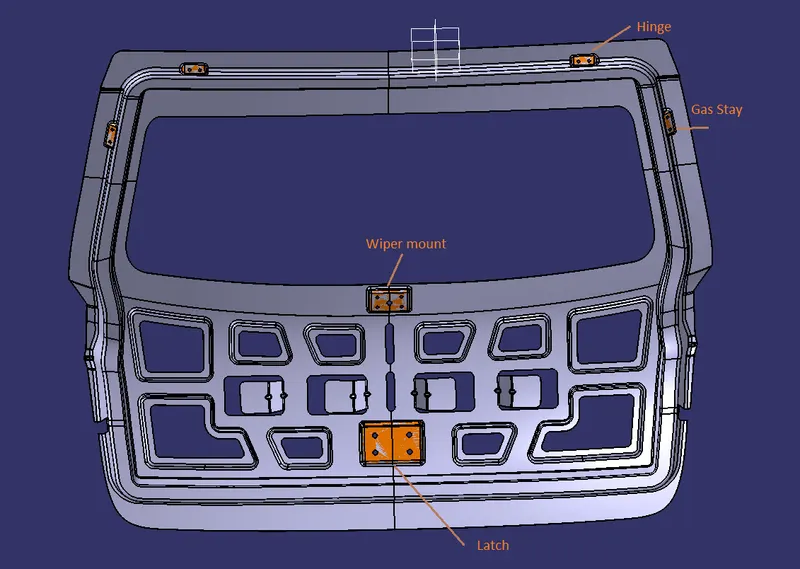
- Hinge Reinforcement
- Gas Stay Reinforcement
- Wiper Reinforcement
- Striker Reinforcement
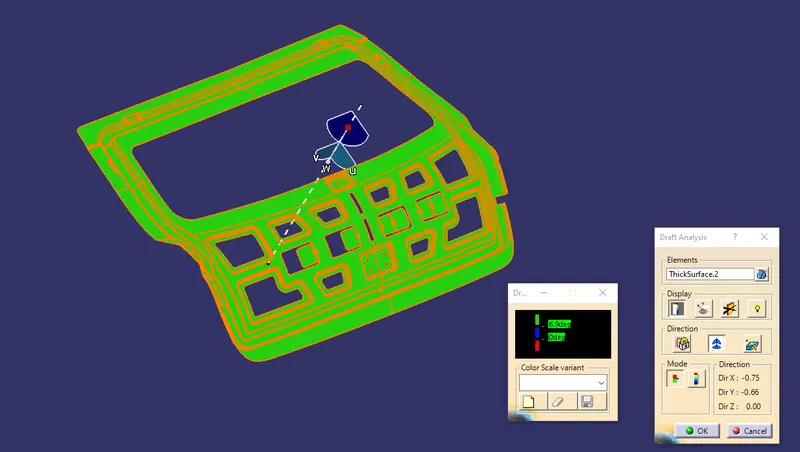
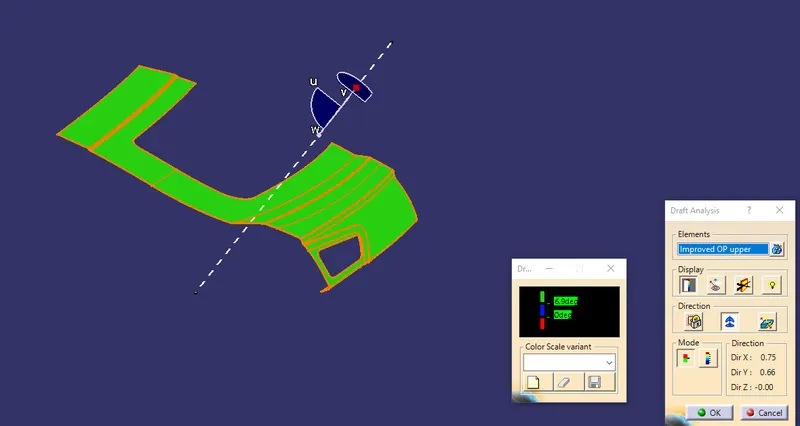
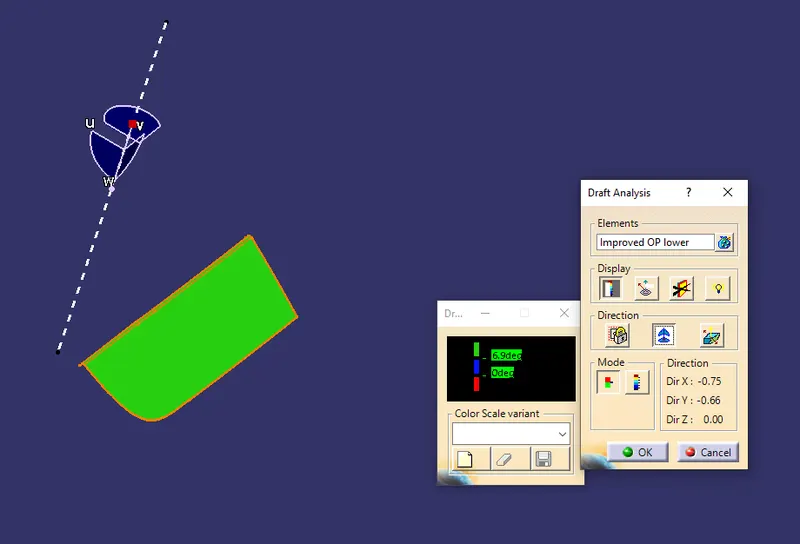
Draft Analysis:
Inner panel
Outer panel
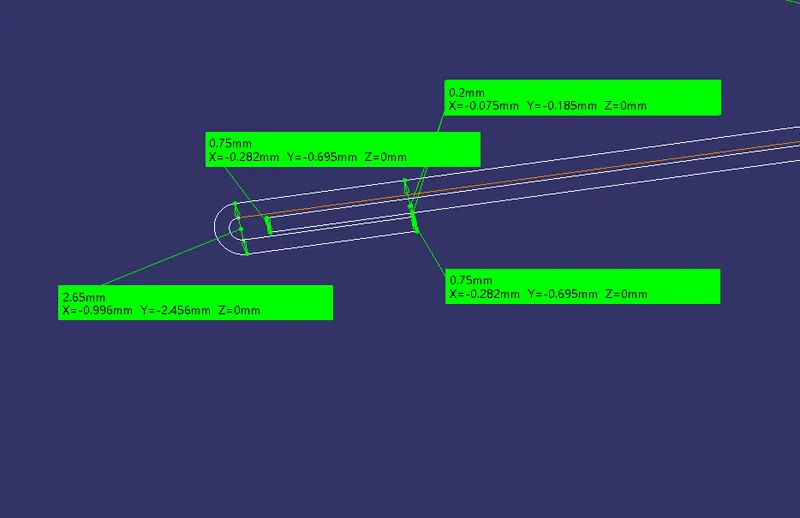
Intersection
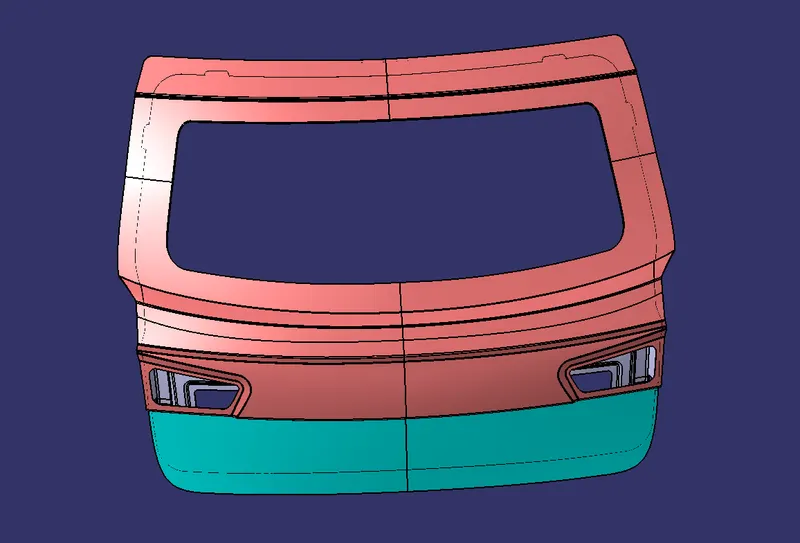
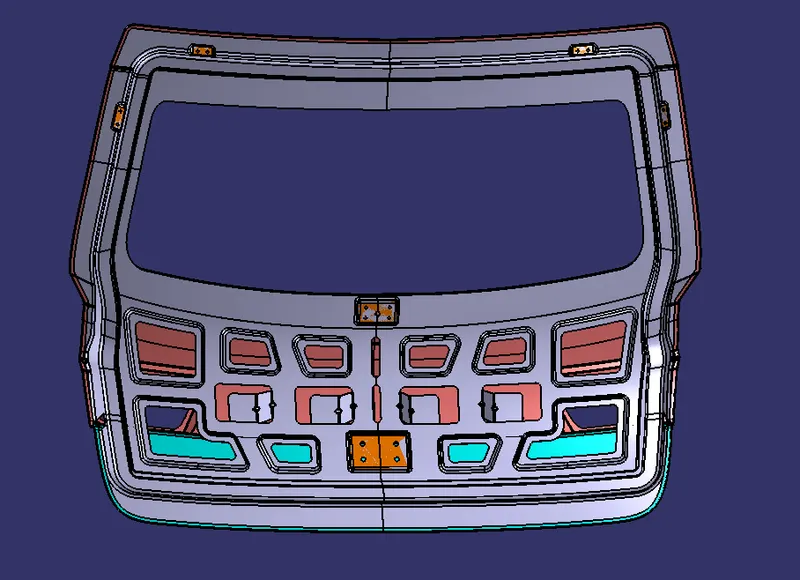
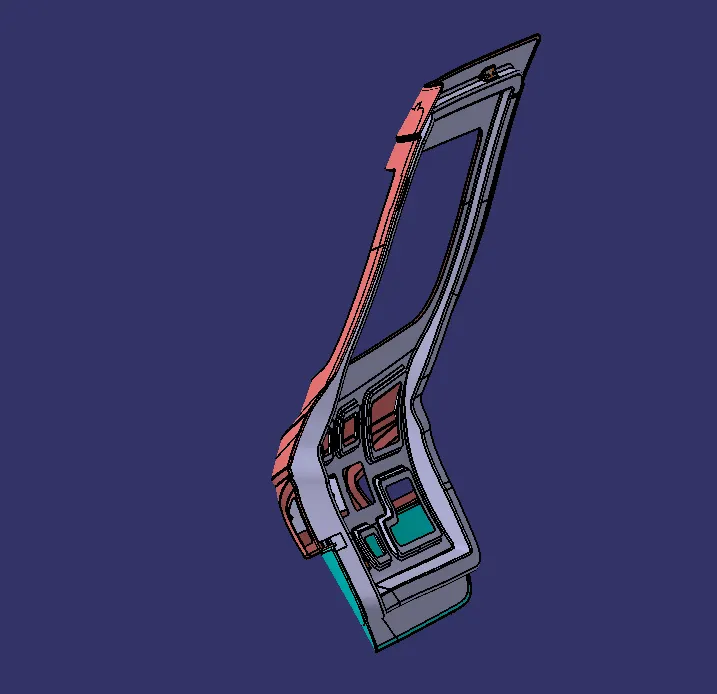
Assembly image
Conclusion:
The backdoor is designed by using the given data, in Seimens NX software with a proper guidelines and the result is satisfactory.