Benchmarking
BENCH MARKING
Bench marking involves a structured comparison between similar products, services or processes on some dimensions of performance.
For example it can be used to compare the availability and delivery of features in a product and in this
form often provides the basis of consumer tests and reviews. These look at products and services and provide
recommendations based on which is best or some form of ranking amongst competitors.
It is particularly useful when comparing not only performance but also practice – in other words what do the different
organizations do to enable that
performance to be delivered? And applied in this way it is a powerful tool in
process innovation sin e studying how the ‘best’ achieve their performance can
provide powerful clues for changing the way processes operate. Process
benchmarking of this kind can operate at several levels:
• Between similar processes in the same factory or service branch
• Between different factories or service branches
• Between different competing organizations
• Between different sectors using the same process
Whilst if offers a significant learning opportunity benchmarking between competing organizations is harder than the other
three because competitors do not want to disclose their process information since it is a source of competitive
advantage to tem.
So benchmarking of this kind often involves a third party who can collect the data, make the comparison and provide
feedback but all on a confidential basis.
A good example of this was the Automobile Industry Benchmarking Study at the heart of a long-running programme
organized by MIT with other academic partners around the world called ‘The future of the automobile’. This
programme was co-funded by most of the major auto industry players and explored a variety of aspects of the industry
including product design and innovation, service delivery, retailing and supply chain management.
The benchmarking study was the most influential, giving birth to the concept of ‘lean’ thinking which revolutionized first car
making and then other manufacturing before.
CARS LIST:
1) Ford eco sport
2) TATA nexon
3) Hyundai venue
4) Mahindra XUV300
1) FORD ECOSPORT

INTERIOR
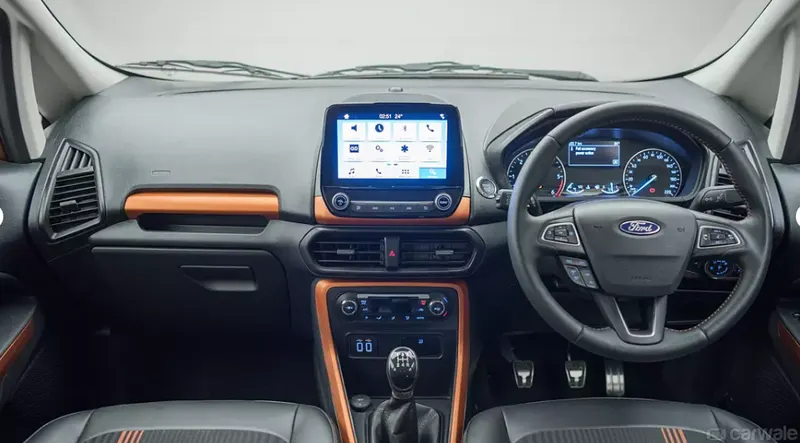
ENGINE - 1496 cc, 3 Cylinders Inline, 4 Valves/Cylinder, DOHC
ENGINE TYPE - 1.5L Ti-VCT (Petrol)
MAX POWER - 121 bhp @ 6500 rpm
Ford EcoSport Mileage
Ford EcoSport mileage claimed by ARAI is 14.7 to 21.7 kmpl. The petrol variant has a mileage of 14.7 to 15.9 kmpl. The diesel variant has a mileage of 21.7 kmpl.
| Fuel Type | Transmission | ARAI Mileage |
|---|---|---|
|
Diesel (1498 cc) |
Manual | 21.7 kmpl |
|
Petrol (1496 cc) |
Manual | 15.9 kmpl |
|
Petrol (1496 cc) |
Automatic (Torque Converter) | 14.7 kmpl |
PROS:
- Striking looks especially in the S guise
- Feature-rich cabin with decent ergonomics
- Sporty drivability in terms of steering and body control
CONS:
- Narrow cabin lack of shoulder room on the rear bench
- Inconsistent cabin plastics and dated instrument console
- More expensive than its rivals
PRICE :₹ 9.34 Lakh
2) Hyundai venue
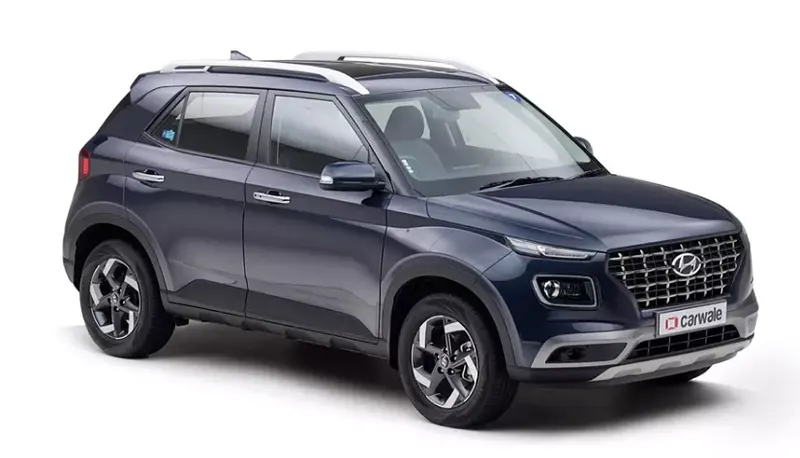
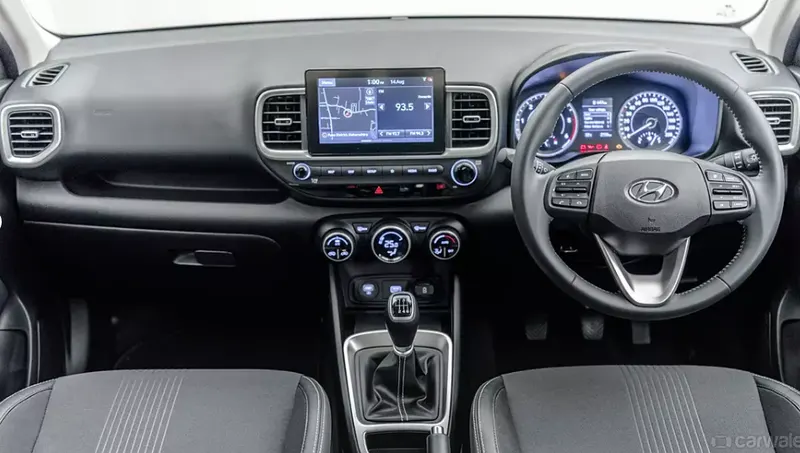
INTERIOR:
ENGINE:
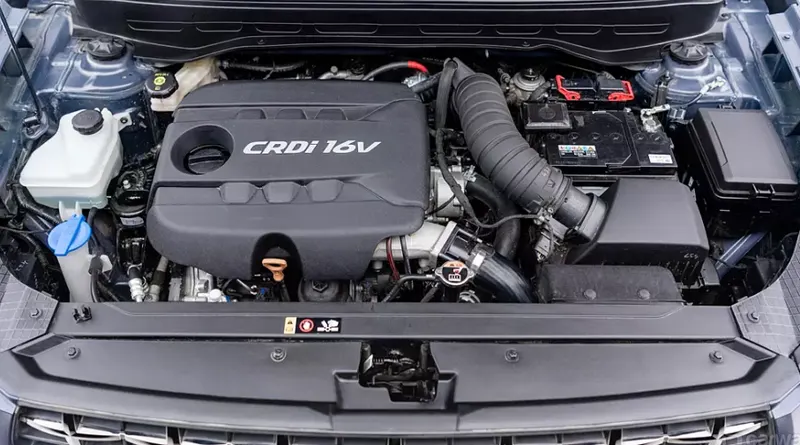
ENGINE - 1197 cc, 4 Cylinders Inline, 4 Valves/Cylinder, DOHC
ENGINE TYPE - 1.2 l Kappa
Max Power (bhp@rpm) - 121 bhp @ 6500 rpm
Hyundai Venue Mileage
Hyundai Venue mileage claimed by ARAI is 17.52 to 23.4 kmpl. The petrol variant has a mileage of 17.52 to 18.2 kmpl. The diesel variant has a mileage of 23.4 kmpl.
| Fuel Type | Transmission | ARAI Mileage |
|---|---|---|
|
Petrol (1197 cc) |
Manual | 17.52 kmpl |
|
Petrol (998 cc) |
Clutchless Manual | 17.8 kmpl |
|
Diesel (1493 cc) |
Manual | 23.4 kmpl |
|
Petrol (998 cc) |
Automatic (Dual Clutch) | 18.15 kmpl |
|
Petrol (998 cc) |
Manual | 18.2 kmpl |
PROS:
- Features list
- Quality interiors
- Lots of powertrain options
CONS:
- Cabin space isn’t generous
- Top-spec variants are costly
- Engine options should be available across all trims
PRICE : ₹ 8.14 Lakh
3) TATA NEXON
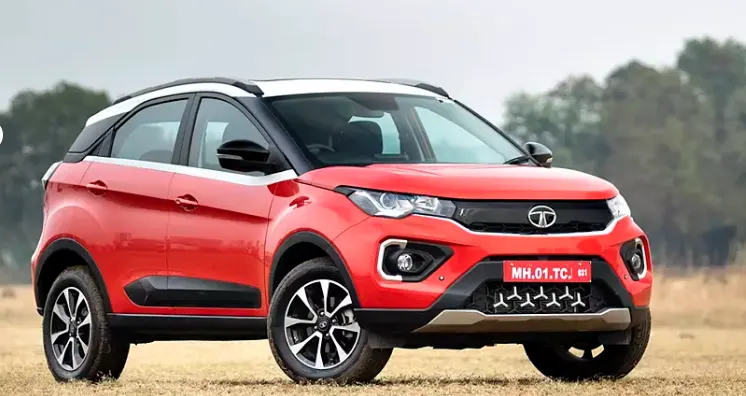
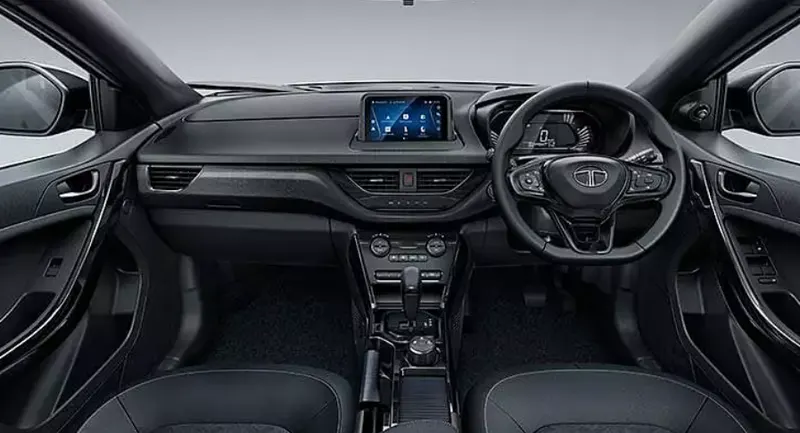
ENGINE - 1199 cc, 3 Cylinders Inline, 2 Valves/Cylinder, SOHC
ENGINE TYPE - 1.2L Turbocharged Revotron
Max Power (bhp@rpm) - 118 bhp @ 5500 rpmTata Nexon Mileage
Tata Nexon mileage claimed by ARAI is 16 to 22.4 kmpl. The petrol variant has a mileage of 16 to 17.4 kmpl. The diesel variant has a mileage of 22.4 kmpl.
| Fuel Type | Transmission | ARAI Mileage |
|---|---|---|
|
Petrol (1199 cc) |
Manual | 17.4 kmpl |
|
Diesel (1497 cc) |
Manual | 22.4 kmpl |
|
Petrol (1199 cc) |
AMT | 16 kmpl |
|
Diesel (1497 cc) |
AMT | 22.4 kmpl |
PROS:
- Upmarket looks, five-star G-NCAP safety
- Spacious cabin compared to rivals
- Easy to drive and live with
CONS:
- Interior quality
- Low-end grunt from motors
- Infotainment screen not as good as rivals
PRICE : ₹ 9.69 Lakh ONWARDS
4) Mahindra XUV300
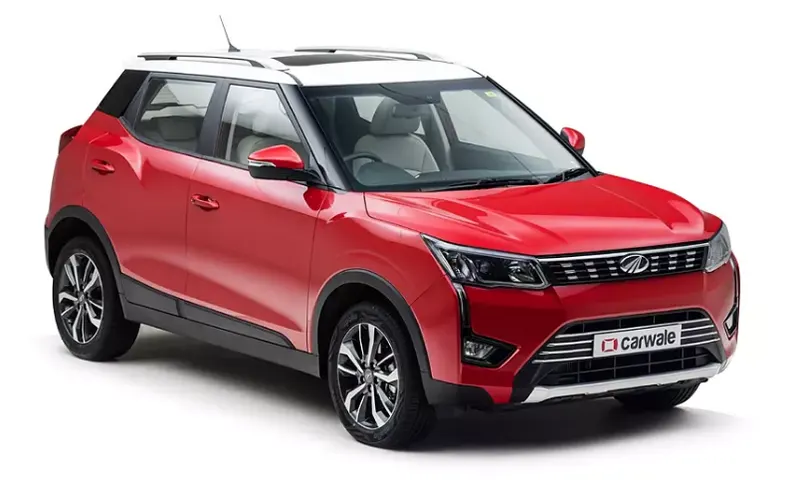
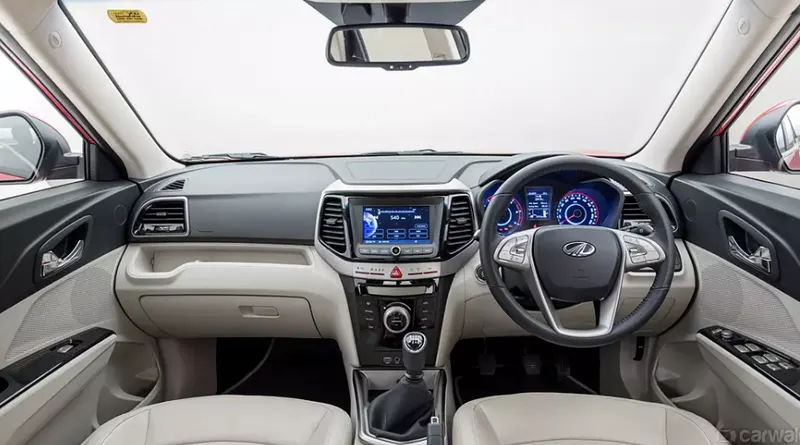
ENGINE - 1197 cc, 3 Cylinders Inline, 4 Valves/Cylinder, DOHC
ENGINE TYPE - 1.2 Turbo Petrol
Max Power (bhp@rpm) - 109 bhp @ 5000 rpm
Mahindra XUV300 Mileage
Mahindra XUV300 mileage claimed by ARAI is 17 to 20 kmpl. The petrol variant has a mileage of 17 kmpl. The diesel variant has a mileage of 20 kmpl.
| Fuel Type | Transmission | ARAI Mileage |
|---|---|---|
|
Diesel (1497 cc) |
Manual | 20 kmpl |
|
Petrol (1197 cc) |
Manual | 17 kmpl |
|
Petrol (1197 cc) |
AMT |
17 kmpl |
PROS :
- Potent drivetrains
- Comfortable ride quality
CONS :
- Interior fit and finish is not the best
- Looks disproportionate
PRICE - ₹ 9.51 Lakh
CONCLUTION :
According to the above comparision the best car in my view is the "FORD ECOSPORT ". It gives an average mileage and its a five seater , luxury , safetiest suv's in india with a range of 9 lakhs onwards.