Benchmarking
What is BENCHMARKING ?
BENCHMARKING :
Benchmarking is the practice of comparing business processes and performance metrics to industry bests and best practices from other companies. Dimensions typically measured are quality, time and cost. Benchmarking is used to measure performance using a specific indicator (cost per unit of measure, productivity per unit of measure, cycle time of x per unit of measure or defects per unit of measure) resulting in a metric of performance that is then compared to others. Also referred to as "best practice benchmarking" or "process benchmarking", this process is used in management in which organizations evaluate various aspects of their processes in relation to best-practice companies' processes, usually within a peer group defined for the purposes of comparison. This then allows organizations to develop plans on how to make improvements or adapt specific best practices, usually with the aim of increasing some aspect of performance. Benchmarking may be a one-off event, but is often treated as a continuous process in which organizations continually seek to improve their practices.
Types of benchmarking :
- Process benchmarking: the initiating firm focuses its observation and investigation of business processes with a goal of identifying and observing the best practices from one or more benchmark firms. Activity analysis will be required where the objective is to benchmark cost and efficiency; increasingly applied to back-office processes where outsourcing may be a consideration. Benchmarking is appropriate in nearly every case where process redesign or improvement is to be undertaking so long as the cost of the study does not exceed the expected benefit.
- Financial benchmarking: performing a financial analysis and comparing the results in an effort to assess your overall competitiveness and productivity. Benchmarking from an investor perspective- extending the benchmarking universe to also compare to peer companies that can be considered alternative investment opportunities from the perspective of an investor.
- Benchmarking in the public sector: Functions as a tool for improvement and innovation in public administration, where state organizations invest efforts and resources to achieve quality, efficiency and effectiveness of the services they provide.
- Performance benchmarking : It allows the initiator firm to assess their competitive position by comparing products and services with those of target firms.
- Product benchmarking : The process of designing new products or upgrades to current ones. This process can sometimes involve reverse engineering which is taking apart competitors products to find strengths and weaknesses.
- Strategic benchmarking : It involves observing how others compete. This type is usually not industry specific, meaning it is best to look at other industries, i.e. Strategic Benchmarking with the help of PIMS (Profit impact of marketing strategy).
- Functional benchmarking : A company will focus its benchmarking on a single function to improve the operation of that particular function. Complex functions such as Human Resources, Finance and Accounting and Information and Communication Technology are unlikely to be directly comparable in cost and efficiency terms and may need to be disaggregated into processes to make valid comparison.
- Best-in-class benchmarking : It involves studying the leading competitor or the company that best carries out a specific function.
- Operational benchmarking : This embraces everything from staffing and productivity to office flow and analysis of procedures performed.
- Energy benchmarking : The process of collecting, analysing and relating energy performance data of comparable activities with the purpose of evaluating and comparing performance between or within entities. Entities can include processes, buildings or companies. Benchmarking may be internal between entities within a single organization, or - subject to confidentiality restrictions - external between competing entities.
COMPARISION REPORT :
Below are the cars under 10 lakhs
1. Kia Sonet :
On-Road Price in Bangalore - ₹ 7.92 Lakh
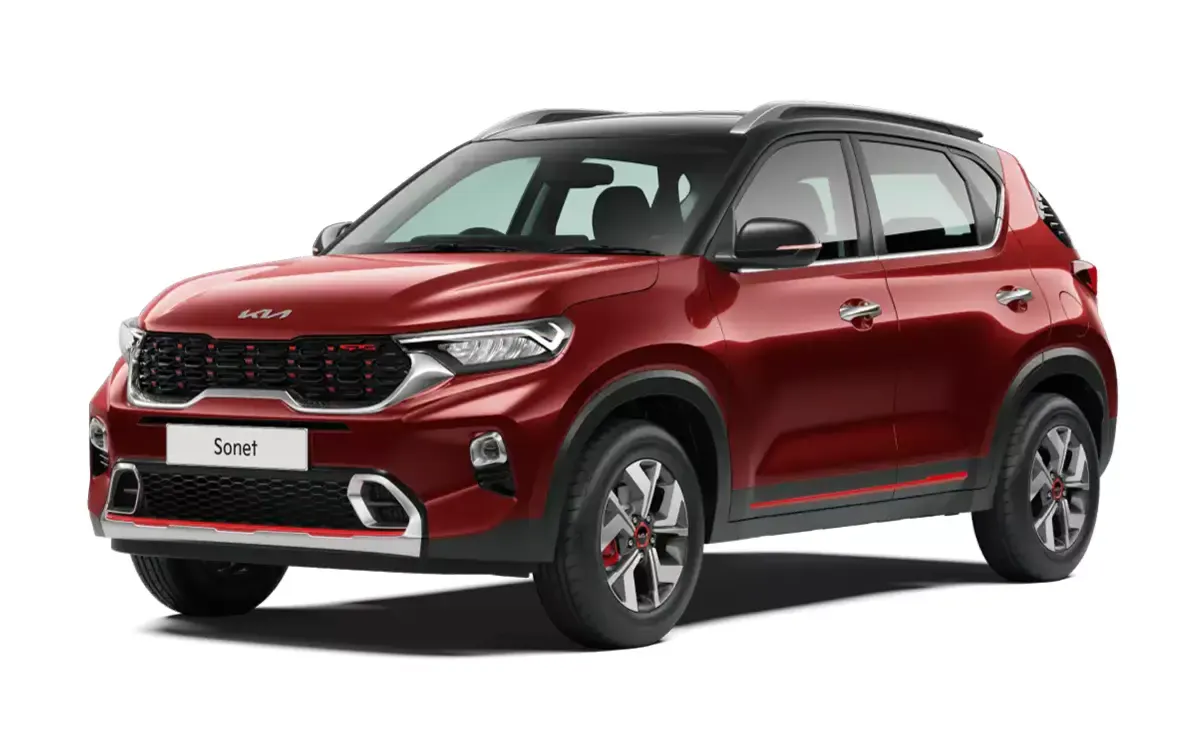
Pros and Cons of Kia Sonet :
Pros :
1. The Kia Sonet is a good-looking SUV, and its aggressive design and styling are also one of the reasons why customers are opting for this subcompact SUV. In fact, in our opinion, the Sonet is the best-looking SUV in the sub-4-metre space.
2. The Sonet also comes with a great choice of engine options - a 1.2-litre naturally aspirated petrol motor, a 1.0-litre turbocharged petrol engine and a 1.5-litre diesel mill. Kia also offers 5 transmission choices with the Sonet - 5-speed MT, 6-speed iMT, 6-speed MT, 7-speed DCT and 6-speed AT.
3. Kia also offers the Sonet with its powerful 1.5-litre VGT diesel engine paired with a segment-first 6-speed automatic torque converter. It's one of the better drivetrain options to choose from while buying the Sonet.
4. The Kia Sonet offers a tonne of smart and premium features like LED headlamps, LED DRLs, sporty alloys, and LED taillamps. Inside it comes with 10.25-inch touchscreen infotainment with Apple CarPlay and Android Auto, ventilated seats, air purifier with virus detection, wireless charger, Bose surround sound system, and more.
5. The Kia Sonet also gets a fully connected car tech with the UVO Connect. The system offers up to 58 connected car tech including - AI Voice Command, Voice assisted Sunroof control, OTA map updates, making your driving experience safe, convenient, and enjoyable.
Cons :
1. The cabin of the Kia Sonet is a bit cramped, especially at the rear. In fact, we would say it is a 4-seater SUV because three average-sized adults cannot really sit comfortably in the second row of Sonet.
2. The Sonet falls a bit short when it comes to handling, and on corners and turns, you will definitely feel a bit of body roll. The steering too can only be adjusted for height but not for reach.
3. While the Sonet is pretty well-equipped, it misses out on some of the most obvious features which are have come to expect for cars in this segment like - 60:40 rear seat split, auto wipers, illuminated window buttons, full-size spare tyre on top trims.
4. While the entry-level variants of the Sonet are aggressively priced, the top-end GT-Line trims are very expensive. In fact, the Sonet is the most expensive offering in the subcompact segment, going up to ₹ 13.09 lakh for the petrol trim and ₹ 13.55 lakh for the diesel.
5. The fun-to-drive 1.0-lite turbo petrol doesn't come with a manual gearbox, even though the Hyundai Venue get it. The 6-speed iMT is not really for everyone and in the long run maintaining a DCT automatic gearbox can be expensive.
2. Tata Nexon :
On-Road Price in Bangalore - ₹ 8.4 Lakh
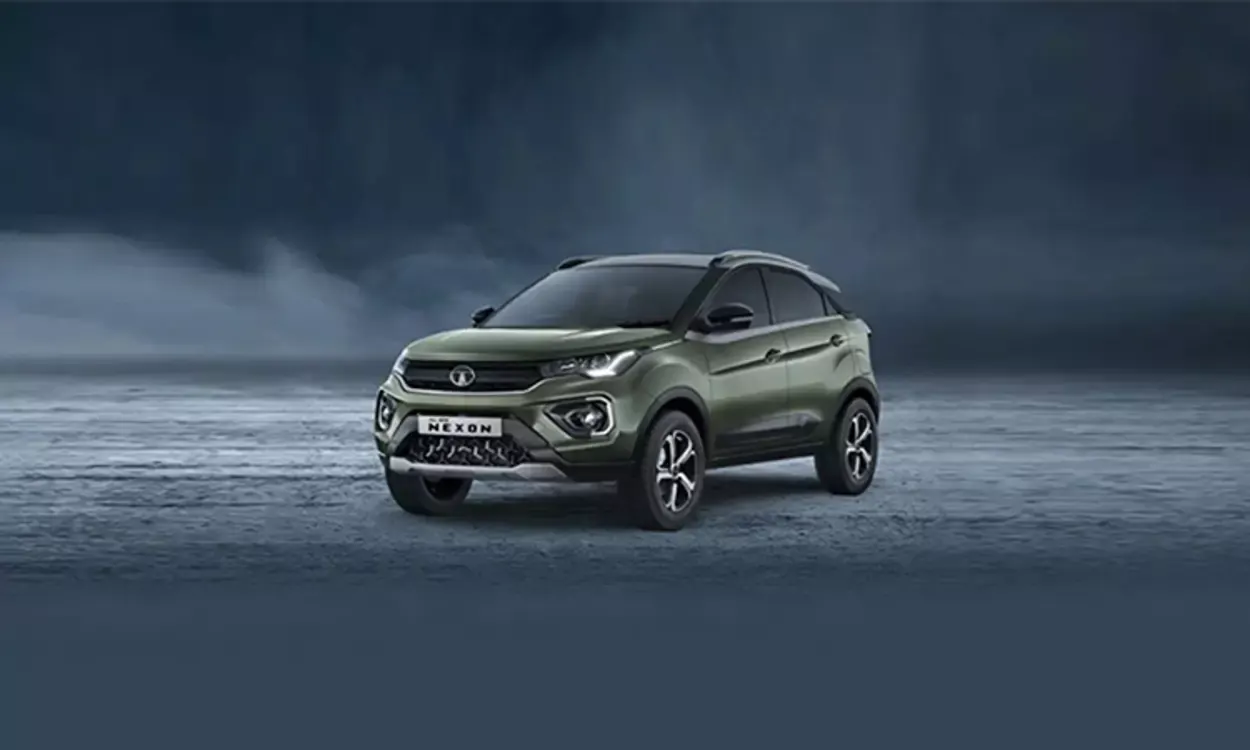
Pros :
- The facelifted Tata Nexon looks much sharper, especially with the new sleeker grille, which also comes with a glossy black slat that houses the Tata logo. It is flanked by a pair of new sharp-looking headlights, which come with LED projector units and integrated LED daytime running lamps. And now, they offer better throw as well. Below, the Nexon gets an updated, muscular-looking, front bumper that comes with a new foglamp housing on each side. Also, the older white U-shaped inserts, have been replaced, by new silver brackets on either end. Plus, you get a more pronounced bumper cladding with a faux skid plate and the signature tri-arrow design for the air dam grille. Recently, it was also updated with new five-spoke alloy wheels that look sportier.
- The Tata Nexon feels spacious on the inside and even seats are comfortable offering good thigh support and side support.
- The Tata Nexon is also equipped with three driving modes, which are - City, Eco, and Sport and there is a perceptible difference in the engine performance in these modes.
- The Tata Nexon was the first subcompact SUV to offer a turbo petrol engine. The 1.2-litre, three-cylinder, turbo petrol engine is tuned to churn out 118 bhp and 170 Nm od peak torque. It also gets a 1.5-litre, four-cylinder diesel engine that belts out 108 bhp and 260 Nm of peak torque.
- The Tata Nexon is a five-star Global NCAP rated SUV and is known for its high safety standards, and nothing has changed in that department. Dual airbags, ABS with EBD, ESP, Electric Traction control, hydraulic brake assist, roll-over mitigation, hill-hold control and ISOFIX child seat mounts, all are standard fitment across variants. However, if you get some of the higher variants you will also get a rear parking camera with dynamic guidelines, a Tyre Pressure Monitoring System (TPMS), auto headlamps, rain-sensing wipers and cruise control.
Cons :
- AMT Gearbox: In automatic variants, the Tata Nexon offers AMT transmissions which does the job, but isn't fun when you want to push hard. Rivals like the Hyundai Venue and Kia Sonet offer dual-clutch automatic transmission (DCT) which are way more responsive to throttle inputs.
- Cabin Quality: While the 2020 Tata Nexon facelift did receive an update even on the inside, in terms of material quality and fit & finish there is still a lot to desire. The dual-tone interior now gets a black and white treatment but the gloss part looks a bit to shiny and flimsy. There is also a new off-white panel running across the dashboard with the tri-arrow pattern which is nicely done. You now also get a flat-bottom steering wheel as standard, but steering-mounted controls and faux leather wrapping are optional.
- Features List: Now we agree that the Tata Nexon is well-equipped on the inside but latest rivals like the Hyundai Venue and Kia Sonet have upped the ante. Graphics and size of the 7.0-inch touchscreen infotainment system look out of place and while it is compatible to Apple CarPlay and Android Auto, the iRA connected car tech is optional and is mostly app based. That said, you do get features like a premium Harmon tuned sound system, rear air-con vents and cooled glovebox among others.
3. Hyundai Venue :
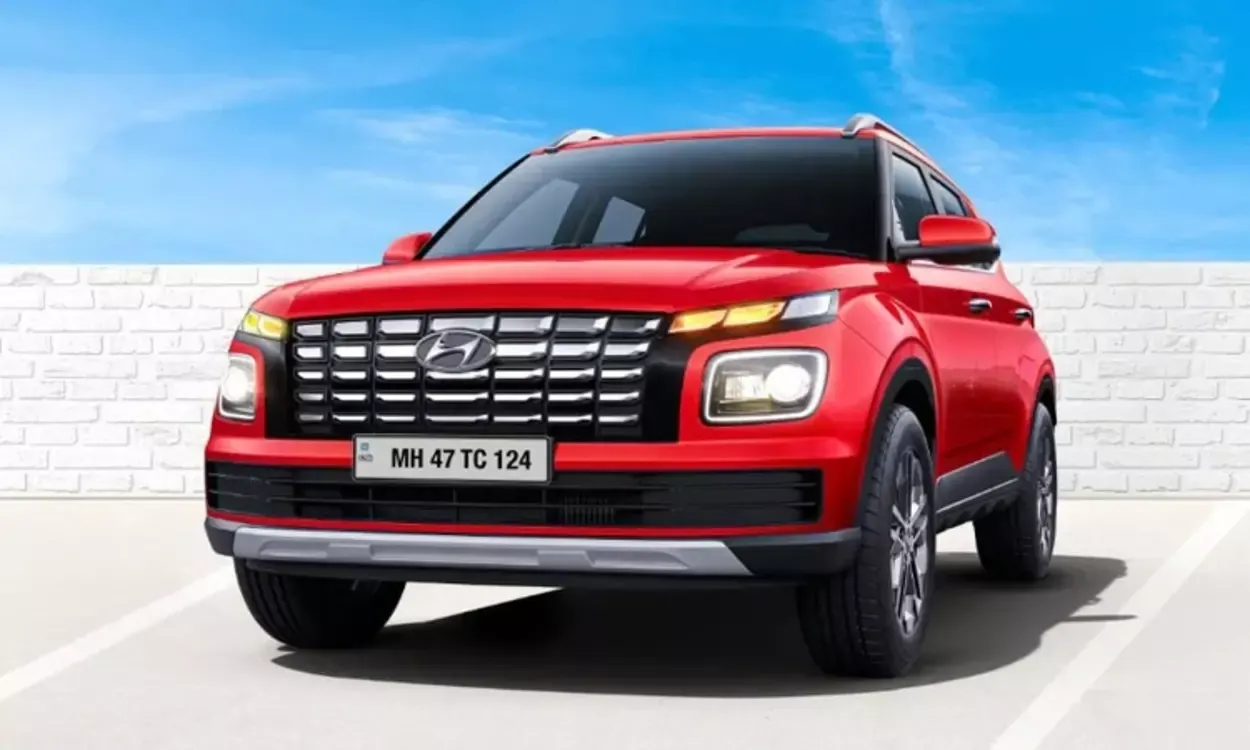
Pros and Cons of Hyundai Venue :
Pros :
1. The Venue comes with the design and proportions of a proper SUV. It's also one of the most attractive offerings in this segment.
2. Hyundai has an array of powerful and efficient engines on offer with the Venue - A frugal 1.2-litre petrol engine, a powerful 1.0-litre turbo petrol, and for the diesel lovers, a capable 1.5-litre oil burner.
3. The Venue is loaded with smart features like the 8-inch touchscreen infotainment system, Apple CarPlay & Android auto, Bluelink connected car tech, air purifier, wireless charging, sunroof, and 60:40 split rear seat, among others.
4. The Venue is also backed by Hyundai's strong after-sales support. The SUV also comes with 3 years / Unlimited Km warranty, along with 3 years of Road Side Assistance (RSA) service.
5. The Venue is smartly priced. With prices starting at ₹ 6.99 lakh and going up to ₹ 11.85 lakh. The Hyundai Venue offers great value.
Cons :
1. The styling of the Venue might not attract those looking for a bold, flashy SUV with a lot of chrome accents.
2. While features packed, the cabin space inside the Venue is not the best, especially at the rear. It's a 4-seater SUV at best and taller occupants might not be very comfortable on long journeys.
3. No automatic diesel option on offer. All other subcompact SUVs with a diesel engine come with automatic options, either an AMT or in the case of the Sonet, a proper torque converter.
4. The Venue is not the best handling car out there; the steering is a bit light and lacks some feedback.
5. The Bluelink technology is smart, but the system comes with an embedded sim, thus its usage and functionality depend highly on the signal strength. Also, while using the Bluelink app via your smartphone, you notice that it's not the quickest setup.
4. Mahindra XUV300 :
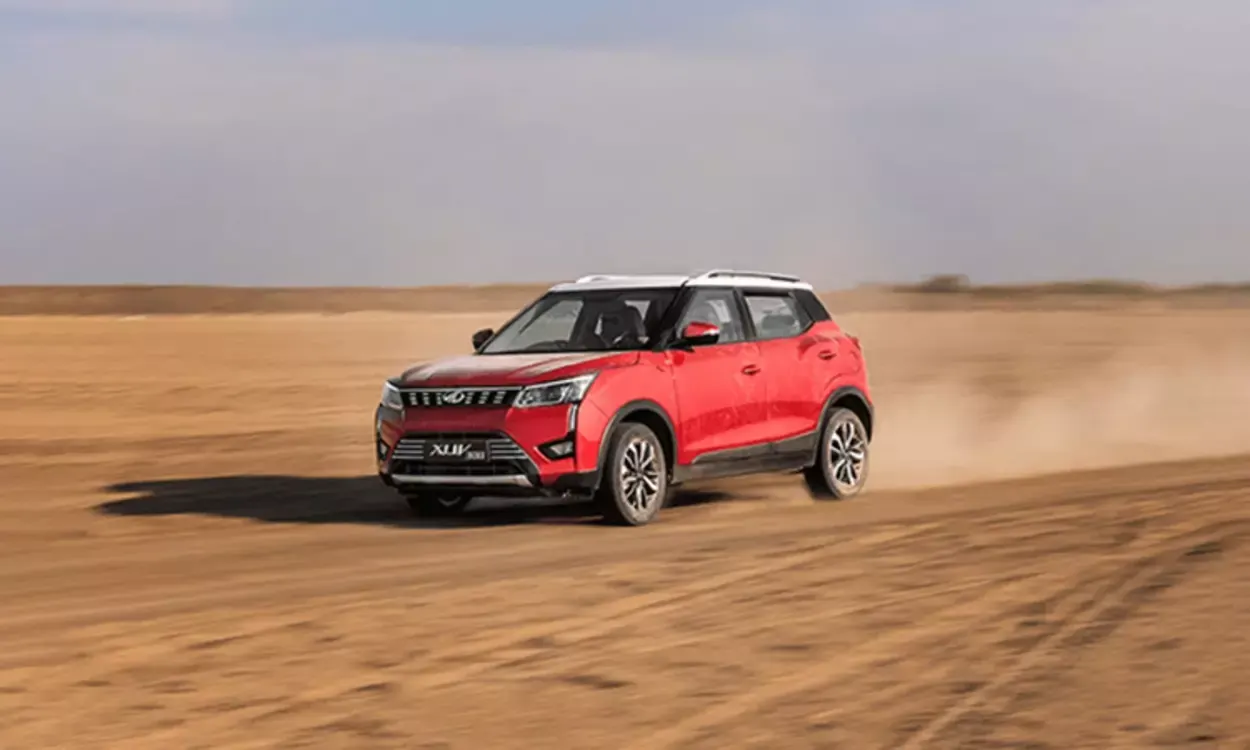
Pros and Cons of Mahindra XUV300 :
Pros :
1. The Mahindra XUV300 comes with the boxy and muscular proportions of a conventional SUV while Depending on the variant, you get premium features like LED headlights, LED DRLs, sporty alloys, roof rails, and LED taillights.
2. Mahindra offers a pair of powerful petrol and diesel engines with both manual and AMT choices.
3. While its 5-star rating for adult occupant protection is impressive, the XUV300 also has one of the highest scores for child occupant protection.
4. The XUV300 gets a spacious cabin big enough for 5 adults. Depending on the variant you also get features like a touchscreen infotainment system, Apple CarPlay and Android Auto, Mahindra Blue Sense app, and sunroof.
Cons :
1. The XUV300 is still a relatively new car, so the number of vehicles available in the used car space will be limited.
2. Most premium features like electric sunroof, touchscreen infotainment system, Apple CarPlay and Android Auto are only offered with the top-end trim. So, if they are your priority then the available options further go down.
3. While the XUV300's cabin is spacious, the interior design is still a bit dated.
4. Being just over 2 years old, the XUV300 still holds some value in the market, so even a used one will not exactly be cheap. Expect a minimum price tag of at least ₹ 8 lakh.
CONCLUSION :
My suggestion to Mr. D.S. Pughazhyendhii is to choose between TATA Nexon and KIA Sonet.
But my suggestion for him is to buy TATA Nexon. Because it is safe for long range drives as it has good tractin and brake control.