Benchmarking
Benchmarking is the practice of comparing business processes and performance metrics to industry bests and best practices from other companies. Dimensions typically measured are quality, time and cost.
Benchmarking is used to measure performance using a specific indicator (cost per unit of measure, productivity per unit of measure, cycle time of x per unit of measure or defects per unit of measure) resulting in a metric of performance that is then compared to others.
Also referred to as "best practice benchmarking" or "process benchmarking", this process is used in management in which organizations evaluate various aspects of their processes in relation to best-practice companies' processes, usually within a peer group defined for the purposes of comparison. This then allows organizations to develop plans on how to make improvements or adapt specific best practices, usually with the aim of increasing some aspect of performance. Benchmarking may be a one-off event, but is often treated as a continuous process in which organizations continually seek to improve their practices.In project management benchmarking can also support the selection, planning and delivery of projects.
In the process of best practice benchmarking, management identifies the best firms in their industry, or in another industry where similar processes exist, and compares the results and processes of those studied (the "targets") to one's own results and processes. In this way, they learn how well the targets perform and, more importantly, the business processes that explain why these firms are successful. According to National Council on Measurement in Education, benchmark assessments are short assessments used by teachers at various times throughout the school year to monitor student progress in some area of the school curriculum. These also are known as interim government.
The 12 stage methodology consists of:
- Select subject
- Define the process
- Identify potential partners
- Identify data sources
- Collect data and select all partners
- Determine the gap
- Establish process differences
- Target future performance
- Communicate
- Adjust goal
- Implement
- Review and recalibrate
The three main types of costs in benchmarking are:
- Visit Costs - This includes hotel rooms, travel costs, meals, a token gift, and lost labor time.
- Time Costs - Members of the benchmarking team will be investing time in researching problems, finding exceptional companies to study, visits, and implementation. This will take them away from their regular tasks for part of each day so additional staff might be required.
- Benchmarking Database Costs - Organizations that institutionalize benchmarking into their daily procedures find it is useful to create and maintain a database of best practices and the companies associated with each best practice now.
Benchmark with presently available cars in the market for the following case.
Mr. D.S. Pughazhyendhii is a married man who lives in Bangalore which is a highly crowded city. His Family comprises five members including his wife, five-year-old boy, his father, and his mother. He visits his native place Madurai which is 500kms away from Bangalore once in a month. Also, he will be using his car to commute to his office. His budget falls between 8 to 10 lakhs on road. Please suggest to him with options so that he will buy a good car for his family.
ANS :
List of 5 seater compact suv
1. Kia Sonet :
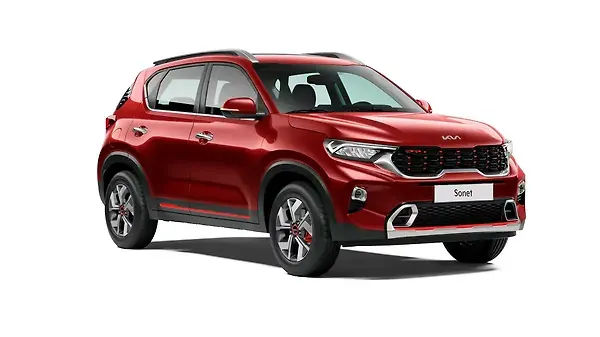
Price : Rs.8.25Lakh.
The Kia Sonet has 1 Diesel Engine and 2 Petrol Engine on offer. The Diesel engine is 1493 cc while the Petrol engine is 1197 cc and 998 cc . It is available with the Automatic & Manual transmission. Depending upon the variant and fuel type the Sonet has a mileage of 18.2 to 24.1 kmpl. The Sonet is a 5 seater and has length of 3995mm, width of 1790mm and a wheelbase of 2500mm.
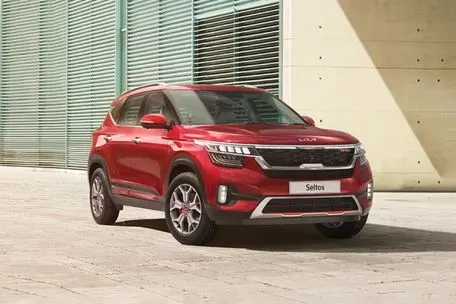
2. Hyndai venue:
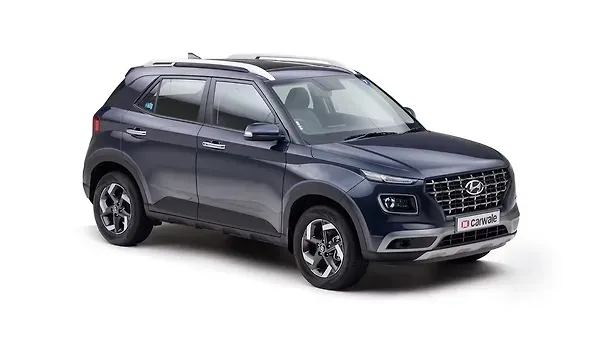
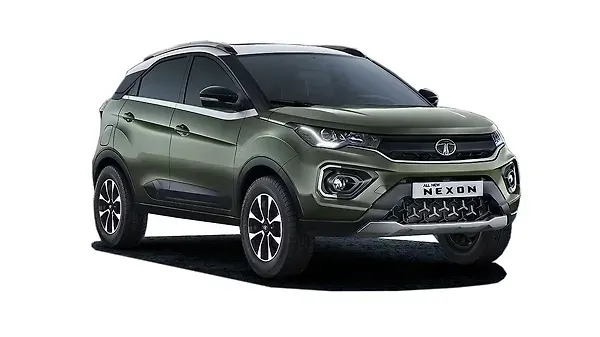
Here are 5 reasons why Mr. D.S. Pughazhyendhii should consider buying Tata Nexon:
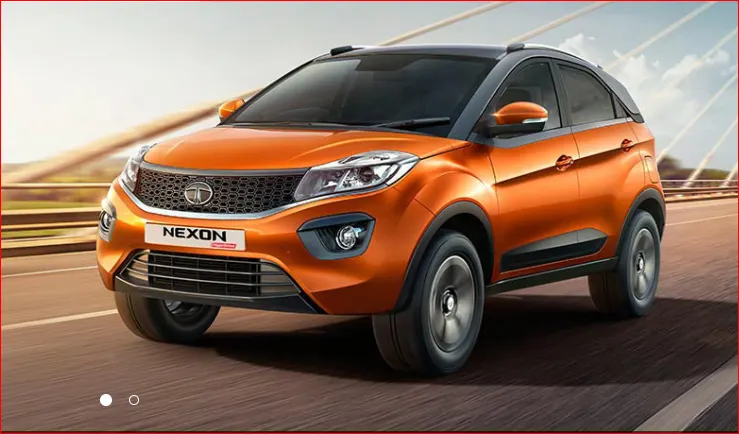
1. Look: The coupe-inspired aerodynamic shape of the SUV makes it look very sporty and stylish. Projector headlamp provide high-intensity load illumination to help the driver navigate through low visibility areas safely while the rear split LED tail lights, leave a signature trail behind. The roof is high giving ample headroom to everyone.
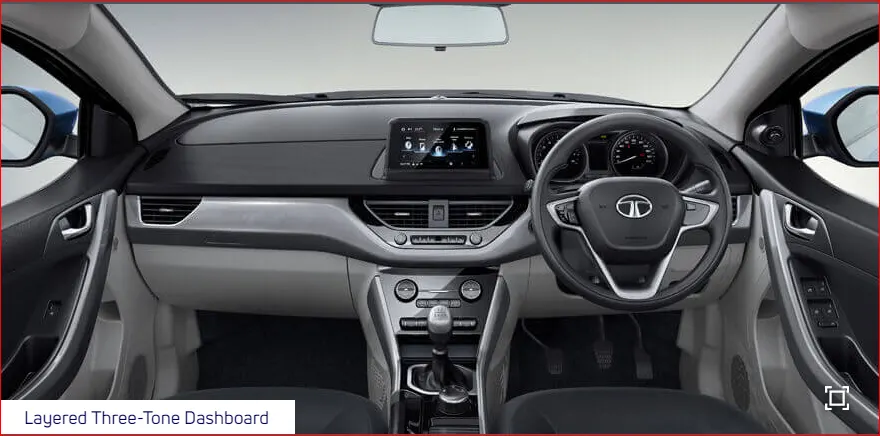
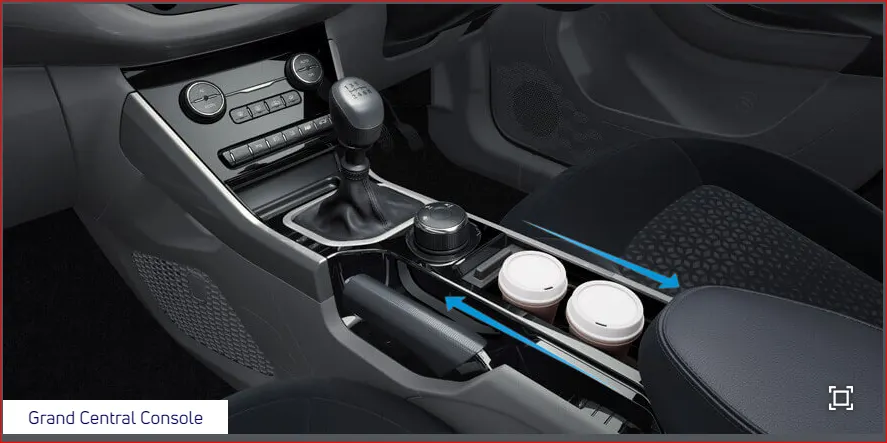
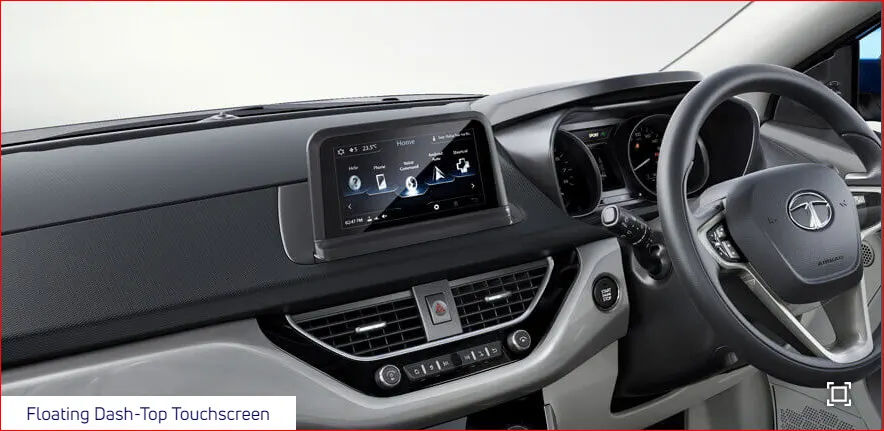
2. Interiors: The layered three-tone dashboard looks elegant and the floating dash-top touchscreen is one of its own kind which reduces "eye-off-the-road" time significantly. The centre console with sliding tambour door is designed in a way to give you smart storage space. 31 utility spaces in the car will keep the cabin organised. The cabin is spacious with flexi-seating with rear 60:40 seat split and full flat-fold option.
3. Technology: The car comes with an advanced infotainment system with next-gen smartphone connectivity. Voice recognition technology is there through which you can access navigation, phone calls, music with just one button. Eight speaker system is in place to give good music experience. Voice-based warnings for car functions ensures the driver is driving safely.
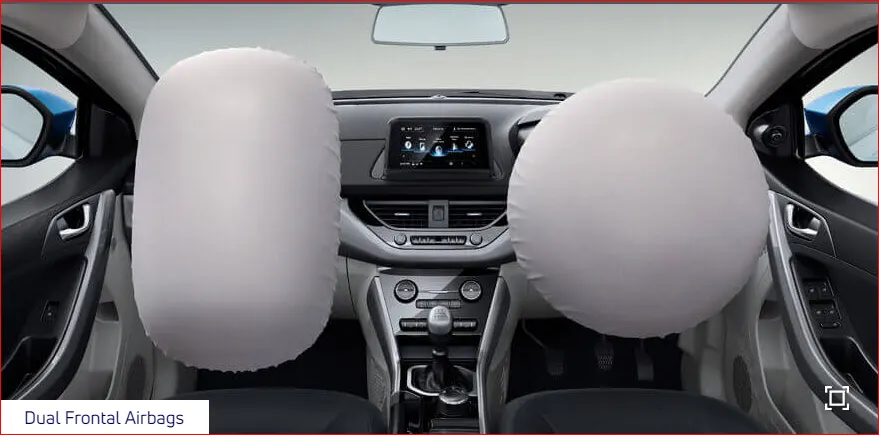
4. Safety: For safety dual frontal airbags will shield driver and co-driver in case of a crash. Anti-lock braking system with electronic brake-force distribution in all 4 wheels with hydraulic assistance aids emergency braking. Advanced sensors with rear camera feed assist driver in reverse parking and height adjustable front seatbelts plus ISOFIX child restraint system at the rear present for all-around safety.
Tata Nexon became the fourth Made in India car to get a 4-star rating from Global NCAP based on the crash test results done by the UK-based vehicle safety group. The car received 4 stars for adult occupant protection and three stars for child occupants, while the body shell has been rated as stable by the vehicle safety group, reported PTI.
(Picture Credit: Tata Motors website)
5. Performance: The diesel variant comes with 1.5L Revotorq engine with turbocharged power output of 100 PS and 260 Nm of Torque. Petrol variant comes with 1.2L Revotron engine with power output of 110 PS and 170 Nm of torque. Multi-drive modes -Eco, City and Sport- gives efficient performance.