Benchmarking
BENCHMARKING
Benchmarking is the process of comparing a company's performance to that of a leading competitor in the industry to identify development opportunities. Businesses might uncover possibilities to improve their performance by analyzing the strategies and practices of high-performing enterprises.
Through benchmarking, two types of improvement potential can be identified: ongoing and dramatic. Continuous improvement entails making small improvements over time to make major progress. This could include changing product features, extending service offerings, or putting in new technology to improve client interactions.
Dramatic improvement, on the other hand, necessitates a more comprehensive technique known as reengineering. This entails fundamentally changing internal work processes to produce significant and dramatic gains. Workflow redesign and streamlining are examples of reengineering.
STEP-BY-STEP BENCHMARKING
Benchmarking is a simple, but detailed, five-step process:
- Choose a product, service, or internal department to benchmark.
- Determine which best-in-class companies you should benchmark against, and which organizations you’ll compare your business to.
- Gather information on their internal performance, or metrics.
- Compare the data from both organizations to identify gaps in your company’s performance.
- Adopt the processes and policies in place within the best-in-class performers.
Benchmarking will point out what changes will make the most difference, but it’s up to you to actually put them in place.
In order to benchmark anything, you need to have quantitative data available to study. That means breaking down internal processes to calculate performance metrics. Quantify everything, because only quantifiable information can be accurately compared.
BENEFITS
In addition to helping companies become more efficient and profitable, benchmarking has other benefits, too, such as:
- Improving employee understanding of cost structures and internal processes
- Encouraging team-building and cooperation in the interest of becoming more competitive
- Enhancing familiarity with key performance metrics and opportunities for improvement company-wide
In essence, benchmarking helps employees understand how one small piece of a company’s processes or products can be the key to major success, just as one employee’s contributions can lead to a big win.
REQUIREMENT
Benchmark with presently available cars in the market for the following case.
Mr D.S. Pughazhyendhii is a married man who lives in Bangalore which is a highly crowded city. His Family comprises five members including his wife, five-year-old boy, his father, and his mother. He visits his native place Madurai which is 500 km away from Bangalore once a month. Also, he will be using his car to commute to his office. His budget falls between 8 to 10 lakhs on the road. Please suggest to him options so that he will buy a good car for his family.
Note: Pughazhyendhii is fond of big cars
In my view,
I would suggest Diesel Engine Vehicle, SUVs and Sedans is preferable.
SUGGESTIBLE CARS
- Tata Punch
- Maruti FRONX
- Mahindra xuv 300
- Hyundai Aura
- Tata Punch
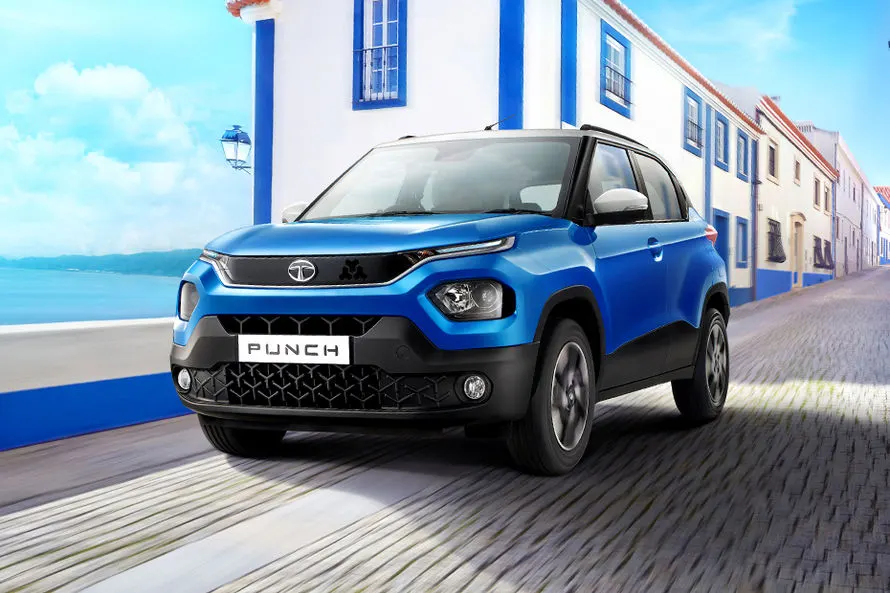
| ARAI Mileage | 18.8 kmpl |
| Fuel Type | Petrol |
| Engine Displacement (cc) | 1199 |
| No. of cylinder | 3 |
| Max Power (bhp@rpm) | 86.63bhp@6000rpm |
| Max Torque (nm@rpm) | 115Nm@3250+/-100rpm |
| Seating Capacity | 5 |
| TransmissionType | Automatic |
| Boot Space (Litres) | 366 |
| Fuel Tank Capacity | 37.0 |
| Body Type | SUV |
| Service Cost (Avg. of 5 years) | Rs.4,712 |
2. Maruti FRONX
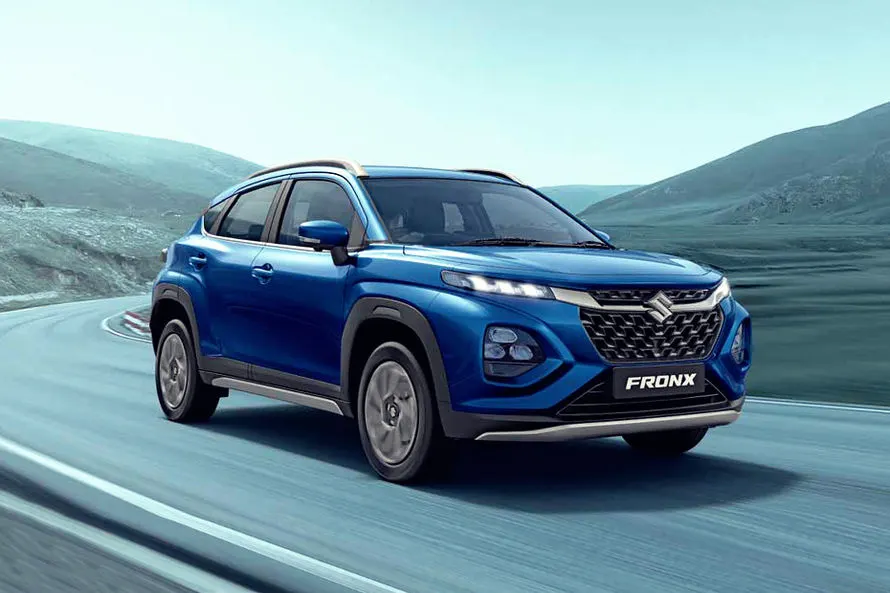
| ARAI Mileage | 20.01 kmpl |
| Fuel Type | Petrol |
| Engine Displacement (cc) | 998 |
| No. of cylinder | 3 |
| Max Power (bhp@rpm) | 98.69bhp@5500rpm |
| Max Torque (nm@rpm) | 147.6Nm@2000-4500rpm |
| Seating Capacity | 5 |
| TransmissionType | Automatic |
| Boot Space (Litres) | 308 |
| Fuel Tank Capacity | 37.0 |
| Body Type |
SUV |
3. Mahindra xuv 300
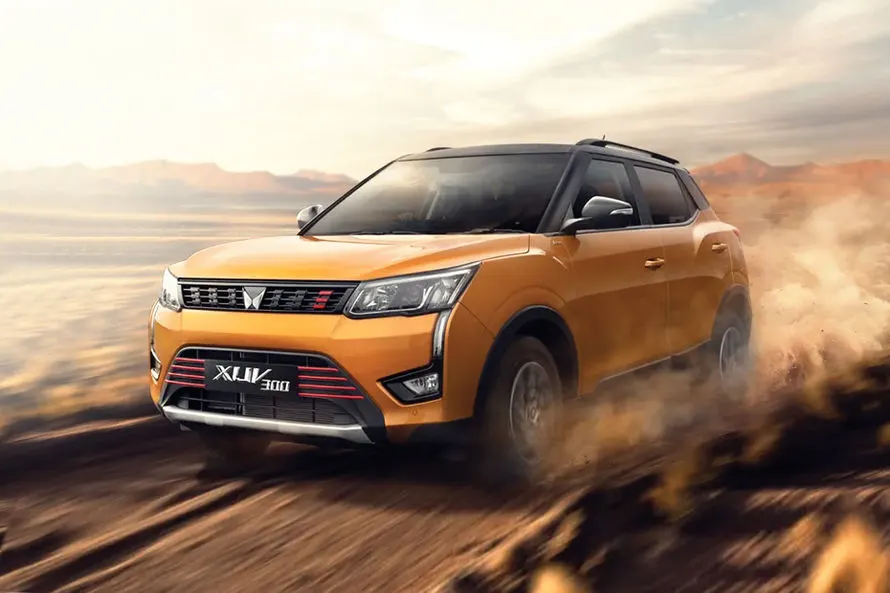
| ARAI Mileage | 19.7 kmpl |
| City Mileage | 20.0 kmpl |
| Fuel Type | Diesel |
| Engine Displacement (cc) | 1497 |
| No. of cylinder | 4 |
| Max Power (bhp@rpm) | 115.05bhp@3750rpm |
| Max Torque (nm@rpm) | 300Nm@1500-2500rpm |
| Seating Capacity | 5 |
| TransmissionType | Automatic |
| Fuel Tank Capacity | 42.0 |
| Body Type | SUV |
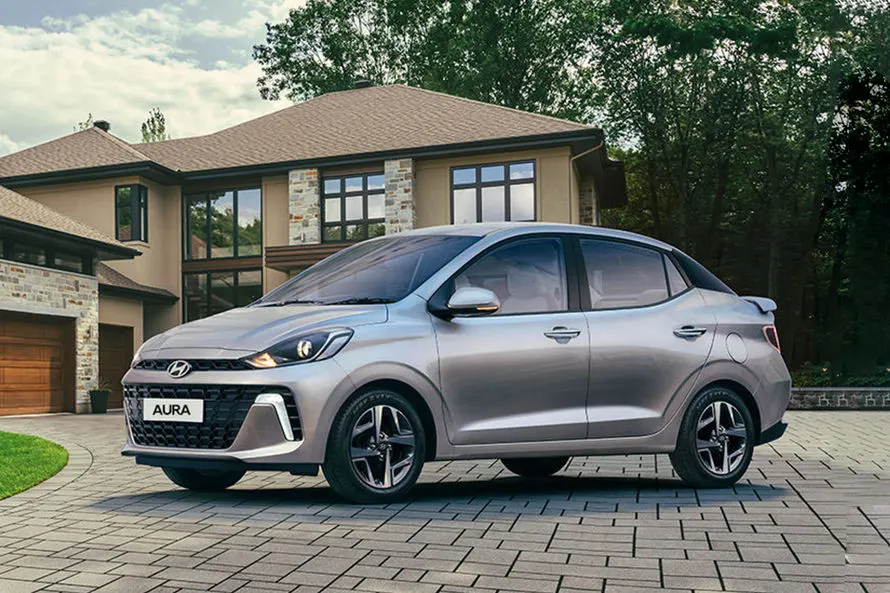
| Fuel Type | CNG |
| Engine Displacement (cc) | 1197 |
| No. of cylinder | 4 |
| Max Power (bhp@rpm) | 67.72bhp@6000rpm |
| Max Torque (nm@rpm) | 95.2Nm@4000rpm |
| Seating Capacity | 5 |
| TransmissionType | Manual |
| Fuel Tank Capacity | 65.0 |
| Body Type | Sedan |
COMPARISON
Engine and Transmission
| Engine Type | 1.2 l Revotron Engine |
| Displacement (cc) | 1199 |
| Max Power | 86.63bhp@6000rpm |
| Max Torque | 115Nm@3250+/-100rpm |
| No. of cylinder | 3 |
| Valves Per Cylinder | 4 |
| Transmission Type | Automatic |
| Gear Box | 5 Speed |
Fuel & Performance
| Fuel Type | Petrol |
| Petrol Mileage (ARAI) | 18.8 |
| Petrol Fuel Tank Capacity (Litres) | 37.0 |
| Emission Norm Compliance | BS VI |
Suspension, Steering & Brakes
| Front Suspension | Independent, Lower Wishbone, Mcpherson Strut With Coil Spring |
| Rear Suspension | Semi-independent Twist Beam With Coil Spring And Shock Absorber |
| Steering Type | Electric |
| Steering Column | Tilt |
| Front Brake Type | Disc |
| Rear Brake Type | Drum |
Dimensions & Capacity
| Length (mm) | 3827 |
| Width (mm) | 1742 |
| Height (mm) | 1615 |
| Boot Space (Litres) | 366 |
| Seating Capacity | 5 |
| Wheel Base (mm) | 2445 |
| No of Doors | 5 |
Engine and Transmission
| Engine Type | 1.0L Turbo Boosterjet |
| Displacement (cc) | 998 |
| Max Power | 98.69bhp@5500rpm |
| Max Torque | 147.6Nm@2000-4500rpm |
| No. of cylinder | 3 |
| Valves Per Cylinder | 4 |
| Transmission Type | Automatic |
| Gear Box | 6-Speed AT |
Fuel & Performance
| Fuel Type | Petrol |
| Petrol Mileage (ARAI) | 20.01 |
| Petrol Fuel Tank Capacity (Litres) | 37.0 |
| Emission Norm Compliance | BS VI 2.0 |
Suspension, Steering & Brakes
| Front Suspension | MacPherson Strut |
| Rear Suspension | Torsion Beam |
| Steering Type | Electric |
| Steering Column | Tilt & Telescopic |
| Turning Radius (Metres) | 4.9 |
| Front Brake Type | Disc |
| Rear Brake Type | Drum |
Dimensions & Capacity
| Length (mm) | 3995 |
| Width (mm) | 1765 |
| Height (mm) | 1550 |
| Boot Space (Litres) | 308 |
| Seating Capacity | 5 |
| Wheel Base (mm) | 2520 |
| Kerb Weight (Kg) | 1055-1060 |
| Gross Weight (Kg) | 1480 |
| No of Doors | 5 |
3. MAHINDRA XUV300
Engine and Transmission
| Engine Type | 1.5L Turbo Diesel with CRDi |
| Displacement (cc) | 1497 |
| Max Power | 115.05bhp@3750rpm |
| Max Torque | 300Nm@1500-2500rpm |
| No. of cylinder | 4 |
| Valves Per Cylinder | 4 |
| Turbo Charger | |
| Transmission Type | Automatic |
| Gear Box | 6 Speed |
Fuel & Performance
| Fuel Type | Diesel |
| Diesel Mileage (ARAI) | 19.7 |
| Diesel Fuel Tank Capacity (Litres) | 42.0 |
| Diesel Highway Mileage | 21.0 |
| Emission Norm Compliance | BS VI |
Suspension, Steering & Brakes
| Front Suspension | MacPherson Strut with Anti-roll Bar |
| Rear Suspension | Twist Beam Suspension with Coil Spring |
| Steering Type | Power |
| Turning Radius (Metres) | 5.3 |
| Front Brake Type | Disc |
| Rear Brake Type | Disc |
Dimensions & Capacity
| Length (mm) | 3995 |
| Width (mm) | 1821 |
| Height (mm) | 1627 |
| Seating Capacity | 5 |
| Wheel Base (mm) | 2600 |
| Kerb Weight (Kg) | 1465 |
| No of Doors | 5 |
Engine and Transmission
| Engine Type | 1.2 L Bi-Fuel |
| Displacement (cc) | 1197 |
| Max Power | 67.72bhp@6000rpm |
| Max Torque | 95.2Nm@4000rpm |
| No. of cylinder | 4 |
| Valves Per Cylinder | 4 |
| Transmission Type | Manual |
| Gear Box | 5-Speed |
Fuel & Performance
| Fuel Type | CNG |
| CNG Fuel Tank Capacity (Litres) | 65.0 |
| Emission Norm Compliance | BS VI 2.0 |
Suspension, Steering & Brakes
| Front Suspension | McPherson strut |
| Rear Suspension | Coupled torsion beam axle |
| Shock Absorbers Type | Gas Filled |
| Steering Type | Electric |
| Steering Column | Tilt |
| Front Brake Type | Disc |
| Rear Brake Type | Drum |
Dimensions & Capacity
| Length (mm) | 3995 |
| Width (mm) | 1680 |
| Height (mm) | 1520 |
| Seating Capacity | 5 |
| Wheel Base (mm) | 2450 |
| Kerb Weight (Kg) | 1037 |
| No of Doors | 4 |
I would suggest MAHINDRA XUV 300 for Mr D.S. Pughazhyendhii's family, XUV 300 has a lot of space and NCAP it is collected 5 stars and it gives almost all feature according to price and it is the safest car in its segment. It is also value for money product with class-leading features.