Benchmarking
BENCHMARKING
Definition:
It is a process of measuring the performance of a company’s products & processes or analyzing the choices of similar products based on the selection factor and deducing it to final conclusion for assessing and comparing performance in order to achieve continuous improvement.
Types Of Benchmarking:
- Internal Benchmarking.
- External Benchmarking.
- Performance Benchmarking.
- Process Benchmarking.
- Strategic Benchmarking.
Internal Benchmarking:
It compares metrics and practices from different units, product lines, departments, programs, etc., within the organization and also a good starting point to understand the current standard of business performance.
External Benchmarking:
It compares metrics and practices of one organization to one or many other organizations and can be highly valuable but often requires significant time & effort. It is also known as custom benchmarking.
Performance Benchmarking:
It is the process of measuring and analyzing an organization’s performance of products, services, operations and other companies, competitors or industry leaders. It helps to identify and understand areas for improvement which helps manufacturers understand and measure their performance relative to their competitors and industry standards.
Process Benchmarking:
It is about comparing the steps in your operation versus the ones that others have mapped out. It shows an organization how it rates in operational performance compared to industry leaders highlights the areas that have the greatest potential for short-term and long-term process improvement.
Strategic Benchmarking:
It compares your improvements in strategic performance to that of leaders in your field of activity to comparing them to the past performance of your own processes or products to align them with industry’s goals and long-term plans.
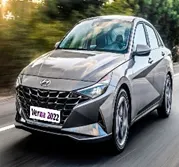
Comparing Various Cars for Benchmarking:
Study:
Suggesting a car for a friend or customer according to its specifications.
 |
 |
 |
 |
|
|
Mileage(kmpl) |
17.8 |
17.7 |
19.1 |
17.5 |
|
Range(km) |
712 |
796 |
767 |
773 |
|
Boot space |
506 |
480 |
405 |
350 |
|
Fuel Tank(lit) |
40 |
45 |
40 |
44 |
|
Airbags |
4 |
2 |
4 |
2 |
|
Engine immobilizer |
Yes |
Yes |
Yes |
Yes |
|
Brake light flashing |
Nil |
Yes |
Nil |
Yes |
|
Seat belt warning |
Yes |
Yes |
Yes |
Yes |
|
Child Safety Lock |
Yes |
Yes |
Yes |
Yes |
|
Price (₹) |
11.6 lakh |
9.43 lakh |
5.99 lakh |
7.59 lakh |
 |
 |
 |
 |
|
|
Mileage(kmpl) |
19.4 |
17.7 |
20 |
23.2 |
|
Range(km) |
876 |
796 |
732 |
858 |
|
Boot space |
521 |
480 |
242 |
268 |
|
Fuel Tank(lit) |
45 |
45 |
35 |
37 |
|
Airbags |
2 |
2 |
2 |
2 |
|
Engine immobilizer |
Yes |
Yes |
Yes |
Yes |
|
Brake light flashing |
Yes |
Yes |
Yes |
Nil |
|
Seat belt warning |
Yes |
Yes |
Yes |
Yes |
|
Child Safety Lock |
Yes |
Yes |
Yes |
Yes |
|
Price (₹) |
10.99 lakh |
9.43 lakh |
5.39 lakh |
5.91 lakh |
Conclusion of study:
- If you are looking for a car with more mileage at an affordable price you can get Maruti Suzuki Swift is the best one for you but it has less boot space.
- If you are looking for a car with more safety consideration Honda city or Renault Kiger is best for you but Kiger way cheaper and has more mileage than Honda City.
- If you are looking for a car with more boot space Skoda Slavia or Honda city will be best for you but Slavia has more mileage than Honda City.
- If you are looking for a car with safety and a high mileage at an affordable price Renault Kiger will suit you.
- If you are looking for a car with overall efficient car Hyundai Venue will be the best.
- My Suggestion for anyone will be Hyundai Venue because it has good mileage, boot space, high range with less price comparing to Honda City.
Pros:
- A roadmap to help your company build a robust fiber and materials strategy.
- A framework for reporting consumption data and progress.
- A focal point for sector alignment with the sustainable development goals.
- Internal benchmarking allows you to repurpose something without reinventing the product.
- It can give you an idea of what your competitors are doing.
- Industry benchmarks can help with budget projections.
Cons:
- Stabilized standards.
- Insufficient information.
- Declining results.
- Lack of customer satisfaction.
- Lack of understanding.
- Greater dependency.