Assignment 7-Side Pole Crash Simulation Challenge
Neon side crash -BIW
- Check unit system and either follow [Mg mm s] or [Kg mm ms].
- Create appropriate interface ,friction 0.2 and recommended parameters.
- Make sure of no penetration and intersections.
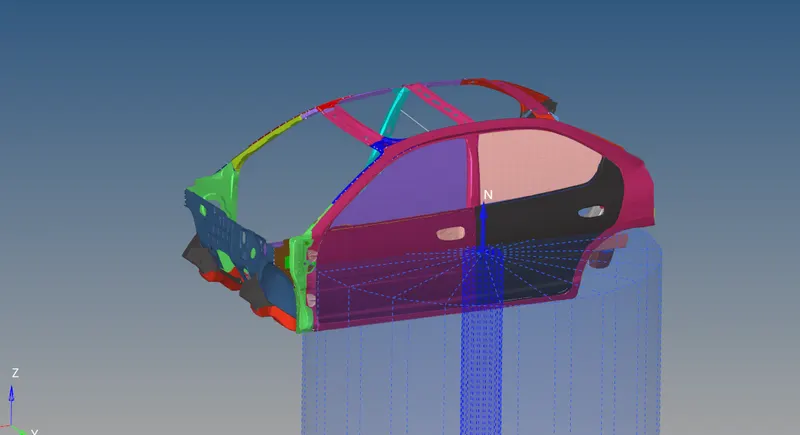
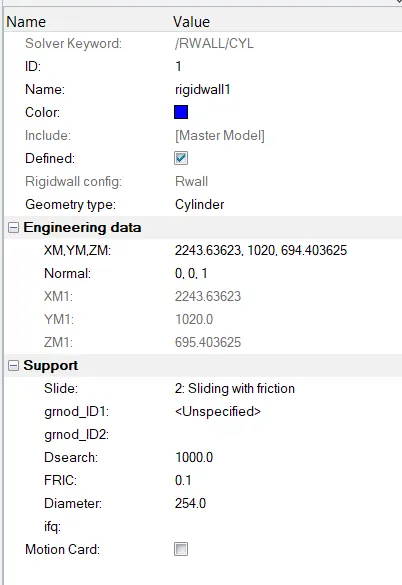
- Create rigid wall with friction 0.1 as per referance model.
- Compare the model weight with the referance model and use added masses to reach target weight 700kg while getting CG about the required range.
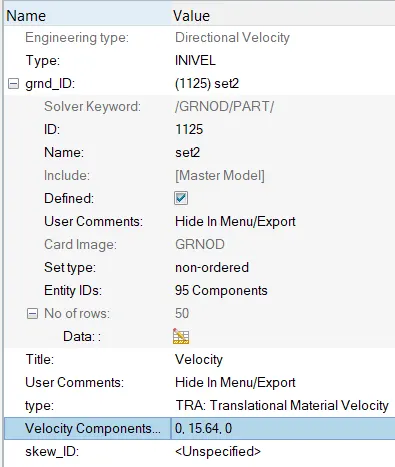
- Initial velocity as shown in picture.
- Use model checker to ensure good quality.
- Timestep :0.5 to 0.1 microseconds.
- Run 80ms.
Output requests:
- Sectional force in the cross member.
- Intrusion at B pillar,hinge pillar and fuel tank region.Provide recommendation on what can help to reduce Fuel tank intrusion.
- Peak velocity of inner node of the door.
Procedure
Defining contact
- A single contact interface was created using type 7 and deleting all the pre defined contact in the interface. While defining the contact recomended parameters were used.
Definig Side pole
- A rigid wall was created by selecting the center node on the bumber and then translating it to further distance ahead. Here support>slide 2, Dsearch of 1000and a coloumb friction of 0.1 was used.
Defining velocity
- A initial velocity card can be created from the solver deck by right clicking>create>boundary condition>INIVEL. A velocity of 15.64m/s was then given along y direction.
Initial mass
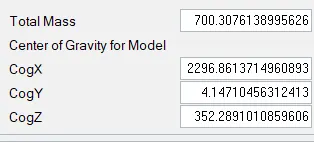
To Compare the model weight with the referance model an extra mass was addede to reach a total weight of 700kg and also to get the COG of the vehicle at the center. Initially the mass was measured to be 166.3kg.
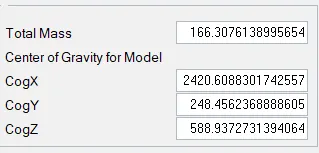
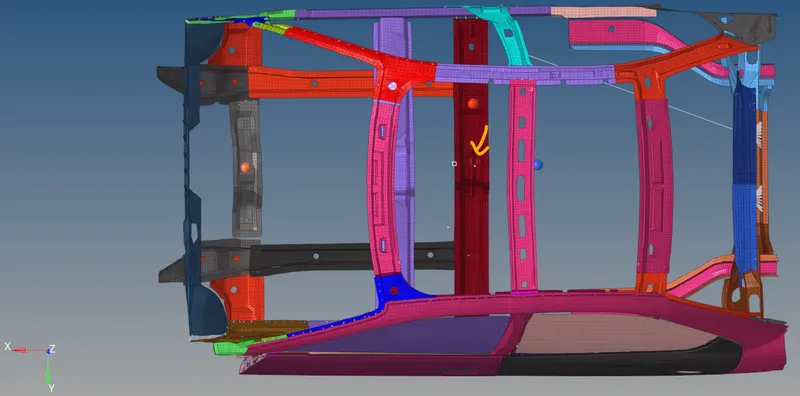
After mass balancing, a total mass mass of 700.3kg was shown by keeping the COG at the center. The coordinate is shown inthe image below.
Results
The simulation for the side crash of a vehicel was performed with normal termination and got all the required outputs.
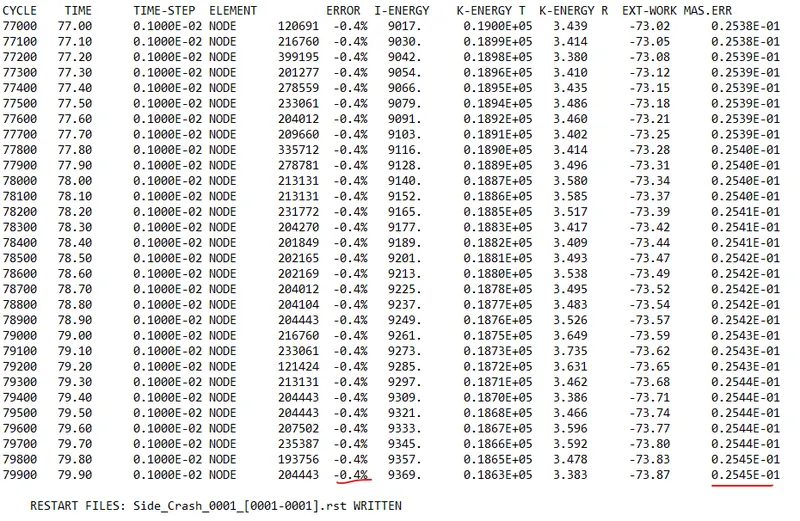
The mass and energy error was kept within the required range.
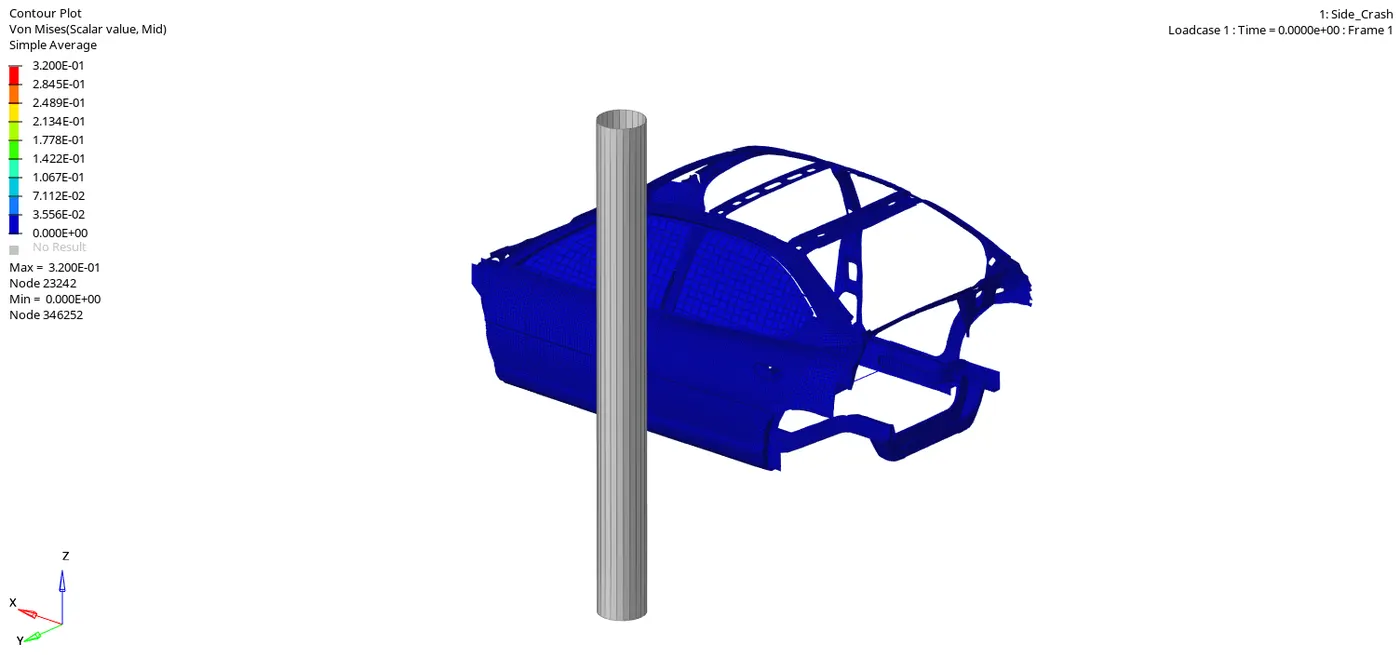
Von mises stress
Energy plot
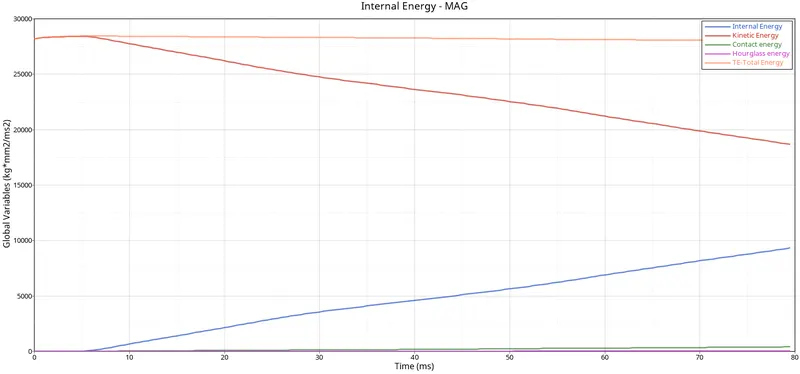
From the plot its observed when the crash happens tha car deaccelerate and the kinetic energy decreases. The kinetic energy is convered to internal energy and we can see an increase in the plot. The total energy almost remains constant, still deviation can be seen due to the energy error occured during the simulation. The hourgalss energy was well kept with in the range of 5% of total energy.
Rigid wall force
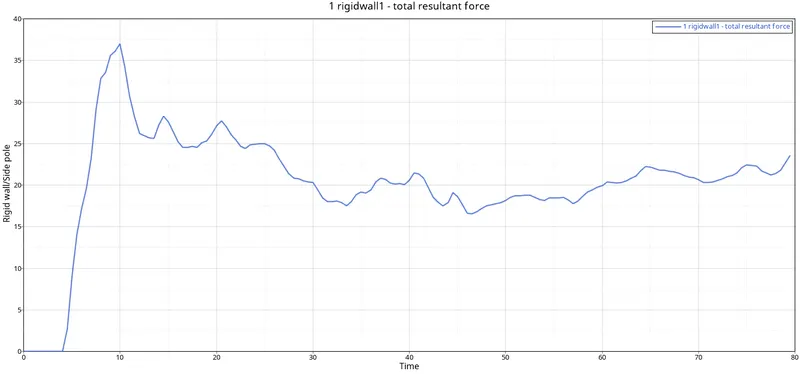
The rigid wall experienced a maximum force of 36.9KN.
Sectional force on the cross member
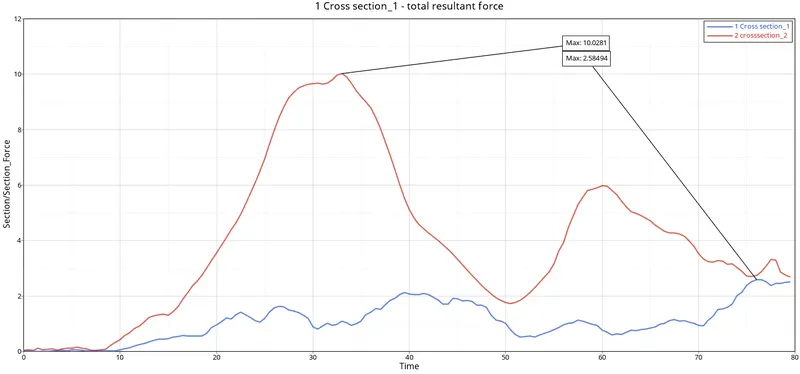
The maximum sectional force experienced amoung the member is found to be 10.02KN.
Peak velocity
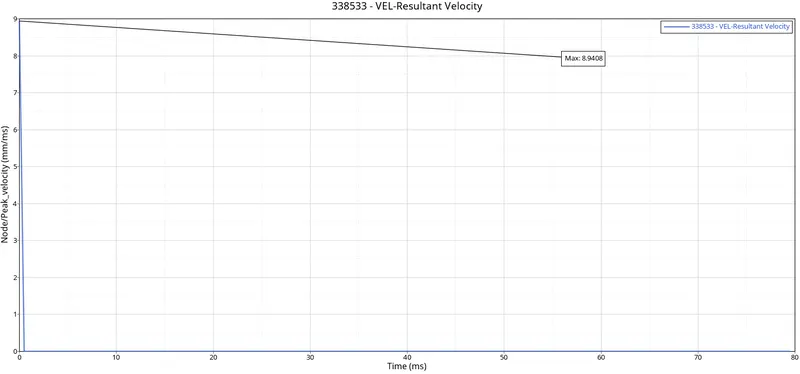
The peak velocity for the node 338533 found to be 8.9mps.
Intrusion plot
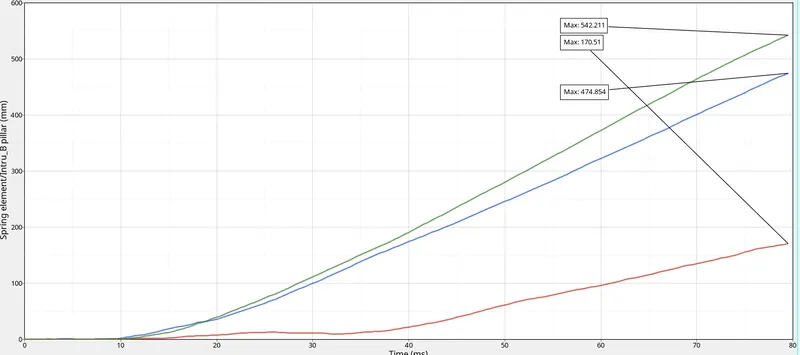
The maximum intrusion of the node in the hinge pillar is found to be more (542.1mm) and less for in the case of B pillar.
Conclusion
The simulation for the side crash of a vehicel was performed with normal termination and got all the required outputs.
__________________________________
Files: https://drive.google.com/drive/folders/1YgTriTsTs4S4EIAhPIX3Olb9WCdVLhat?usp=sharing