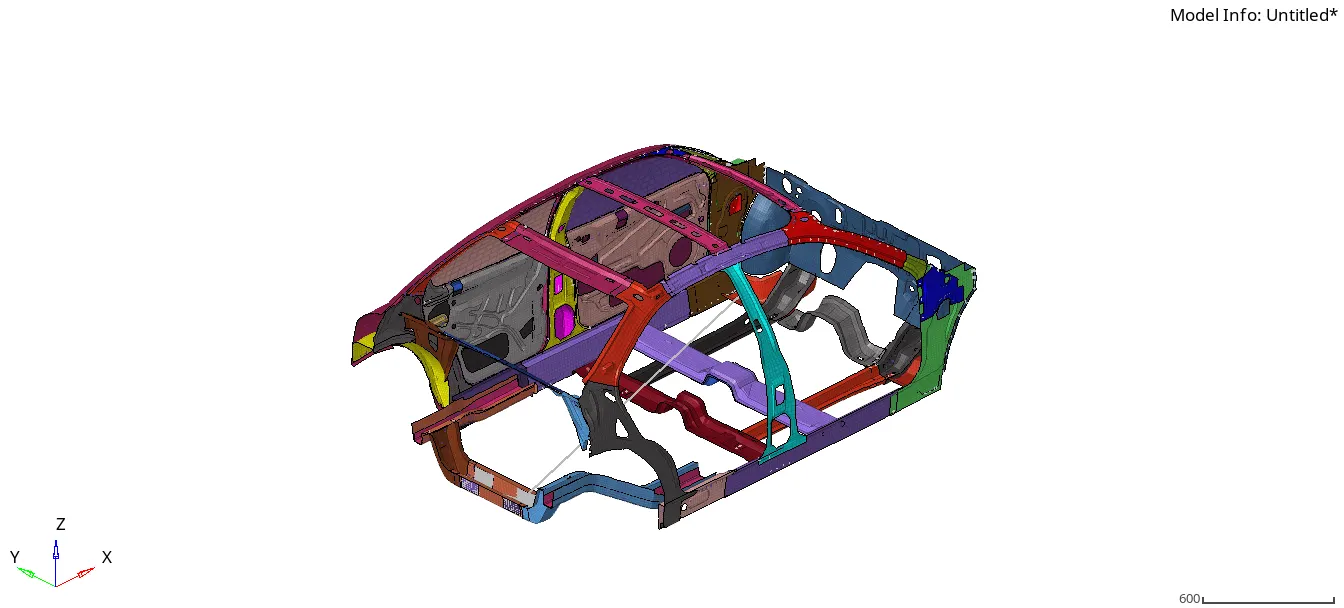
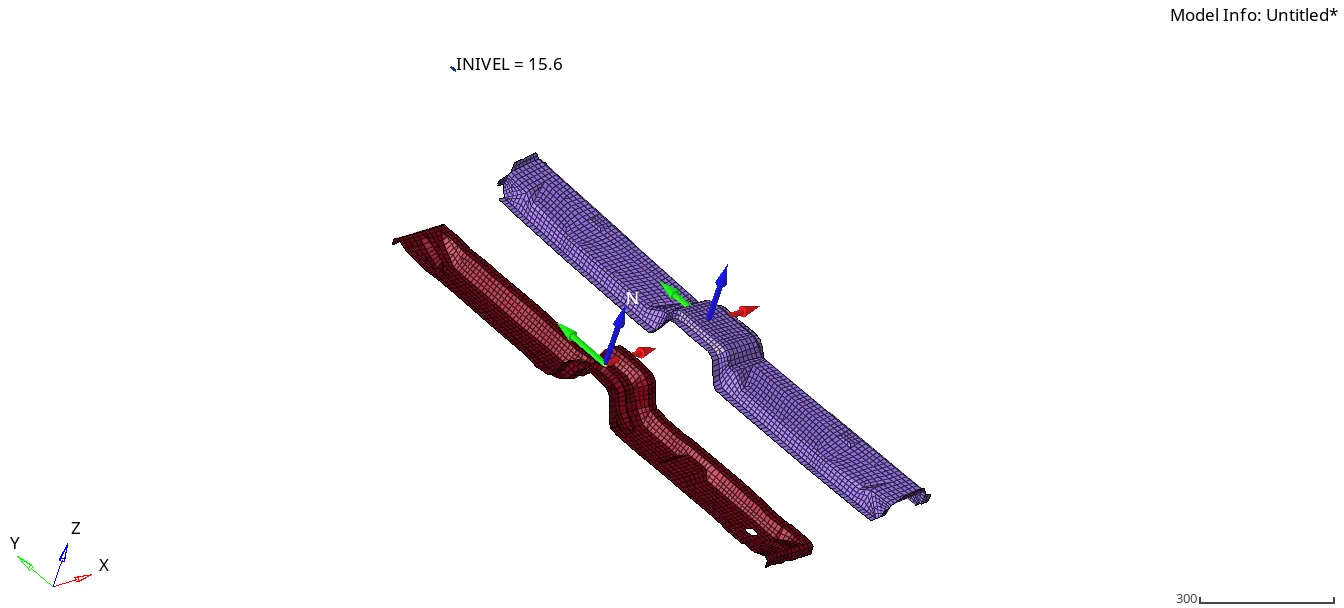
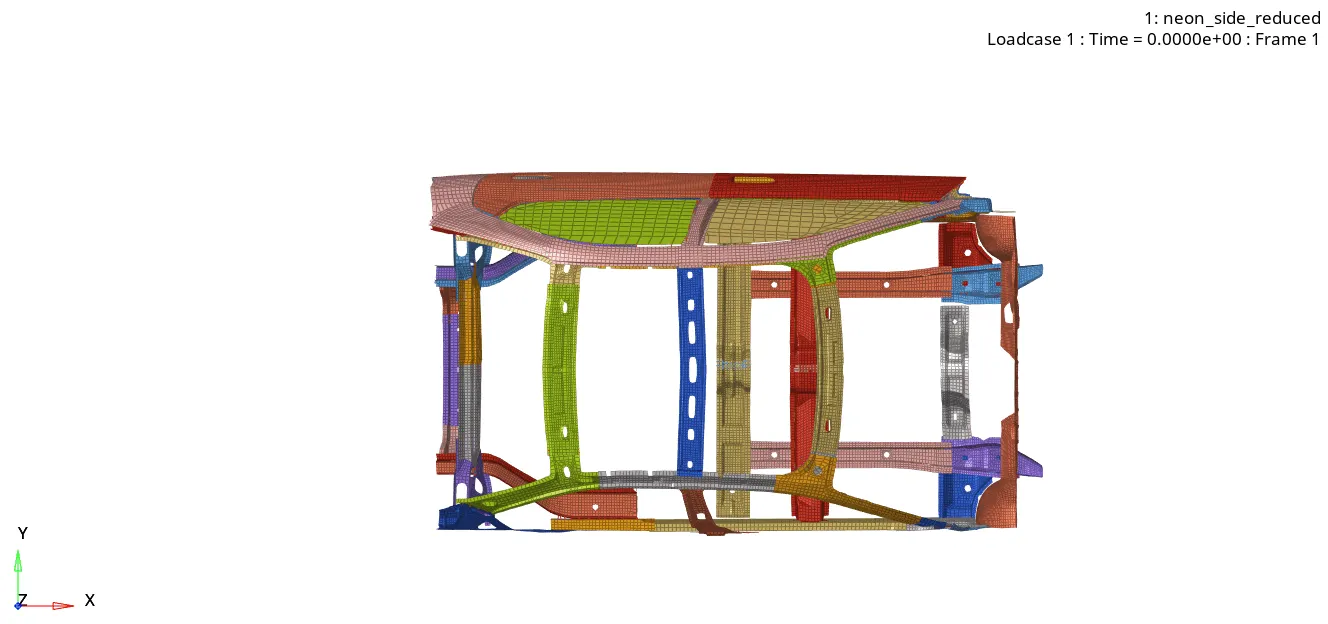
Side crash of a reduced Chrysler Neon BIW substrate against a cylindrical pole at 35mph.
Objective:- To set up the simulation for the side crash of a reduced BIW substrate against a cylindrical pole.
Following are the steps followed:-
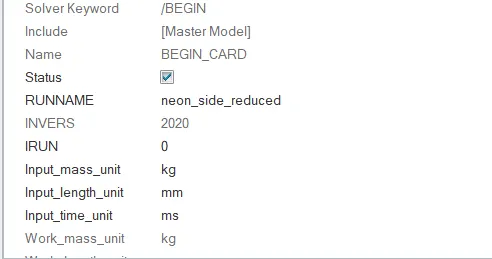
- Check the unit system and either follow [Mg mm s] or [Kg mm ms].
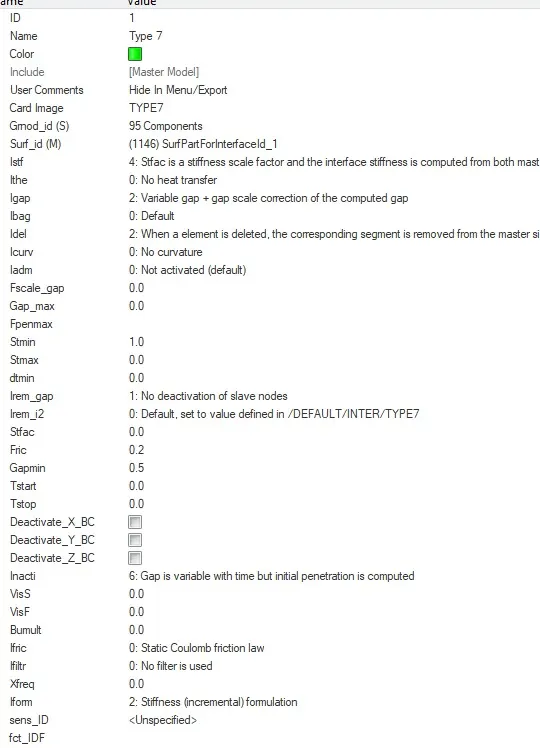
- Create an appropriate interface, friction 0.2, and recommended parameters.
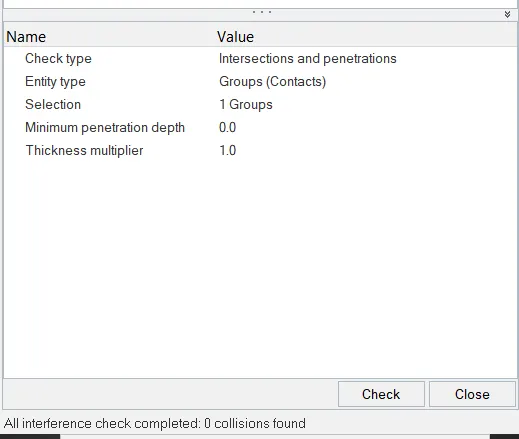
- Make sure of no penetration and intersections.
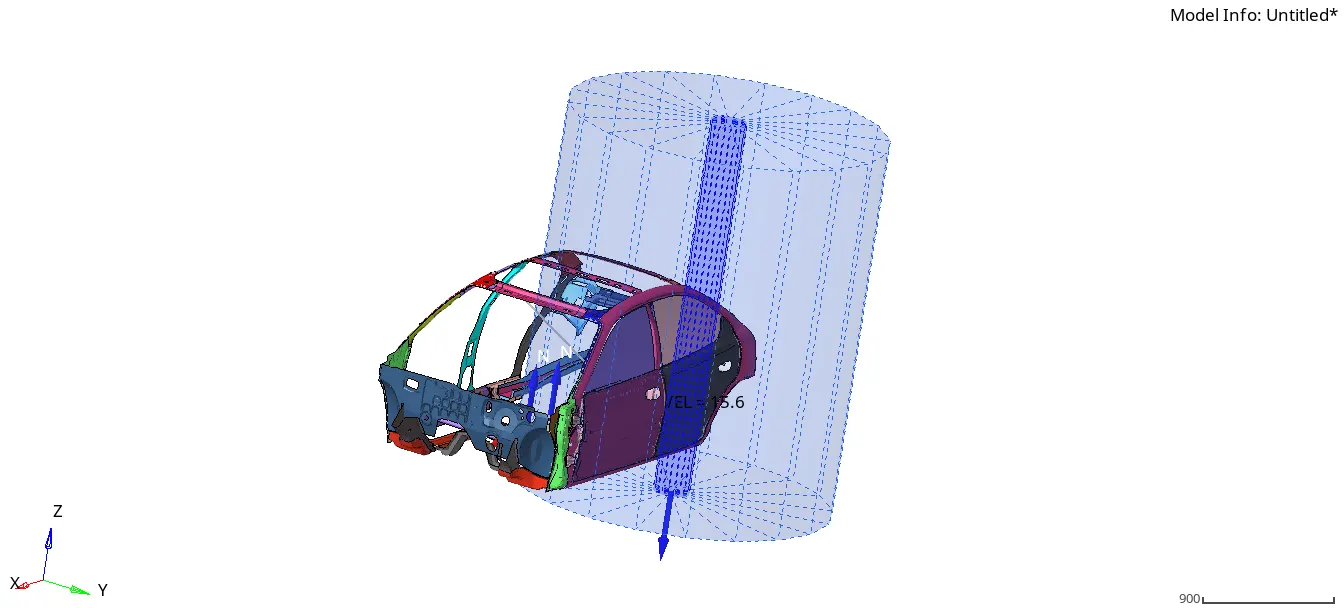
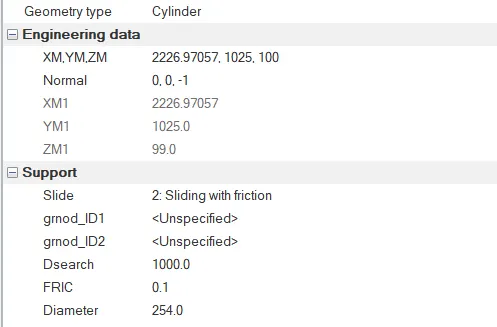
- Create a rigid wall with friction 0.1 as per the reference model.
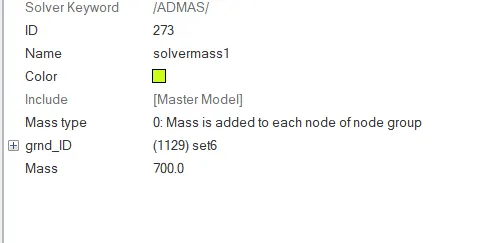
- Compare the model weight with the reference model and use added masses to reach target weight 700kg while getting CG about the required range.
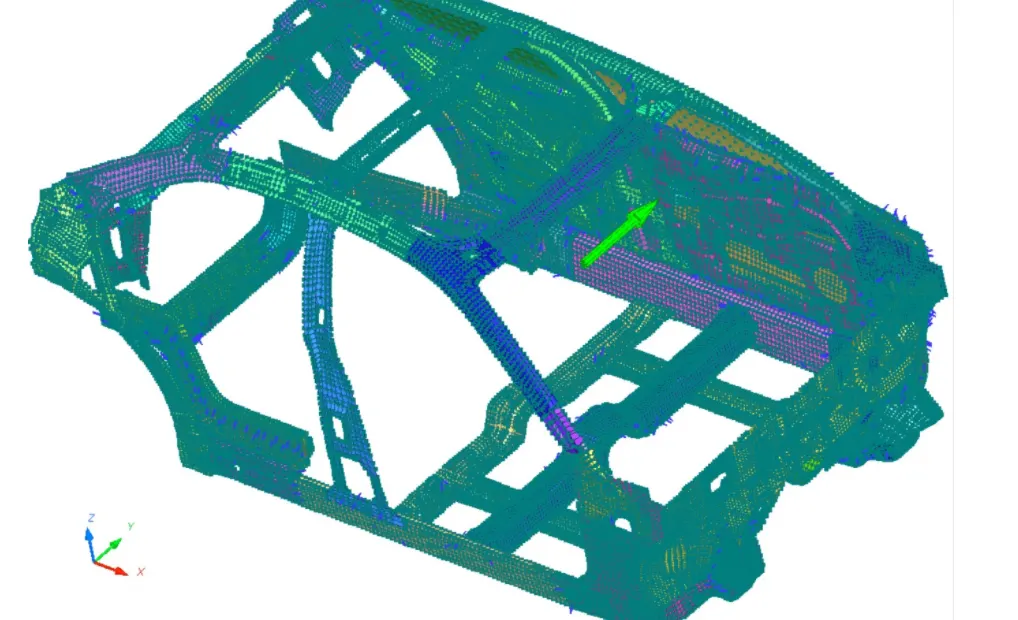
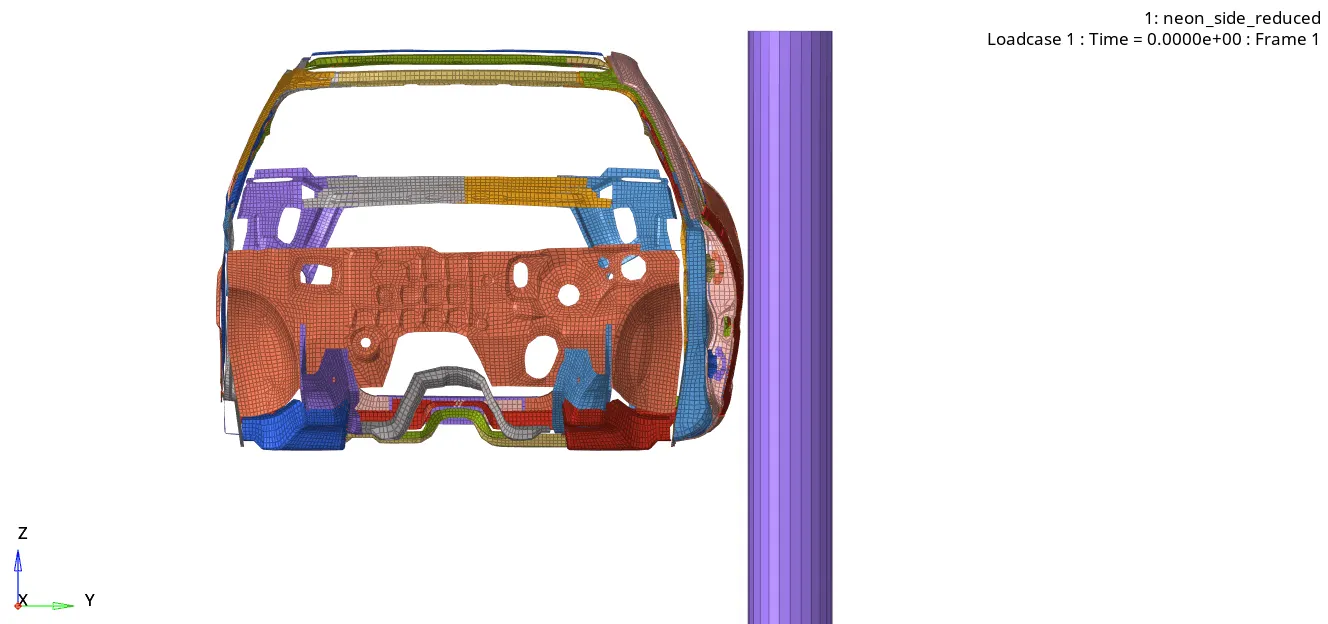
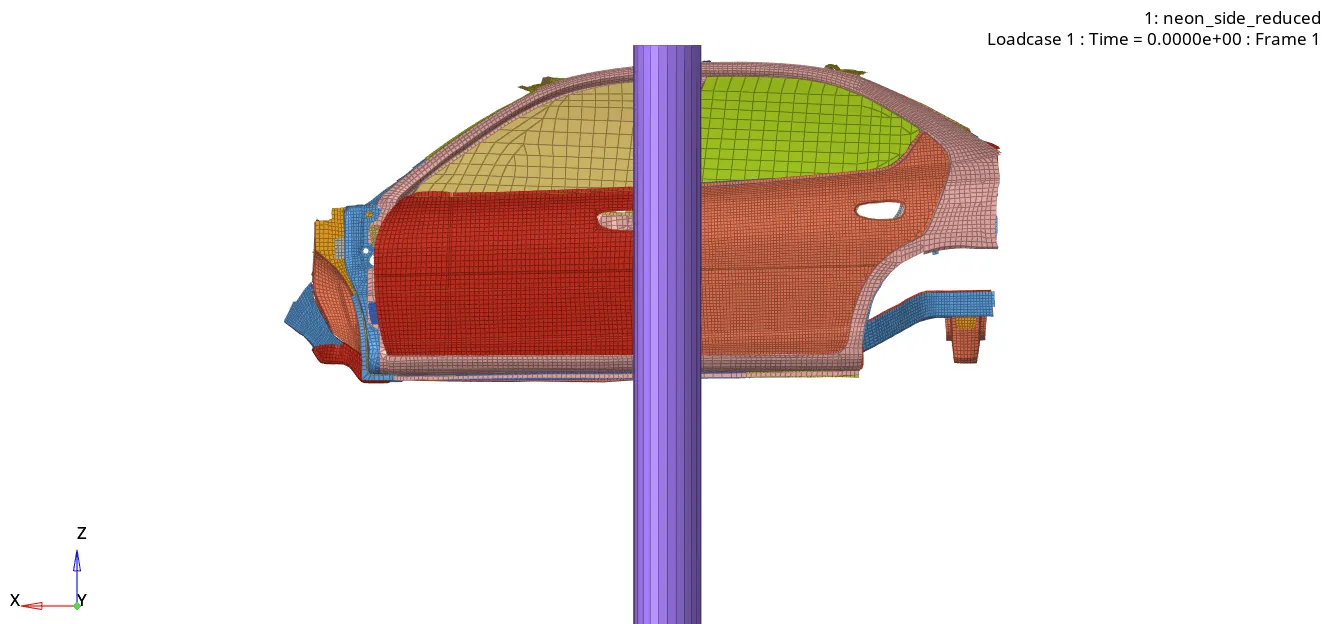
- Initial velocity as shown in the picture.
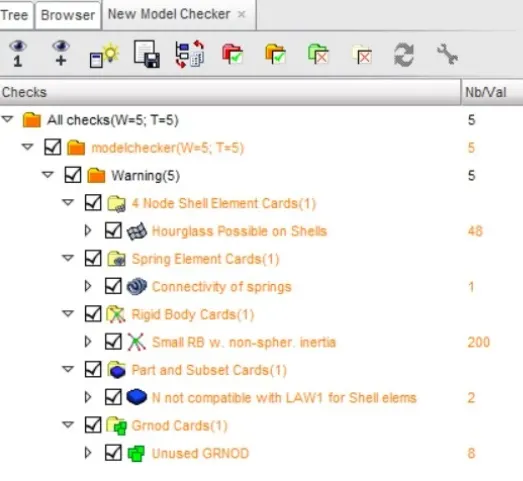
- Use model checker to ensure good quality.
- Timestep :0.5 to 0.1 microseconds.
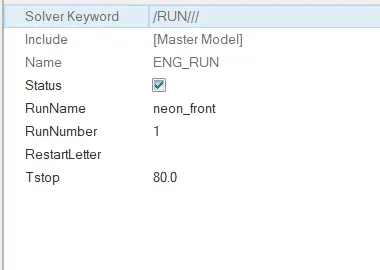
- Run 80ms.
Output requests:
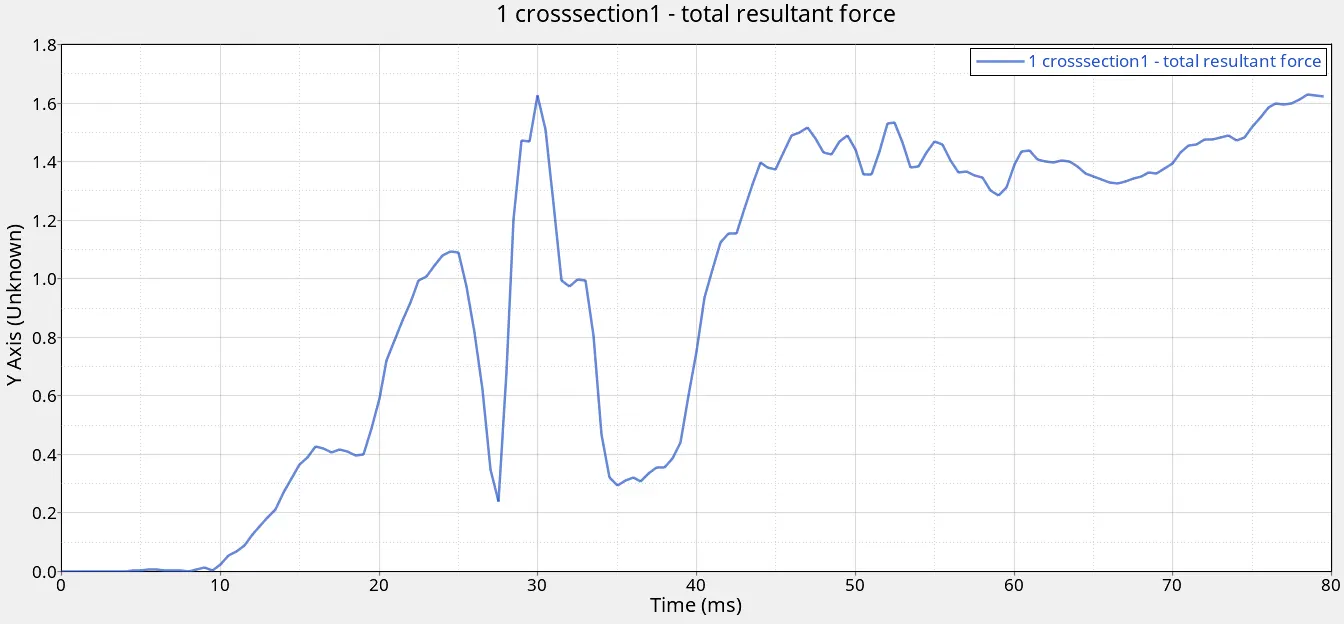
- Sectional force in the cross member.
- The intrusion at B pillar, hinge pillar, and fuel tank region. Provide recommendations on what can help to reduce Fuel tank intrusion.
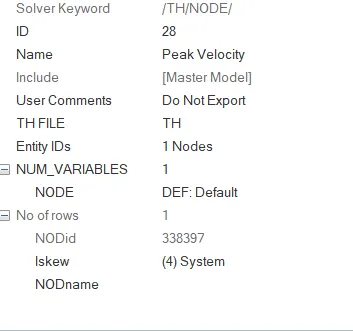
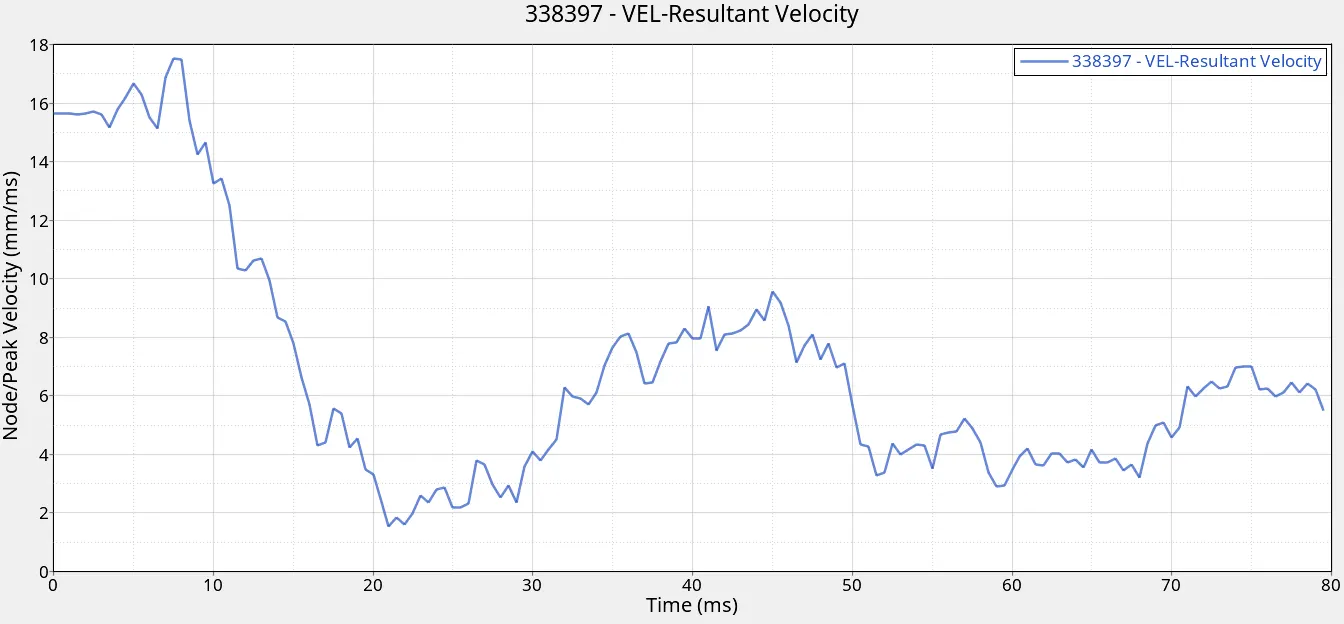
- Peak velocity of the inner node of the door.
Solution:-
1. Import the model into hypermesh, make sure the user profile is set to Radioss.
2. Check the unit system of the model in the begin card.
3.Create a type 7 self contact interface pertaining to the following properties.
4.Create a cylindrical rigid wall of 0.1 friction in the y-direction. Make sure the wall isn’t penetrating with the model.
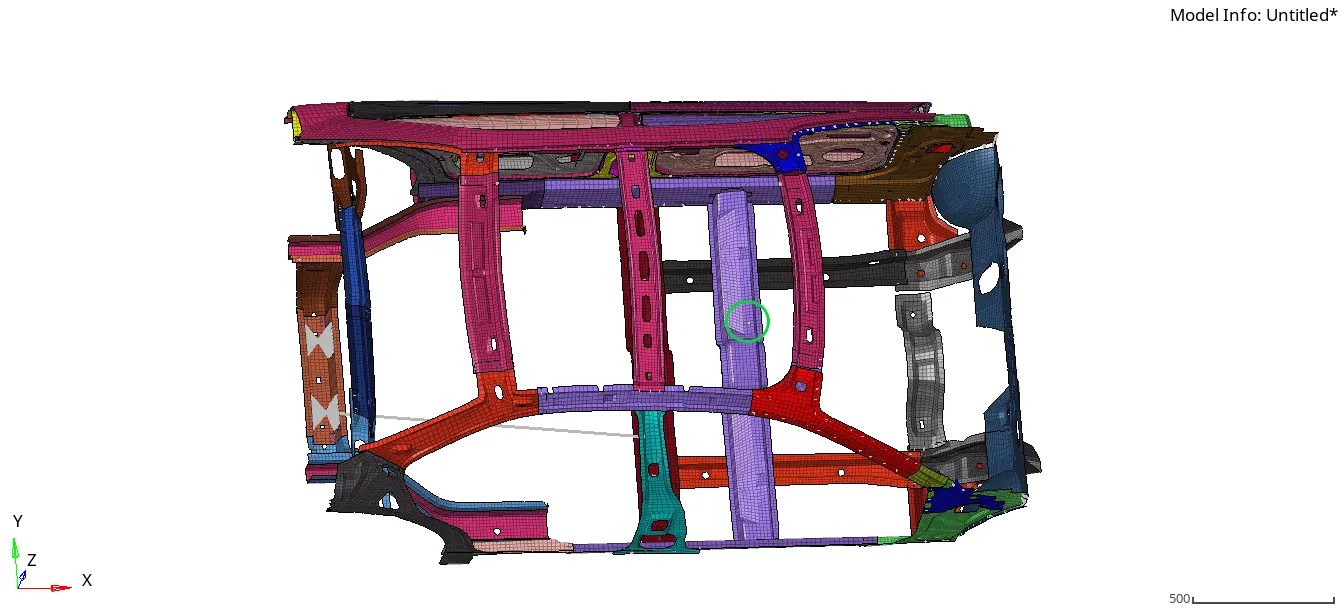
5.Using ADMAS in the solver browser add 700kg mass(Type 0) to the system to manipulate the COG near the cross rail.
6. Apply an initial velocity of 35mph or 15.64 mm/ms in the Y-direction.
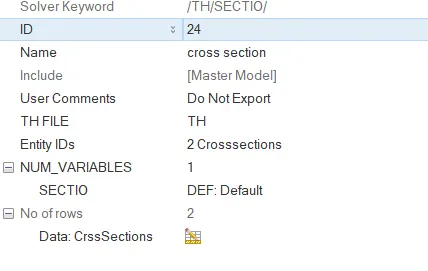
7. Create sections on the cross rails and create an output request of the same in the output block.
8. Create intrusions by selecting nodes near the fuel tank, hinge pillar, and B pillar. Create local coordinate systems for the same.
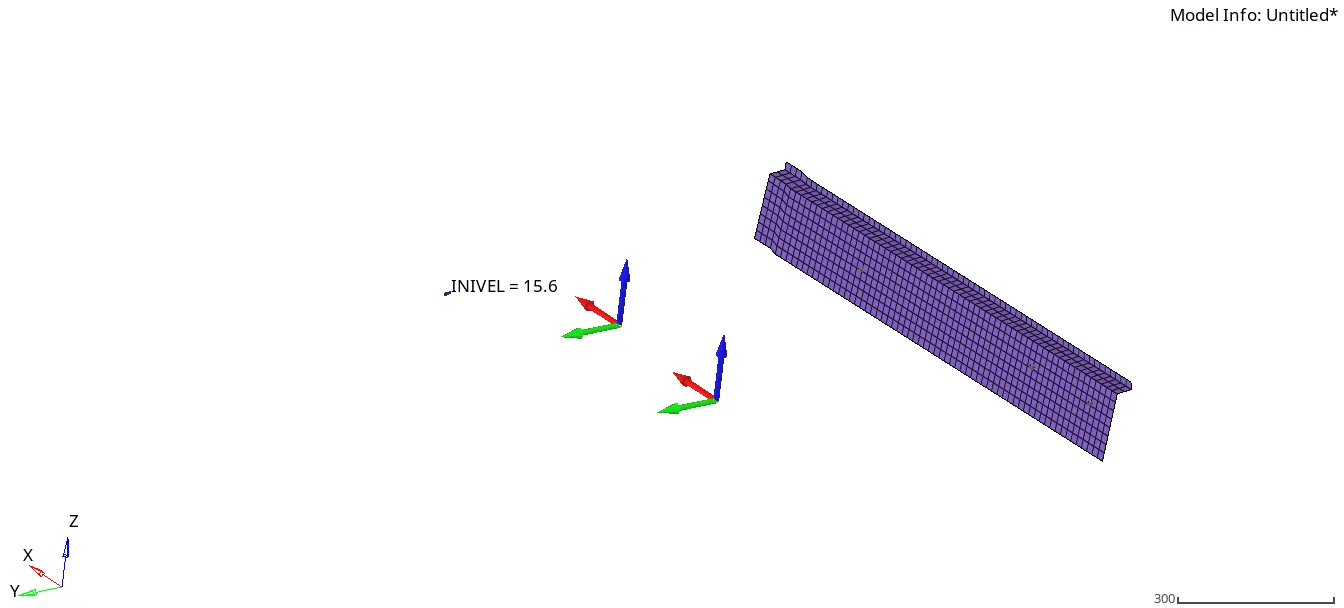
9. Create an output request for peak velocity in the output block by selecting a node on the inner panel of the door and the local coordinate system on the same node.
10.Check penetrations (Tools).
11. Run the model checker (Tools).Warnings are due to the presence of free node groups and surface groups. These warnings can be suppressed.
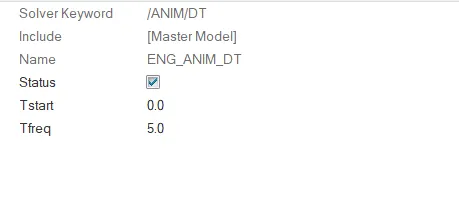
12 .Set the timestep to 0.5(ENG_ANIM_DT) and run the simulation for 80ms(ENG_RUN).
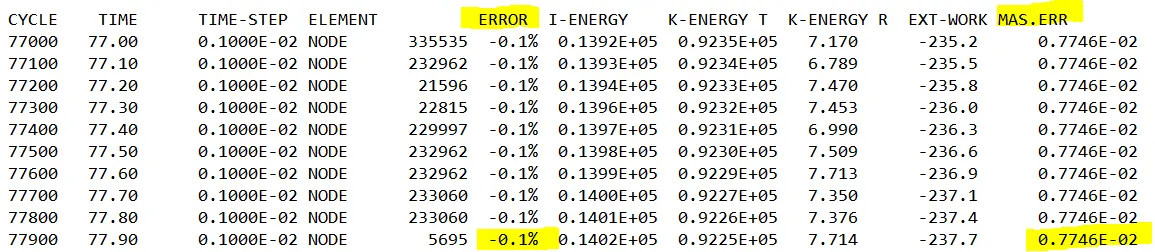
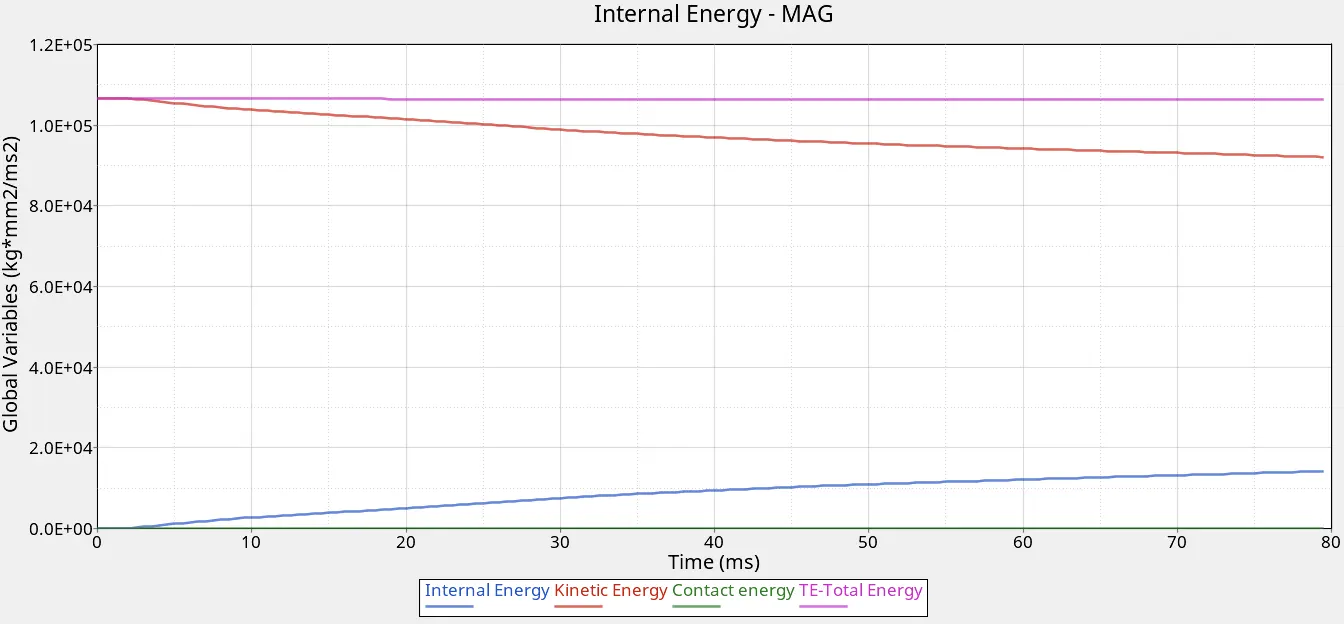
- The model setup is complete, run the simulation. Check for energy and mass errors in 0001.out file.
14. Import the H3D file in hyper view.
15. Apply von-mises contour with simple averaging.
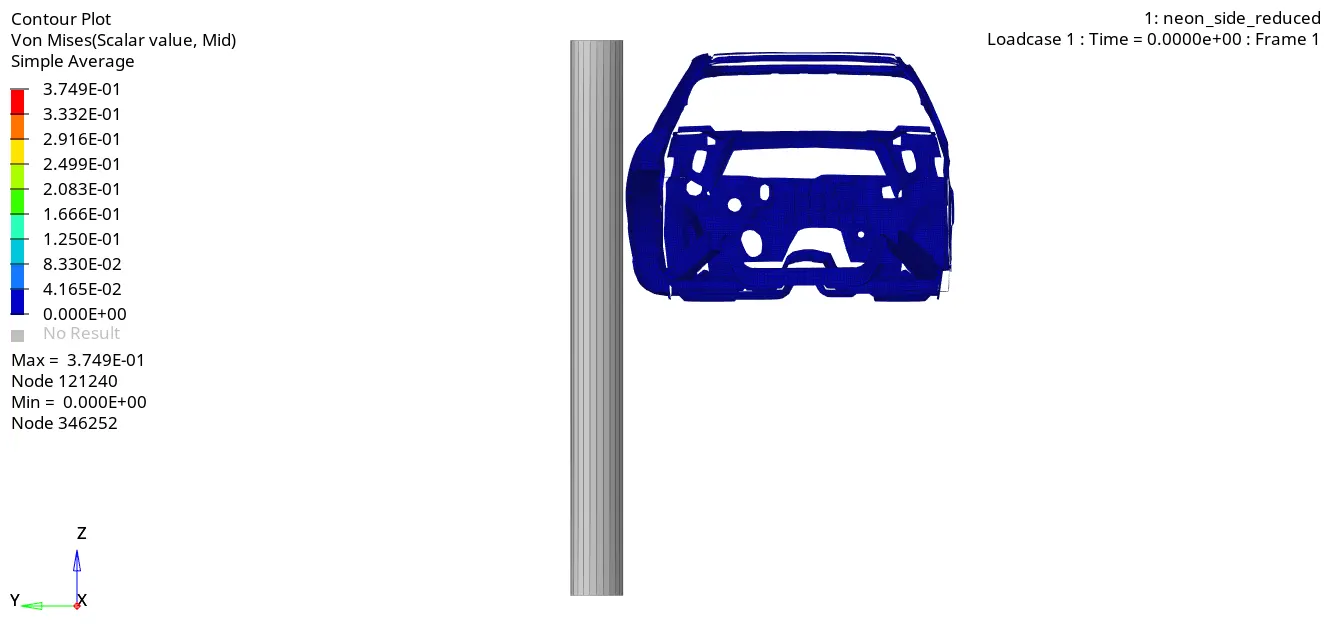
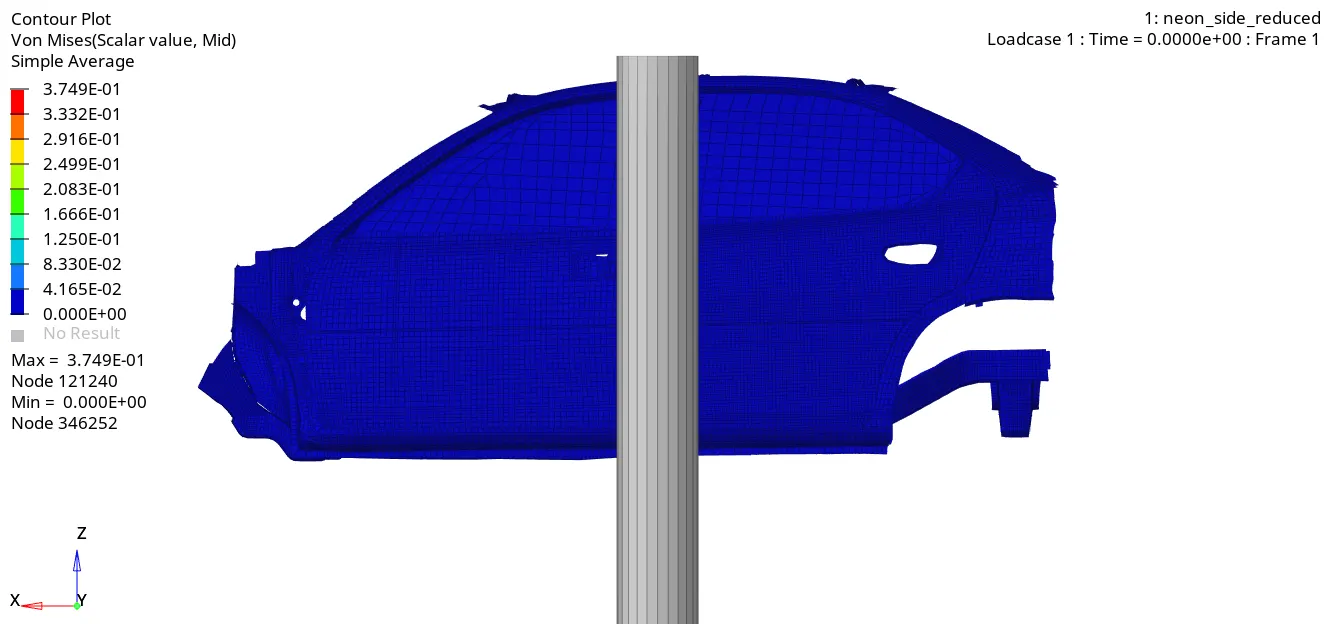
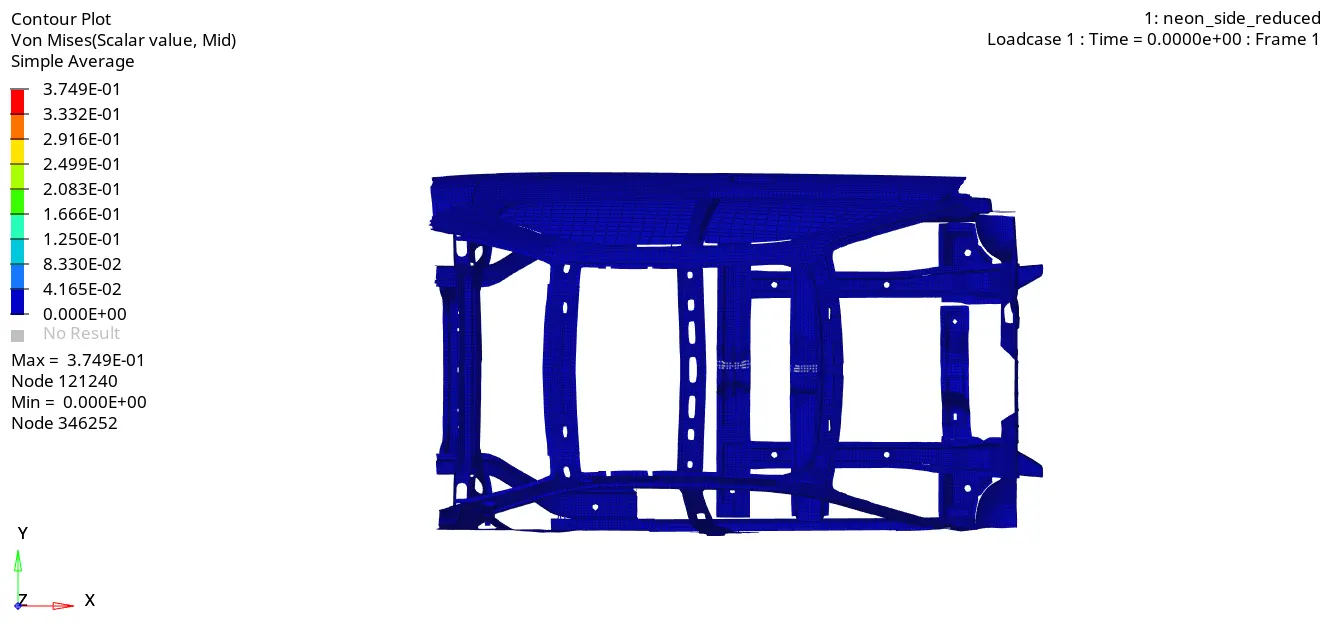
16. Sectional forces at cross rails can be plotted since we requested the output in the output block.
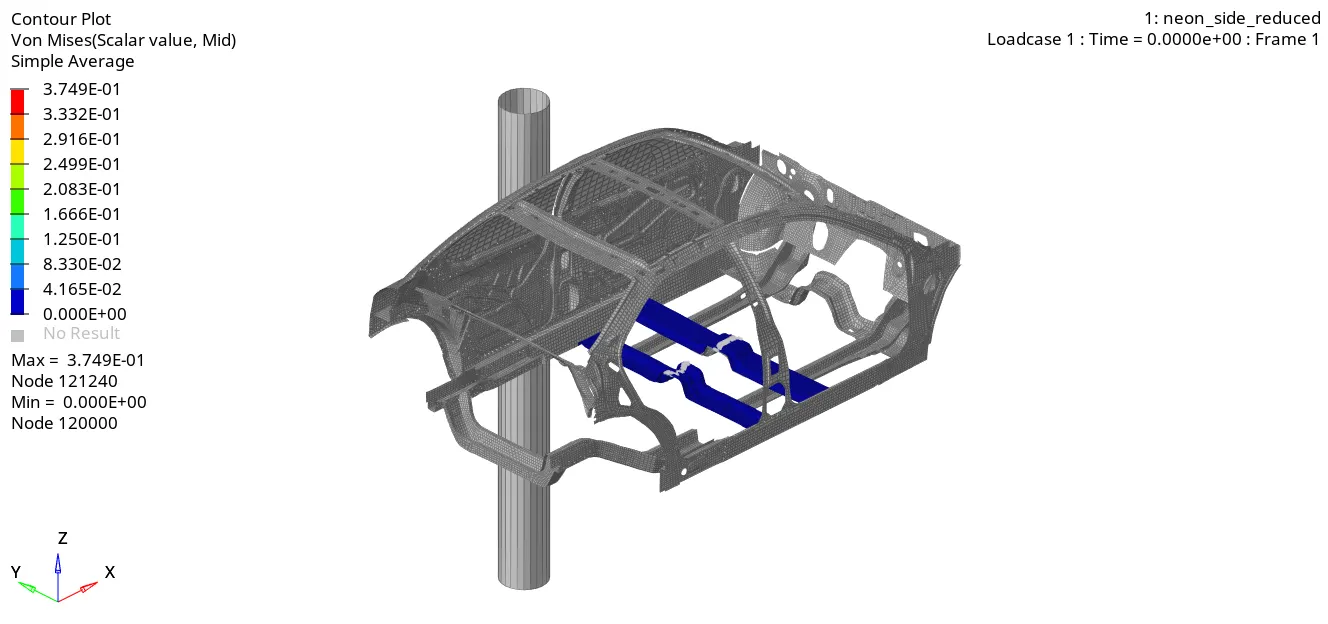
17.Plot the peak velocity.
18.Energy plots.
Conclusion:-
- The mass error was 0.7746E-02 and the energy error was -0.1%, both errors are within limits and are acceptable.
- The peak velocity at the inner side of the door was plotted.
- Sectional forces at the cross rails were plotted.
- Relative displacement between the intrusions was plotted.
- To reduce the fuel tank intrusion the cross rail can be made stiffer, to ensure occupant safety.