Assignment 4-RADIOSS Material Laws Challenge
OBJECTIVE:Comparison of material properties and properties with changed properties.
Compare 7 cases as discussed in last 3 slides, in a tabulated format on the basis of:
1. Total number of cycles, Energy error, mass error and simulation time.
2. Notice the animation of all 5 and describe the animations in brief on the
basis of whether the elements are being deleted or cracked.
3. Plot energies and notice any difference.
4. Based on all the results, which case would represent the on-field
scenario.
5. Prepare a ppt/docx and list down case by case result and your conclusion
as to why the failure happened.
INTRODUCTION TO RADIOSS:
1) First radioss ,run , time steps.
2) Element properties
3) Material properties
4) Hypercrash
5) interface modelling
6) kinetic condition
7) load definition
8) methods to increase simulation speed -time step control.
9) output requests
10) debugging an error.
PROCEDURE:
1) Import a .rad file: In any solver, it is necessary to import a .rad file why because the rad extension means radioss file. before going to import we need to set up a radioss solver. The below figure represents the solver.
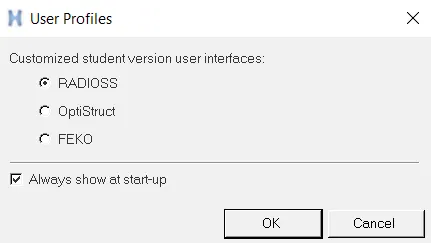
after that import a .rad model.
CASE-1: Run the model as it is and assign the name as eps_max_failure.for this case we no need to change any material properties or normal properties. or failure johnson card.
The below figure represents case 1.
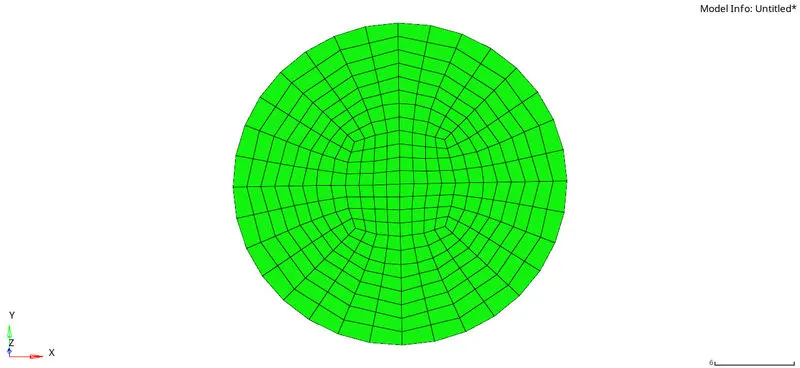
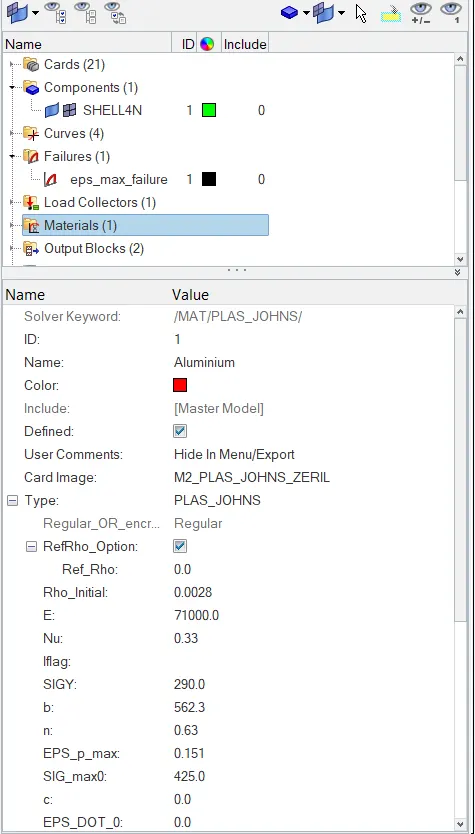
after import, there is no changing of any property. below figure represents the no changing material card.
after we will go to analysis and we have to click on the radioss.
we will get a errors we need to note down the errors in each case.
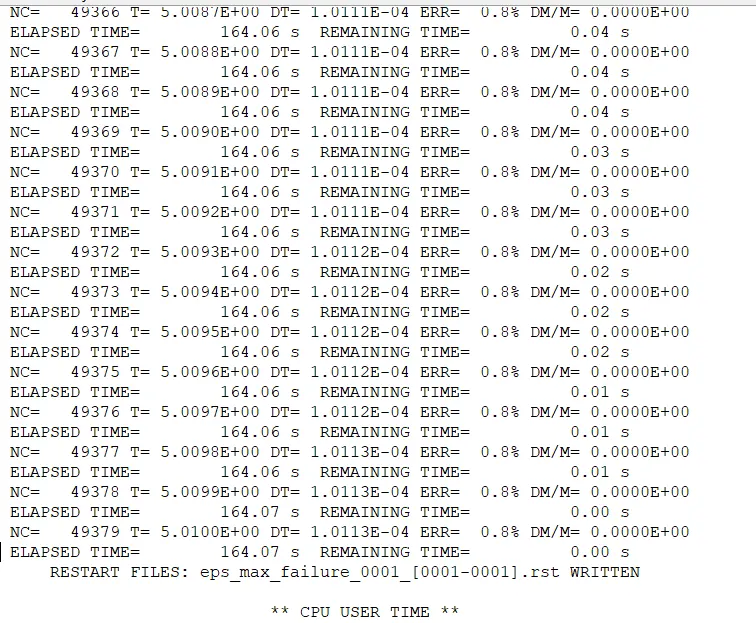
the above all are satisfied with the ideal condition then we will proceed to the next process.
the below animation file shows case 1 without changing the element properties.
CASE -1 VON MISES FILE
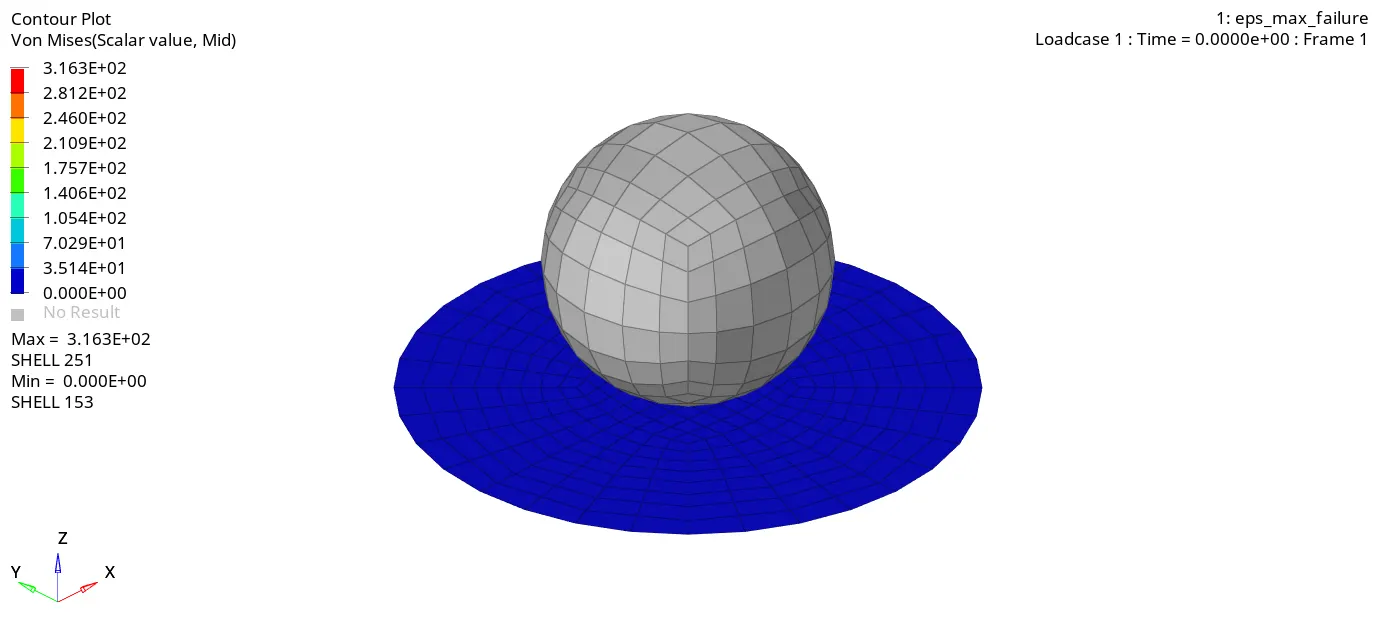
This is law 2 means: is an isotropic elasto-plastic material .it uses the johnson-cook material model. this model expresses material stress as a function of strain, strain rate and temperature. we can decide at what plastic strain the element fails.if we observe the animation file the material undergoes elasticity and after reaching the yield strength then only it will rupture. this means it is related to elastoplastic material.
By using the graph we can conclude more.
So plot the graph for kinetic energy, internal energy, contact energy, hourglass energy and total energy.
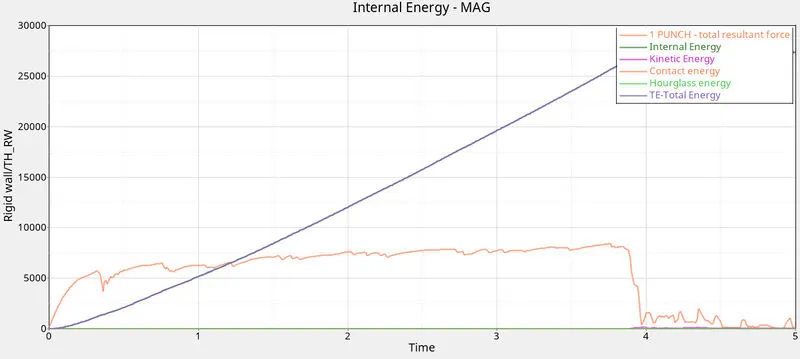
CASE-2 Change the model name from law_2 epsmax_failure_0000.rad to Law2_epsmax_crack_0000.rad
infail/johnson, change ifail_sh=1,Dadv=1,Ixfem=1.
then import the model
after importing there is no changing of any property.
but after changing the material card as per the given instruction and then we will go to analysis and we have to press the radioss.
changing card property as shown in fig
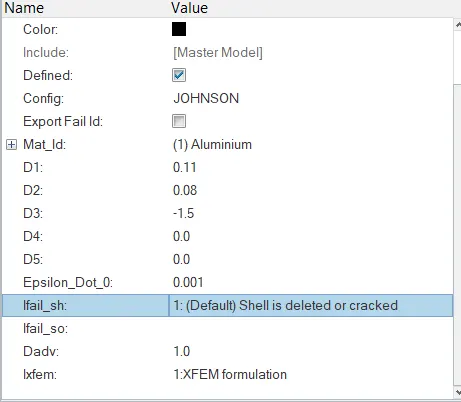
we will get errors we need to note down the errors in each case.
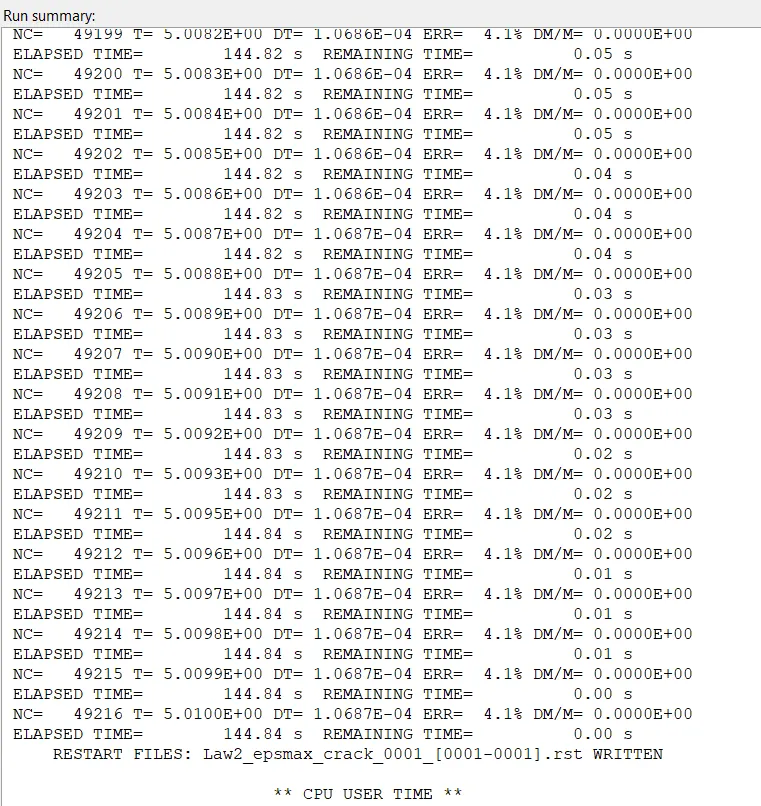
below animation file for case -2 modifying the failure card.
CASE -2 VON MISES FILE
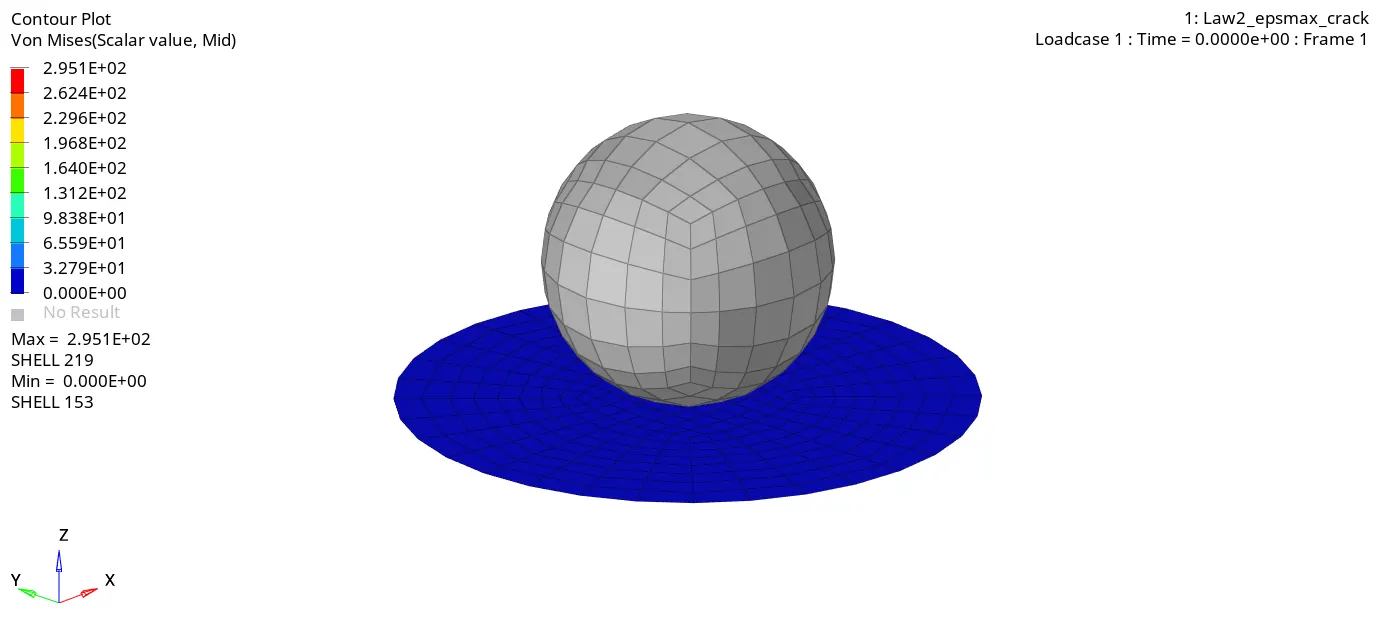
Even in law 2 with modification of failure johnson observe the animation file it failed at a stress of 2.951 E+2.
SO we conclude that the while law 2 modified failure card component instint more stress.
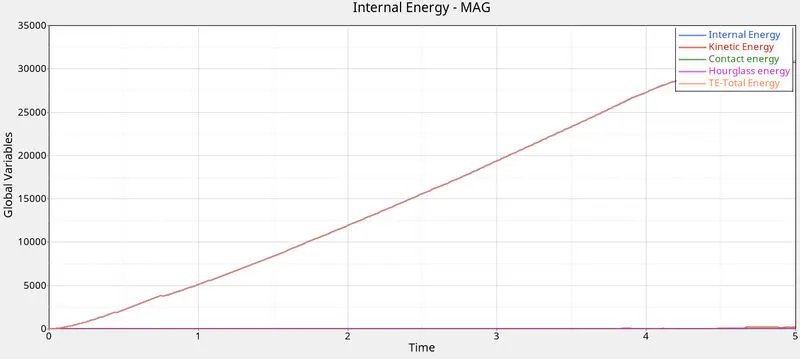
By using the graph we can conclude more.
So plot the graph for kinetic energy, internal energy, contact energy, hourglass energy and total energy.
CASE-3:delete the failure johnson card and run it as Law2_epsmax_nofail_0000.rad
after import the model there is no changing of any property, after deleting the failure johnson card.
after we will go to analysis and we have to press the radioss.
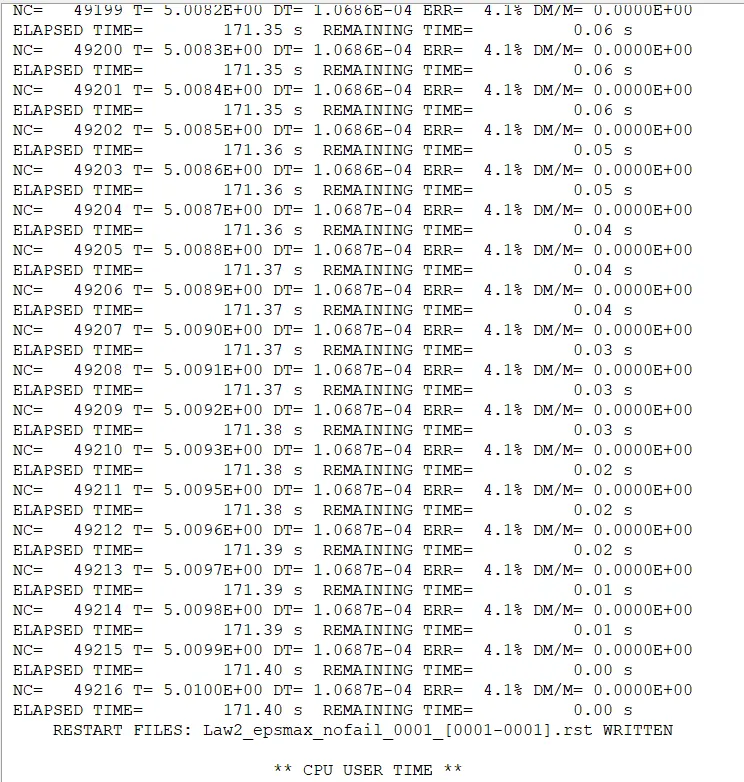
we need to check the error if any present in the model
CASE -3 VON MISES FILE
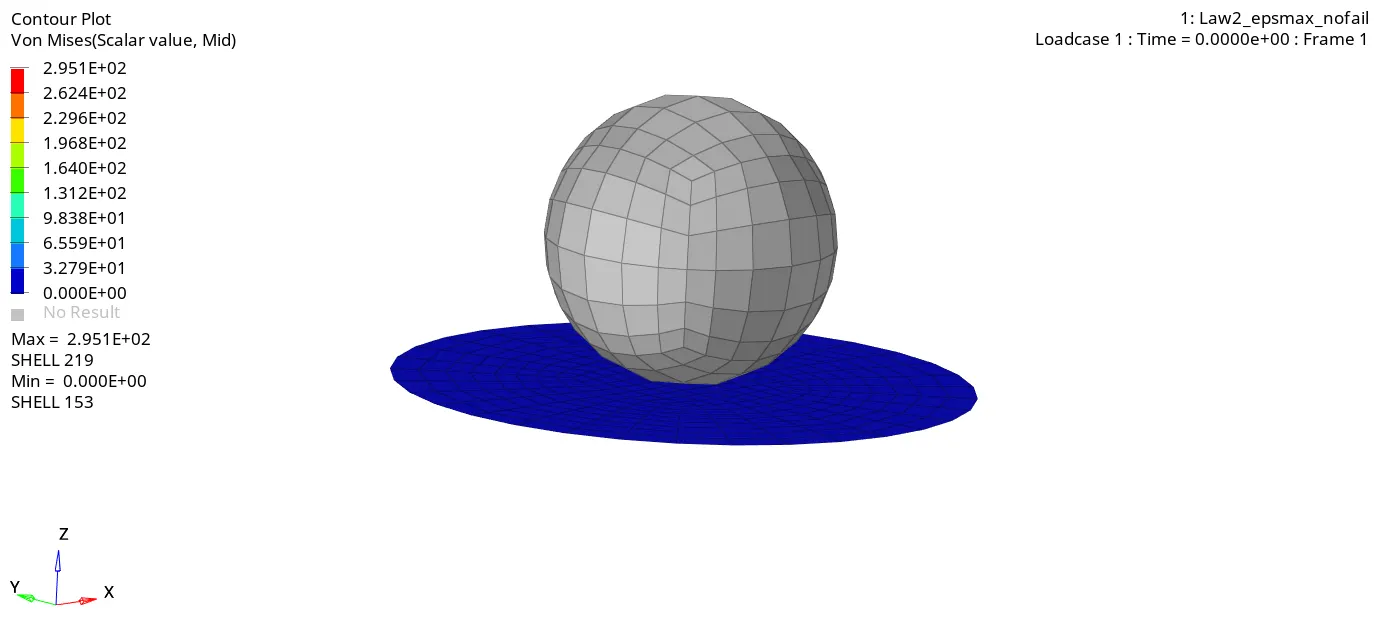
By observing the von mises animation file conclude that the max stress is 2.951E+02. let us conclude that by deleting the failure johnson card we observed that the stress sustaining is less compared to the above 2cases.
By using the graph we can conclude more.
So plot the graph for kinetic energy, internal energy, contact energy, hourglass energy and total energy.
CASE-4 delete the value of Eps_max and run the material card as Law2
after the importation the component
we have to put it in a shaded element with mesh lines.
after importing there is no changing of any property.
after changing the eps_max to zero and run the material card as Law 2.
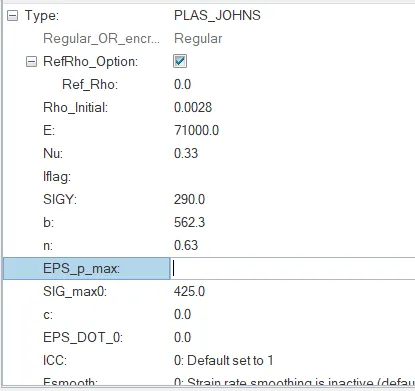
after we will go to analysis and we have to press the radioss.
we need to check the error if any present in the model
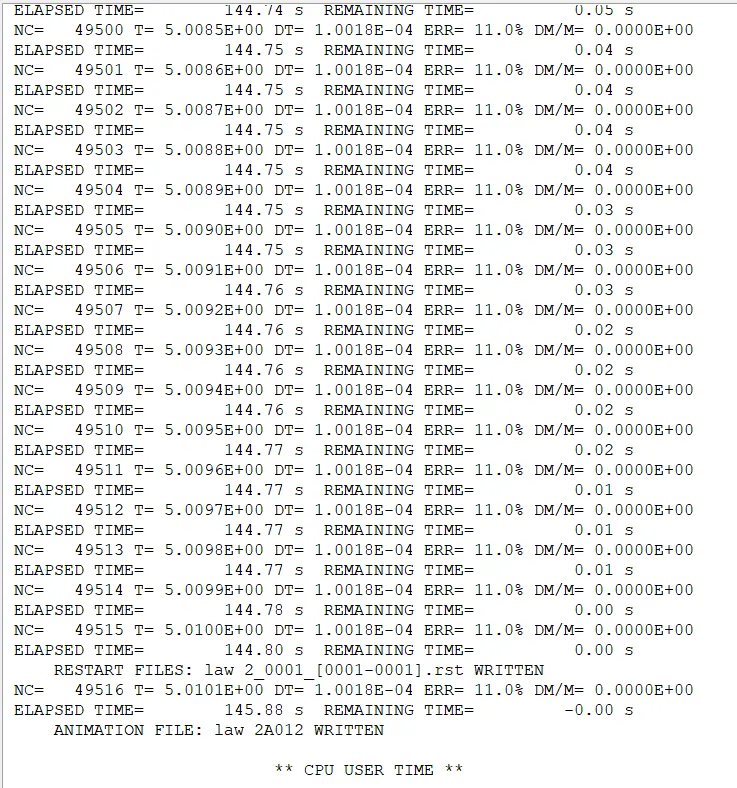
CASE -4 VON MISES FILE
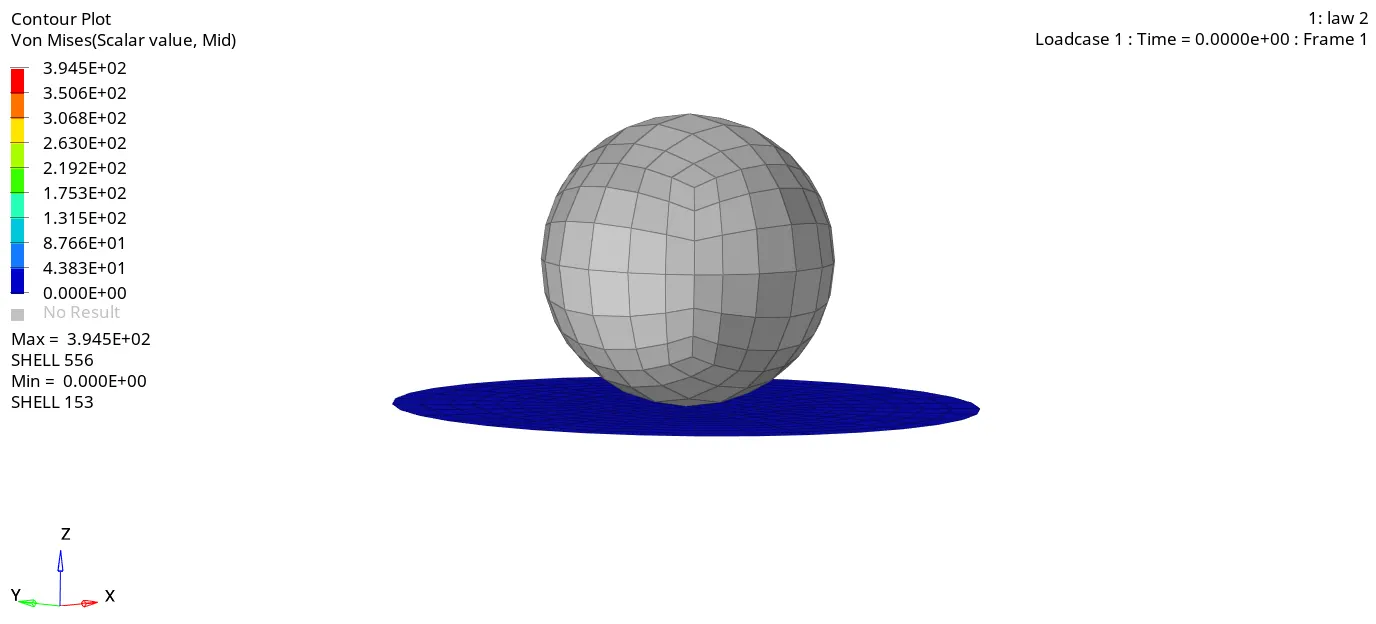
By observing the vonmises animation file conclude that the max stress is 3.945E+02. let us conclude that by deleting the epsp_max value we observed that the stress sustaining is greater compared to the above 3cases.
By using the graph we can conclude more.
So plot the graph for kinetic energy, internal energy, contact energy, hourglass energy and total energy.
CASE-5:Convert this material model to law1 elastic with same density, younghs modulus(E), poissons ratio Nu.
LAW_1: Law_1 is an isotrpic , linear elastic material using hookes law.it is used for truss, beam, shell and solid components.it is only used for elastic components.To define the elasticity of the material we need to define three points which are density, modulus of elasticity, poissons ratio.
after importing the component we have to put it in a shaded element with mesh lines.
after importing the there is no failure in the material card.
after changing the material card to law1.
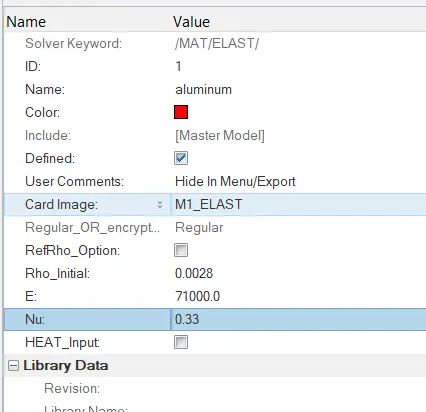
after we will go to analysis and we have to press the radioss.
we need to check the error if any present in the model
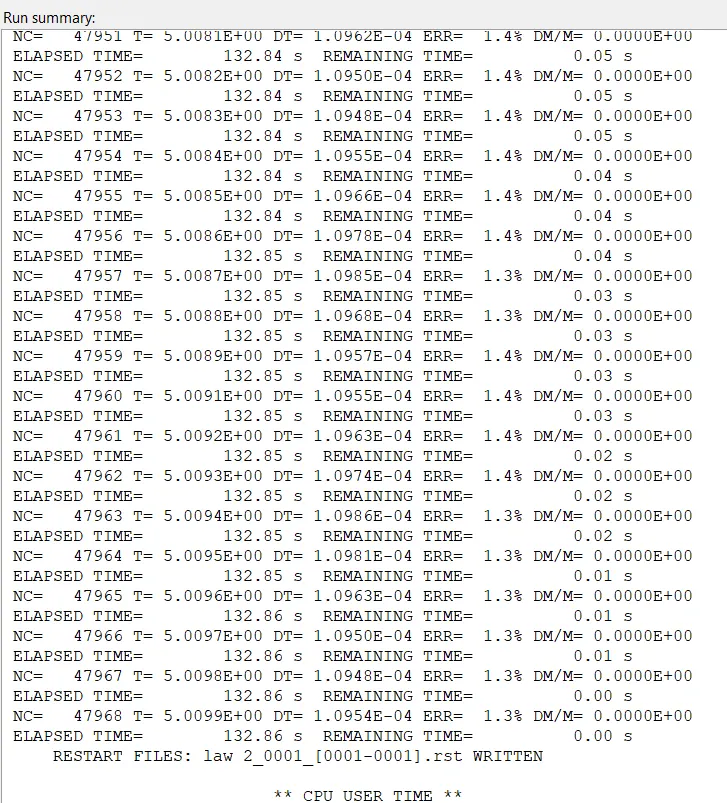
CASE -5 VON MISES FILE
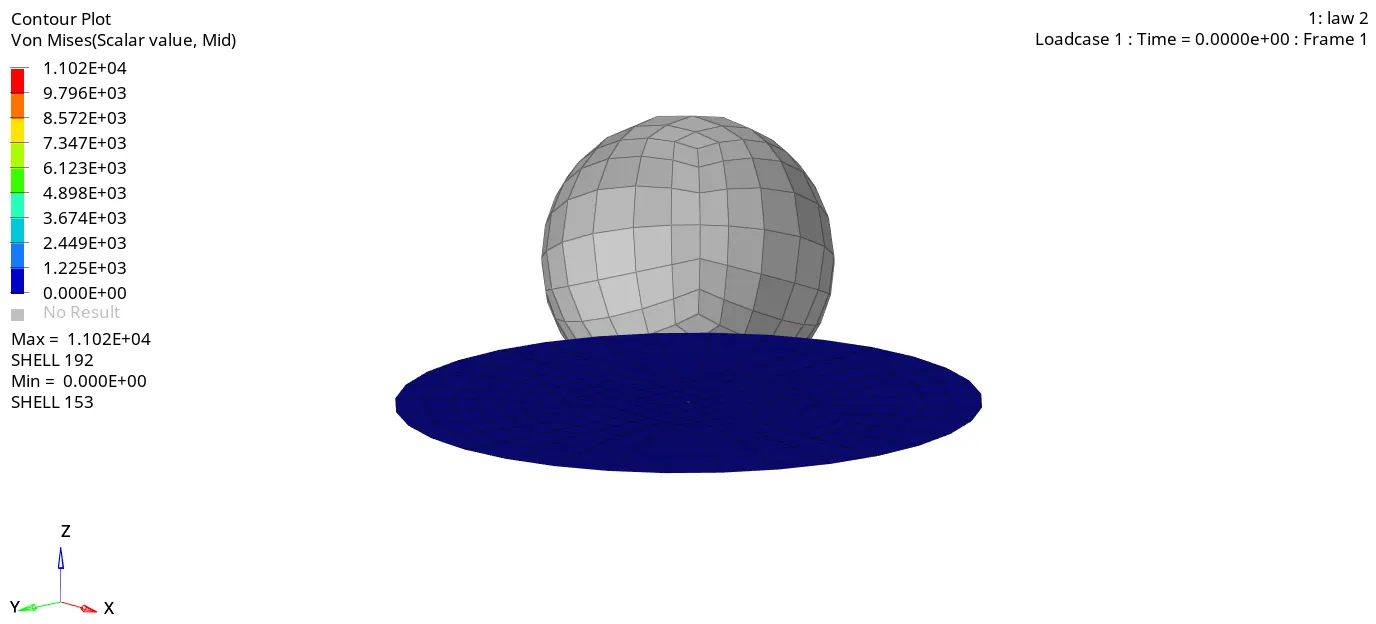
By observing the von mises animation file conclude that the max stress is 1.102E+04. let us conclude that by deleting the epsp_max value we observed that the stress sustaining is greater compared to the above 3cases.
By using the graph we can conclude more.
So plot the graph for kinetic energy, internal energy, contact energy, hourglass energy and total energy.
CASE-6: Open the new model as Law_27 and assign the properties
after the importation, we have to put it in a shaded element with mesh lines.
after importing there is no changing of any property.
after changing the material model to law 27
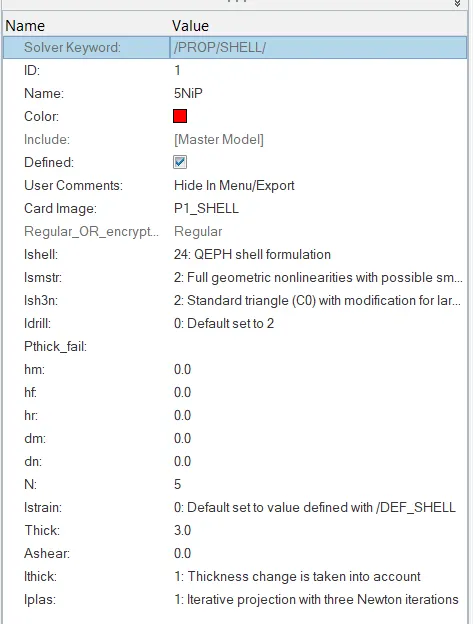
after we will go to analysis and we have to press the radioss.
we need to check the error if any present in the model
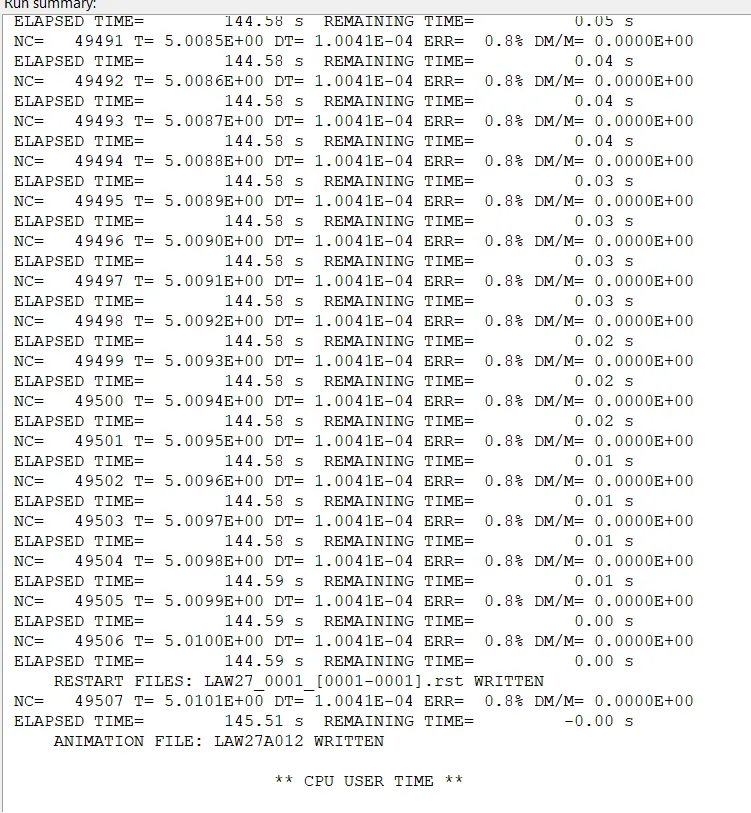
CASE -6 VON MISES FILE
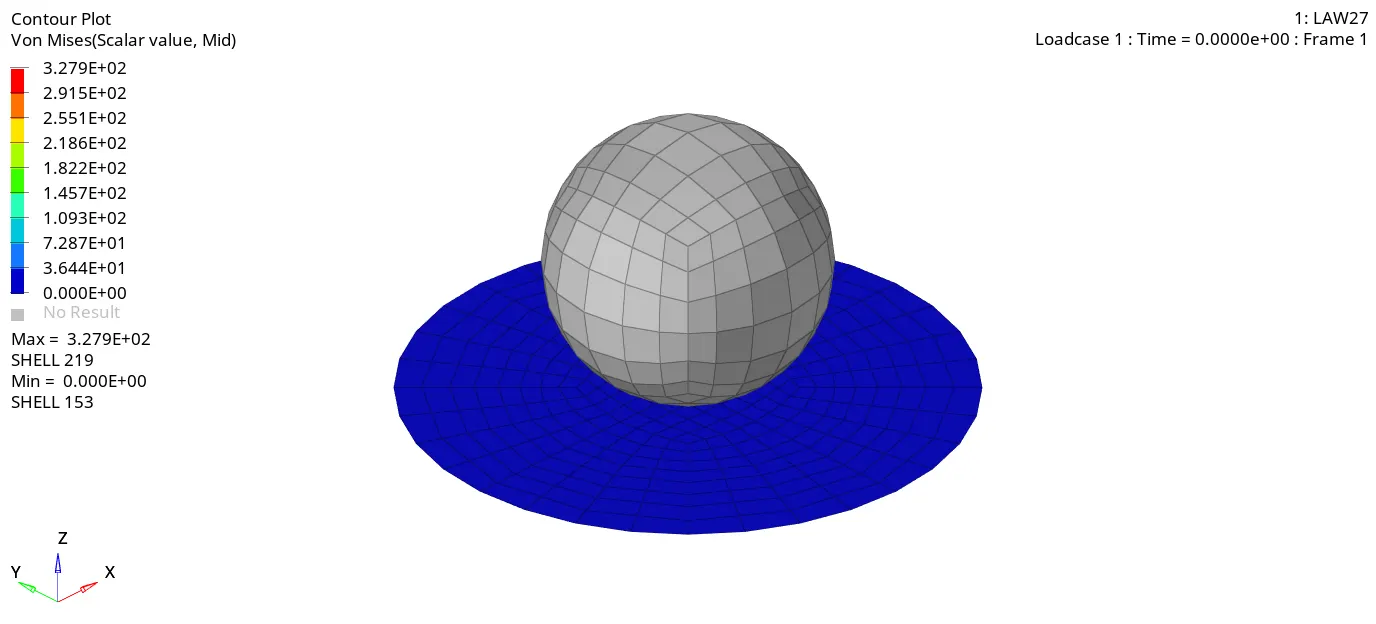
By observing the von mises animation file conclude that the max stress is 3.279E+02
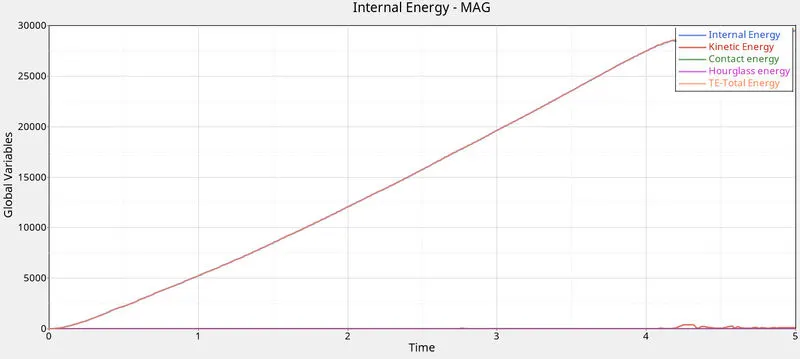
By using the graph we can conclude more.
So plot the graph for kinetic energy, internal energy, contact energy, hourglass energy and total energy.
CASE-7: LAW 36:
After the import the model
we have to put it in a shaded element with mesh lines.
after importing there is no change of any property then we have to change the eps_max to zero.
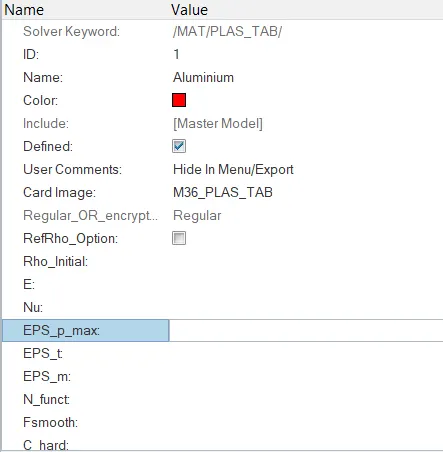
after we will go to analysis and we have to press the radioss.
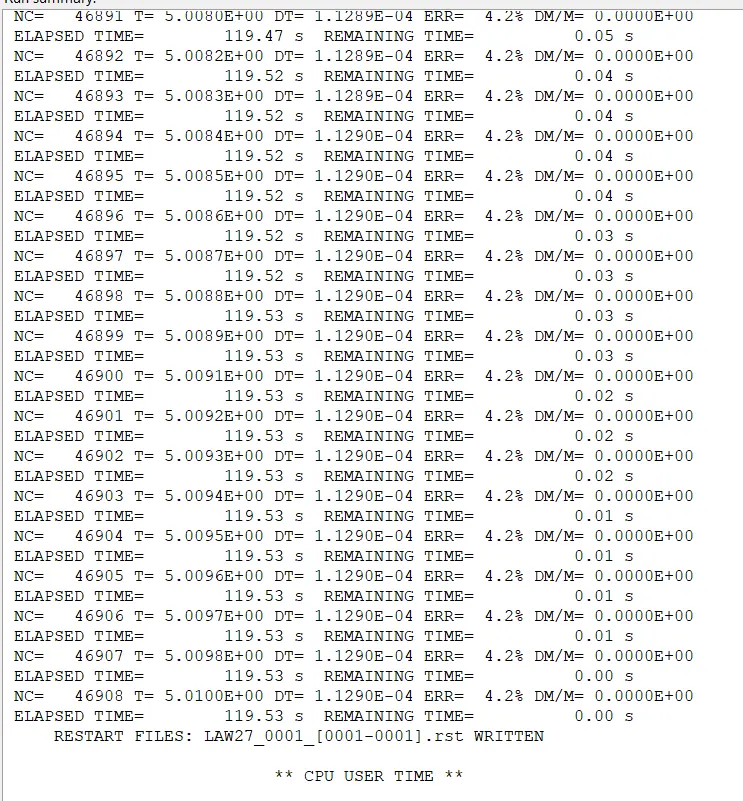
we need to check the error if any present in the model
CASE -7 VON MISES FILE
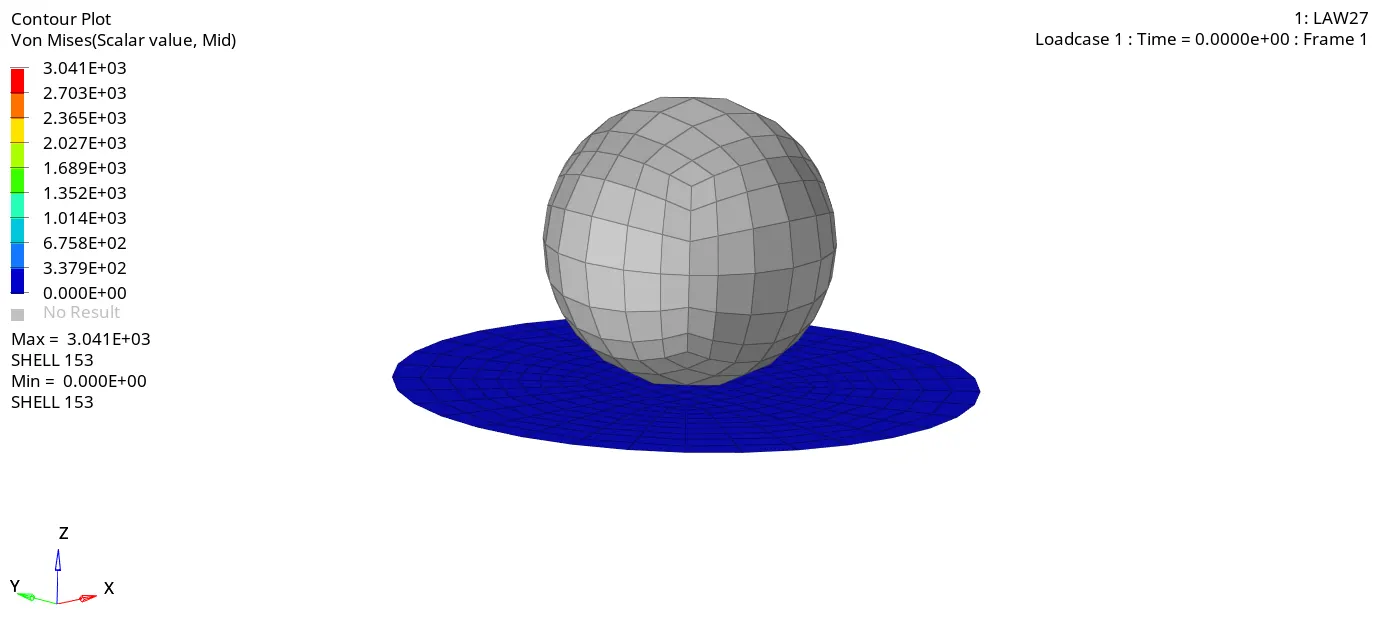
By observing the vonmises animation file conclude that the max stress is 3.041E+03.
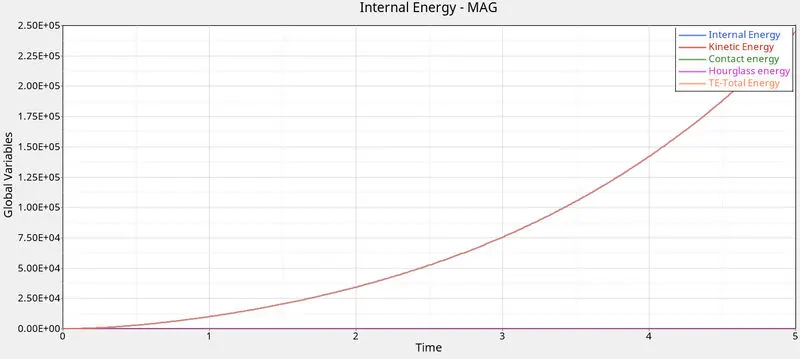
By using the graph we can conclude more.
So plot the graph for kinetic energy, internal energy, contact energy, hourglass energy and total energy.
Result:
CASE-1 CASE-2
CASE-3 CASE-4
CASE-5 CASE-6
CASE-7
by considering all the seven cases we will conclude that material 36 means law 36 is best compared to any other law because it can be tested in laboratories for better accuracy. below table represents the seven cases.
By observing these cases
case 6 takes more cycles and it takes more run time than others for law_27.it is only used for brittle materials.
comparing case 1 and case 2 we will conclude that after assigning the failure johnson card in case 2 it resist the stress more compared to case 1.
After deleting the failure card in case 3 it shows it only resist the stress less than case 1. so johnson failure card is good to resist more stress.
with case 4 deleting the Eps_p_max there is strain energy and there is no breakage due to put the value to 0. so we conclude that without assigining the epspmax is used to find the how much it elasticity and plasticity.
After observing case 5 it changed to law 1 it induces maximum strain. material is completely elastic. concluding case 4 with 5, there is large strain energy induced in case 4.
case 6 is for brittle materials. case 7 is mostly used for laboratory conditions.it is very useful to get more accurate results. compared to all cases, case 7 is more preferable.