Assignment 4-RADIOSS Material Laws Challenge
COMPARING DIFFERENCE MATERIAL LAWS IN RADIOSS
OBJECTIVE:
In this assignment we have to compare 7 cases as discussed in last 3 slides, in atabulated format on the basis of :
1. total number of cycles. Energy error, mass error & simulation time . notice the animation in brief on the basis of whether the element are being deleted or created .
2. Plot engine and notice any difference.
3. Based on all results, which case would represent the on-field scenario.
4. Prepare a ppt/docx and list down case by result and your conclusion as to why the failure happened.
CASE 1 & CASE 2:
- In this comparison we have to compare two johnson cook material model failure card.
- Johnson cook material is used for isotropic elastic-plastic material.
- In case 1 ifail_sh=0, Dadv=0, ixfem=0(default) while in case 2 ifail_sh=1, Dadv=1, ixfem=1.
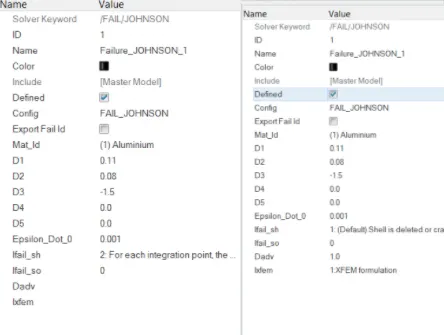
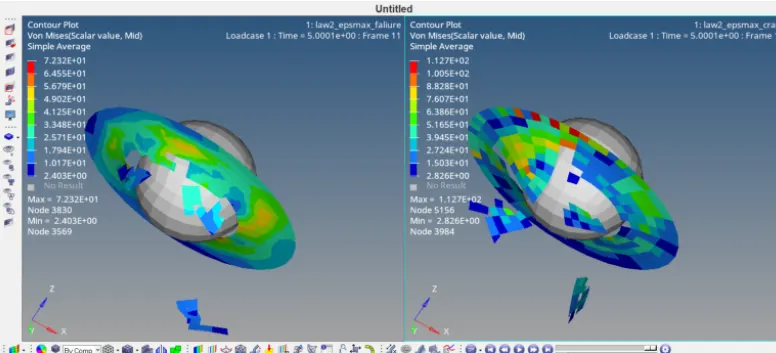
- Dadv and ixfem is for crack, due to that in case 1 element will deleted without crank while in case 2 element will crack first then deleted.
- Due to crack in elements case 2 take more time than case 1.
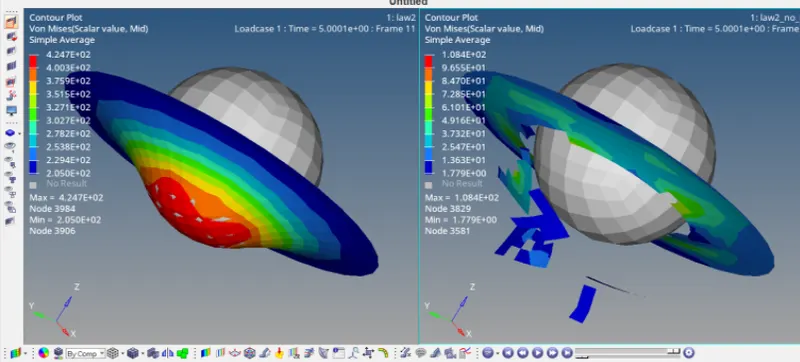
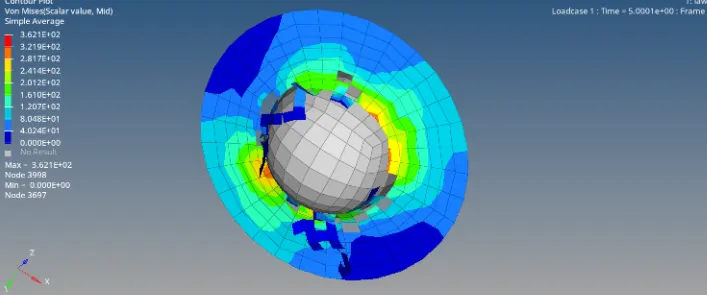
- The stress generated in case 1 is less than case 2 because crack is generated in case 2.
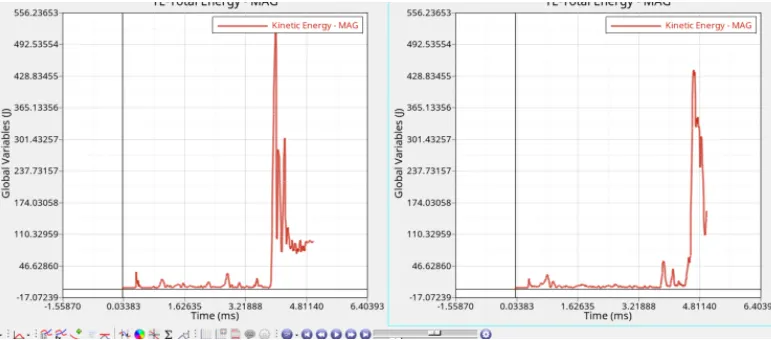
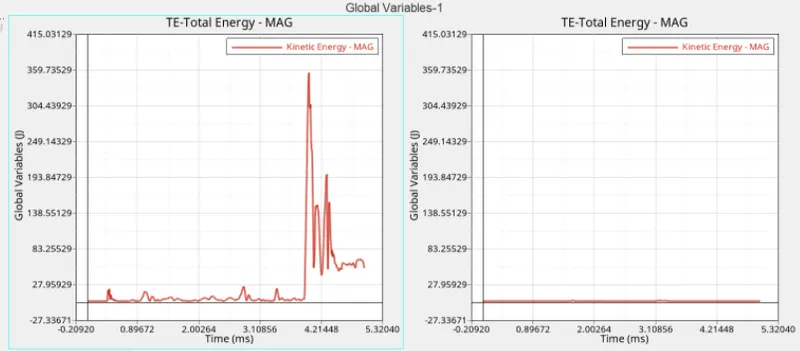
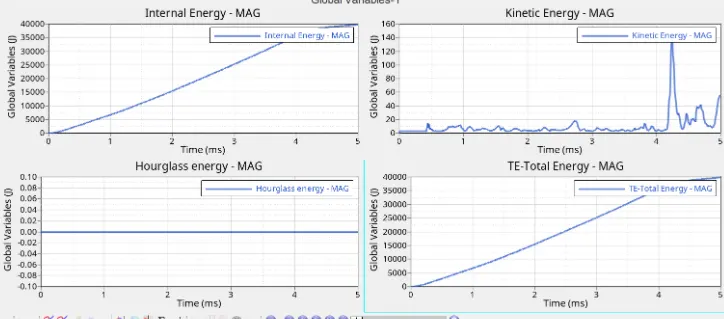
- In case 1 the element are deleted first so the kinetic force have sudden hike but in case 2 it has more smother than case 1 becasuse of the crack will form first.
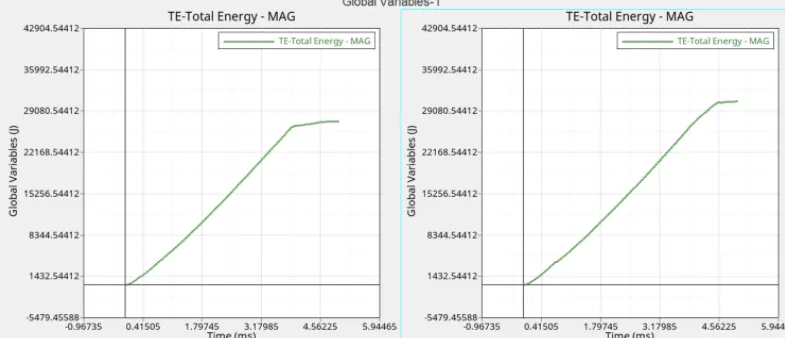
- In both the cases the internal energy increases linearly and become sustain because initially both has elastic strain.
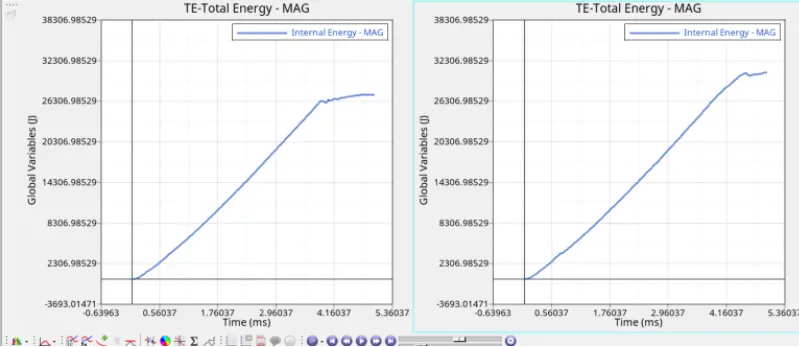
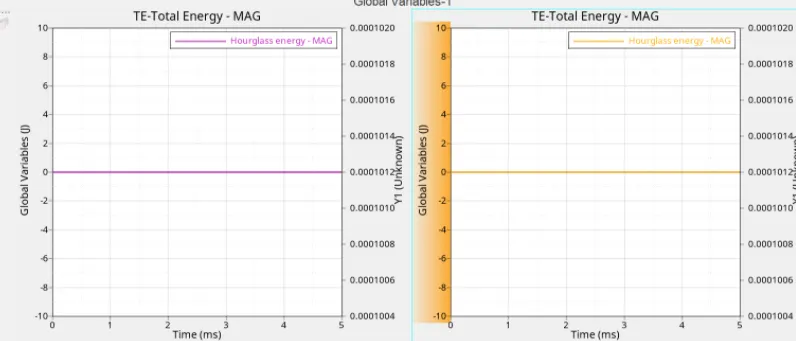
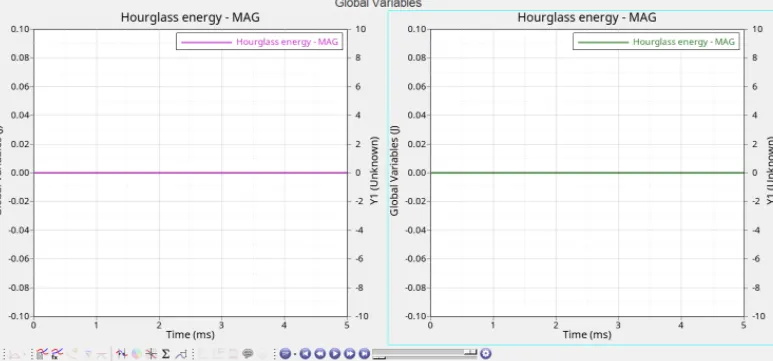
- Due to QEPH the hourglass energy is zero.
CASE 3 AND CASE 4
- In this comparision we have to deleted the Johnson failure card in case 2 and then delete the epsmax value in case4.
- Epsmax value is the maximum strain percentage value of the material.
- In case 3 epsmax value is given hence there is deletion of elements but in case 4 there is no epsmax value hence it has infinite deformation.
- Due to deletion of elements stress in case 3 is less than case4.
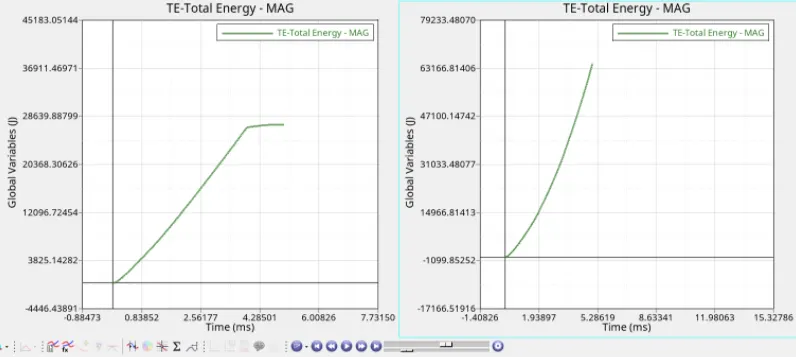
- In case 3 the kinetic energy is sudden hike due to element deletion while in case 4 initially a sudden hike is there but after it almost constant.
- In both the case the internal energy is increases exponentially but in case 3 in become almost constant after the elements are get deleted.
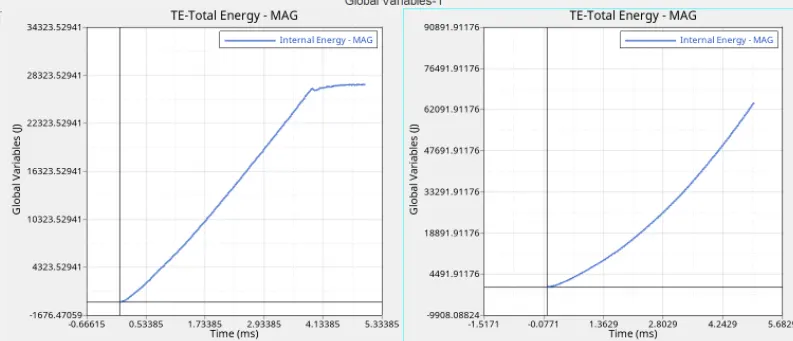 .
.- Due to QEPH the hourglass energy is zero.
CASE5:
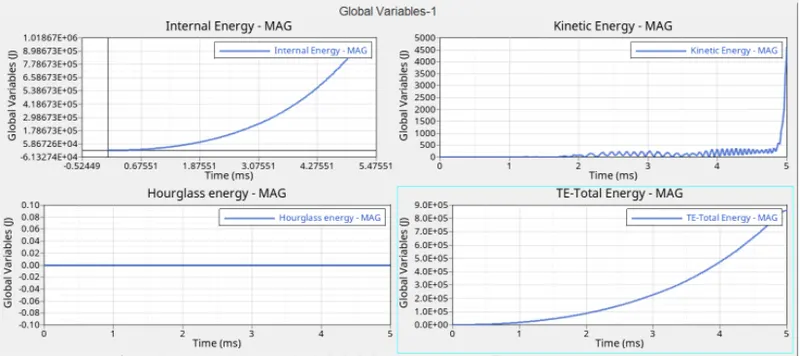
- In this case we have to change the material card into law1.
- The law1 is based on the parameters density, young’s modulus and poission ratio.
- Density = 0.0027
- E= 71000
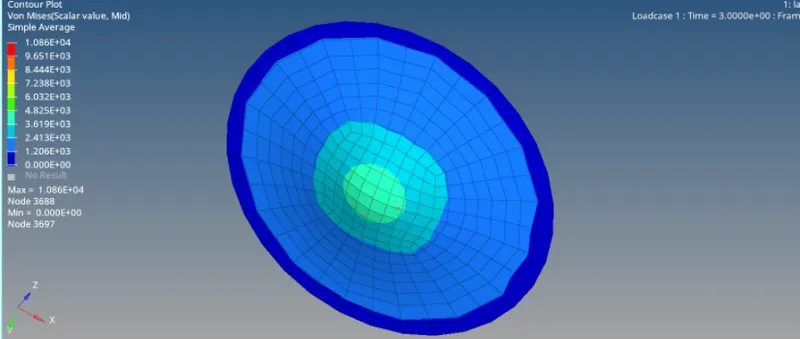
- Poission ratio = 0.33. In law1 there is no deletion of elements the deformation will be until the failure plastic strain reaches the epsmax 16%.It is mainly used in large deformations.
CASE6:
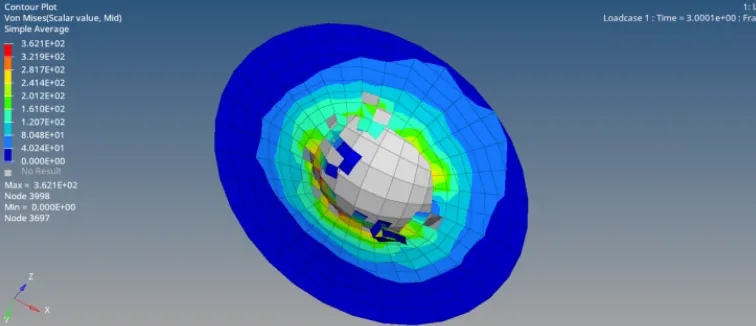
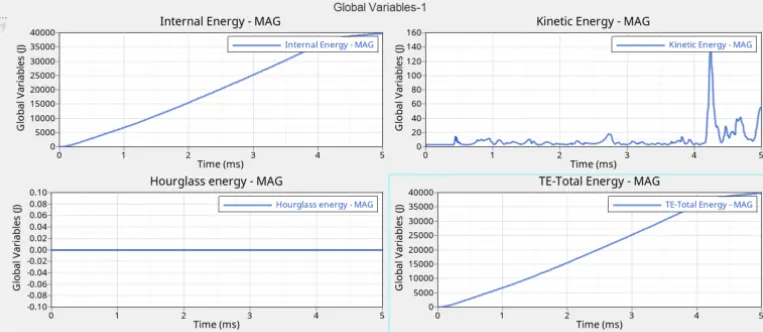
- In this case we have to change the card to law 27.
- Law 27 is used for brittle failure where equivalent stress is lower than the plastic yield stress.
- Failure and damage occur only in tension.
- This law is applicable only in shell.
- Due to eps_f1=0.151 the material breaks like glass.
- Hourglass is zero because of QEPH.
CASE7:
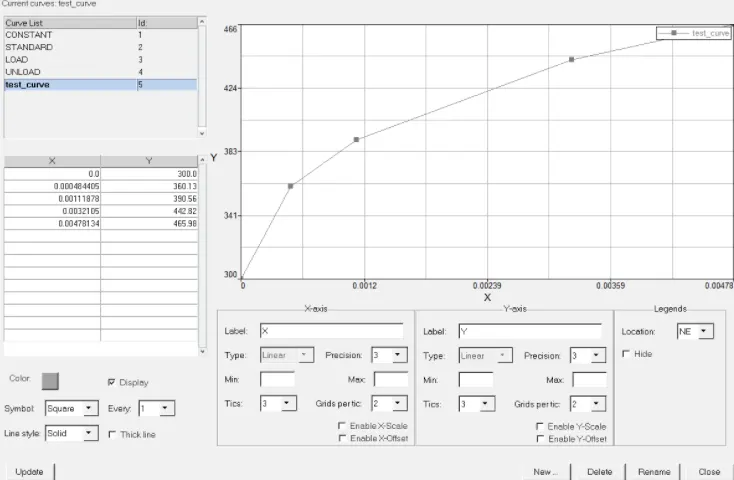
- This model is an isotropic elastro-plastic material using user-defined for stress and strain curve.
- It is available for both shell and brick materials.
- The curve is defined by young’s modulus and poission ratio.
- We have to plot the engineering value of stress strain curve and assign them.
RESULT AND CONCLUSION:
In this assignment learnt about the different material laws in RADIOSS and how to assign them.