Assignment 3
AIM: To compare results with base simulation and improved shell element properties.
PROCEDURE:
CASE A with default shell properties
- Run the base simulation with the following instructions.
- Using the crash beam file from the previous assignment, change the run time to 55 ms.
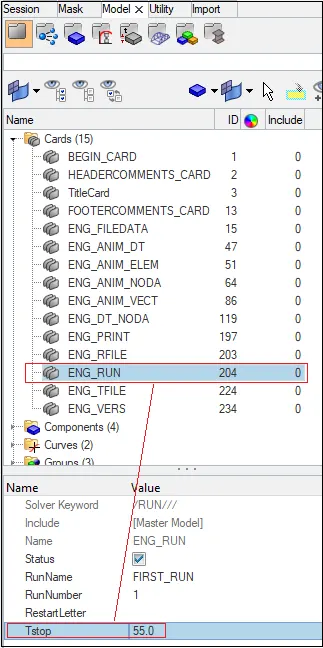
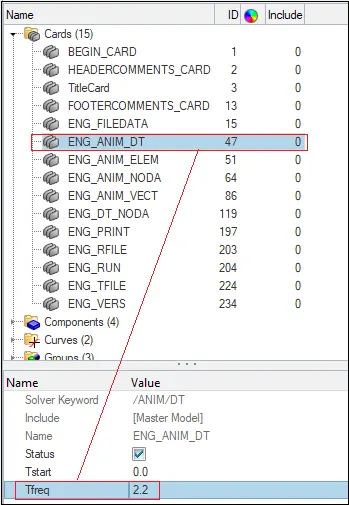
- Change the number of animation steps during simulation to a minimum of 25 and a maximum of 60.
Let's consider Animation steps as 25. Then,
Frequency F = Termination time / Animation steps = 55 / 25 = 2.2ms
- Run the base simulation without any modification to element properties.
First_run_0001.out file with the default shell properties. Energy error and Mass error is highlighted.
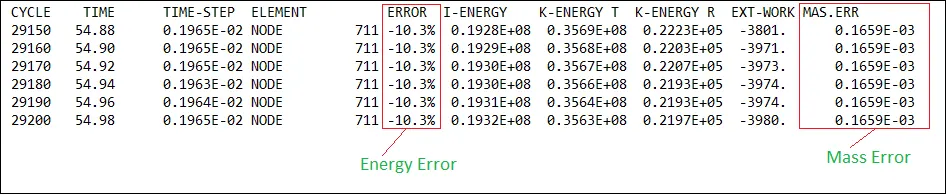
As observed in RUNNAME001.out the file, the Energy error is nearly negative 10% which shows some energy is dissipated.
Hypergraph and Hyperview results
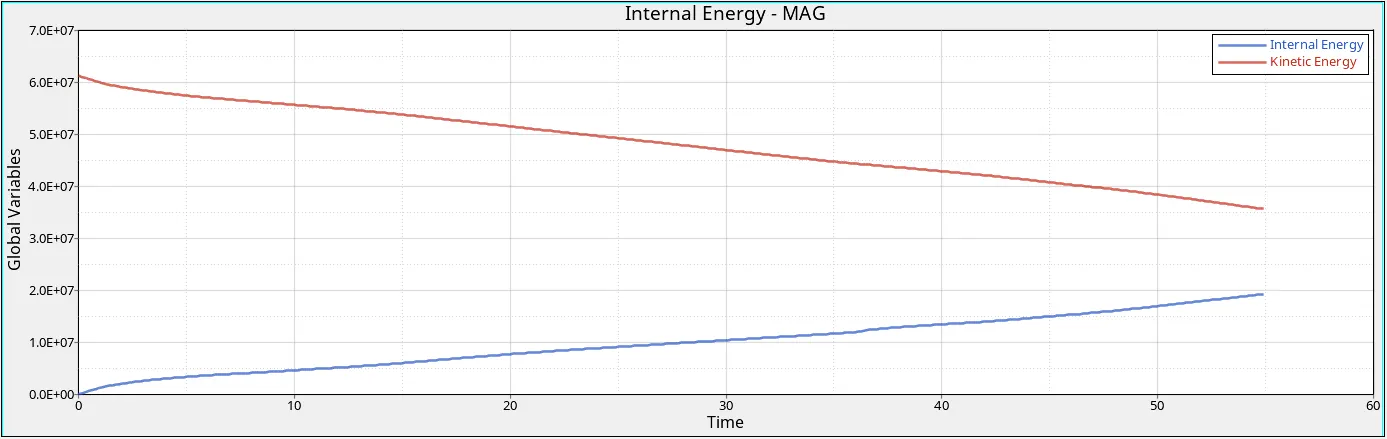
1) Kinetic Energy and Internal energy Vs Time
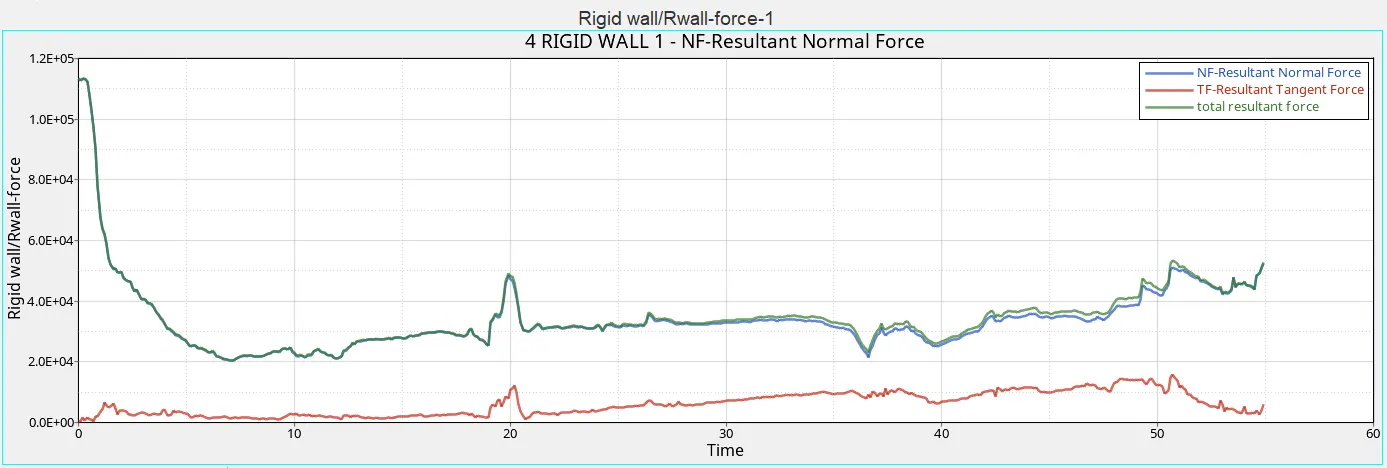
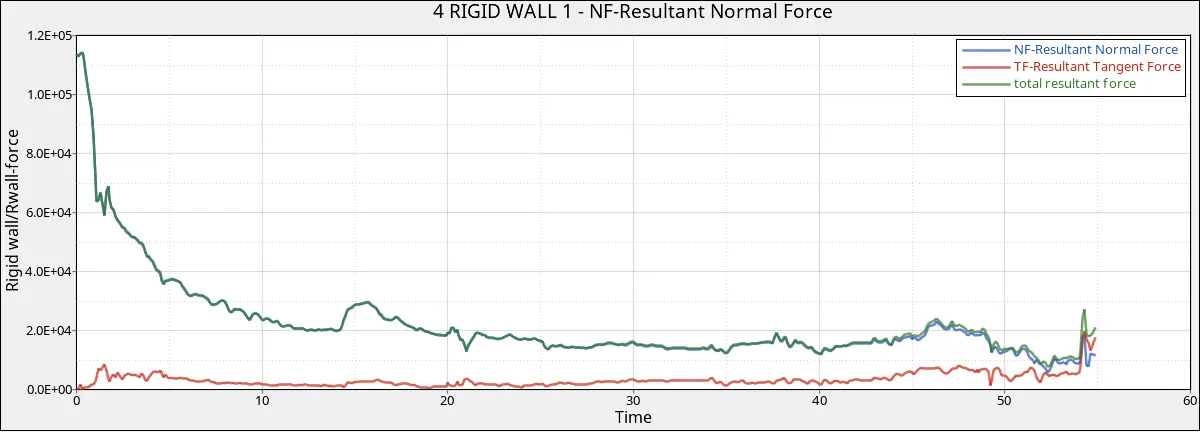
2. Rigid wall forces Vs Time
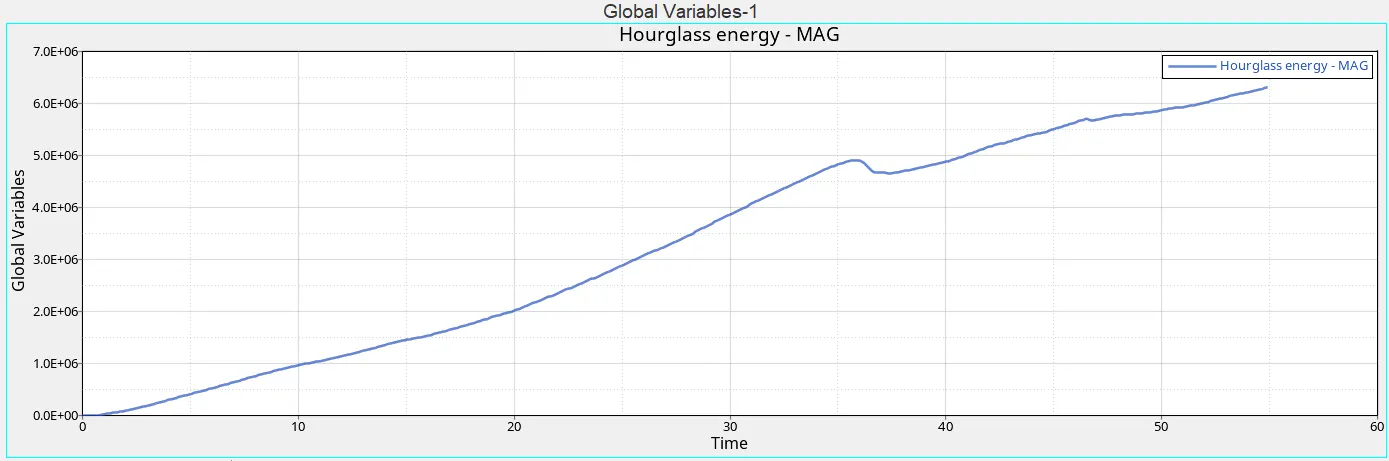
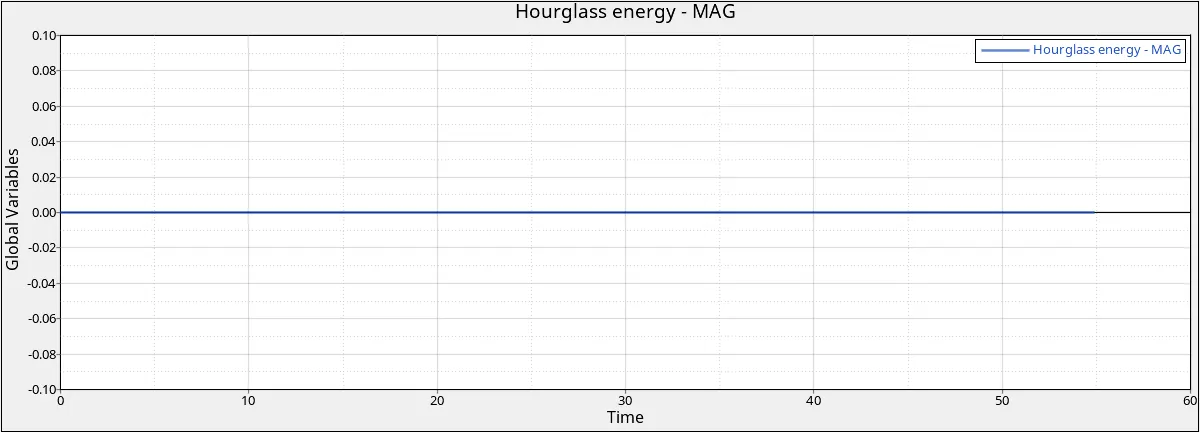
3. Hourglass Energy Vs Time
4. Contact Energy Vs Time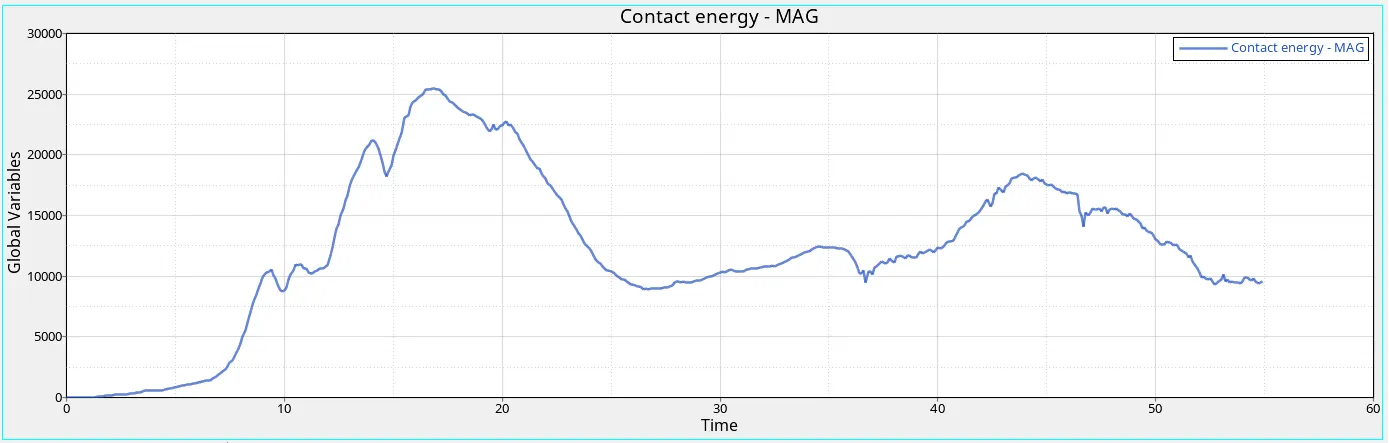
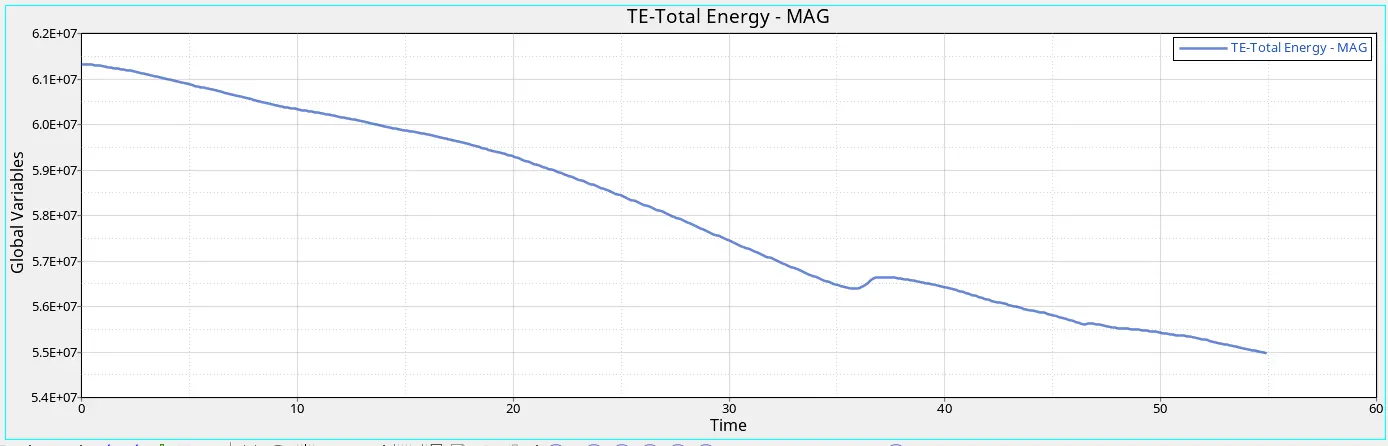
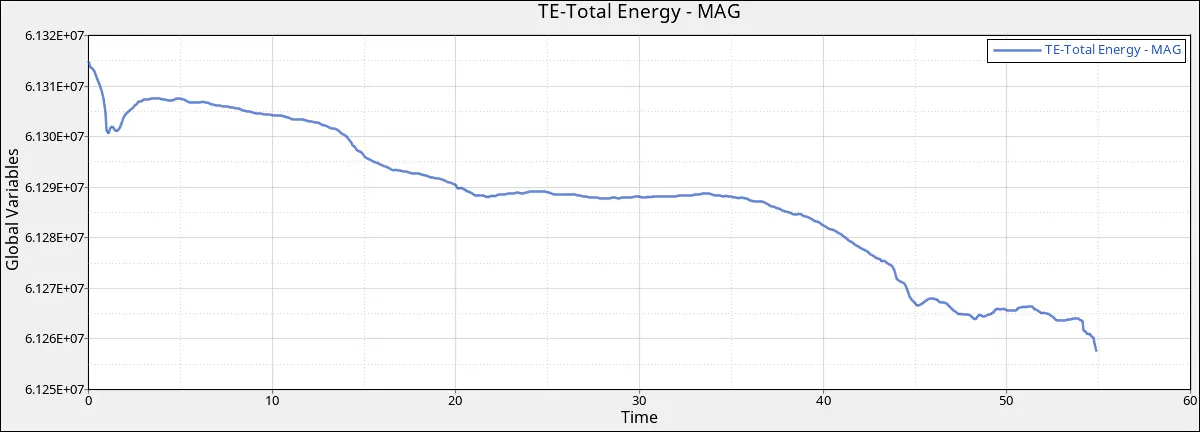
5. Total energy Vs Time
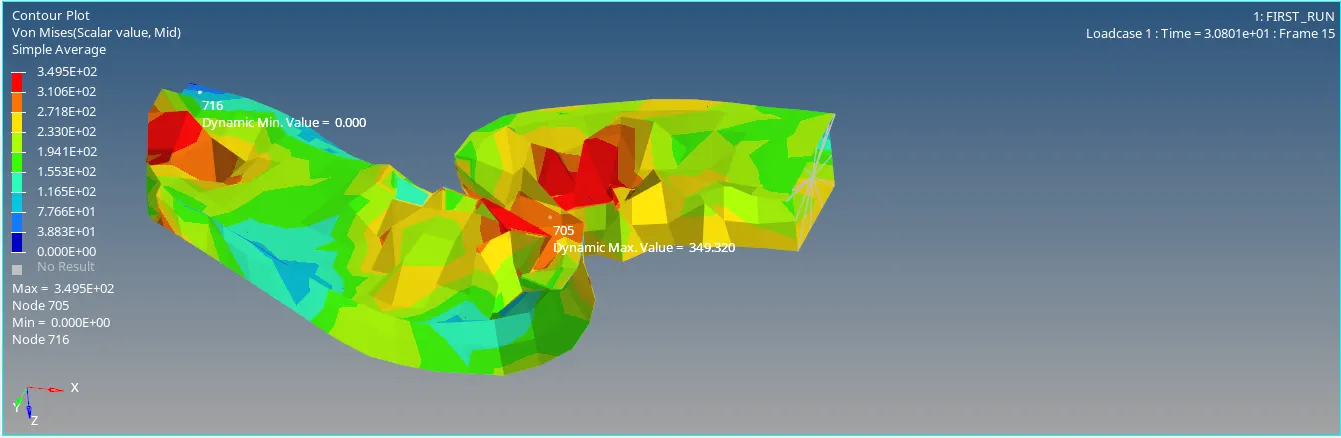
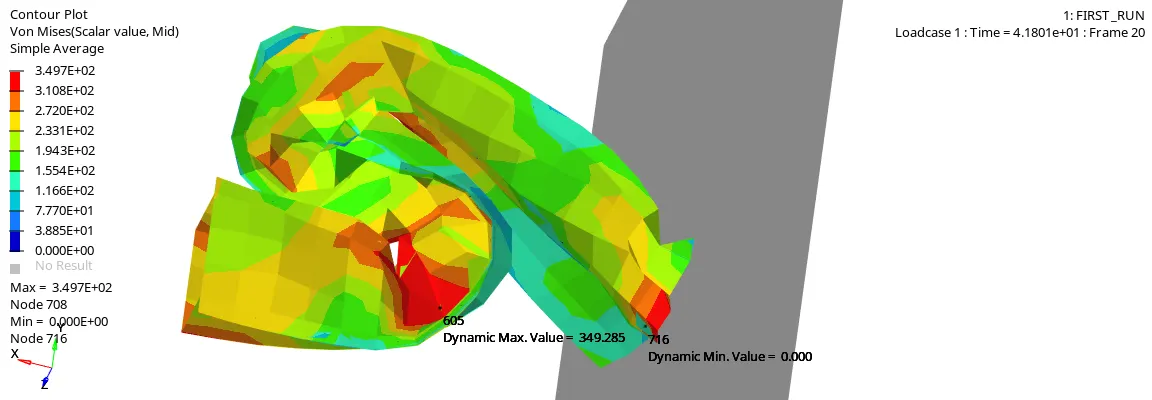
6. Von-Mises stress value
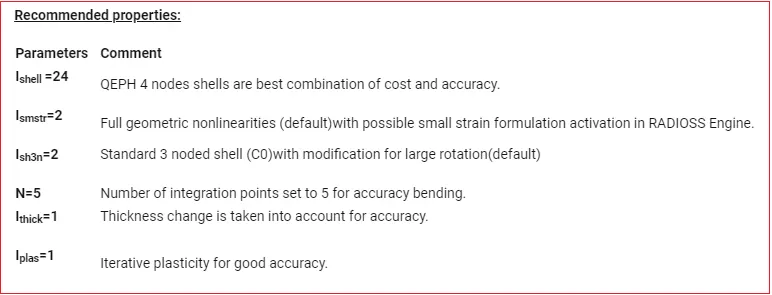
CASE B with the recommended shell properties.
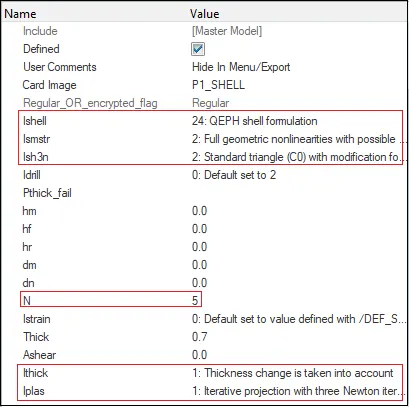
- Changes made to both Hat-section and Close-out panel properties with card image P1_SHELL
Like case A we can set the run time as 55 and frequency as 2.2ms. Then proceed to Radioss file generation.
First_run_0001.out file with the recommended shell properties. Energy error and Mass error is highlighted.
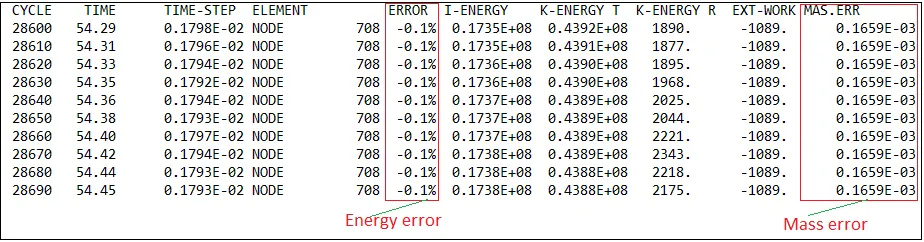
The energy error is negative 0.1 which is an acceptable limit. Hence hourglass energy loss is negligible.
Hypergraph and Hyperview results
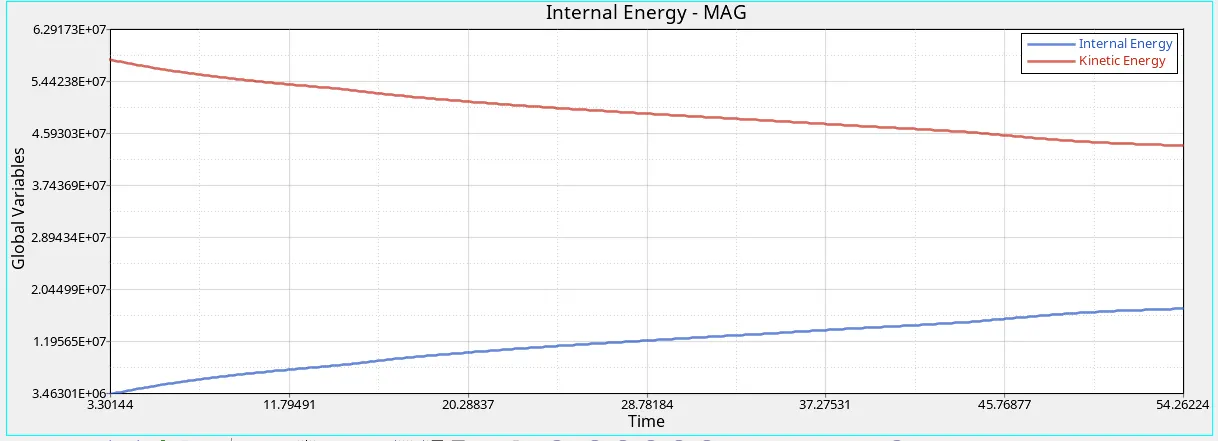
1) Kinetic Energy and Internal energy Vs Time
2. Rigid wall forces Vs Time
3. Hourglass Energy Vs Time
4. Contact Energy Vs Time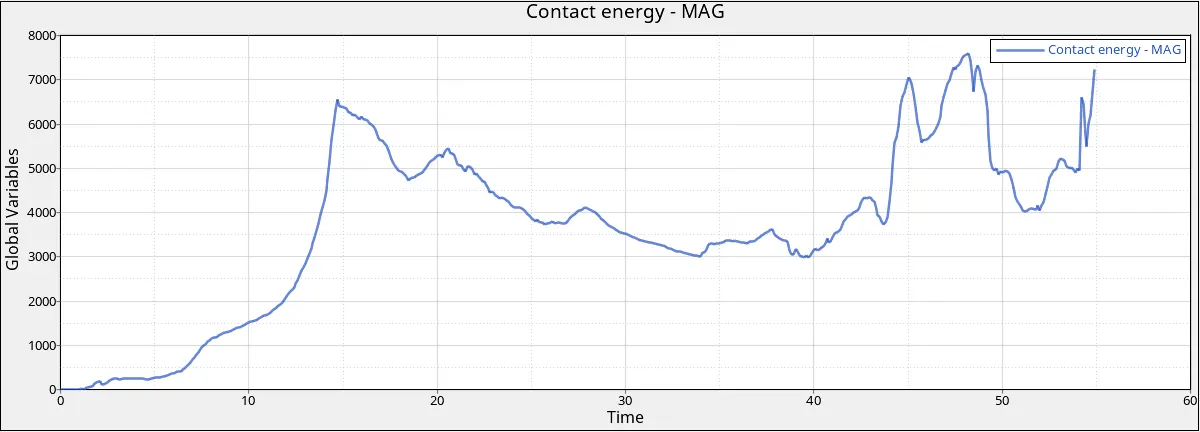
5. Total energy Vs Time
6. Von-Mises stress value
SUMMARY
- Kinetic energy varies from 6.0E+07 to 3.5E+07 and Internal energy varies from 0 to 2.0E+07 with the default shell properties and with recommended shell properties kinetic energy varies from 6.0E+07 to 4.5E+07 and Internal energy varies from 0 to 1.5E+07.
- Resultant NF is high in the beginning and less towards the end in both cases.
- Hourglass energy varies from 0 to 6.5E+07 in case A and remains zero throughout in case B.
- Max Von-mises stress in 3.49E+02 in both cases.
LEARNING OUTCOME:
- To Import Run files and editing the Tstop and Tfreq if needed.
- To Generate and load Animation files and T01 files.
- To Generate plots using HyperGraph.
- To generate color contours in the component to understand the effect in each element during the simulation.
- To edit the properties in the P_SHELL card image