Ahmed Body Challenge
Introduction:
Ahmed body:
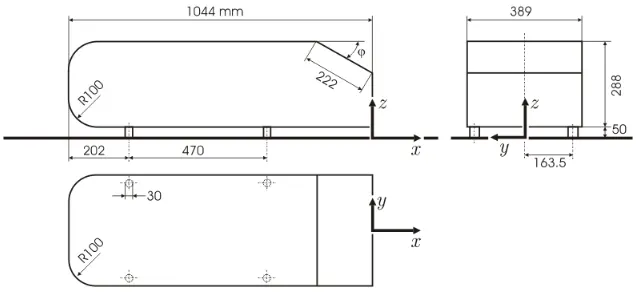
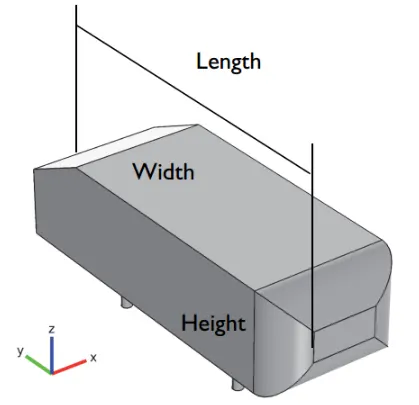
The Ahmed body is a bluff model body with basic aerodynamic properties of a vehicle. It was created by S.R. Ahmed in 1984. The simple geometrical shape has a length of 1.044 m, a height of 0.288 m, and a width of 0.389 m. .It also has 4 cylindrical legs of 0.5 m which are attached to the bottom of the body. Ahmed's body simply looks like a car body and mainly used in the automotive field to examine the flow simulation or analysis around the body. This model is also used to describe the turbulent flow field around a car like geometry. The models of cars are very challenging and it's difficult to quantify the aerodynamic drag computational.
It is very easy to calculate or study the various properties like drag coefficient, turbulence, lift force, and fuel efficiency, etc for the car with the help of the Ahmed body. The drag coefficient is not an absolute constant for a body's shape because it varies with the speed and direction of flow, object shape, size, density, and viscosity. The lower the drag coefficient, the more efficient the car. Generally the average drag coefficient of the cars between .30 and .35.
Analysis:
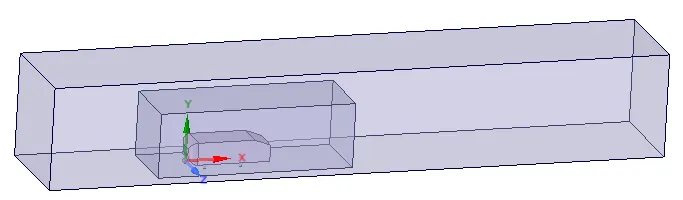
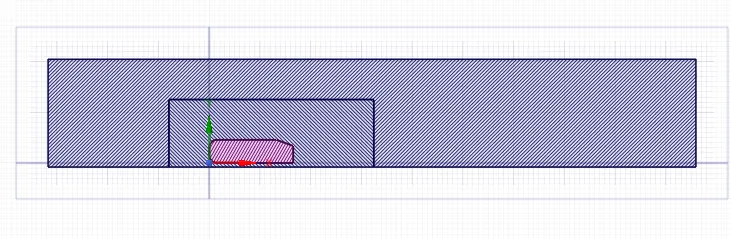
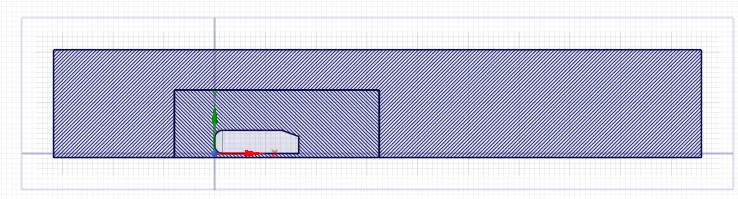
Here we are having two enclosures for this setup. The first one is known as the outer enclosure and the second one is called the inner enclosure. For enclosure open prepare < enclosure < click on body < keep XY axis < click on options < untick symmetric dimensions < mention given dimensions < click ok.
Mesh:
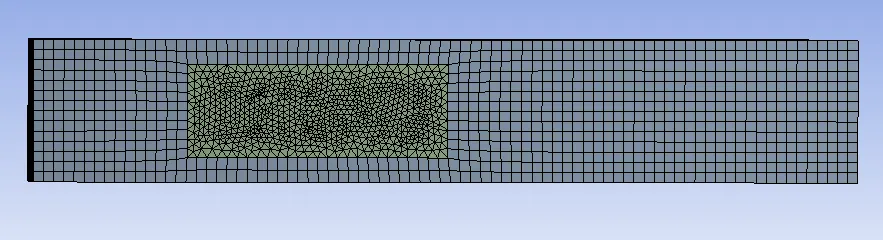
The outer enclosure mesh grid size is 100 mm, and the size of the inner enclosure is 50 mm.
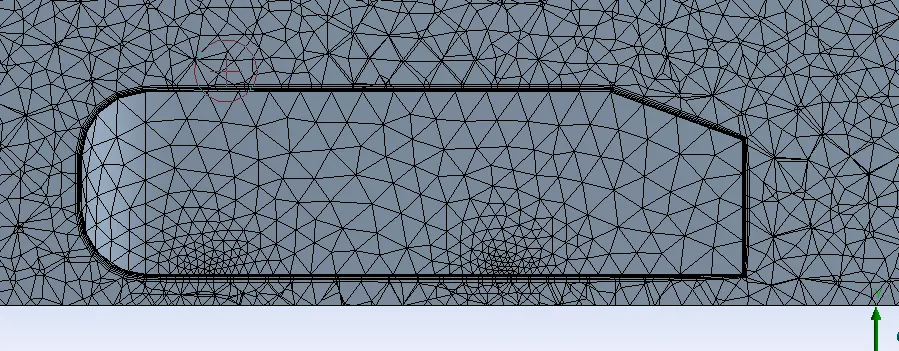
Meshing with inflation layers, which was given a total thickness of 12.5 mm.
Results:
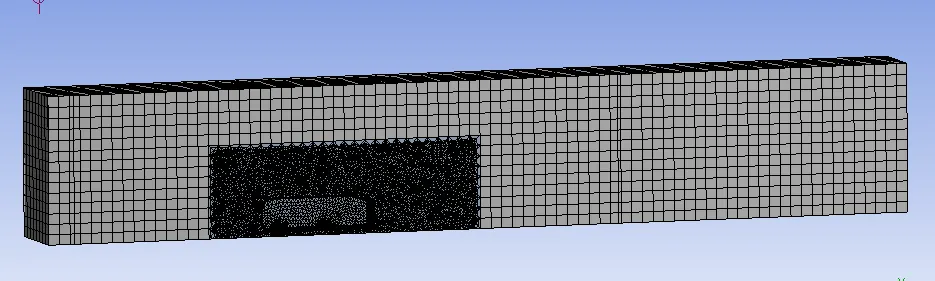
Inner enclosure element Size = 30 mm.
Mesh:
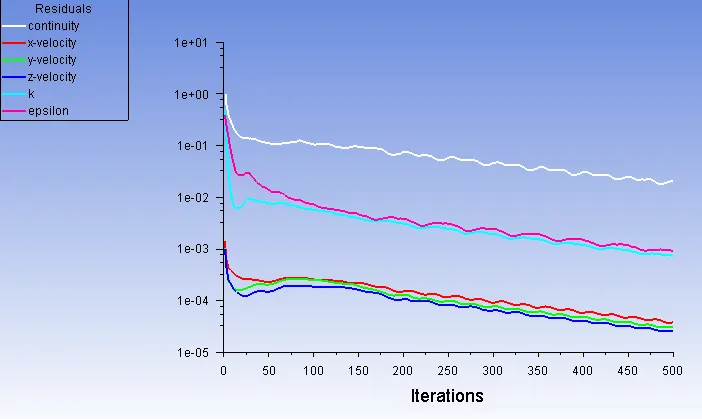
Residuals:
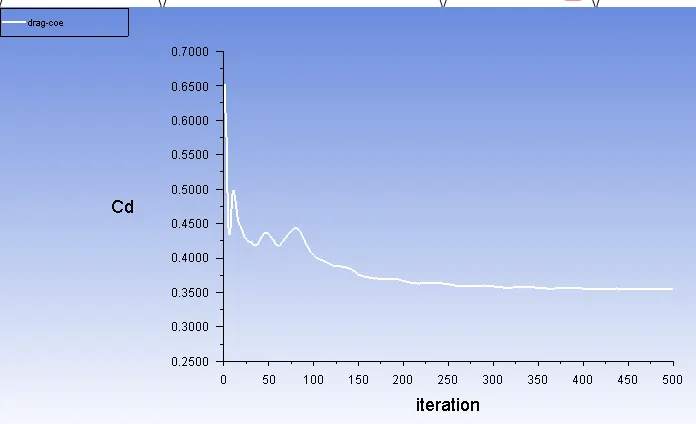
Drag-coefficient:
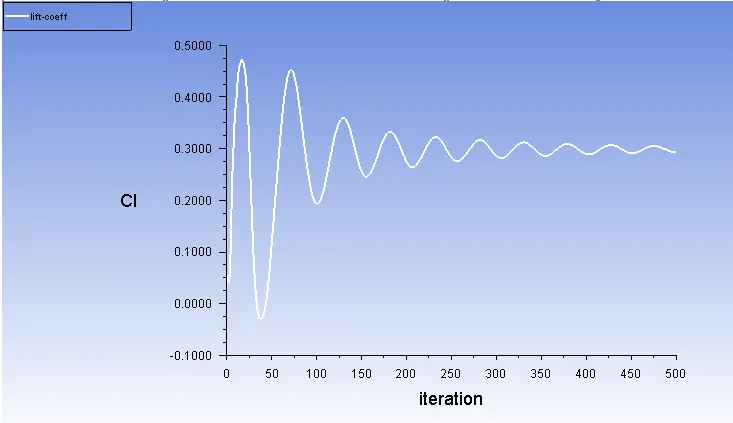
Lift-coefficient:
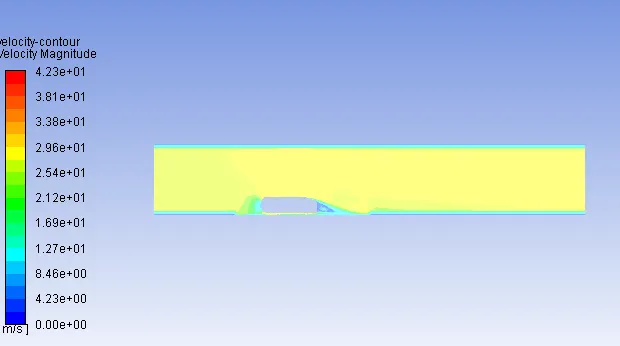
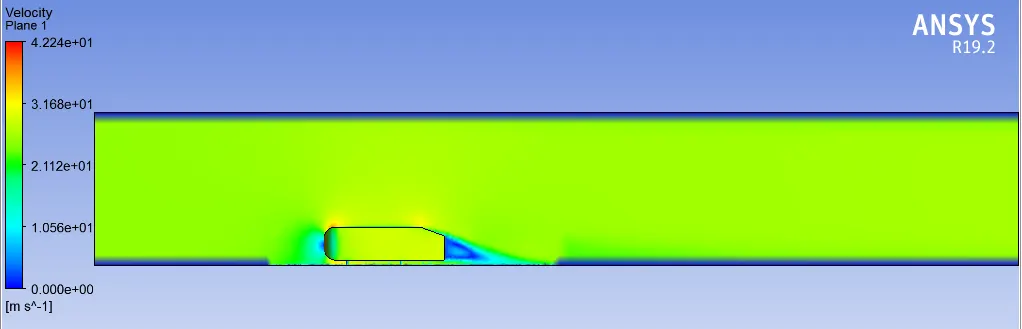
Velocity:
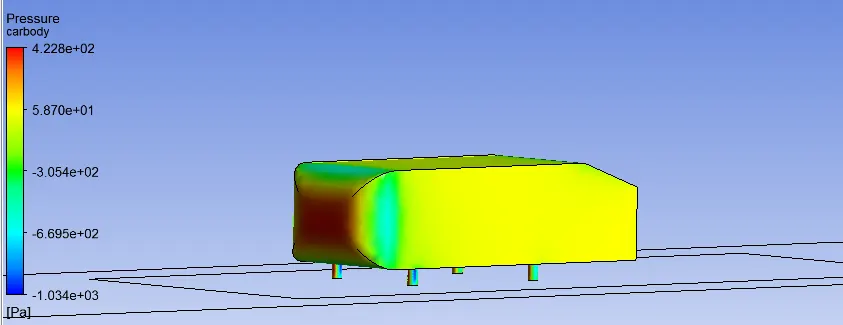
Pressure:
Velocity simulation:
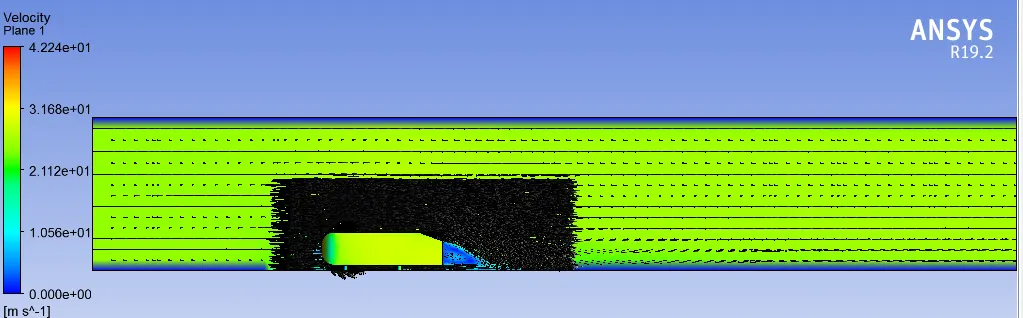
Velocity vector simulation:
Inner enclosure element Size = 40 mm.
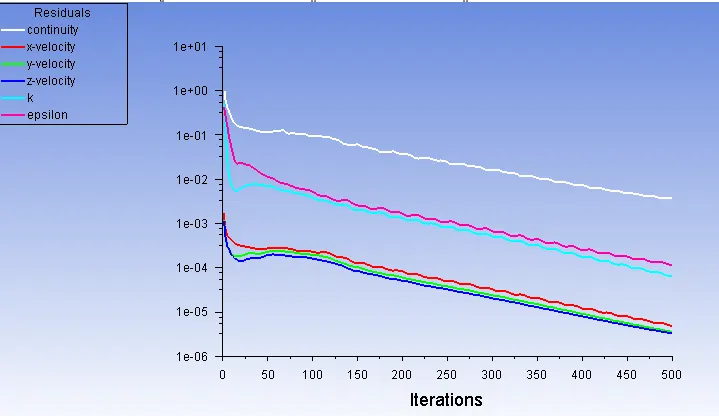
Residuals:
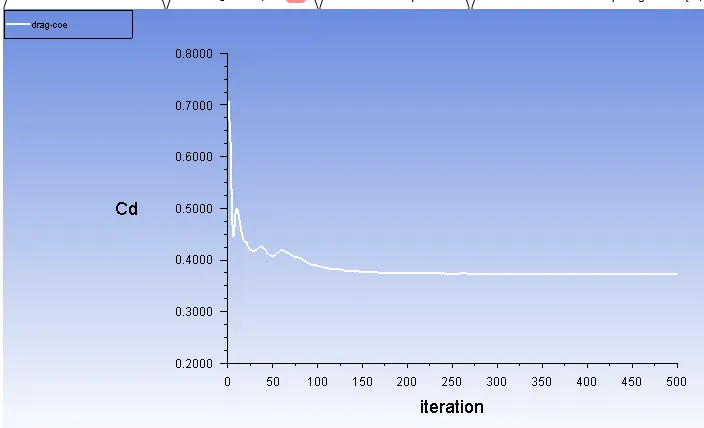
Drag-coefficient:
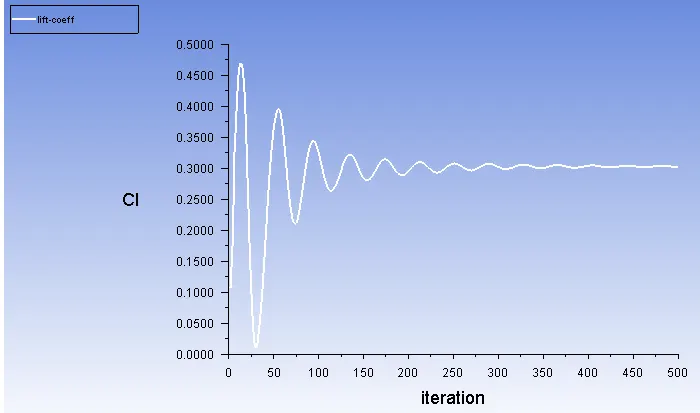
Lift-coefficient:
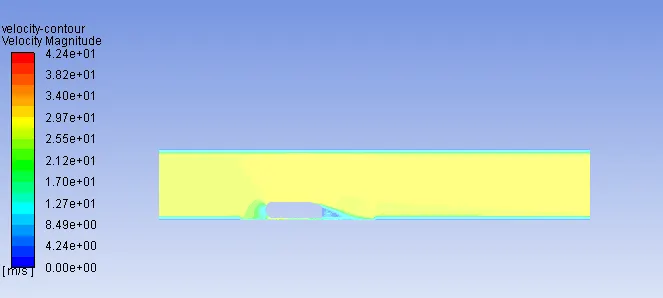
Velocity:
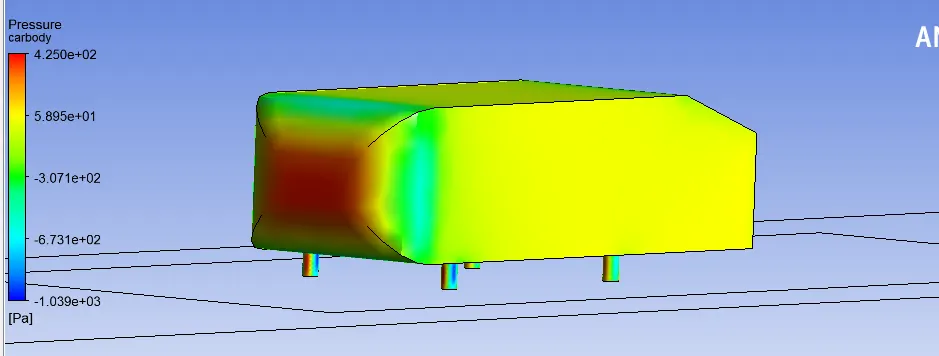
Pressure:
Velocity simulation:
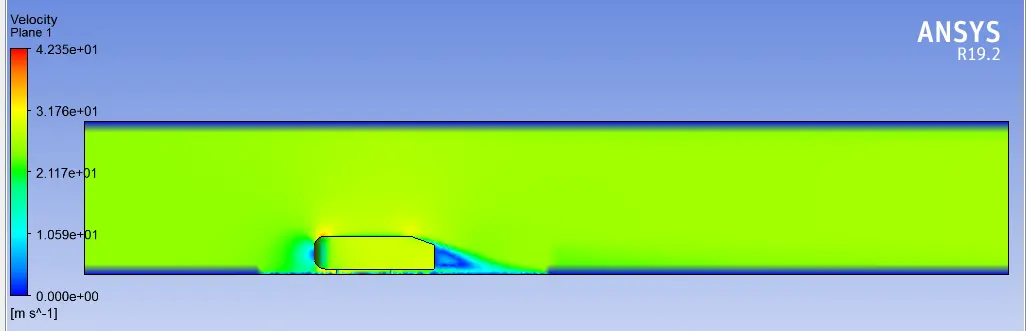
Velocity vector simulation:
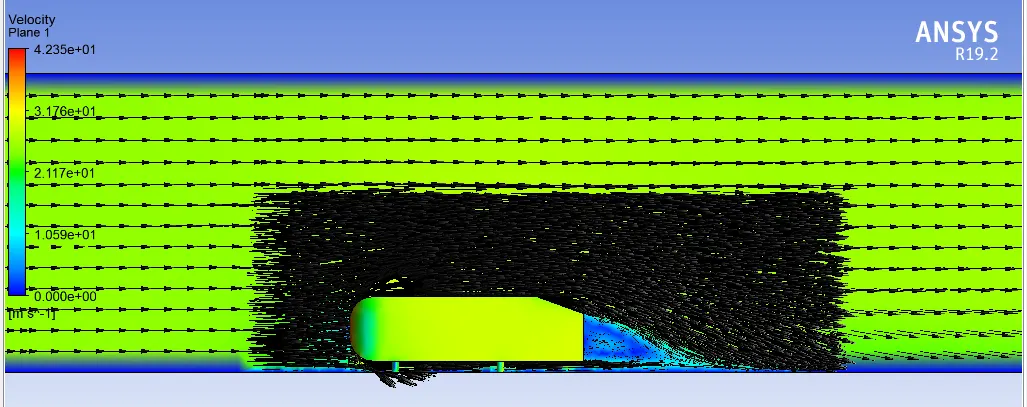
Inner enclosure element Size = 50 mm.
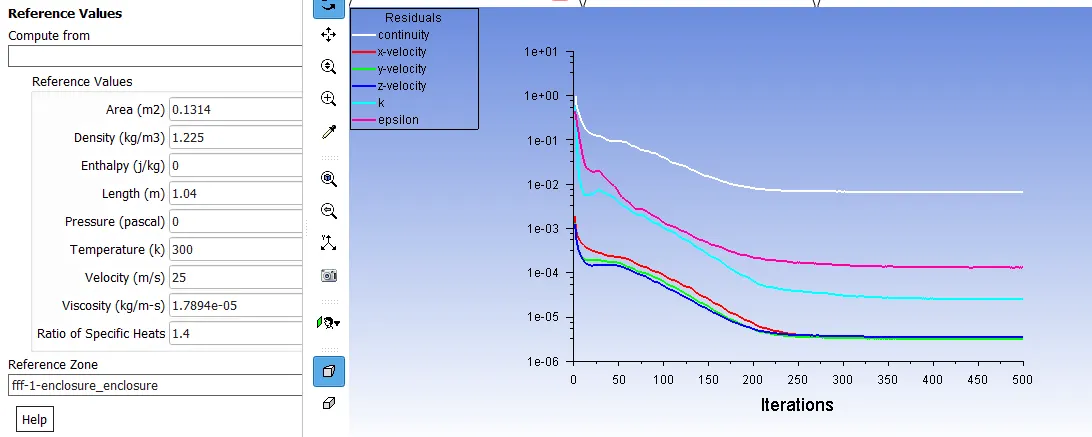
Residuals:
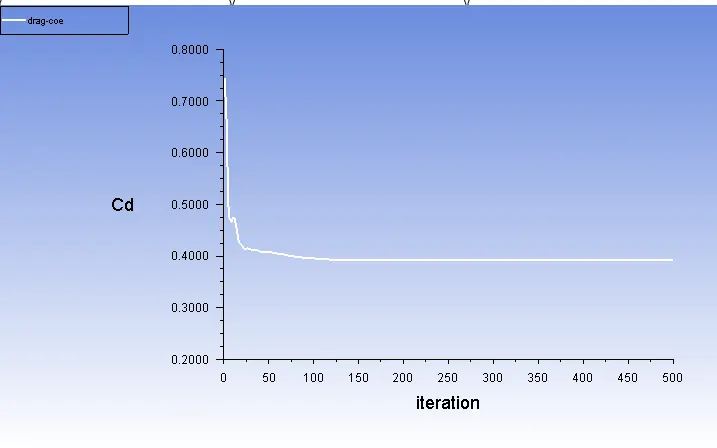
Drag coefficient:
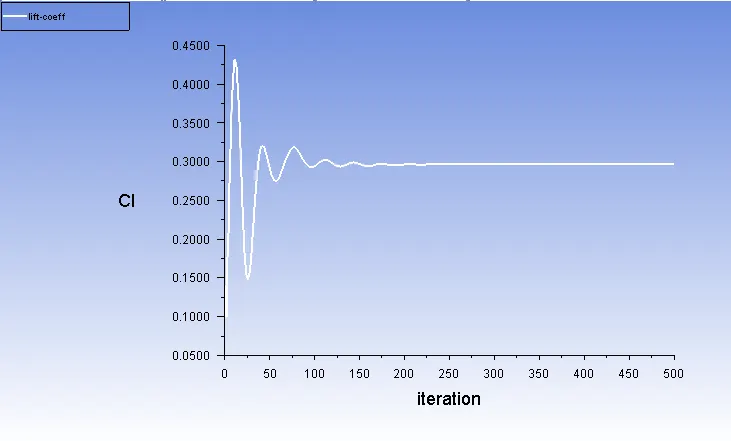
Lift coefficient:
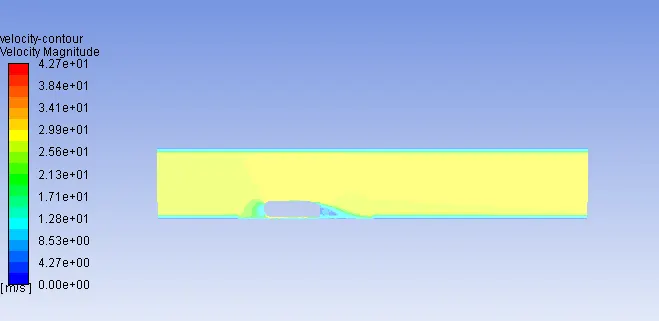
Velocity contour:
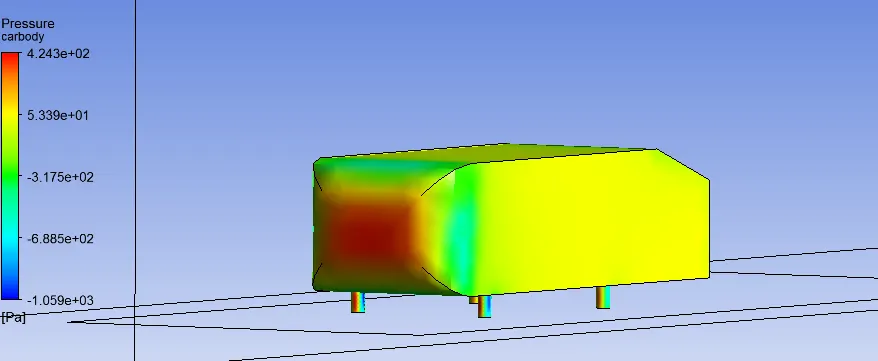
Pressure:
Velocity simulation:
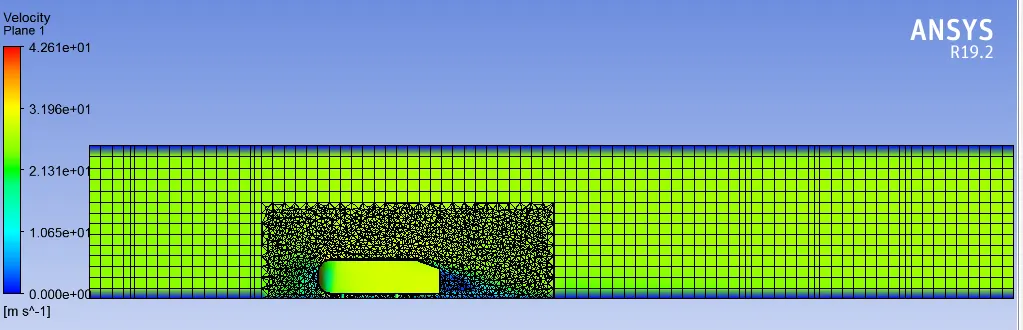
Velocity vector simulation:
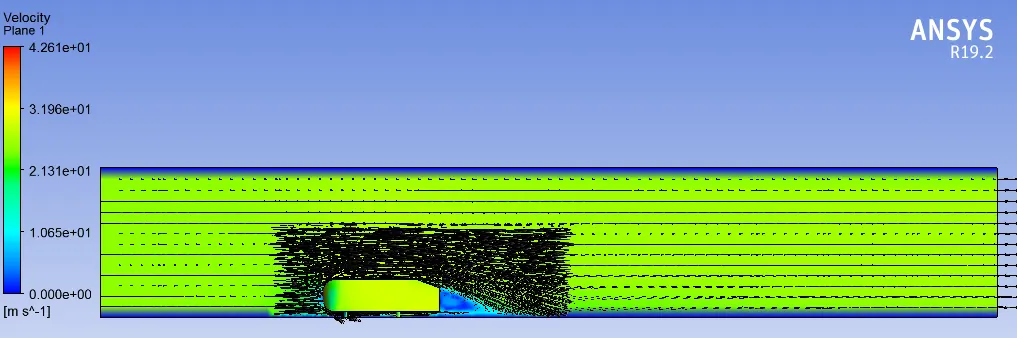
Inner enclosure element Size = 60 mm.
Residuals:
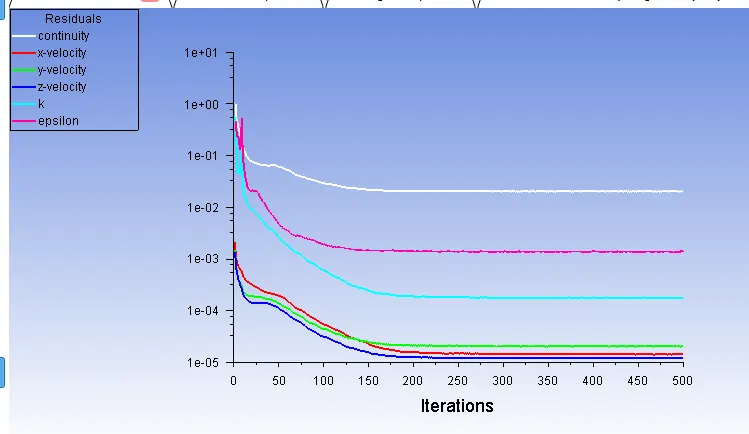
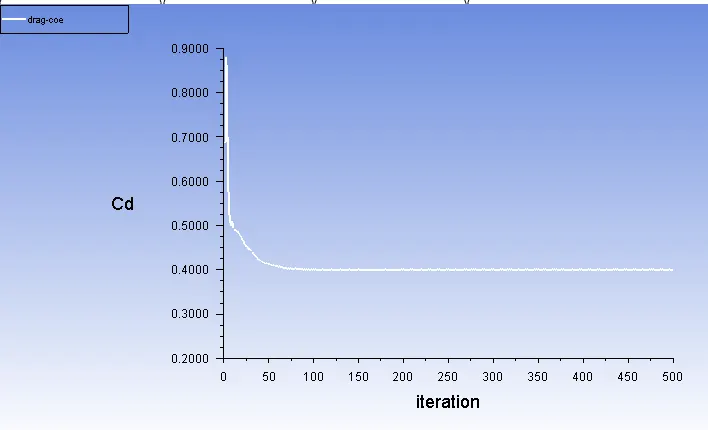
Drag-coefficient:
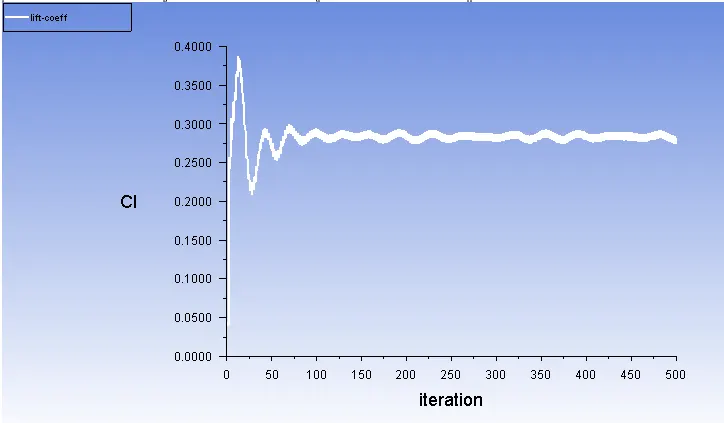
Lift-coefficient:
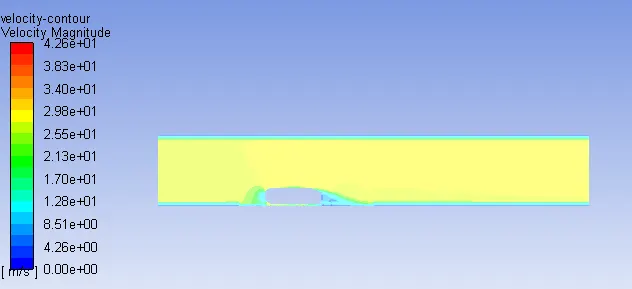
Velocity:
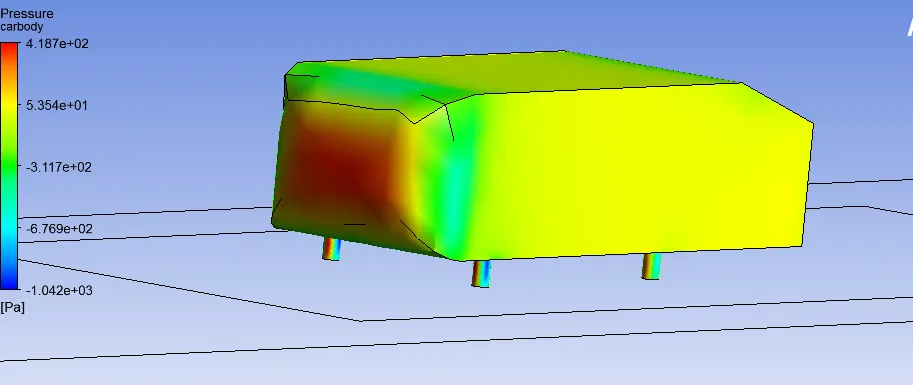
Pressure:
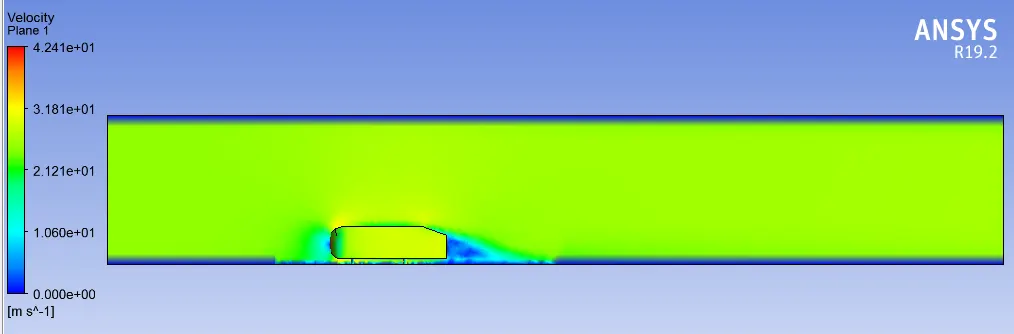
Velocity simulation:
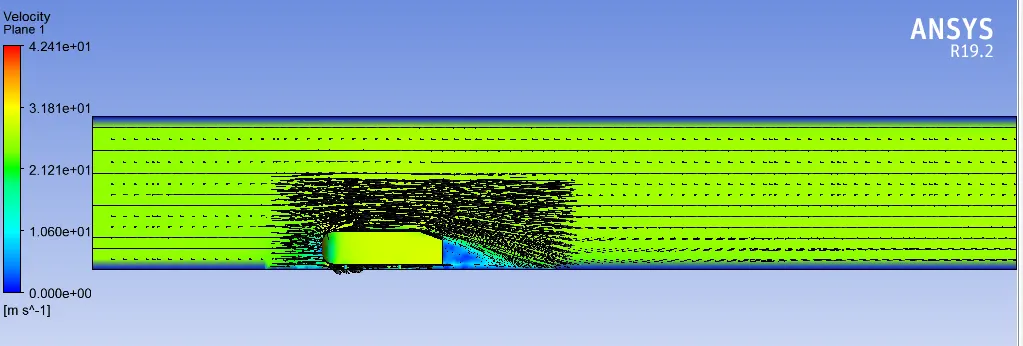
Velocity vector simulation:
Conclusion:
In this challenge, we have to change the inner enclosure values to find out the properties of Ahmed body. The Cd increases with the increase in the element size.
The reason behind the negative pressure in the wake region is due to flow separation. Actually, it is a phenomenon that generally happens as the air moving past the body isn't able to pass through the backside of the body.
| S.No | Element size | No. of elements | Cd | Cl |
| 1. | 30 | 558650 | 0.35438 | 0.29308 |
| 2. | 40 | 283839 | 0.37334 | 0.30201 |
| 3. | 50 | 188522 | 0.39189 | 0.29678 |
| 4. | 60 | 141339 | 0.40093 | 0.27420 |