Aftertreatment modelling of SI and CI engine using 3-way CAT CON model in GT POWER.
Aim:
Aftertreatment modelling of SI and CI engine using 3-way CAT CON model in GT POWER.
Objective:
- Explore -Examples provided below and write a detailed report
- Detailed SI engine+aftertreatment
- Detailed CI engine aftertreatment
- Compare results of all cases and give your comments
Simulation model of CI engine aftertreatment:
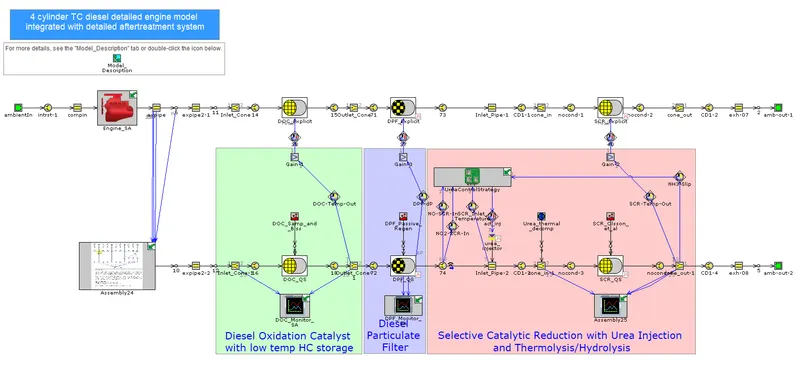
DOC:
DOC is used for oxidation of CO, HC and also converting NO to NO2 and maintain the combustion efficiency. Some of the factors are
- Catalyst material
- Mass flow rate
- Temperature
- No/no2 ratio
As per the diagram, the model in the green background is the shadow model which connects the brick catalyst with chemical kinetics and reaction models.
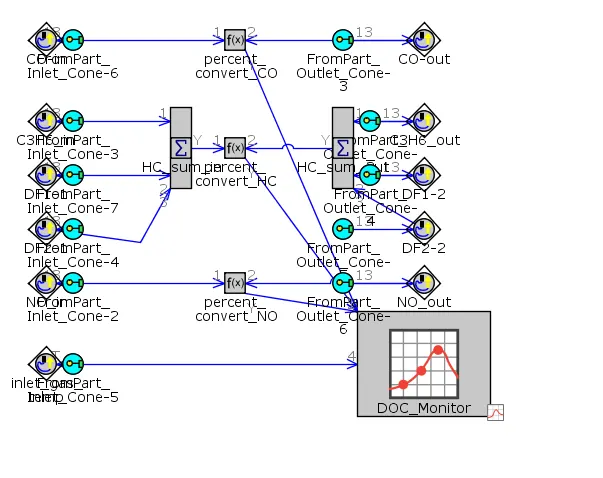
So, the engine out emission is given to shadow model by assembly 24.
Assembly 24
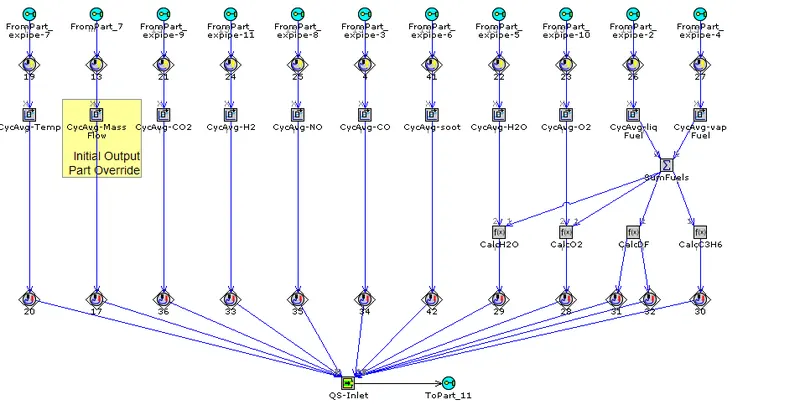
Every output from the engine is sensed and average value is found and signal is formed, send to actuator which is to send to bricks catalyst.
The output from engine are as follows
Catalyst brick DOC reaction modeling
DPF:
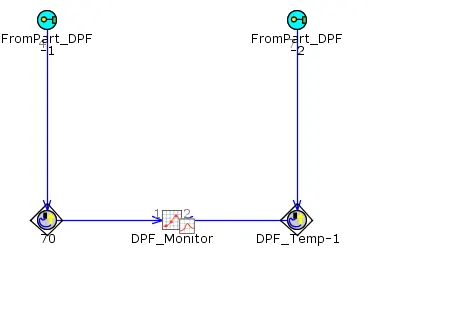
DPF is used to retain soot mass while it reduces particulate matter.
Like catalyst brick DPF is coated with substrate materials which makes soot to be retained.
SCR:
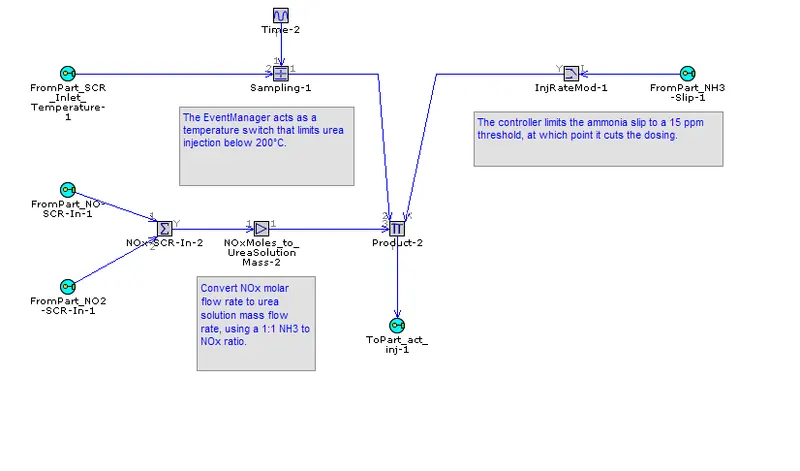
In SCR section, urea is injected with ammonia gas, which undergoes certain chemical reaction to reduce NO and produce CO2, H2O and N2.
Urea injection is based on the exhaust temperature and the composition is controlled by urea injection controller.
Boundary conditions:
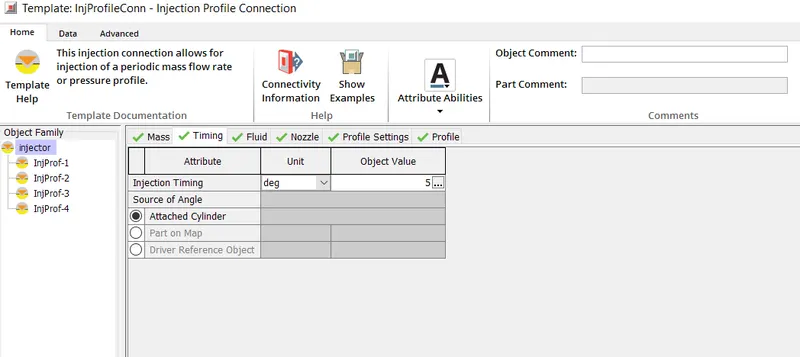
Injection duration
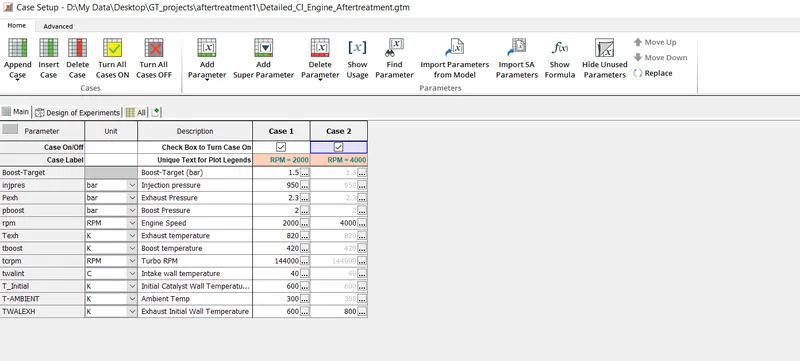
Case setup
GT POST
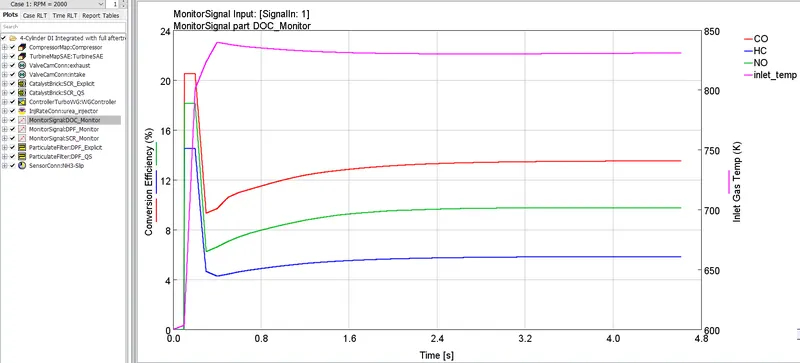
DOC MONITOR at rpm 2000
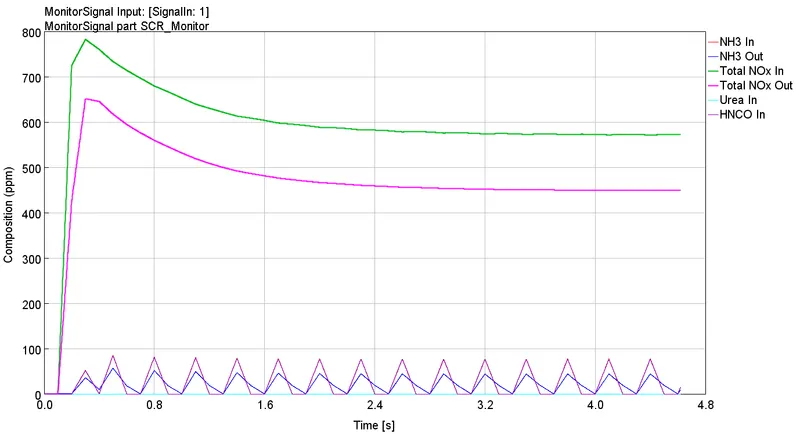
SCR MONITOR at rpm 2000
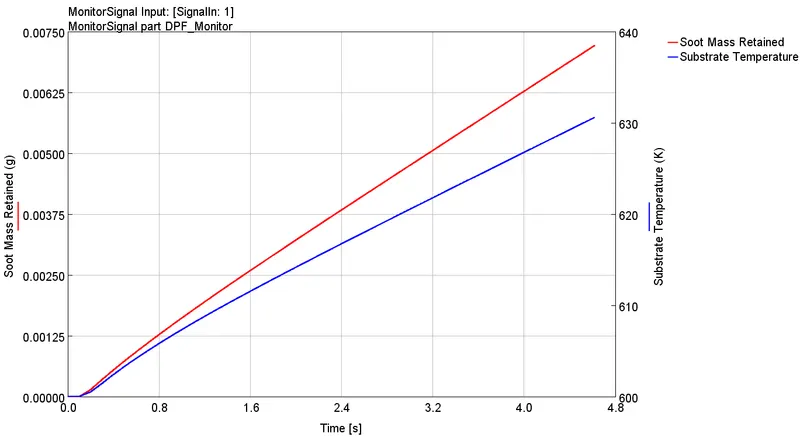
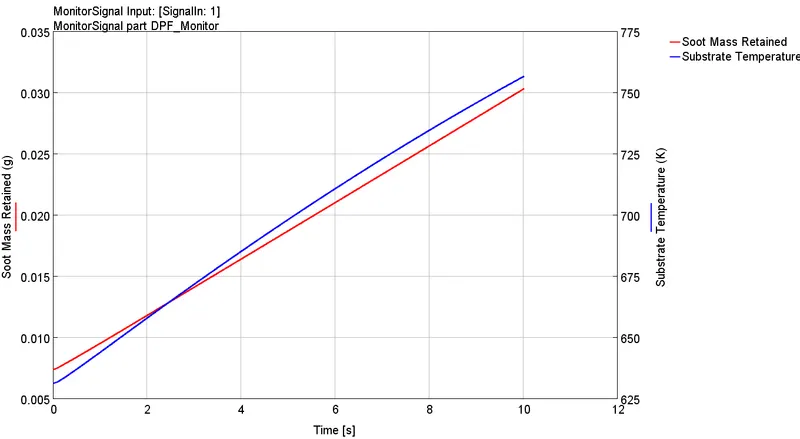
DPF MONITOR at rpm 2000
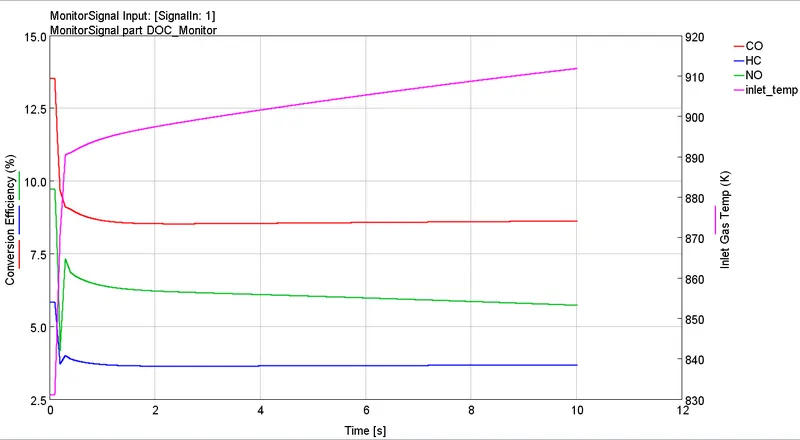
DOC MONITOR at rpm 4000
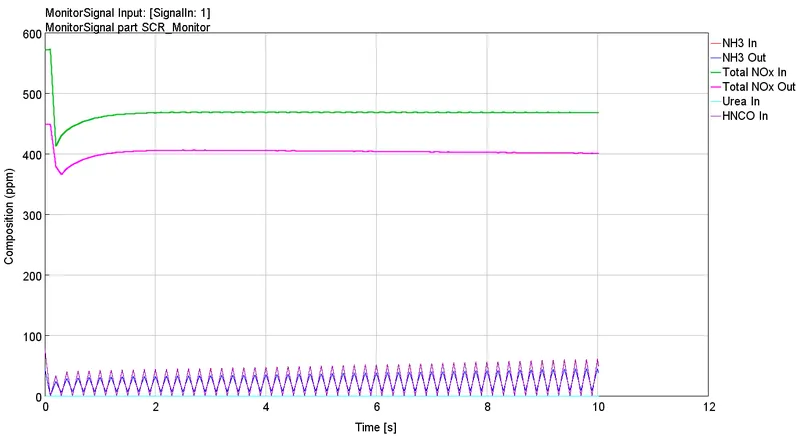
SCR MONITOR at rpm 4000
DPF MONITOR at rpm 4000
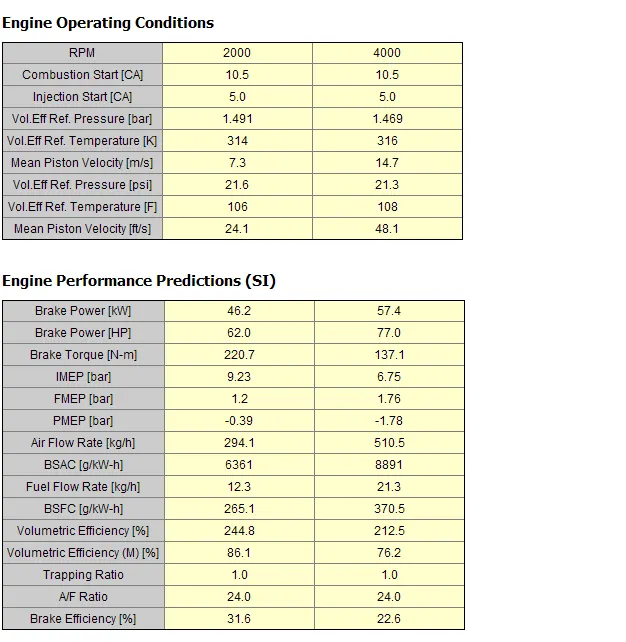
Engine performance
NOx prediction
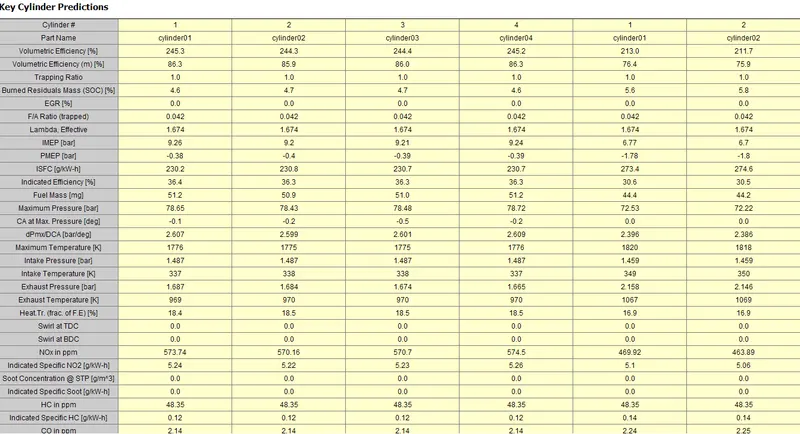
From CI engine aftertreatment model, we see that the nox level decreases as the rpm is increased. The soot retained mass at DPF filter increases when rpm is increased. The injection duration period is increased to maintain proper combustion by increasing the bsfc level.
Simulation model of SI engine aftertreatment:
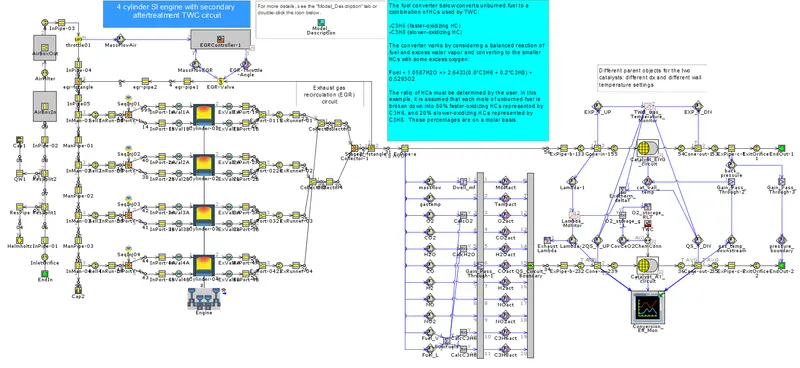
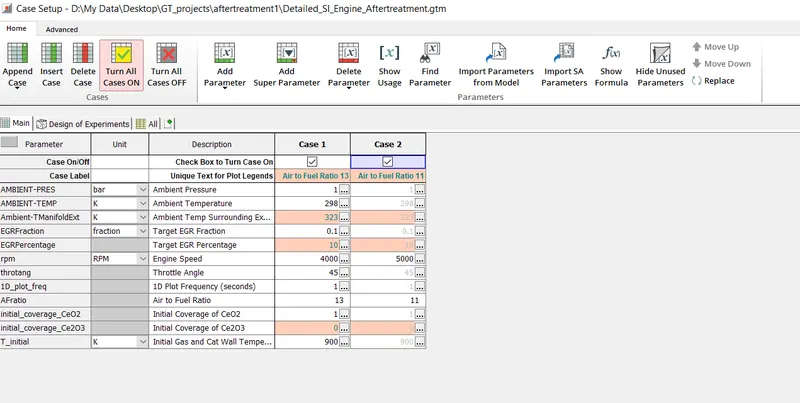
Boundary conditions:
GT POST
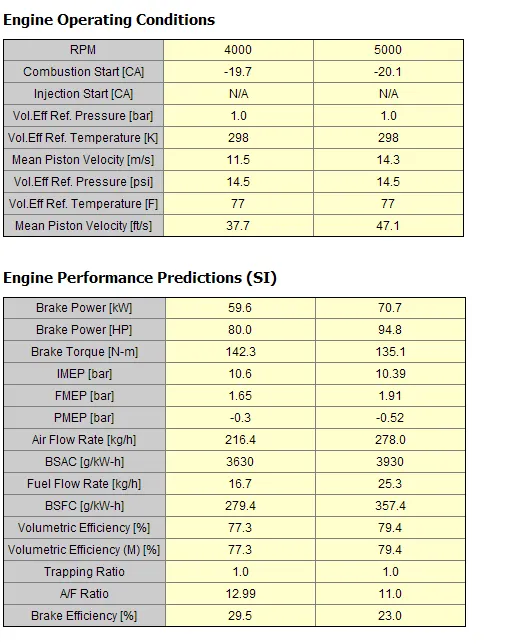
Engine performance
NOx prediction
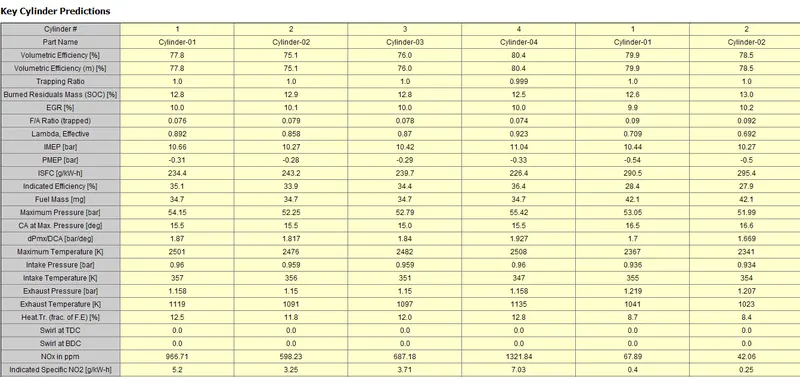
From SI engine aftertreatment model with change in rpm, we find major reduction in nox level even higher than CI engine emission and also increase in bsfc level. With nox reduction, the unburnt hydrocarbon decreases and better combustion efficiency is obtained.
Conclusions:
- The CI and SI engine aftertreatment model is studied from tutorial case study and is modeled accordingly.
- The effect of injection timing, rpm and wall temperature on the bsfc and nox emission is studied.