How Embedded Systems are Changing Our Lives: 6 Practical Examples
The world is becoming more digital, connected, and automated, but what makes this possible?
 Anup KumarH S·16 Feb 2023·4 min read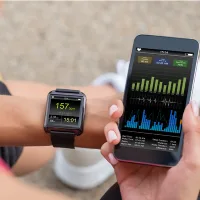
The world is becoming more digital, connected, and automated, but what makes this possible? It is a technology that is frequently overlooked: embedded systems. However, embedded systems play a vital role in every portion of modern life. In this article, we will discuss real-world examples of embedded systems that we encounter daily.
Introduction
An embedded system is a computer hardware and software set to perform a specific function. Here are a few real-life examples where embedded systems are being used.
1. ATM Machines
An Automated Teller Machine (ATM) is a computerized banking machine that connects to a host bank computer via a network. The bank computer verifies all user data and stores all transactions, whereas the ATM's embedded system displays transaction data and processes inputs from the ATM keyboard.
An ATM is primarily used to
- Withdraw funds
- Examine your account balance and transaction history.
- Put money into a different account.
2. GPS Systems
The Global Positioning System (GPS) is a navigation system that uses satellites and receivers to synchronize data about location, time, and velocity. To facilitate the use of a global positioning system, the receiver or device that receives the data has an integrated embedded system. Embedded GPS devices enable people to find their current locations and destinations easily. As a result, they are quickly gaining traction and are quickly becoming the most widely used navigation tools for automobiles.
GPS systems are now commonly used in
- Cars
- Mobile phones
- Palmtop
3. Fitness Trackers
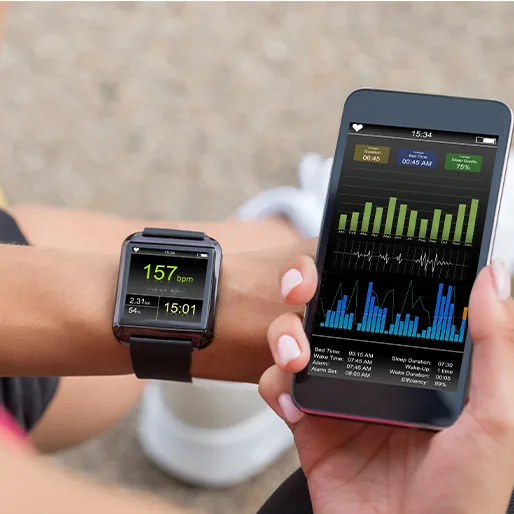
Wearable devices that monitor your health and track activities such as sleeping, running, and walking are known as fitness trackers. These devices use embedded systems to collect data about your heart rate, body temperature, and several steps, which are then transmitted to servers via WAN such as LTE or GPRS.
Fitness trackers are commonly used for the following purposes:
- Personal activity tracking
- Medical supervision
- Sporting activities
4. Television
Many of us has a home entertainment system. A display is one component of the system, but it can also read inputs from various connectors, such as the antenna input, HDMI, Ethernet, etc. A TV can, of course, read IR signals from a remote control.
Many smart TVs these days include an operating system that allows them to run various internet and TV streaming applications.
This embedded system is becoming more functional as we discover new ways to make them smarter.
5. House thermostats
Thermostats are devices that let you monitor and control the temperature in your home.
It includes temperature sensors, buttons, a display, and a real-time clock for tracking the time and users' heating time schedules. The main control system regulates and maintains the room’s temperature by getting data through sensors.
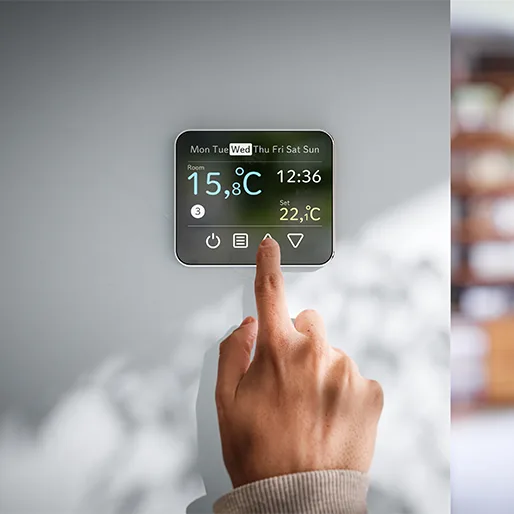
However, not all thermostats are "smart," as some are mechanical thermostats with no electronic components. Of course, having programmable thermostats gives you advantages such as more precise heating control. Many modern thermostats are internet-connected, allowing you to control them from your smartphone.
6. Medical Devices
Medical devices are becoming increasingly sophisticated, and embedded systems play a vital role in this trend. They are used for vital sign monitoring, sound amplification in electronic stethoscopes, and nearly every imaging system, including PET scans, CT scans, and MRIs.
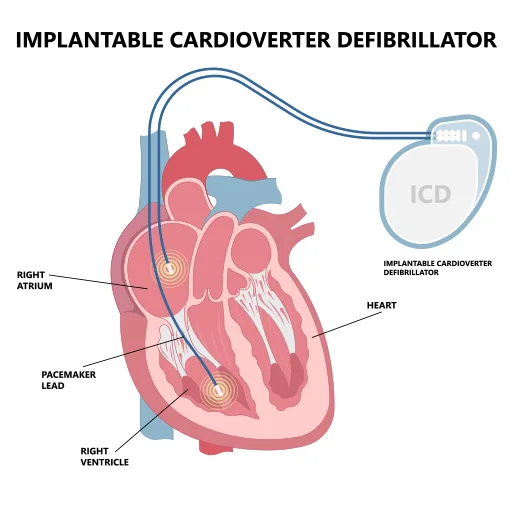
Embedded systems are also used in glucose monitors, pacemakers, CPAP machines, and various biomedical sensors. In addition to diagnosing problems, embedded systems also play an increasingly important role in treating them.
For example, implantable cardioverter defibrillators (ICDs) can be surgically placed under the skin near the heart. These devices constantly monitor heart rhythm and can deliver electrical shocks to restore normal rhythm if necessary.
To learn more about the applications of embedded systems, watch the webinar by Skill-Lync’s expert.
Benefits of Using Embedded Systems:
- Greater convenience: Embedded systems are simple and easy to manage. They require less maintenance and are robust.
- Fast Performance: Developers have the flexibility to optimize the performance of embedded systems and their response time. The modern embedded systems that perform single tasks are more reliable and faster with memory embedded on-chip.
- Cost-effective: They can be mass-produced at a low cost. Since they are specifically designed for performing a specific operation, further modifications to the system can be made easily.
Conclusion
According to the Better Business Bureau, the number of jobs available for embedded software engineers is anticipated to increase by 20% by 2028. The embedded systems market is forecast to grow significantly in the next few years and Skill-Lync is poised to provide the world with innovative solutions.
We offer courses covering basic embedded system concepts and more advanced topics. Whether you're just getting started in the field or a seasoned professional, Skill-Lync has a course that helps you take your career to the next level.