Future of Medical Informatics: Trends, Innovations & Opportunities
The healthcare industry is constantly evolving, and medical informatics is no exception. Trends and Innovations in medical informatics and how they can help shape the future of healthcare.
 Anup KumarH S·9 Apr 2023·3 min read
The healthcare industry is constantly evolving, and medical informatics is no exception. The healthcare sector produces up to 30% of the world's data. By 2025, that percentage will have increased to 36%, marking a sizable increase as health-related data production outpaces that of other significant industries. In this blog, we will explore the latest trends and innovations in medical informatics and how they can help shape the future of healthcare.
What is Medical Informatics?
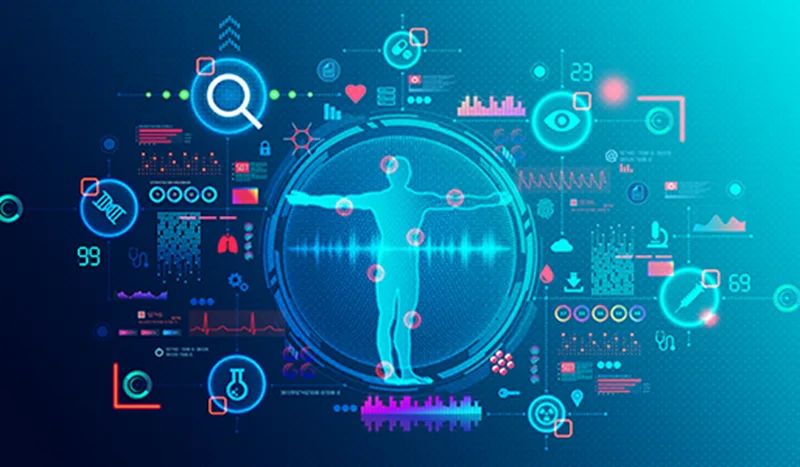
Medical informatics is a multidisciplinary field that combines computer science, information technology, and healthcare to provide better patient care. It can be used to create better patient care plans, track patient outcomes, and reduce medical errors. It can also improve communication between healthcare providers and patients and improve the accuracy and timeliness of medical diagnoses.
Trends and Innovations in Medical Informatics
There are recent trends that are changing healthcare informatics differently. Here are some of the innovations in medical informatics.
Artificial Intelligence (AI) and Machine Learning (ML)
One of the most important trends in medical informatics is using artificial intelligence and machine learning to automate and streamline healthcare processes.
- AI can be used to analyse large amounts of data to identify patterns and trends that can be used to improve diagnosis and treatment.
- AI and ML can also automate mundane tasks like filling out forms and scheduling appointments.
- AI is also used to develop personalised patient treatments based on their needs.
Telemedicine
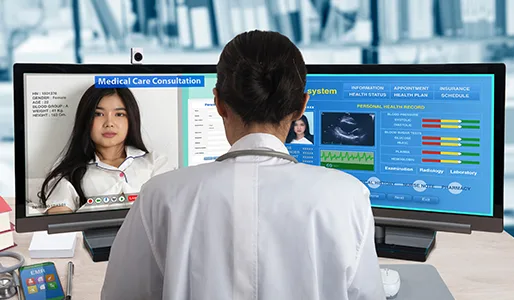
Another trend in medical informatics is the use of telemedicine. Telemedicine is the use of technology to provide medical services remotely.
- This technology has enabled healthcare providers to provide patients care without needing an in-person visit.
- Telemedicine has made healthcare more accessible and convenient for patients, reducing healthcare providers' costs.
- The use of wearables and mobile health (mHealth) apps is also becoming increasingly popular in medical informatics.
- Merely these few mobile technology companies, like Wellframe, MedWand, WellDoc, Pager, Oscar Health, and Vesta Healthcare, are developing applications that will revolutionise how patients and doctors communicate in the current day.
Internet of Things (IoT)
Another emerging technology in medical informatics is the Internet of Things (IoT).
- IoT devices are connected to the internet and can collect data from patients and their environment.
- This data can be analysed to provide insights into patient health and well-being.
- For example, IoT devices can monitor patients’ vital signs or track their activity levels. Wearable technology can also track patients' activity levels, diet, and sleep patterns, providing valuable insights into their overall health.
Benefits of Medical Informatics for Healthcare
Medical informatics is a rapidly growing field that is revolutionising healthcare. It combines computers, data analysis, and medical knowledge to improve patient care and outcomes. The benefits of medical informatics for healthcare are numerous and far-reaching.
Here are a few ways medical informatics can improve healthcare:
- Improved Patient Care: Medical informatics can help healthcare providers quickly and accurately diagnose and treat patients. Using data and analytics, medical informatics can provide healthcare providers with a better understanding of a patient’s condition, allowing for more accurate and timely treatment.
- Increased Efficiency: Medical informatics can help streamline the healthcare process, from diagnosis to treatment. By automating certain tasks, medical informatics can help healthcare providers save time and resources. This can lead to improved patient care and better outcomes.
- Reduced Costs: By streamlining the healthcare process, medical informatics can help reduce costs for healthcare providers and patients. Automating certain tasks can help reduce administrative costs, while improved diagnosis and treatment can help reduce the cost of care.
- Improved Access to Care: Medical informatics can help improve access to care by providing healthcare providers with access to a patient’s medical history, medications, and other relevant information. This can help healthcare providers make more informed decisions and provide better care to patients. Medical informatics is a powerful tool that can help improve healthcare. Improving patient care
Conclusion
By leveraging the power of technology, medical informatics can help healthcare providers improve patient care, safety, and cost savings. To learn more about Medical informatics, Skill-Lync is here to help you. We offer individual courses on medical informatics and various concepts like medical technology. Talk to our experts to book a free demo session and know more!