Navy's Barak Missile Upgrade: Rs 1,976.40 Crore Deal With IAI, Explained
The Ministry of Defence signed a Rs 1,976.40 crore contract with Israel Aerospace Industries on 18 November 2026 to upgrade the hardware and software of the Barak point defence missile system on Indian Navy ships. Here is what was confirmed, what obsolescence management means, and what the deal says about defence electronics jobs.

On 18 November 2026 the Ministry of Defence signed a Rs 1,976.40 crore contract with Israel Aerospace Industries (IAI) to upgrade the Barak point defence missile system on Indian Navy warships and to manage the ageing of its parts. It was signed in New Delhi in front of Defence Secretary Rajesh Kumar Singh. The ministry's release says both hardware and software will be upgraded.
- Value: Rs 1,976.40 crore in total (PIB, 18 Nov 2026).
- Scope: upgrading the Barak system, managing obsolete parts, and a full hardware and software upgrade.
- Route: the Other Capital Procurement Procedure of the defence acquisition rules.
What was announced?
The Press Information Bureau release (5:46 pm IST, 18 November 2026) confirms the buyer, the seller, the system, the Rs 1,976.40 crore cost and the procurement route. The ministry says the work will give the ships new features and stronger anti-air defence.
It does not say how many ships are covered, the timeline, which subsystems change, or whether any Indian firm shares the work. Treat reported figures on those points as unconfirmed.
What is a point defence missile system?
A point defence system protects one ship, the "point", from threats that have already come close. These include sea-skimming anti-ship missiles, aircraft and drones. It is the last layer of defence; longer-range missiles try to stop the same threats further out.
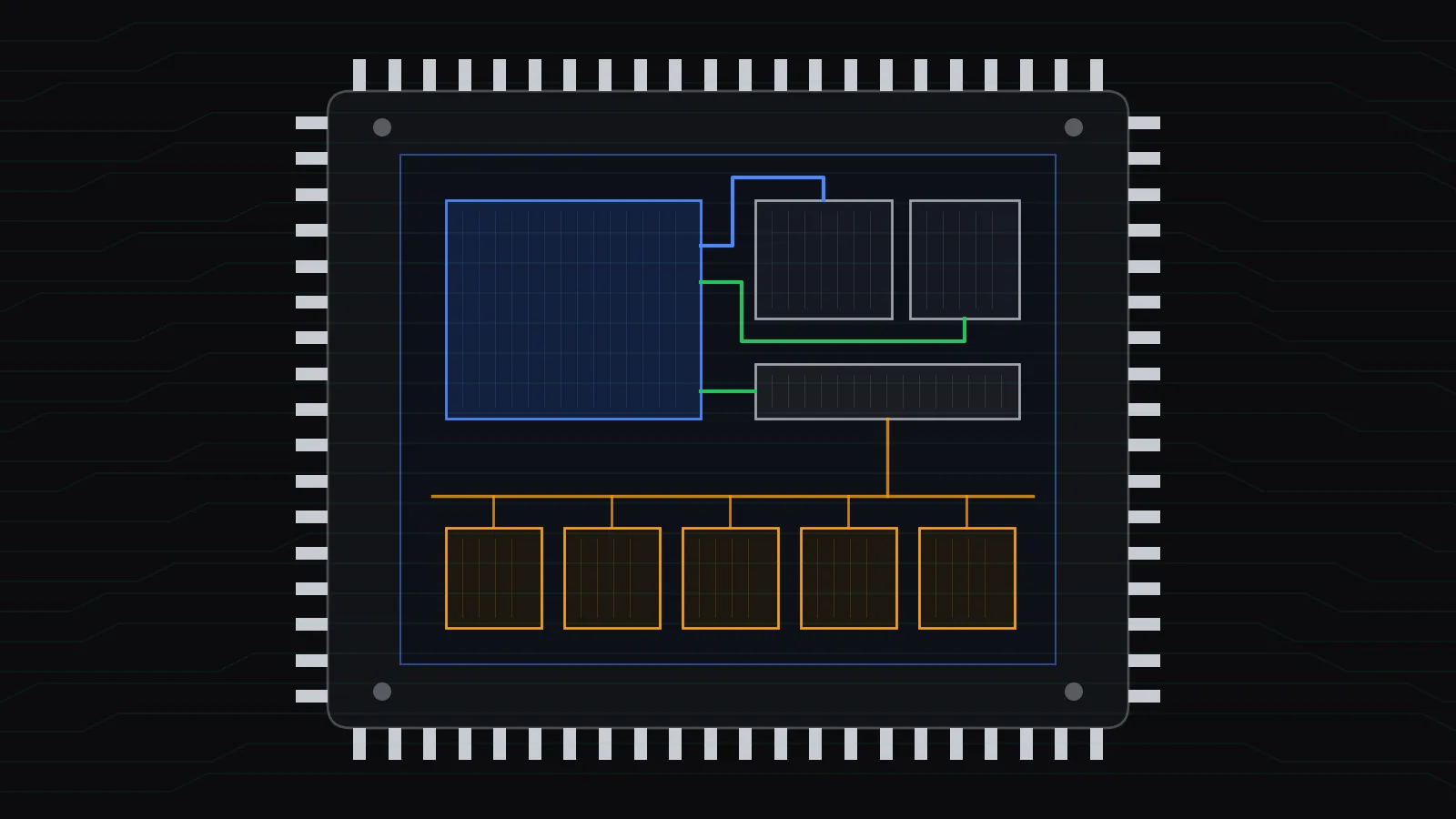
A system like this has three parts. A radar finds and tracks the target. A fire-control computer works out where to intercept it. Missiles are launched from cells on the deck. All of this has to happen within seconds, so most of the engineering sits in real-time software, signal processing and electronics.
What does "obsolescence management" mean?
Obsolescence management is the planned work of keeping a long-life system running after the companies that made its parts stop making them. A warship serves for decades. The processors, memory chips, displays and circuit boards inside its combat systems often go out of production long before that.
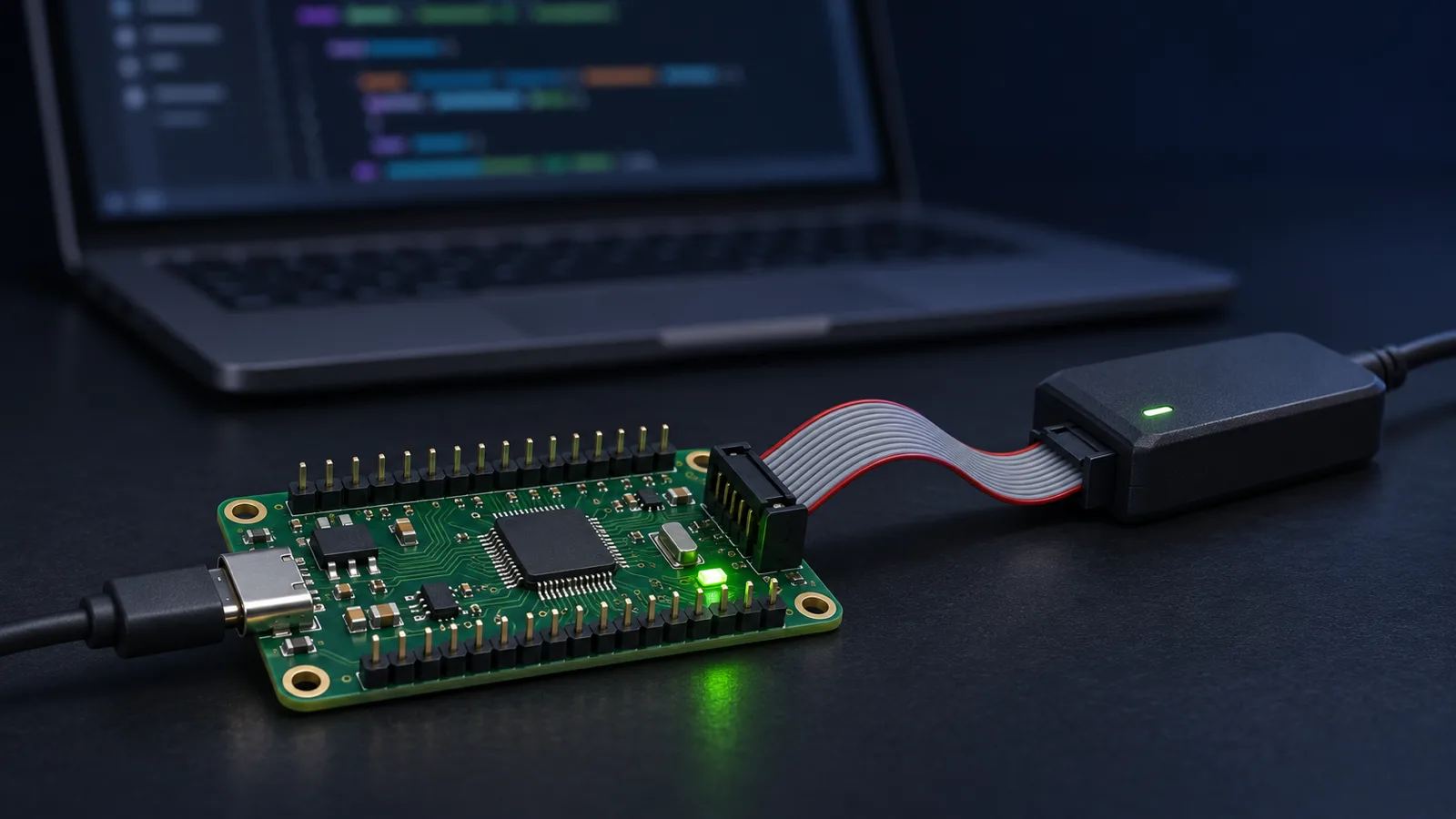
Engineers have a few standard responses. They can buy a large final stock of a part before it is discontinued. They can find a replacement part that fits and works the same way. They can redesign a board around current chips, or port the software to new hardware. The international standard for this work, IEC 62402:2019, covers obsolescence plans, design choices that delay the problem, and how to pick a fix.
Why does this matter for engineers in India?
Upgrades like this are mostly embedded systems and electronics work. Engineers find replacements for obsolete parts, design new boards, write new firmware, carry real-time code over to new processors, and test the result against the old system's behaviour. The same skills are needed in automotive, avionics and industrial controls, where products also stay in service for many years.
The procurement route matters too. As Amit Cowshish explains in a 2020 Manohar Parrikar IDSA analysis, the Other Capital Procurement Procedure is the chapter of the Defence Acquisition Procedure 2020 for improving equipment already in service (overhauls, major refits, upgrades, replacements) rather than buying new assets. A Rs 1,976 crore deal on that route shows how much money goes into keeping existing systems current.
India is also building its own short-range naval air defence. On 26 March 2025 DRDO and the Navy flight-tested the Vertically-Launched Short-Range Surface-to-Air Missile (VLSRSAM) from a land-based launcher at Chandipur, Odisha. The tested elements included the missile with an Indian-made radio frequency seeker, a multi-function radar and a weapon control system: the kind of subsystems Indian radar, RF and embedded engineers build.
What happens next?
No delivery dates have been published. Watch for a statement from IAI, news of any Indian integration partners, and Navy updates on which ships get the upgrade. We will update this post when more is confirmed.
Frequently asked questions
How much is the Barak upgrade contract worth?
Rs 1,976.40 crore, according to the Ministry of Defence release of 18 November 2026. The contract with Israel Aerospace Industries covers upgrading the Barak point defence missile system on Indian Navy ships and managing its obsolete parts.
Is this a purchase of new missiles?
The release does not describe it as a new purchase. It calls the work upgradation and obsolescence management, including a full hardware and software upgrade, and it places the contract under the procedure used for improving equipment already in service.
Which Indian Navy ships will get the upgrade?
The ministry did not name the ships or say how many are covered. It said only that the system is on board Indian Navy ships and that the upgrade will improve their anti-air defence.
Which skills does defence upgrade work need?
Mainly embedded hardware and firmware design, real-time software, radar and RF signal processing, and systems testing. Obsolescence work in particular means finding replacement parts, redesigning boards and moving existing code onto new processors.
Build the skills behind systems like this
Skill-Lync's fundamentals of embedded systems course covers the microcontroller and firmware basics; the accelerated career program in embedded systems goes into real-time and hardware-software integration. For background, read our explainer on embedded systems in aerospace and defence. Not sure where to start? Talk to a Skill-Lync counsellor.
Sources and further reading
- Press Information Bureau, Ministry of Defence, MoD contract with Israel Aerospace Industries for the Barak point defence missile system (18 Nov 2026, release ID 2338016)
- Press Information Bureau, Ministry of Defence, DRDO and Indian Navy flight-test VLSRSAM (26 Mar 2025, release ID 2115509)
- Amit Cowshish, Manohar Parrikar IDSA, Other Capital Procurement Procedure: A Chip off the Old Block (23 Oct 2020)
- IEC / CENELEC, EN IEC 62402:2019 Obsolescence management (catalogue entry, read 18 Nov 2026)