Week 9 - Parametric study on Gate valve.
AIM
To perform a Parametric study on Gate valve.
Objective:
- To perform parametric study by setting the disc from 10 to 80mm open.
- To obtain the mass flow rate at the outlet for each design point.
- Calculate the flow coefficient and flow factor for each opening and plot the graph.
- Discuss the results of the mass flow rate and flow coefficient.
Flow Coefficient
Expressed as:
`Cv=Q.(sqrt(SG))/(DeltaP)`
where;
Q=mass flow rate in gallons per minute
sg=specific gravity
`DeltaP`= pressure drop in psi
Flow factor:
`Kv=Q.sqrt((SG)/(DeltaP)`
Kv=flow factor
SG= specific gravty
`DeltaP`= pressure drop
Expressed as
Kv=0.865.Cv
Procedure:-
- In Ansys fluent by opening space claim load the geometry of gate valve and use the pull command to stable the flow of fluid increase the length of inlet and outlet.
- Use move tool to adjust the disc and lead screw
- Now extract the volume by selecting the edges so that we can analyse the fluid volume.
- Suppress all the components except volume.
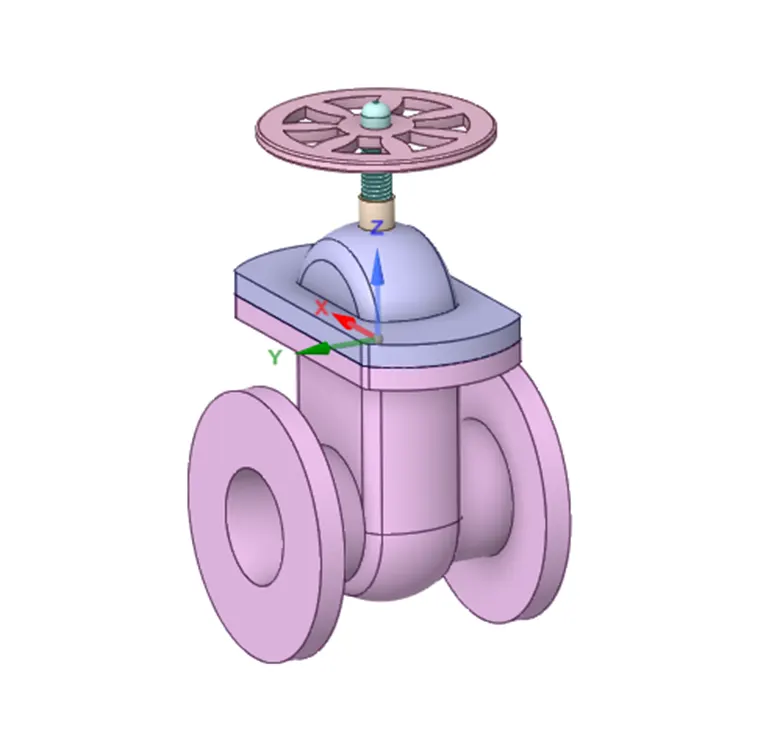
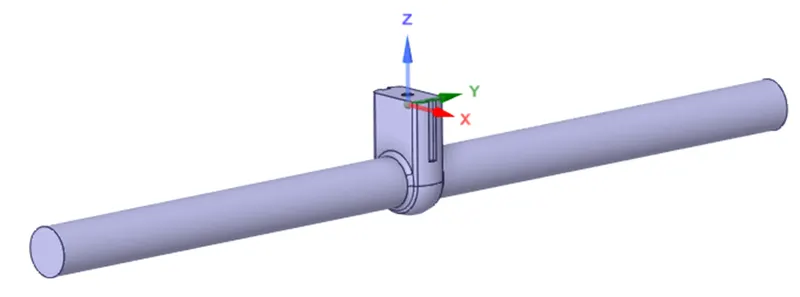
Parametric study
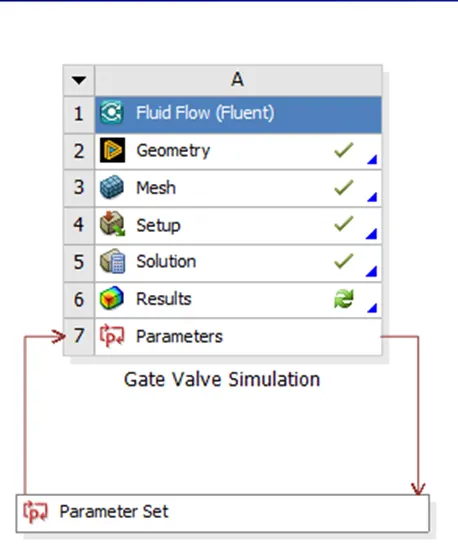
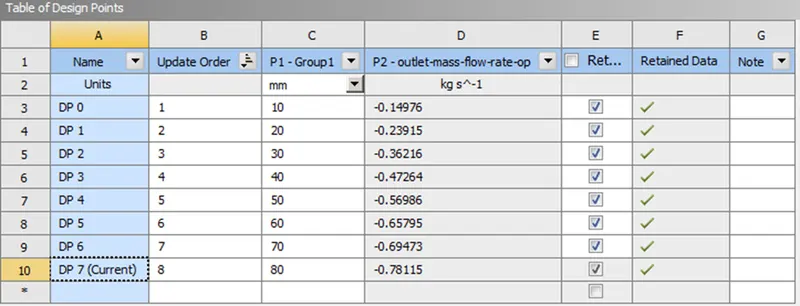
Setup
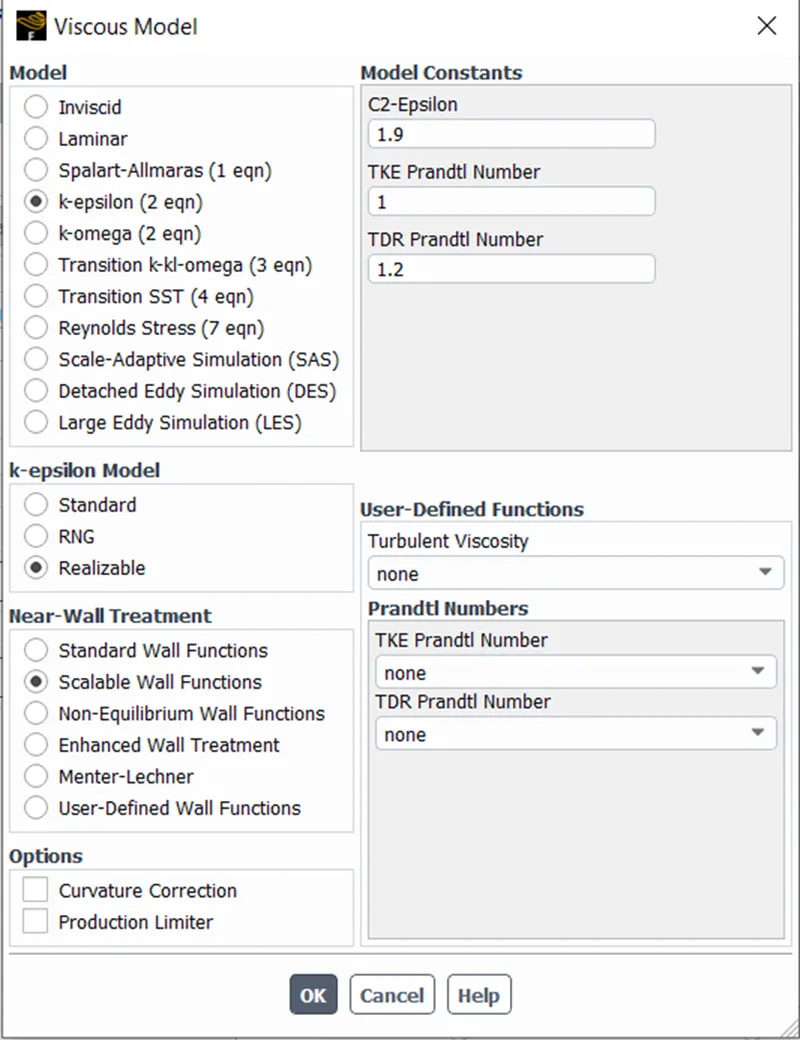
In setup enable the gravity and select the model as k-epsilon, realizable
Select the water as material and give the inlet boundary condition as pressure inlet as 10pa and outlet boundary as 0pa.
Create report definition for mass flow rate for inlet and give this as output oarameter and initialize with standard initialization.
Result
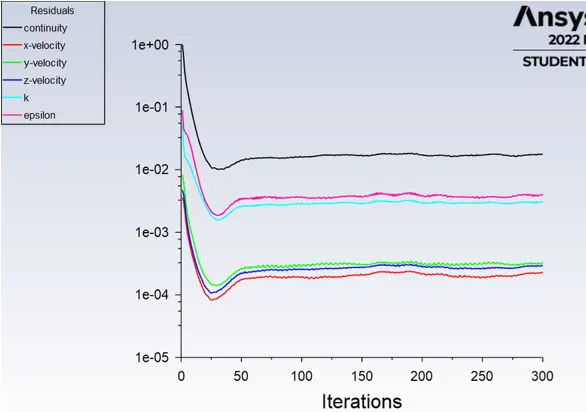
case1
Flow coefficient.
Pascal to psi conversion 1pa=0.000145038 psi, 10pa=0.00145038 psi
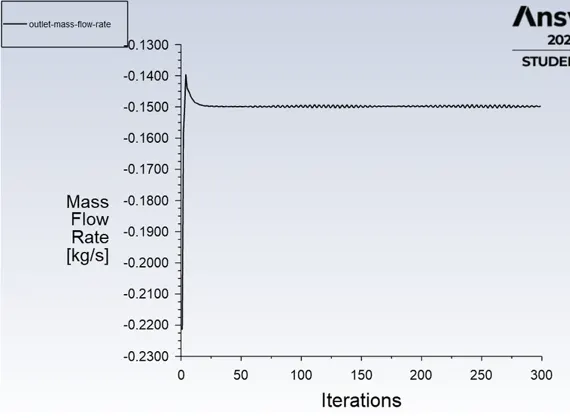
Q=0.1497 kg/s
Q=3.21 in GPM
`Cv=Q.(sqrt(SG))/(DeltaP)`
Sg= specific gravity of wqter=1
`DeltaP`is pressure difference
Cv=84.2987
Flow factor
Kv=0.865⋅Cv
Kv=72.9183
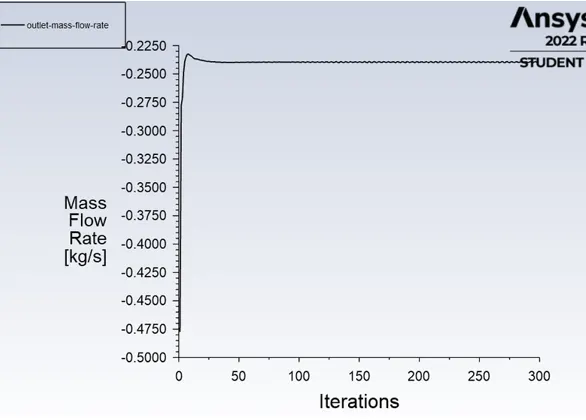
Mass flow rate
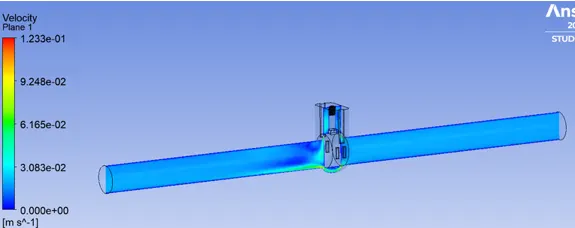
Velocity contour
Case 2
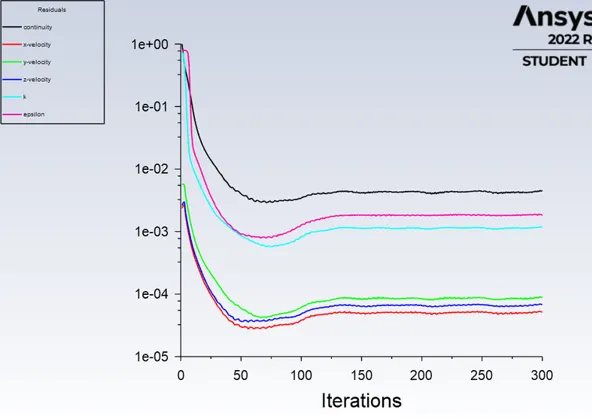
Mass flow rate
Flow coefficient.
Pascal to psi conversion 1pa=0.000145038 psi, 10pa=0.00145038 psi
Q=0.2391 kg/s
Q=5.13 in GPM
`Cv=Q.(sqrt(SG))/(DeltaP)`
Sg= specific gravity of wqter=1
`DeltaP`is pressure difference
Cv=134.7027
Flow factor
Kv=0.865⋅Cv
Kv=116.5178
Velocity contour
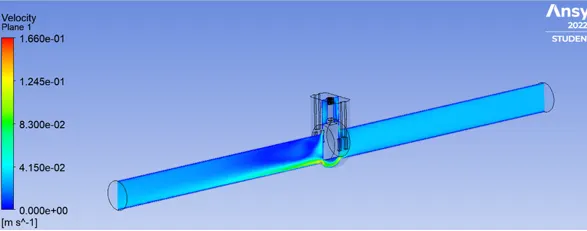
case 3
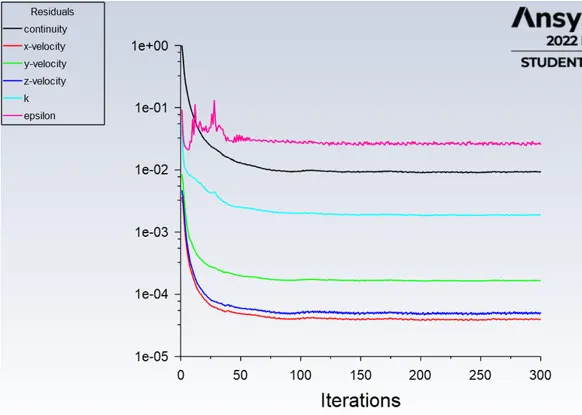
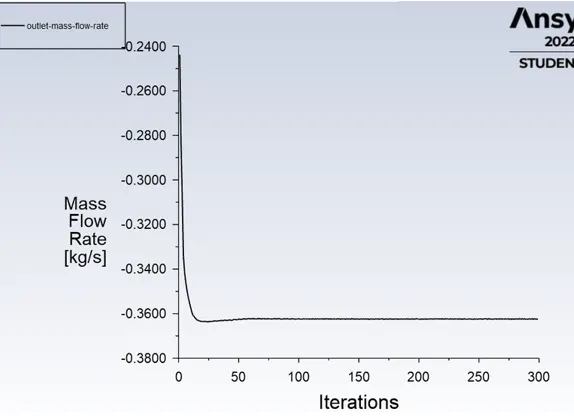
Mass flow rate
Flow coefficient.
Pascal to psi conversion 1pa=0.000145038 psi, 10pa=0.00145038 psi
Q=0.1497 kg/s
Q=7.76 in GPM
`Cv=Q.(sqrt(SG))/(DeltaP)`
Sg= specific gravity of wqter=1
`DeltaP`is pressure difference
Cv=203.7608
Flow factor
Kv=0.865⋅Cv
Kv=176.2
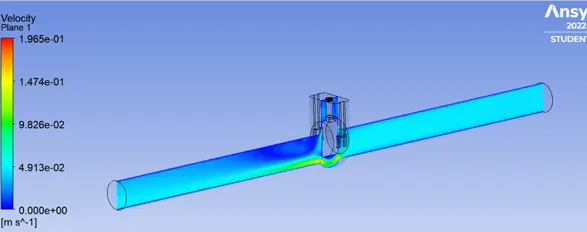
Velocity contour
Case 4
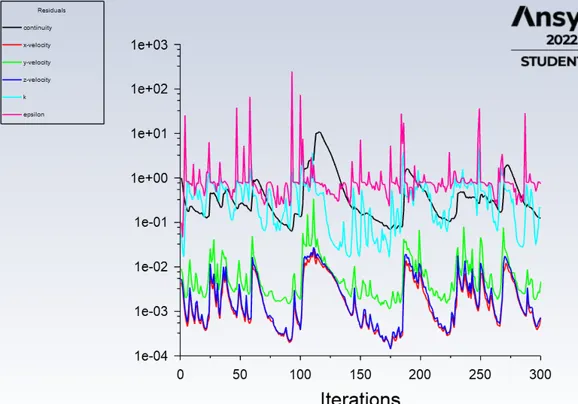
Mass flow rate
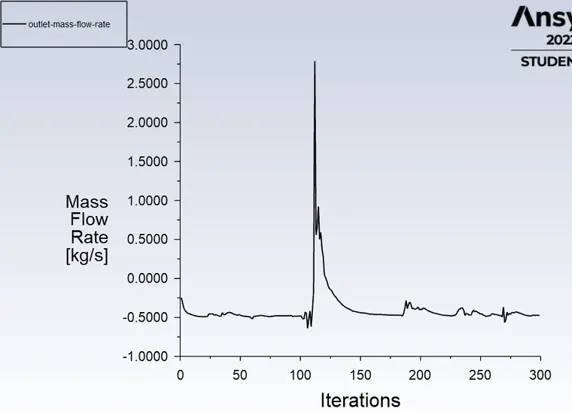
Flow coefficient.
Pascal to psi conversion 1pa=0.000145038 psi, 10pa=0.00145038 psi
Q=0.1497 kg/s
Q= 10.13 GPM
`Cv=Q.(sqrt(SG))/(DeltaP)`
Sg= specific gravity of wqter=1
`DeltaP`is pressure difference
Cv=266.02
Flow factor
Kv=0.865⋅Cv
Kv=230.11
Velocity contour
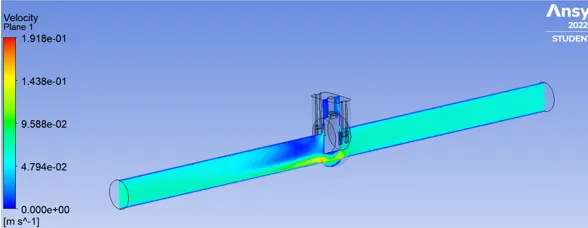
Case 5
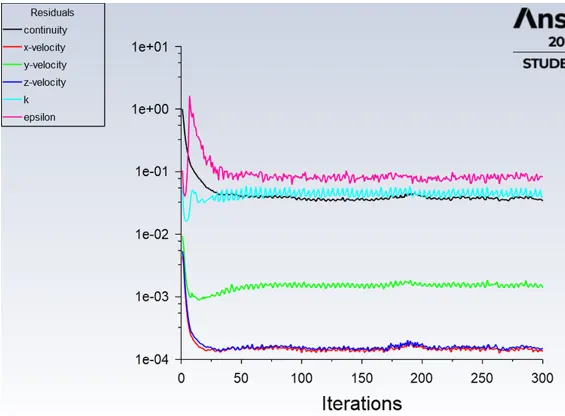
Mass flow rate
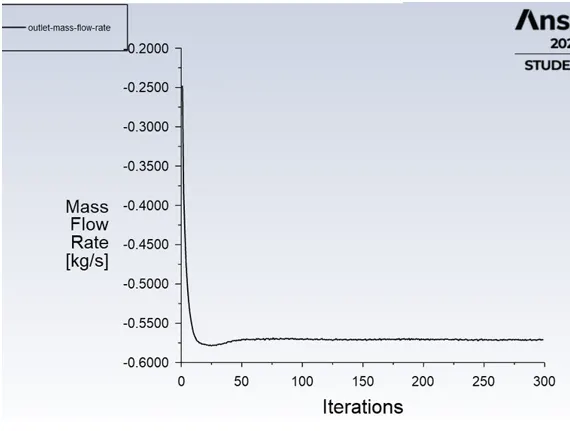
Flow coefficient.
Pascal to psi conversion 1pa=0.000145038 psi, 10pa=0.00145038 psi
Q=0.1497 kg/s
Q=12.2 GPM
`Cv=Q.(sqrt(SG))/(DeltaP)`
Sg= specific gravity of wqter=1
`DeltaP`is pressure difference
Cv=320
Flow factor
Kv=0.865⋅Cv
Kv=277
Velocity contour
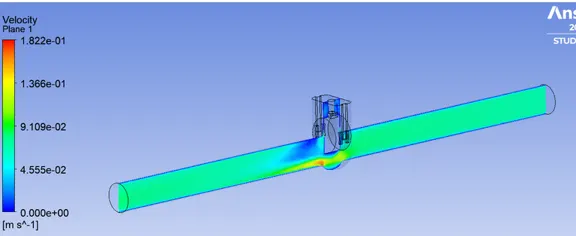
Case 6
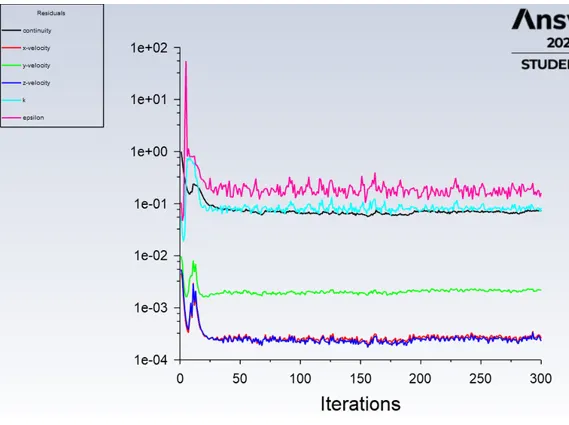
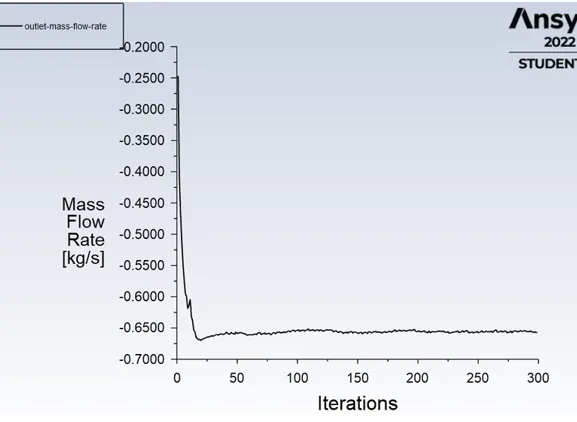
Mass flow rate
Flow coefficient.
Pascal to psi conversion 1pa=0.000145038 psi, 10pa=0.00145038 psi
Q=0.1497 kg/s
Q=14.1 GPM
`Cv=Q.(sqrt(SG))/(DeltaP)`
Sg= specific gravity of wqter=1
`DeltaP`is pressure difference
Cv=367
Flow factor
Kv=0.865⋅Cv
Kv=315
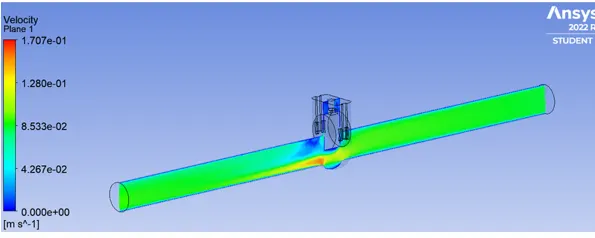
Velocity contour
Case 7
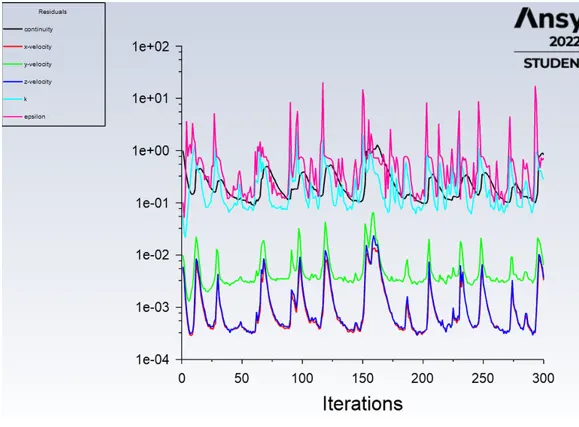
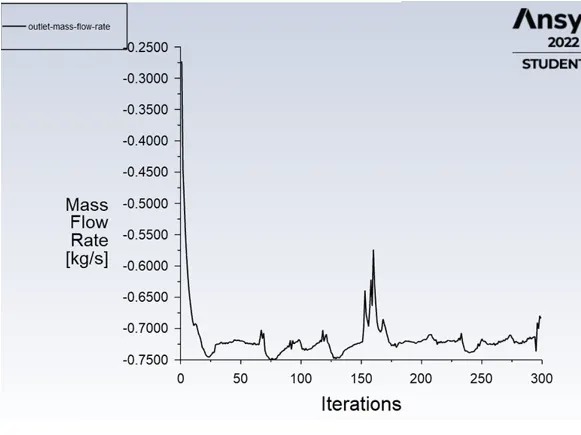
Mass flow rate
Flow coefficient.
Pascal to psi conversion 1pa=0.000145038 psi, 10pa=0.00145038 psi
Q=0.1497 kg/s
Q=14.9 in GPM
`Cv=Q.(sqrt(SG))/(DeltaP)`
Sg= specific gravity of wqter=1
`DeltaP`is pressure difference
Cv=391
Flow factor
Kv=0.865⋅Cv
Kv=338
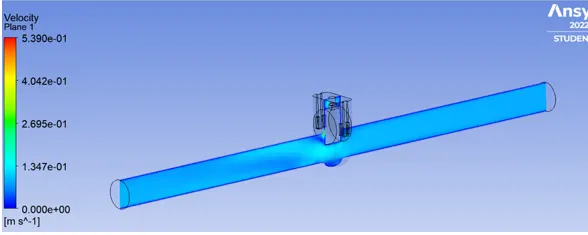
Velocity contour
Case 8
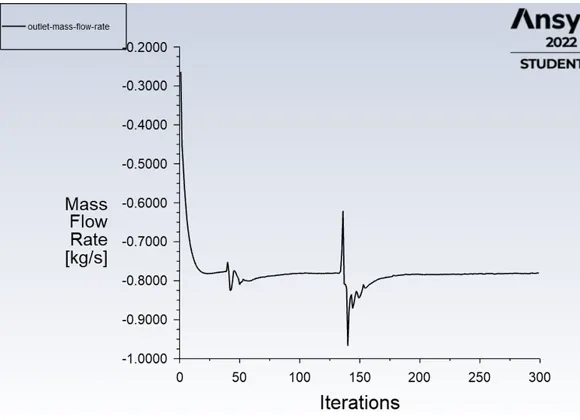
Mass flow rate
Flow coefficient.
Pascal to psi conversion 1pa=0.000145038 psi, 10pa=0.00145038 psi
Q=0.1497 kg/s
Q=16.7 in GPM
`Cv=Q.(sqrt(SG))/(DeltaP)`
Sg= specific gravity of wqter=1
`DeltaP`is pressure difference
Cv=440
Flow factor
Kv=0.865⋅Cv
Kv=380
Velocity contour
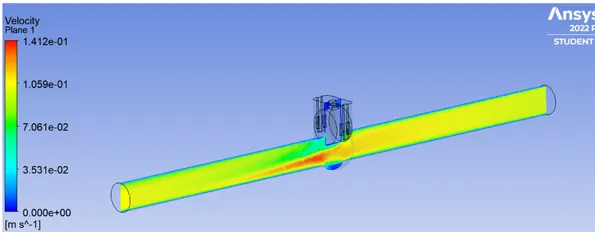
As we increase the lift the flow coefficient and flow factor increases. and the mass flow rate of water increases with increase in height as more water can flow through the gap.