Week 8 - Challenge 4 - Bumper
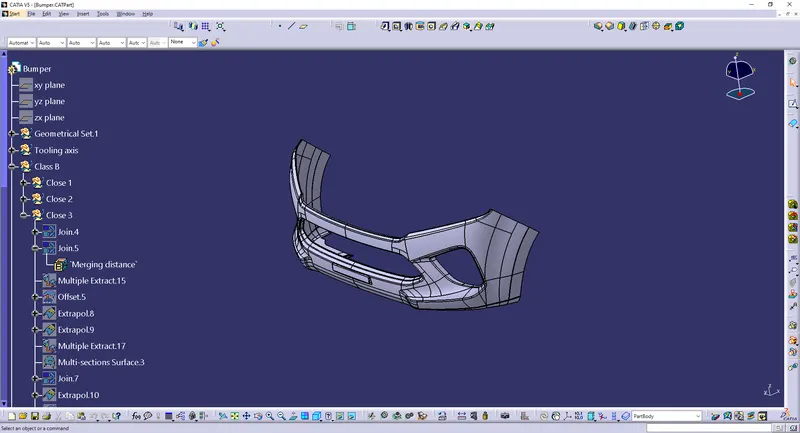
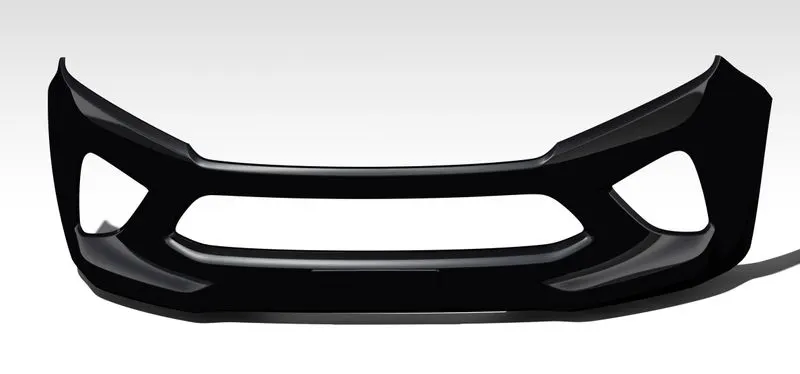
Class A Surface:-
# its the surface which will be visible to the coustomer
# it contains all the asthetic shape and high surface quality
# its the surface which is used to creat plastic part
Draft Analysis:-
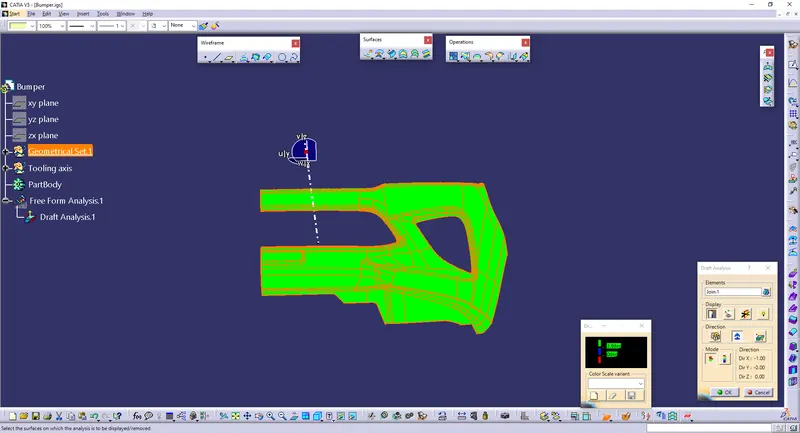
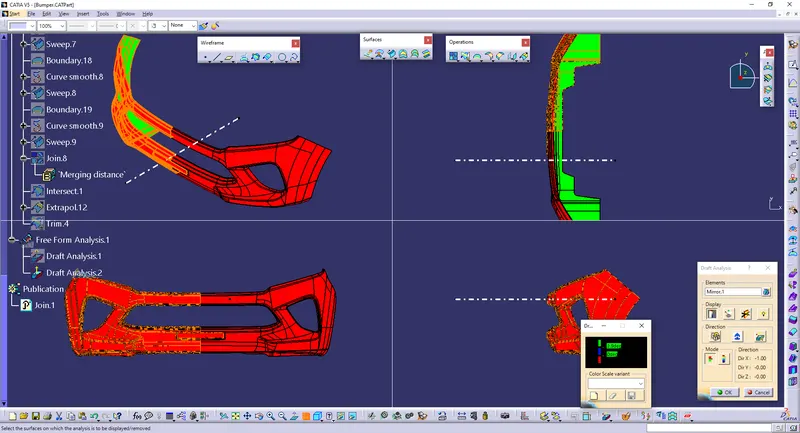
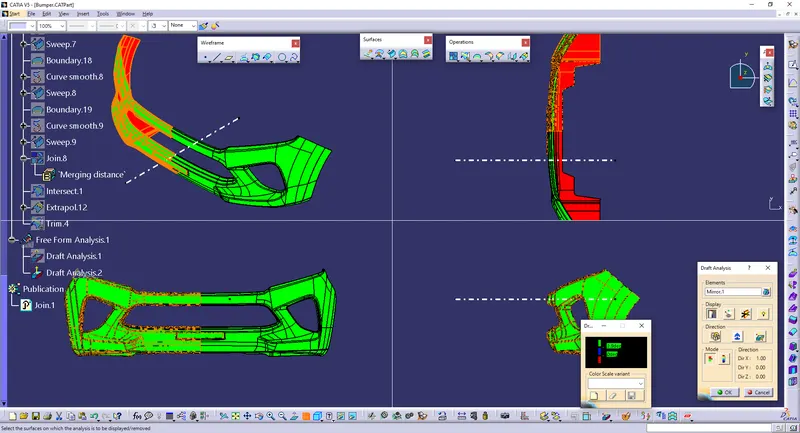
# The draft analysis technique is used to analyze whether our part model created in CAD is manufacturable based on the draft condition applied
# Green denotes the draft angle is standard 3 degree
# Blue denotes it is below 3 degree
# Red denote that the product is not productable
In this design I have used 90deg draft angle
Material Used:-
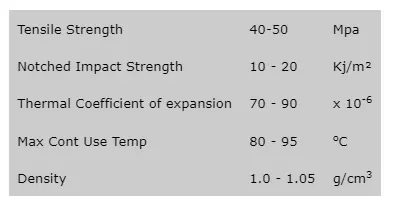
ABS Acrylonitrile Butadiene Styrene
ABS is an ideal material wherever superlative surface quality, colorfastness and luster are required. ABS is an extremely cost-effective material for components with stringent service requirements, or where there is weight-saving potential.
ABS standard grades have been developed specifically to meet the requirements of major customers. ABS is readily modified both by the addition of additives and by variation of the ratio of the three monomers Acrylonitrile, Butadiene and Styrene: hence grades available include high and medium impact, high heat resistance, and electroplatable. Fibre reinforcement can be incorporated to increase stiffness and dimensional stability. ABS is readily blended or alloyed with other polymers further increasing the range of properties available. Fire retardancy may be obtained either by the inclusion of fire retardant additives or by blending with PVC. The natural material is an opaque ivory colour and is readily coloured with pigments or dyes. Transparent grades are also available.
Tooling Axis:-
# The direction in which the mold called the tooling axisor core and cavity opens is tooling asix
# The drafting angle (3 degree) will be considered according to the tooling asis
# The white which passes through the class A surface is called tooling axis
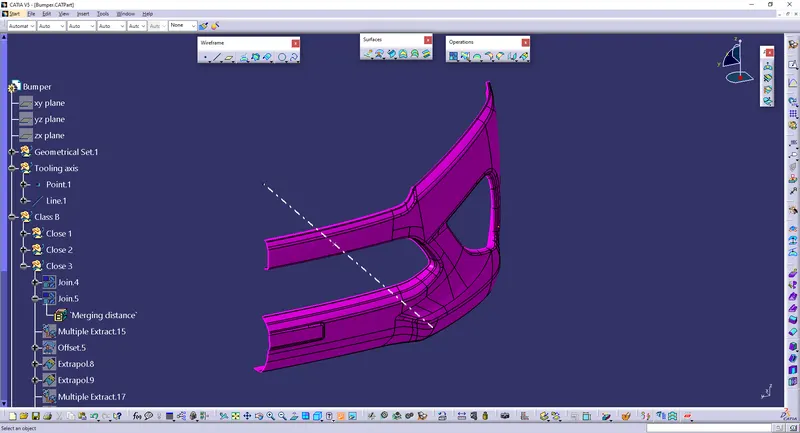
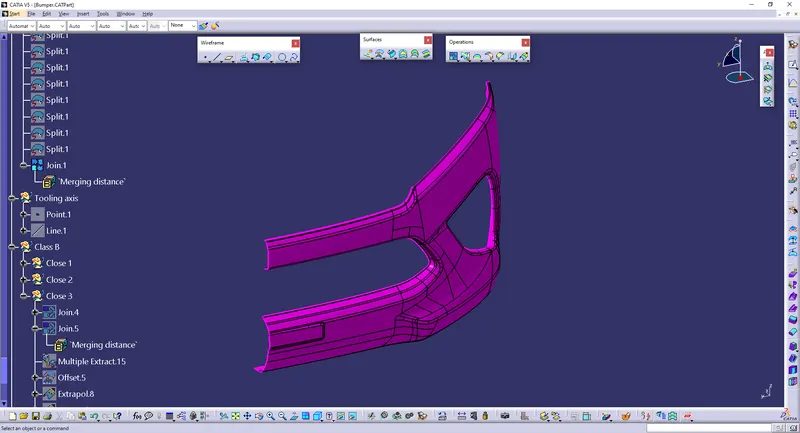
Class B Surface:-
# it is the inner surface of the model which will not be seen by the coustomer
# it contains the engineerg aspects of the model
# it is surface where ejector pins will make contact
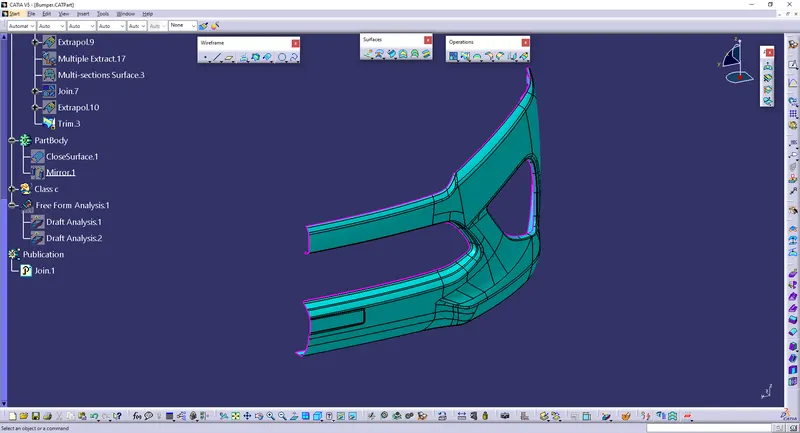
Class C Surface:-
# It is the surface which joins Class A and Class B Surface
# It determines the thickness of the model
# it is not visible most of the time