Week 8:- 3D Finishing - Challenges 1
1.What do you understand by the 3D finish process?
3D Finishing is the process where design is begin completely finishing & to be ready for final simulation & 2D detalling
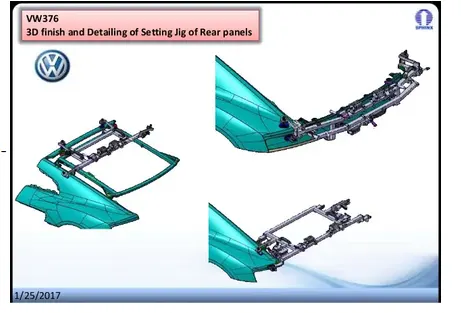
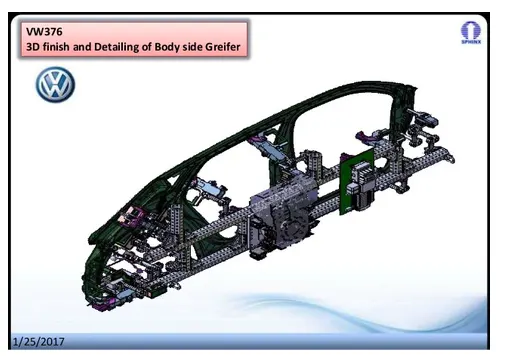
While finishing the design the nominality of hole is checked which ensure the easy assembly of all the units
The hole concentricity &hole sizes are checked which ensures the easy assembly of different parts.
The gap between the different units are checked to ensure the property individual working of differnt units
Fasteners are implemented as per the hole size & the standard color codes as per the customer requirement are applied to differenitate the types of hole wheather its simple hole, threadhole or counterbore hole
After doing all these things the model is sent simulation & 2D details
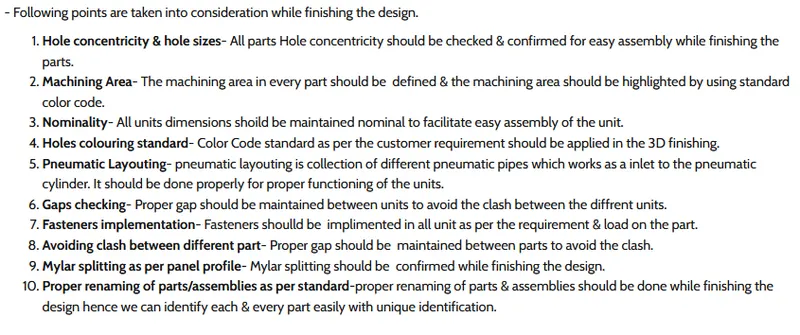
2. What are the point need to be taken care of while finishing the design ?
1. Hole concentricity & Hole size - All parts Hole Concentricity Should be checked & comfirmed for easy assembly while finishing the part
2. machining Area -Machining area in every part should be defined & the machining area should be highlighted by using standard color code
3.Nominality- All unit dimension should be maintained nominal to facilitate easy assembly of the unit
4.Hole colorunig standard -Color code standard as per cuastomer requirement should be applied 3D finishing
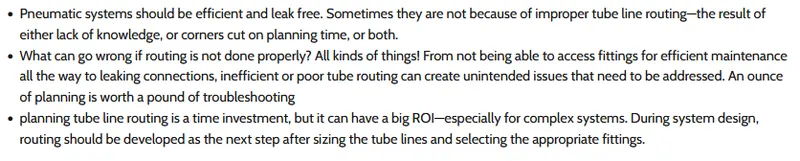
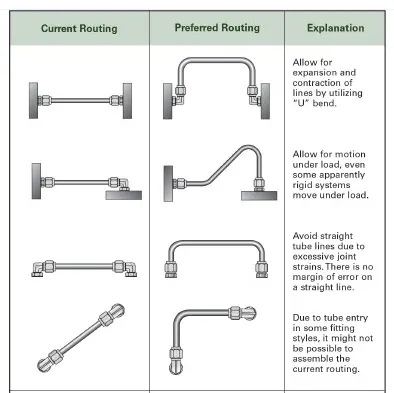
5.penumatic Layounting - penumatic Layounting is collection of different penumatic pipes which works as a inlet to the penumatic cylinder . it should to be done properly for proper funcation of the units
6. Gaps Checking - Proper gas should be maintained between units aviod the clash between the different units
7.Fastering impelmention -Fastering should be implimented in all unitsas per the requirement & load on the part
8.Avoiding clash between different part- Proper gas should be mainted between parts to aviod the clash
9.Mylars splitting as per panel profile - mylars splitting should be confirmed while finishing the part
10.Proper Renaming of part/Assembly as per Standard - Proper renaming of parts/ assembly should be done while finishing the design hences we can identify each & every part easily with unique idenitifaction
2.What are the points need to be taken care of while finishing the design?
Following are the point need to be considered while designing the rough locator
1.Rough locator should be placed at the edges of the car panel, which it has to guide
2.Rough locator has to be placed in the same angle of the car part edges with minimum distances of 2-5mm from the edges of the car part
3.Rough locator should guide the panel in pin arresting direction
4.Rough locator should guiding the panel before 10 to 15mm to the start of the pin engagement
5. Rough locator should be designed with entry angle for the car panel.Generally it ranges between 30-45degree
6.Rough locator should be designed with two slots to mount the easy adjustment
7.the slot should be in the direction of car part guiding
3.What are the points need to be taken care of while finishing the design?
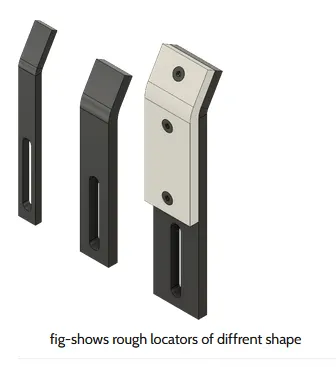
4.What are rough locators & while is their use ?
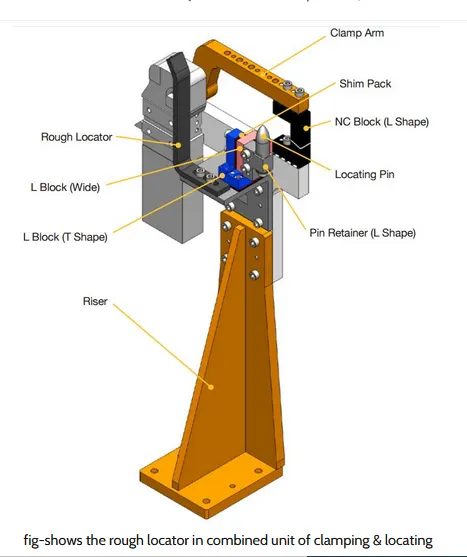
-A Rough locator is a part designed to guide the operation to locator the car panel on the pin according . A rough locator can be of standard part or make part.
-Rough locator are used to help locator workpieces in the automation process. locating refers to the desires locating where are you want the workpieces to be when it is getting worked on either by a person team or robot
-The Accuracy of the locating components directly affeting the considency and how the final product will come out. this is why these components are essential to your setup
5. what is the gun study process?
welding is perdominantely used in automoblies industrial and requirement foe fixture that ease the welding process is a continous development task in any industrial
-Car body-In-White (BIW) is complicated steel-structured including 300-500 sheets with complex shape and are assembly by means of welding in a highly rhytham though 55-75 robotic work-station
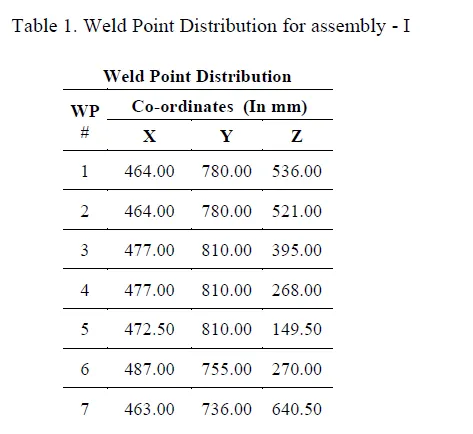
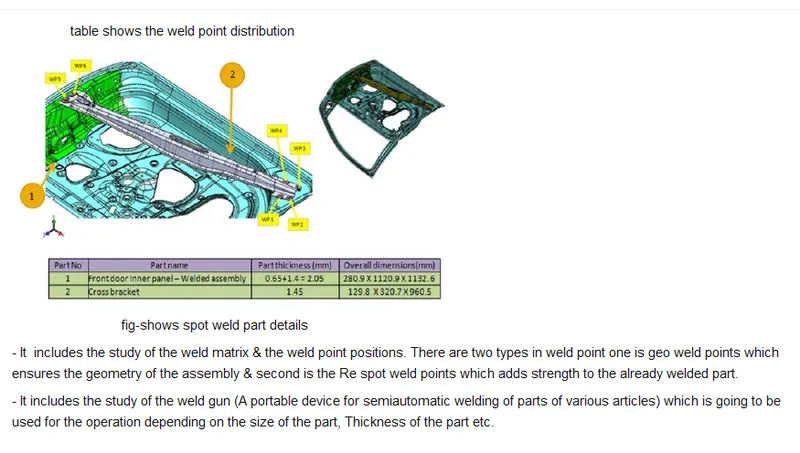
-the welding spots for front door inner panel -side bracket assembly are locator show table 1 with respect to the body line of car
6.What re the points need to consider during the gun study?
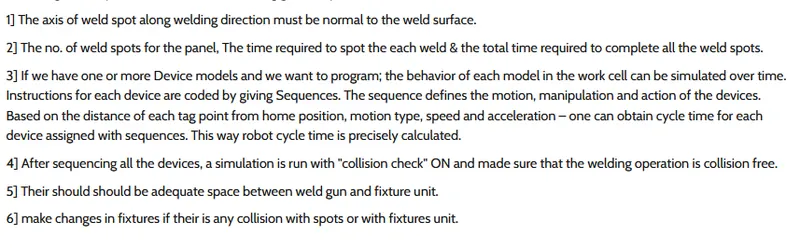
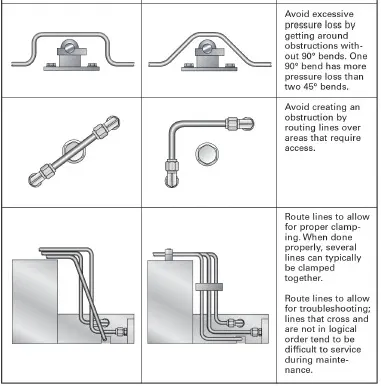
7.What is pneumatic routing?
8.8.
888888666677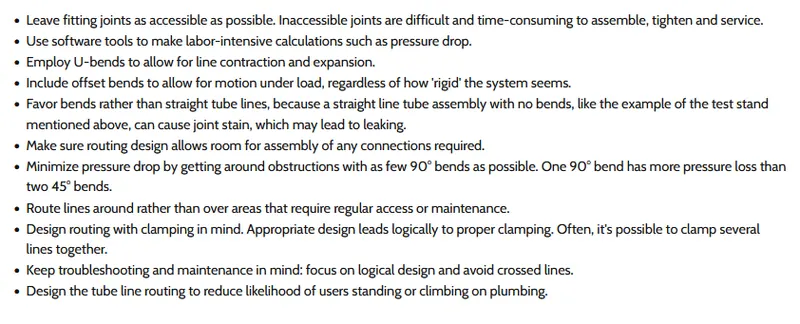
8.What is the solenoid valve?
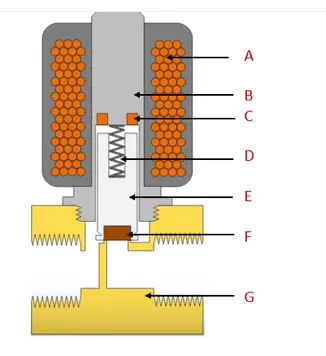
Solenoid valves differ in the characteristics of the electric current they use, the strength of the magnetic field they generate, the mechanism they use to regulate the fluid, and the type and characteristics of fluid they control. The mechanism varies from linear action, plunger-type actuators to pivoted-armature actuators and rocker actuators. The valve can use a two-port design to regulate a flow or use a three or more port design to switch flows between ports. Multiple solenoid valves can be placed together on a manifold.
Solenoid valves are the most frequently used control elements in fluidics. Their tasks are to shut off, release, dose, distribute or mix fluids. They are found in many application areas. Solenoids offer fast and safe switching, high-reliability, long service life, good medium compatibility of the materials used, low control power and compact design.
9.What is the valve bank?
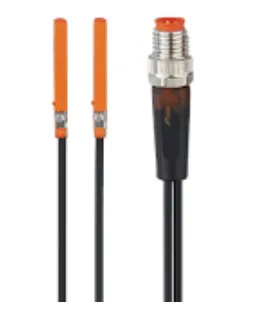
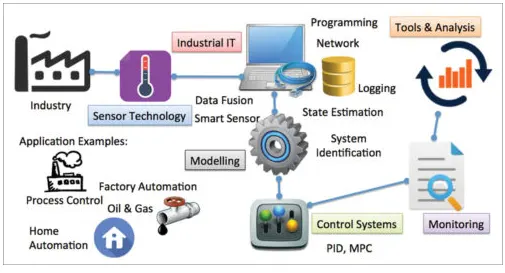
Sensors are used for many different applications throughout different industries. They are used in everyday applications as well as more industrial applications.
A sensor is a measuring device which senses a change in their surrounding environment, they are often manufactured into larger systems and devices and can monitor different variables depending on the type of sensor they are.
There is a multitude of different sensor types, the most popular categories we can offer are; position sensors, pressure sensors, temperature sensors and load and force sensors.
Sensors are used in so many applications including motorsport, agriculture, medicine, industrial, aerospace, agriculture and mor
11.What are the types of the sensor?
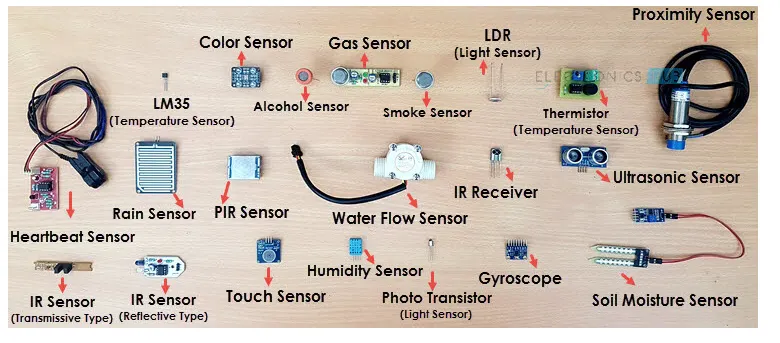
- Temperature Sensor.
- Proximity Sensor.
- Accelerometer.
- IR Sensor (Infrared Sensor)
- Pressure Sensor.
- Light Sensor.
- Ultrasonic Sensor.
- Smoke, Gas and Alcohol Sensor.
12.What are the fundamental points that need to consider while designing or selection of sensor?