Week 7 State of charge estimation
SIMULATION OF 3 TEST CASESFROM HARNESS DASHBOARD: First we need to select the harness dashboard from project file given to us
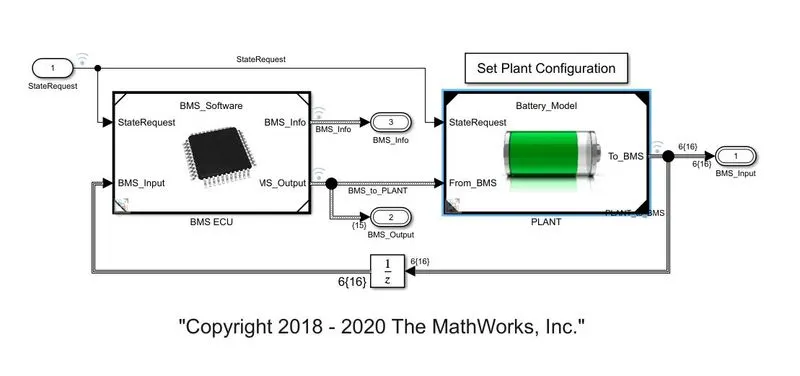
The closed loop harness dashboard model is :
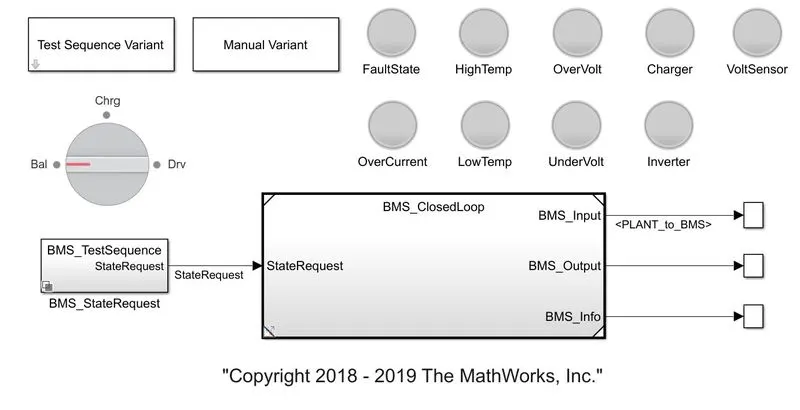
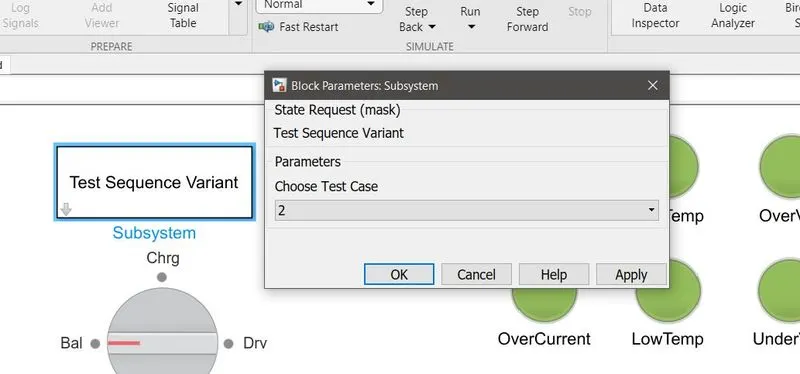
Now click on the test sequence varient.
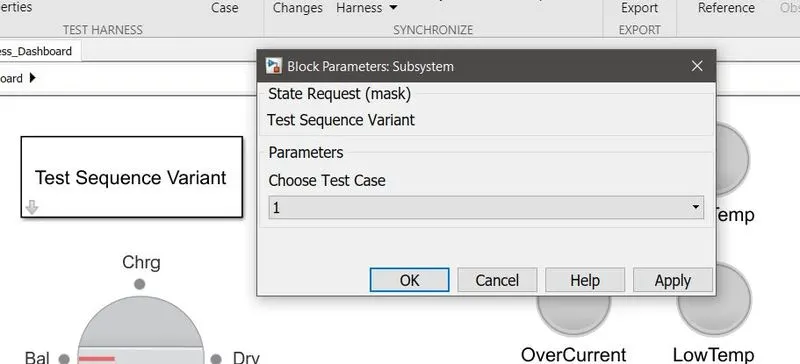
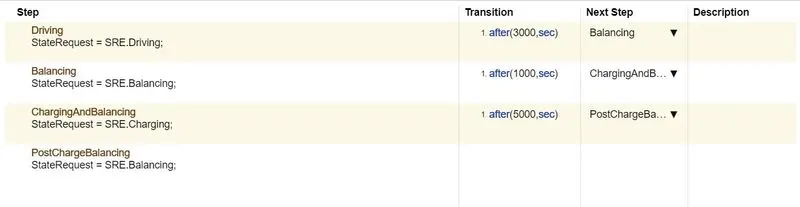
we can see that after 3000 sec. it will be in balancing mode,after 1000 sec. it will be charging and discharging balancing mode,after 5000 sec. it will be in post charging balancing mode.
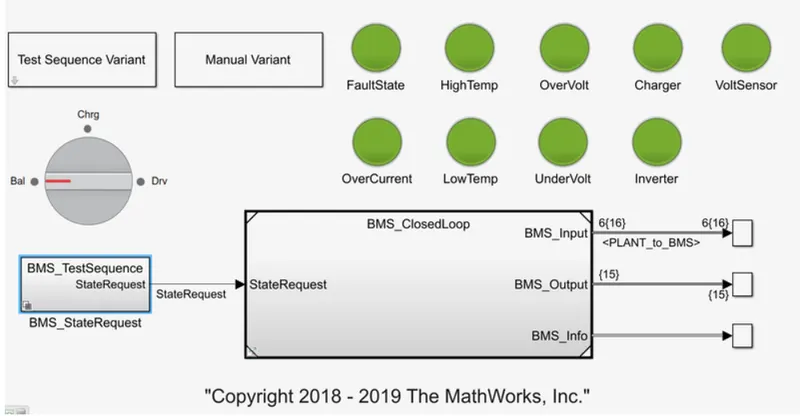
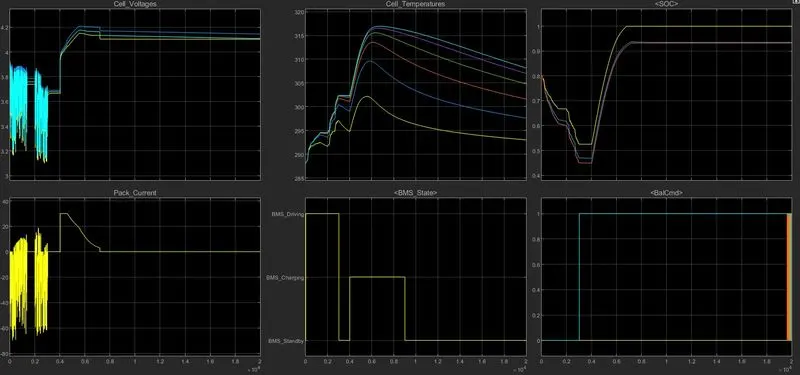
Now in 2nd variant case:
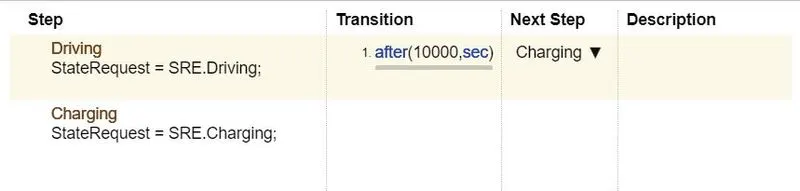
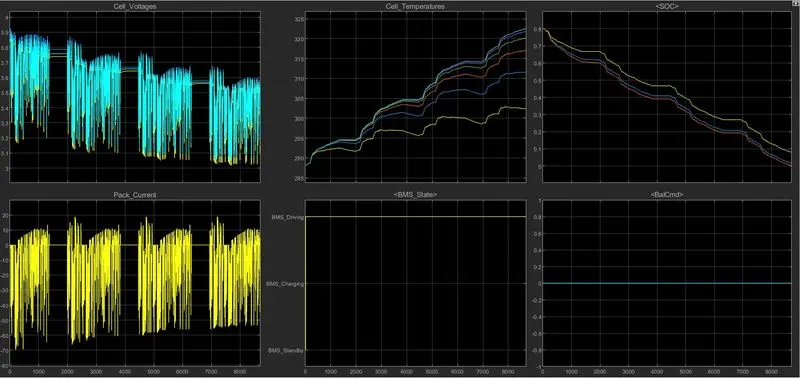
Here we can see battery discharge fully in 8692 sec.ans charging state was not achived in 10000 sec.
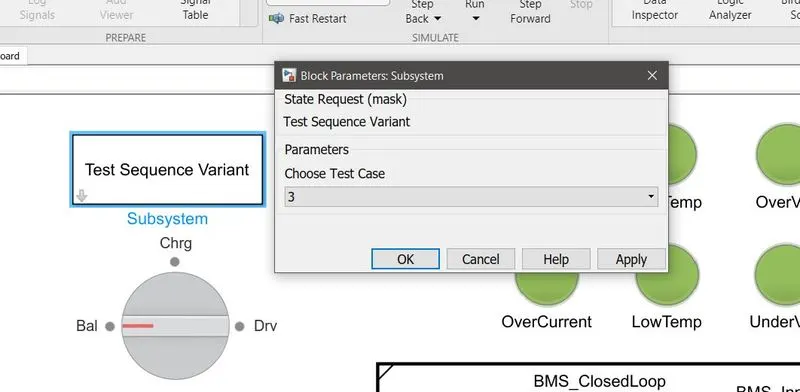
Now 3rd case:

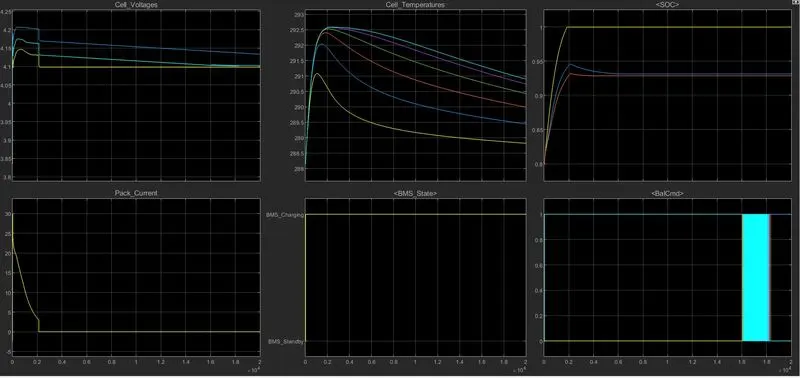
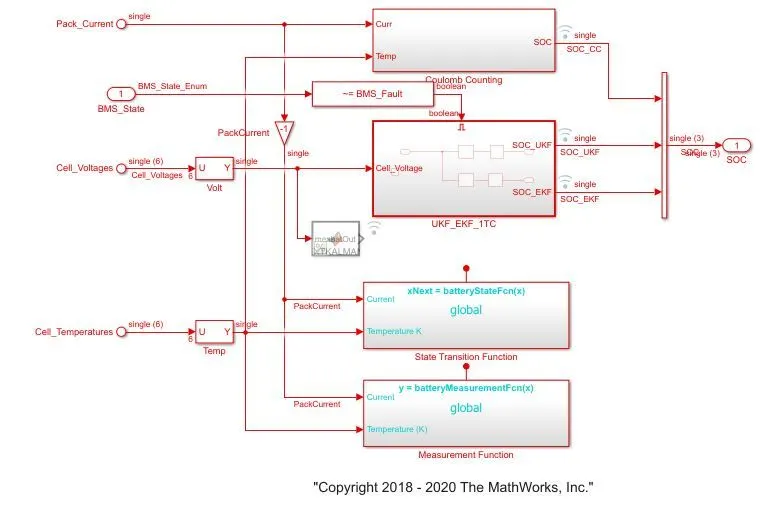
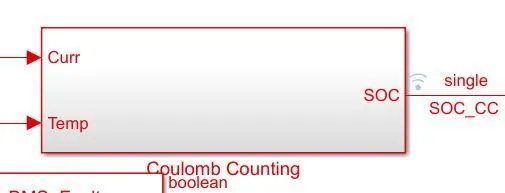
COULOMB COUNTING:
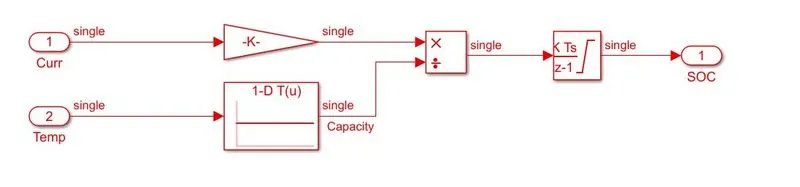
The Coulomb counting method measures the discharging current of a battery and integrates the discharging current over time in order to estimate SOC . Coulomb counting method is done to estimate the SOC (t) , which is estimated from the discharging current I(t), , and previously estimated SOC values SOC(t-1), . SOC is calculated by the following equation:
SOC(t)=SOC(t-1)+I(t)/Q(n)*del(t)
But there are several factors that affect the accuracy of Coulomb counting method including temperature, battery history, discharge current, and cycle life .
MODIFIED COULOMB COUNTING METHOD:
To improve the Coulomb counting method, a new technique called modified Coulomb counting method is proposed. The modified Coulomb counting method uses the corrected current to improve the accuracy of estimation.
The corrected current is the function of discharging current. There is a quadratic relationship between the corrected current and discharging current of battery. By practice of experimental data, corrected current is calculated by the following form:
Ic(t)=k2I(t)^2+k1I(t)+K0
In modified Coulomb counting method, SOC is calculated by the following equation:
SOC(t)=SOC(t-1)+Ic(t)/Qn*del(t).
The experimental results show that the accuracy of the modified Coulomb counting method is superior to the conventional Coulomb counting method.