Pedestrian Head Impact on a car hood
OBJECTIVE:
To perform a head impact simulation and to calculate the value of the Head Injury Criterion (HIC) for three different cases using Ls-Dyna.
GIVEN MODELS:
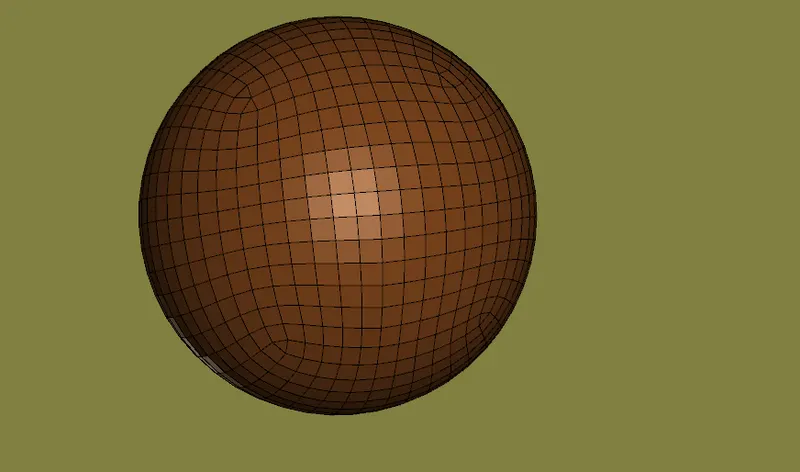
1. Simple_Head_Model
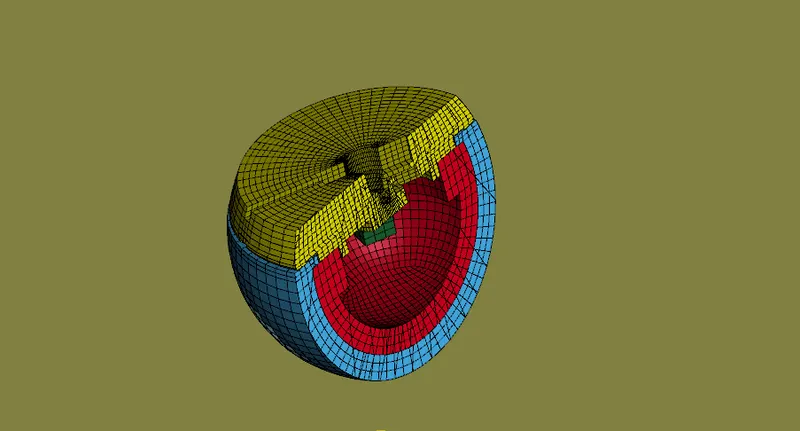
2. PEDESTRIAN_HEADFORM
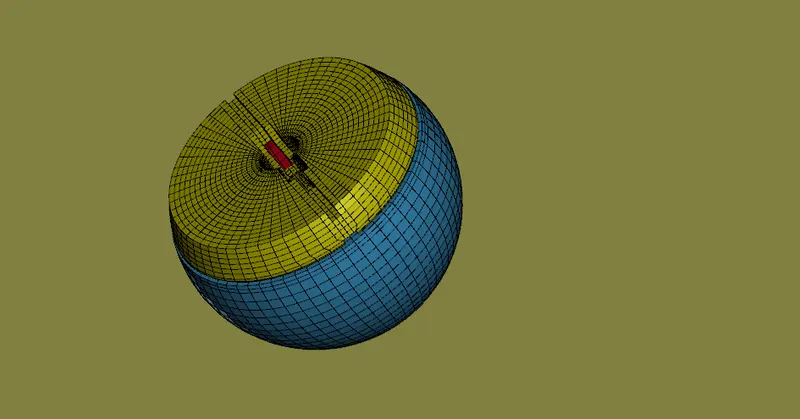
CUT SECTION VIEW OF PEDESTRIAN_HEADFORM
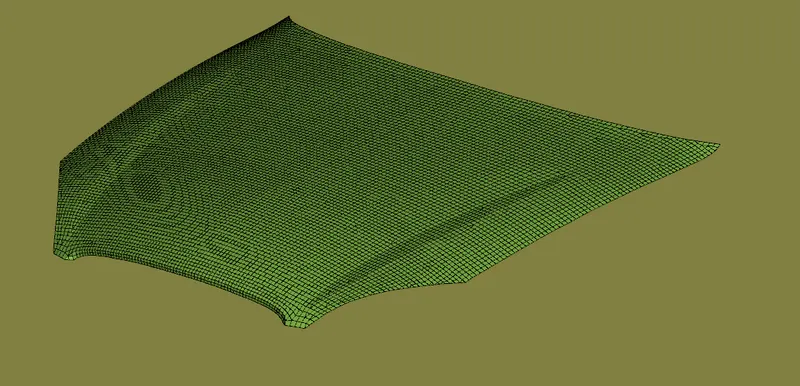
3. Meshed_Hood
CASE 1: THE IMPACT OF THE SIMPLE HEAD MODEL ON A RIGID WALL.
Boundary conditions:
1.Initial velocity(Y): 11.11mm/ms
2.Shell thickness: 2.5mm
3.Termination time: 10ms
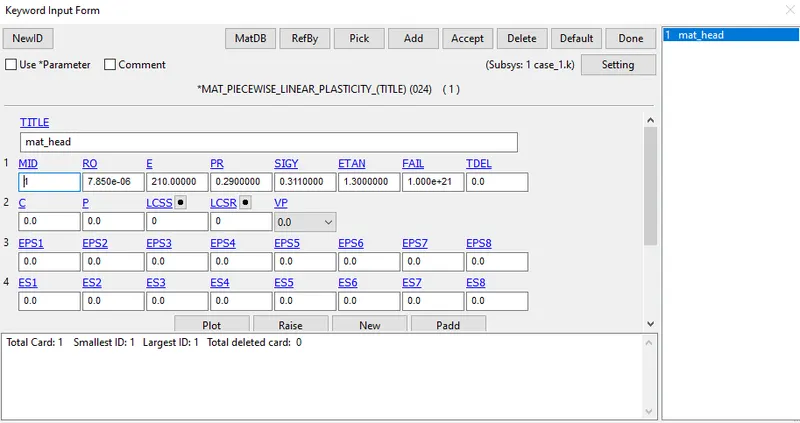
Material card for the head model:
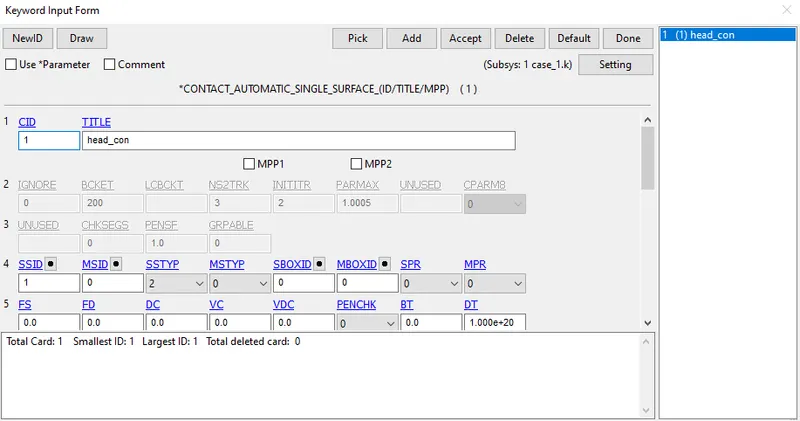
Contact Card:
RESULTS:
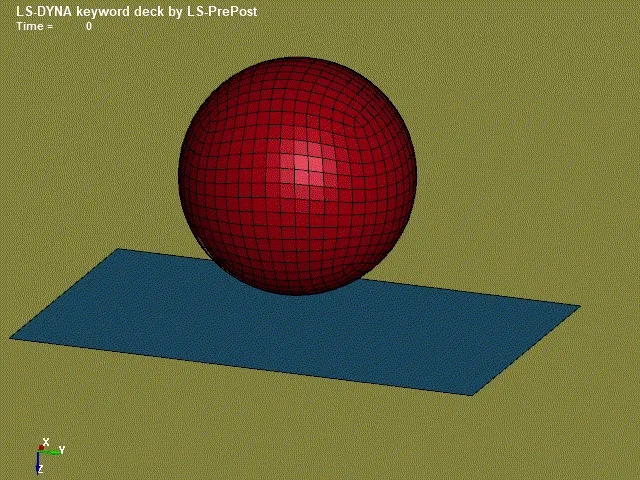
SIMULATION:
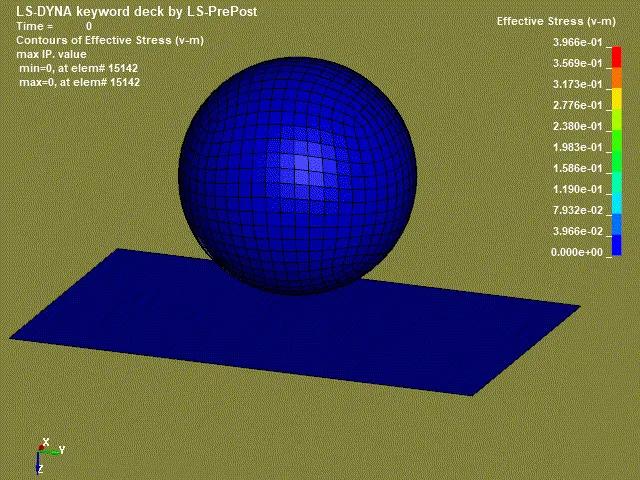
Effective Stress:
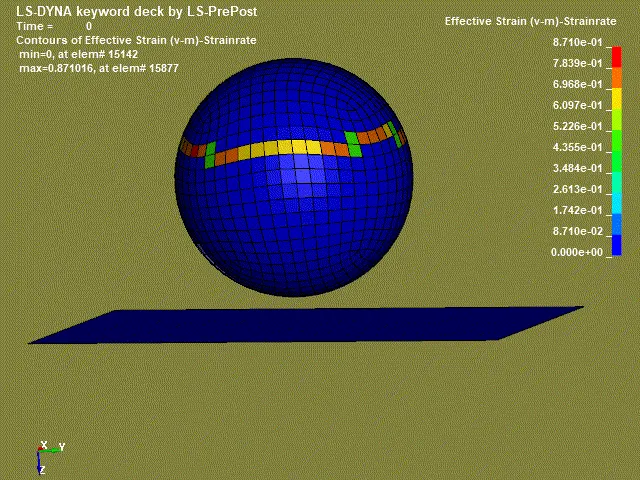
EFFECTIVE STRAIN:
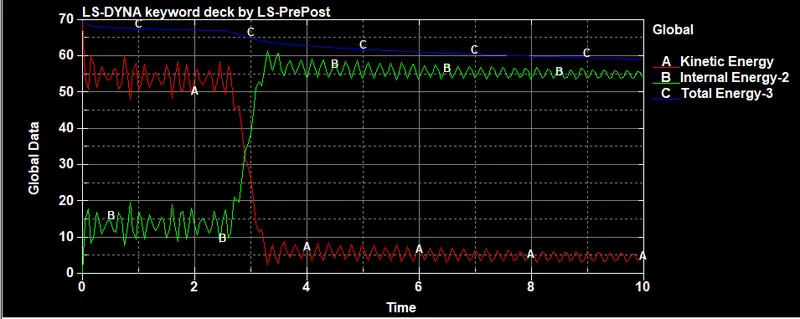
ENERGIES PLOT:
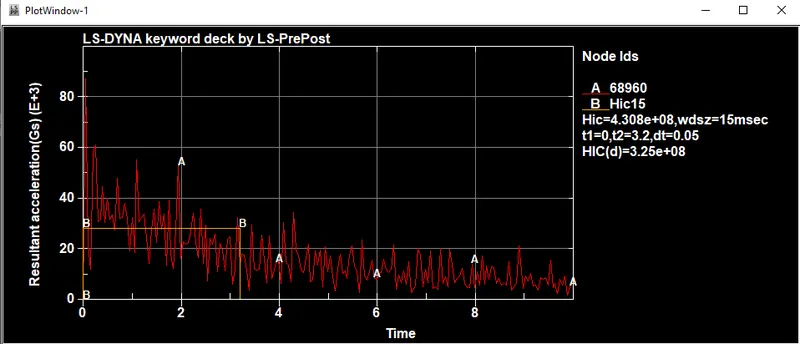
HEAD INJURY COEFFICIENT AND RESULTANT ACCELERATION:
CASE 2: IMPACT BETWEEN PEDESTRIAN HEAD FORM AND RIGID WALL:
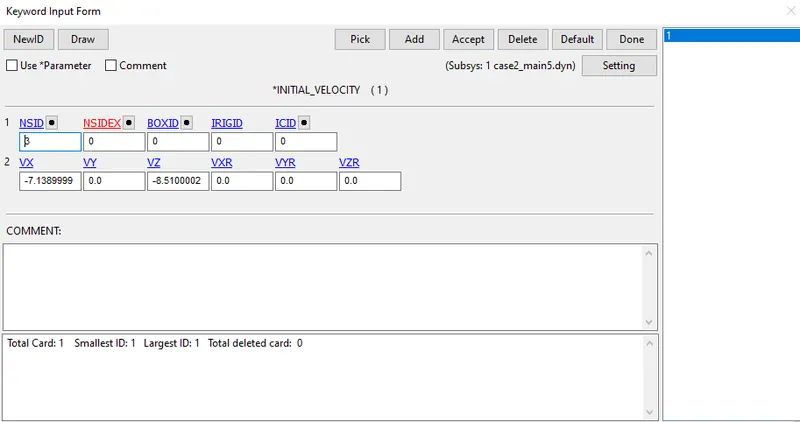
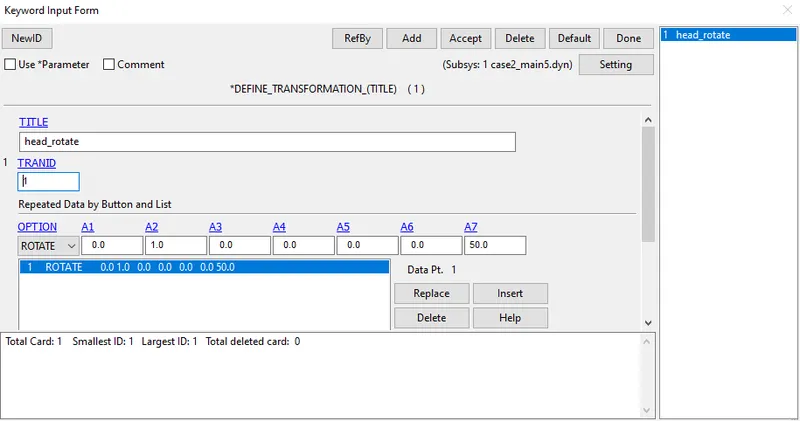
The pedestrian head form is imported to the main model and rotated as per the requirement by using *INCLUDE, *DEFINE_TRANSFORMATION AND *INCLUDE_TRANSFORMATION cards without affecting the original file.
INITIAL VELOCITY
Termination time: 10ms
Distance from the wall: 20mm
The angle of rotation of the head form:
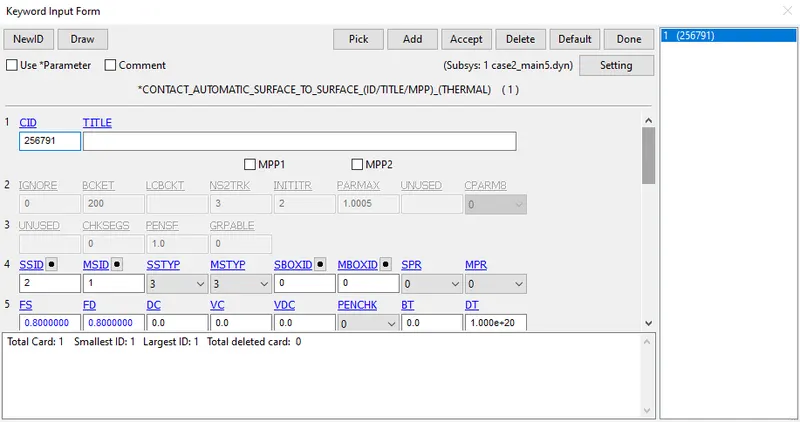
Contacts:
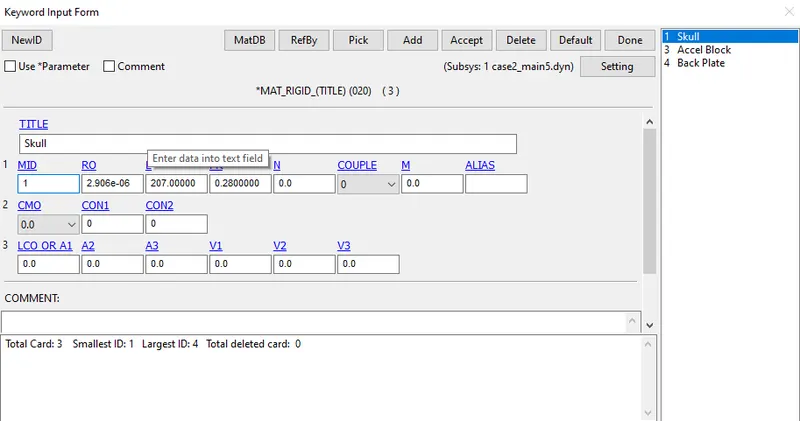
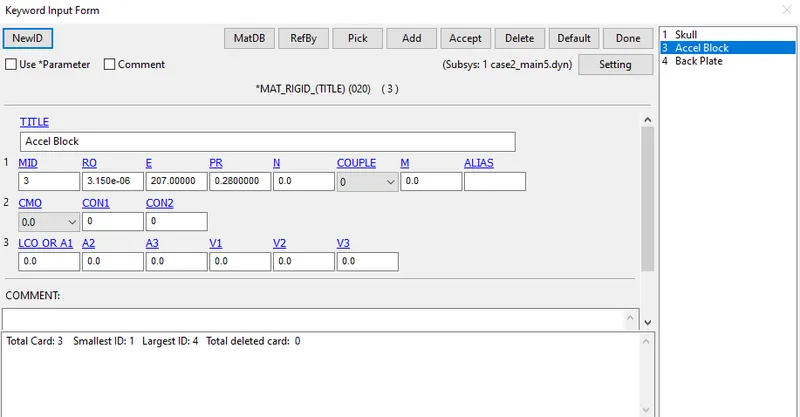
Materials card for head form:
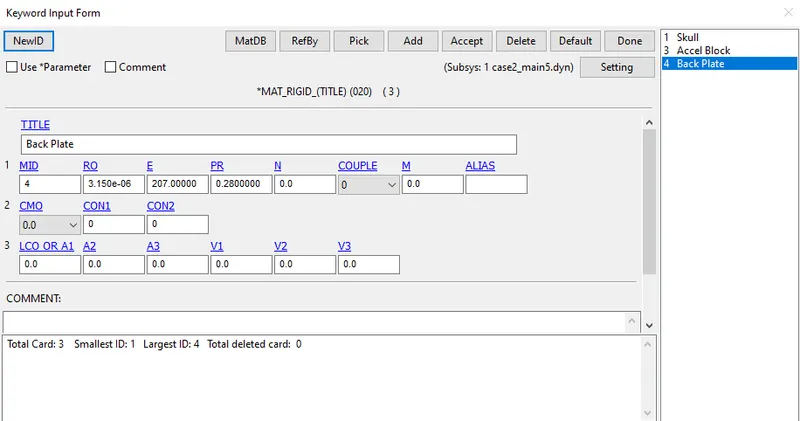
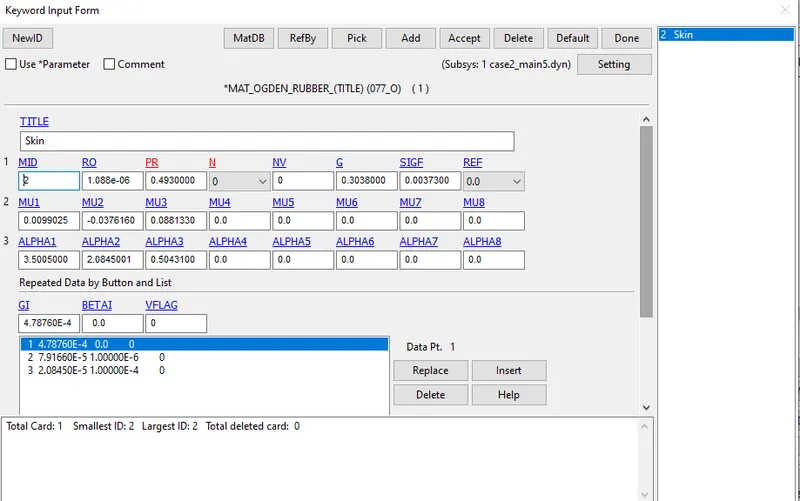
RESULTS:
Simulation:
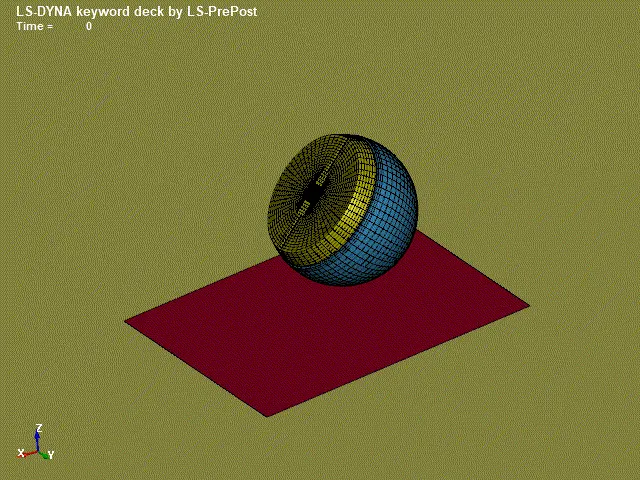
Effective Stress:
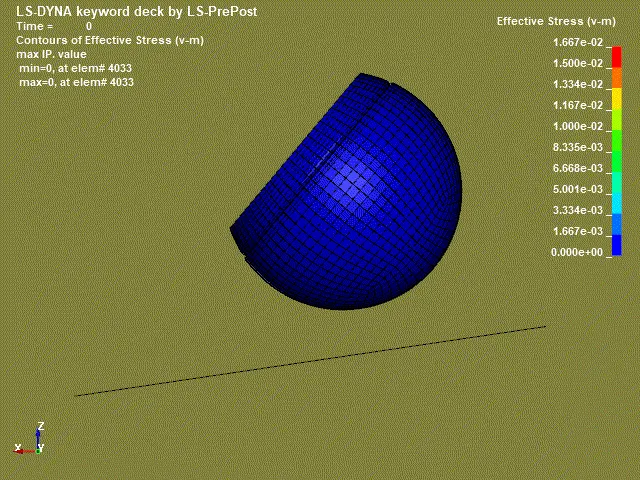
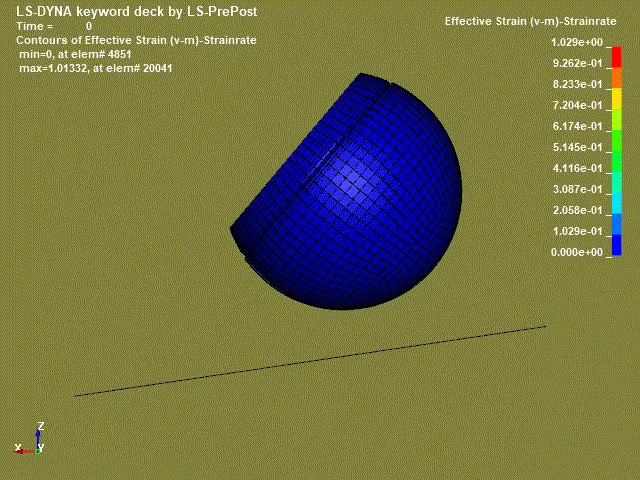
Effective strain:
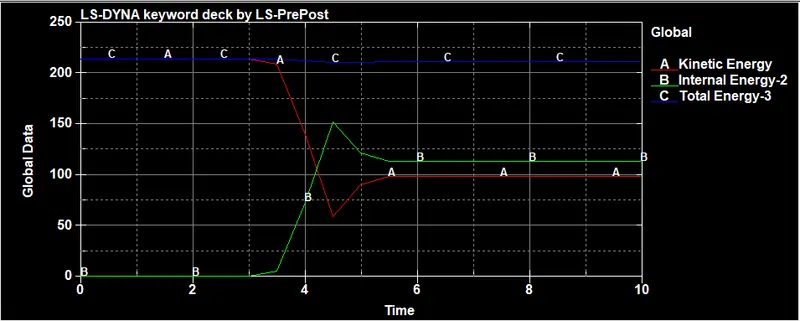
ENERGIES PLOT:
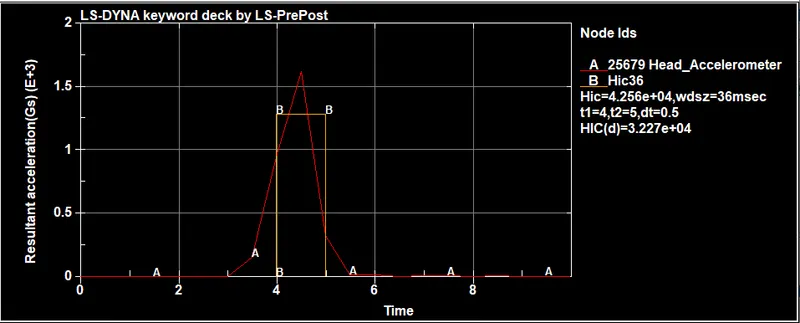
HEAD INJURY COEFFICIENT AND RESULTANT ACCELERATION:
CASE 3: IMPACT BETWEEN PEDESTRIAN HEAD FORM AND HOOD MODEL
The pedestrian head form and the hood model are imported to the main model and rotated as per the requirement by using *INCLUDE, *DEFINE_TRANSFORMATION AND *INCLUDE_TRANSFORMATION cards without affecting the original file.
Termination Time: 20ms
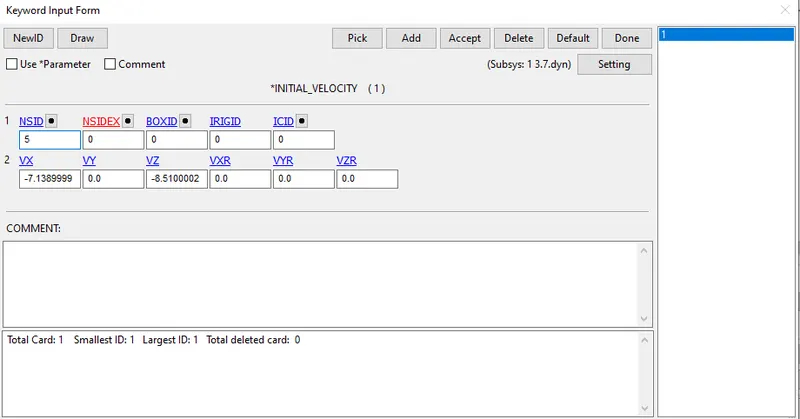
Initial velocity:
Materials card form hood model:
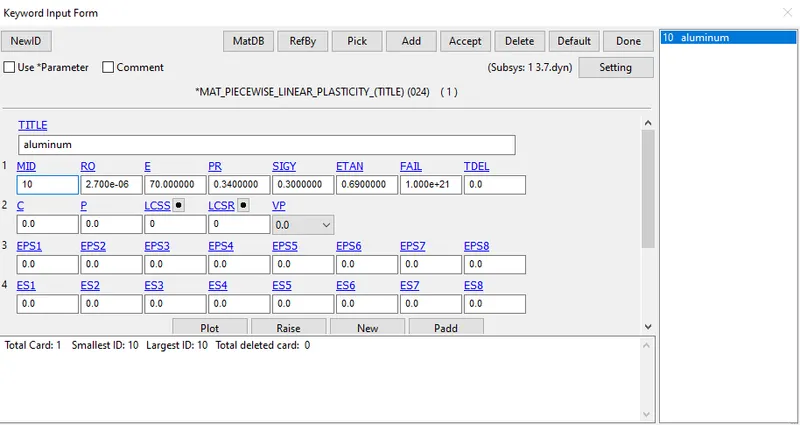
Contacts card:
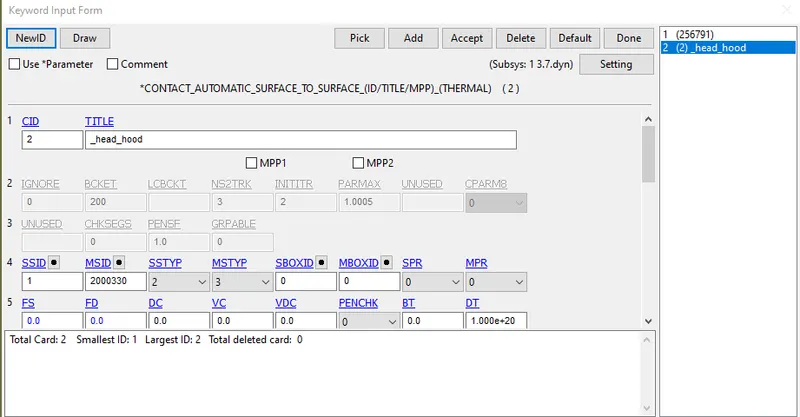
RESULTS:
Effective stress:
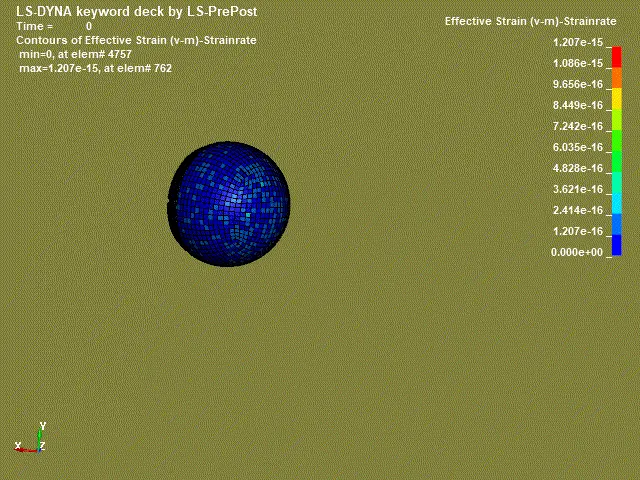
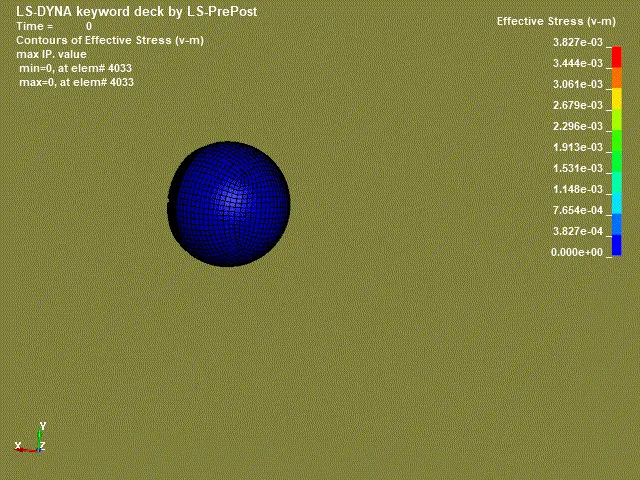
Effective strain:
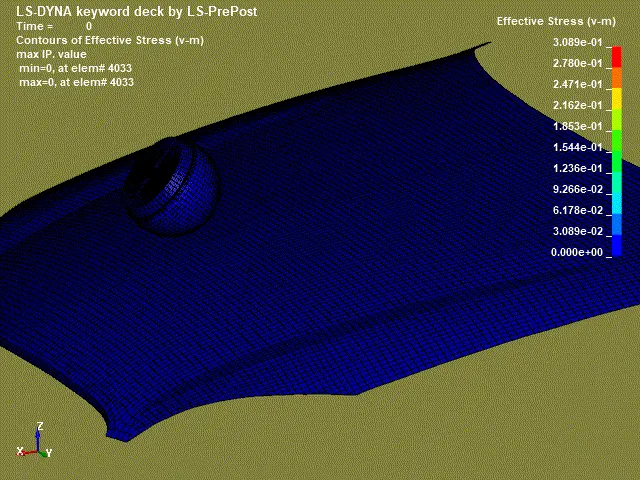
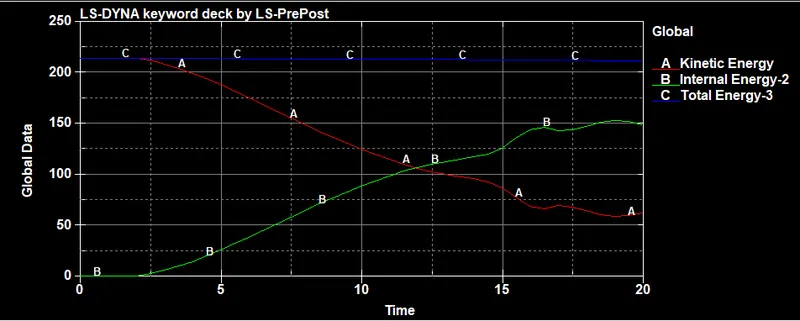
ENERGIES PLOT:
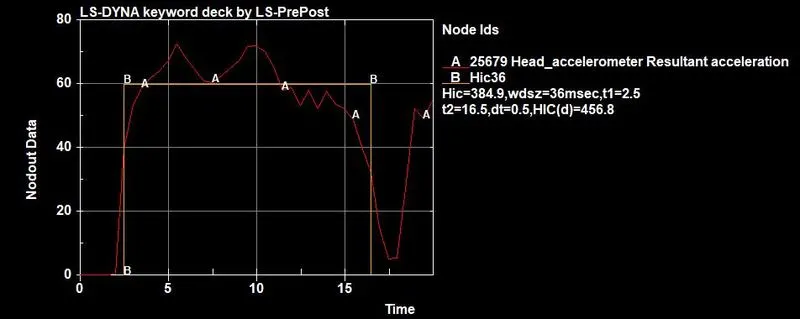
HEAD INJURY COEFFICIENT AND RESULTANT ACCELERATION:
DETAILED COMPARISON BETWEEN ALL THE CASES:
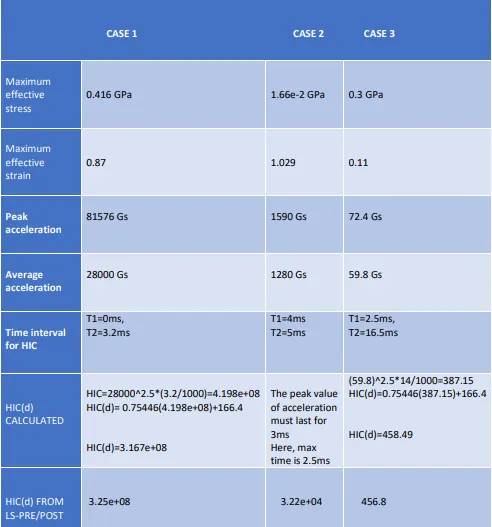
- CASE 1 has the highest values for HIC. This is because the material defined for the simple head model is a human bone. Since there is no outer skin to reduce the impact. Along with this, the simple head model is hitting the wall without any inclination. Here an impact at an angle means low values for velocities in the x and y directions. Here the initial velocity was defined on the negative z-direction only. This increased the value of the average acceleration and hence the high value of HIC.
- In CASE 2, a better model of the head was used. The head contains outer skin. Since the skin is more elastic in nature, it reduced the impact. The head was rotated at an angle of 50deg. This inclination and the outer skin reduced the average acceleration and resulted in the lower values of HIC compared to case 1.
- Similarly, in CASE 3, an Aluminium hood model was used instead of the rigid wall. The value of acceleration was less compared to case 1 and case 2 as Aluminium absorbed some of the impacts.
- The calculated HIC and HIC values from the LS-PRE/POST are almost the same.
CONCLUSION:
- The head impact simulation was performed for the three cases starting from a simpler model to a more complex model.
- Calculated the HIC values by hand and also found the HIC values from the software.
- Used the keyword Cards *INCLUDE, *DEFINE_TRANSFORMATION AND *INCLUDE_TRANSFORMATION
- In case 3, the given hood model was not compatible and was showing errors while running. So, had to save it as a ".dyn" file to run it in LS-DYNA.