Week 6 Session 13
Solid-State Batteries
Every single Electric Vehicle on the road requires a source of energy and typically, in the case of an all-electric vehicle, a Lithium-Ion battery pack provides this energy. Rechargeable batteries in use around the world have similar physical structures and share a few similarities viz are,
- Cathode, the negative terminal. These electrodes are usually constructed from metal oxides of Manganese, Cobalt, Nickel, and Aluminum
- Anode, the positive terminal. Usually constructed from Graphite or Carbon 3. Electrolyte, which allows for the movement of lithium ions from the anode to the cathode. The electrolyte is, generally, the heaviest part of the battery apparatus 4. Separator, which arrests the flow of electrons from the anode to the cathode
Cloud-based BMS
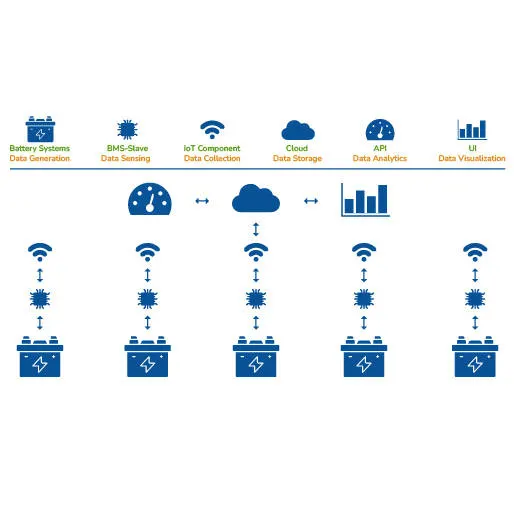
The BMS monitors the Soh (State of Health), SoC (State of Charge), voltage, current, and temperature of the battery. It plays a vital role during the charging and discharging phase of the battery by maintaining a stable temperature. During cases where the temperature of the battery increases, the BMS regulates the heat by controlling the flow of coolants in the system.
But, the BMS only has one to four sensors connected to the battery at any given time. Reducing the data points that can be collected from the battery. When the battery is stressed from more than one anomaly, this can serve as a vulnerability leading to system collapse.