Week 6: Conjugate Heat Transfer Simulation
Introduction
Conjugate Heat Transfer (CHT)
Conjugate Heat transfer (CHT) is when heat transfer occurs simultaneously within & between fluid and solid regions
The predominant mode of Heat transfer in a fluid is convection
The predominant mode of Heat transfer in Solid is conduction
Converge solves the fluid heat transfer using the energy equation
Converge solves the solid heat equation using the solid heat equation
`C_p ρ(∂T)/(∂t)=∇∗(k∆T)+s_h`
SUPER CYCLING
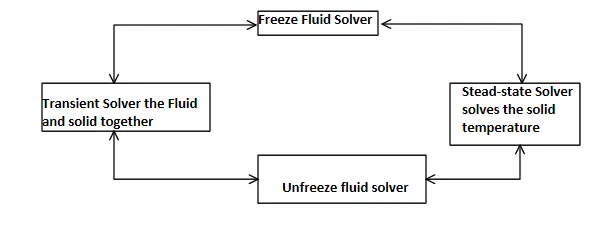
Super-cycling (recommended for combination with combustion): converge iterates between fully coupled transient & SS methods for the solid only
Converge use transient solver for fluid
Time control: Super-cycling
- Solves the fluid & the solid together with a transient solver
- Stores the instantaneous HTCs & temperature with transient solver
- Freezes the fluid solver
- Time averages the HTCs & temperatures & applies them as BC at the interface
- Solves the solid temperature until it reaches SS
- Updates the solid temperature field and unfreezes the fluid solver
- Repeats until the solid temperature converges
ANALYSIS CASES
| Cases | Mesh size dx,dy,dz | SuperCycle Stage interval |
| case1 | 0.004 | 0.05 |
| case2 | 0.003 | 0.05 |
| case3 | 0.002 | 0.05 |
| case4 | 0.002 | 0.01 |
| case5 | 0.002 | 0.02 |
| case6 | 0.002 | 0.03 |
Calculation of velocity
Re=7000
rho=1.225 #kg/m3
D=0.015 #m
mu=0.000017894 #ns/ms
u=Re*mu/(rho*D) 
Boundary condition
Material
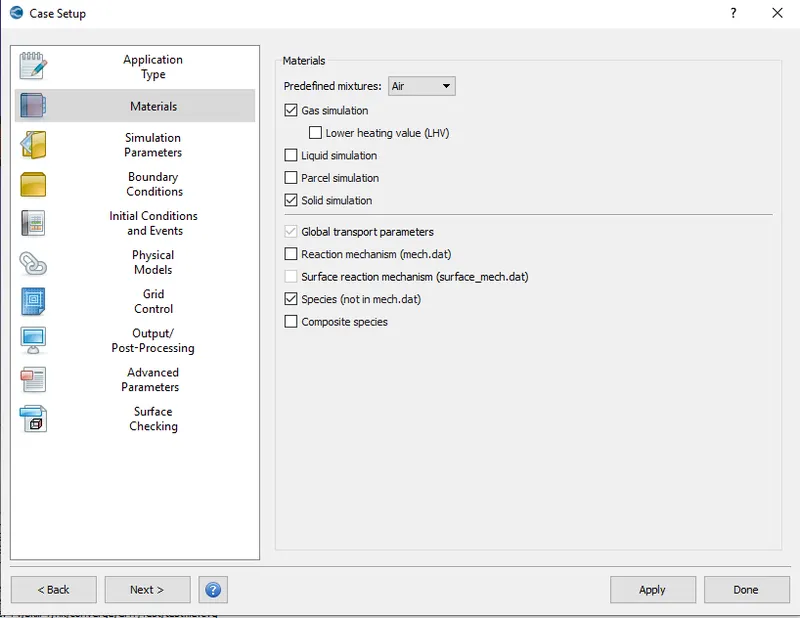
SolidSimulation
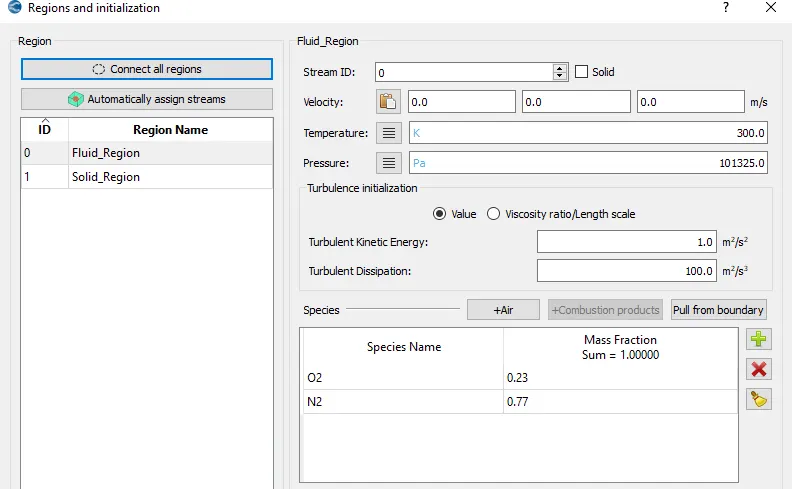
Fluid-Air
Species
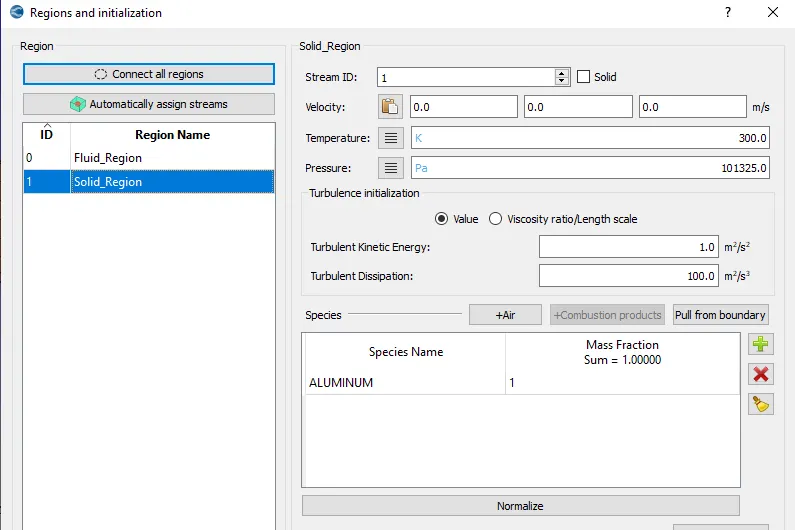
Solid-Aluminum
Fluid-N2, O2
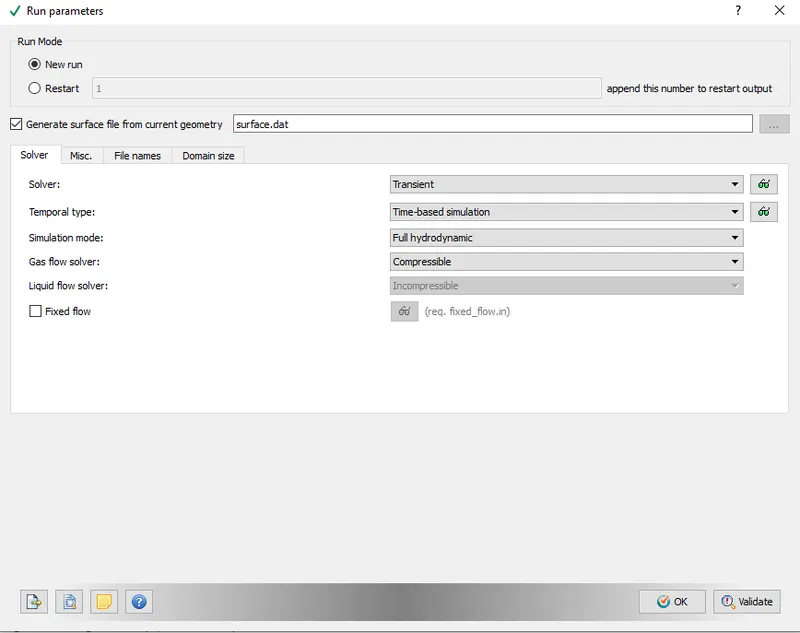
Run Parameter
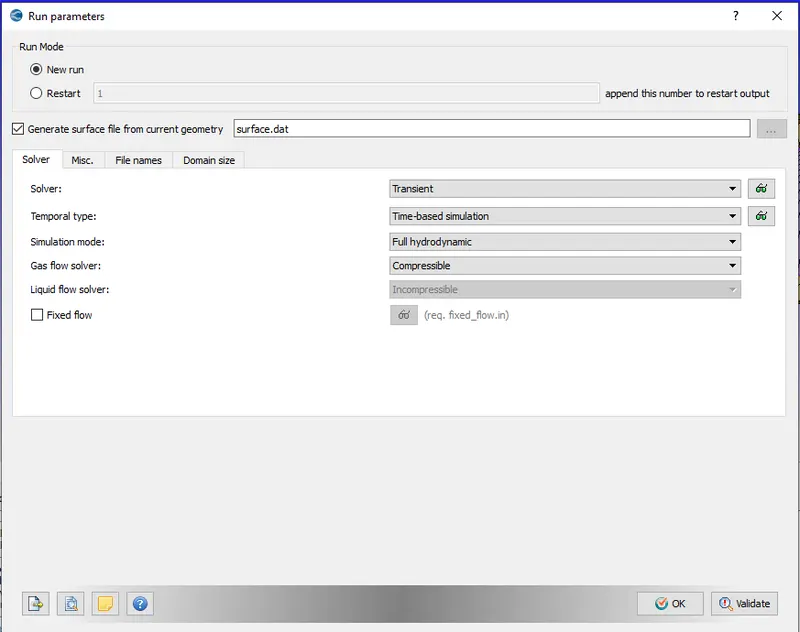
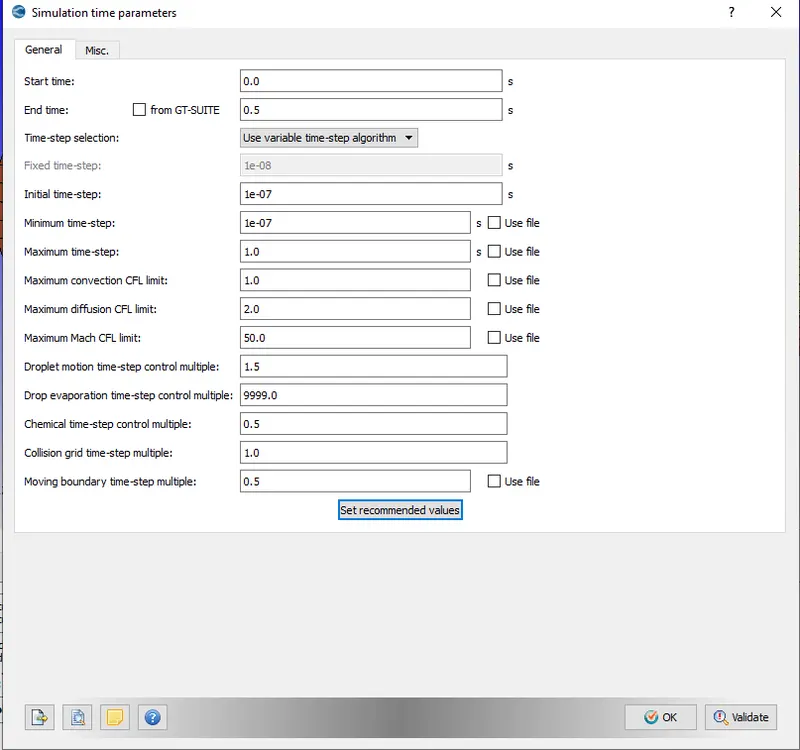
Simulation Parameter
Run Parameter
Simulation Time Parameter
Region
Fluid-Air
Solid-Aluminum
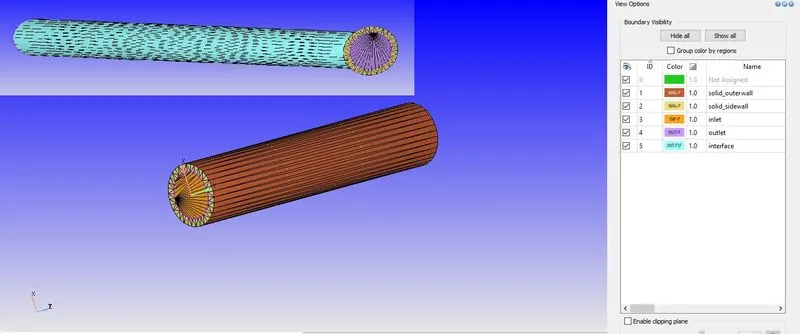
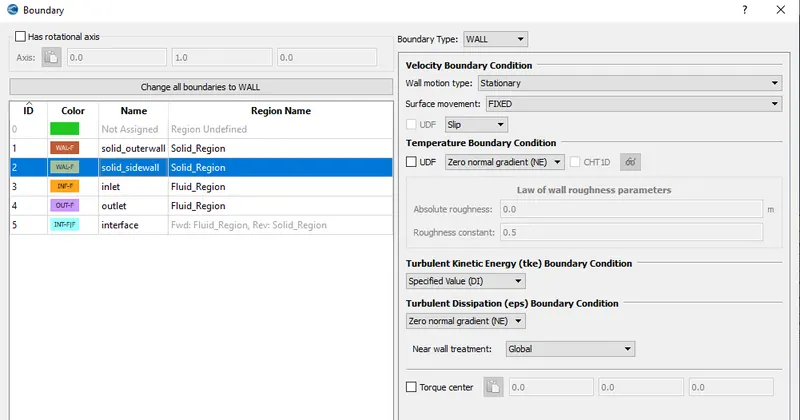
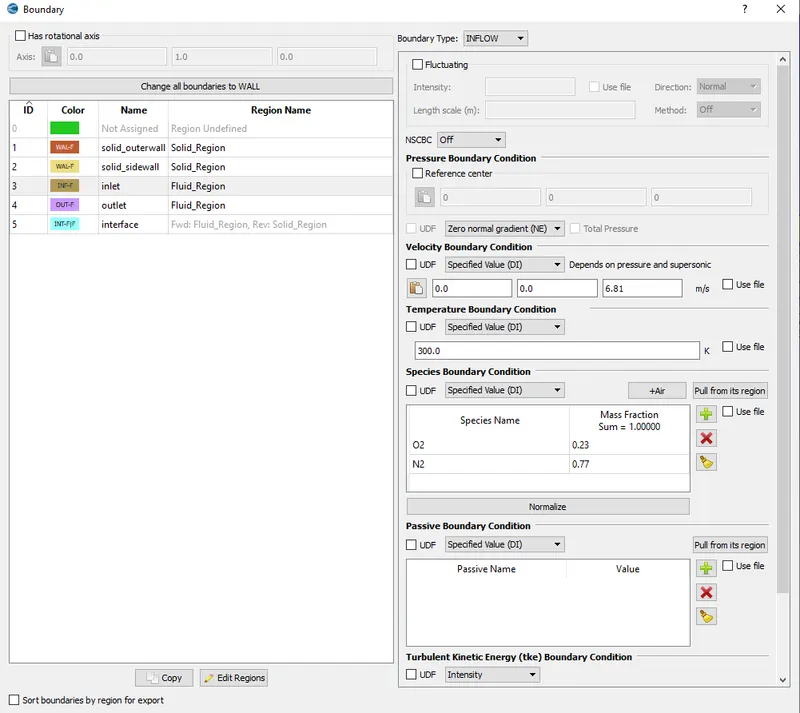
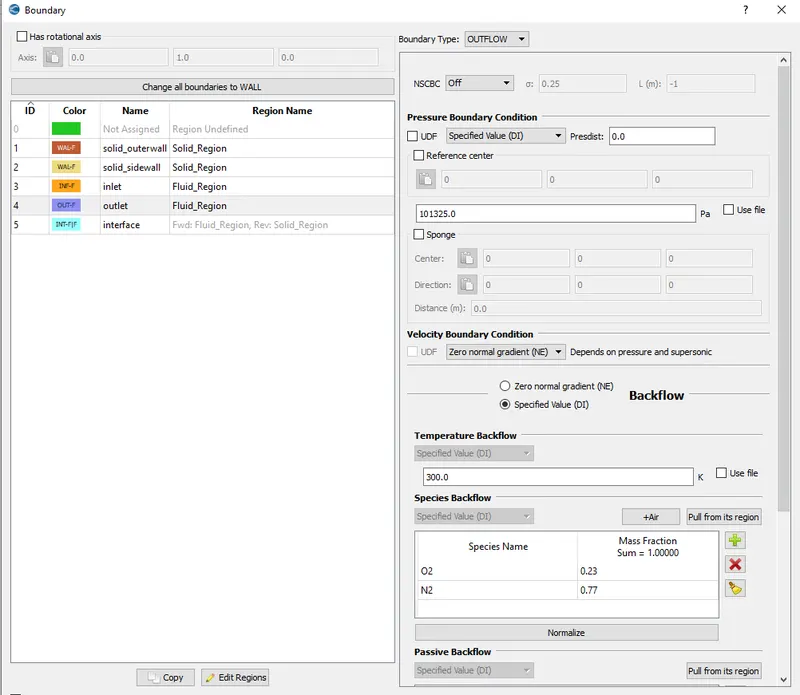
Boundary
solid_outerwall- Solid
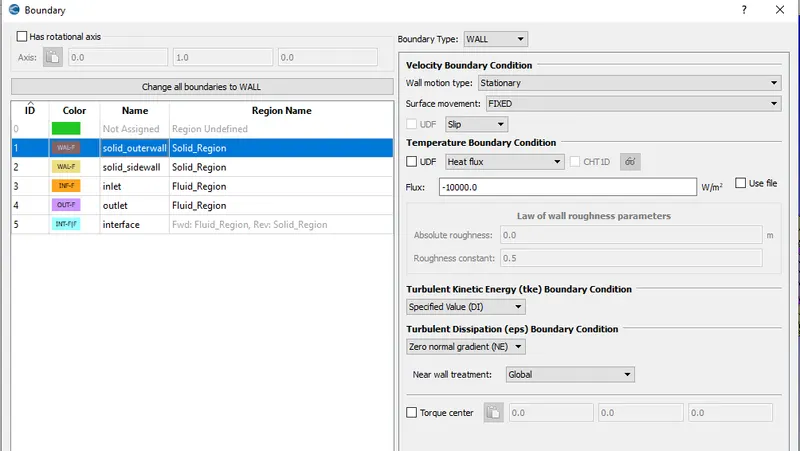
Q=-10000W/m2
Solid_sidewall- Solid
inlet-Fluid
outlet-Fluid
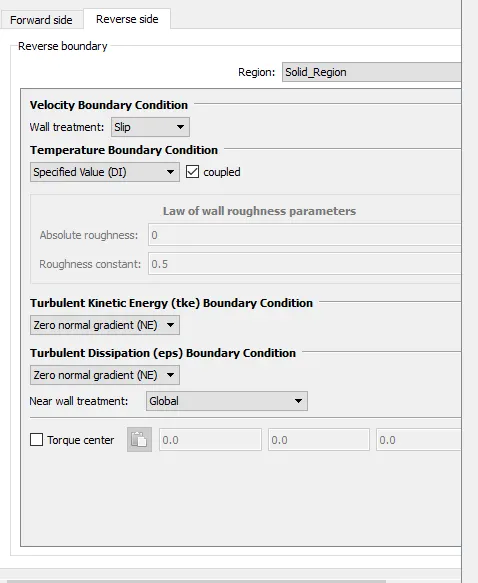
Interface
Forward side- Fluid Region
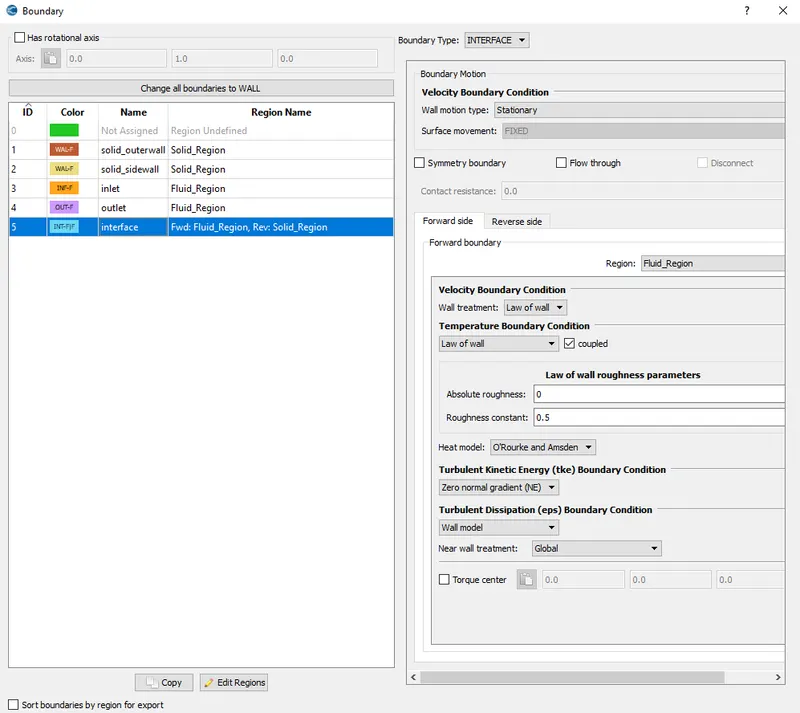
Reverse Side- Solid Region
Physical Model
Turbulent- K-Epsilon RANS
Super-Cycle Modelling
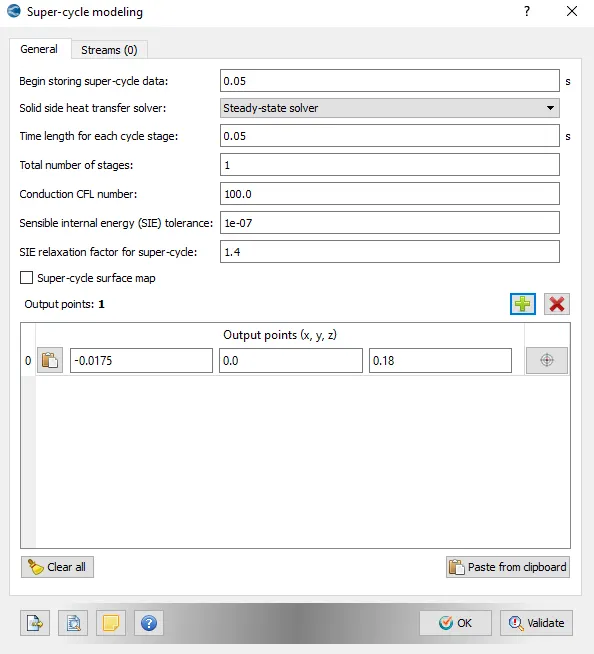
This is changing to the case by case
Base Grid
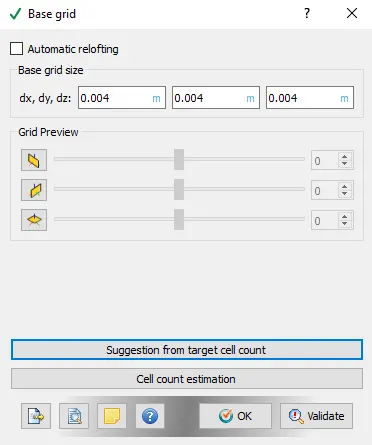
this is changes by case by case
Result
Case1
output
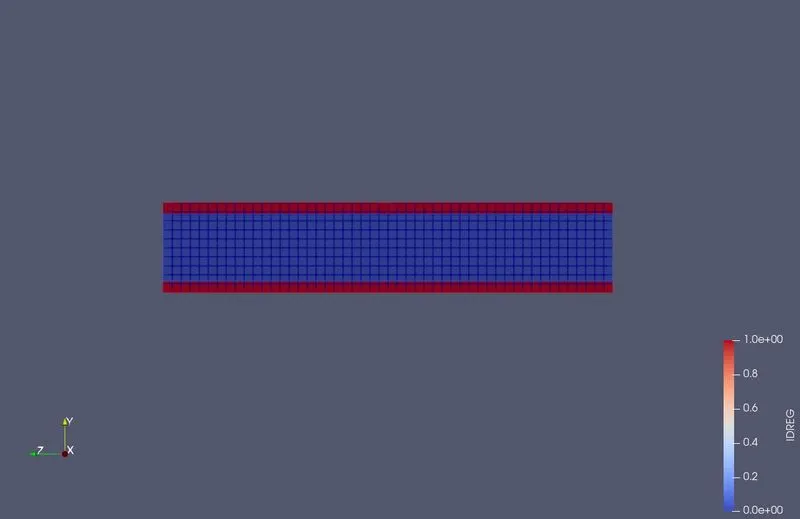
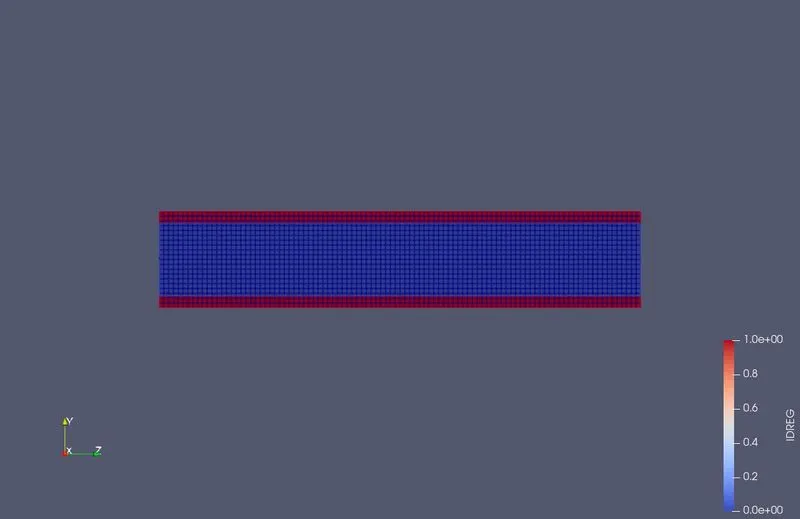
Mesh
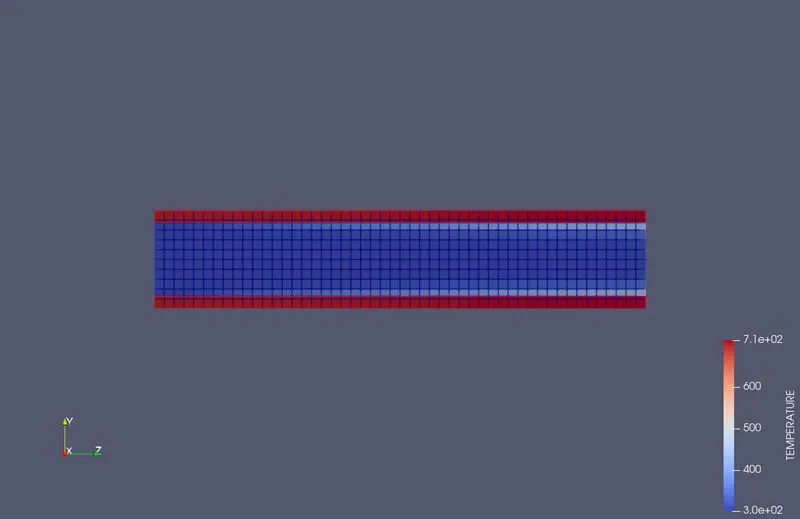
Temperature
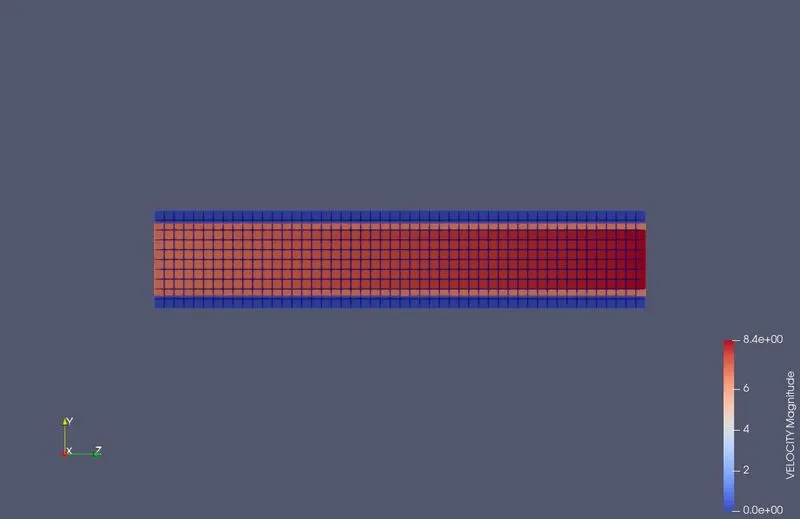
Velocity
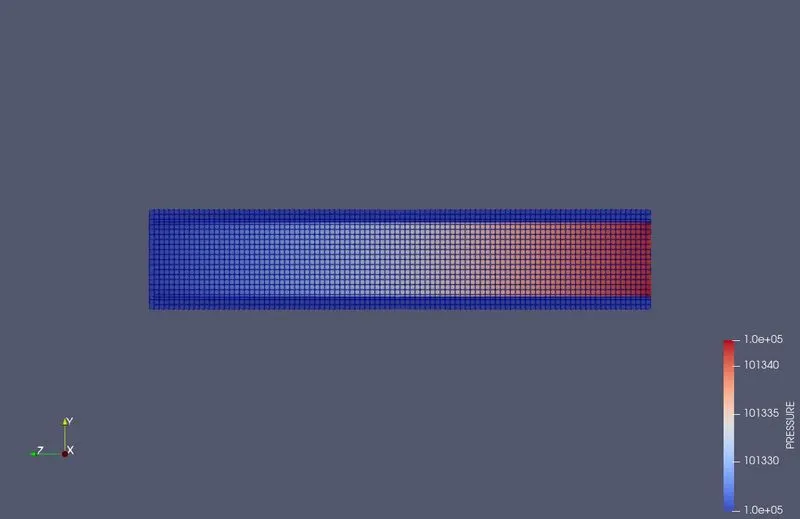
Pressure
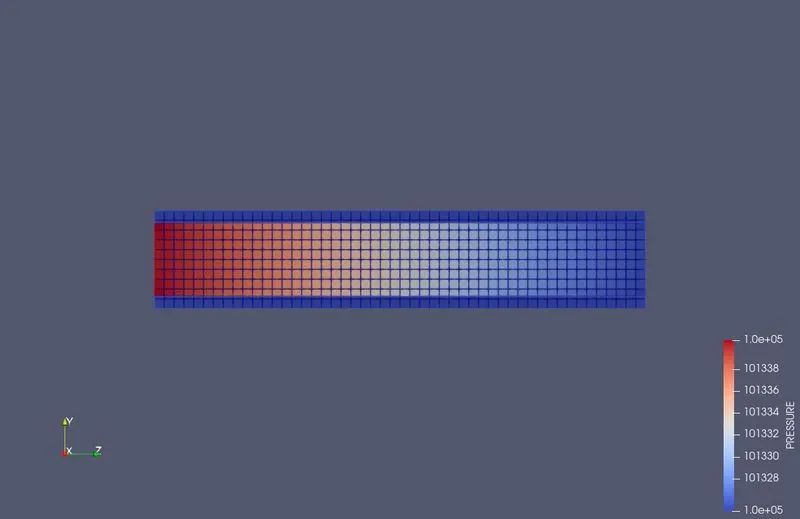
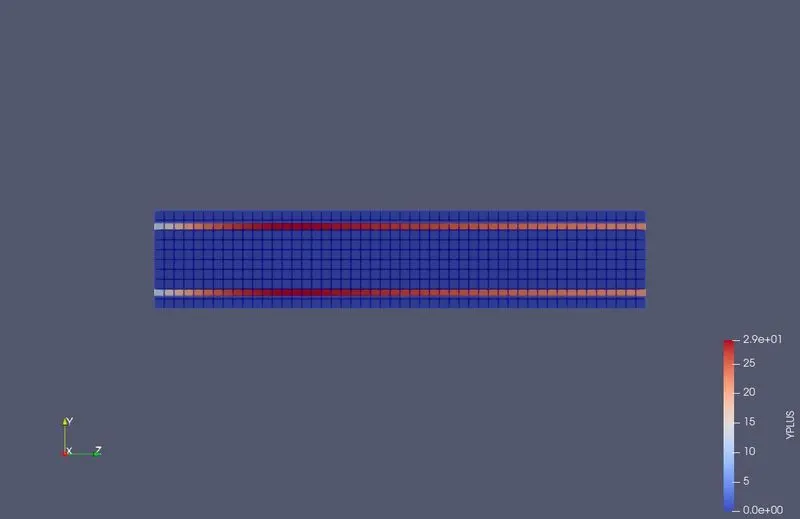
Y Plus
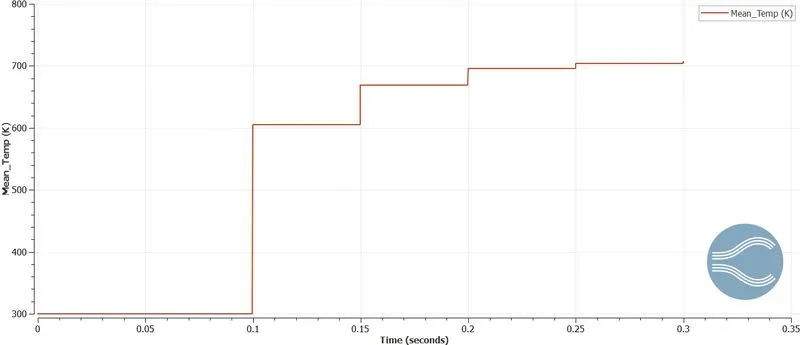
Mean Temperature
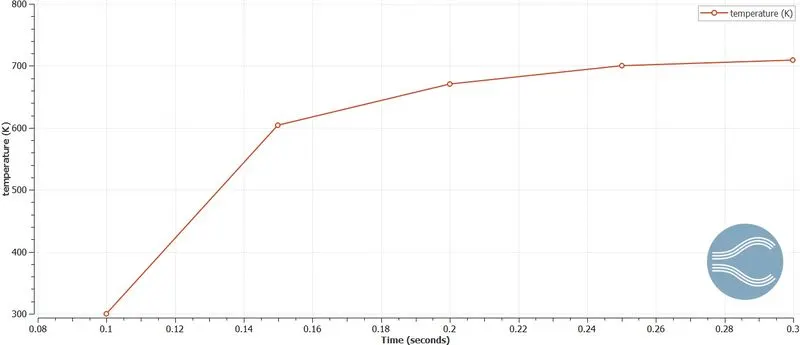
Super-cyclic Stage
Case2
output
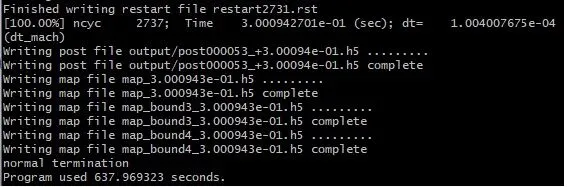
Mesh
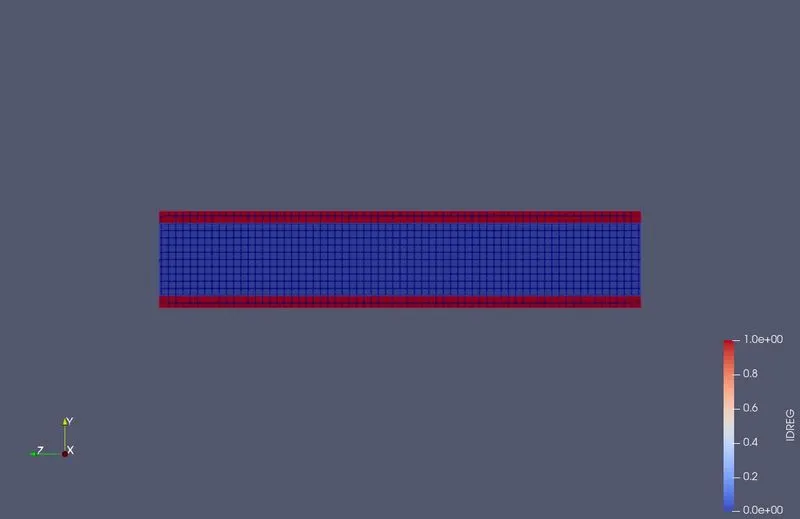
Temperature
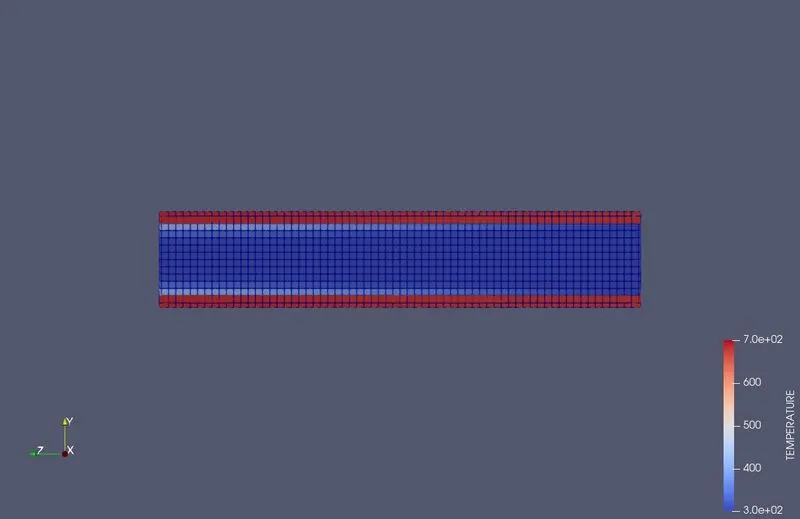
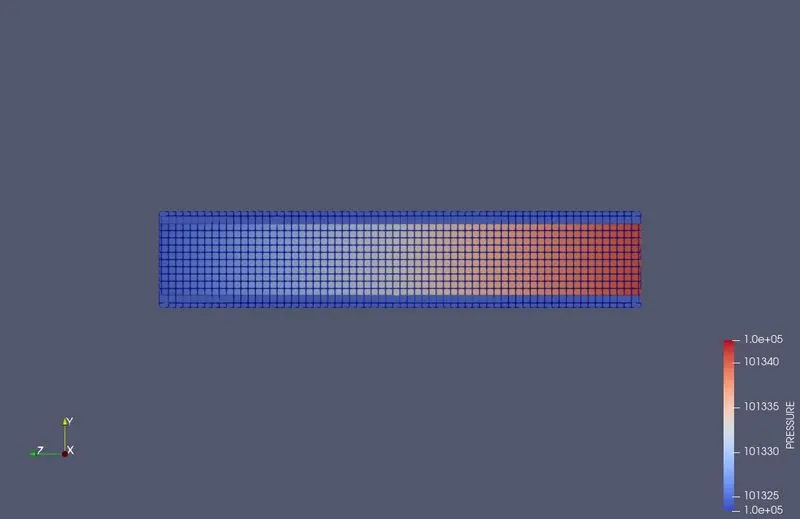
Velocity
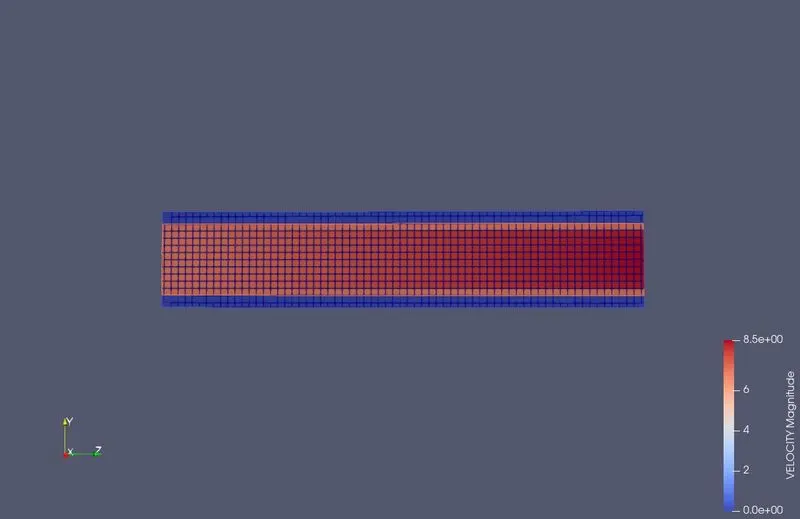
Pressure
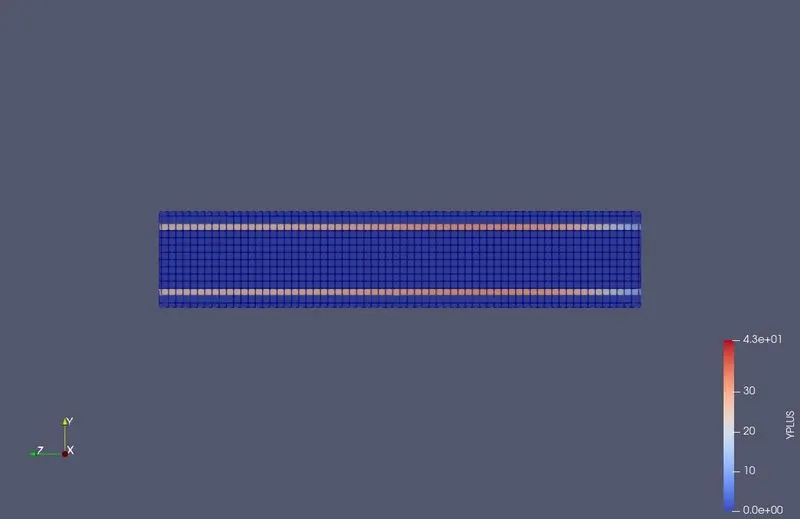
Y Plus
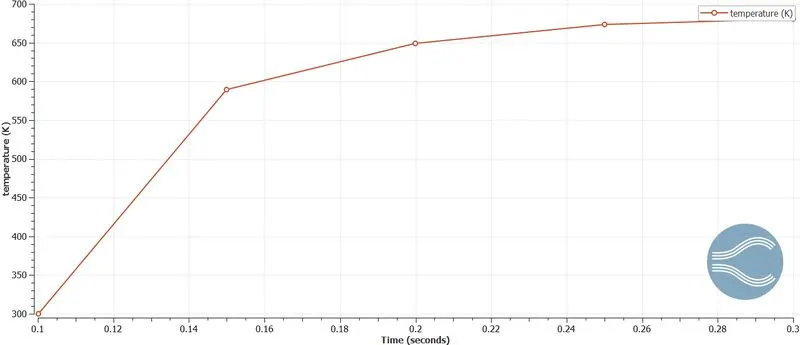
SuperCyclic Stage
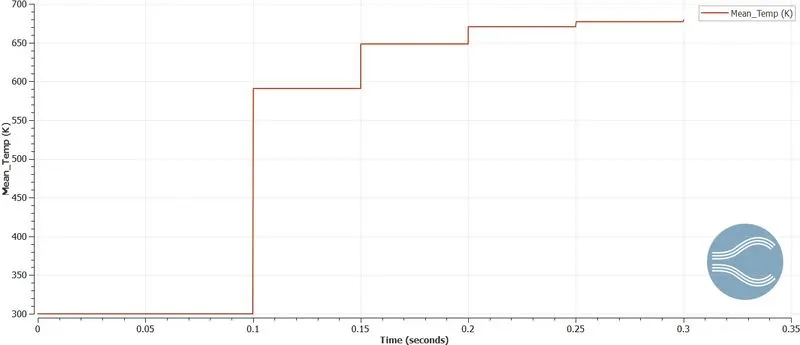
Mean Temperature
Case3
output
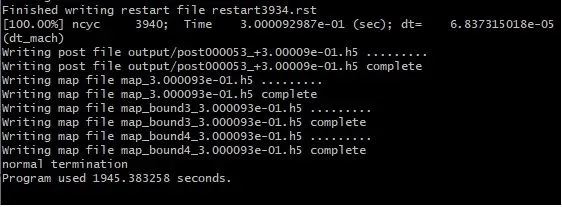
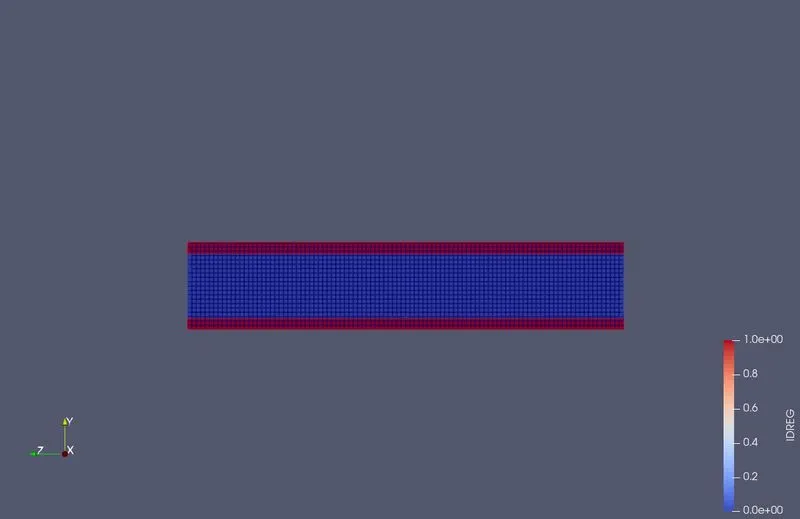
Mesh
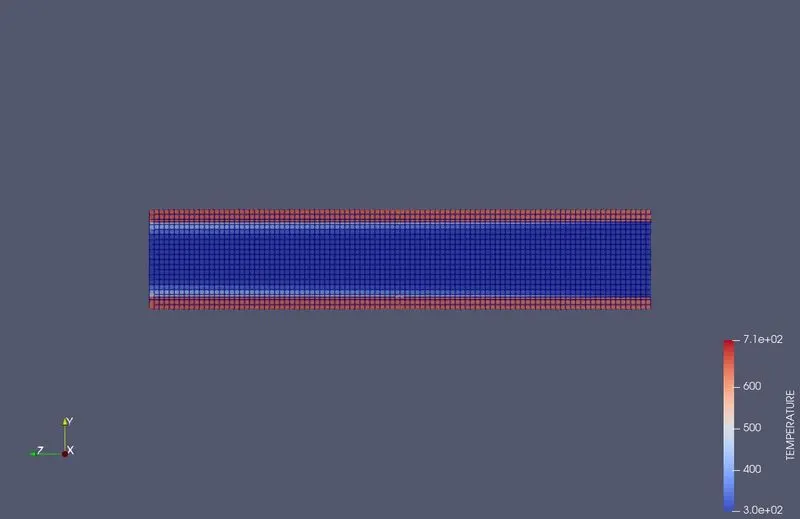
Temperature
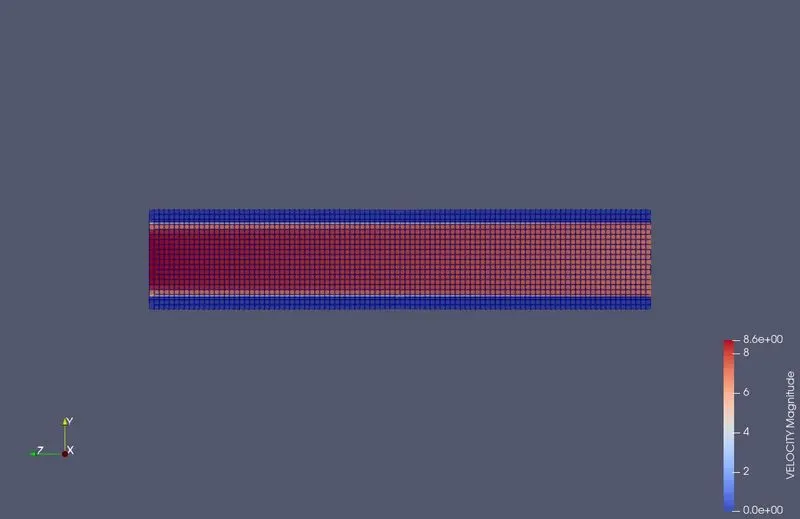
Velocity
Pressure
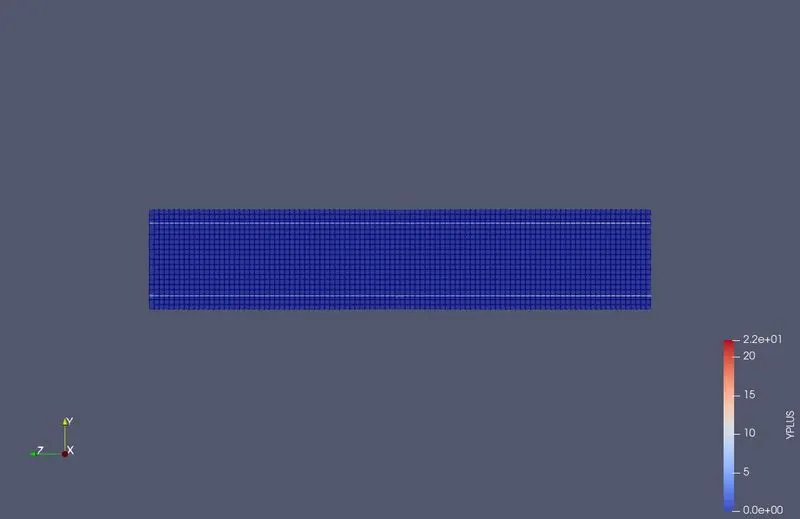
Y-Plus
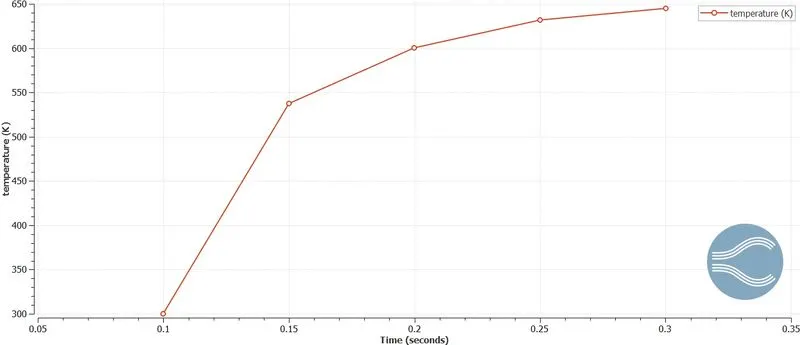
SuperCyclic Stage
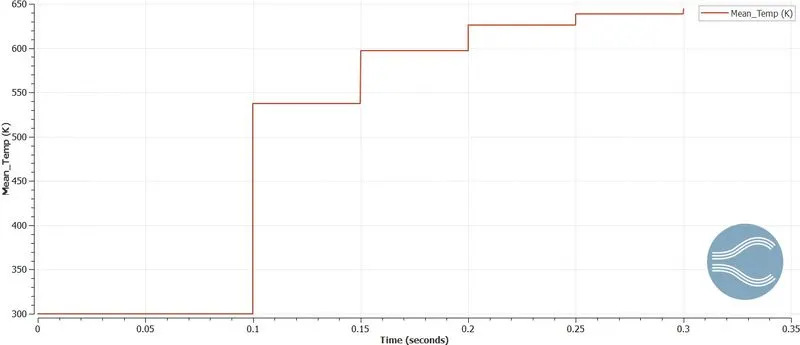
Mean Temperature
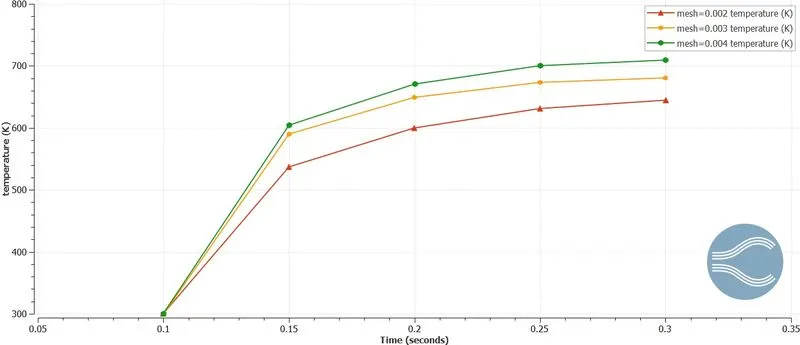
GRID TEST Case 1 to 3
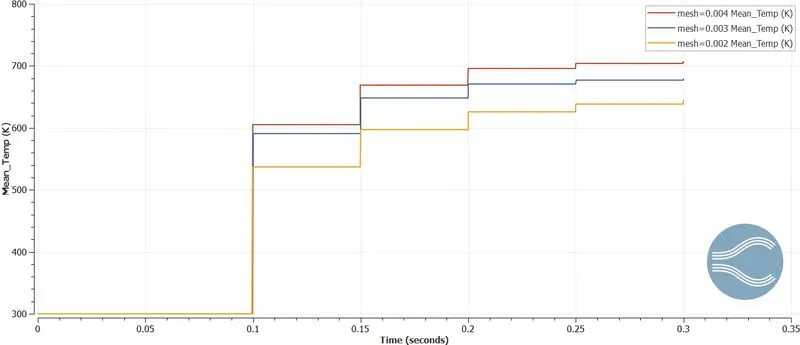
SUPERCYCLIC COMPARISON
MEAN TEMPERATURE
Case4
output
Mesh
Temperature
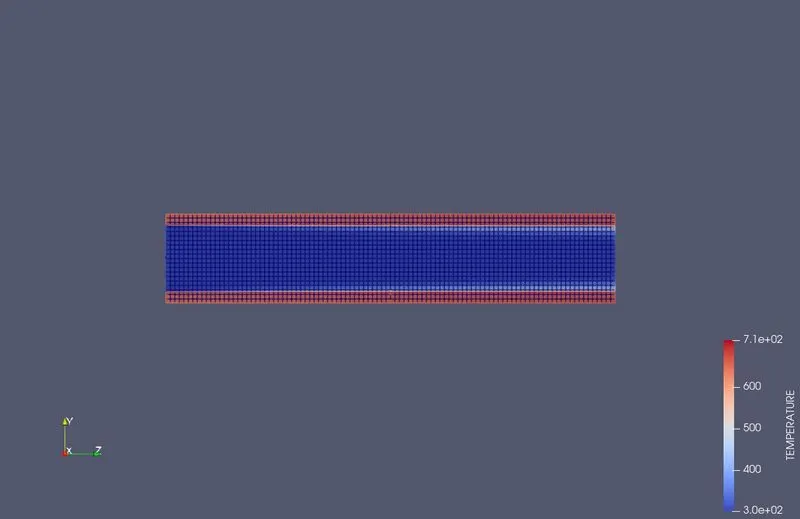
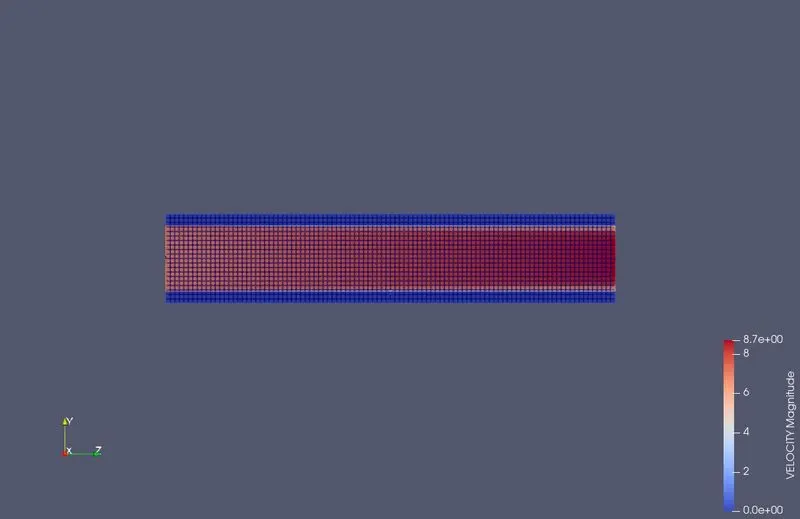
Velocity
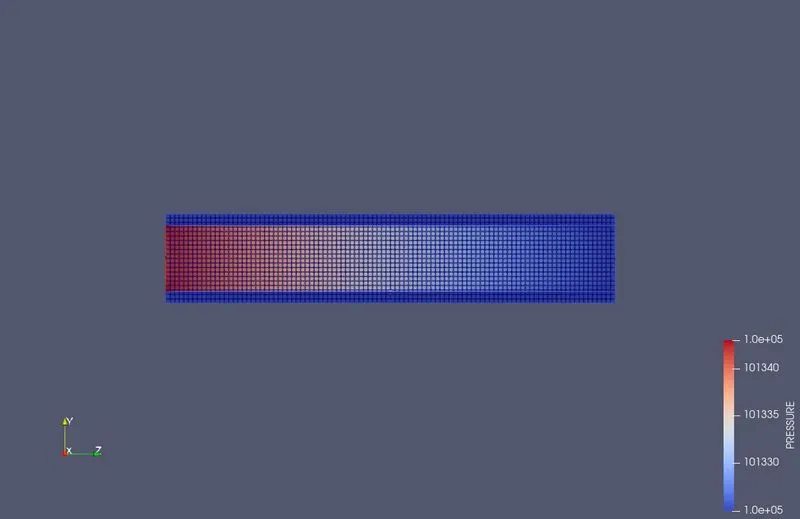
Pressure
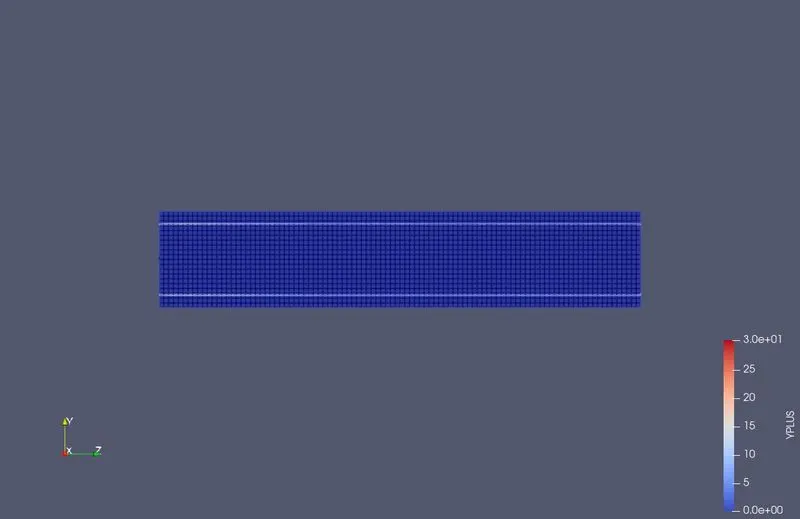
Y-PLUS
Super-cyclic
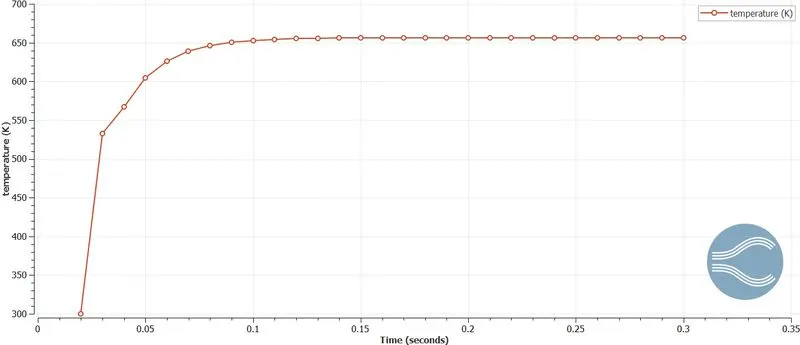
Mean Temperature
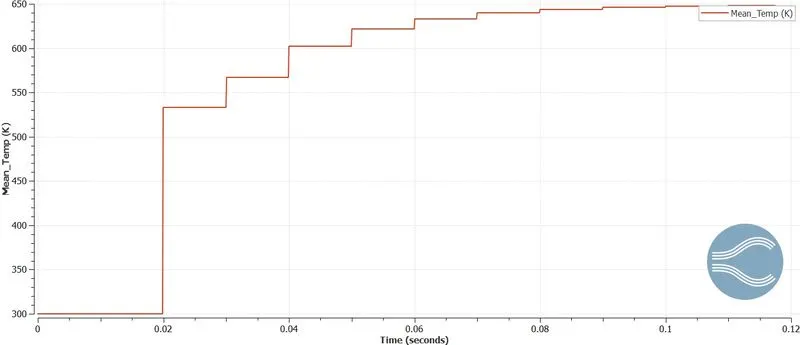
Case5
output
Mesh
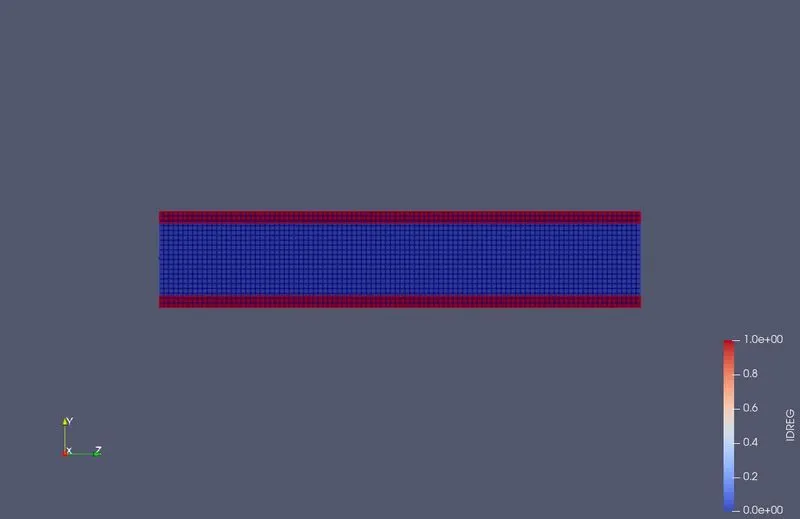
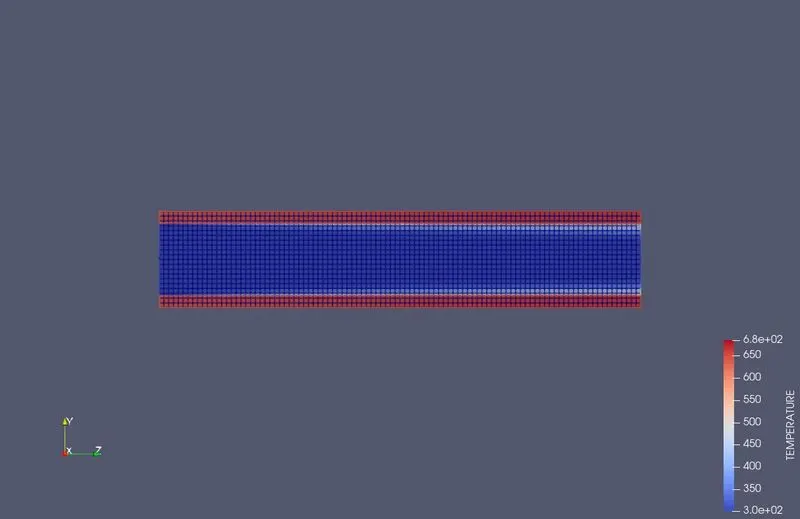
Temperature
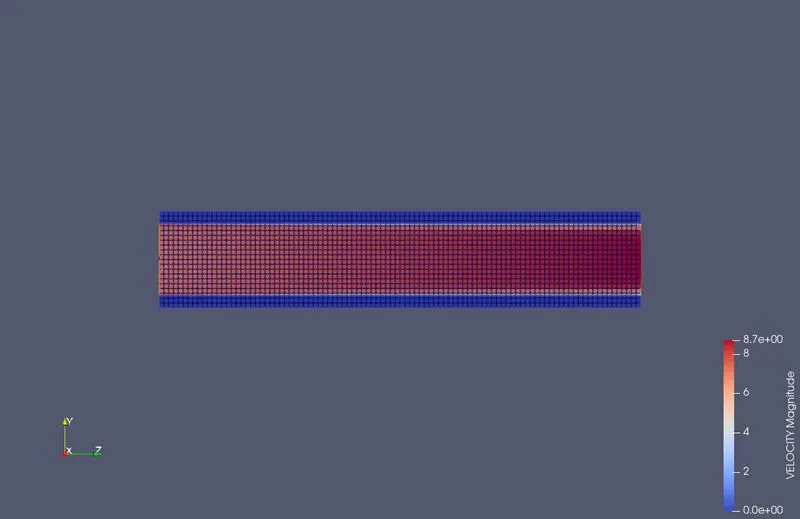
Velocity
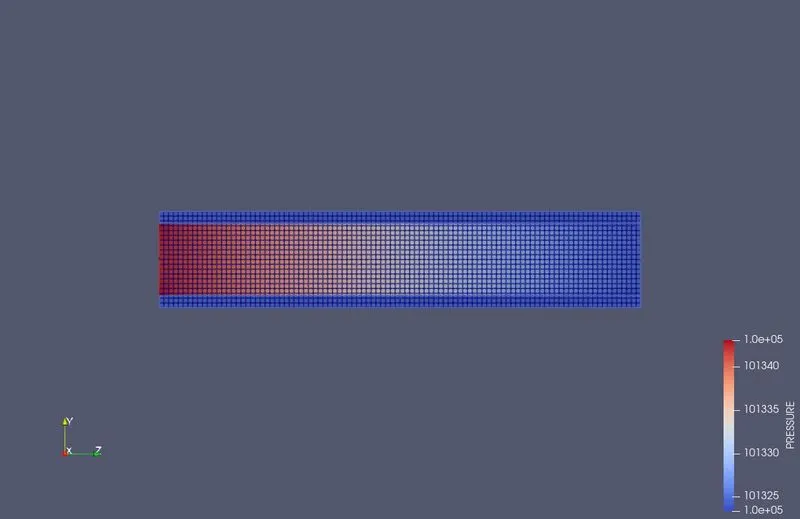
Pressure
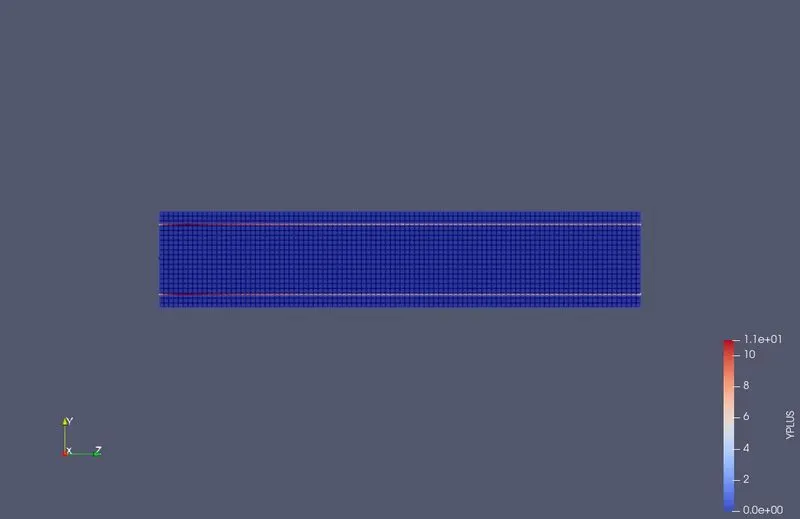
Y-Plus
SuperCyclic
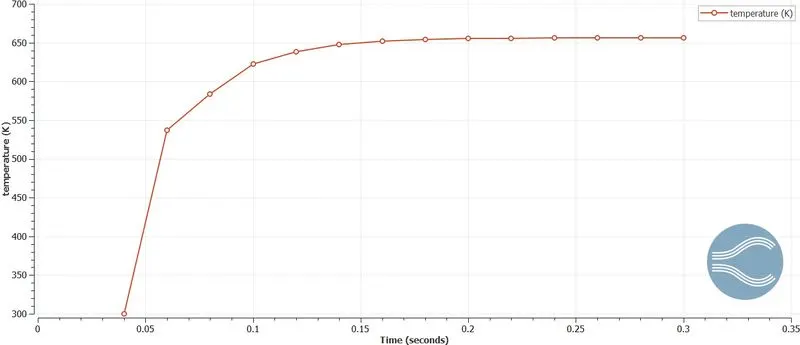
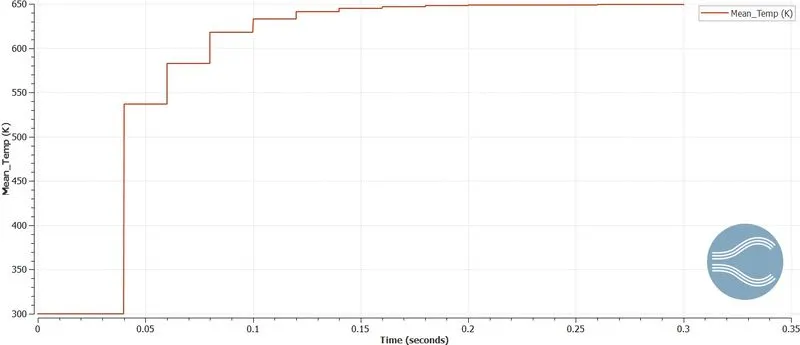
Mean Temperature
Case6
Output
Mesh
Temperature
Velocity
Pressure
Y-Plus
SUPERCYCLIC
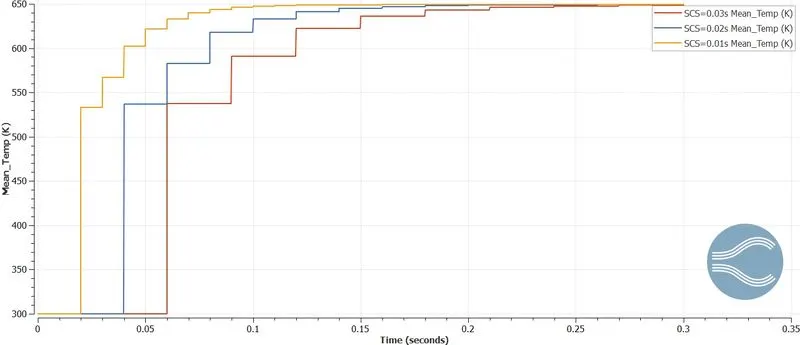
MEAN TEMPERATURE
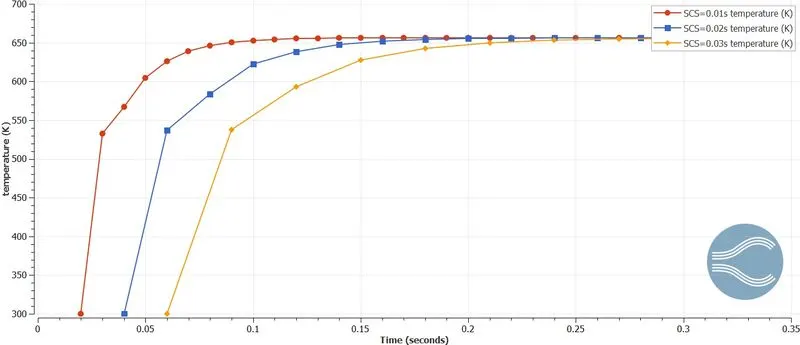
SCS comparison Cases 4 to 6
SUPERCYCLIC COMPARISON
Mean Temperature
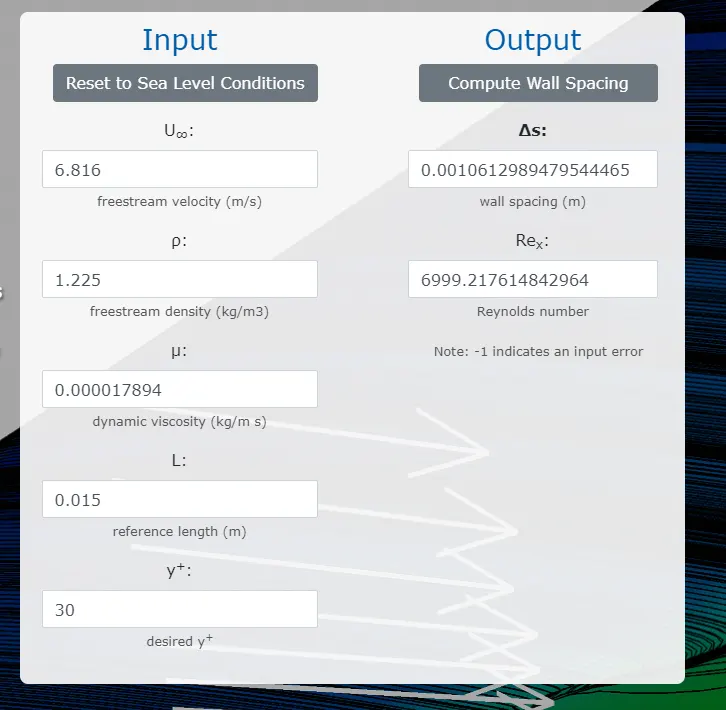
From the analysis Yplus=30 case6 we can find the boundary layer
Program
"""
Conjucated Heat Transfer
Program by Jagaveerapandiyan
"""
import numpy as np

Re=7000
rho=1.225 #kg/m3
D=0.015 #m
mu=0.000017894 #ns/ms
yplus=30 # from analysis
u=Re*mu/(rho*D)

cf=0.026*pow(Re,((1/7)))
#friction
tow_w =(1/2)*cf*rho*pow(u,2)
#frictional velocity
u_t=np.sqrt(tow_w/rho)
# boundary layer
y=(yplus*mu)/(u_t*rho)
# uplus
uplus=u/u_t

print('velocity')
print('U=',u,'m/s')
print('Boundary layer')
print('y=',y,'m')

dy calculation
Conclusion
Study of conjugated heat transfer is done using Super cyclic stage
Case1 to 3
From Grid independent study finer mesh, mesh size=0.002 at SCS=0.005 whereas the response of change in Temperature is 630 with the same time.
Saturated mean temperature=700 changes from 0.1s to change in Temperature with 0.05s time difference
Accuracy of result is greater in finer mesh 0.002 m mesh size with same setup finer mesh accuracy result with more computation time
Case4 to 6
From Supercyclic Stage 0.01s the stage of response in Temperature difference in more to obtain until steady-state Temperature
Mean temperature function of Supercyclic Stage 0.03s response of time is more with change in temperature gradient response is lesser
Super cyclic Stage=0.001s stage of the Temperature gradient is more untile obtain SteadtState temperature
Finer mesh with SCS lesser condition the temperature Boundary layer capture in CHT is accuracy so it better to create a boundary layer to obtain accuracy result with least time
Reference
https://www.pointwise.com/yplus/index.html
https://www.simscale.com/forum/t/what-is-y-yplus/82394
Skill Lynk
https://skill-lync.com/knowledgebase/what-is-super-cycling