Clamp Unit & Pin-Clamp Unit Design Challenge
Objective:
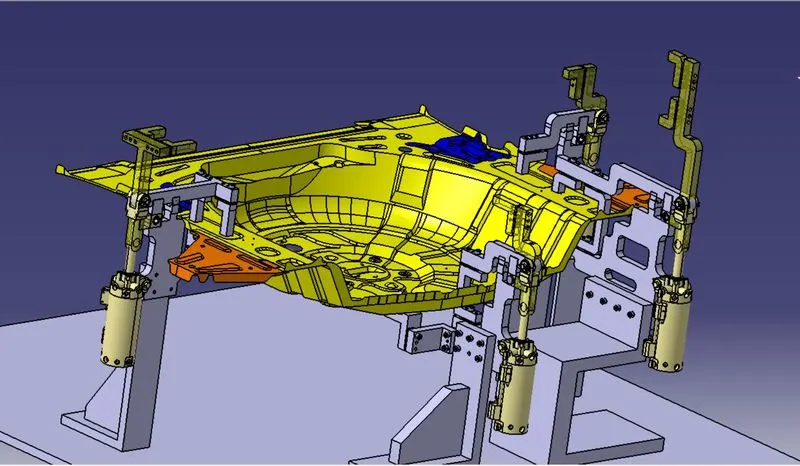
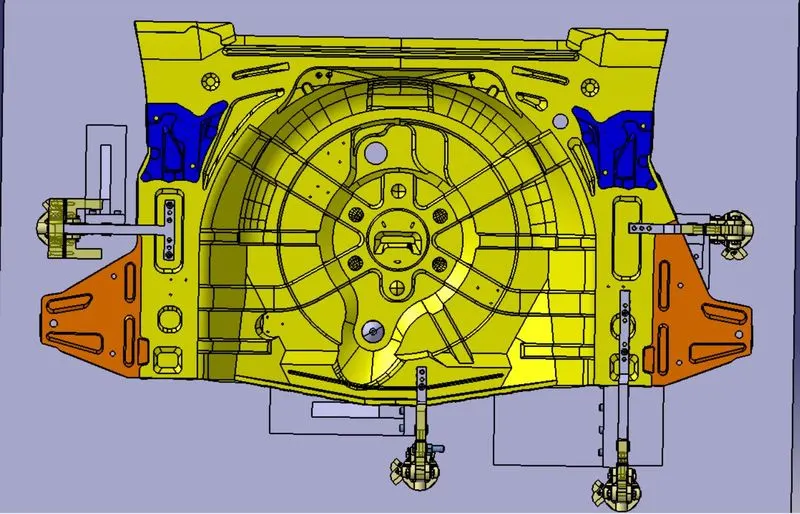
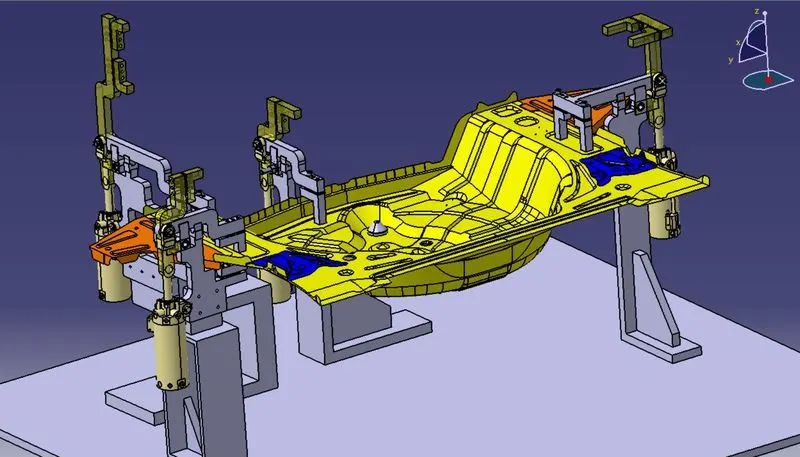
Design 3 Different types of Swivel Clamp Unit with Different Riser, Blade, and Clamp Arm for the given Car Panel. Maintain the stroke as 100mm. Design a Pin-Clamp Unit for the given Car Panel.
Introduction:
3-2-1 principle is the basis of any fixture design. Holding fixtures used in assembly operations often follow a 3-2-1 locating scheme to position parts. Under this scheme, three locators position a part in a primary plane or direction (e.g., high/low). (3) minimum: Three locator blocks to establish the part plane. Three locators or supports are placed under the workpiece. Three locators are usually positioned at primary locating surfaces. This restricts two translation motions i.e. upward & downward & four rotational motions ( i.e. clockwise or anticlockwise). Together with tree locators with clamps restrict six degrees of freedom. The below figure shows how (3) minimum in 3-2-1 locating scheme is achieved by clamping & resting.
Clamp unit:
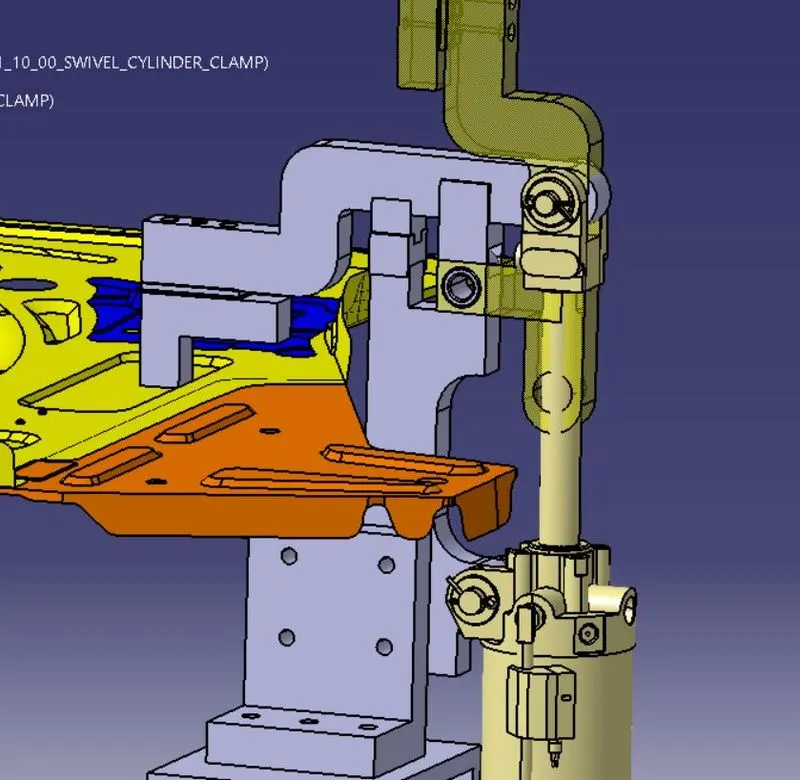
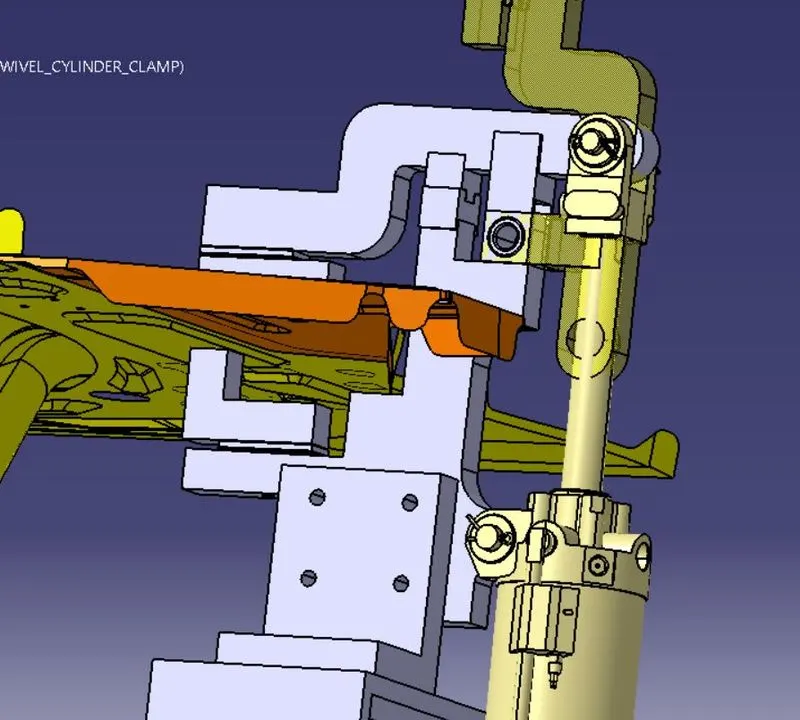
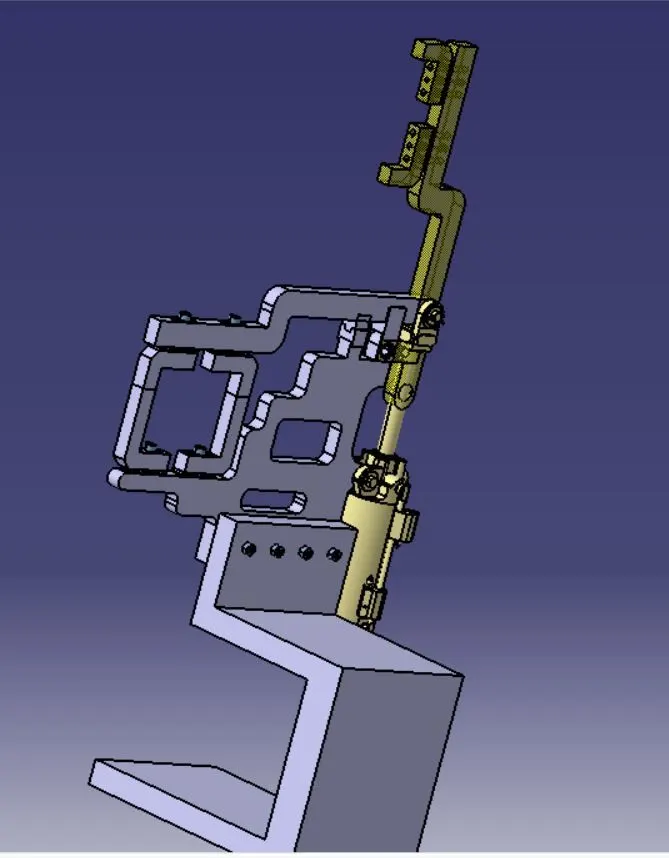
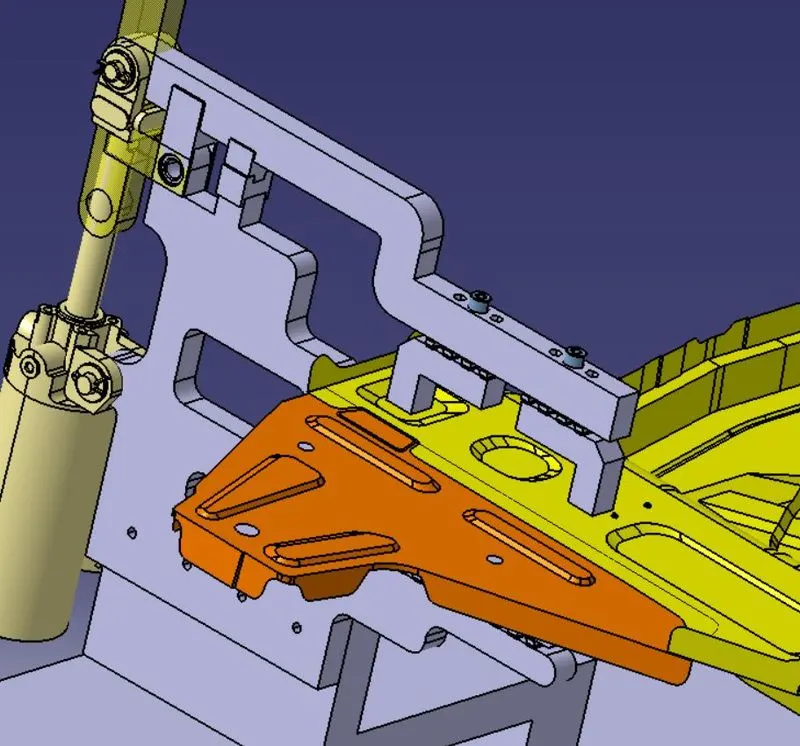
The Clamp unit is a unit designed to clamp/hold the car panel with NC blocks/ mylar/ rest by using a pneumatic clamp cylinder & below are different parts of a clamp unit in general. Usually clamp open position is 90°. Fingers are attached to clamp mylar. In clamp unit shim to one side is more enough because it will restrict translation motion in upward & downward direction only. There is another type of clamp unit known as the swivel type. There is a pivot pin around which the clamp arm rotates.
Factors that should be considered while designing a clamp unit:
- There should be adequate space between the cylinder & other parts like the riser, car panel because the cylinder moves or swing while opening & closing
- Pin clamp unit used where two panels or components are located for welding.
- Clamping make in such a way that it clamps two-car panels at once
- All parts should snap & butt properly to each other.
- Make sure that parts of the clamping unit are 10 to 12 mm away from the car panel so they do not damage car panel
- Avoid any clash. It will not arise an issue at assembly.
Different parts used in clamp unit:
1. Clamp Mylar/ Finger/ NC Block: This part is in actual contact with the car panel as it holds or clamps the component.
Finger.1 Finger.2
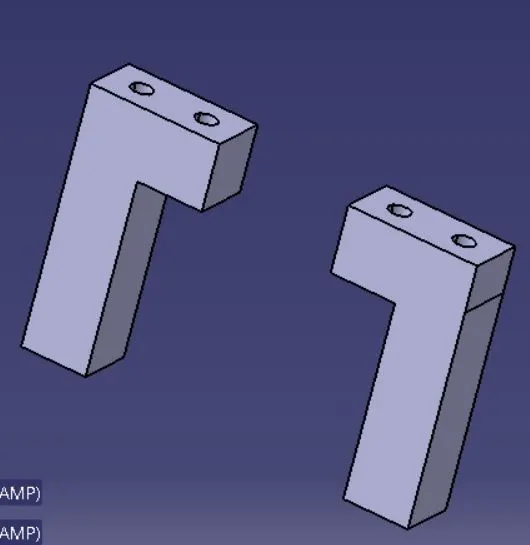
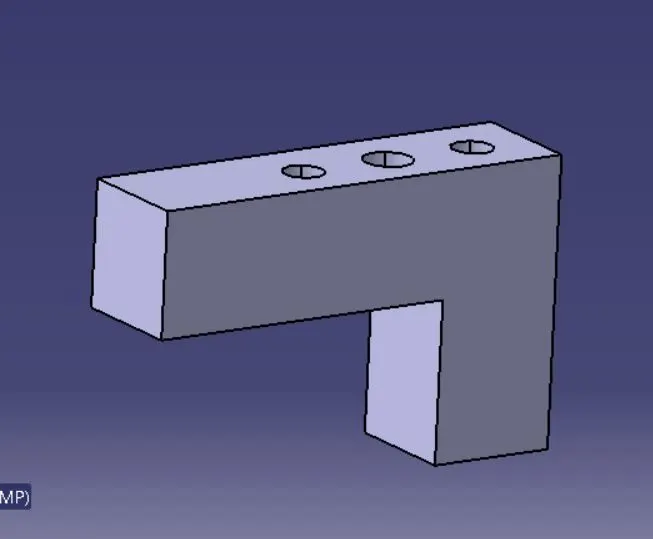
Finger.3
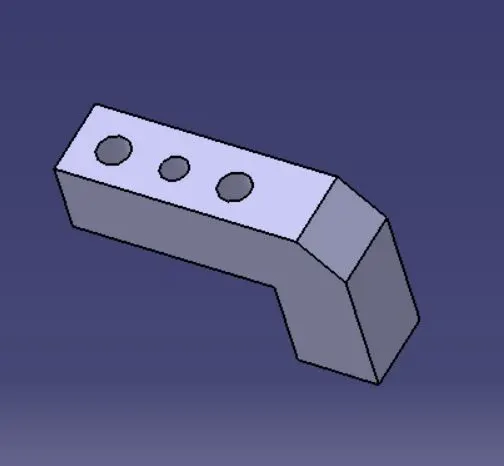
2. Rest Mylar/ Finger/ NC Block: This part also is in actual contact with the car panel as the car panel rest on this part as shown in the above image.
Rest Mylar.1 Rest Mylar.2
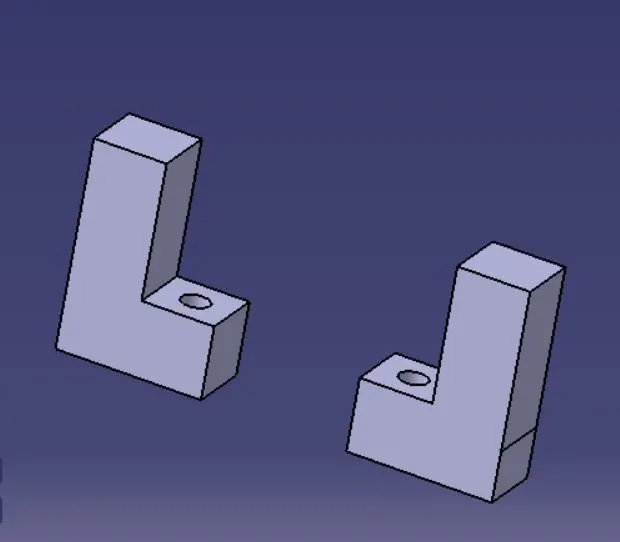
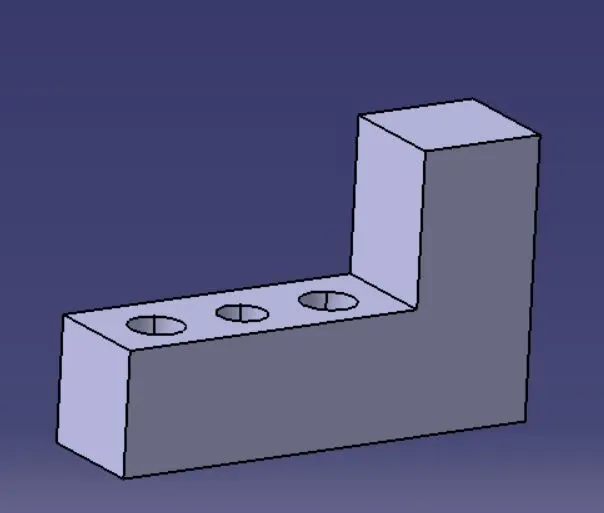
Rest Mylar.3
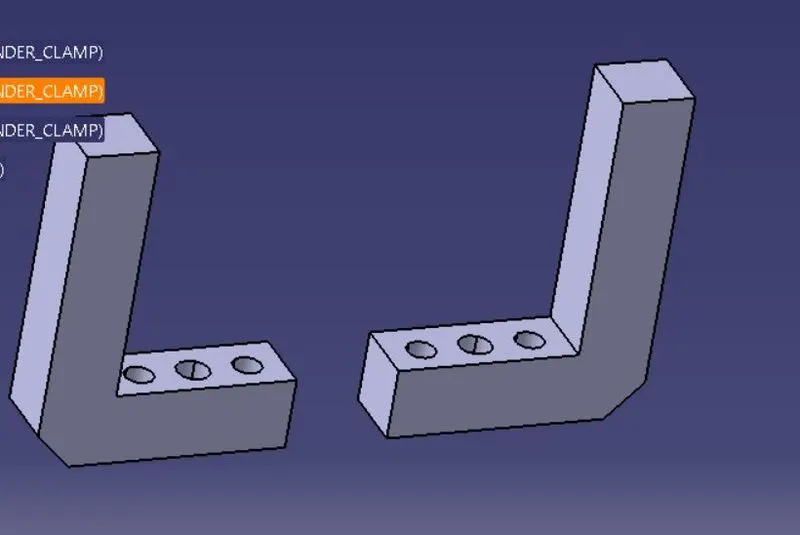
3. Clamp Arm: Clamp Arm is the part on which clamp mylar is mounted. Basically, this is the standard part that comes with the cylinder.
Clamp Arm.1
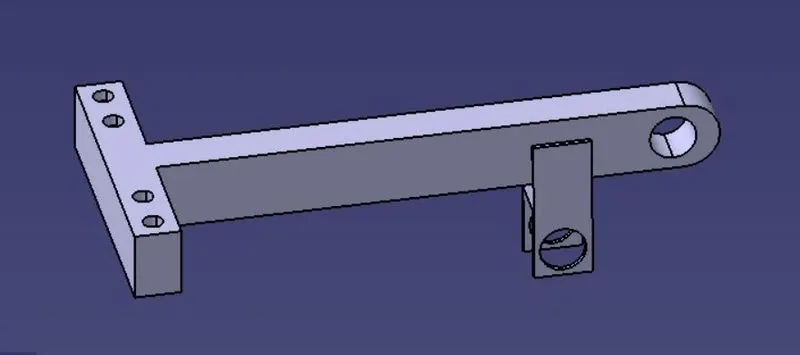
Clamp Arm.2
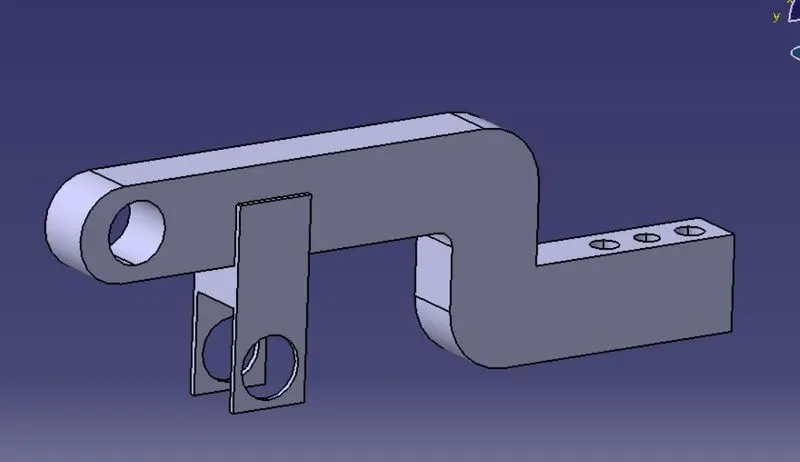
Clamp Arm.3
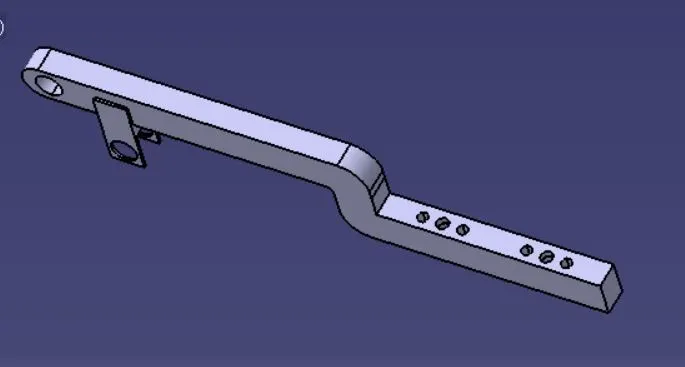
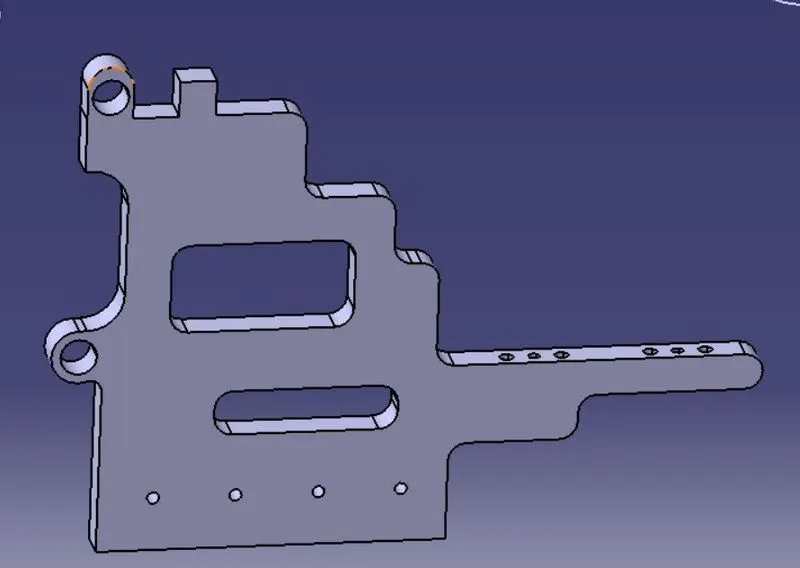
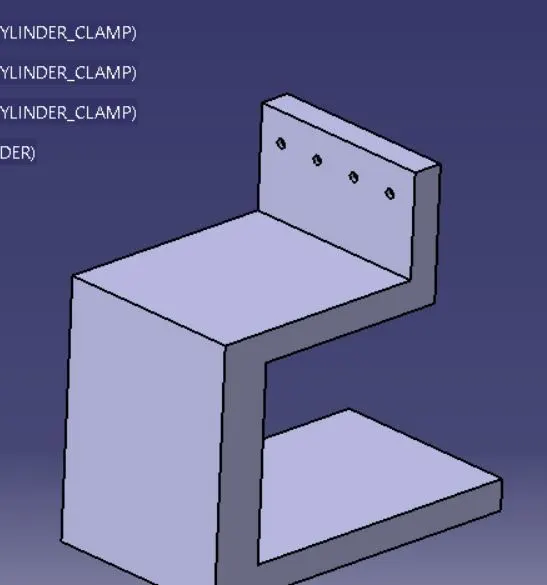
4. PLATE: Used for mounting the cylinder supports
Plate.1
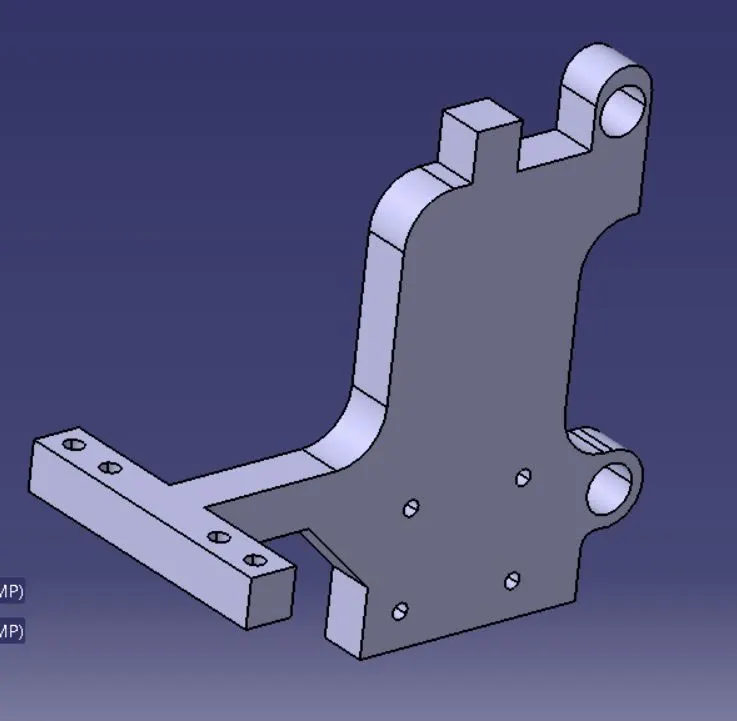
Plate.2
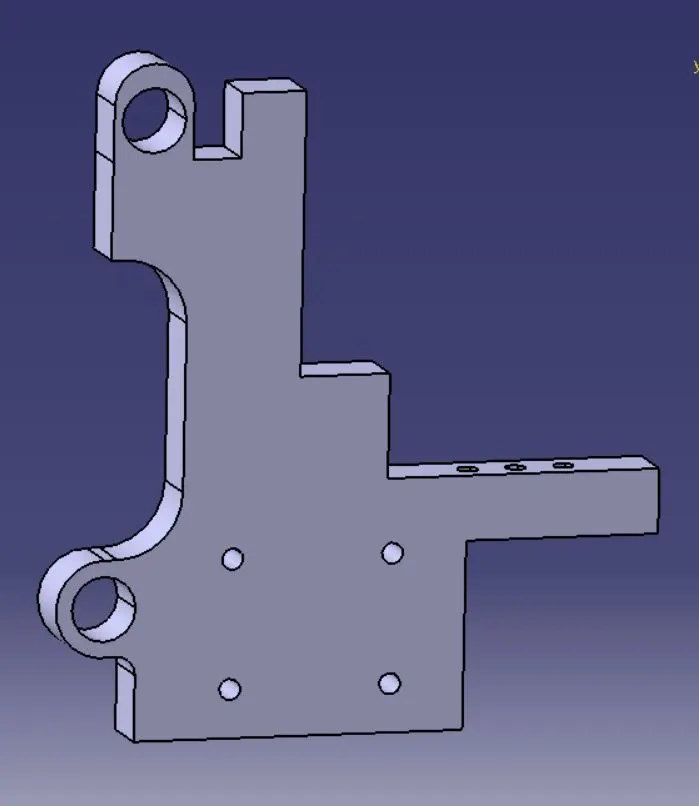
Plate.3
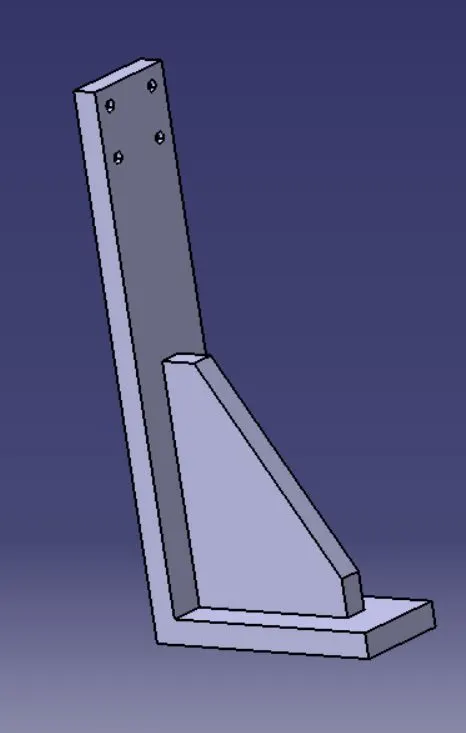
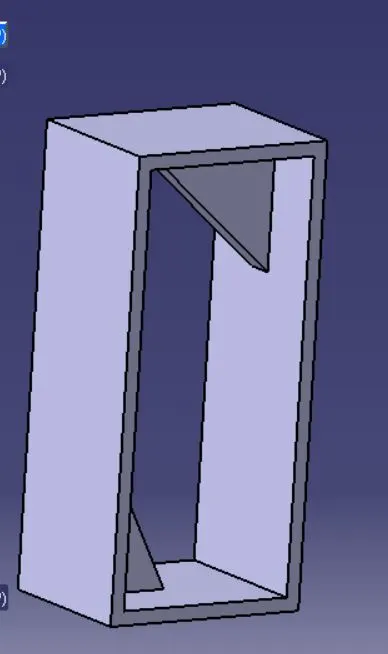
5. RISER: Riser is used to increase the height of the unit and these are standard parts so need not detail it or design it.
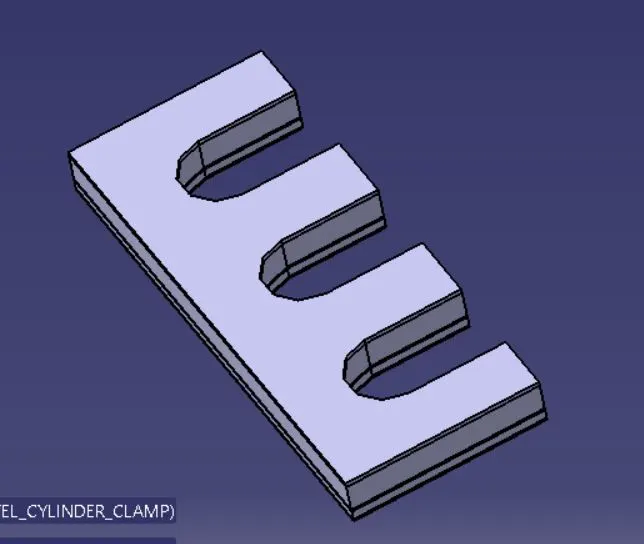
6. Shim/Spacer: Shims or spacer are used to compensate tolerance stack up. In the clamp unit, we need to control only one direction that is z using shims or spacer. Shims are generally thin sized plates used in groups called Shimpack and spacer are used as a single plate and can be machined accordingly
7. In this unit we used Clevis cylinder for clamping designated as CKG_1B_63_100Y
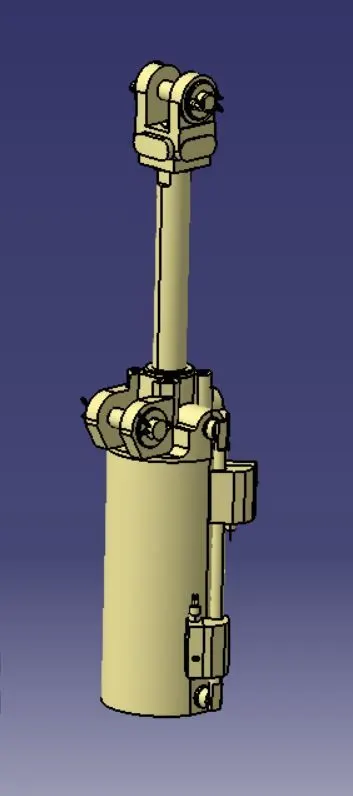
CKG1: Series of cylinder
B: Clevis width as 19.5 mm.
63: Bore size
100: Stroke of cylinder
Y: End bracket i.e. double knuckle joint (M6 without tap)
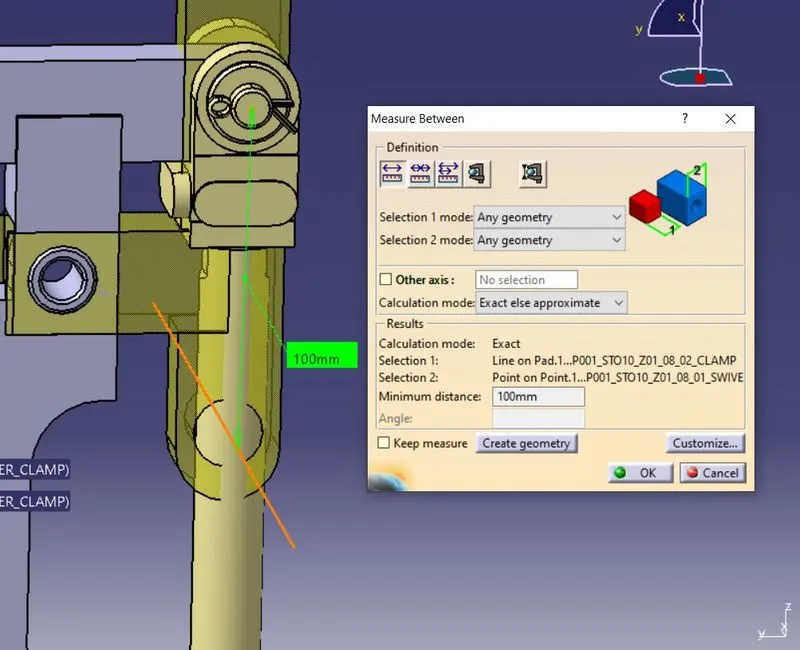
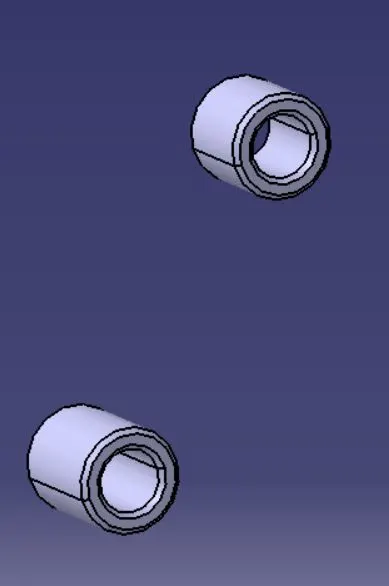
8. Bush: Bush is a friction-type bearing. It is lubricated with grease, oil. It permits relative motion between two mating parts. It is made of hard material also its ID & OD are precisely machined or grinded. It press-fitted & after worn out it is replaced with a new one instead of replacing other parts which save cost. Mostly phosphor bronze or gun metal material used for making bush. In this unit three bushes are used of the same internal (12 mm) & external diameter (18 mm) but different lengths.
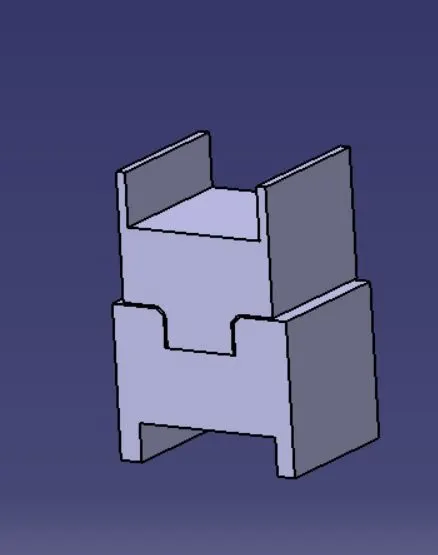
Stoppers: stoppers are used for restricting the over bending and help in perfect engagement of the clamp unit
9. Hardware: These are standard parts. Parts are assembled together with help of a washer and bolt. for better assembly should use two dowels and four bolts for the riser and blade. Where for bolting one part should have a tapping hole and on another part a simple hole (1 to 2 mm larger from bolt size.)
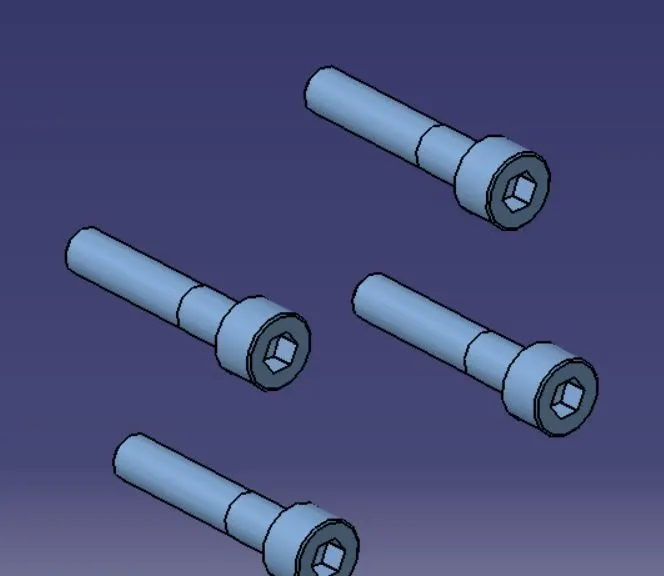
The length of the bolt is decided by the width of part + (1.5*D)
For ex. where
L=Length of Bolt
D=diameter of the bolt to be used
Let’s, take M8 Bolt
L= 25 + (1.5 * 8)
L=25+12
L=37 mm.
10. Dowel pins: These are a standard part. There are various types of dowel pin-like split, parallel, taper, clevis, and spring, grooved. Dowel pins are used to locate parts precisely & to restrict movements. For mylar dia. 6 or 8 dowel pins should be used. For blade, shimming block dia.8 dowel pin should be used & for riser base dia. 10 or 12 pins are used.
Clamp Units and their assemblies:
UNIT 01:
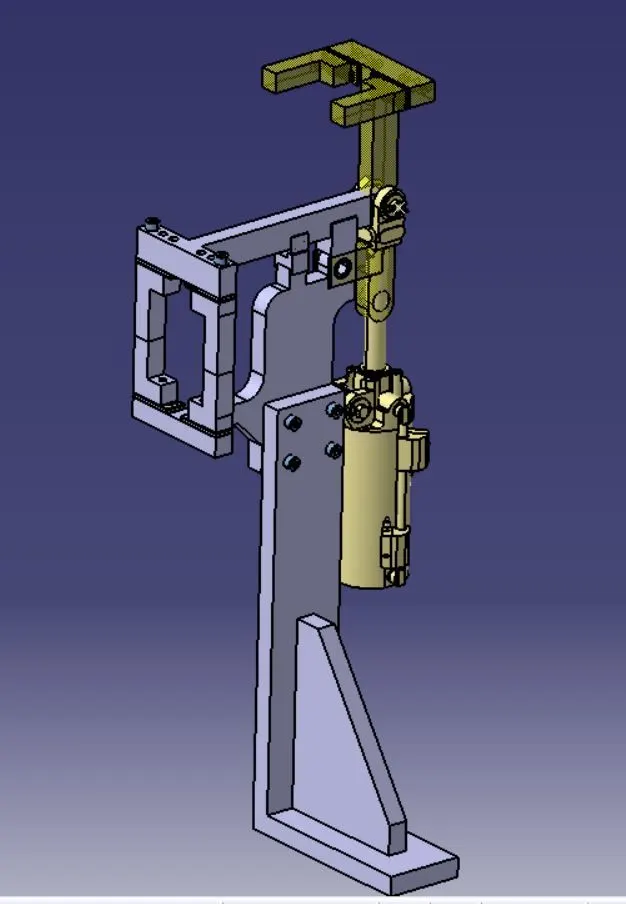
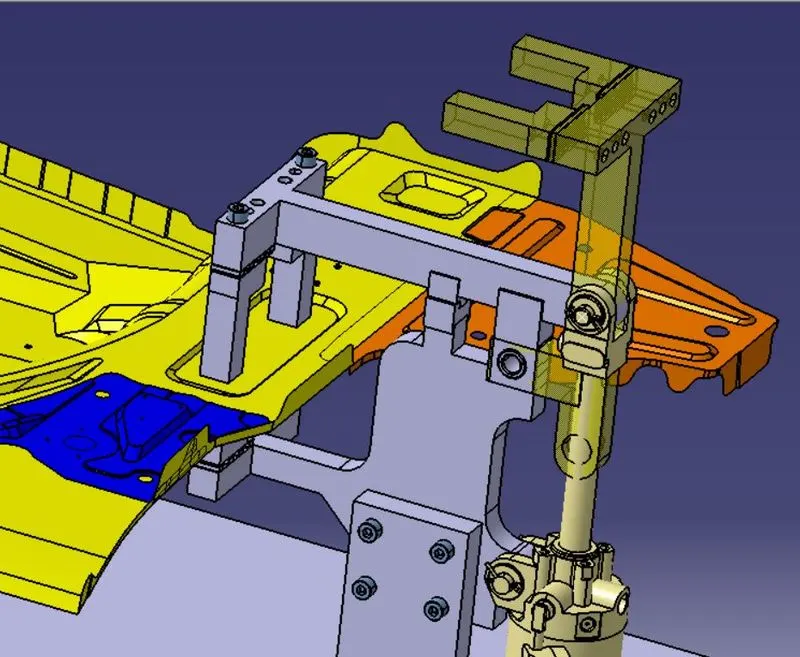
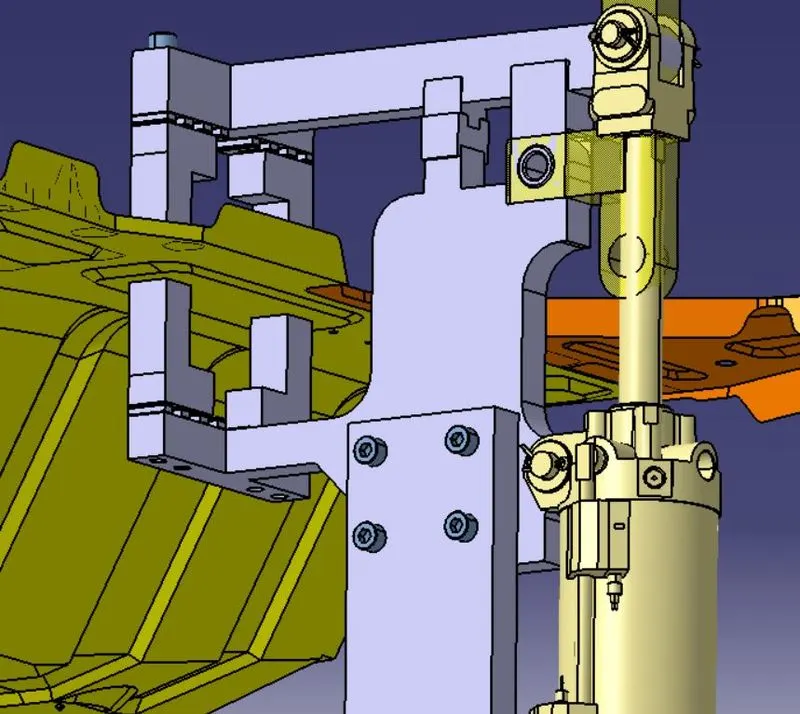
UNIT 02:
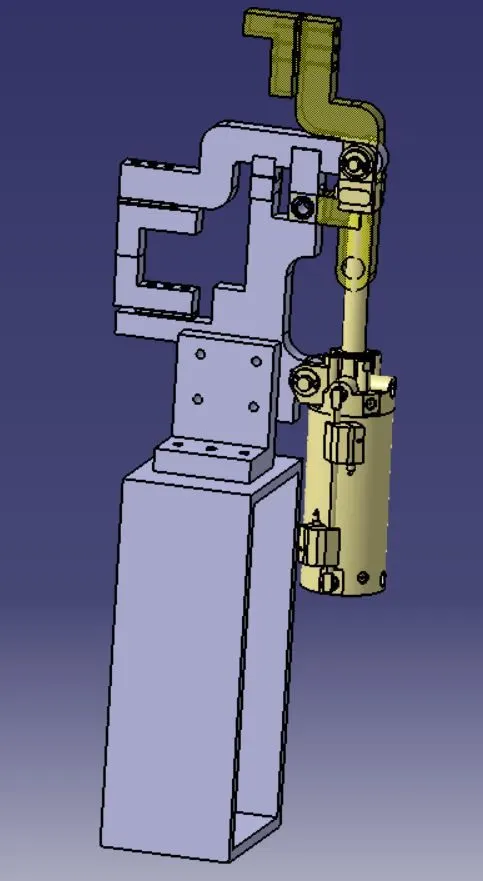
UNIT 03:
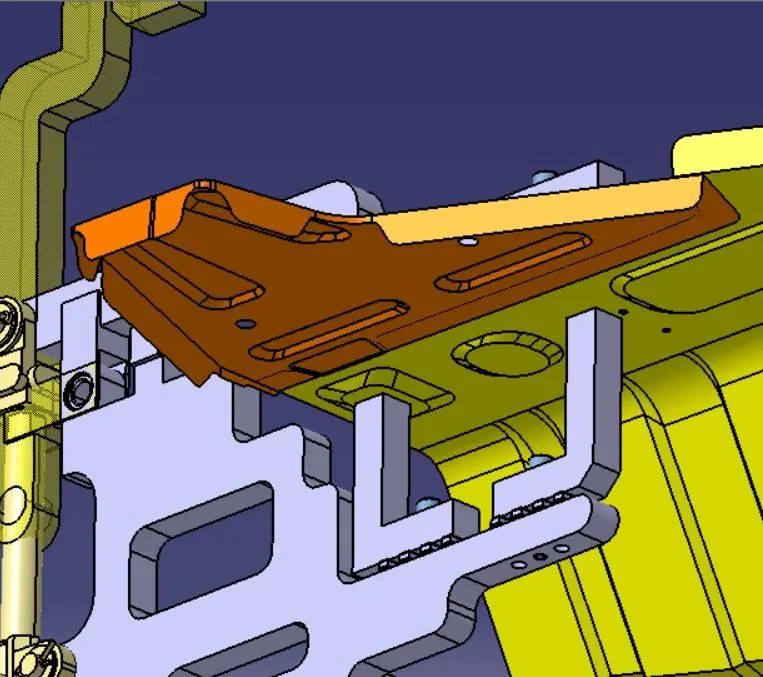
UNIT 04:
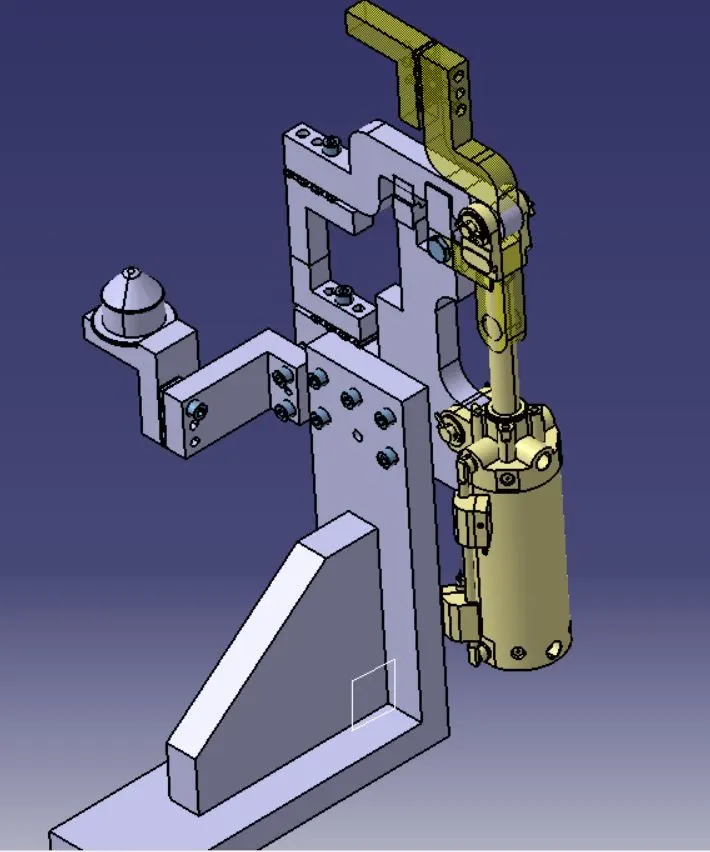
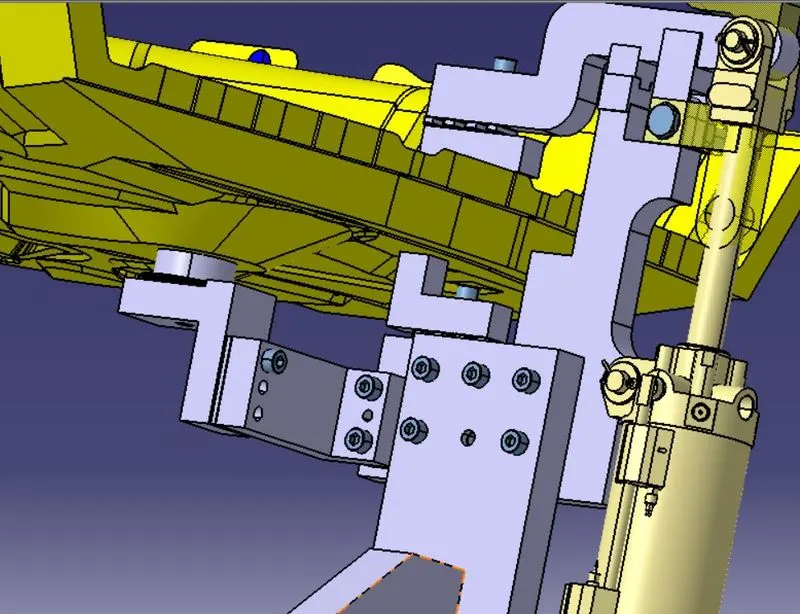
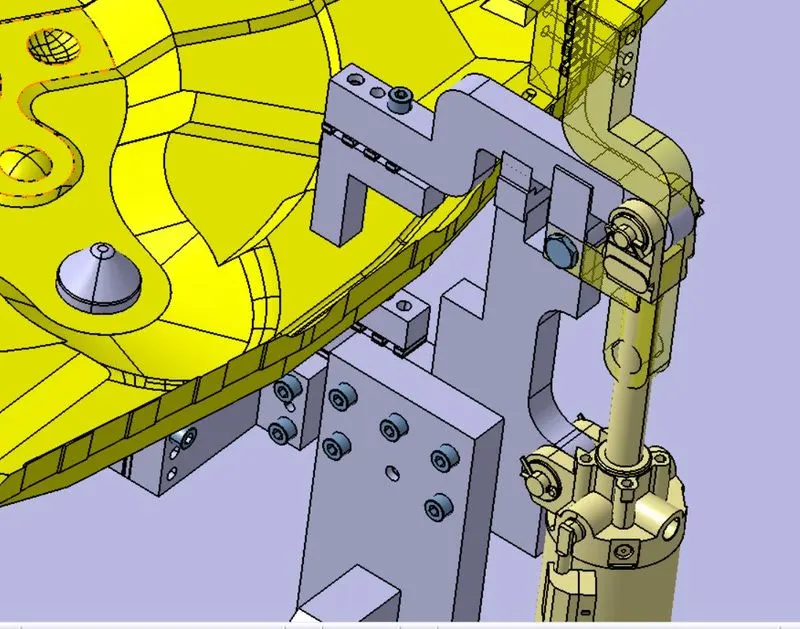
OVERALL ASSEMBLY: