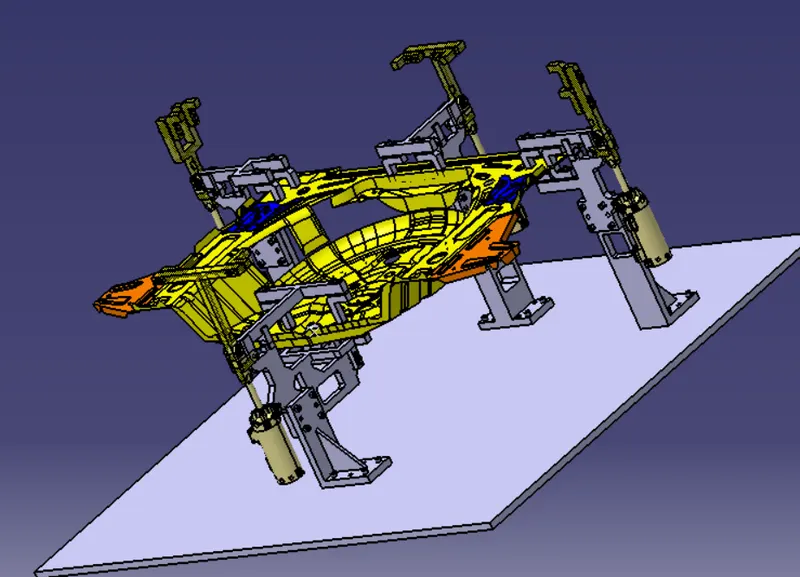
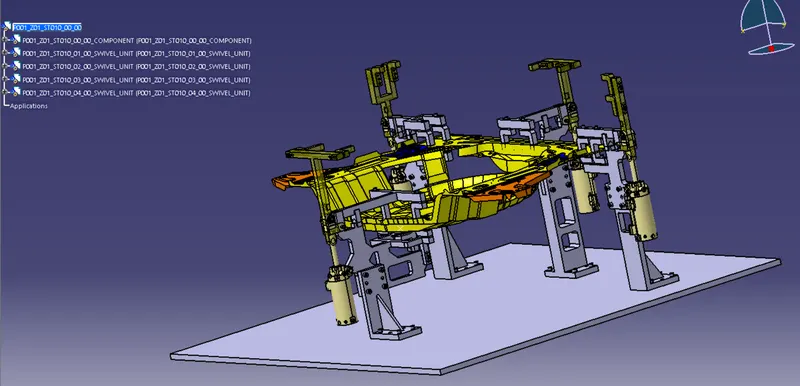
Week 6:- Clamp Unit & Pin-Clamp Unit Design Challenge
DESIGN OF SWIVEL CLAMP UNIT
INTRODUCTION
A Swivel Clamp unit is a unit designed to clamp/hold the car panel with NC blocks/ Mylars/ Rest by using a swivel cylinder.
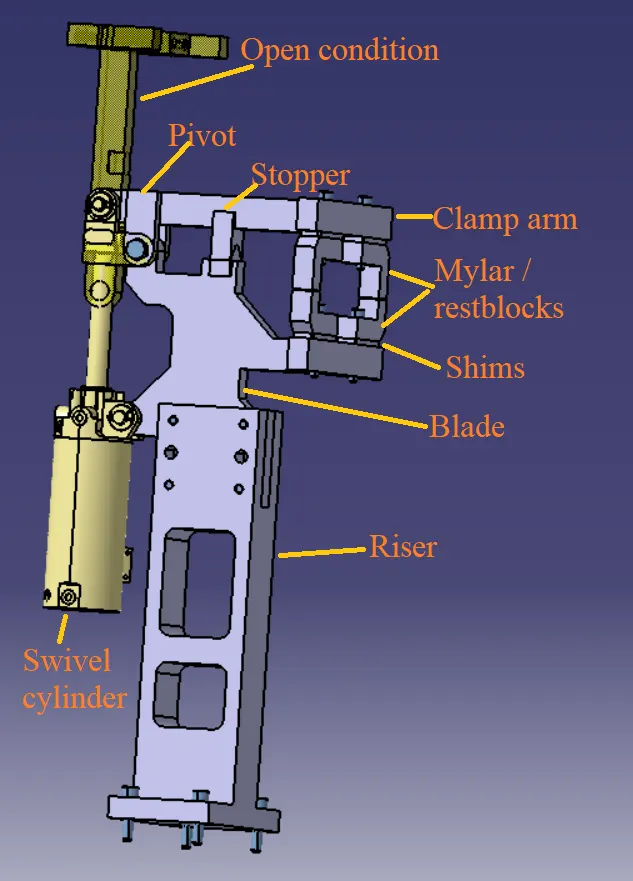
The parts of the clamp unit are:
- Rest block /Mylar
- L - block
- Shim / spacer
- Blade or Adapter plate
- Riser.
- Clamp Arm
- Swivel cylinder
FUNDAMENTAL OF CLAMP UNIT:
- Take a section at PLP either in clamp opening direction or normal direction. Sections should be normal to base. Panel section through X, Y or Z direction passing through PLP.
- The section will help in finalizing the shape of the clamp and rest block. Most importantly used for the finalization of gun shape.
- Finalization of a base plate plane – consider the following things before deciding the base plate. Height of maximum and minimum weld spot from the floor. No gun arm should touch the base plate. Operator ergonomic while accessing all the spots.
CONSTRUCTION OF SWIVEL BLOCK:
- If standard Mylar has to be used (Few companies make standard height and length of steel blank with few holes and dowels for clamping) then select the proper blank size as per the requirement; consider 5 mm above the panel.
- As per your company or OEM, Tier 1 standard uses the different standards mounting risers. 3. Do not forget to add the 5mm shim. If you are combining a rough locator or part sensor bracket along with the rest unit.
- Take necessary care means a distance of rough locator from the panel. In the process of manufacturing, we use Steel Aluminum, S-gun, and Plastics. And hardening is necessary for manufacturing Mylar and Pin.
OBJECTIVE
The objective of the current project is to design and model three types of swivel clamp units and one pin-clamp unit along with a clamp arm, swivel cylinders, blocks, shims, blade, and riser in CATIA software.
DESIGN METHODOLOGY
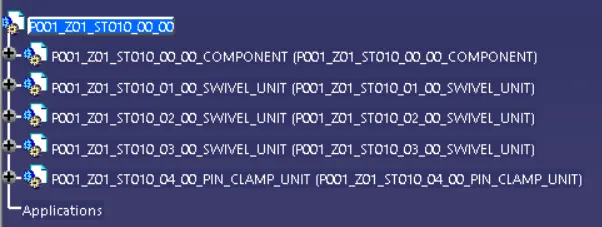
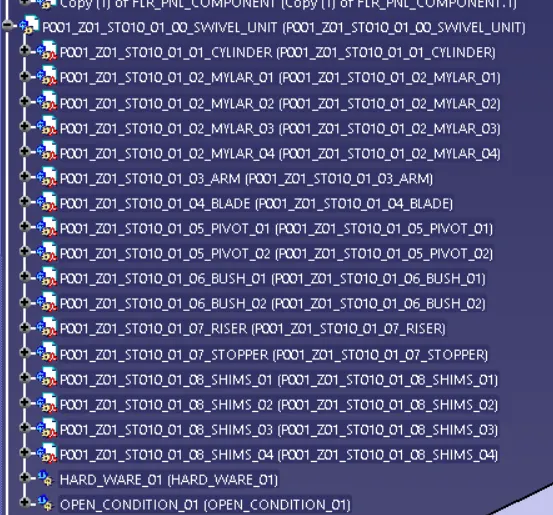
- The project is titled the “P001_Z01_ST010_00_00”. All the parts in the feature tree of the CATIA must follow the same process for easy identification of parts in the assembly.
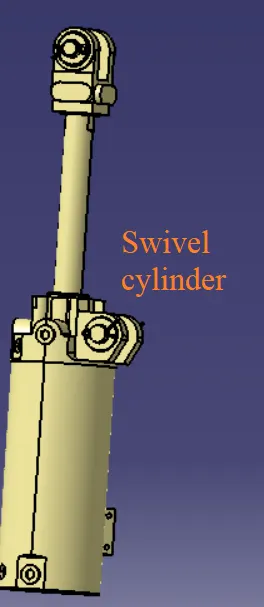
- The swivel cylinder (CKG-1B-63-100Y) is imported as the name suggests the stroke of the cylinder in the y-direction is 100 mm, the bore of the cylinder is 63 mm.
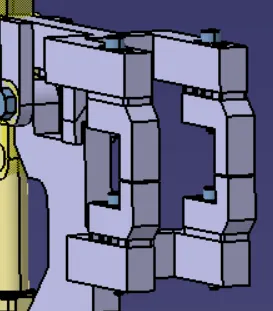
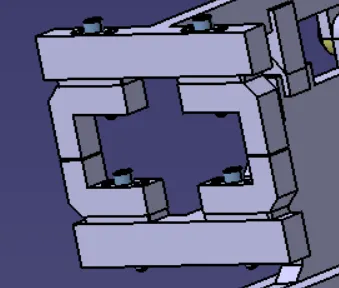
- The L- blocks / Mylars / Rest blocks are modeled in such a manner that there won’t be any movement of the car panel in the transverse direction. The clamp unit restricts the transverse direction translation and rotation.
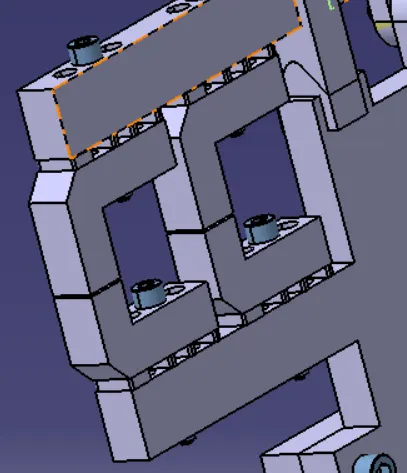
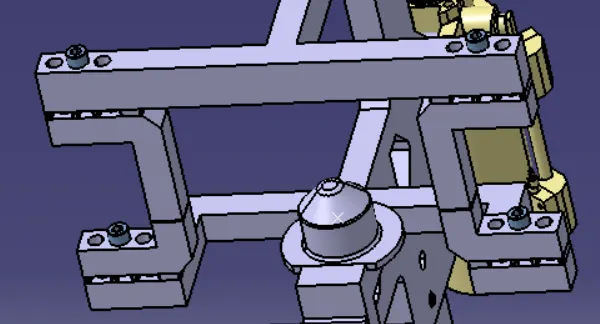
- The clamp arm is consists of pivots connected to the blade and swivel cylinder. The open condition of the clamp arm must be below the stroke length of the cylinder and exactly in line with the swivel cylinder in the vertical direction.
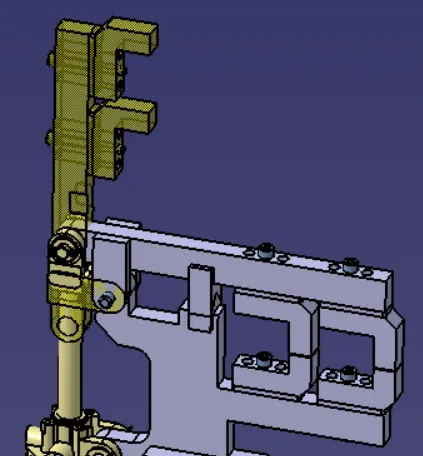
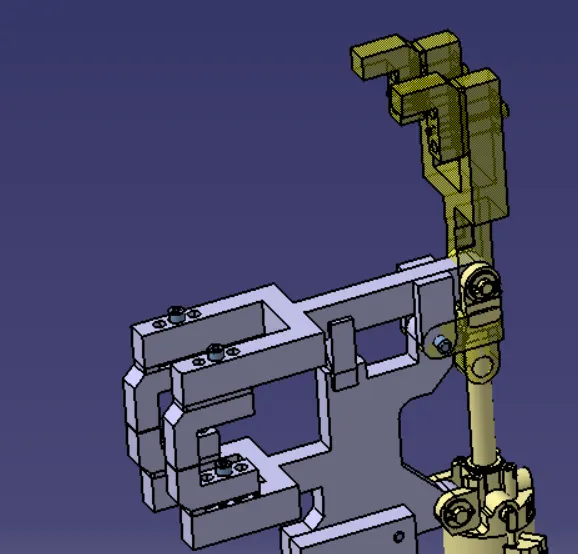
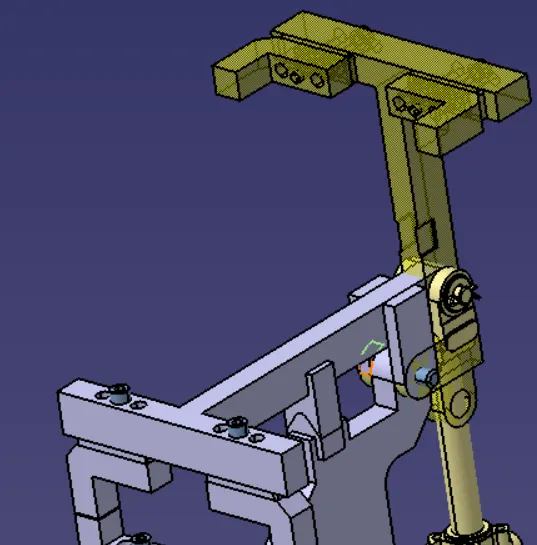
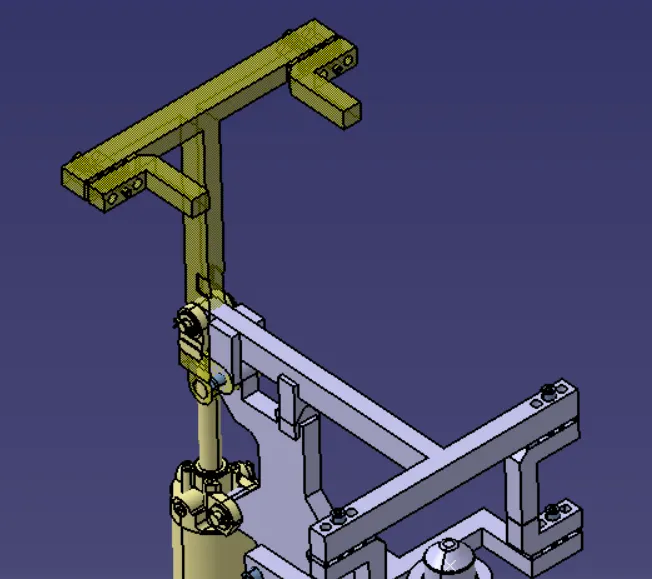
- A 5 mm space is provided between the clamp arm and mylars as the shims or spacer blocks are present.
- The dowel holes are present in all the parts of the pin units which are to be assembled with tolerance should be designed with 2 dowels and at least 1 to 6 treaded / free holes (depends on size). And to be finely machined for the mounting surface with 3 to 5 mm step machining.
- The blade is modeled in a way that, it gives support to the bottom rest blocks and also connects the cylinder. The stopper is present in the blade which helps to stop the clamp arm at a certain distance in the closed condition.
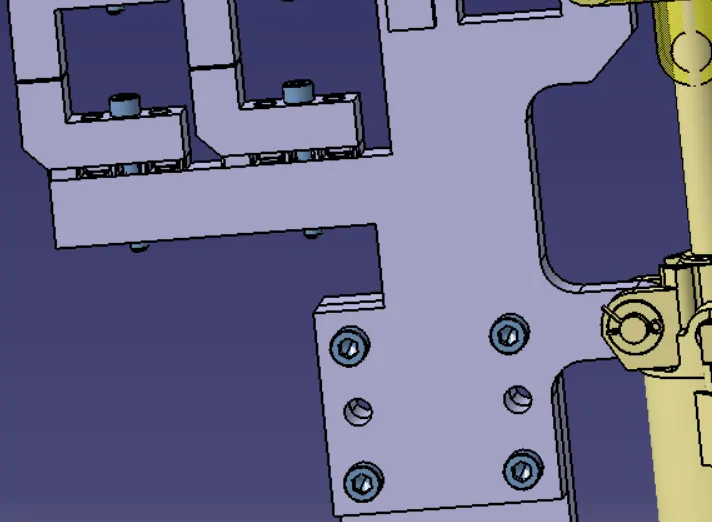
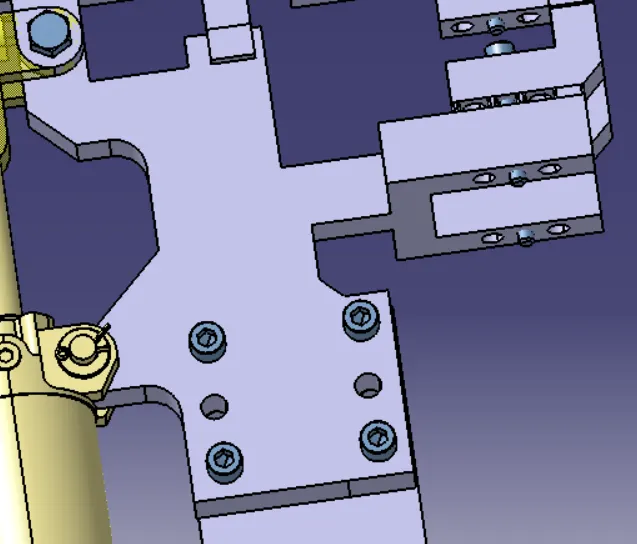
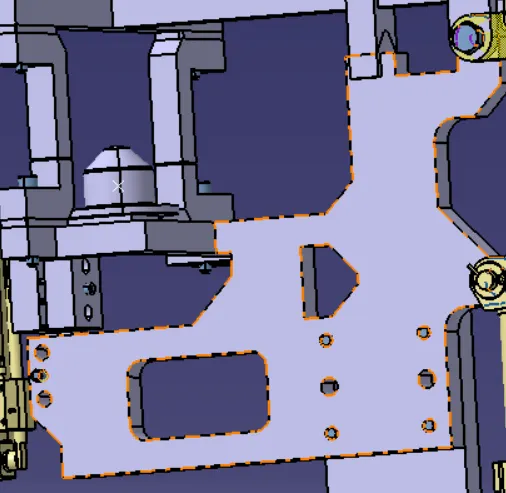
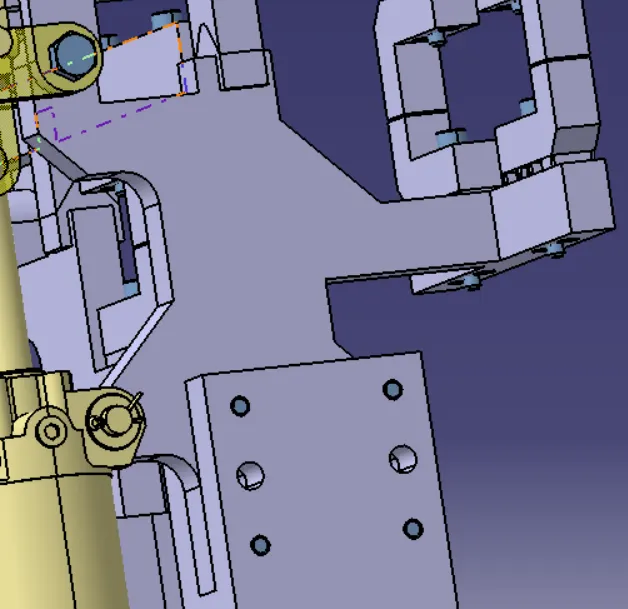
- The riser is a part on which all the parts of a unit are mounted and is mounted on the base plate of a tool. In general, the riser can either be made part or a standard part.
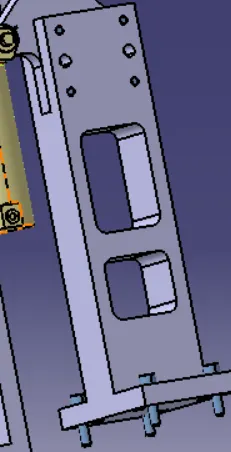
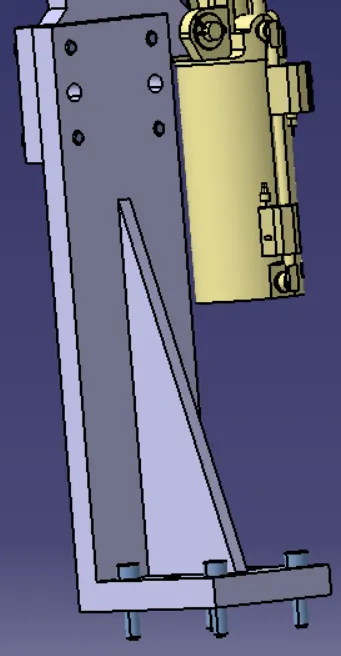
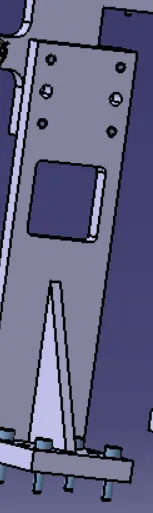
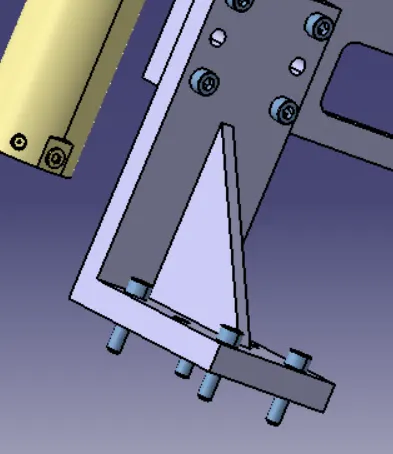
- Required Hardware (bolts) with M8, M10, and M12 are considered to fasten the clamp arm to mylars, rest blocks to the blade, blade to the riser, riser to the base, and the pivot.
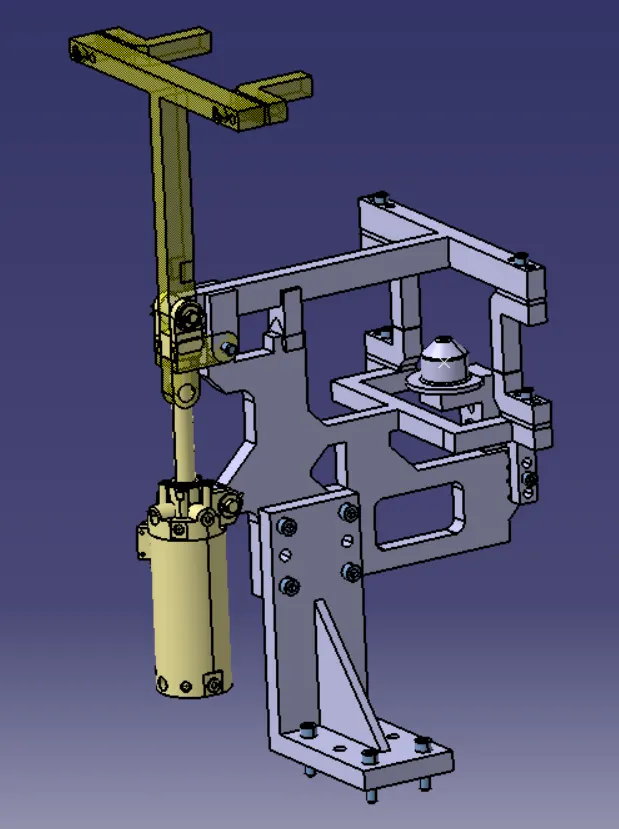
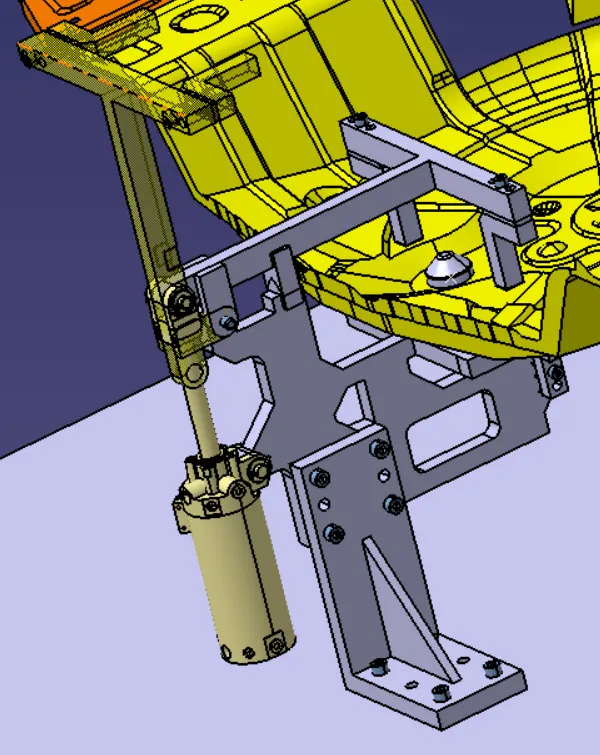
- PIN-CLAMP UNIT
CONCLUSION
Three different types of swivel clamp unit and one pin-clamp unit are modeled in CATIA. It is studied that if the hole is present at a distance from the edge on the panel it is advised to place a pin-clamp unit so the cost of manufacture and the place on the base unit can be reduced.