Week 6- Challenge
OBJECTIVE: To mesh the hood according to the quality criteria provided.
overview: Hood is the hinged cover used to cover and protect the engine. Hood is also bonnet in commonwealth countries.
On front-engined vehicles, the hood might be pivoted at either the front or the back edge, or in prior models (for example the Ford Model T) it could be part into two segments, one each side, each pivoted along the middle line. A further variation consolidates the hood and wheelarches into one segment and permits the whole front bodywork to tilt advances around a rotate close to the front of the vehicle.
Hoods are regularly made out of a similar material as the remainder of the body work. This may incorporate steel, aluminum, fiberglass or carbon fiber. Notwithstanding, some post-retail organizations produce substitutes for steel hoods in fiberglass or carbon fiber to make the vehicle lighter.
For this week 6 assignment we are expected to mesh the hood which consist of a inner extract, outer . extact, hinge and a latch. We are ecpected to do the required geometry cleanup and mesh the component which satisfies the quality criteria given. This component is symmetric in Y direction, so we are going to do the geometic cleanup and meshing in one of the sided and reflect it tothe remaining half.
INNER EXTRACT:
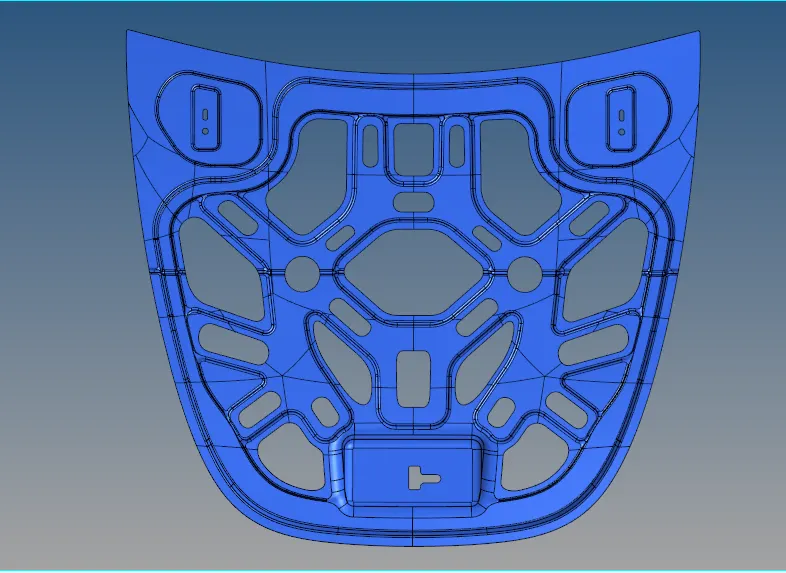
The inner extract is first component in hood part file. As we can see the inner extract is a relatively difficult component to mesh. It consist of surface contouring in different dimensions creating a challenge for a cae engineer to create mesh proper quality and flow.
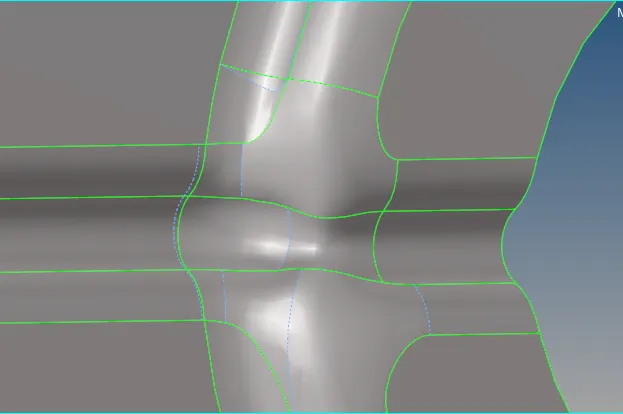
For starters we will look for glitches in the surface of inner extract, a good, proper surface is the first step to achieve a good mesh. Any suface which will effect the mesh quality will be resolved. Only one half of the inner extract will be looked for glitches as we are going to reflect it to the other side.
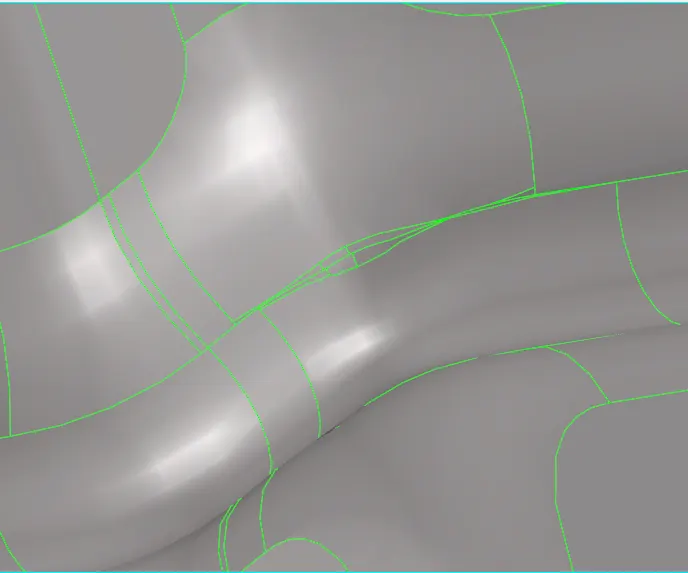
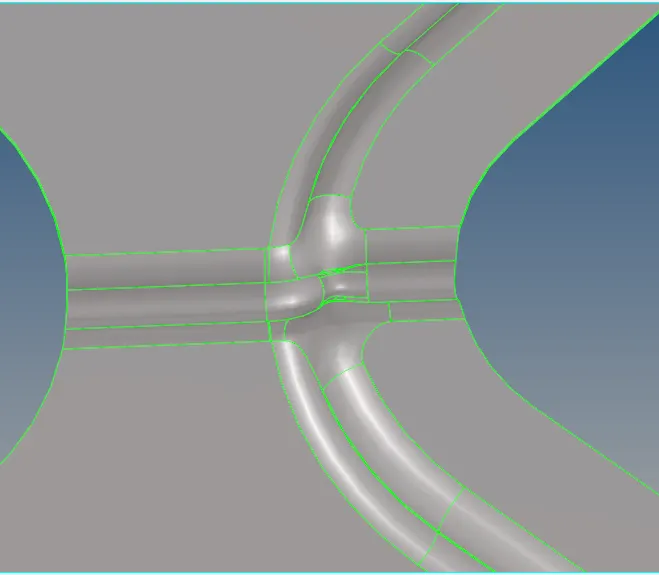
These are the only major glitches. we simply toggle the edges but i have deleted the surface to rebuild it.
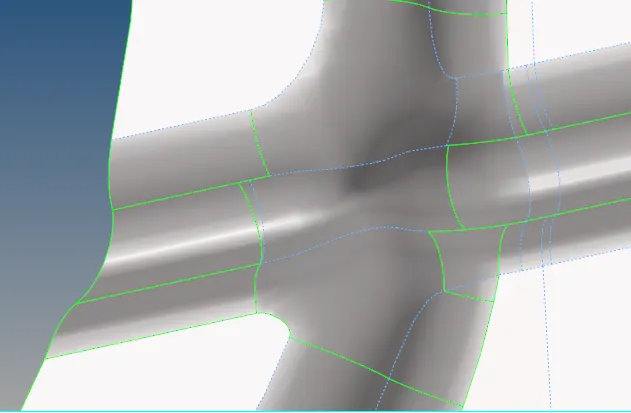
Now we will do an autocleanup
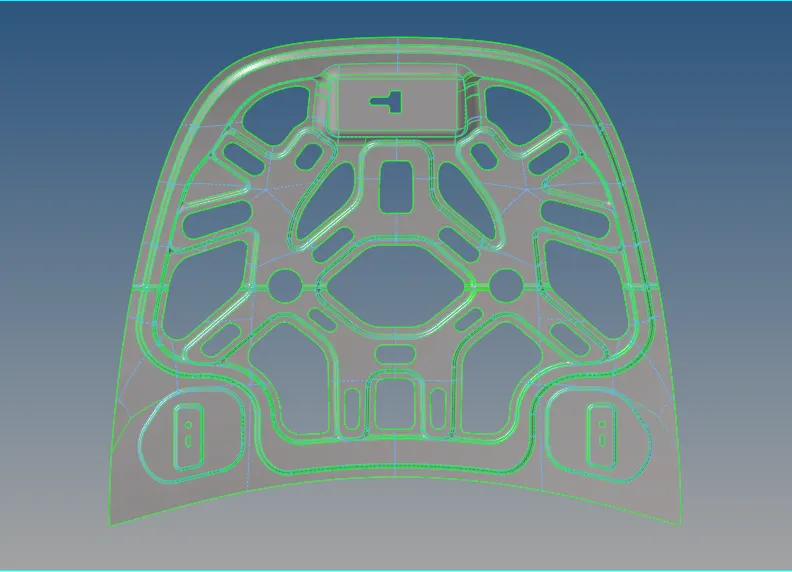
This is the resulting surface. All the edges which would have caused any elemental failures has been toggled to supressed edges.
The next step is to extract the midsurface. we extract the midsurface by going to the midsurface option in the geometry menu, selecting the surface
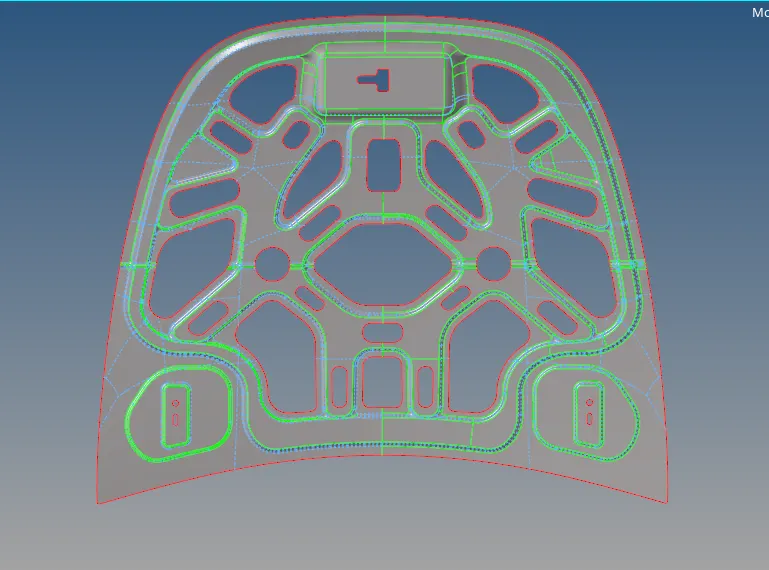
after exracting the midsurface we look for the knicks, sharp edges and deviation from the orginal component.
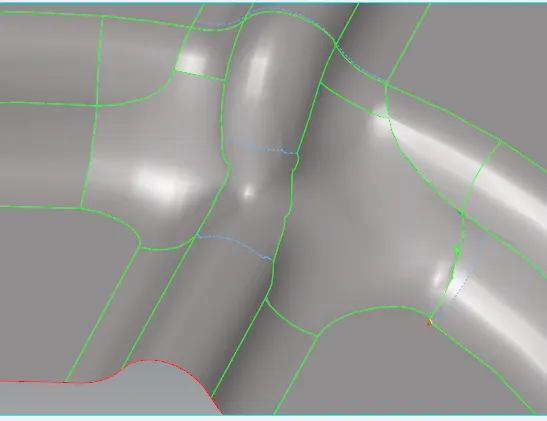
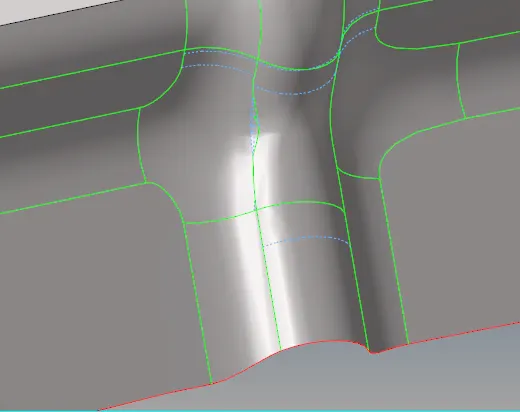
these are the 2 errors in the mid surface we extracted. the errors in the first can be solved by offsetting the surface of component to the midsurface(manual midsurfacing).
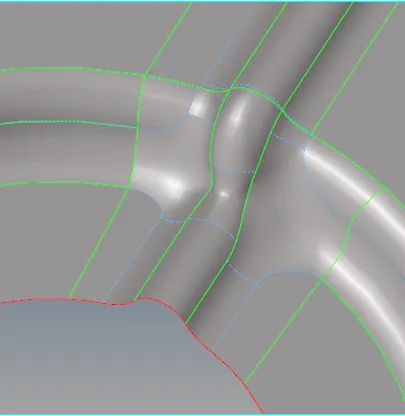
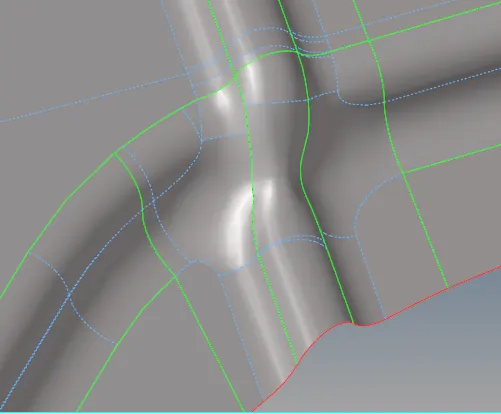
after fixing the surfaces we will mesh the surface individually to get proper quality and mesh flow
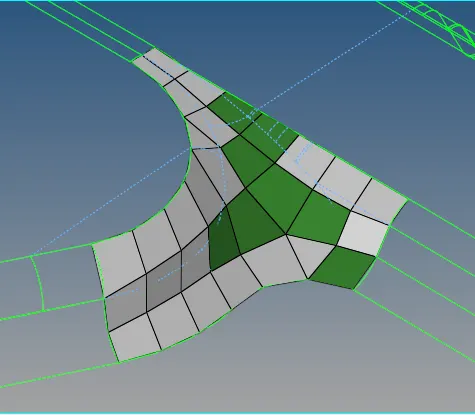
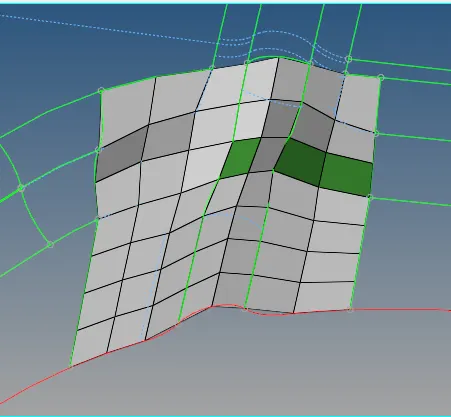
the warpage error is the most common error in this meshing assignment. Warpage can be resloved by translating one node by certain amount in the required direction. this is a try and error method, and it might not solve the warpage error as solving one element might result new ones swpaning. we have to use a combination of translation,optimise element, remeshing.
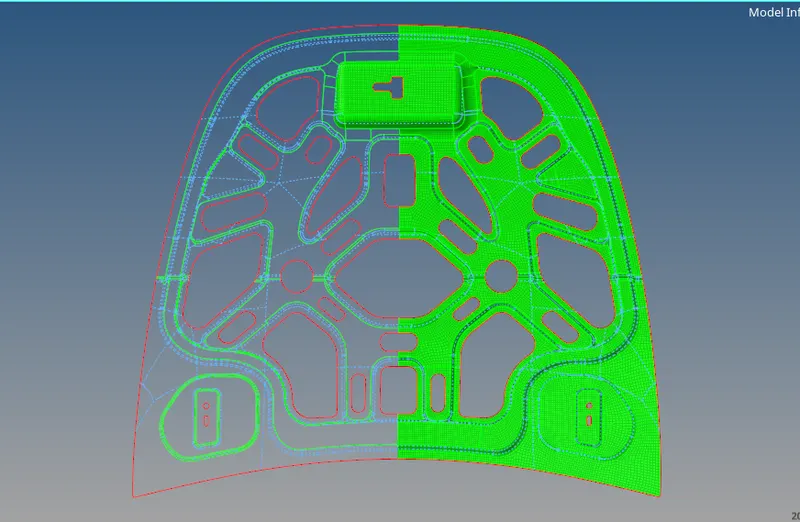
after completely meshing the half of midsurfce upon which we did the geometric cleanup we will reflect it to the other halfs. selecting the all displayed elements by selecting displayed option in elements dialog box by left clicking it and duplicating it. selecting y axis as the direction in which the duplication as to happen.

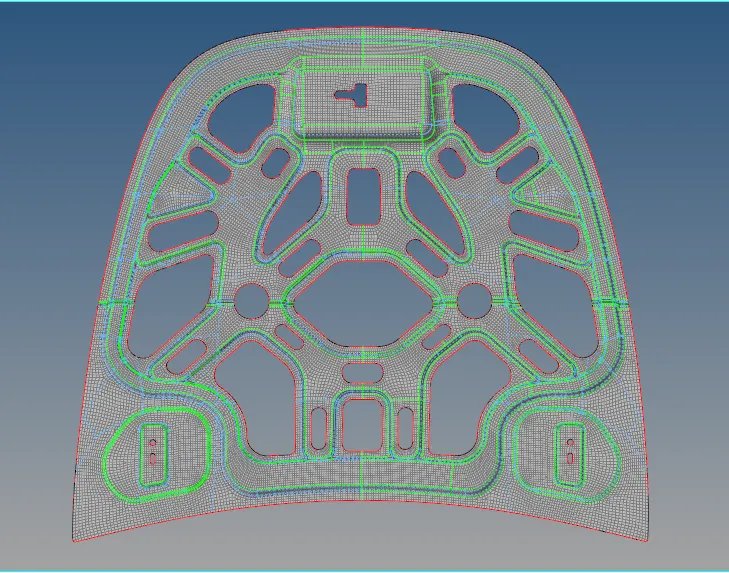
by element quality mode
OUTER EXTRACT:
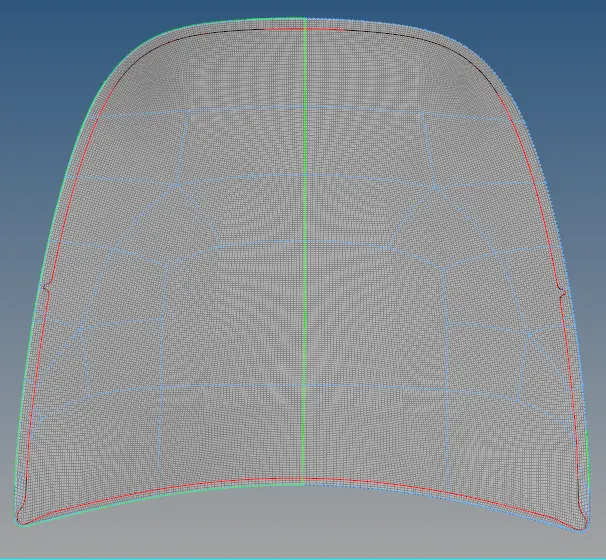
The outer extract is a very simple component. we have suppress all the egdes on the surface except the central line that runs from top to the bottom.
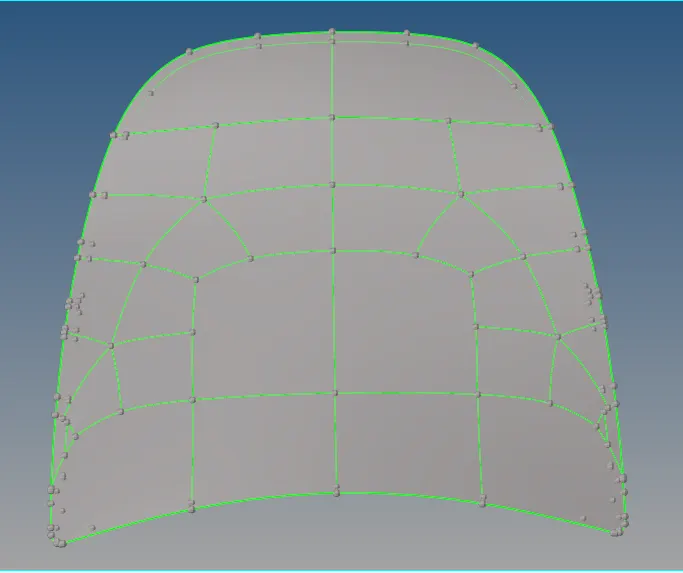
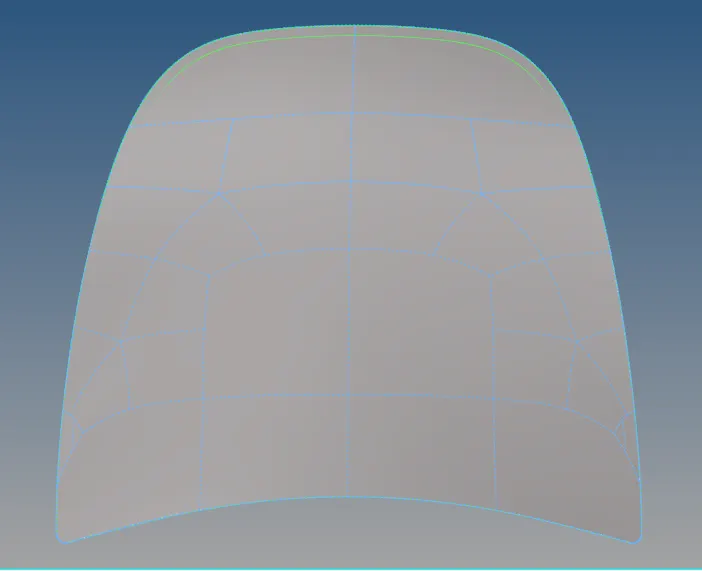
this is the only geometric cleanup required. now we will extract the midsurface.
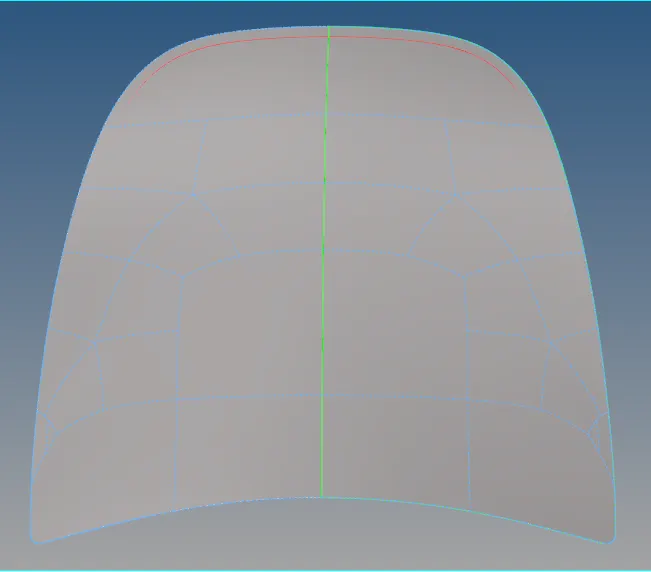
now will mesh it with element size 5.
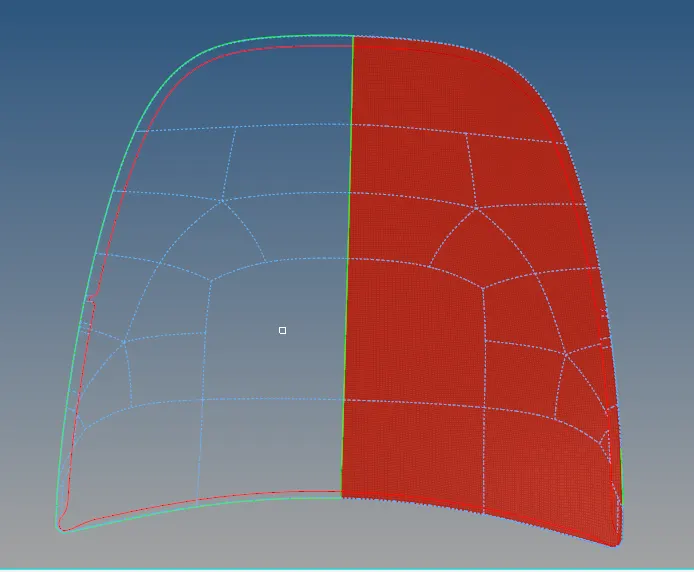
after completely meshing the half of midsurfce, we will reflect it to the other halfs. selecting the all displayed elements by selecting displayed option in elements dialog box by left clicking it and duplicating it. selecting y axis as the direction in which the duplication as to happen.
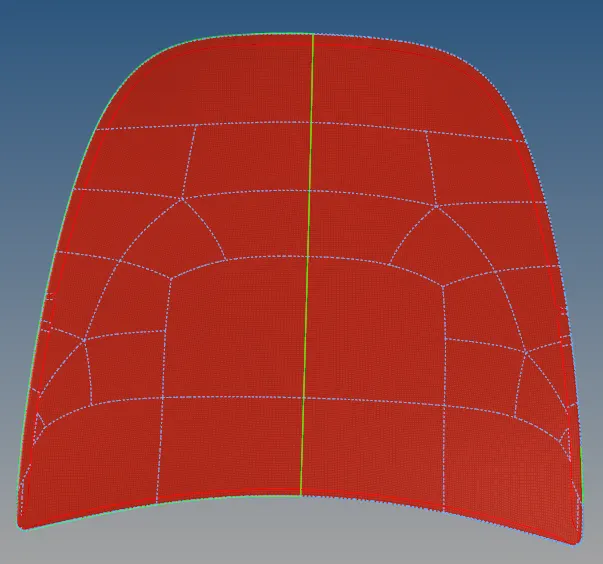
HINGE:
Hinge is a very easy component to do cleanup and meshing for this component we will be directly extracting the midsurface using auto misdurface. as for geometric cleanup we will supress the edges in the fillet
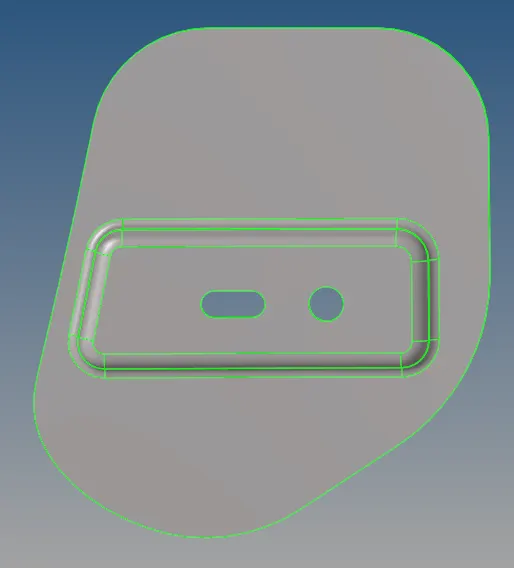
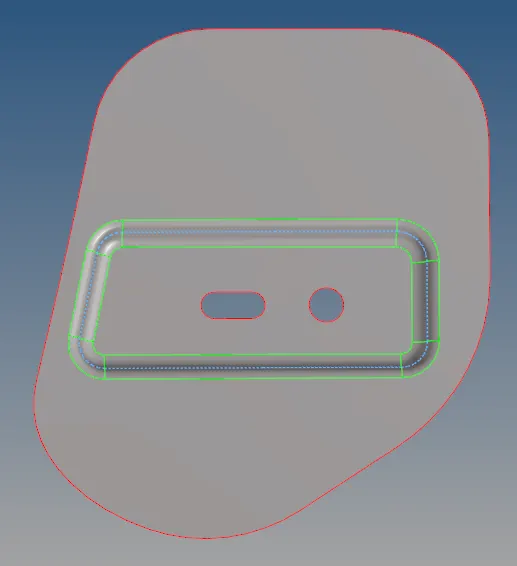
now we will mesh the midsurface using mesh size 5. for the first itration the no of trias in edges will be high, with subsequent remeshing those tria are mostly fully removed.
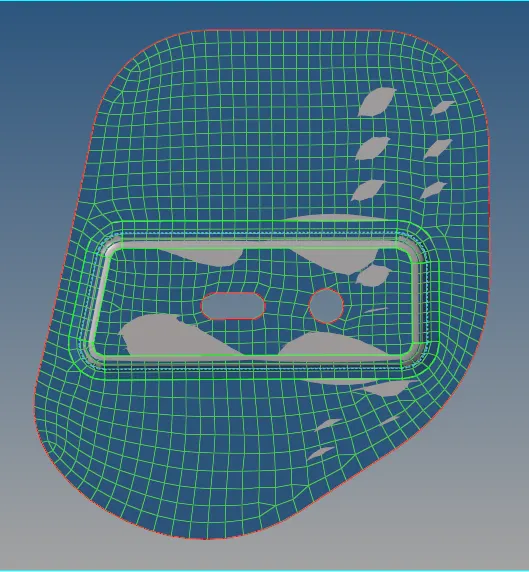
reflecting the elements to the second hinge.
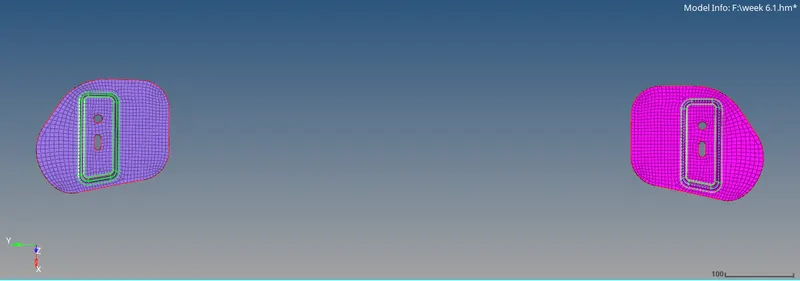
LATCH:
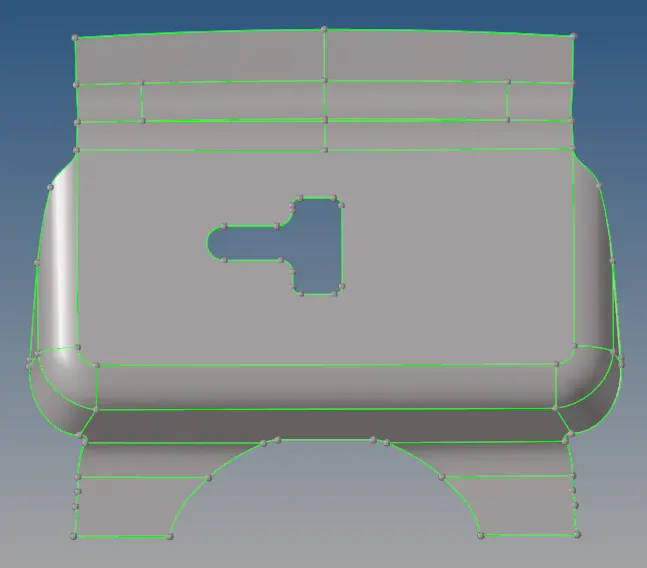
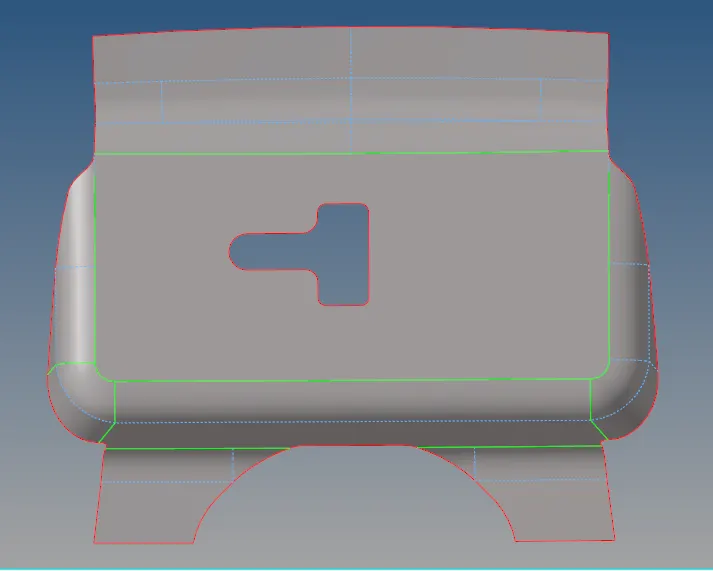
Latch is a straight forward component requiring an auto cleanup and midsurface extraction
meshing with mesh size 5
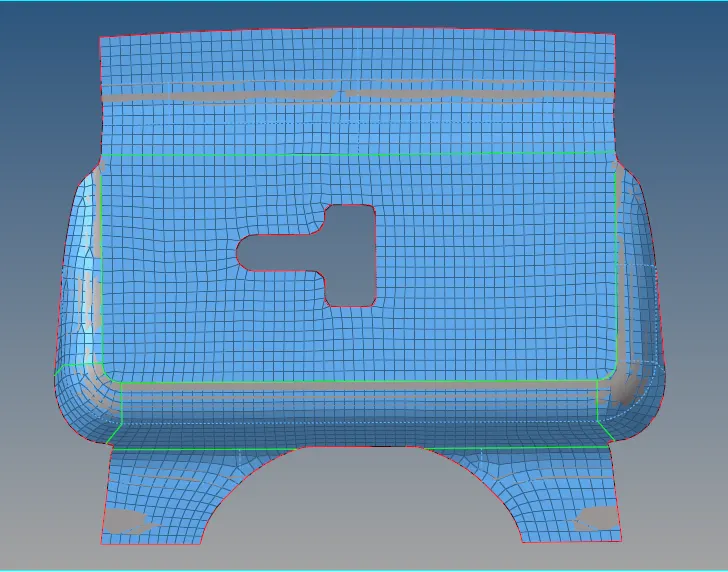
THE HOOD HAS BEEN MESHED ACCORDING TO THE QUALITY CRITERIA PROVIDED.