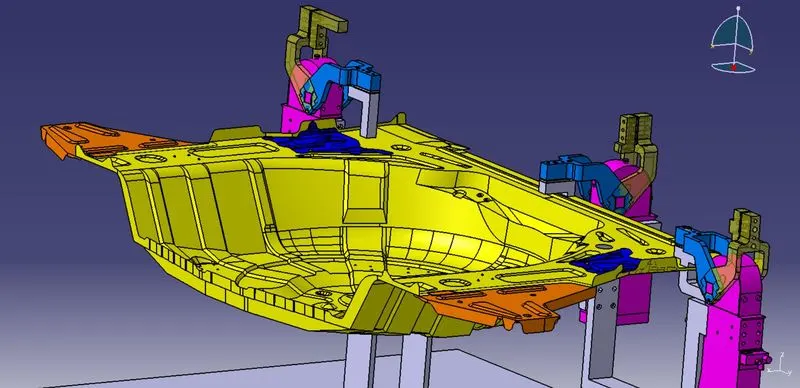
Rest Unit & Clamp Unit Design Challenge
Objective:
Design 3 Different types of Power Clamp Unit with Different Riser, Blade and Clamp Arm for the given Car Panel & 2 Different types of Rest Unit for the given Car Panel with the optimum use of material & space constraint. Also, we learn different types of rest & clamp unit configuration.
Introduction:
3-2-1 principle achievement:
3-2-1 principle is the basis of any fixture design. Holding fixtures used in assembly operations often follow a 3-2-1 locating scheme to position parts. Under this scheme, three locators position a part in a primary plane or direction (e.g., high/low). (3) minimum: Three locator blocks to establish the part plane. Three locators or supports are placed under the workpiece. Three locators are usually positioned at primary locating surfaces. This restricts two translation motions i.e. upward & downward & four rotational motions ( i.e. clockwise or anticlockwise). Together with tree locators with clamps restrict six degrees of freedom. The below figure shows how (3) minimum in 3-2-1 locating scheme is achieved by clamping & resting.
CLAMP UNIT:
Clamp Unit is used to clamp or hold the car panel or component in a fixture with the help of mylars or NC blocks using manual or pneumatic clamp cylinder. This unit only restricts the up and down motion of the car panel.
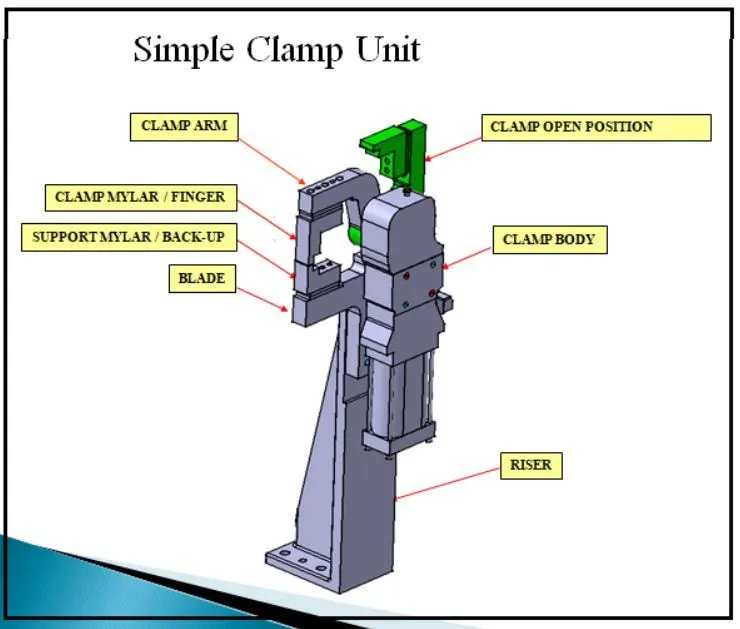
Different parts used in clamp unit:
1. Clamp Mylar/ Finger/ NC Block: This part is in actual contact with the car panel as it holds or clamps the component.
2. Rest Mylar/ Finger/ NC Block: This part also is in actual contact with the car panel as the car panel rest on this part as shown in the above image.
3. Clamp Arm: Clamp Arm is the part on which clamp mylar is mounted. Basically, this is the standard part that comes with the cylinder.
4. BLADE: As shown in the figure blades are bolted on the riser.
5. RISER: Riser is used to increase the height of the unit and these are standard parts so need not detail it or design it.
6. Shim/Spacer: Shims or spacer are used to compensate tolerance stack up. In the clamp unit, we need to control only one direction that is z using shims or
spacer. Shims are generally thin sized plates used in groups called Shimpack and spacer are used as a single plate and can be machined accordingly
REST UNIT:
The Rest unit is used to give support to the car panel or component. Hence also known as a support unit. It consists of a riser, rest mylar, and shim or spacer for upward or downward adjustment.
Structuring a design tree:
Structuring a design tree implies a process where all the assemblies & parts are named in a specific manner. Different customers have different sets of standards like how to structure a design tree? So they will be give standard template based on that design tree structure, which helps us to identify specific parts of the assembly.
It specifies the Project number, station number, unit number; the part number of each component so that it is easy to identify the parts.
It is an important process that helps us to identify a specific part or assembly as to which project, tool or unit, it belongs to.
This helps us to avoid errors during design study, manufacturing, assembly, inspection, etc.
If parts or assemblies are not named properly or the design tree is not structured properly, it will create confusion to understand & create major possibilities of making an error.
The naming of a fixture, a unit, or a part gives the information as to which project or zone or assembly they do belong.
It can help us to identify the number of items of the same type or different types that are being used in assembly for e.g. bolt. It actually tells you how many bolts are
particularly required in that assembly or unit.
Design Modules:
1.Finger Unit:
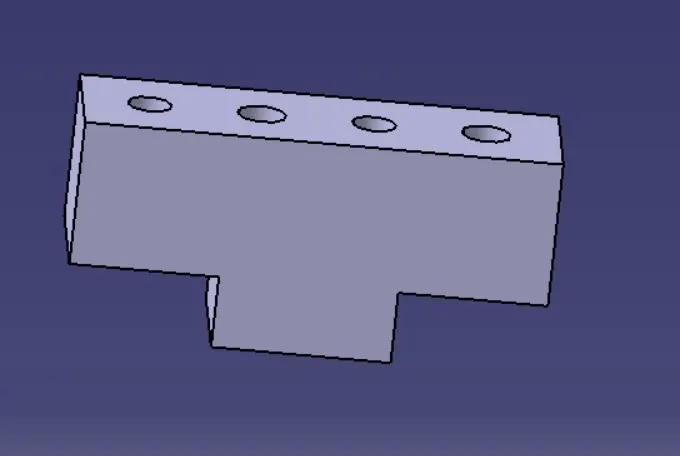
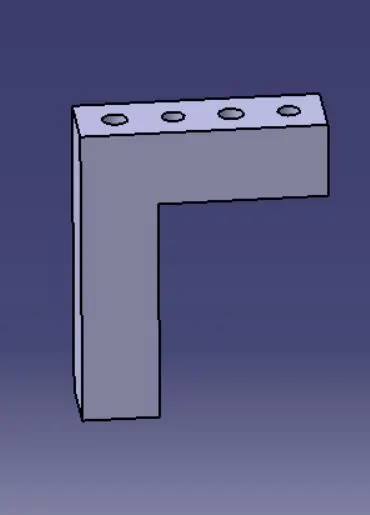
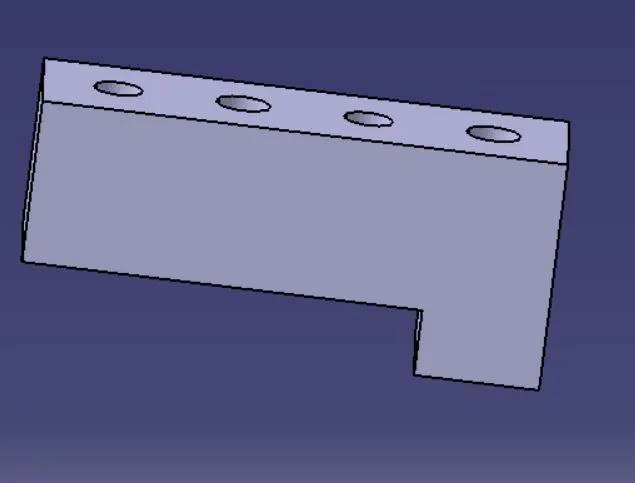
2.Rest Unit:
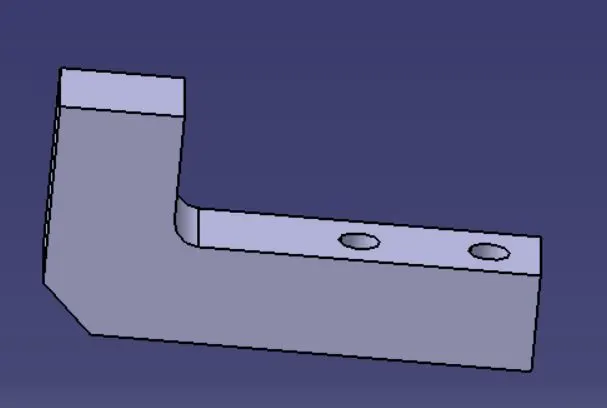
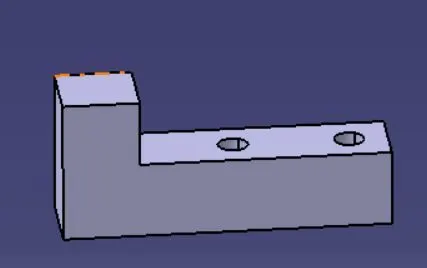
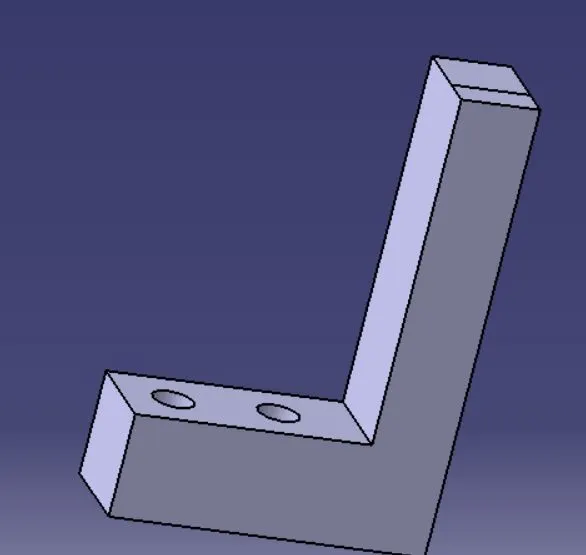
3.Clamp Arm:
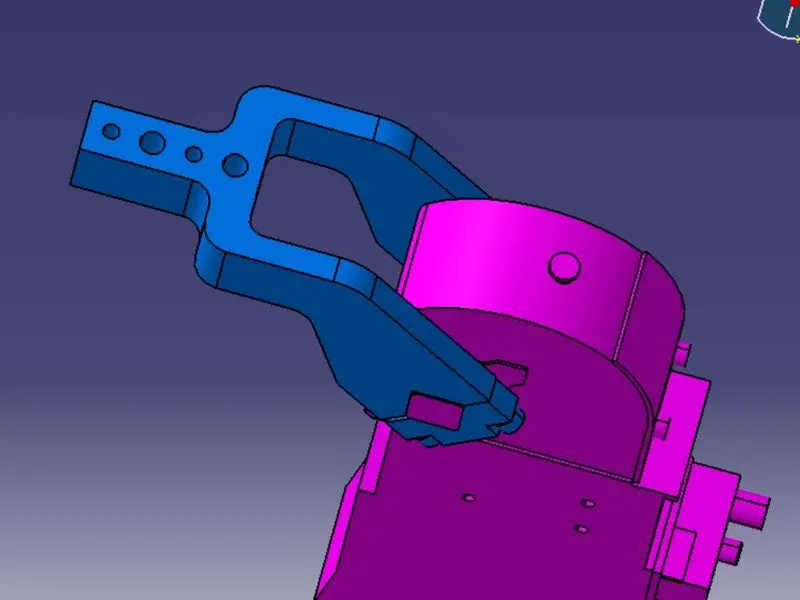
4.Plate unit:
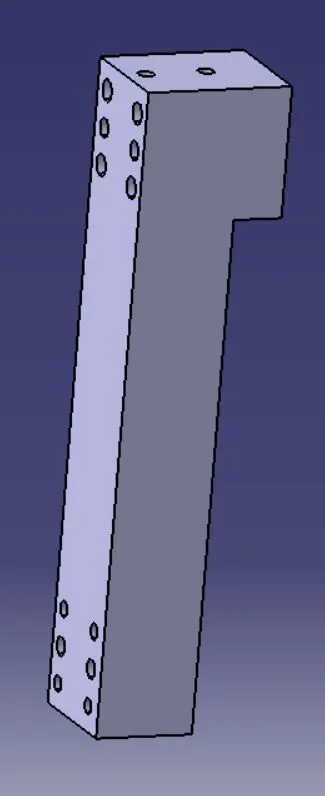
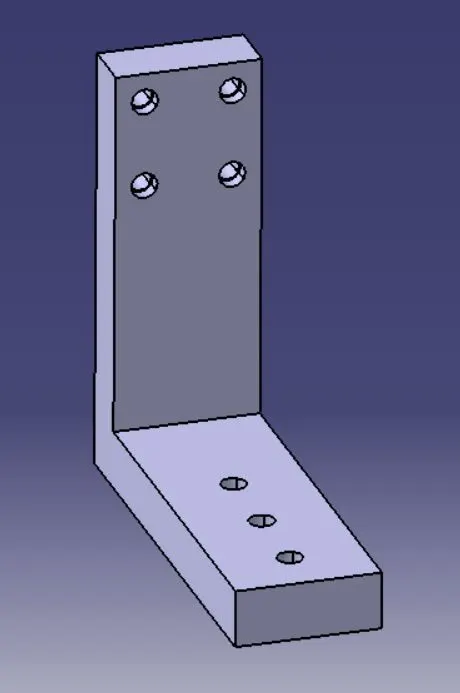
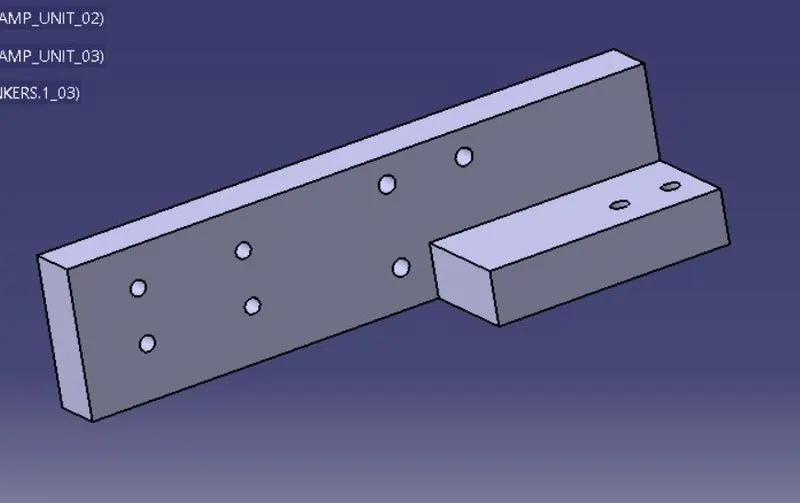
5.Blade Unit:
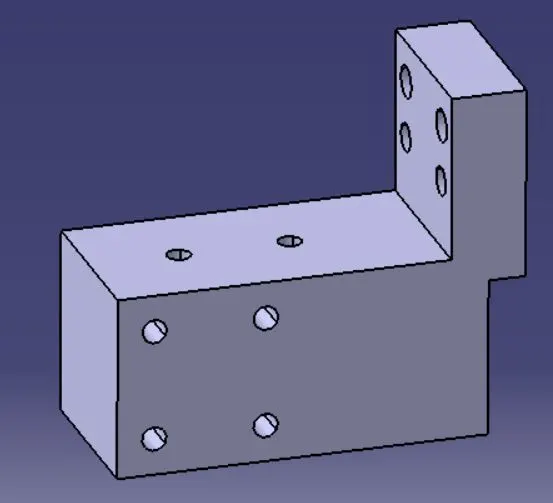
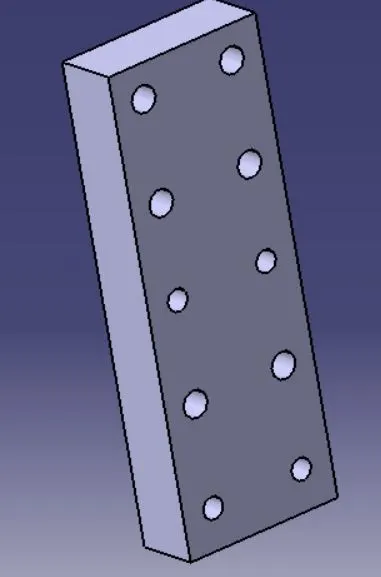
6.Riser:
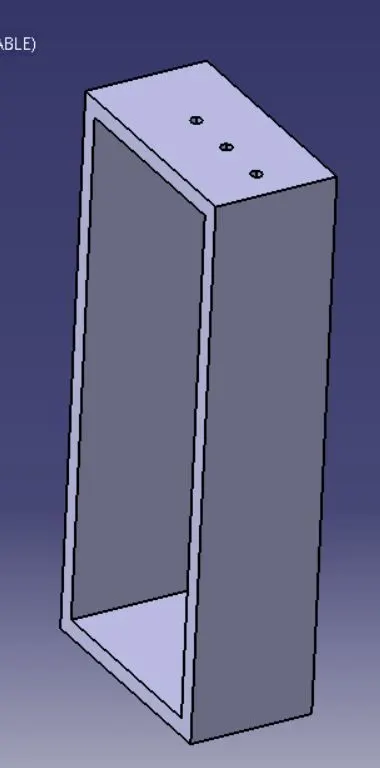
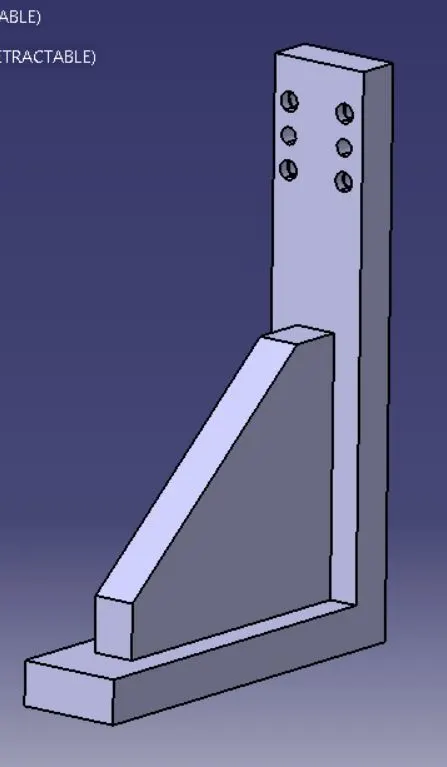
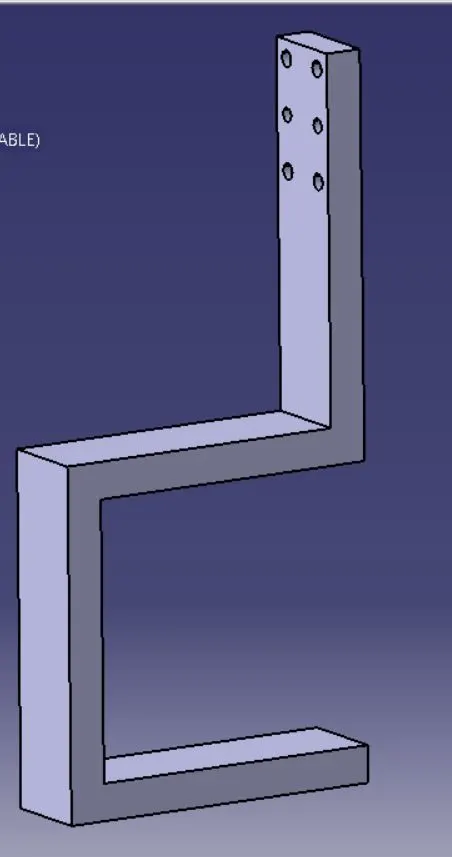
Clamp Units:
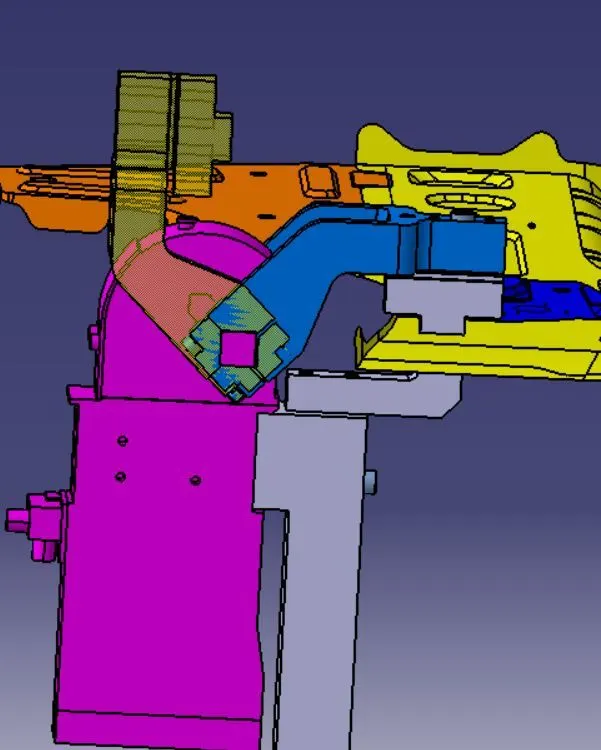
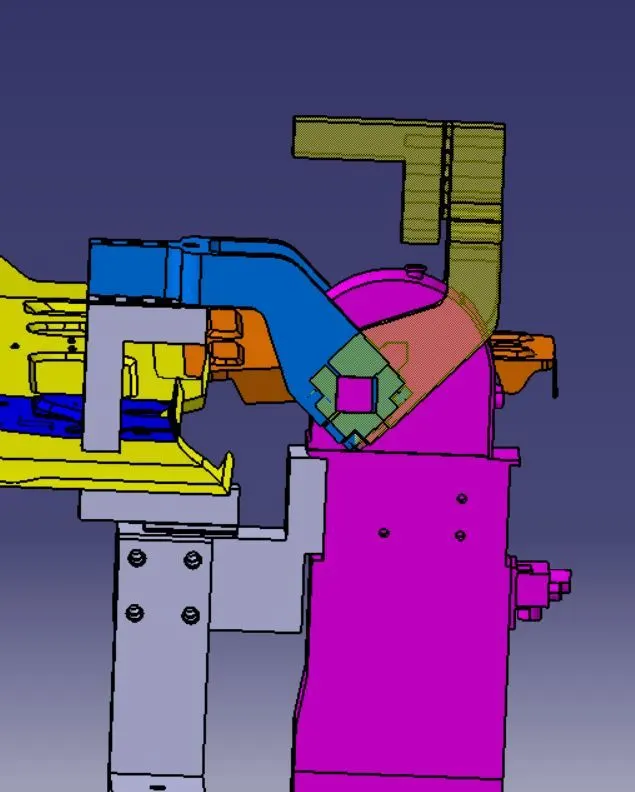
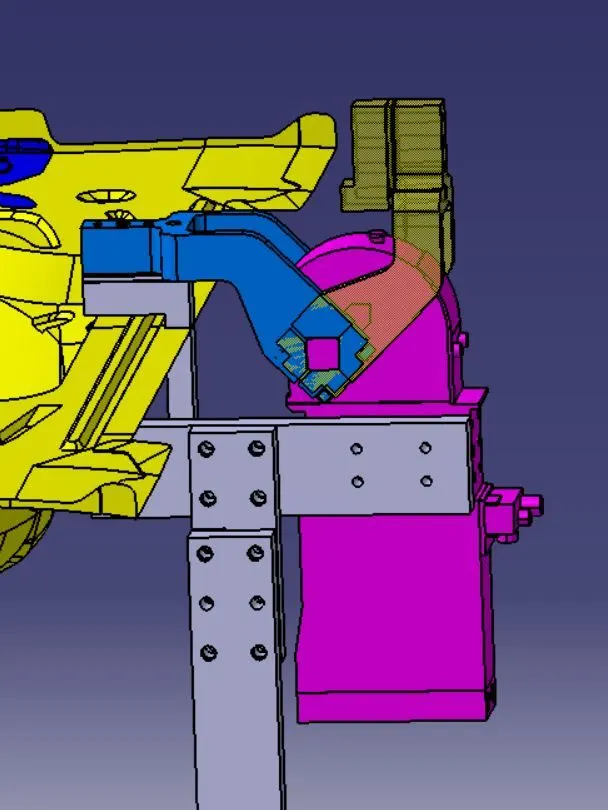
Assembly :