Week 5 - Rayleigh Taylor Instability
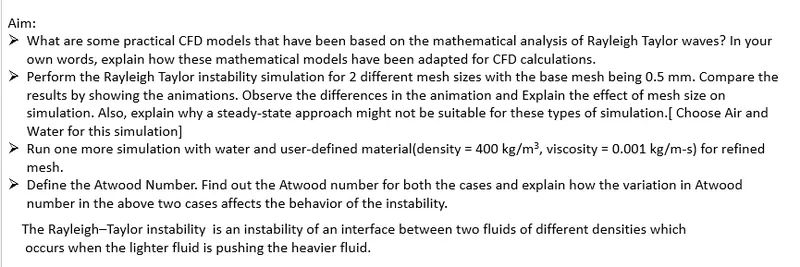
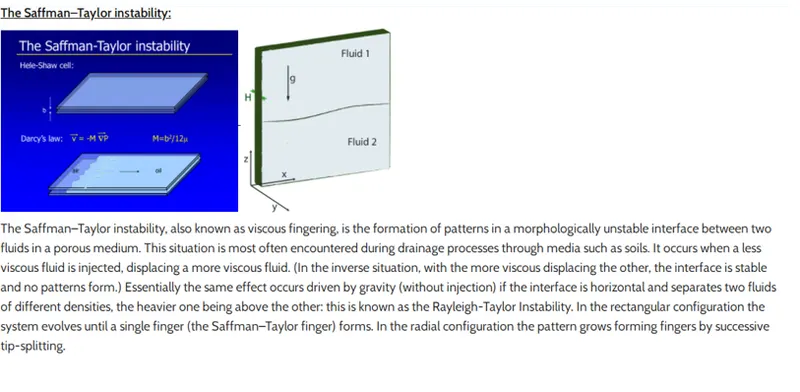
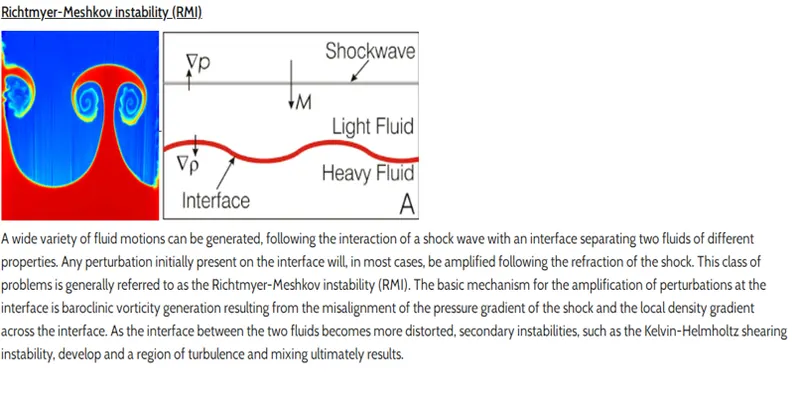
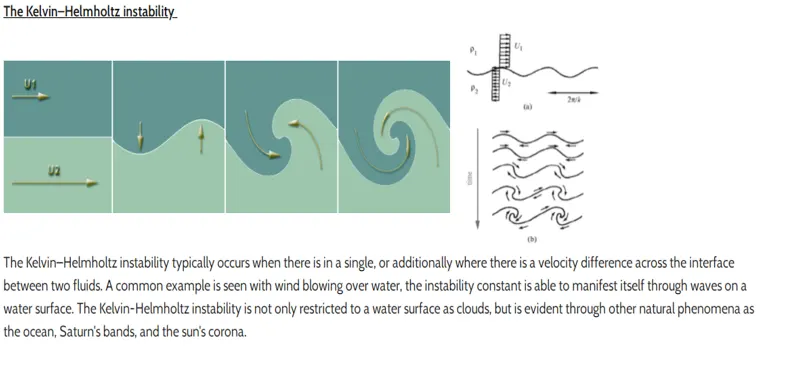
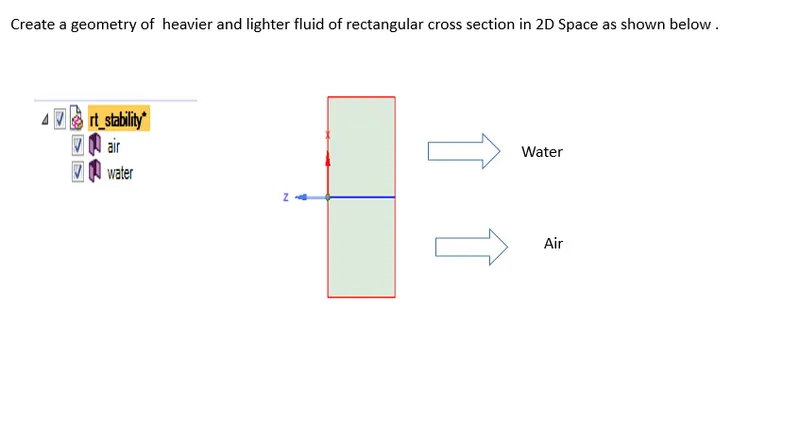
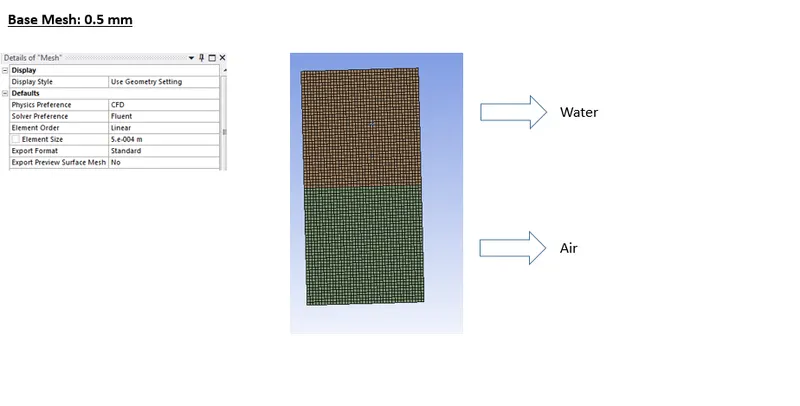
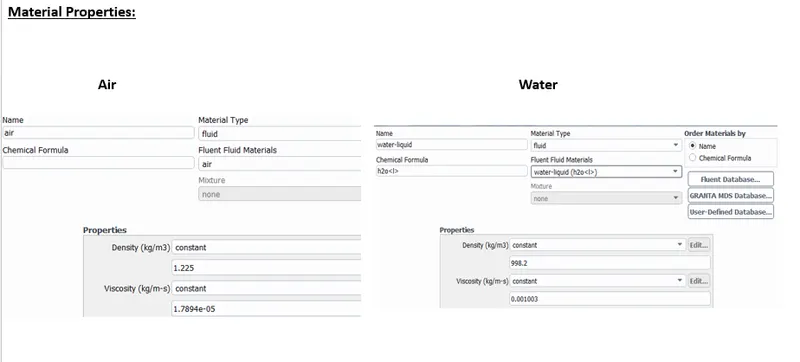
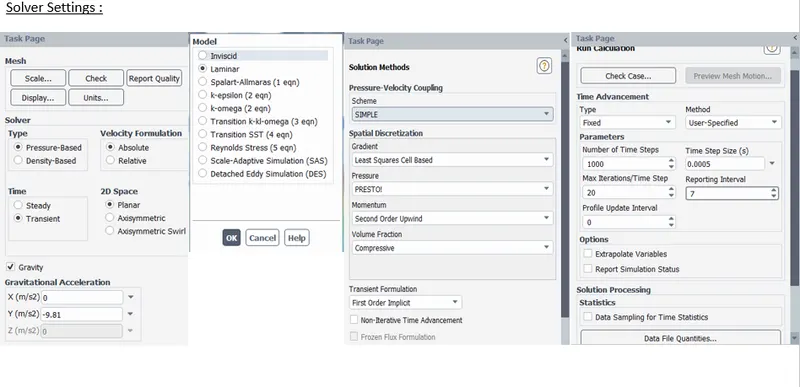
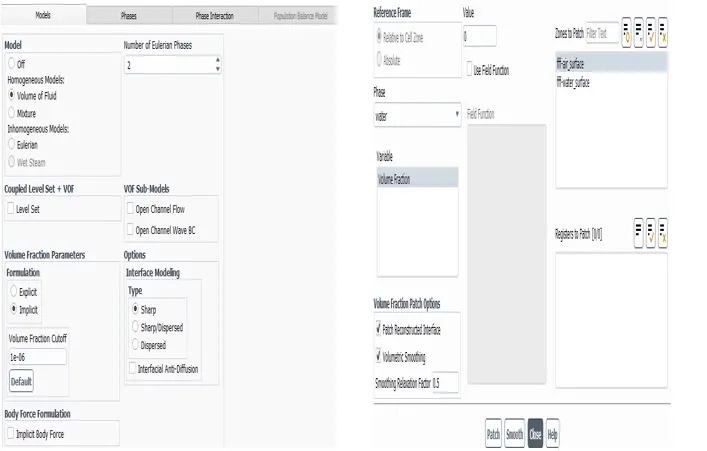
Case 1: 0.5 mm
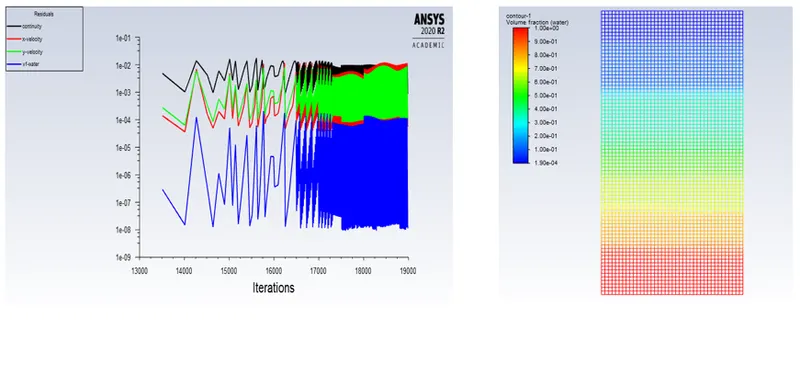
Animation :
Case 2: 0.3 mm
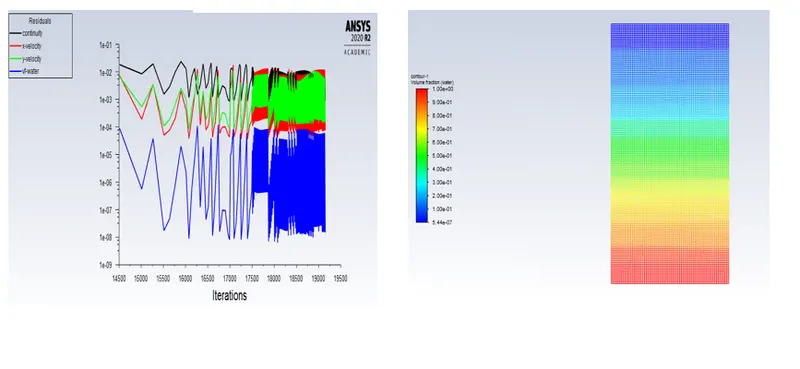
Animation :
https://youtu.be/lAVT82d9x6I
Case 3: Water and User-defined material(density = 400 kg/m3, viscosity = 0.001 kg/m-s) (0.3 mm)
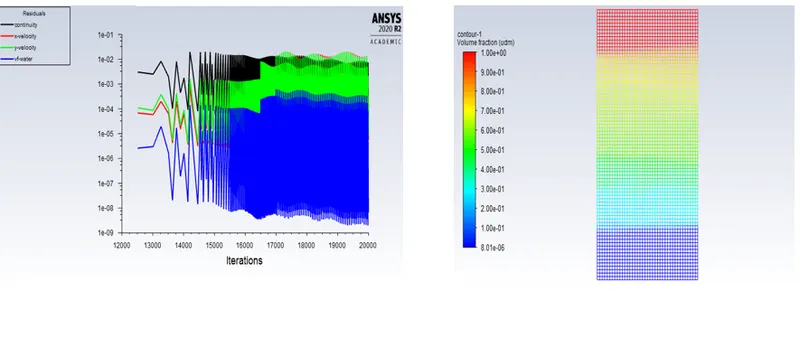
Animation :
https://youtu.be/F7jK4GFXDbE
Conclusion:
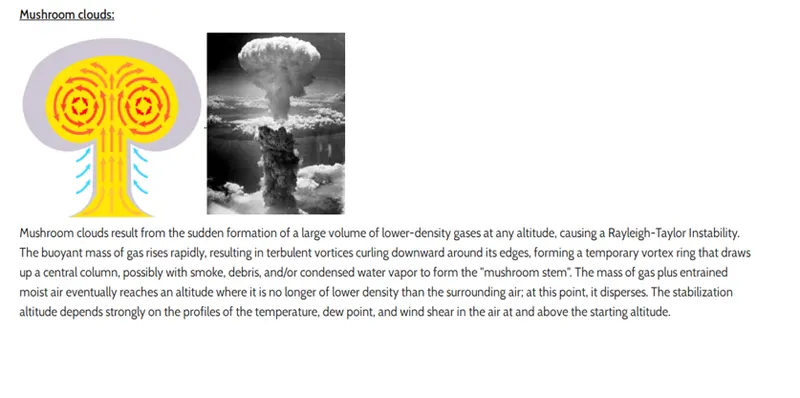
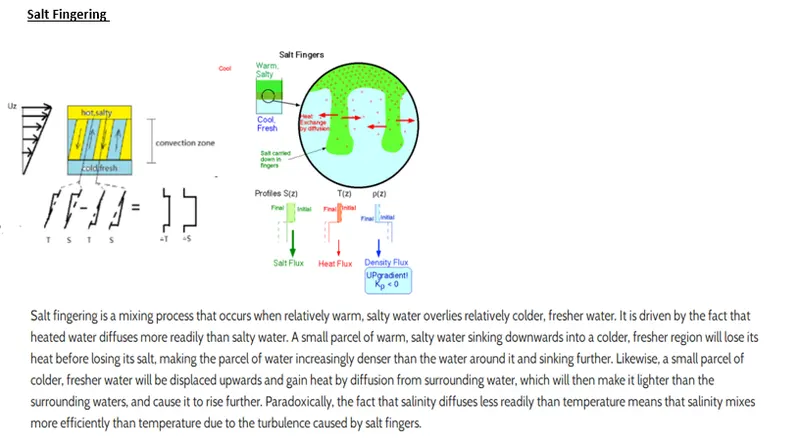
It is observed that the interface between the heavier and lighter fluid gets unstable as the simulation progresses, Furthermore heavier fluid settles down due to the effect of the gravity and lighter fluid comes upside . Formation of bubbles can be seen. With refined mesh more minute changes can be seen in the simulation but that will consume more computational time.
A steady-state approach might not be suitable for these types of simulation as steady state approach gives end time results where as unsteady approach Shows time varying results.
Atwood Number:
The Atwood number (A) is a dimensionless number in fluid dynamics used in the study of hydrodynamic instabilities in density stratified flows. It is a dimensionless density ratio defined as
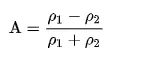
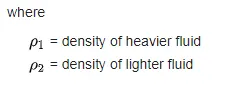
Case : Air and Water
A= (998.2-1.225)/(998.2+1.225) =0.9975
Case : Water and User Defined Material
A= (998.2-400)/(998.2+400)=0.4278
As the density difference for the case air and water is high and Atwood number close to 1 where as for the second case density difference is less and At wood number is less too, so that shows at wood number close to 1 signifies instability at interface occurs at a faster rate compared with less AtWood number.