Week 5 - Rayleigh Taylor Instability
Rayleigh Taylor Instability
AIM
To perform Rayleigh Taylor Instability with two different phases of CFD simulations.
Explanation
Turbulence model for the self-similar growth of the Rayleigh-Taylor and Richtmyer-Meshkov instabilities.
In this case we will find the instability between two different fluids and we consider three different cases in which two cases are based on the grid independent study and the other is with user defined materials.
Geometry
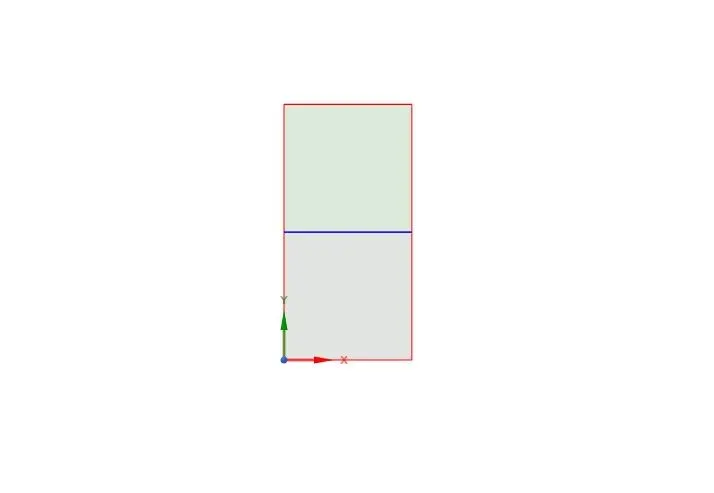
In spaceclaim we have to create two square surfaces one over the other for 20*20mm each, consider the two surface as air and water.
And share the topology for perfect intersection between two surfaces.
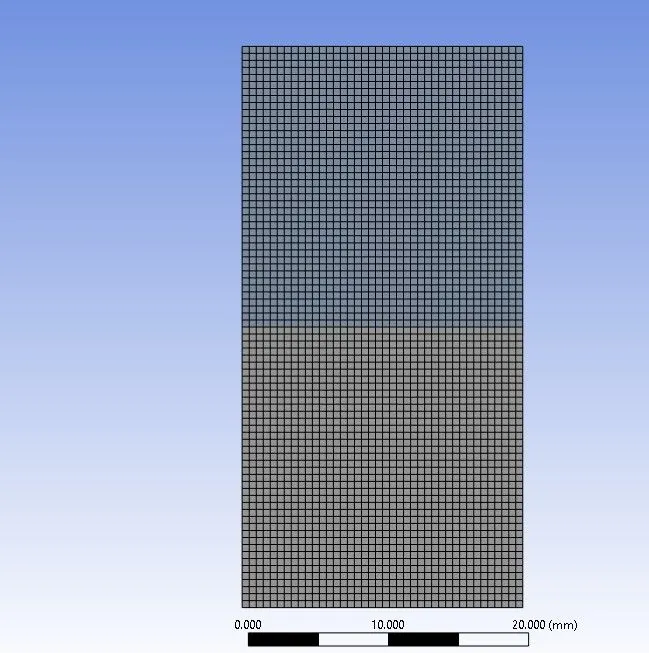
Meshing
Overall elementsize: 0.5mm
Setup
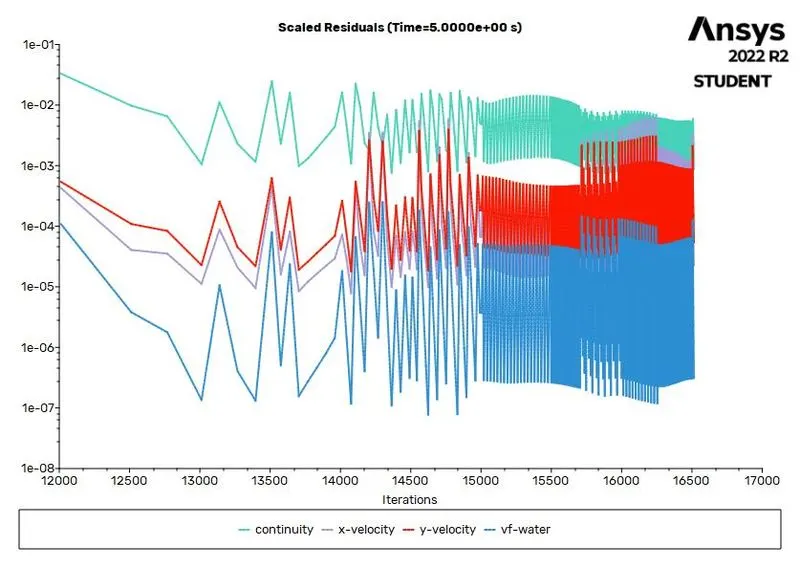
Here we are using Transient state solver so that we can simulate with respect to time, for that we need two things Time step size and number of steps.
Time step size: it means we can see the change in simulation in every particular seconnd
Number of steps : it related to iterations means each and every steps runs for 20 iterations.
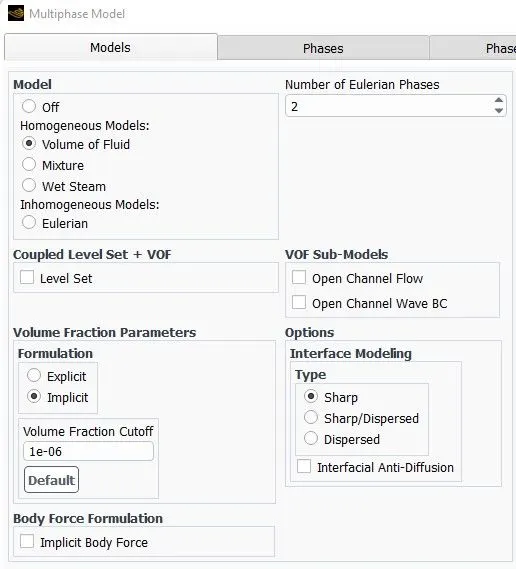
Multiphase model
It is a simultaneous flow of materils with different phases.
Volume of fluids
It helps to find out the osition of interfce between the two or more immiscible fluids. the volume of fraction of each of the cell through out domain can be tracked by using this method.
In this case we go for implicit scheme here the time step is not a constraint we can change a time step size.
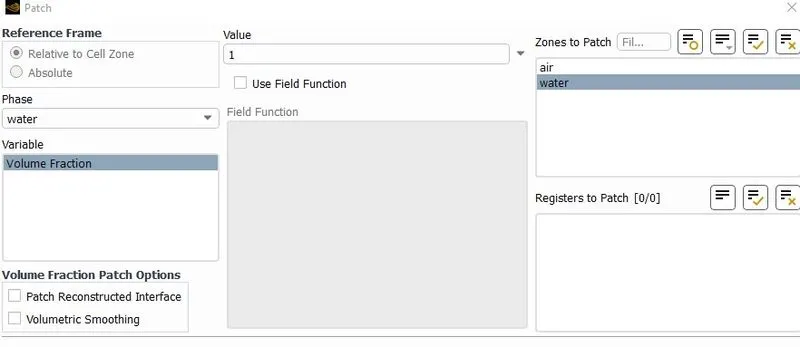
In patching we tells the volume fraction of water and air for corresponding surface.
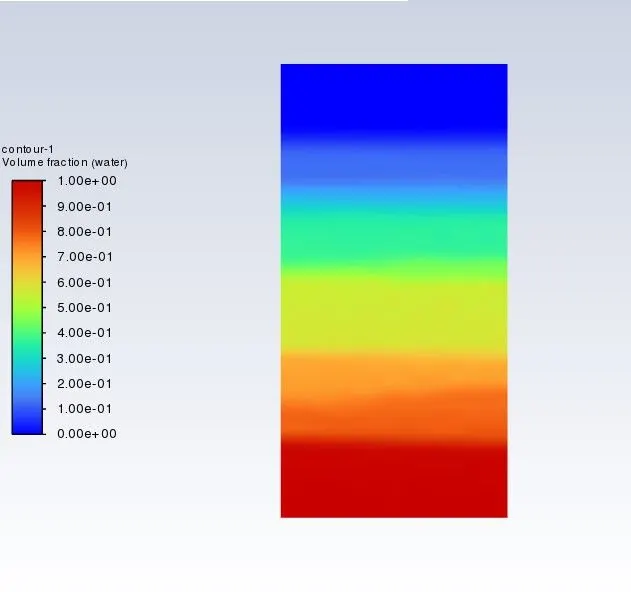
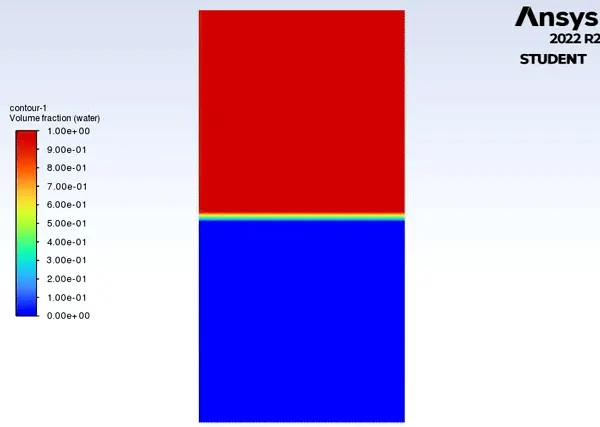
Atwood Number
It is a dimensionless density ratio related to the density of heavier fluid and the density of lighter fluid. The difference in the fluid densities divided by their sum. Atwood number is an important parameter in the study of Rayleigh–Taylor instability
`A=(rho1-rho2)/(rho1+rho2)`
Atwood number=0.9975485904
Case 2
Overall element size: 0.2mm
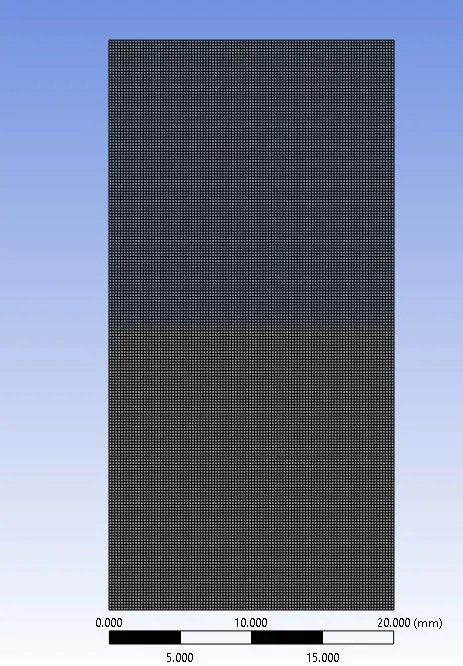
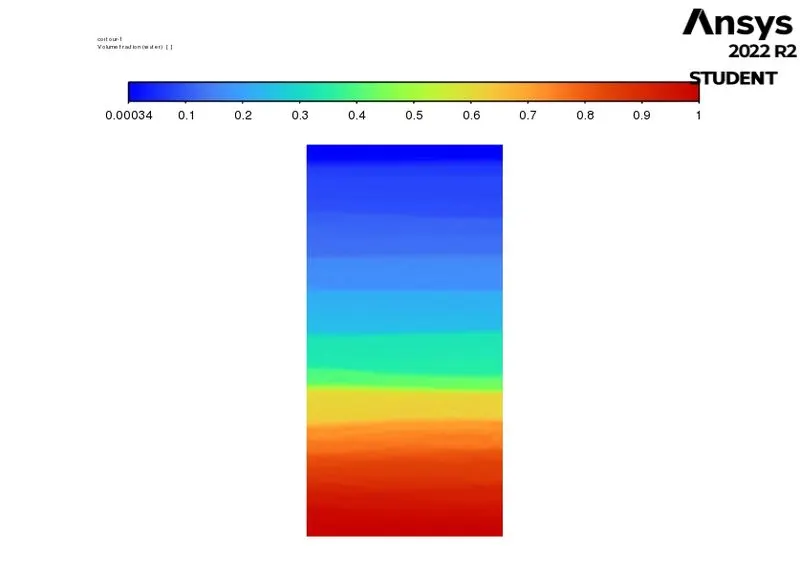
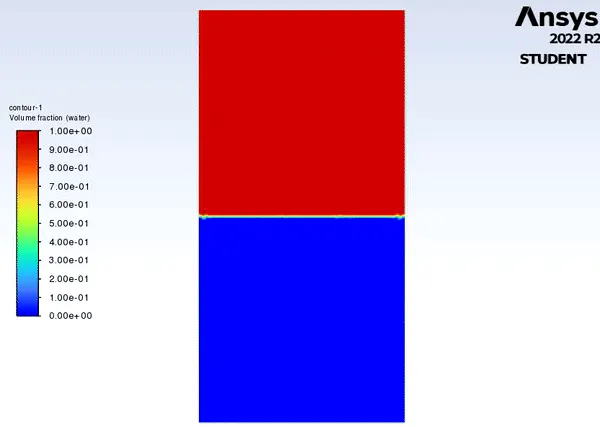
Case 3
Overall element size: o.2mm
In this case as per the challenge requirement we have to create user defined materials (density = 400 kg/m3, viscosity = 0.001 kg/m-s) for refined mesh.
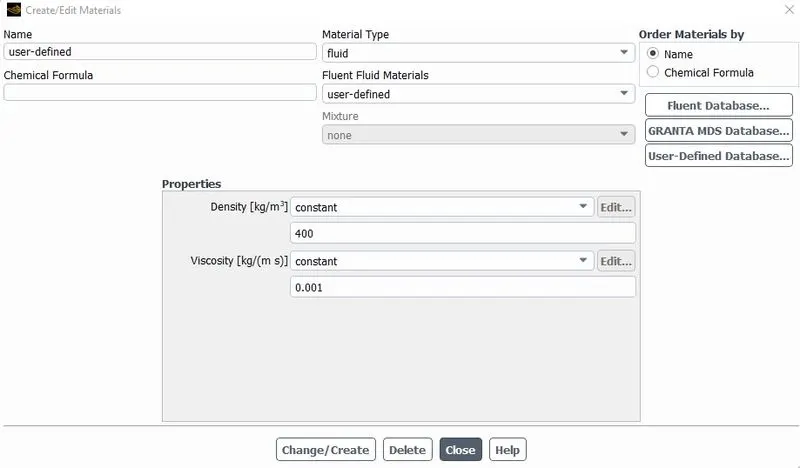
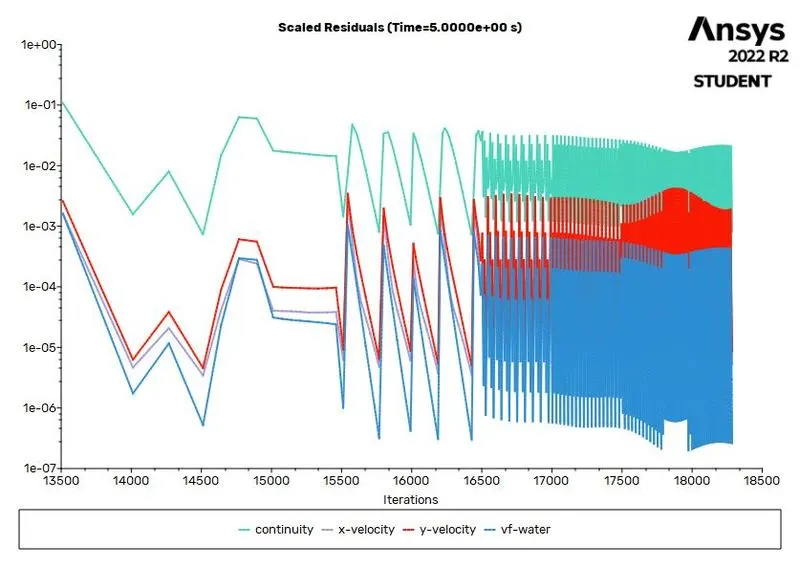
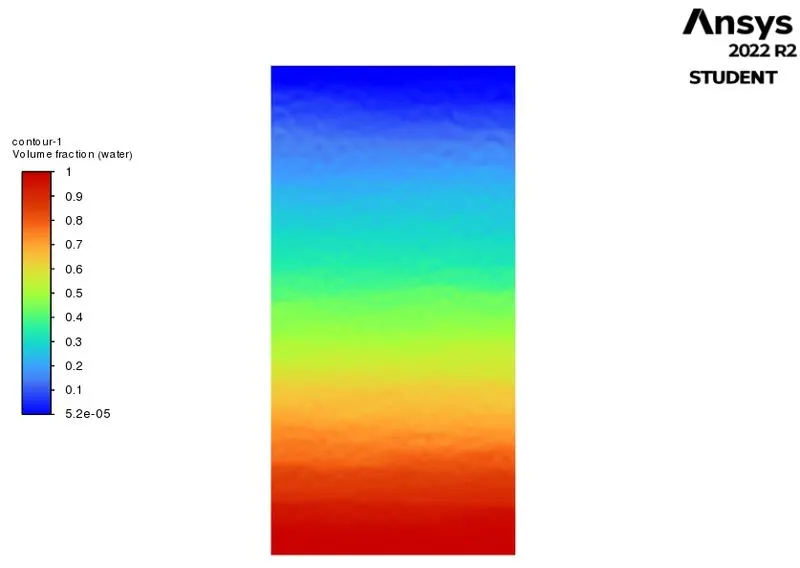
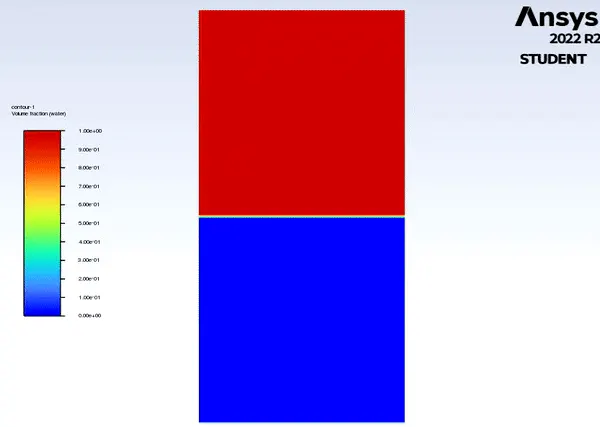
Atwood number=0.4278357889
From above cases we obsereve that finer mesh captures the instability better than the coarse mesh but it takes more time for heavier fluid to settle down. but we got better accuracy.
Atwood number depends on the density of fluid ranges from 0 to 1