Week 4:- Pin Unit Design Challenge
PIN UNIT
OBJECTIVE -
1) Design two different types of fixed pin unit with different pins , pin retainers , blocks , blades , risers .
2) Design two different types of retractable pin unit with different pins , pin retainers , blocks , blades , risers .
INTRODUCTION -
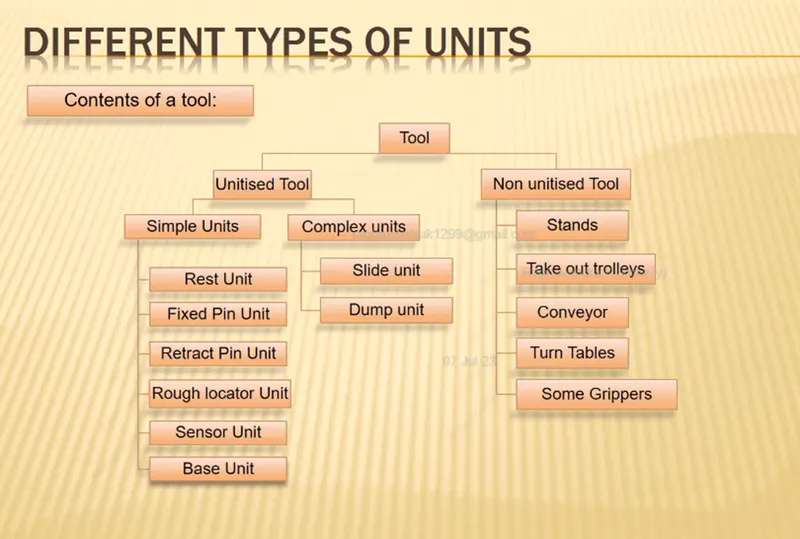
Fundamentals of pin unit design -
It is necessary to locate car panel with two pins . one pin to restrict 4 way motion (4 translational ) and one pin to restrict 2 way motion (2 rotational ) .
- Pin should engage 3-5 mm from car panel entry surface .
- All pins should be accomodated with 2 way adjustable shims irrespective of direction of aresting .
- Round pin should be used in arresting 4 way in car panel if the hole is round .
- Round pin should be used in arresting 2 way in car panel if the hole is slot .
- Diamond pin should be used in arresting 4 way in car panel if the hole is slot .
- Diamond pin should be used in arresting 2 way in car panel if the hole is round .
- The axis of the car panel hole and the axis of the pin should be same (in general ) .
- The pin tolerance for geo pin will be -0.15 mm and for respot pin will be -0.28 mm .
There are two types of pin units -
1)Fixed pin unit -
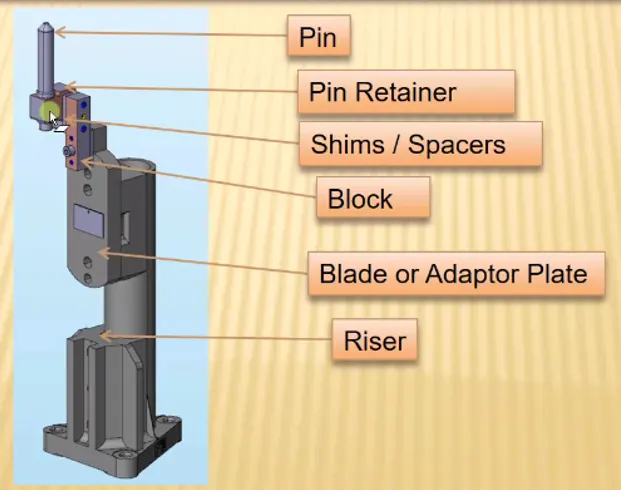
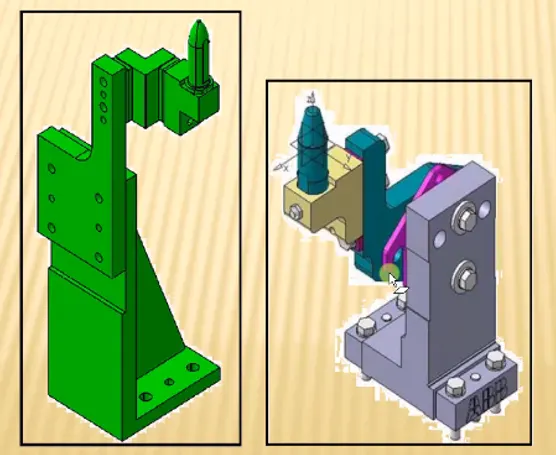
Fixed pin unit is a unit designed to locate the car panel using pins .
- Fixed pin units are used in a fixture to locate the car panel during any operation.
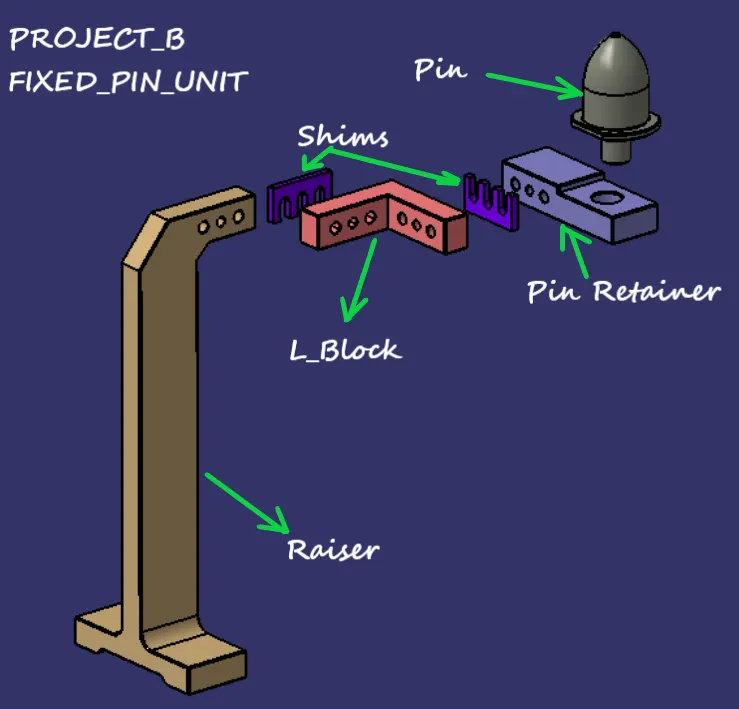
- Pin, Pin retainer, Shims, blade, riser are the parts of the fixed pin unit.
- Pin retainer is used to mount the pin.
- The pin retainer block has two-way shims. Shims are very important in designing a pin unit as it helps to avoid the stack up tolerances during the assembly process.
The purpose of the Fixed pin unit.
- The fixed pin unit is used to arrest the 6 degrees of freedom of the assembly of a fixture. The other six degrees of freedom are arrested by the three rest units.
- Pins help to locate the part of an assembly very accurately for the welding operation.
2)Retractable pin unit -
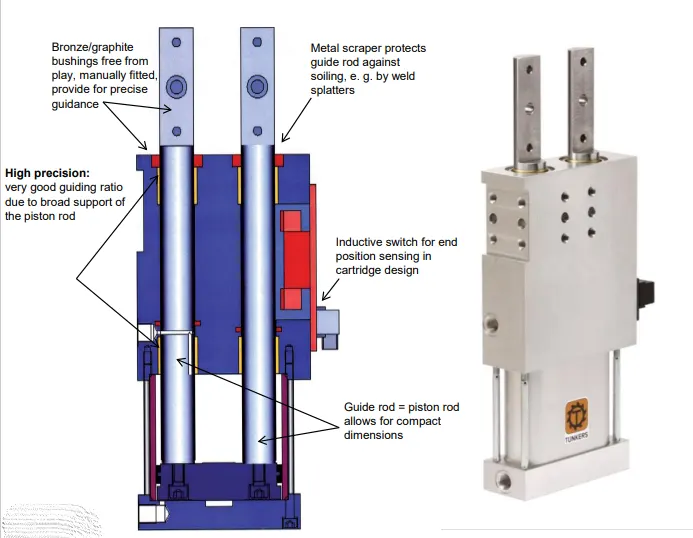
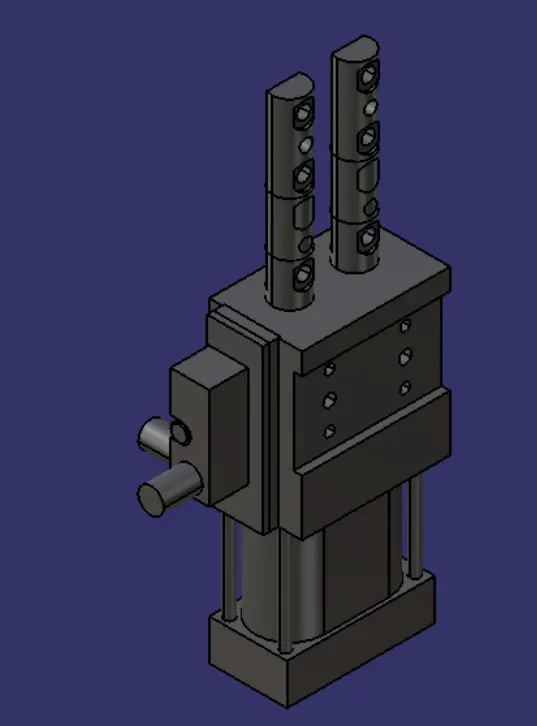
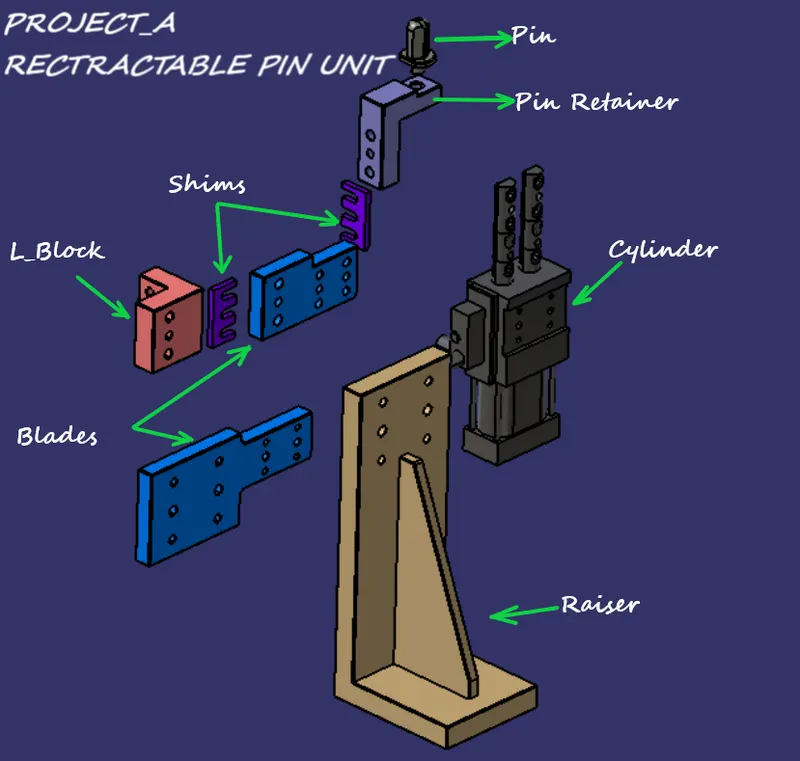
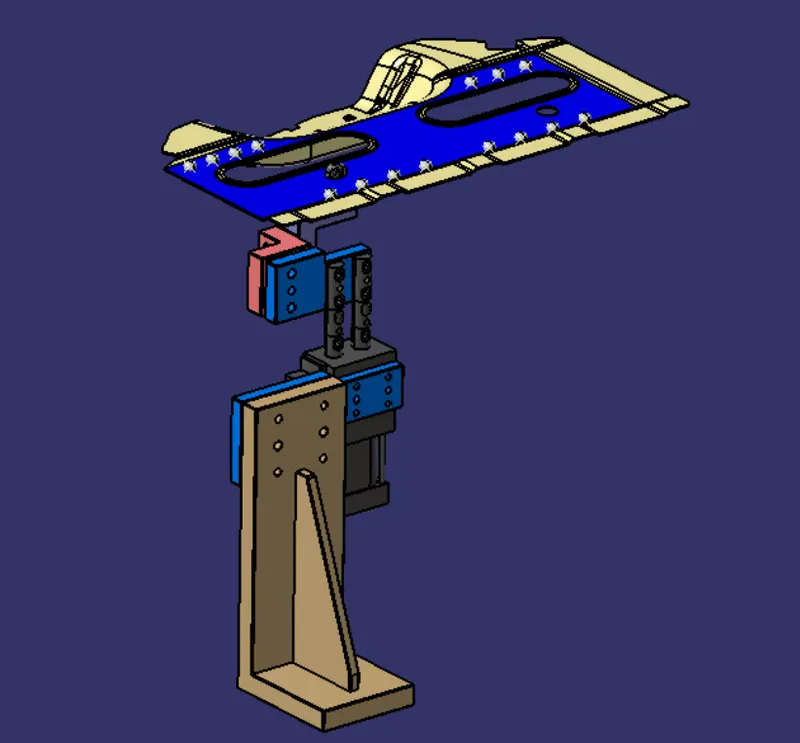
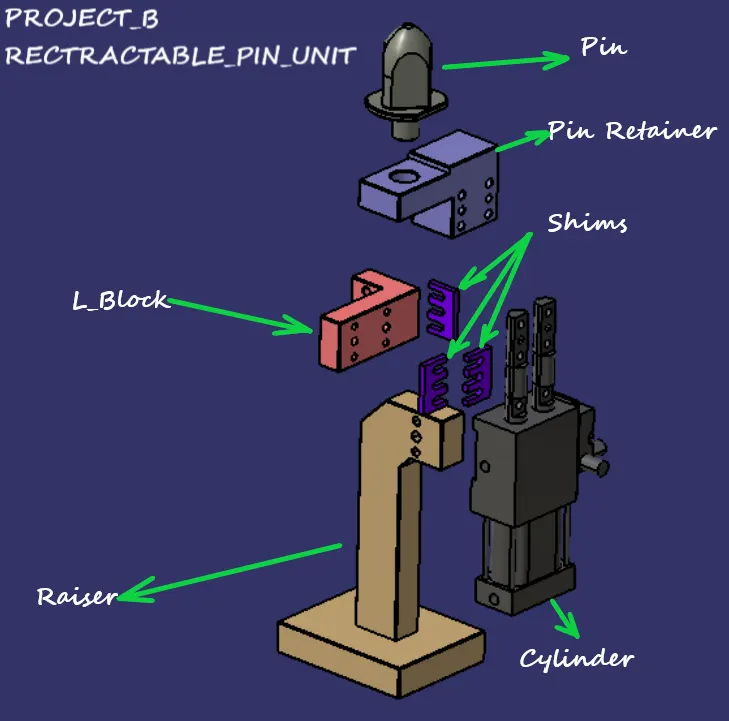
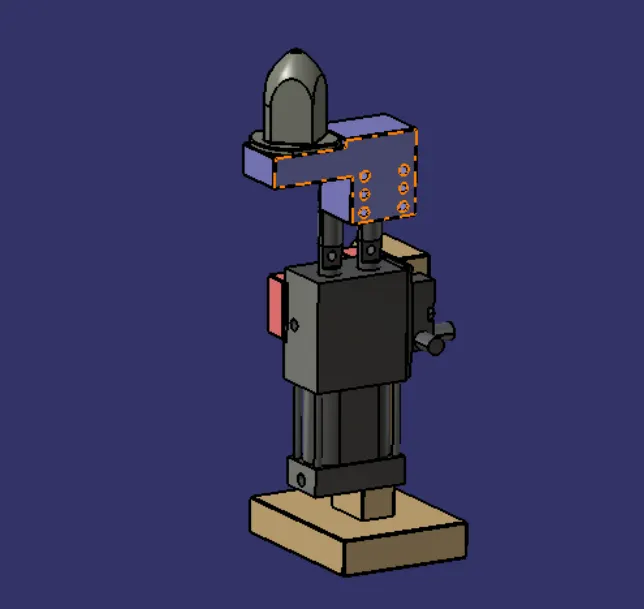
A retractable pin unit is designed to locate the car panel using pins , but the entire pin package is mounted in the retractable cylinder . the cylinder will move the unit up and down .
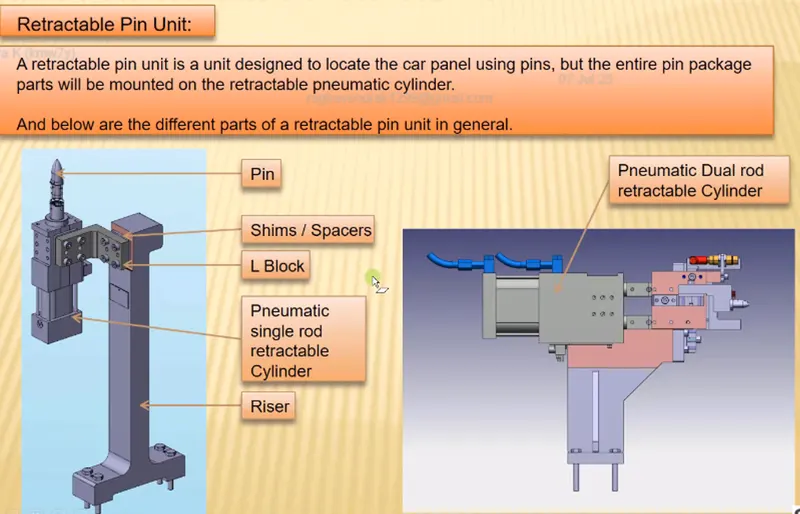
Different Parts of Pin Unit
- PIN
- PIN RETAINER
- L BLOCK
- SHIMS
- BLADES
- RAISERS
PIN
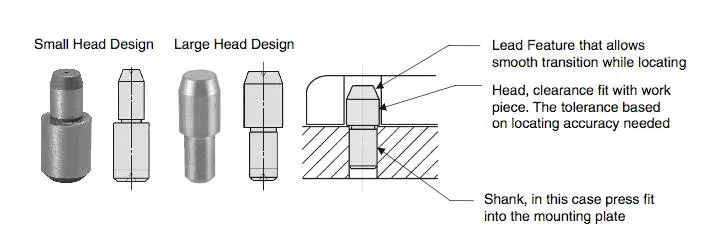
- Pins are used for accurately locating the part to welded in an assembly.
- The holes in the part of the assembly are inserted on these pins.
- The pins constrain the degrees of freedom of the part of the fixture.
- The diameter of the pins has tighter tolerances as compared to the diameter of the hole in the part.
Design Consideration:-
- Pin should have grinding surface on shaft with fits on to which the pin retainers will be fitted.
- The mounting surface of the pin should be a fine machined surface.
- A pin should have a step machine surface to lock the rotation, which matches with the pin retainer.
- The mounting surface of the pin retainer to the blocks should be machined surface.
- All machined planes should be perpendicular to the axis of pin shat.
- Pin must have a fastening provision like tapped hole from the bottom or a v- grove from the side.
- A pin must be hardend ( 55 - 60 HRC) & black oxide finish in general.
PIN RETAINER
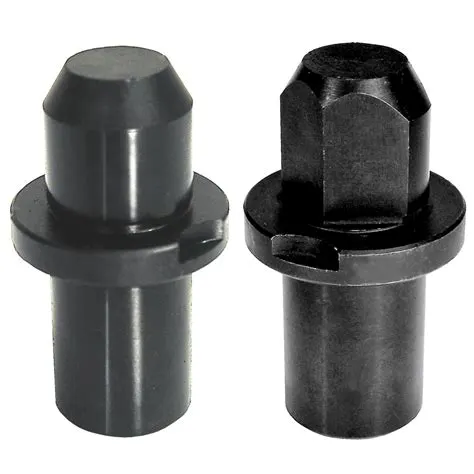
Pin Block is also called Pin Retainer. This block holds the pin and restricts the rotational motion of the pin. Pin Block can be either manufactured one or Standard.
Design Consideration:-
- Pin retainer should have a hole with a fit, on to which the pin will be fixed.
- The pin mounting surface of the pin retainer should be a fine machined surface.
- The pin mounting surface of the pin retainer should have the step to lock the rotation of the pin.
- The pin mounting surface of the pin retainer to the blocks should be a machined surface.
- The pin retainer will be fixed to a block or a L - block to the riser with 2 dowel holes & at least with one screw hole to maintain the tolerance.
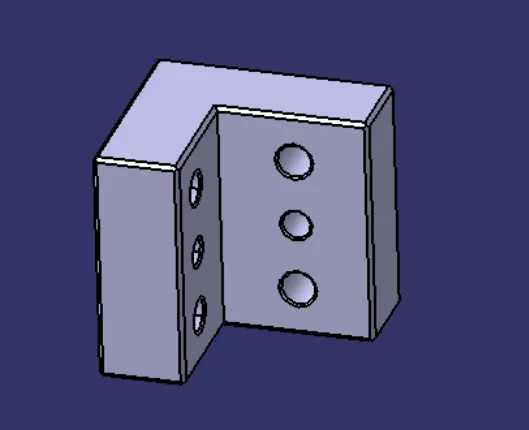
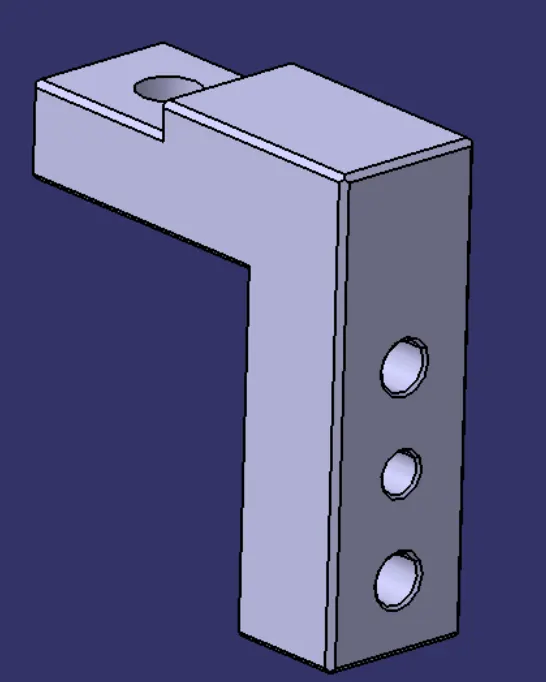
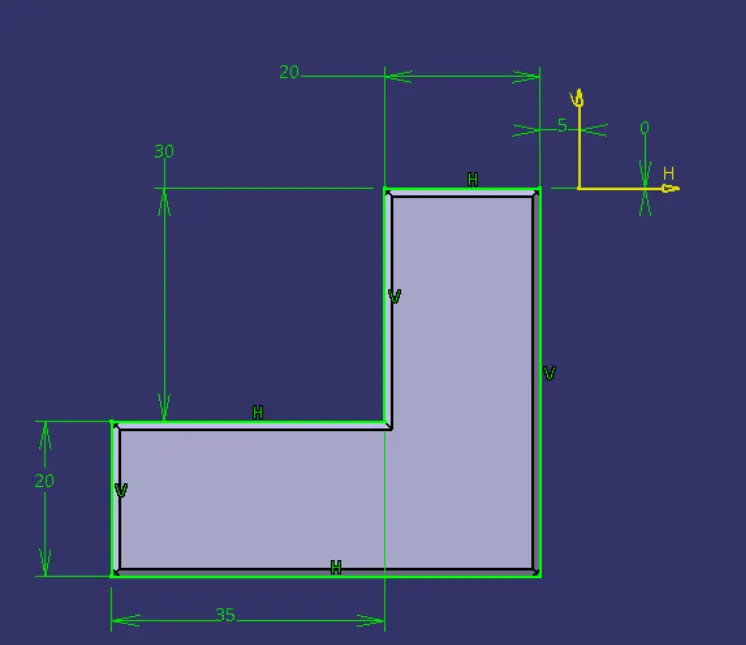
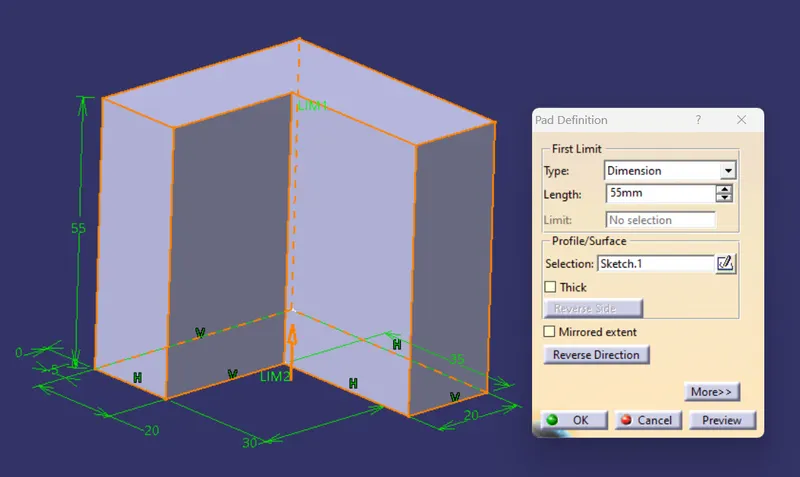
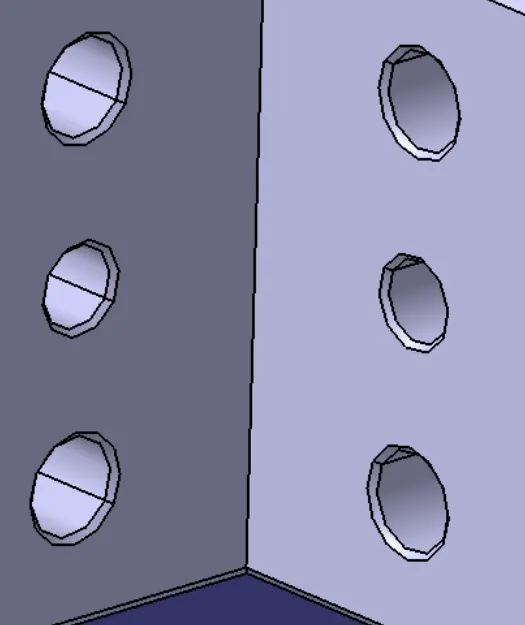
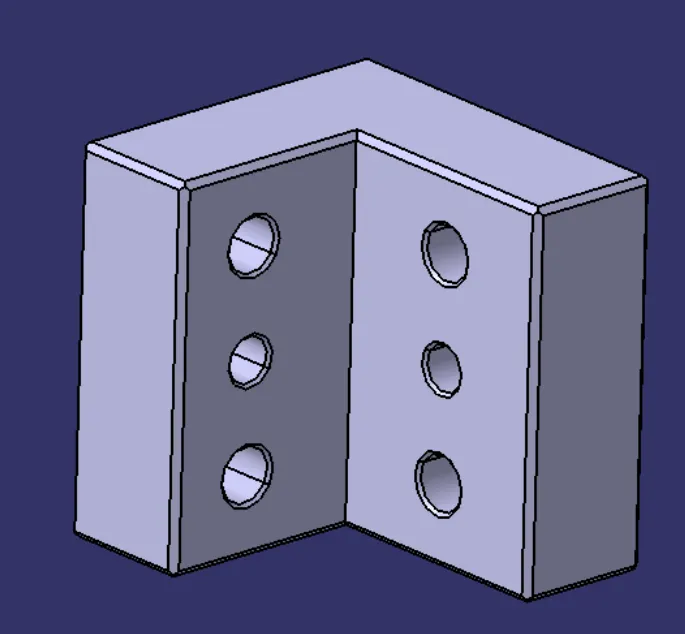
L BLOCK
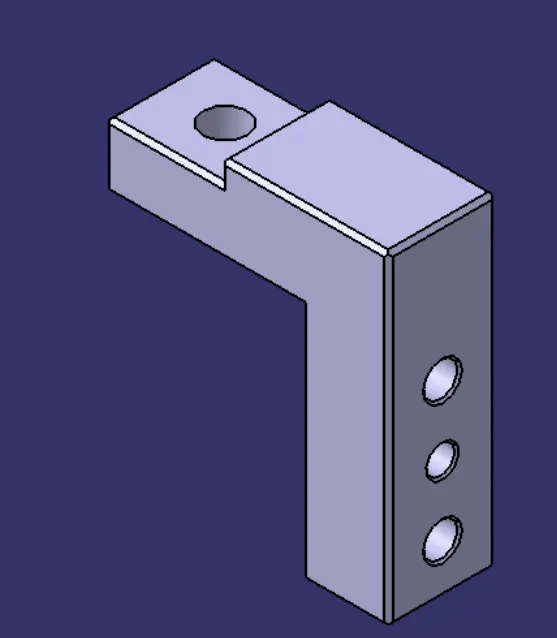
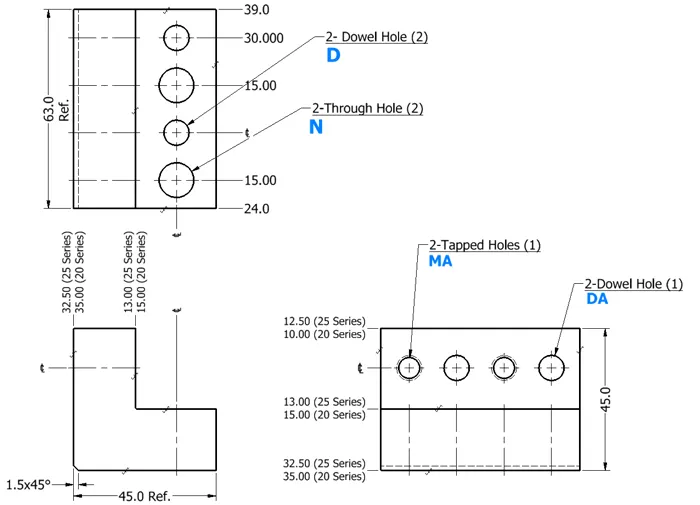
A plate shaped as L is called an L block. This part is used as a connection between mylar and Blade. Generally, L blocks are used to provide shimming. It is not necessary that L blocks are only used for shimming, its uses changes as per the requirements, At some places, it is used just to connect one part to another. Similar to the L block one more block is used which is in the shape of T. So this block is called a T Block.
SHIMS
- Shim is generally used to adjust the design to manufacturing deviation.
- In general, A shim is a thin and often tapered or wedged piece of material used to fill small gaps or spaces between objects.
- Shims are typically used in order to support, adjust for better fit, or provide a level surface.
- Shims may also be used as spacers to fill gaps between parts subject to wear.
- Shims are the small parts which comes with the thickness of 0.1mm,0.2mm,0.5mm,1.0mm etc.
- These will compensate the stack up tolerance which reflects at the mylars.
- We give tolerance to all parts of the fixture.Due to this tolerance the mylars will either lift up moves down from its defined position.
- To adujust the mylars for getting the defined position we use shims.
- Shims will be added above the mylar for adjusting according to tolerance.
Shim is a set of thin plates (2 mm, 1mm, 0.5 mm, 0.25mm) that are used to adjust the gap or used for a better fit. Shimming can be of thickness 5mm, 8mm, or 10mm. in case no proper fitting between mylar and Panel due to manufacturing errors then this error can be removed using shims. Shims are placed in the carline position so that gap can be adjusted in the required direction like X, Y, or Z.
BLADES
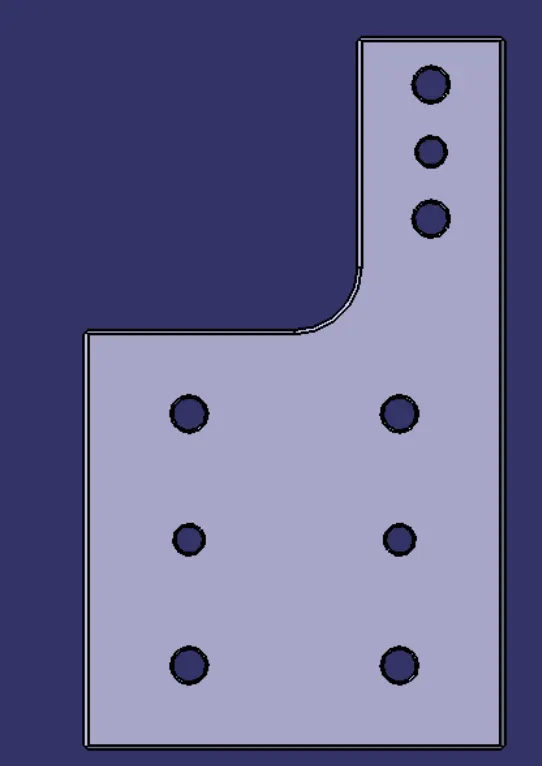
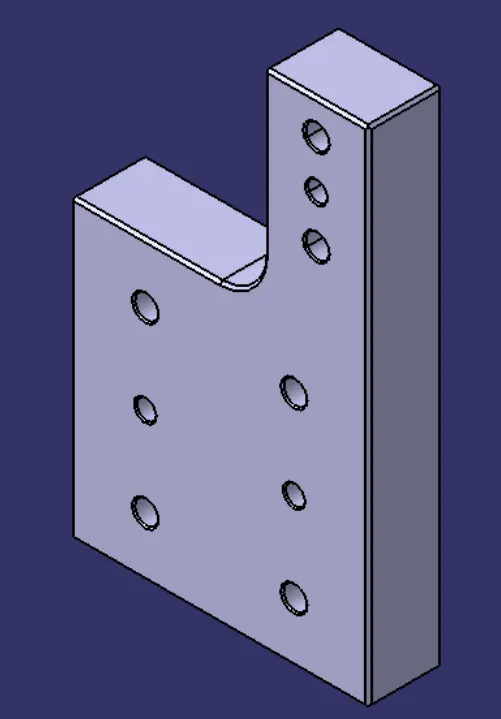
- Blade is a part like a plate,which connects the parts of a unit to a riser. In general, the blade can either be make part or a standard part.
- Blade are the plates which are attached to raiser.
- Blade is also attached or mounted with cylinders,arms etc.,
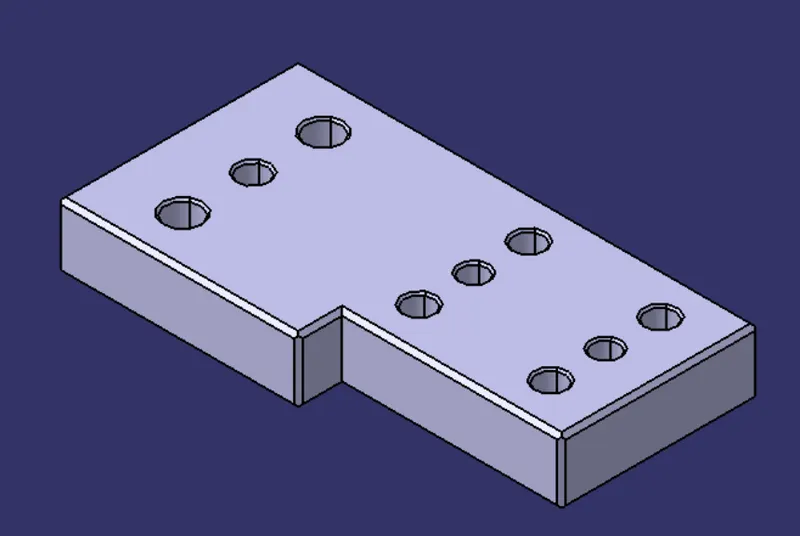
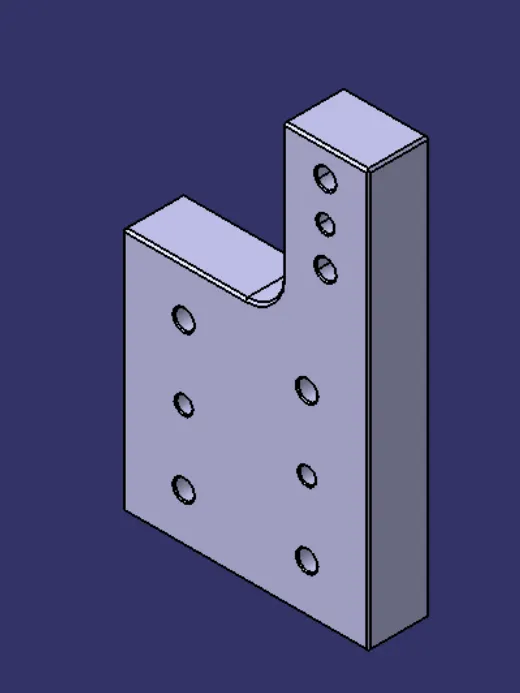
Dowel holes & machined surfaces in pin unit:
All make parts which are to be assembled with tolerance should be designed with 2 dowel holes & at least of 1 to 6 threaded or free hole (depends on size). And to be fine machined for the mounting surface with 3 to 5mm step machining (SURFACES TO BE FLAT, PARALLEL &
PERPENDICULAR TO O WITHIN 0.015 T.I.R).
RAISERS
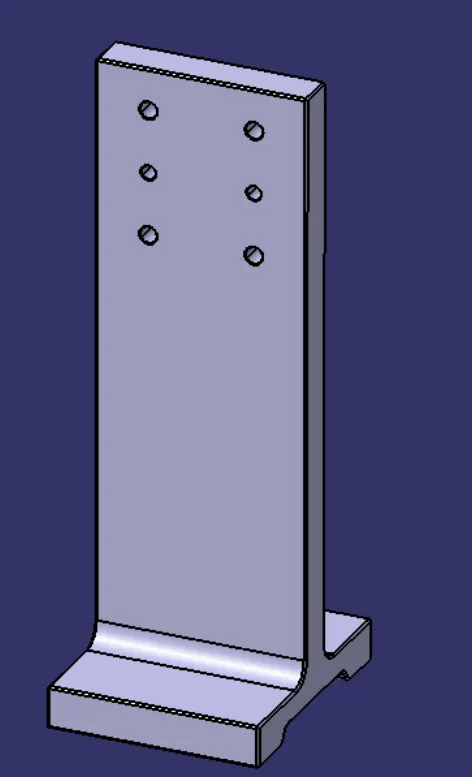
- Riser is a manufacturing part used to raise/height the assemblies of fixtures.
- One end of the raiser will be attached to the base unit while the other end will be attached to the Blade.
- It is a part on which all the parts of a unit are mounted on the base plate of a tool. In general, the riser can either be make part or a standard part.
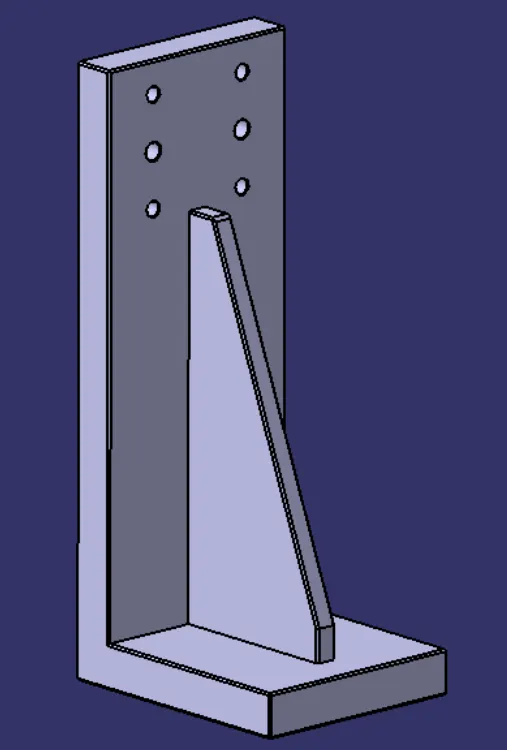
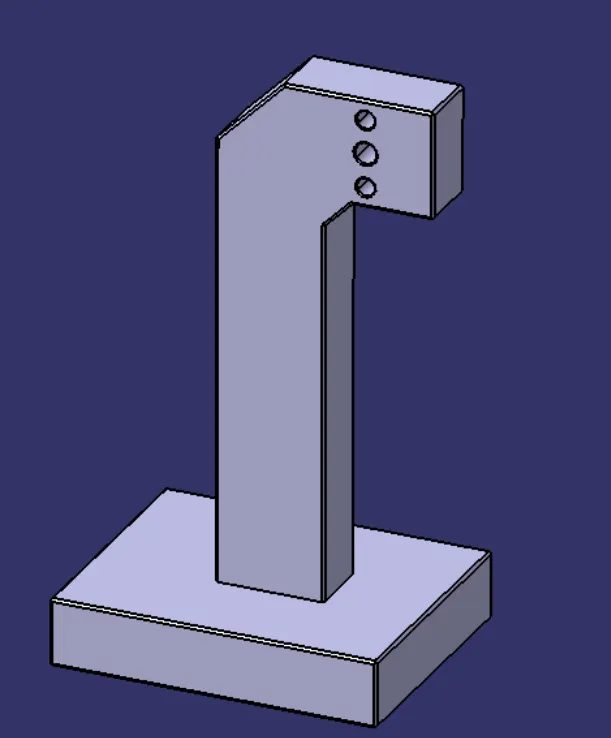
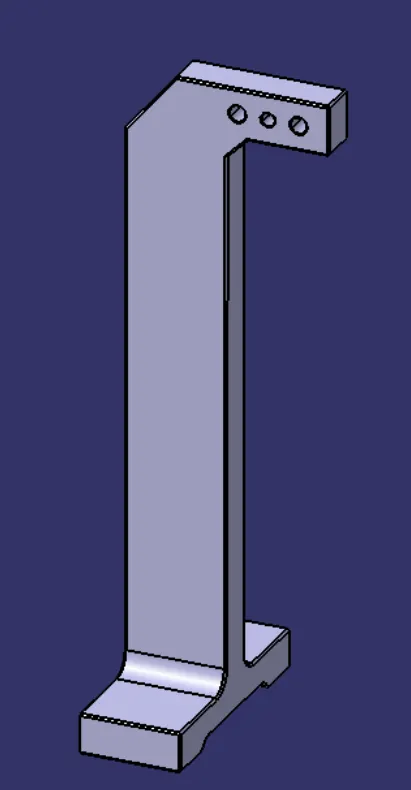
- Raiser can be of two types.They are,
- 'L' type risers.
- Square tube risers.
- 'L' TYPE RISERS: 'L' type risers are of welded type.Where the stiffner will be added at the centre for support.As shown in the below figure the wedge shaped structure is known as stiffner which is used as a support / to withstand load.
- Square Tube Risers: Square tube raisers are of frame type.
CYLINDERS
SZKD_40_BR4_A13_T12_TUENKERS
DESIGN METHADOLOGIES
INPUT
PROJECT_A
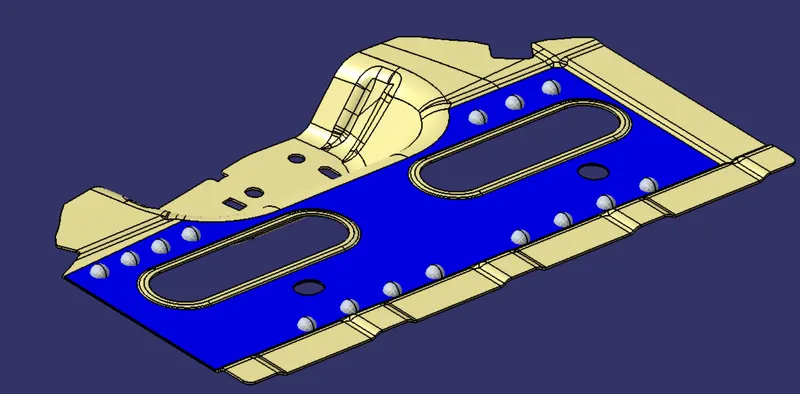
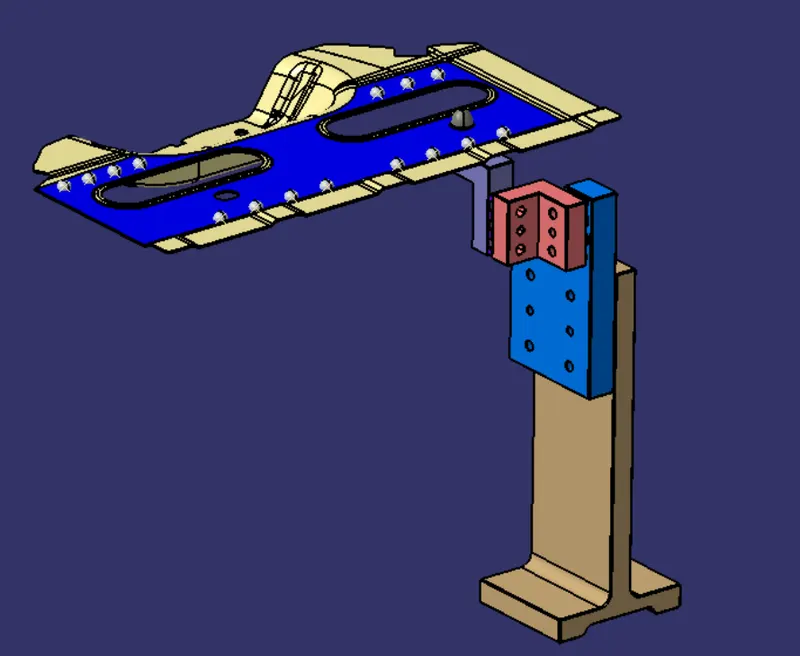
panel is given as input so we need to design pin unit for this panel
PROJECT_B
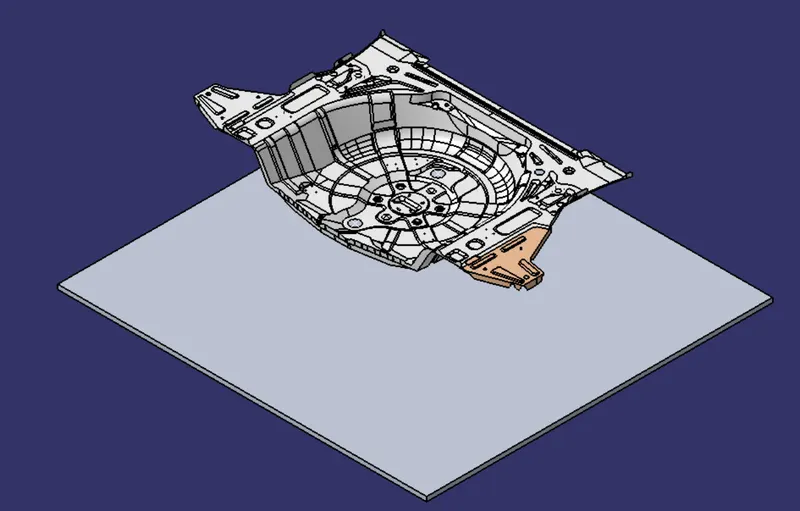
panel is given as input so we need to design pin unit for this panel
1) PROJECT_A
Design Methadology
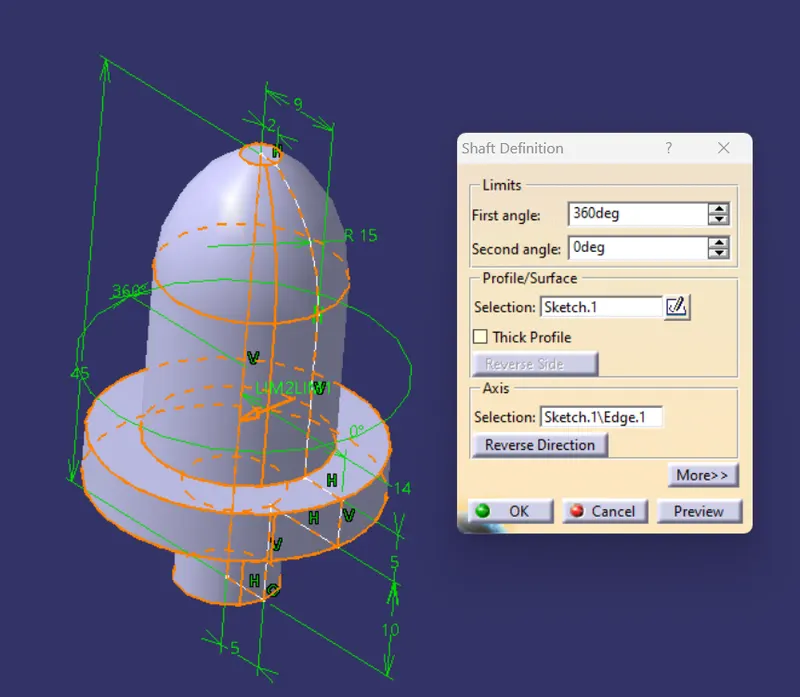
A. PIN
sketch
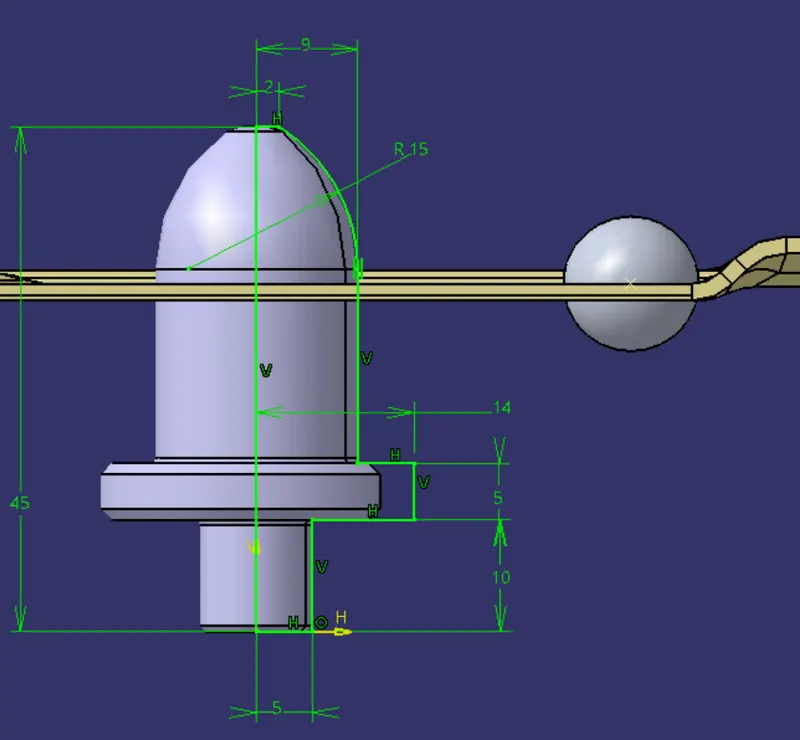
Revolve
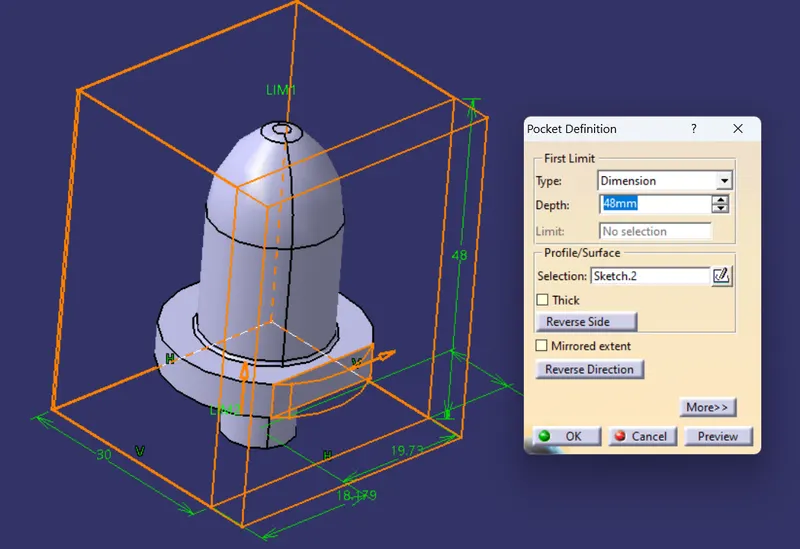
Slot for Pin Retainer position
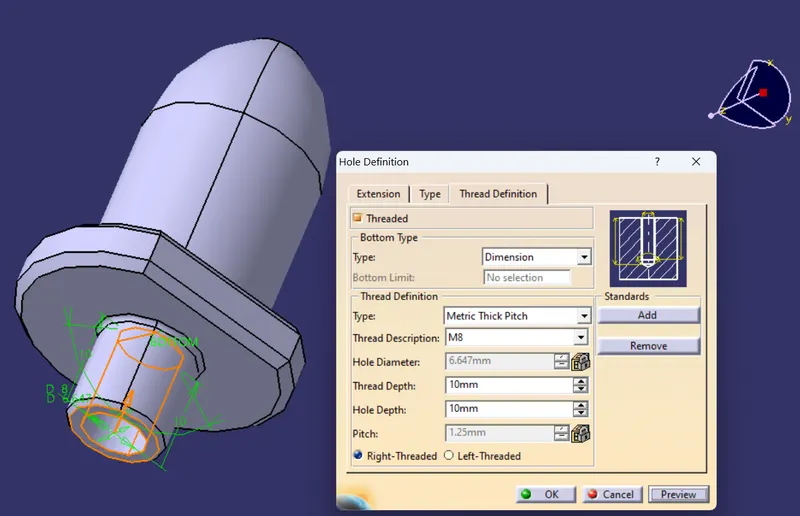
M8 Hole
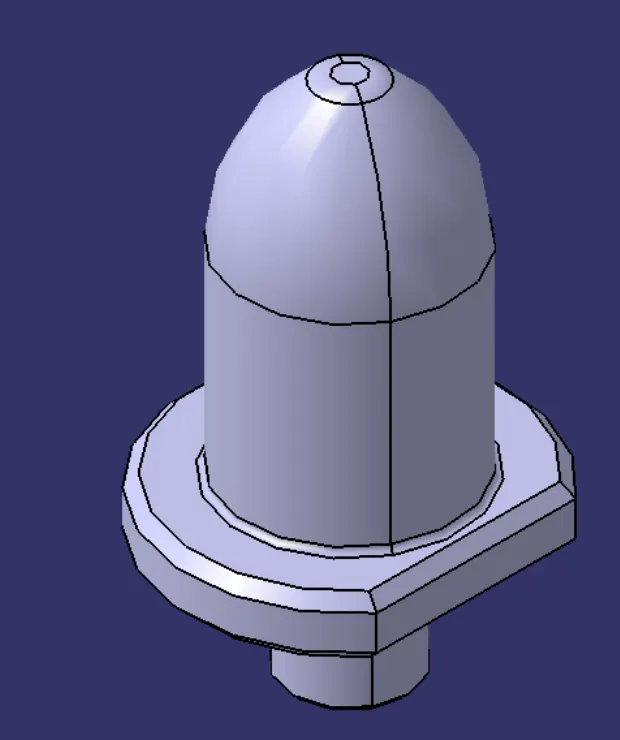
PIN
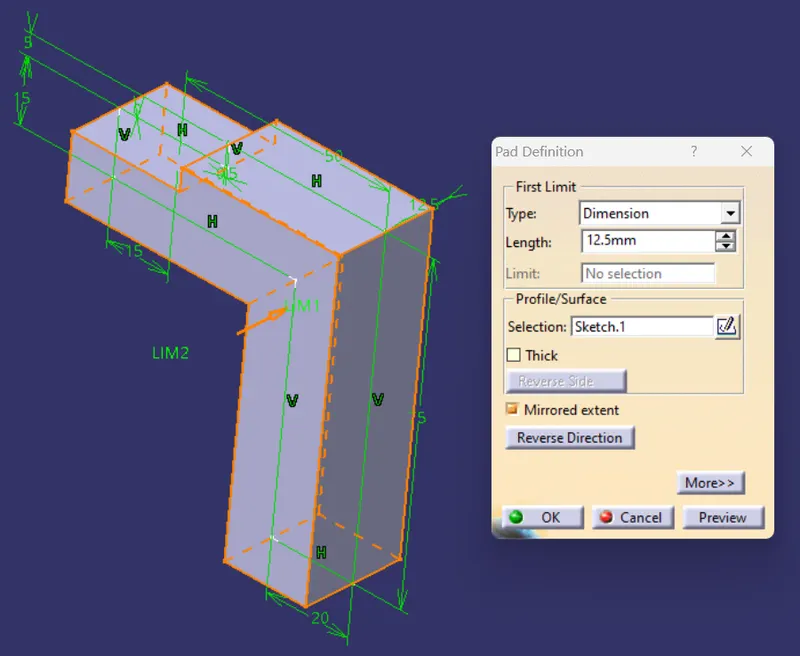
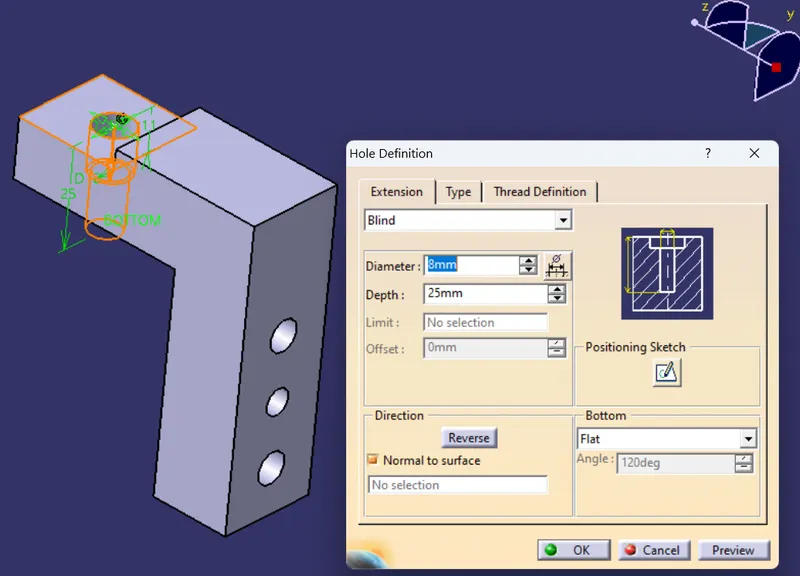
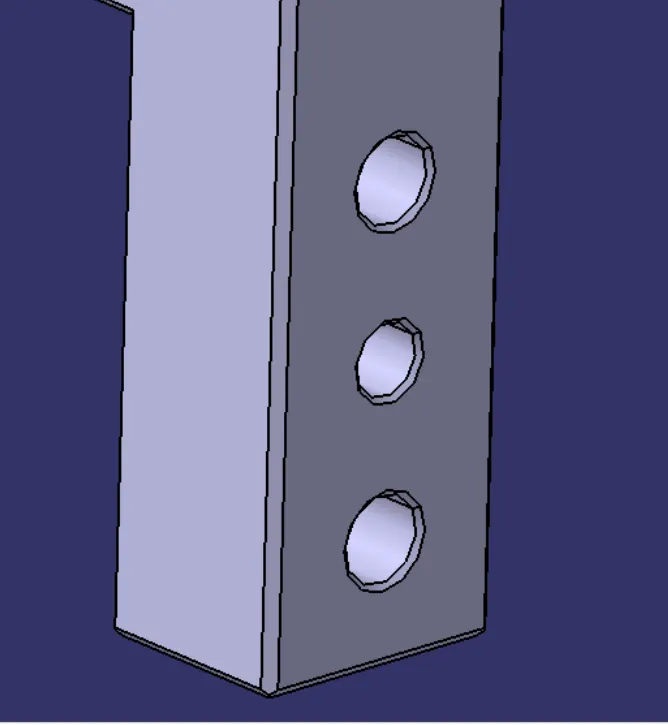
B. PIN RETAINER
sketch
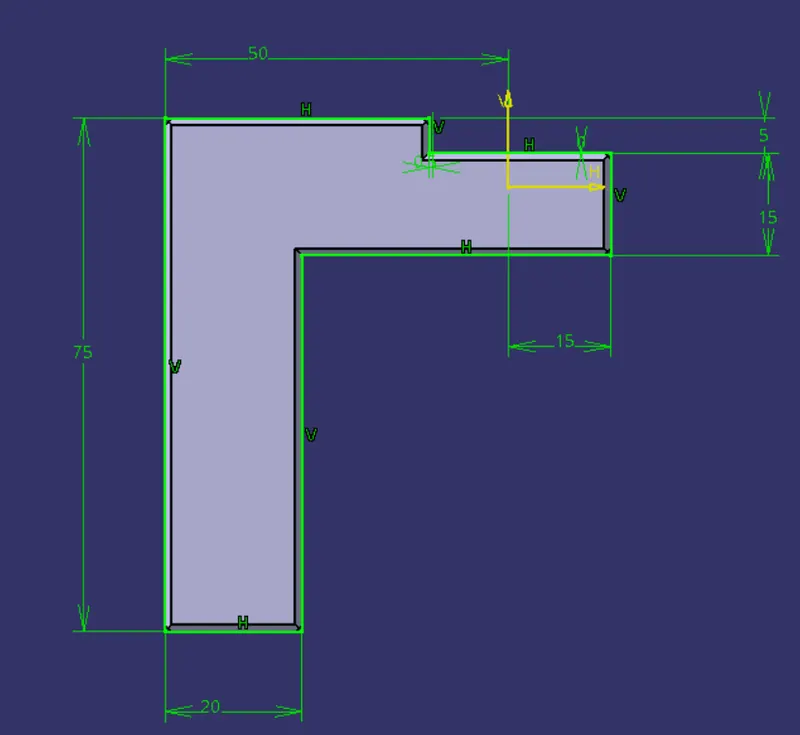
pad
Slot for Pin Position
Holes for Mounting to L Block
C) L BLOCK
Sketch
Pad
Holes For mounting to Pin Retainer and Blade
D)BLADE
sketch
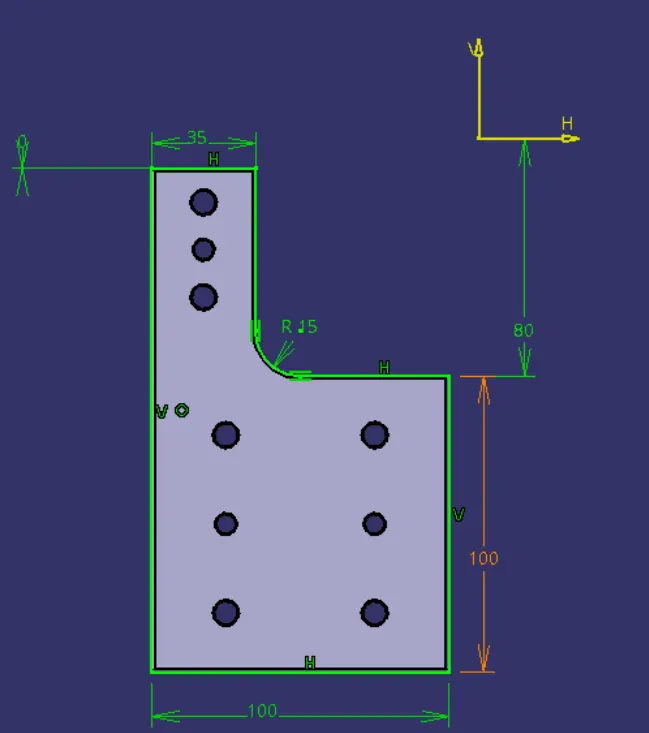
Holes for Mounting L Block and to mount with Raisers
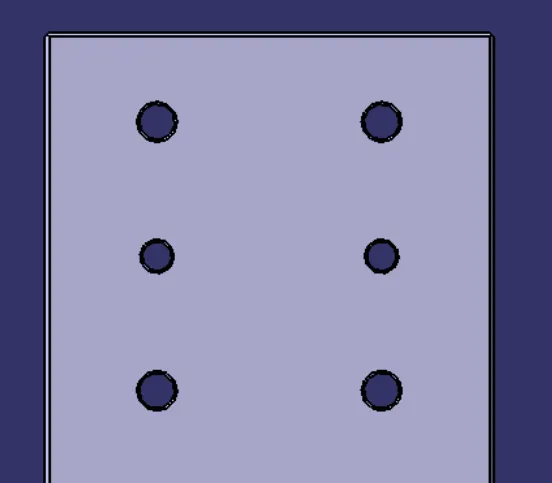
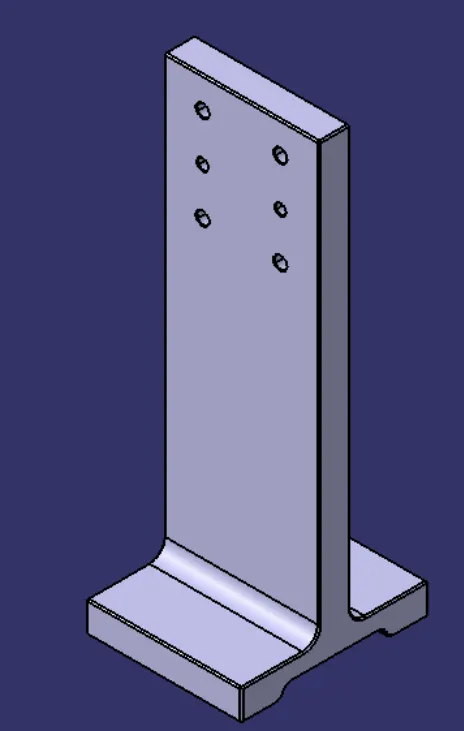
E) RAISERS
sketch
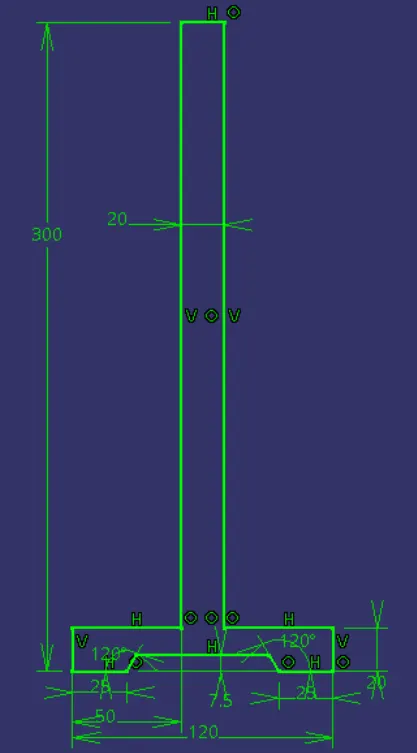
Pad
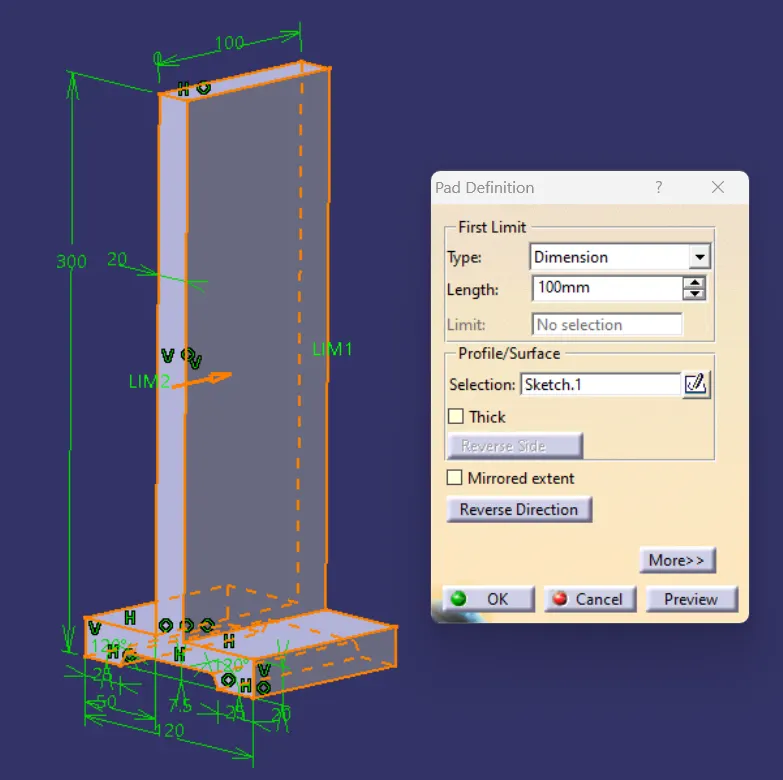
Holes for Mounting Blades on to Raisers
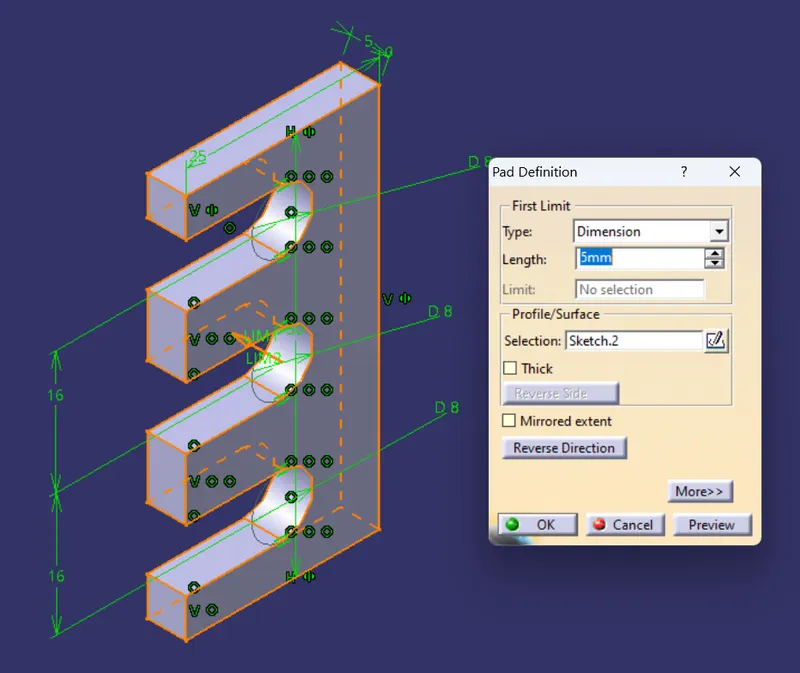
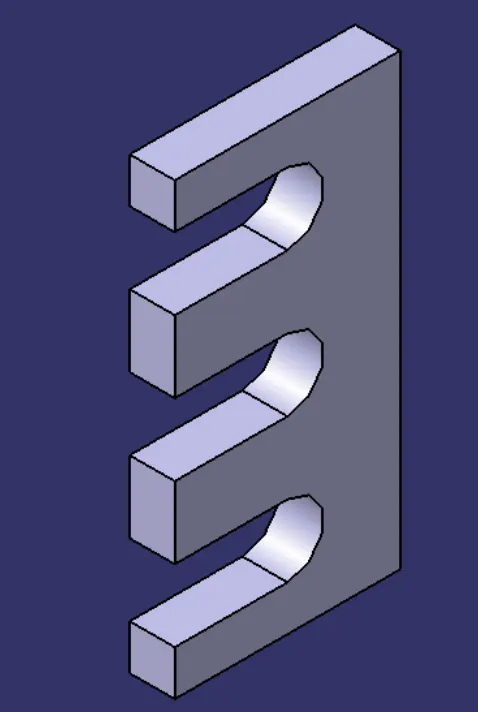
F) SHIMS
Sketch
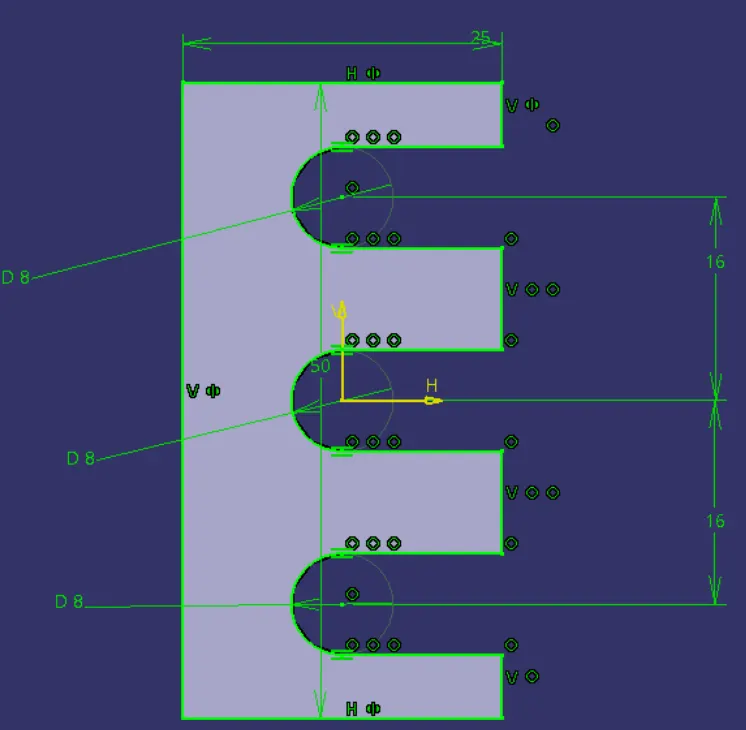
Pad
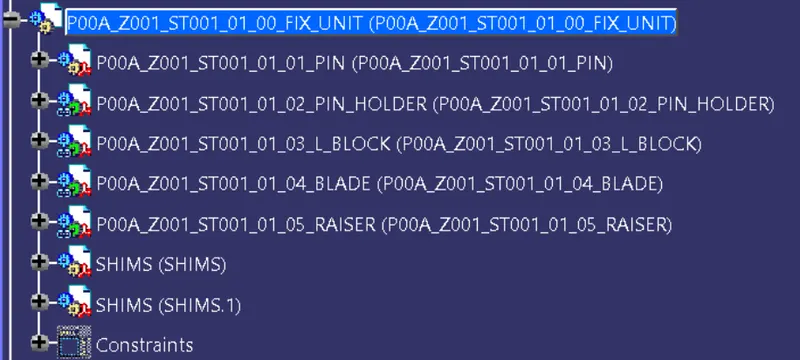
A_PROJECT_A_ FIIXED PIN UNIT
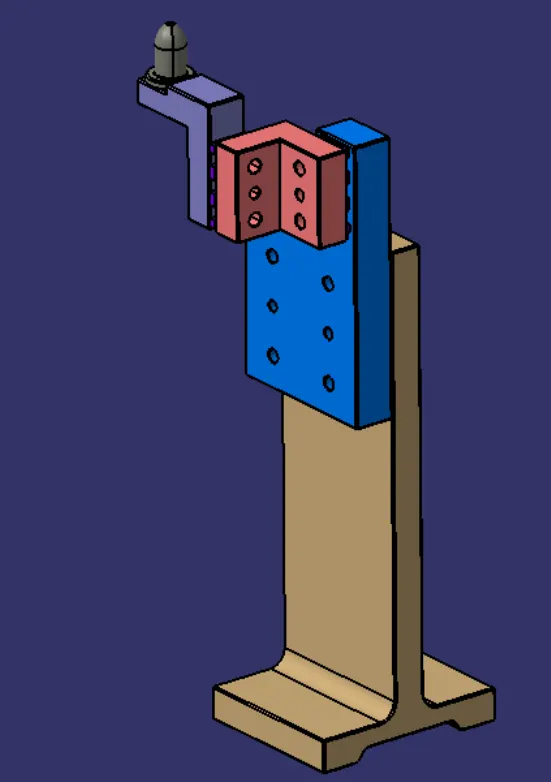
EXPLODED VIEW
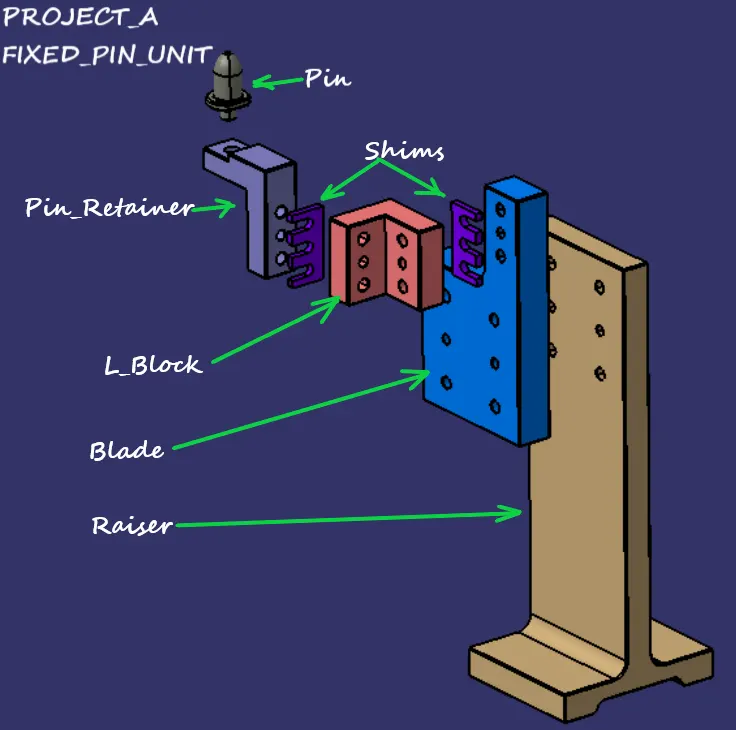
With Car Pannel
TREE STRUCTURE
B_PROJECT_A_RECTRACTABLE_UNIT
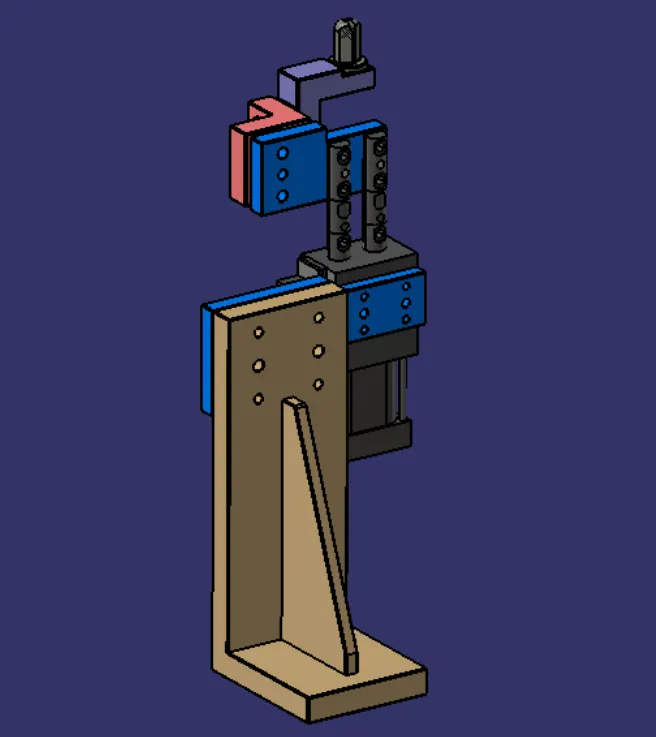
EXPLODED VIEW
With Car Pannel
TREE STRUCTURE
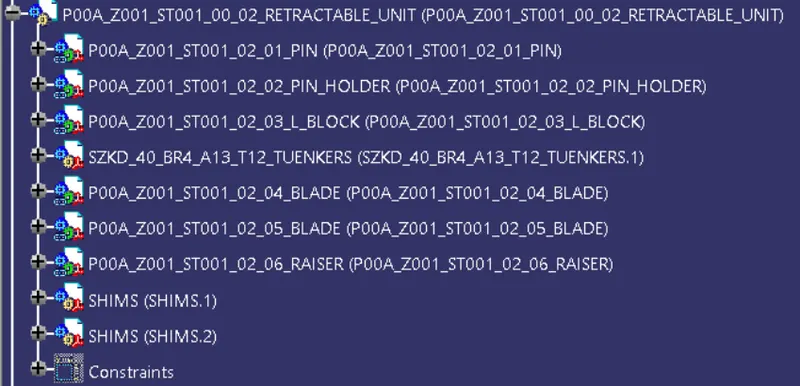
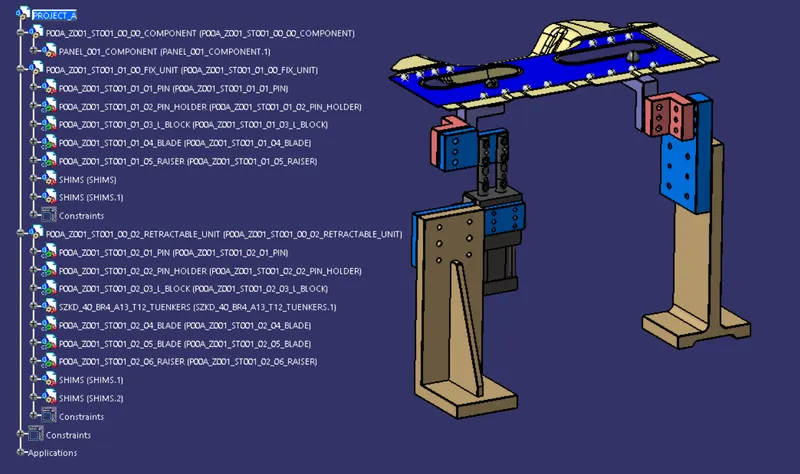
PROJECT_A
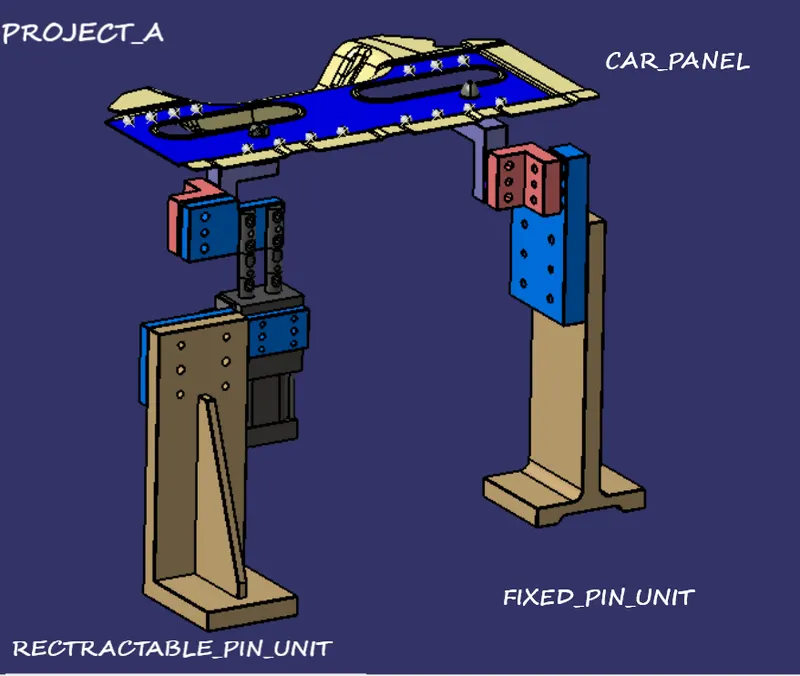
TREE_STRUCTURE
2.PROJECT_B
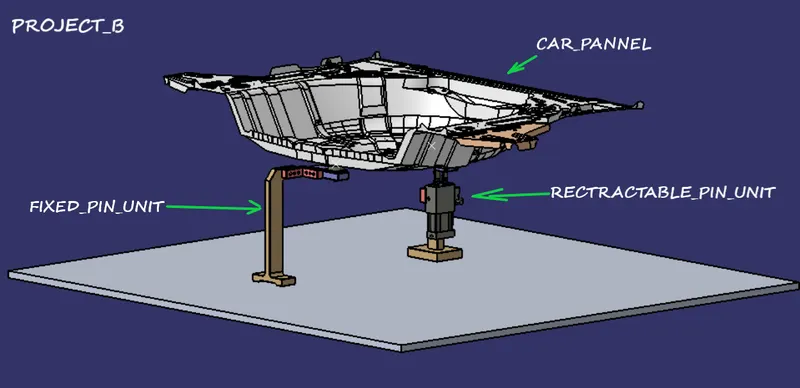
A) FIXED_PIN_UNIT
 .
.
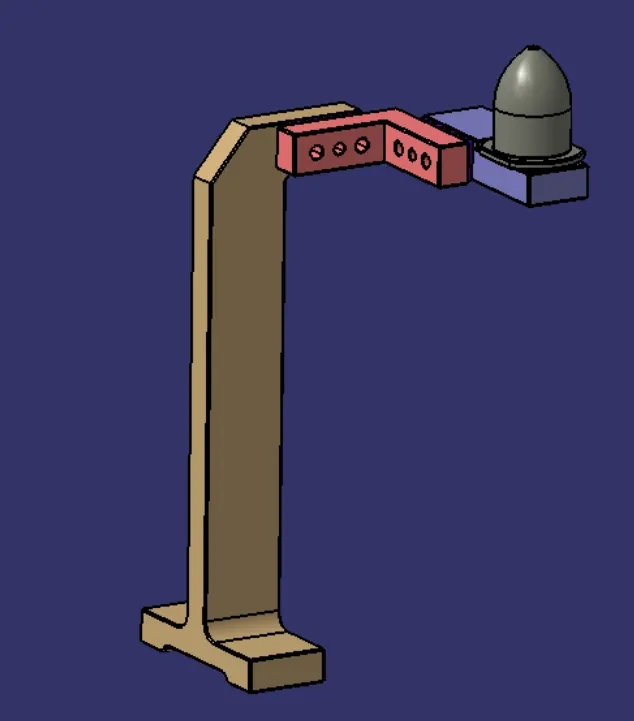
B) RECTRACTABLE_PIN_UNIT
ASSEMBLY
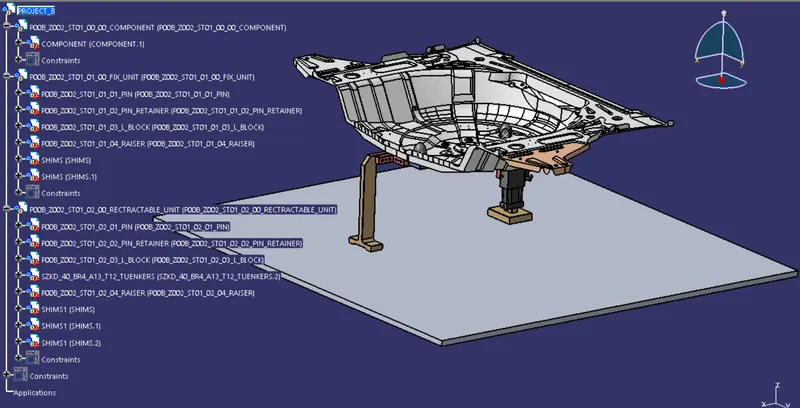
TREE STRUCTURE
CONCLUSION
Pin Unit is Created by Considering the Car Pannels
Fixed Unit and Rectractable Unit is Designed.